
Riyadh Province
King's College Riyadh
Riyadh's first British day school anchors a 140-year King's lineage in historic Diriyah, building toward iGCSE and A Level provision.
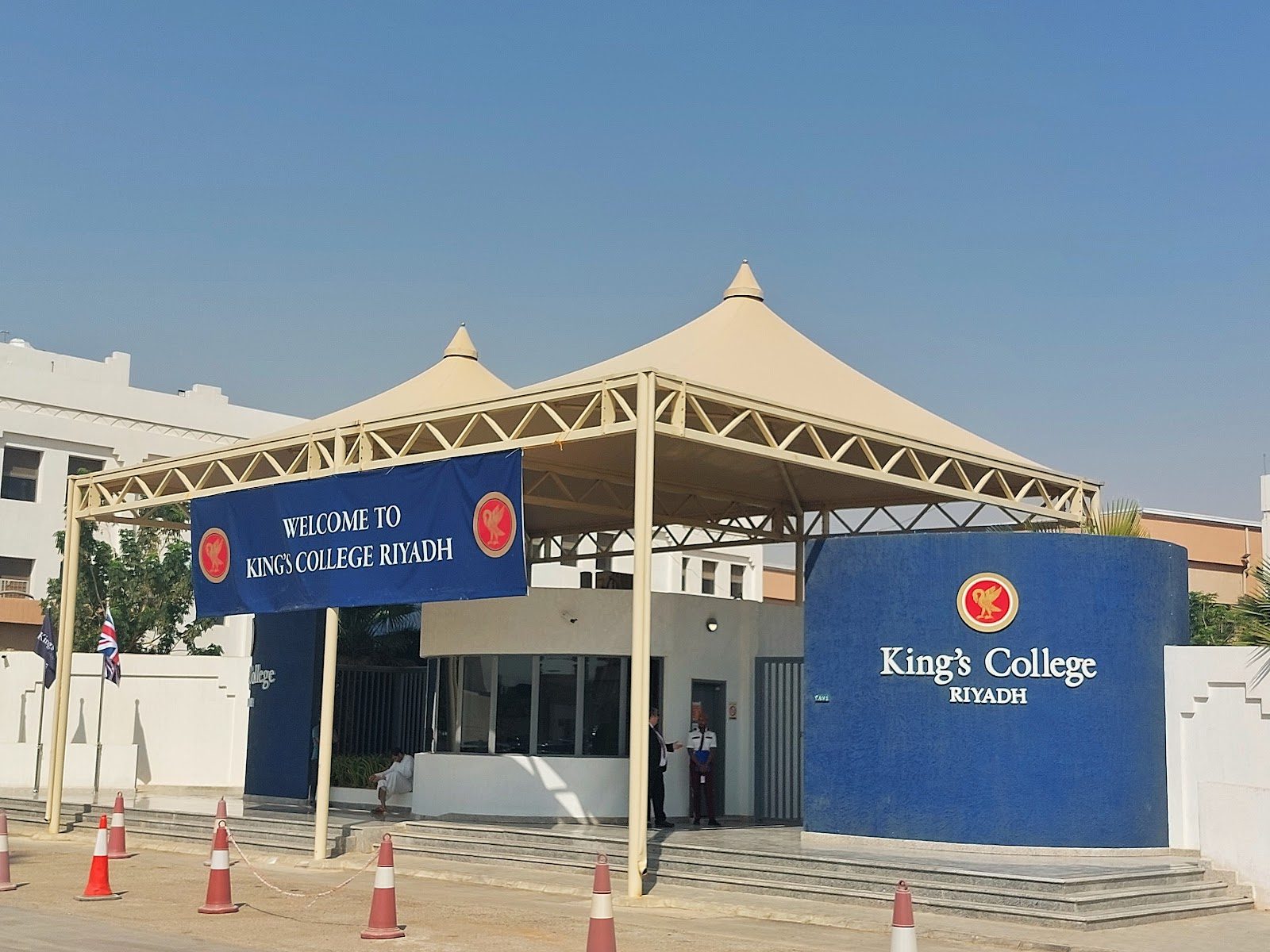
Photo © King's College Riyadh via Google Maps
Type
Day
Ages
4–18
Curriculum
British
Qualifications
IGCSE · A-Level
Ratio
—
The Verdict
Editor's commitment
Right for
Families in Riyadh who want a British day school from age 4 to 18, with English teaching and A Levels ahead.
Wrong for
Parents wanting an established Saudi school with a long local track record; King's College Riyadh opened in 2022.
Watch out for
The King's name carries weight, but this Diriyah campus is new, day-only, and averages SAR 59,522 a year.
Ranking breakdown
King's College Riyadh · #1560 of 1591
Composite score 42.0. 8 weighted criteria.
By criterion
Academic Outcomes
Weight 20%
#1496
of 1529 scored
University Placement
Weight 16%
#1496
of 1529 scored
Prestige & Heritage
Weight 12%
#1508
of 1571 scored
Alumni Network
Weight 12%
#1283
of 1530 scored
Facilities
Weight 12%
#1333
of 1533 scored
Transparency & Communications
Weight 8%
#1497
of 1532 scored
Peer & Industry Review
Weight 10%
#1515
of 1548 scored
Admissions Selectivity & Demand
Weight 8%
#1497
of 1529 scored
Peer & Industry Review
How King's College Riyadh is regarded in the sector
48
Credible · medium confidence
King's College Riyadh is a recent addition to Riyadh's British-curriculum market and has not yet built the independent review record seen for longer-established regional players such as British International School Riyadh or Riyadh's Kingdom schools. Neither WhichSchoolAdvisor nor Good Schools Guide currently carries a substantive, independently scored profile for the campus, consistent with its short operating history and absence of a full inspection/exam cycle. Public mentions largely trace back to the wider King's Group network (Spain, Latin America), whose sister campuses have firmer, independently verified reputations among IB and A-level families, rather than to Saudi-specific peer commentary. University admissions signals are not yet documented, since the school lacks a multi-year leaver cohort large enough to generate verifiable Russell Group, US, or Gulf-university placement data. Gulf education press references (e.g., listings of new Riyadh international schools tied to Vision 2030 expansion) note the school's opening without substantive qualitative assessment or head-teacher commentary from rival schools. Until British Schools Overseas (or equivalent) inspection results and published exam outcomes exist, citable third-party peer and university regard for King's College Riyadh remains largely unestablished rather than negative.
Editors' overview
King’s College Riyadh opened in 2022 in Diriyah, and that start date matters. This is a new school carrying an old name: the first British day school in Riyadh to trade on the King’s College lineage, with the weight of a 140-year brand behind it but none of the long local track record parents can inspect in Saudi Arabia. That cuts both ways. The attraction is obvious: English-medium teaching, a British curriculum, and a 4–18 age range that promises a full through-school journey to iGCSE and A Level in a market where families still prize a recognisable UK independent-school model. The risk is obvious too: new schools need time to prove culture, staffing stability and sixth-form outcomes. King’s deserves a place on a shortlist because it offers instant brand recognition in a city where credible British provision still carries real scarcity value, but parents should ask hard questions about delivery rather than buying the crest.
Its market position is clear. With an average annual fee of SAR 59,522, it sits in the premium day-school bracket for Riyadh, targeting families who want British structure and social polish rather than a bargain. The non-religious setting widens its appeal for international and mixed-background families, while the Diriyah location gives it a distinctive geographic advantage for households in the north-western side of the city who want a serious school run without crossing Riyadh end to end. The school’s declared 4–18 span also matters strategically: parents can enter early and avoid another transition at 11 or 13 if the senior school build-out lands cleanly. What is special here is less innovation than importation. King’s is selling a specific proposition: *an English independent-school sensibility*, transplanted into Riyadh, with the expectation of orderly classrooms, strong pastoral framing and a conventional academic route to 18.
The right child for King’s is one who thrives in a structured, adult-led environment and whose family wants continuity, clear expectations and a British educational finish. It will suit internationally minded Saudi and expatriate families who value the signalling power of a recognised UK school name and want a school that feels socially polished rather than experimental. It is less compelling for parents who want a long-established local track record, published legacy exam data or a more idiosyncratic educational philosophy. In short: King’s College Riyadh is a serious premium entrant, not yet a proven institution. Put it on the shortlist for its name, curriculum and positioning; keep it there only if the substance matches the inheritance.
Academic Performance
Academic performance is the school’s biggest open question. It has not yet reached the point where families can inspect a mature run of external results, and no aggregate iGCSE or A Level outcomes are in the public domain. That matters. In a premium British school, published exam data is one of the clearest tests of academic seriousness; without it, parents are buying into promise rather than proof. The school can still be a strong proposition for younger children, but for families choosing with public examinations already in view, the absence of published results leaves King’s behind Riyadh rivals that can point to pass rates, top grades and university destinations. This is a new entrant’s handicap, not a minor omission.
Relative to peers, King’s therefore sits in an unproven academic tier: not because there is evidence of weak attainment, but because there is no external record yet for parents to scrutinise. Schools with established sixth forms and several completed exam cycles hold the advantage on hard academic credibility. King’s has the benefit of a recognised name and a through-school plan to 18, but name recognition does not substitute for outcomes. The key question is straightforward: when the first examined cohorts move through, do results land at the level the brand implies? Until that answer arrives in published form, King’s remains an aspirational academic choice rather than a validated one.
Facilities
The campus’s key advantage is context and freshness. A new school in a master-planned setting can offer cleaner circulation, newer classrooms and better-maintained specialist spaces than older Riyadh campuses that have had to retrofit growth into buildings never designed for it. For parents, that matters day to day: drop-off, movement between phases, shade, sports access and the general friction of school life shape the experience as much as glossy prospectus images. The question is not whether the site is new, but whether the school has already fitted it out to a standard that matches the badge. On that point, King’s sits in the premium-expectation category. Families paying an average of SAR 59,522 a year should expect proper indoor PE provision, dedicated arts and performance rooms, age-appropriate early years spaces and science capacity that does not feel improvised.
Against Riyadh peers, the benchmark is unforgiving. The strongest British schools in the city pair polished teaching rooms with genuine depth in sport, performing arts and sixth-form study space; anything less reads as brand first, infrastructure second. King’s has an advantage over long-established schools with tired corners, but it also faces the standard problem of new-school incompleteness: facilities can be modern without yet feeling fully lived in or fully stretched by older year groups. That matters most at the top end. A campus serving children all the way to 18 needs specialist laboratories, serious library and study provision, and outdoor space that supports more than break-time supervision. If those pieces are in place, King’s competes well. If not, it remains smart but unfinished.
King’s is unique because it combines instant recognisability with local newness
Prestige
King’s College Riyadh carries borrowed prestige first and earned prestige later. The source of status is plain: the King’s name still has weight with families who know the UK independent-school market, and in Riyadh that badge does real work. It signals social confidence, parental ambition and a school choice made with an eye on international recognisability. The fee level — an average of SAR 59,522 a year across the full ladder — reinforces that premium positioning. This is not mass-market British schooling. It is a status-conscious purchase aimed at families who value brand inheritance, polished expectations and the social capital that attaches to a famous school name. In admissions conversations, that matters.
But prestige has tiers, and this school sits in the name-rich, proof-light bracket. It has imported a respected identity; it has not yet built the local record that turns reputation into authority. The strongest schools in this category pair heritage with hard evidence: settled leadership, visible alumni outcomes, exam performance, and a reputation established family by family. King’s College Riyadh does not have that local depth yet. That does not strip it of cachet, but it does cap it. For now, the prestige is high on association and thinner on demonstrated institutional substance. Parents buying King’s are buying access to a recognised tradition, not entry into a fully validated local elite.
King’s College Riyadh opened in 2022 in Diriyah, and that start date matters
Communications
King’s communicates like a school that knows the value of its name and needs to prove operational grip behind it. For parents, the essentials matter more than polish: calendars that update cleanly, term dates that do not shift without warning, responses that answer the actual question, and a visible line from classroom to home. A new premium school has no reservoir of inherited trust with local families, so communication carries extra weight. At this fee level — an average of SAR 59,522 a year — vague notices, delayed replies or over-produced messaging read as brand theatre. Parents need precision. They also need candour about staffing, year-group growth, senior-school build-out and the practical details that shape daily confidence. Where schools communicate well, families feel informed rather than managed.
Effectiveness here turns on consistency, not flourish. The school’s proposition attracts families who expect tight administration and low-friction parent contact, with pastoral and academic updates delivered in a disciplined way rather than buried in promotional copy. That standard is high, and rightly so. King’s does not yet have the luxury of relying on long local reputation to smooth over communication lapses. Every unanswered email and every muddled notice lands harder in a young school than in an established one. The strongest version of King’s communication is direct, timely and unsentimental: less crest, more clarity. If that is what parents get, confidence builds quickly. If not, trust thins fast.
Uniqueness
What sets King’s College Riyadh apart is not novelty in method but clarity of inheritance. Few schools in the market can offer a full through-school proposition under a British independent-school name that parents recognise instantly and know how to read. That gives families a tighter sense of what they are buying: adult-led expectations, formal habits, visible pastoral structure and a school culture built around conduct as much as classroom performance. For children, the benefit is institutional coherence. A pupil who starts young does not need to relearn the school at each phase; the rules, tone and ambitions hold together across the age range. The Diriyah setting adds another layer of distinction. This is not a generic highway-side campus dropped into sprawl. It has a sharper sense of place, which matters for identity and for the daily rhythm of family life.
The other point of difference is the school’s social proposition. At an average annual fee of SAR 59,522, this is a premium identity purchase as well as an education. That brings advantages for students: families buy in with clear expectations, the peer group is self-selecting, and the school can build a culture with fewer internal contradictions than broad-market operators. The trade-off is plain. Children get brand-backed confidence, continuity and polish; they do not get the comfort of a long local record. King’s is unique because it combines instant recognisability with local newness. For the right family, that mix feels energising. For cautious parents, it remains a leap.
The risk is obvious too: new schools need time to prove culture, staffing stability and sixth-form outcomes
Student Profile
The student body this school attracts is clear enough: families who want orderly expectations, visible manners, smart presentation and a peer group shaped by parental ambition. Children who do well here will cope happily with structure, teacher authority and a culture where routine matters. This is not the right setting for a child who needs a loose, highly progressive classroom or a school willing to indulge constant negotiation over rules. It will suit pupils who like knowing where the boundaries are and parents who want school to reinforce them. The price point — SAR 59,522 on average across the full ladder — also narrows the intake. That brings a socially selective cohort, with all the advantages and limits that follow: confidence, polish and strong home buy-in, but less breadth of background than at a wider-access school.
There is also a second filter: appetite for a school still building its own local identity. Families who fit best are comfortable entering early, backing leadership before the oldest cohorts have fully passed through, and accepting some new-school uncertainty in return for brand inheritance and continuity. Children who need an already entrenched student culture, a settled senior peer hierarchy or the reassurance of generations of local alumni will find stronger matches elsewhere. King’s suits the confident joiner: a pupil happy to grow with an institution, absorb its codes quickly and thrive in a high-expectation social environment.
It is less compelling for parents who want a long-established local track record, published legacy exam data or a more idiosyncratic educational philosophy
Co-curricular strengths
Arts & sport, on a separate axis
Overall 7.82/10
Scored 0-10 from the school's own published evidence. This axis is editorial-only — it does not feed the main WTS ranking.
Sports
8/10
Drama
8/10
Dance
7.5/10
Music
7.8/10
Visual Arts
7.8/10
Strengths
- +Follows the British National Curriculum through to IGCSE and A Level, a globally portable qualification pathway for university entry.
- +Operates under the King's Group Schools brand, which has an established base of sister schools in Spain, giving access to a shared curriculum framework and staff training network.
- +Located in Riyadh, benefiting from Saudi Arabia's Vision 2030 push to expand international schooling options for expatriate and local families.
- +Day-school model avoids boarding fees and keeps children within the family home each evening, easing settling-in for relocating households.
Considerations
- −As a relatively new school in the Riyadh market, it has no long public track record of exam results, leavers' destinations or independent inspection reports.
- −Fee levels, class sizes and facilities are not consistently published, making it difficult for prospective parents to benchmark value against established rivals.
- −Riyadh's international school sector is still maturing compared with hubs such as Dubai or Abu Dhabi, so accreditation history and long-term institutional stability are less proven.
- −Being day-only, families without settled housing near the campus may face commuting or logistics constraints during relocation.
Availability
Primary entry gate & tests
CAT4 / Assessment
Gallery
Photo © King's College Riyadh via Google Maps
Photo © Ramshad Abdulsamad via Google Maps
Photo © Hassan Qureshi via Google Maps
Photo © Hassan Qureshi via Google Maps
Photo © Hassan Qureshi via Google Maps
Photo © KCR Marketing via Google Maps
Photo © KCR Marketing via Google Maps
Parent reviews
Have you sent your child here?
Voice reviews carry the strongest trust badge — we transcribe them for you to tidy up before they go live. Prefer to type? A written review is fine too.
Add your voice
In 60 seconds, tell other parents: what's the best thing about King's College Riyadh, and what surprised you when your child joined?
We ask for a Google sign-in so every review has a real face behind it — no anonymous drive-by attacks on schools, and no faked positive reviews. Your email is never shown publicly.
Send this profile to a friend
International parents rely on word-of-mouth. Share this review with someone weighing the same decision.
Schools with places
Similar schools to King's College Riyadh with places available now.
Multinational School Riyadh
Riyadh · Saudi Arabia
- 2026-27
- PLACES OPENApps open / space-dependent
- 2027-28
- WAITPOOL2027/28 timetable TBC
Misk Schools
Riyadh · Saudi Arabia
- 2026-27
- PLACES OPENApps open / space-dependent
- 2027-28
- WAITPOOL2027/28 timetable TBC
British International School Riyadh
Riyadh · Saudi Arabia
- 2026-27
- WAITPOOLSpace-dependent
- 2027-28
- PLACES OPENRolling
Availability first, then country, area, curriculum, price, co-curricular
Consider also
Also worth looking at alongside King's College Riyadh.
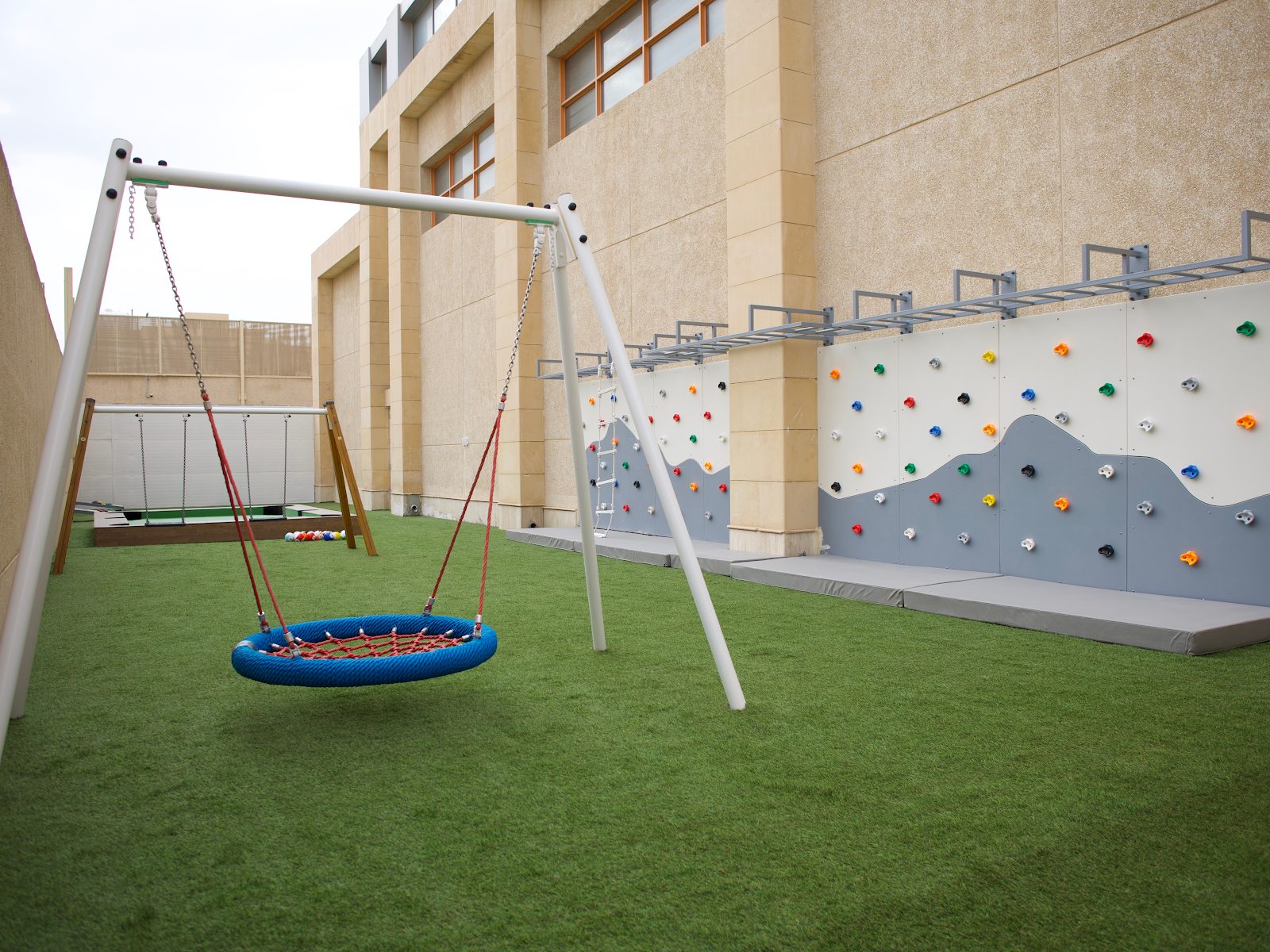
Aldenham Riyadh
Riyadh · Saudi Arabia
A 425-year-old English school's owner-operated outpost in Riyadh's financial district pairs British rigour with strong Arabic studies.
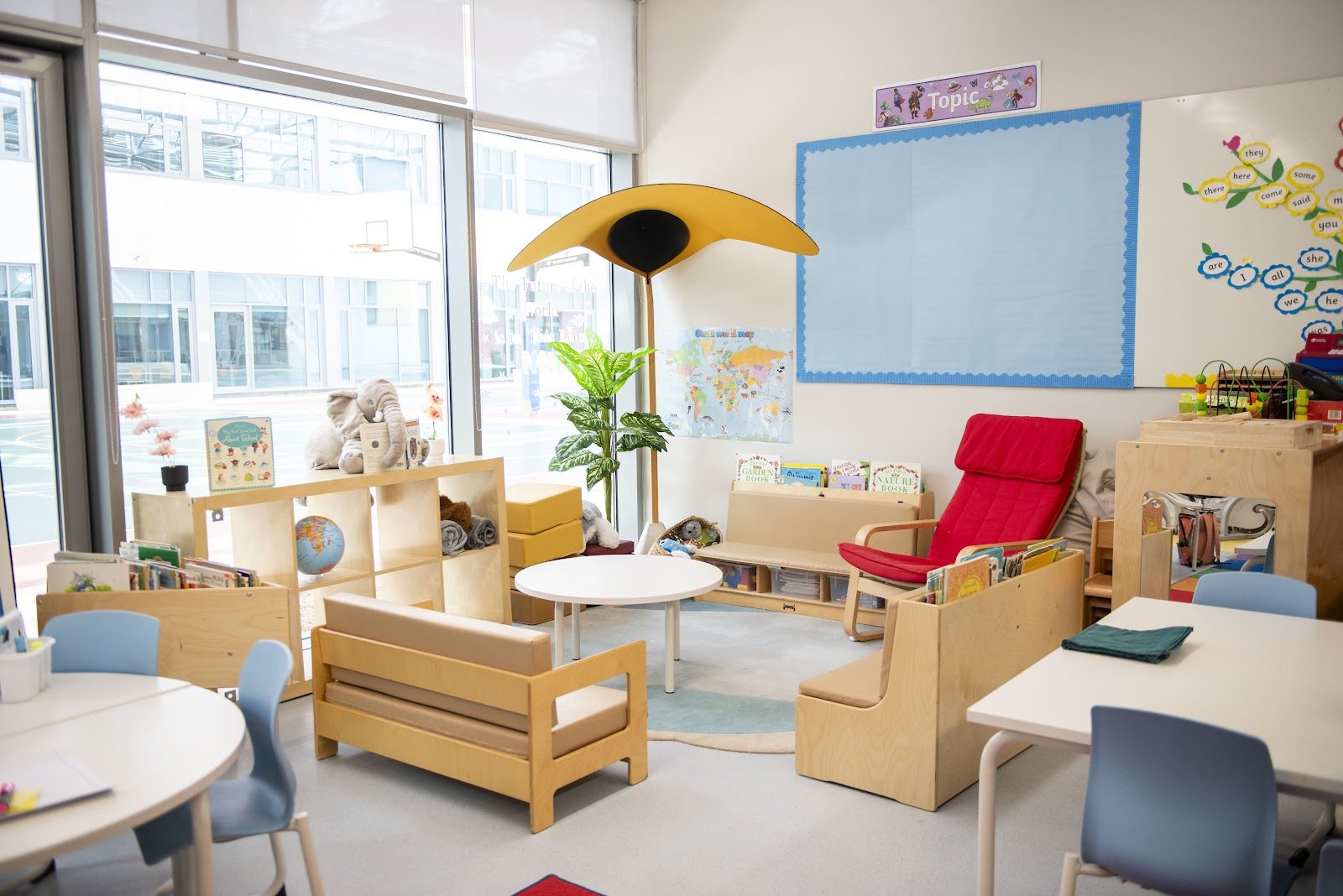
British School Dhahran
Dhahran · Saudi Arabia
In Saudi Arabia's oil heartland, a purpose-built 40-acre campus delivers the National Curriculum for England alongside its American neighbour.
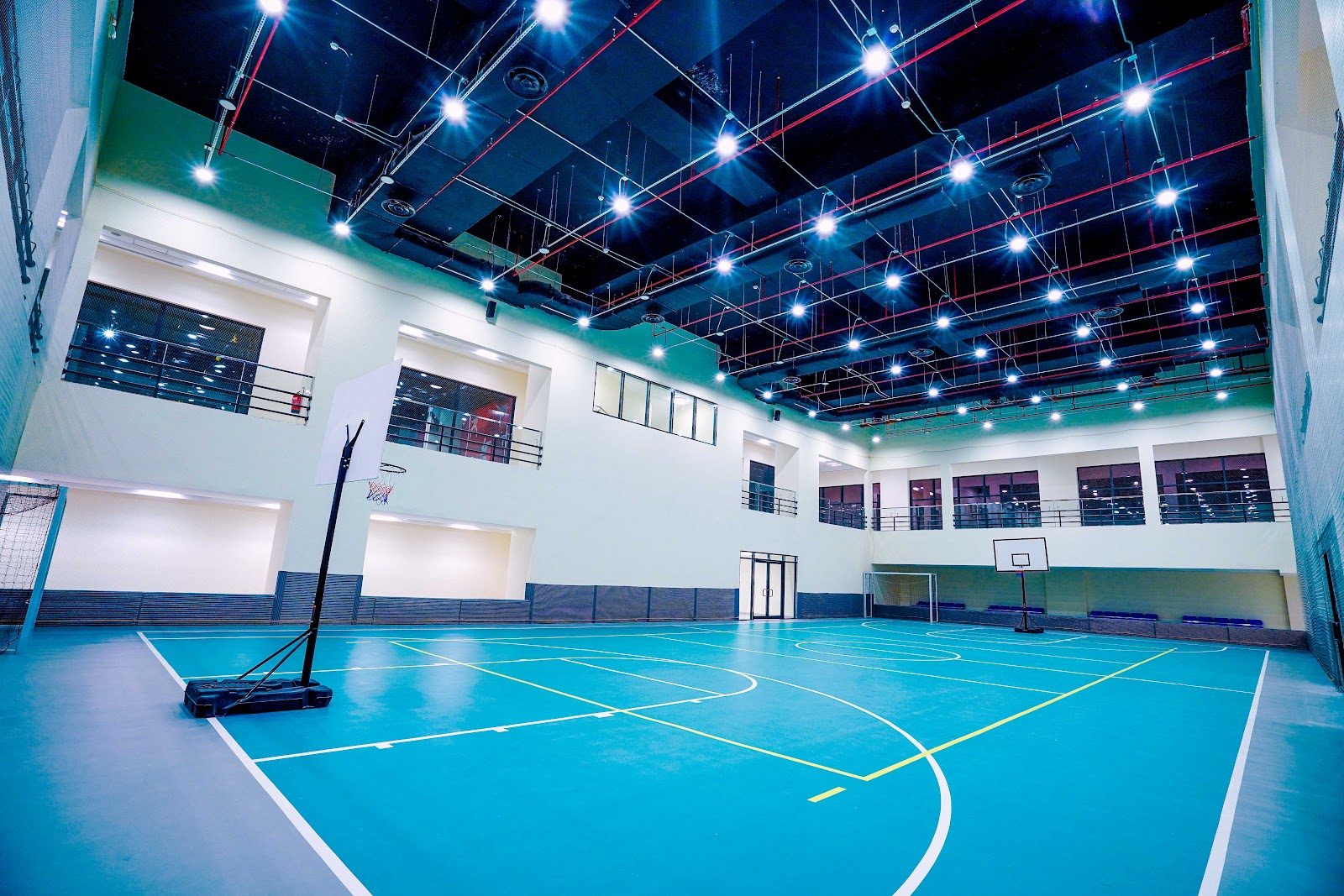
Downe House Riyadh
Riyadh · Saudi Arabia
A century-old Berkshire girls' school transplanted to Riyadh, blending British rigor with Arabic and Islamic studies from Year 5.
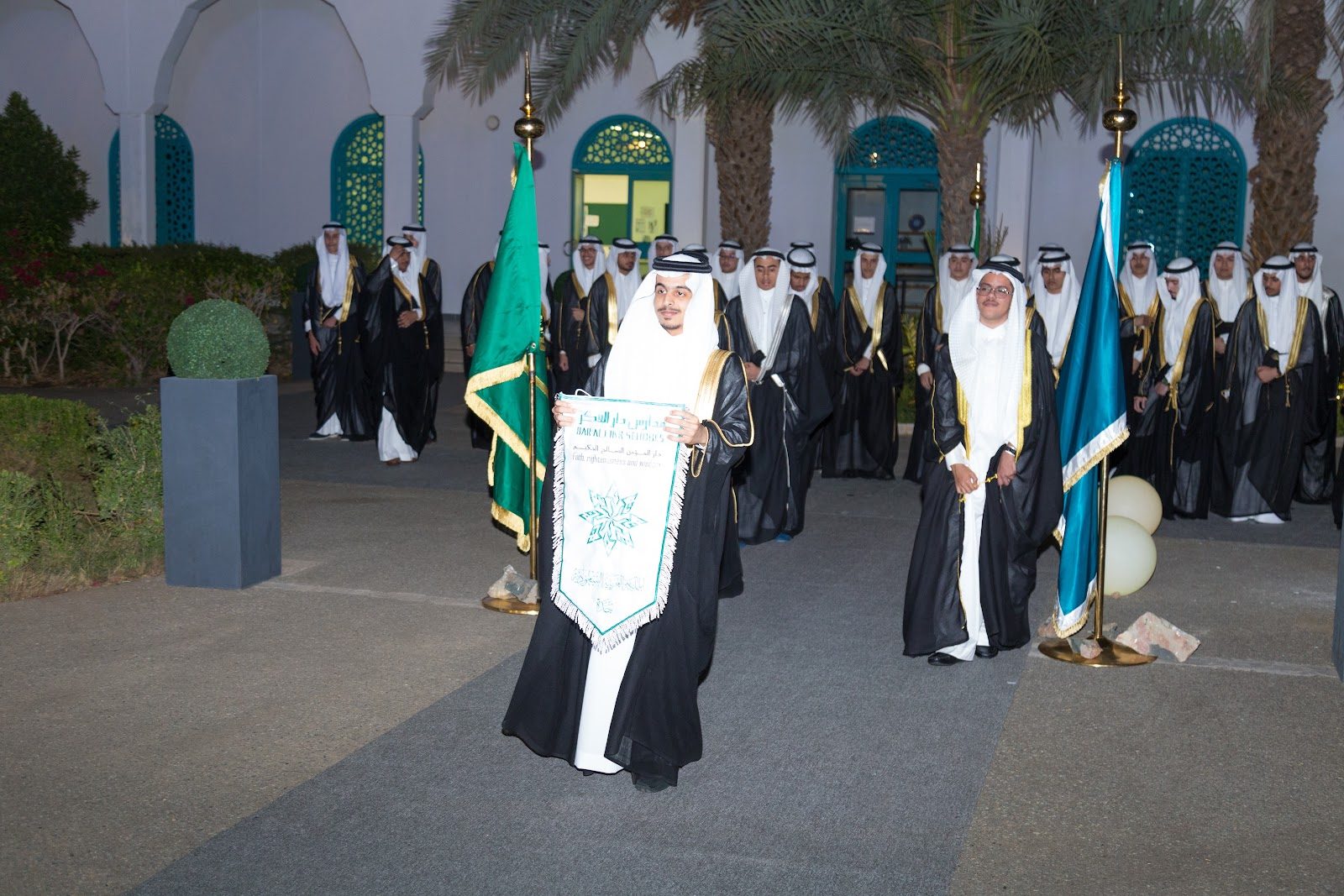
Dar Al Fikr Schools
Jeddah · Saudi Arabia
A campus engineered like a solar system, with faith as the fixed center around which British rigor and Arab-Islamic identity orbit.
Same country and curriculum — closest matches within ±10 points either way