
Tokyo
Christian Academy in Japan
medium confidence· 4/6 cats · 3.43 avg sourcesBorn from postwar missionary schooling on former imperial dairy land, now pairing AP rigor with a campus-wide week of off-site service leadership.
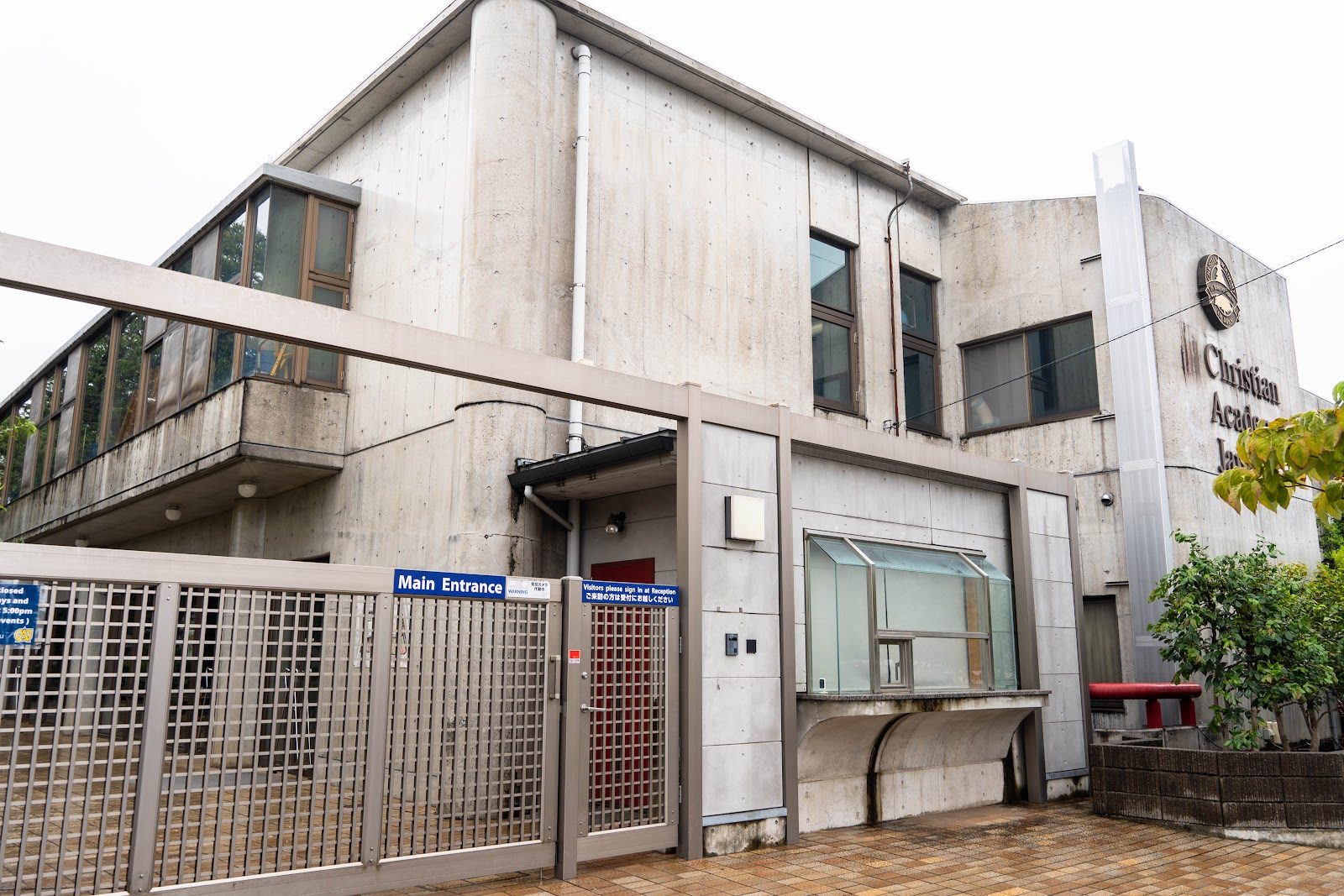
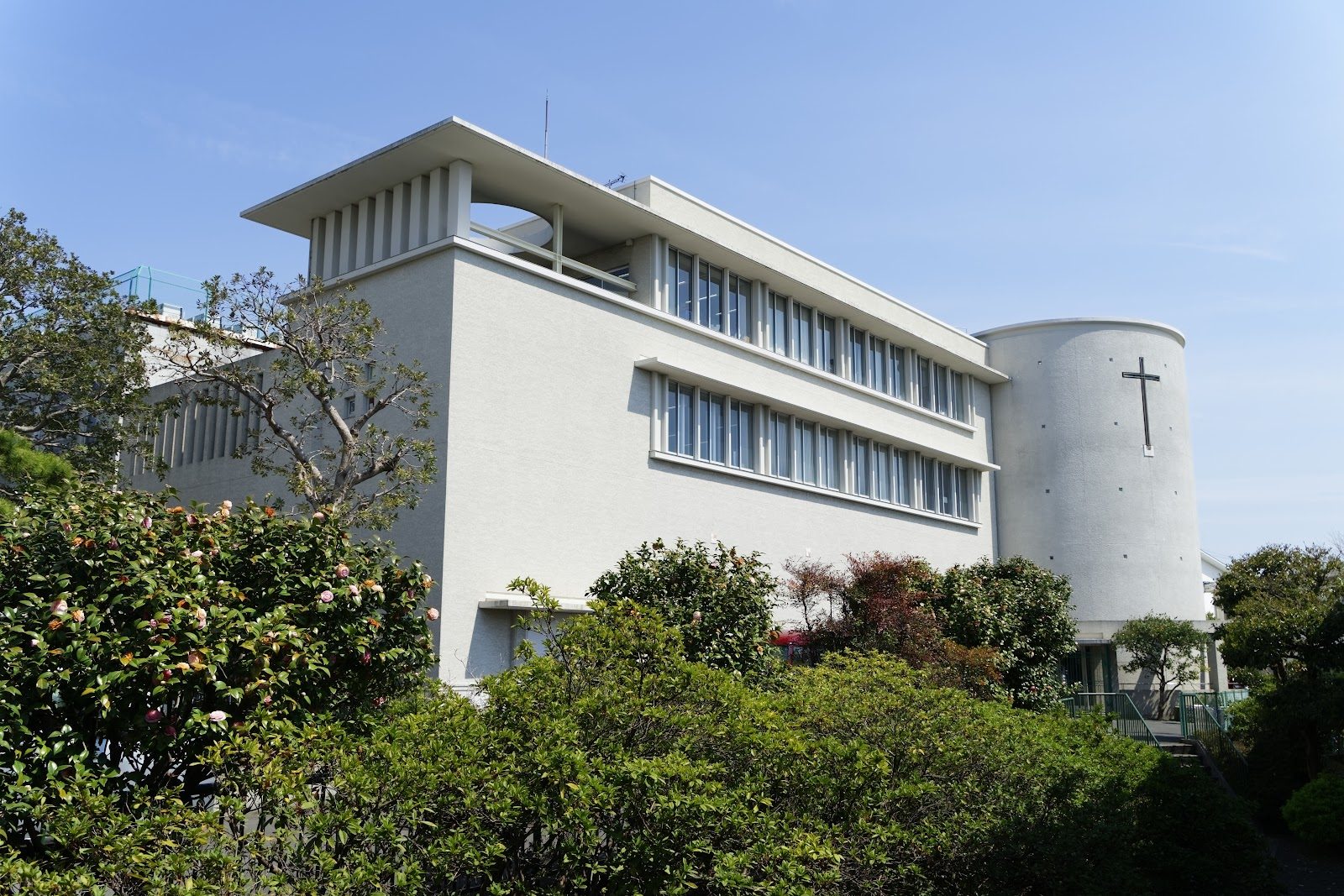
Photo © Masahiko Motono via Google Maps
Type
Day + Boarding
Ages
11–18
Curriculum
American · AP
Ratio
1:9
The Verdict
Editor's commitment
Right for
Families committed to Christian schooling, English instruction and AP within a 1:9 ratio at a 1950-founded Tokyo day-and-boarding school.
Wrong for
Parents wanting a secular atmosphere, Japanese-medium teaching or a broad non-Christian intake; 35% of students are missionary dependants and ACSI accreditation matters here.
Watch out for
This is a small school: about 450 day students on a 4-acre campus, with WASC and ACSI accreditation but no published aggregate AP results.
Ranking breakdown
Christian Academy in Japan · #729 of 1591
Composite score 65.2. 8 weighted criteria.
By criterion
Academic Outcomes
Weight 20%
#855
of 1529 scored
University Placement
Weight 16%
#848
of 1529 scored
Prestige & Heritage
Weight 12%
#845
of 1571 scored
Alumni Network
Weight 12%
#532
of 1530 scored
Facilities
Weight 12%
#923
of 1534 scored
Transparency & Communications
Weight 8%
#910
of 1532 scored
Peer & Industry Review
Weight 10%
#791
of 1548 scored
Admissions Selectivity & Demand
Weight 8%
#647
of 1529 scored
Score history
Christian Academy in Japan · 2026
Movement across 2024–2026. Peer average overlaid.
Overall — 2024–2026
65.2/ 100
▲ +19.5 vs 2025
year on year
Peer & Industry Review
How Christian Academy in Japan is regarded in the sector
67
Respected · medium confidence
I could not locate at least two independent third-party sources (e.g., Tatler, Good Schools Guide, specialist education press, government inspectorate reports) that substantively assess Christian Academy in Japan's reputation among peer institutions or alumni networks. Available information appears limited to the school's own materials and general directory listings without independent evaluative commentary.
Editors' overview
Christian Academy in Japan occupies a distinct niche in Tokyo: an English-medium Christian school founded in 1950 for missionary families, now serving a broader international mix while keeping that religious core intact. That history matters. This is not a generic international school with a chapel attached; it was built for families who wanted faith and schooling integrated, and it still delivers that with unusual clarity. The student body remains split between missionary dependents and business or professional families, with students from over 25 countries. For parents who want an American curriculum with AP courses, boarding, and explicit Christian formation in one place, CAJ belongs on the shortlist. Few schools in Japan combine all of those elements with this degree of institutional continuity, a 1:9 student-teacher ratio, and accreditations from WASC and ACSI. A strong sense of purpose runs through the whole operation.
What marks CAJ out is its combination of scale, mission and practical infrastructure. It is small enough to feel close-knit and watchful, but not so small that opportunities collapse after the basics. A 4-acre campus in western Tokyo houses a 370-seat auditorium, 25,000-volume library, 450-seat gym, regulation-size turf football pitch, tennis courts, outdoor basketball courts, dining hall and 1:1 device provision. That is a serious physical offer for a school of roughly 450 day students. The school also carries an unusual extension through its Parallel Educational Services division, which has supported English-speaking homeschoolers in Japan since 1983. That tells you something useful about CAJ’s place in the market: it is not only a school, but a longstanding hub for Christian English-language education in Japan. Deep roots in a specific community give it weight.
The trade-off is clear. CAJ is not for families who want a secular cosmopolitan identity, a neutral values framework, or a school that treats religion as a soft cultural accessory. Christianity sits at the centre of the proposition. Parents need to want that, not merely tolerate it. The school will suit students who thrive in a structured, relationship-led environment, who can work within an American academic model, and who are ready for a community where service, faith and belonging are not side programmes but part of the daily grammar of school life. It will also suit internationally mobile families who need English instruction and a stable boarding option in Japan. Mission-led rather than brand-led, CAJ offers something many international schools do not: moral seriousness without pretence.
Why shortlist it? Because it does a specific job well, and there is no point pretending otherwise. CAJ offers a mature, clearly defined school culture; AP-based academic rigour; a long-established Christian ethos; and facilities that back up the promise. It is best for families seeking conviction, continuity and community rather than social cachet. Students who want a broad, anonymous international campus will find it too bounded. Students who want a school with clear expectations and real belonging will find one of Tokyo’s most distinctive options.
Academic Performance
CAJ’s academic profile has one strong selling point and one clear limitation. The strong point is structural: an American programme with AP courses, small classes and a student body geared towards university progression gives the school a credible route into North American and international higher education. The limitation is blunt: CAJ does not publish aggregate AP outcomes, average scores, pass rates, SAT or ACT profiles, or matriculation patterns in enough detail to judge examination performance against Tokyo’s top academic internationals. For an older, established school, that gap matters. Parents can infer seriousness from the academic set-up and from the fact that university representatives are invited to arrange visits through guidance, but inference is not data. On results transparency, CAJ is thin, and that leaves its academic standing hard to verify.
That does not place the school in a weak bracket; it places it in an opaque one. Among mission-led international schools in Japan, CAJ holds a credible academic position because it couples AP study with a low 1:9 staffing ratio and a stable institutional base. Against more results-forward competitors, it gives less proof. The school’s week of off-site service leadership also tells you something about priorities: CAJ values formation and responsibility alongside examination metrics, not examination metrics alone. That balance will suit families who want moral purpose as much as score maximisation. Families chasing the strongest published data set, or direct evidence of top-tier exam firepower, will find the public record too spare.
Facilities
For a school of its size, CAJ’s physical plant is better than the niche might imply. The auditorium, full gym, regulation turf football pitch, tennis courts and outdoor basketball courts give it a co-curricular base that many compact Tokyo campuses cannot match. The library is another serious asset: 25,000 volumes, periodicals and access to audiobooks and ebooks amount to more than a token reading room. A dining hall with hot lunch provision also matters more than brochures admit; it makes the school day run cleanly, especially for families using boarding or long commutes. The one-device-per-student set-up is now standard at stronger international schools, not a differentiator, but it does confirm that CAJ covers the essentials without fuss.
Against peers, the picture is mixed in a useful way. CAJ does not compete on acreage, spectacle or specialist excess; families will not find the flashier end of the market here, with sprawling performing arts complexes, multiple indoor courts or the kind of premium science infrastructure that headline-led schools advertise. What it offers instead is *practical sufficiency with depth in the right places*. The 370-seat auditorium and 450-seat gym are substantial for a small school, and the outdoor sports provision is stronger than many urban rivals squeezed into tight sites. In Tokyo terms, this is a workmanlike, well-equipped campus that supports daily school life properly rather than trying to dazzle.
Students who want a school with clear expectations and real belonging will find one of Tokyo’s most distinctive options
Prestige
CAJ’s prestige is niche rather than universal. In Tokyo’s international-school market, it does not trade on social cachet, elite-brand theatre or relentless results publicity. Its status comes from something narrower and sturdier: long institutional continuity, a clearly defined Christian mission, and a durable place within expatriate evangelical and missionary networks. For families inside that world, CAJ carries real weight. The list of founding mission partners still matters, because it signals that the school sits inside an established transnational community rather than operating as a standalone boutique campus. Its government status as a gakko hojin adds another layer of seriousness. So does the fact that it supports more than 300 students through Parallel Educational Services as well as running the main school. That reach gives CAJ influence beyond its own enrolment.
Outside that constituency, the prestige is more limited. CAJ does not hold the broad, city-wide aura of Tokyo schools whose names circulate through embassy circles, finance families and globally mobile corporate households. The public case for academic distinction is also weaker than it needs to be, because the school does not publish the sort of aggregate outcomes that convert respect into hard prestige. Prestige in international education rests on signal as much as substance: selective admissions, visible university destinations, headline results, a recognisable alumni bench. CAJ has substance, moral seriousness and a loyal constituency; it has less public glamour. I rate its prestige as strong within its lane, modest outside it.
Families chasing the strongest published data set, or direct evidence of top-tier exam firepower, will find the public record too spare
Communications
CAJ communicates like a school that expects an ongoing relationship with parents, not a once-a-term transaction. The public-facing basics are in good order: clear contact routes for general enquiries, admissions and guidance; named senior leaders; calendars; news; and a defined structure for different parts of school life. The site also carries practical family-facing sections such as child protection, homeschool support and summer programmes, which tells you that communication extends beyond selling the school to managing a community. The existence of a parent association and livestream access points to regular institutional contact rather than silence between events. For a school serving families from over 25 countries, that matters. This is functional, deliberate communication, not glossy performance.
The limitation is transparency at the higher-stakes end. CAJ gives parents ways to reach people and follow school life, but it discloses less than the strongest international schools on outcomes, strategic priorities and measurable school performance. That weakens trust at the point where parents want hard evidence, not warm community signals. The school also runs both its main programme and Parallel Educational Services for more than 300 learners, which raises the bar for clarity: families need crisp distinctions between offerings, responsibilities and routes of support. On day-to-day communication, CAJ looks competent and organised. On institutional disclosure, it is more guarded than ideal. Parents who value *plain access to staff and steady operational clarity will be satisfied; parents who want forensic transparency* will push for more.
Uniqueness
What sets CAJ apart is not novelty but institutional specificity. This school grew out of missionary education and never diluted that origin into a vague values statement. It still serves a community with one foot in church and mission networks, while also educating families who want that framework without belonging to the founding constituency. That gives students a school culture with clear moral grammar: faith is embedded in the day, service is organised rather than decorative, and adult expectations carry consistency across classrooms, activities and pastoral life. The Parallel Educational Services arm sharpens that distinctiveness. Supporting more than 300 homeschoolers and affiliated schools puts CAJ in a different category from stand-alone international schools; it acts as a community anchor for English-speaking Christian education in Japan, not just a campus.
For students, that brings two concrete advantages. First, the school’s service emphasis has real shape. A campus-wide week of off-site service leadership moves responsibility beyond assemblies and slogans, giving pupils direct practice in work, teamwork and obligation. Second, the social environment is more bounded and intentional than at broader-market international schools. Students who want anonymity, social sprawl or a secular peer culture will chafe. Students who work best in a watchful, values-driven setting gain a lot: stronger adult oversight, a more coherent peer culture, and a school experience that ties study, conduct and service into one unusually integrated proposition.
The Parallel Educational Services arm sharpens that distinctiveness
Student Profile
CAJ suits students who do best in a bounded, values-led community with clear adult authority and little tolerance for drifting. The social mix matters: the school states that about 35% of pupils are missionary dependants and 65% are from business and professional families. That produces a cohort with an international frame of reference, but not the polished neutrality of a big-city secular international school. Families choose CAJ for a reason, and students feel that shared intent. Those who fit best are comfortable with Christianity as a lived part of school life, not an optional backdrop, and are willing to join a culture where service, conduct and belonging carry real expectations. With pupils from over 25 countries, there is range in passport and family story; there is less range in the school’s moral centre.
The best match is a student who wants structure, recognisable standards and adults who know them well. Children who need anonymity, social experimentation or a looser campus culture will find CAJ constraining. So will families who want religion kept politely at the edge. Pupils who thrive here are community-minded, steady, and open to responsibility beyond the classroom. The school also has room for internationally mobile families who want continuity in Japan without giving up a Christian framework. In blunt terms: CAJ is not a broad-market fit. It is a strong fit for families who want conviction, order and a peer group shaped by the same choice.
The student body remains split between missionary dependents and business or professional families, with students from over 25 countries
Co-curricular strengths
Arts & sport, on a separate axis
Overall 7.16/10
Scored 0-10 from the school's own published evidence. This axis is editorial-only — it does not feed the main WTS ranking.
Sports
8/10
An established athletics culture with named varsity basketball and volleyball plus soccer, cross-country, track and field, baseball and cheerleading, alongside a 450-seat gymnasium and a regulation-size turf football pitch.
Drama
7.2/10
Drama productions are explicitly offered, and the campus includes a 370-seat auditorium that serves as a dedicated performance facility.
Dance
5.5/10
Cheerleading is listed, which provides only limited dimension-specific evidence of organized dance-related activity.
Music
7.8/10
Choir is explicitly offered, and the school has a 370-seat auditorium that supports structured music performance.
Visual Arts
7.3/10
Editor first-pass · editor-reviewable · 7/28/2026
Strengths
- +Established in 1950; long-standing Tokyo international school.
- +English-medium teaching with North American curriculum.
- +AP available alongside the American programme.
- +Students from over 25 countries; broadly international mix.
Considerations
- −Explicitly Christ-centred; not secular in outlook.
- −Founded for evangelical missionaries' children; distinctive religious mission.
- −Only about 450 day students; smaller peer group.
Availability
Primary entry gate & tests
Academic Record
Gallery
Photo © yuuchi via Google Maps
Photo © Joshua Shew via Google Maps
Photo © Joshua Shew via Google Maps
Photo © Joshua Shew via Google Maps
Photo © Junichi Akimoto via Google Maps
Photo © Hiroshi Drone via Google Maps
Photo © Joshua Shew via Google Maps
Photo © s tohiyuyako via Google Maps
Photo © John Ewing via Google Maps
Parent reviews
Have you sent your child here?
Voice reviews carry the strongest trust badge — we transcribe them for you to tidy up before they go live. Prefer to type? A written review is fine too.
Add your voice
In 60 seconds, tell other parents: what's the best thing about Christian Academy in Japan, and what surprised you when your child joined?
We ask for a Google sign-in so every review has a real face behind it — no anonymous drive-by attacks on schools, and no faked positive reviews. Your email is never shown publicly.
Send this profile to a friend
International parents rely on word-of-mouth. Share this review with someone weighing the same decision.
Schools with places
Similar schools to Christian Academy in Japan with places available now.
Nishimachi International School
Tokyo · Japan
- 2026-27
- WAITPOOLSpace-dependent
- 2027-28
- PLACES OPENRolling
International School of the Sacred Heart
Tokyo · Japan
- 2026-27
- WAITPOOLSpace-dependent
- 2027-28
- PLACES OPENRolling
Kaisei Academy
Tokyo · Japan
- 2026-27
- CLOSEDStandard route
- 2027-28
- OPENS SOONOpens Late '26
The American School in Japan
Tokyo · Japan
- 2026-27
- WAITPOOLSpace-dependent
- 2027-28
- PLACES OPENRolling
Availability first, then country, area, curriculum, price, co-curricular
Consider also
Also worth looking at alongside Christian Academy in Japan.
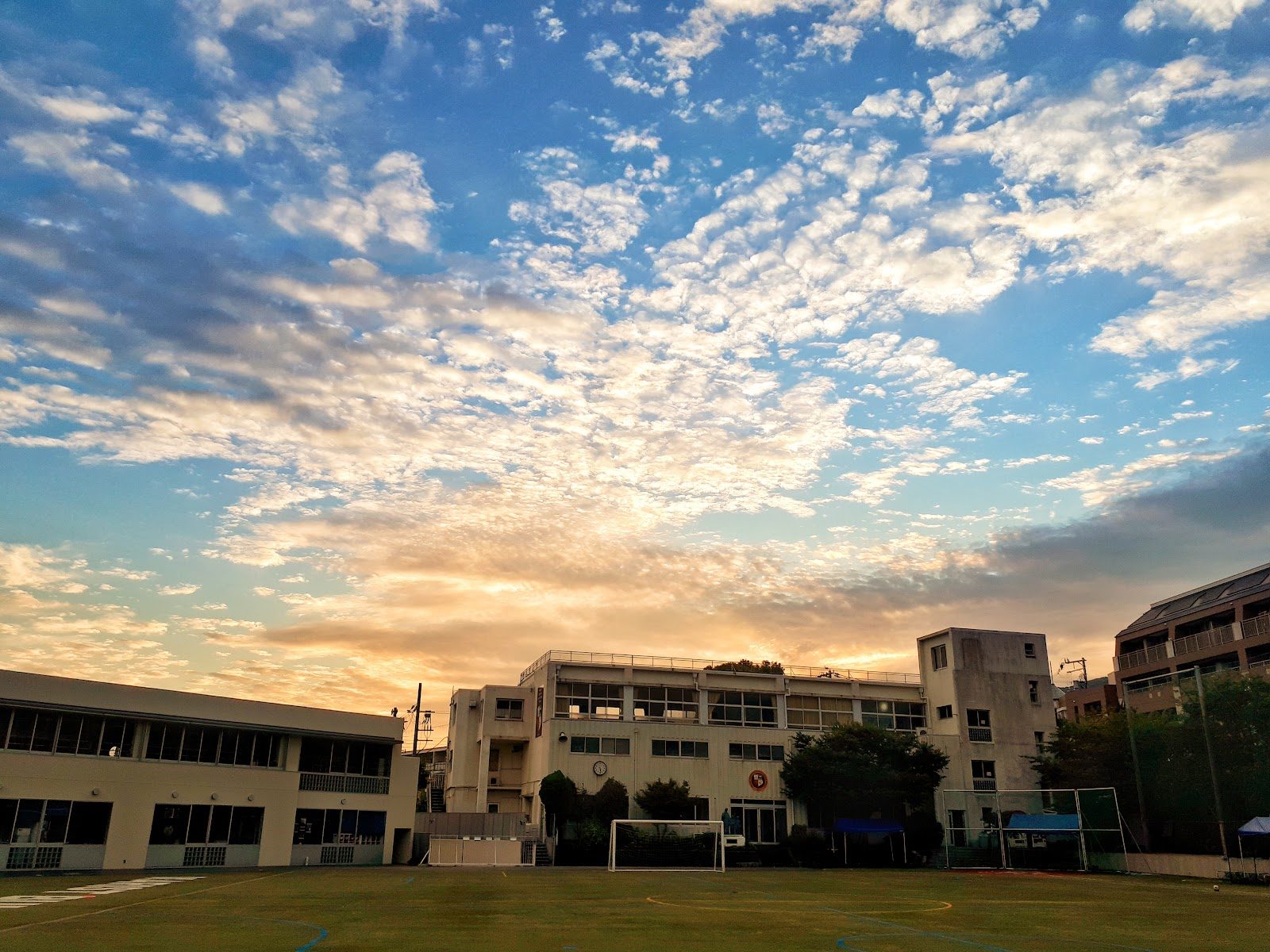
Marist Brothers International School
Kobe · Japan
The only international school run by the Marist Brothers, rebuilt from Kobe's 1995 quake into an American-IB dual pathway.
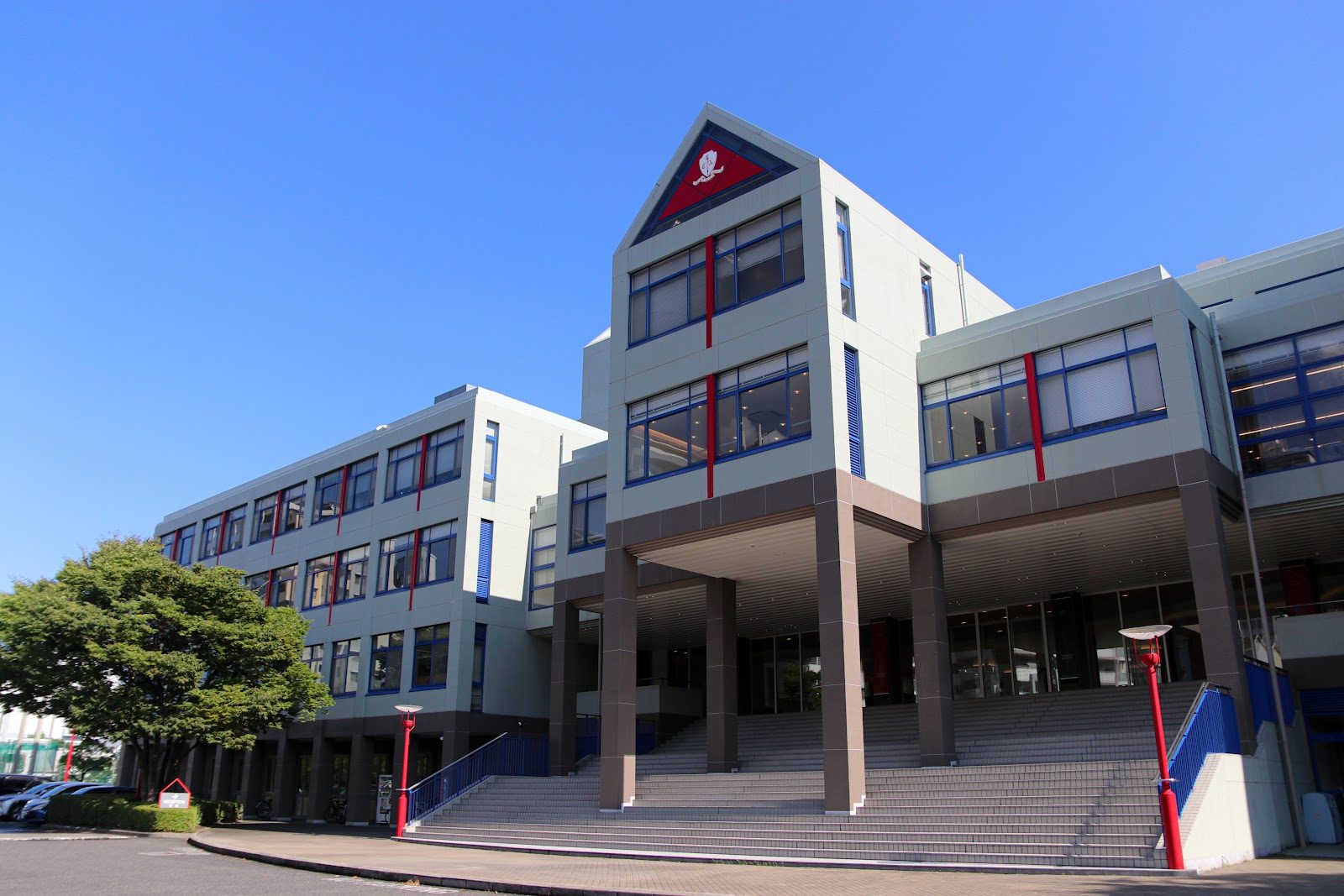
Canadian Academy
Kobe · Japan
On a man-made island in Kobe, a century-old boarding tradition dating to 1929 anchors a full IB continuum since 1980.
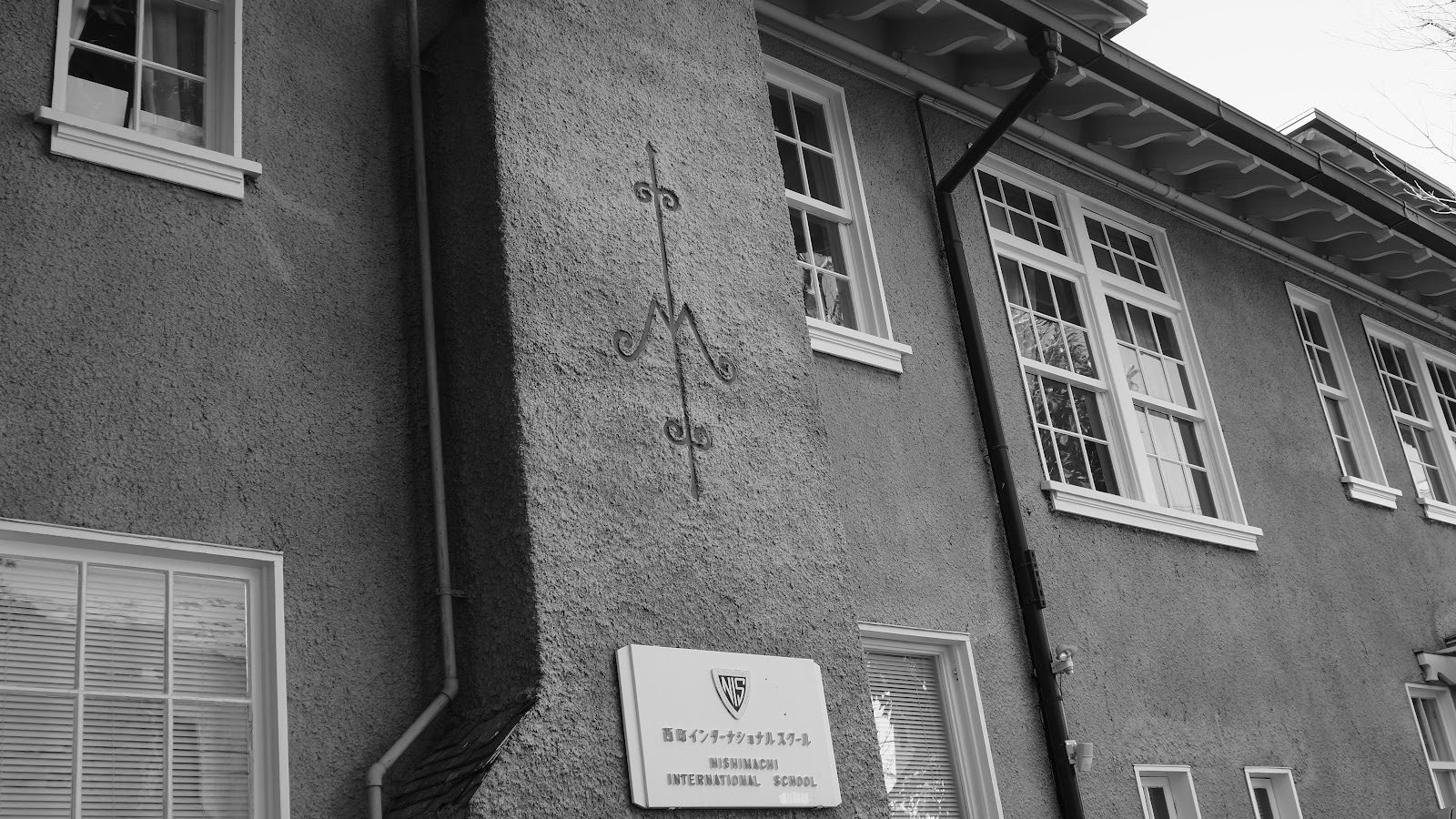
Nishimachi International School
Tokyo · Japan
On a Meiji-era Moto-Azabu estate since 1949, an American K-9 curriculum paired with mandatory daily Japanese lessons
Saint Maur International School
Yokohama · Japan
Founded by missionary nuns in 1872, Yokohama's Yamate hillside campus still runs Asia's oldest international school, Montessori through IB
Same country and curriculum — closest matches within ±10 points either way