
California
Campbell Hall
low confidence· 3/6 cats · 3.2 avg sourcesAn Episcopal ethos of asking before answering, recast in homegrown Advanced Inquiry courses replacing AP exams in Studio City.
Type
Day
Ages
5–18
Curriculum
American
Qualifications
AP
Ratio
9:1
The Verdict
Editor's commitment
Right for
Families who want a K-12 Episcopal day school founded in 1944, with a 9:1 ratio and inquiry replacing AP orthodoxy.
Wrong for
Parents chasing a conventional AP factory, boarding, or a bargain; Campbell Hall is day-only, American curriculum, and averages $52,890.
Watch out for
CHAI is the academic signature, not AP volume; if you want standardised score-chasing, WASC accreditation will not change that.
Ranking breakdown
Campbell Hall · #914 of 1591
Composite score 64.5. 8 weighted criteria.
By criterion
Academic Outcomes
Weight 20%
#902
of 1529 scored
University Placement
Weight 16%
#911
of 1529 scored
Prestige & Heritage
Weight 12%
#926
of 1529 scored
Alumni Network
Weight 12%
#738
of 1529 scored
Facilities
Weight 12%
#867
of 1529 scored
Transparency & Communications
Weight 8%
#841
of 1529 scored
Peer & Industry Review
Weight 10%
#988
of 1529 scored
Admissions Selectivity & Demand
Weight 8%
#837
of 1529 scored
Peer & Industry Review
How Campbell Hall is regarded in the sector
65
Respected · medium confidence
Within Los Angeles's crowded independent-school market, Campbell Hall is consistently placed in the solid second tier, below Harvard-Westlake and Marlborough, alongside schools such as Crossroads, Windward and Oakwood, a grouping admissions consultants describe as academically credible but not hyper-selective. Its membership in CAIS and NAIS gives it standing in regional accreditation and peer-review circles, though it rarely appears in national feeder-school rankings published by outlets like Worth or The Wall Street Journal. College counselors and university admissions readers, including from USC and UCLA, generally regard its guidance office as attentive and its graduates as well prepared, but it lacks the concentrated Ivy placement record that anchors the city's top-tier schools' reputations. International guides oriented toward UK and Gulf markets, such as Good Schools Guide and WhichSchoolAdvisor, do not carry standalone entries for Campbell Hall, underscoring its regional rather than global profile. Independent education commentary tends to praise its community ethos and service culture over any claim to elite exclusivity.
Editors' overview
Campbell Hall has made a clean break with the AP treadmill and replaced it with its own Campbell Hall Advanced Inquiry programme. That is the school’s sharpest point of difference. In a Los Angeles market crowded with college-prep independents that still trade on familiar exam brands, Campbell Hall is backing an internal model built around depth, writing and independent thought. The Episcopal frame matters too, though not in a doctrinal way; the school’s own language of asking before answering captures the tone better. Parents looking for a conventional badge-driven American high school will find this deliberately idiosyncratic. Parents who want a school that values intellectual habits over exam accumulation will put it straight on the shortlist.
This is a K–12 day school in Studio City, founded in 1944, with English as the language of instruction, WASC accreditation and a 9:1 student-teacher ratio. That ratio signals real access to adults, and it fits the school’s structure: a through-school with separate elementary, middle and high school divisions, plus visible investment in creative writing, arts, film, music, theatre technology and athletics. The average annual day fee across the full ladder is $52,890, which places Campbell Hall firmly in the expensive, top-tier US private day market. At that price, parents have a right to expect substance. The bespoke inquiry curriculum, the breadth of arts provision and the coherence of the K–12 setup provide it.
The child who will thrive here is bright, articulate and prepared to engage rather than coast. Campbell Hall suits students who like discussion, can handle open-ended work and want strong arts and co-curricular options without giving up academic seriousness. It also suits families comfortable with an Episcopal school whose religious identity is present in chapel and ethos, not pasted on as branding. Children who want constant external benchmarking, a heavily standardised academic path or a purely transactional route to college admissions have stronger fits elsewhere. Campbell Hall’s appeal lies in a more self-possessed model: thoughtful, high-expectation and confident enough to reject the default script.
Academic Performance
Campbell Hall is a hard school to place in the standard American results pecking order because it has stepped away from the standard proxy. The school’s own Advanced Inquiry model replaces AP courses and exams, so parents do not get the familiar stack of AP scores that many rival Los Angeles independents use as shorthand for sixth-form rigour. That makes external comparison less convenient and, in blunt terms, less transparent. We have not seen aggregate SAT, ACT, AP or IB outcome data in the public domain. The school does publish a dedicated college counselling operation and a college-placement infrastructure, but that is not the same thing as publishing academic outcomes. For families who want clean comparative data, this is a real weakness.
That said, the absence of APs does not equal low ambition. It signals a different model: one built on sustained writing, discussion and independent research rather than exam accumulation. In a market crowded with score-driven college-prep schools, that is deliberately unconventional. The staffing ratio of 9:1 supports the claim that students get close academic attention, and the school’s own emphasis on experienced teachers strengthens the case for serious classroom teaching. Relative to peers, Campbell Hall sits with the high-expectation independents in ambition and university-preparation intent, but not with the schools that invite easy benchmarking through published exam metrics. Parents must decide whether they value intellectual substance over scoreboard clarity.
Facilities
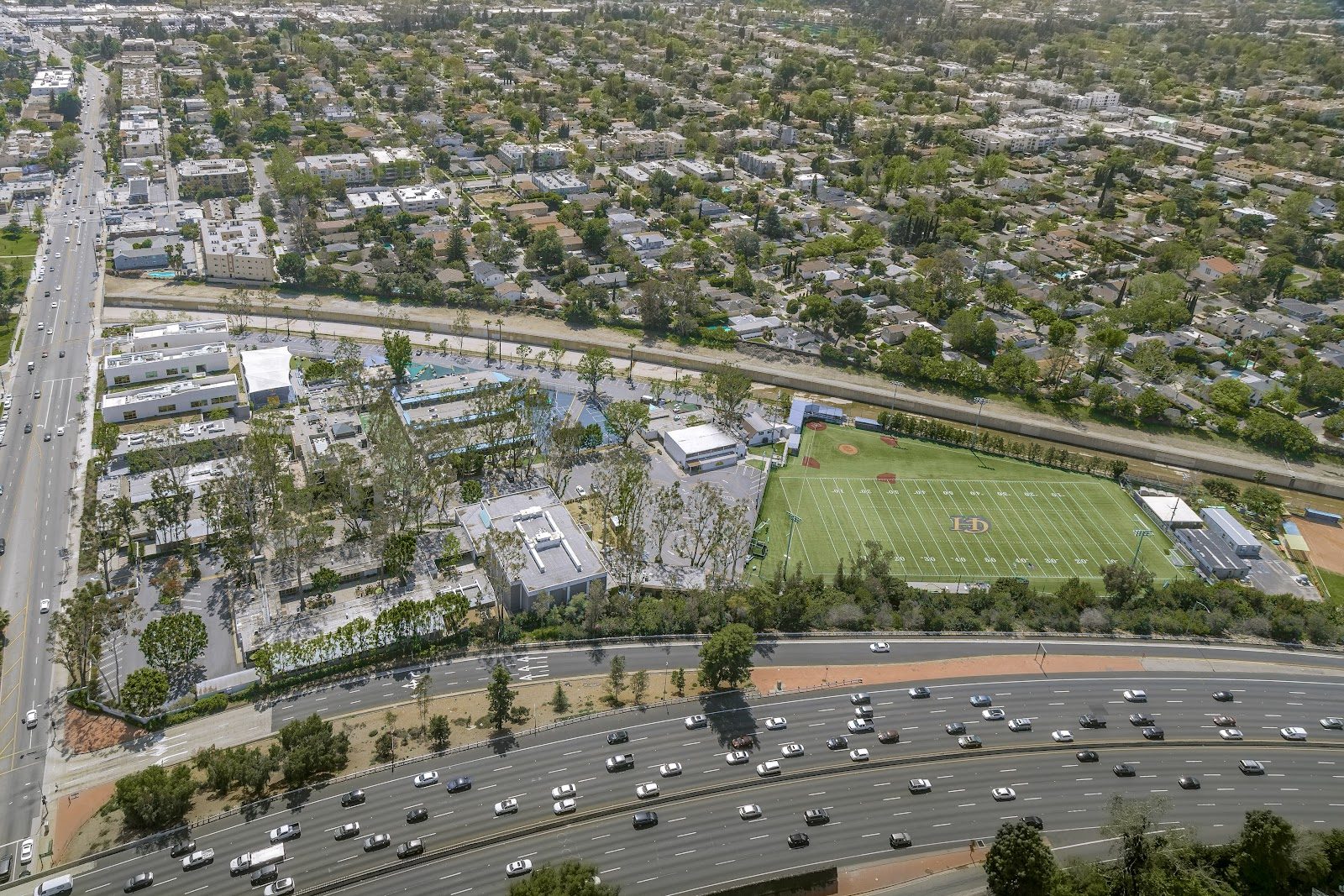
The campus gives Campbell Hall a genuine competitive edge. On 15 acres, it has enough room to avoid the cramped feel that afflicts many urban Los Angeles independents, yet it still reads as a single school rather than a spread-out collection of buildings. The standout assets are clear: the Nathanson-Swiger Chapel and Spiritual Center anchors the Episcopal life of the school; the Spielberg Family Arts and Education Center signals serious investment in performance and creative work; and the science labs are described by the school as high-tech, which matters at a school asking families to buy into an internally designed, inquiry-heavy academic model. Add dedicated provision for recording arts, theatre technology, film and TV production, and the facilities package is far richer than the standard “gym, theatre, lab” formula. This is a campus built for students who make things, perform, write and discuss, not just sit tests.
Against peers, that breadth places Campbell Hall in the upper tier of day-school provision. Plenty of strong independents have polished arts spaces; fewer have the same full-stack creative infrastructure across visual art, music, drama, production and media. The weakness is different: there is no published parade of headline-grabbing specialist centres, elite sports complexes or research institutes that would push it into the arms-race end of the market. The facilities are well judged, coherent and clearly used, rather than ostentatious. For many families, that is the better answer.
The average annual day fee across the full ladder is $52,890, which places Campbell Hall firmly in the expensive, top-tier US private day market
Prestige
Campbell Hall carries real local cachet in Los Angeles independent-school circles, but its prestige rests on a different base from the city’s more overtly status-driven brands. The school has scale, a long-established name, an Episcopal identity that still reads as part of its institutional character rather than decorative garnish, and a campus infrastructure that signals money has been spent with intent. A community of 1,160 students is large enough to sustain serious arts, athletics, affinity groups and public-partnership work without feeling like a chain operation. That matters. Prestige at this level comes not just from selectivity or tuition, but from institutional density: the ability to offer theatre technology, recording arts, creative writing, film, service programmes and a visible spiritual life under one roof. Campbell Hall has that full-spectrum independent-school heft.
What keeps it from the very top rank of American-school prestige is the same thing that makes it distinctive. It has rejected the easiest prestige markers for globally mobile families: AP scoreboards, familiar external benchmarking and the blunt reassurance of standardised comparison. That choice gives the school a self-confident, insider kind of standing rather than a mass-market one. Among families who value original academic design, close adult attention and a less transactional culture, the school has serious esteem. Among families who equate prestige with published metrics and conventional badges, it lands as less legible. My rating is high, then, but not absolute: Campbell Hall has substance-backed prestige, not mere polish.
Campbell Hall has made a clean break with the AP treadmill and replaced it with its own Campbell Hall Advanced Inquiry programme
Communications
Campbell Hall communicates like a mature independent school with a lot going on and no intention of hiding the machinery. The public-facing structure is extensive: separate channels for parents, calendars, news and publications, division offices, college counselling, business office functions, transport, after-school programmes, parent education and community events. That breadth matters because it tells parents where to go for what, instead of dumping everything into one generic admissions gloss. The faculty and staff directory is public, the Head of School keeps a blog, and practical areas such as tuition, payment plans, transcript requests and parking are given their own homes. For a school of 1,160 students, that degree of signposting is not a luxury; it is operationally necessary. Campbell Hall handles it with institutional discipline.
The stronger point is tone. The school does not communicate as a stripped-down academic factory. It gives real space to chapel, DEIJ work, affinity groups, outreach, public partnerships and parent engagement, which tells families that community life is part of the offer, not decorative extras. That said, there is a gap between organisational visibility and hard performance disclosure. Parents can find offices, programmes and events with ease; they do not get the same clarity on aggregate outcomes. So the communications are clear, busy and competent on day-to-day school life, but less satisfactory where a hard-nosed parent wants proof rather than philosophy. In practical terms, Campbell Hall communicates culture very well and comparative academic evidence less well.
Uniqueness
Campbell Hall’s clearest point of difference is that it has built its own senior academic track instead of outsourcing academic seriousness to AP branding. The CHAI model matters because it changes the texture of school life: less box-ticking, more extended writing, more discussion, more independent thought, and more trust placed in teachers to design demanding work. That gives the school an unusually self-directed character. It also asks more of students. Children who thrive on memorising mark schemes and collecting standardised badges lose an easy route here; children who enjoy forming arguments, defending ideas and living with ambiguity gain a richer intellectual apprenticeship. In a US independent-school market crowded with familiar labels, that is a genuine act of institutional confidence.
The second distinctive feature is the way that model sits inside an Episcopal school that puts chapel, service, belonging and moral language into everyday life without turning the place into a doctrinal project. The phrase about asking before answering captures a real educational stance: inquiry is not confined to the classroom. Add the breadth of creative infrastructure, the public-partnership work and the unusually close adult access signalled by the 9:1 ratio, and students get more than college preparation. They get a school that tries to form judgement, voice and habits of attention. That is harder to quantify, more demanding to deliver and, for the right child, *more valuable than another stack of exam scores*.
Campbell Hall’s appeal lies in a more self-possessed model: thoughtful, high-expectation and confident enough to reject the default script
Student Profile
The best fit at Campbell Hall is the child who likes being known by adults, can hold a conversation, and does not need the constant reward system of marks, rankings and exam badges to stay motivated. The school’s low staffing ratio — 9:1 — points to close adult attention, and that cuts both ways: able, engaged students benefit; evasive ones get found out. This is a strong match for articulate children who enjoy reading, writing, discussion and sustained projects, and for those whose strengths sit as much in the arts, performance, media or service as in conventional classroom competition. The atmosphere reads high-expectation without being cold, with chapel, community life and pastoral language built into the fabric of the place.
Socially, Campbell Hall suits families who want an independent school that is values-conscious and socially literate, not merely academic and polished. The public commitment to diversity, affinity groups and belonging gives cover to students who want a community with moral language and a broad social mix, rather than a narrow prestige tribe. It is also a good home for children who are self-possessed, curious and prepared to test ideas aloud. It is a weaker fit for students who want anonymity, a purely transactional college-prep route, or a culture driven by external scoreboards. In plain terms, this school rewards participation, voice and intellectual confidence; it is not for passengers.
Campbell Hall is a hard school to place in the standard American results pecking order because it has stepped away from the standard proxy
Co-curricular strengths
Arts & sport, on a separate axis
Overall 8.82/10
Scored 0-10 from the school's own published evidence. This axis is editorial-only — it does not feed the main WTS ranking.
Sports
8.8/10
Preeminent Los Angeles area day athletic force, fielding nationally competitive basketball, tennis, and soccer programs.
Drama
8.8/10
Exceptional theatrical training centered around world-class campus stages, running a pre-professional training model for acting and tech.
Dance
8.7/10
Formal intensive dance track offering technical contemporary, jazz, and classical ballet choreography modules.
Music
8.8/10
Staggering musical breadth; supports a world-famous music department, multiple symphony orchestras, and extensive ensembles.
Visual Arts
9/10
Features custom exhibition galleries alongside massive digital imaging labs, industrial ceramics, and fine art studios.
Strengths
- +Episcopal school; clear faith-based identity and chapel.
- +Covers ages 5–18 on one co-educational campus.
- +American curriculum may ease US university preparation.
- +Notable basketball and dance programmes widen options.
Considerations
- −Day school only; no boarding for overseas families.
- −English-only instruction may limit non-native speakers.
- −Episcopal identity may not suit non-religious families.
Availability
Primary entry gate & tests
ISEE/SSAT + Interview
Gallery
Parent reviews
Have you sent your child here?
Voice reviews carry the strongest trust badge — we transcribe them for you to tidy up before they go live. Prefer to type? A written review is fine too.
Add your voice
In 60 seconds, tell other parents: what's the best thing about Campbell Hall, and what surprised you when your child joined?
We ask for a Google sign-in so every review has a real face behind it — no anonymous drive-by attacks on schools, and no faked positive reviews. Your email is never shown publicly.
Send this profile to a friend
International parents rely on word-of-mouth. Share this review with someone weighing the same decision.
Schools with places
Similar schools to Campbell Hall with places available now.
BASIS Tucson North
Tucson · United States
- 2026-27
- PLACES OPENFall 2026 apps / open enrollment active
- 2027-28
- FUTURE CYCLEDates TBC
Friends Seminary
New York City · United States
- 2026-27
- WAITPOOLLate/held pending openings
- 2027-28
- OPENS SOONExpected Sept '26
Saint Ann's School
Brooklyn · United States
- 2026-27
- WAITPOOLLate / attrition-dependent
- 2027-28
- OPENS SOONOpens 8 Sept '26
Ethical Culture Fieldston School
New York City · United States
- 2026-27
- WAITPOOLLimited late availability
- 2027-28
- OPENS SOONOpens post-Labor Day '26
Availability first, then country, area, curriculum, price, co-curricular
Consider also
Also worth looking at alongside Campbell Hall.
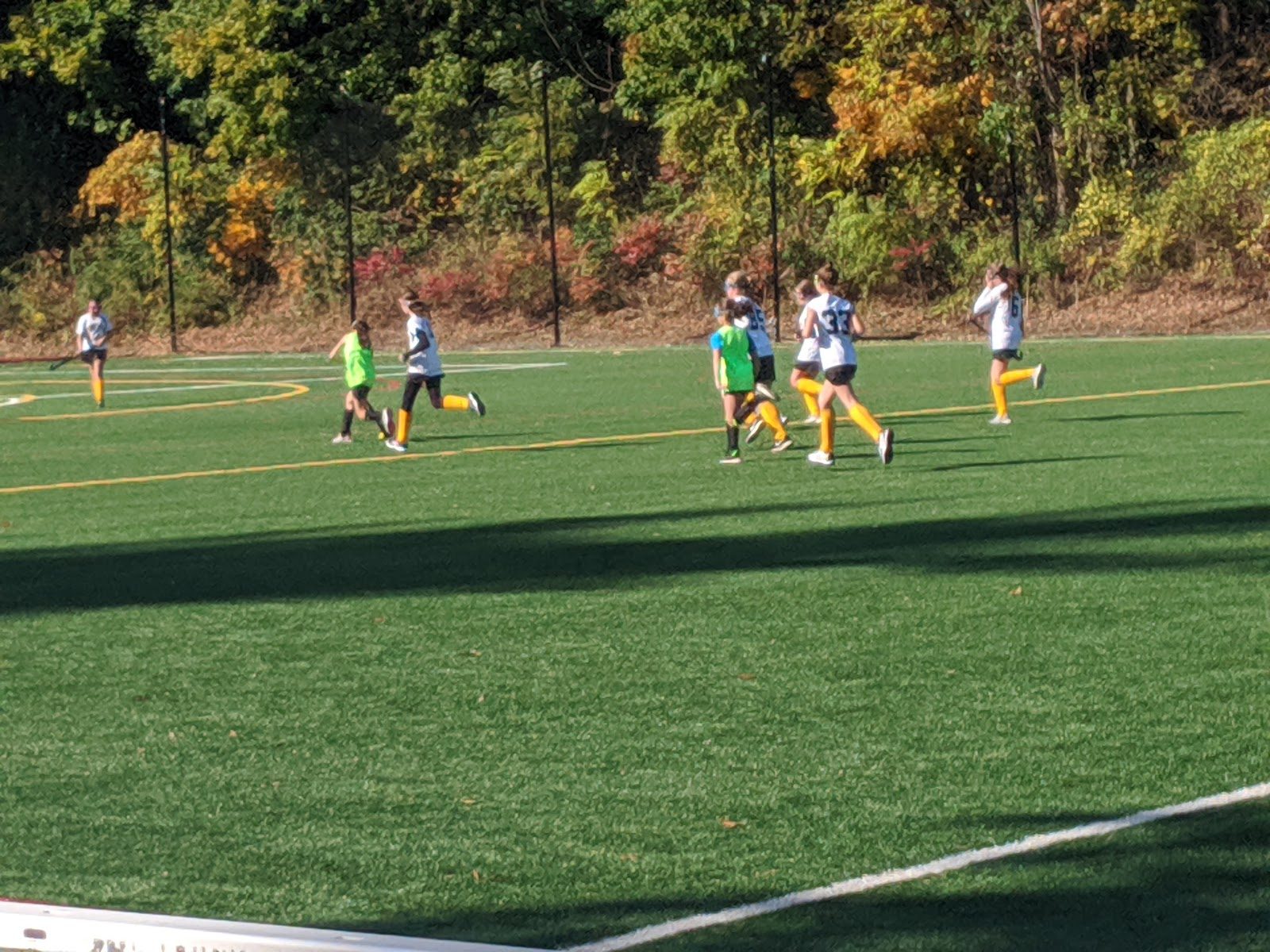
Greenwich Academy
Greenwich · United States
Connecticut's oldest all-girls school pairs single-sex grounding with coeducational upper-school classes shared alongside Brunswick's boys.
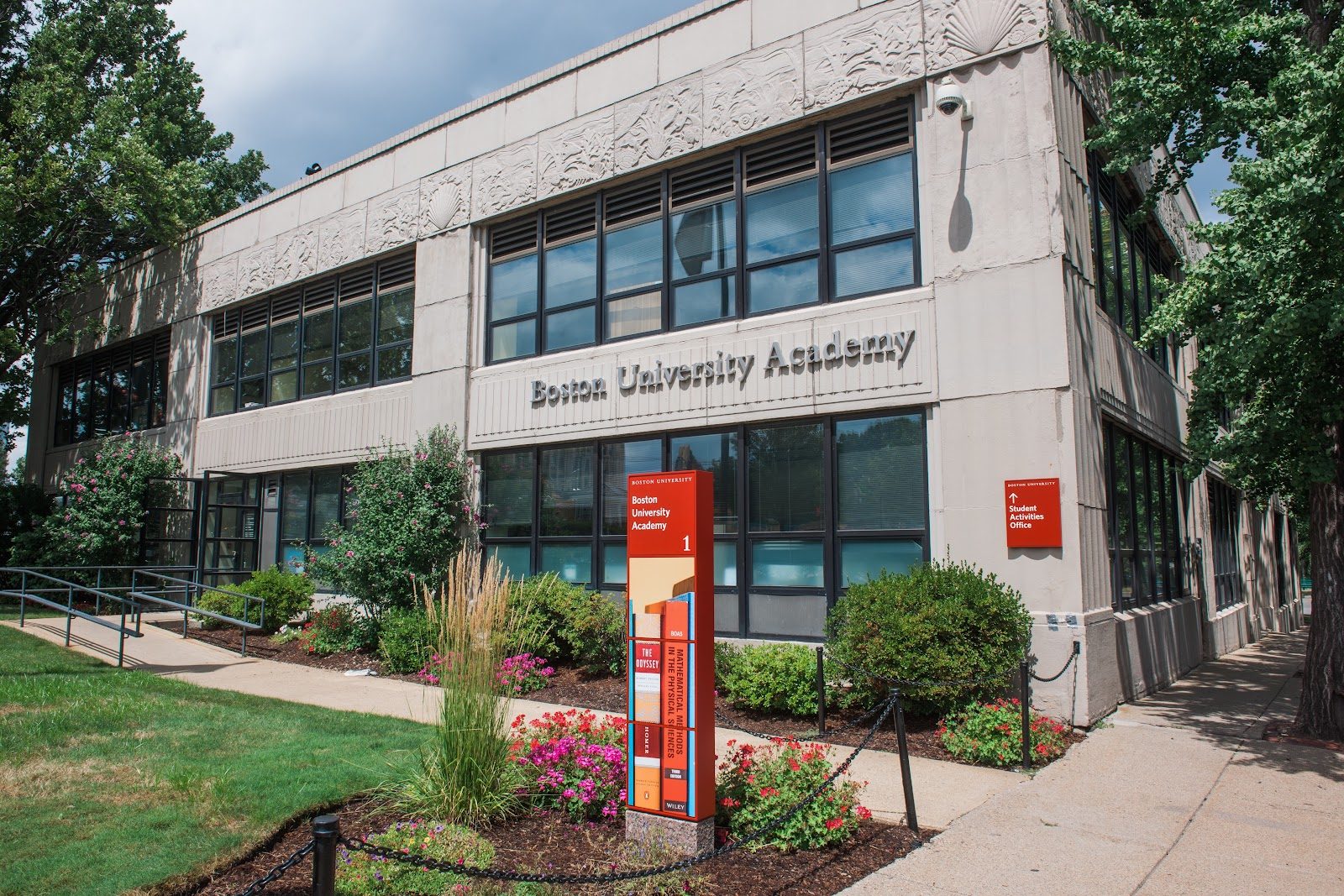
Boston University Academy
Boston · United States
Upperclassmen trade study halls for Boston University lecture halls, banking college credit before graduation.
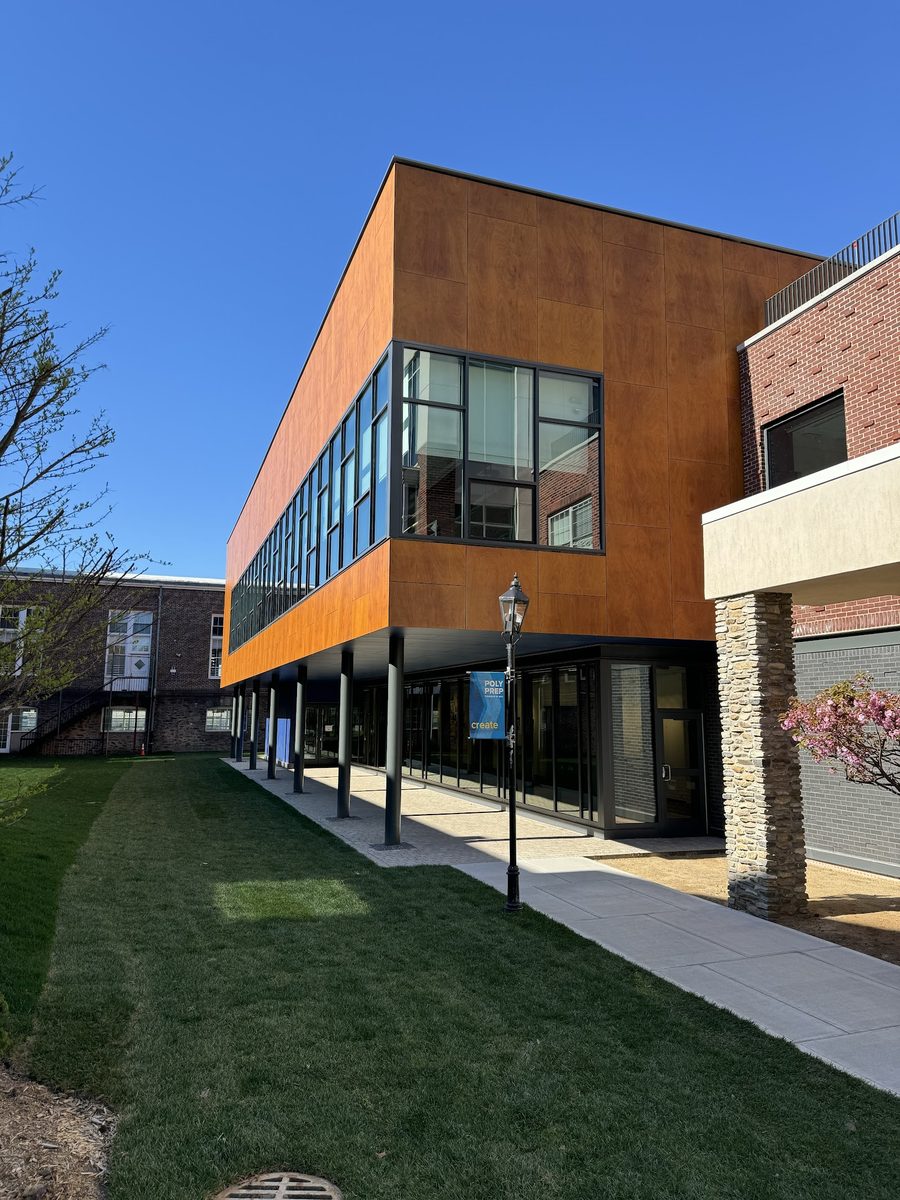
Poly Prep Country Day School
Brooklyn · United States
Founded in 1854 as Brooklyn's first boys' school, this day school pairs a Prospect Park mansion with a 25-acre Dyker Heights campus.

Germantown Friends School
Philadelphia · United States
Rooted in an 1845 Quaker meeting in historic Germantown, where juniors design a month-long independent study of their own.
Same country and curriculum — closest matches within ±10 points either way