Michigan
Set on 1,200 wooded acres between two lakes, teenagers major in music, dance, film, or writing alongside college-prep academics.
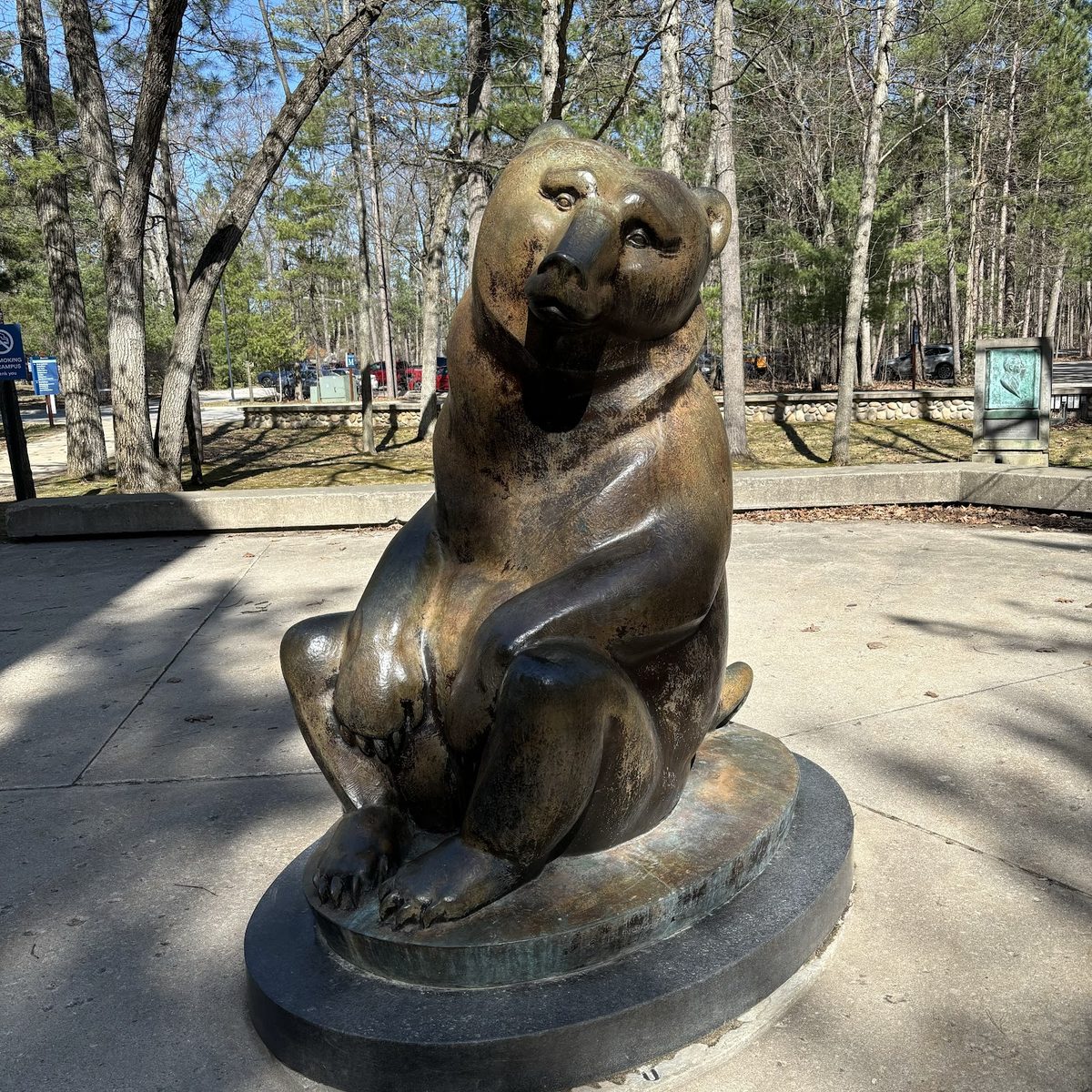
Photo © Eric Flapjack Ashley via Google Maps
Type
Both
Ages
14–18
Curriculum
American
Qualifications
US High School Diploma
Ratio
1:4
The Verdict
Editor's commitment
Right for
Serious 14–18-year-olds who want an American college-prep education built around arts majors on a 1,200-acre boarding campus between two lakes.
Wrong for
Families who want a conventional academic school first and arts second; Interlochen is boarding and day, and the arts drive the place.
Watch out for
The 1:4 student-teacher ratio signals intensity, not breadth; this 1928 specialist academy is for committed young artists, not dabblers.
Ranking breakdown
Interlochen Arts Academy · #845 of 1591
Composite score 56.2. 8 weighted criteria.
By criterion
Academic Outcomes
Weight 20%
#1085
of 1529 scored
University Placement
Weight 16%
#848
of 1529 scored
Prestige & Heritage
Weight 12%
#608
of 1571 scored
Alumni Network
Weight 12%
#1472
of 1530 scored
Facilities
Weight 12%
#808
of 1533 scored
Transparency & Communications
Weight 8%
#821
of 1532 scored
Peer & Industry Review
Weight 10%
#1216
of 1548 scored
Admissions Selectivity & Demand
Weight 8%
#991
of 1529 scored
Peer & Industry Review
How Interlochen Arts Academy is regarded in the sector
63
Respected · medium confidence
Interlochen is consistently grouped with a small tier of specialist arts boarding schools, Idyllwild Arts Academy, Walnut Hill School for the Arts, and the University of North Carolina School of the Arts, in comparative coverage from boarding-school directories and college counseling circuits, reflecting genuine peer recognition rather than broader prep-school league tables like those used for Groton or Exeter. Conservatory and arts-college admissions offices, including at Juilliard, Berklee, and top BFA/MFA programs, are reported by counselors and college guides to recognize Interlochen portfolios and auditions as strong preparation, a signal repeated across independent boarding-school review sites such as Boarding School Review and Niche, which rate it highly specifically within the arts-school category rather than general academic rankings. Education press treatment is narrower than for elite academic boarders: it appears in arts-education and camp-industry trade coverage more than in mainstream newspaper boarding-school features. Its reputation is real but sector-specific, respected by artistic peers and specialist recruiters, less visible to generalist university admissions offices outside the arts.
Award
Elite Film 50
World's Top School · The Global Ranking
Interlochen Arts Academy is featured on our Global Top 50 ranking at #2. This seal is available for the school's marketing team to use on their website, prospectus and social channels.
Award
Elite Drama 50
World's Top School · The Global Ranking
Interlochen Arts Academy is featured on our Global Top 50 ranking at #4. This seal is available for the school's marketing team to use on their website, prospectus and social channels.
Award
Elite Music 50
World's Top School · The Global Ranking
Interlochen Arts Academy is featured on our Global Top 50 ranking at #5. This seal is available for the school's marketing team to use on their website, prospectus and social channels.
Award
Elite Visual & Fine Arts 76
World's Top School · The Global Ranking
Interlochen Arts Academy is featured on our Global Top 76 ranking at #5. This seal is available for the school's marketing team to use on their website, prospectus and social channels.
- Jewel — Singer-songwriter, Music
- Josh Groban — Singer, Music
- Tom Hulce — Actor, Film/Theatre
Editors' overview
Interlochen Arts Academy occupies a rare place in the American boarding-school market: a specialist arts conservatory for teenagers that still delivers a full college-preparatory education. The setting matters. A campus of 1,200 acres between two lakes gives the school physical scale that few arts schools can match, and that scale feeds the experience: room for rehearsal, performance, practice and retreat, not just classroom turnover. Founded in 1928, Interlochen carries institutional weight and a long-established identity. This is not a school that adds arts to a standard academic model; the arts are the organising principle. For families who want serious pre-professional training in music, dance, film or writing without abandoning an American secondary education, Interlochen sits in a narrow and important category. *This is a school for commitment, not dabbling.*
What puts it on a shortlist is the combination of intensity and breadth. The published student-teacher ratio of 1:4 signals a level of contact and individual attention that most mainstream boarding schools do not offer. That matters in the arts, where progress depends on critique, repetition and close mentoring. Interlochen also benefits from being old enough to know what it is. Many schools talk about nurturing creativity; Interlochen structures daily life around it. Parents need to read this accurately: the attraction is immersion, not balance in the conventional independent-school sense. A teenager who wants broad co-curricular sampling, a big-sport campus culture, or a lighter artistic load will find better fits elsewhere. The pressure is real. So is the opportunity.
The right student for Interlochen is disciplined, resilient and already deeply invested in an art form. Talent matters, but work rate matters more. Students who thrive here want peers who care as much as they do, teachers who correct them directly, and a campus culture where artistic ambition is normal rather than eccentric. They also need to tolerate the demands of a boarding-and-day school in a rural Michigan setting, where the environment offers space, focus and solitude rather than urban distraction. For the right family, the appeal is clear: *serious young artists live among other serious young artists*, in English, within an American curriculum, at a school built for exactly that purpose.
A Global Elite 50 Music school
Interlochen Arts Academy sits in Tier 1, Band 1-10, of the Global Elite 50 Music Schools — the Pinnacle Candidates group — because it is one of only three American independent arts boarding schools whose graduating class routinely matriculates directly into Juilliard, Curtis, the New England Conservatory and the Colburn Conservatory in materially significant numbers, and the only such school whose Music Division operates at a scale comparable to a small conservatoire in its own right. From a 1,200-acre wooded campus in northern Michigan, Interlochen enrols roughly 500 pupils across five arts disciplines, with the Music Division the largest single department.
Its specialisms cover the classical repertoire — all orchestral strings, piano, brass, woodwind, percussion, voice and composition — plus one of the two or three most substantial jazz-studies programmes offered by any American arts high school. The Interlochen Philharmonic and Interlochen Arts Academy Orchestra regularly perform at a college-orchestra standard, and the associated summer camp (the Interlochen Center for the Arts) draws faculty from the Metropolitan Opera, the New York Philharmonic and the Chicago Symphony onto the year-round campus faculty.
Progression evidence is dense. Recent leavers have matriculated into Juilliard, Curtis, NEC, Colburn, the Cleveland Institute of Music, Manhattan School of Music, Peabody, Eastman, USC Thornton, Berklee (jazz) and the Paris Conservatoire. Alumni across generations include Jessye Norman, Peter Yarrow, Josh Groban, Norah Jones (jazz), Jewel and — from earlier generations — a rolling roster of principal players across major American orchestras.
International openness is high. Approximately 20% of Music Division pupils are non-US, with strong feeder pipelines from East Asia, Europe, Latin America and the Middle East. F-1 student visas are handled in-house and EAL support is embedded. Overseas families pay a full published boarding fee of approximately USD 78,000-82,000 per year all-in. Admission is by competitive audition — video pre-screens accepted from anywhere in the world with recall auditions held on campus.
A Global Elite 50 Drama & Acting school
Interlochen Arts Academy (Theatre) sits at #4 on our Global Elite 50 Drama & Acting Schools 2026, with a 91.5 Elite Score and A- evidence-confidence grade, because on the 100-point Elite Acting Progression Model it demonstrates the weighted elite conservatoire progression, faculty pedigree, screen-and-stage training breadth and industry integration that separate a true tier institution from a strong regional feeder.
Its operating model is best described as Boarding Arts Academy: a structure that shapes both the daily balance of academic and specialist study, and the professional trajectory of graduating actors as they move into major drama-school BA degrees or direct casting.
The Global Elite 50 Drama & Acting Schools methodology is deliberately aggressive: 30 of the 100 available points are directly tied to weighted elite conservatoire and professional programme conversion between 2016 and 2026 — RADA, Guildhall, LAMDA, Juilliard, NYU Tisch, Yale, WAAPA, NIDA and their peers — with a further 15 points on faculty and industry pedigree and 20 points on training intensity and industry integration. Beautiful campuses, historic alumni and impressive facilities cannot compensate for weak contemporary professional conversion, and are not scored independently.
The evidence-confidence grade is deliberately separate from the ranking position: a lower grade reflects less public disclosure, not weaker performance. Where the school moves substantially better cohort data into the public domain in future audit cycles, the position — but not the underlying professional-conversion reality — may be revised.
International openness is a defining feature. Boarding or residential arrangements are standard where the school operates them, and overseas actors apply on a rolling international audition + video pre-screen basis without residency, federation or citizenship gates. Student visas are handled by the school or its host-family partner. This is one of the internationally-open pipelines on the Global Elite 50 Drama & Acting Schools list that a relocating family can consider directly.
A Global Elite 50 Film school
Interlochen Arts Academy, on its lakeside campus in Interlochen, Michigan, sits at rank two on the Global Elite 50 Film because it houses the only facility in the country dedicated solely to film and animation study at the high school level. The DeRoy Center for Film Studies anchors a program where filmmaking is not an elective bolted onto a general curriculum but a structured, conservatory-style major running alongside academics every day.
The Film & New Media division splits into two concentrations, Filmmaking and Animation, built around courses such as Visual Story, Film History, Film Genres, World Directors and Introduction to Screenwriting. Facilities include four editing suites, a soundstage, a multipurpose 2D/3D animation studio, stop-motion rigs and a 180-seat 2K HD projection space matching commercial cinema standards. Faculty include working directors, producers, editors and screenwriters who continue to feature their own films at festivals nationally. The Interlochen Cinema Collective, an intergenerational production unit pairing students with alumni and guest artists, produced Jedo's Dead, which premiered at SXSW 2024 and won the Texas Shorts Jury Award before screening at Palm Springs International ShortFest and the Minnesota Film Festival; the school also states its students have shown work at the Cannes Film Festival.
Alumni working across the industry include Robert Eggers, director of The Witch and The Lighthouse; Peter Gould, writer-producer of Breaking Bad and Better Call Saul; Oscar-winning documentarian Michael Moore; and Sierra Falconer, whose feature directorial debut Sunfish (& Other Stories on Green Lake) competed in the U.S. Dramatic Competition at Sundance 2025. Jim Kaplan, a current Interlochen student, appeared in The Holdovers.
International openness is real but structured. Roughly one-fifth of the student body is international, boarding is standard, and a placement-tested English as a Language program (an added $7,200 annually) supports non-native speakers. Overseas applicants need an F-1 visa and I-20, pay a $100 international application fee against a Nov. 15 early or Jan. 15 regular deadline, and can apply for merit and need-based aid regardless of nationality. Total 2026-27 boarding costs run $81,200, versus $45,930 for day students. Families should start the visa and EL-assessment process at least nine months ahead of enrollment, and treat the audition/portfolio submission, not the academic transcript, as the decisive admissions gate.
An Elite Visual & Fine Arts 76 school
Interlochen Arts Academy in Interlochen, Michigan, sits at rank five on the Elite Visual & Fine Arts 76 on the strength of its Dow Center for Visual Arts, a 36,000-square-foot facility with separate dedicated studios for drawing, painting, metalworking, ceramics, sculpture, photography, printmaking, digital arts, and fibers, plus an on-campus gallery for regular student exhibitions. Few American high schools give teenage artists this much daily studio infrastructure, and it anchors a program that consistently produces national medalists rather than merely enthusiastic hobbyists.
Visual Arts majors spend half their school day immersed in studio work, building a foundation-style portfolio across media before specializing, with courses spanning traditional drawing-and-painting fundamentals through to studio-intensive electives like Virtual Realities, which trains students in 3D asset creation and fabrication workflows. The school regularly hosts college and university admissions representatives for one-on-one portfolio reviews, and its verified matriculation list includes Rhode Island School of Design, Cooper Union, CalArts, the School of the Art Institute of Chicago, Parsons, SCAD, Otis, MICA, and ArtCenter College of Design. Students have earned Gold Medals, American Visions Medals, and Portfolio awards in the national Scholastic Art & Writing Awards in multiple recent years, alongside YoungArts finalist recognitions.
Among visual arts alumni, sculptor and puppetmaker Wendy Froud, known for her creature and puppet work on Star Wars: The Empire Strikes Back, The Dark Crystal, and Labyrinth, remains a touchstone figure for the department's design-and-craft lineage. Fashion designer Charlotte Shao, whose work has been worn by Cyndi Lauper and featured in Chinese Vogue and at New York Fashion Week, represents a more recent visual arts graduate translating studio training into a professional design career.
International openness is genuine and structured. International students typically make up around 20 percent of the student body, boarding is standard in seven residence halls, and an English Learner program (an additional $7,200 per year, refunded if proficiency is demonstrated) supports non-native English speakers before they enter core coursework. Overseas applicants need an F-1 visa, obtained after admission via the school's I-20 process, and international health insurance runs roughly $1,100 to $2,895 depending on term length. Boarding tuition for 2026-2027 is $81,200, with day tuition at $45,930, plus a $100 international application fee. Given early-action deadlines in mid-November and portfolio submission requirements, families should begin the visa and portfolio process at least nine to twelve months ahead of the intended start date.
Academic Performance
Interlochen sits outside the usual academic-performance conversation because its core competition is not the standard US boarding-school field but specialist arts conservatories for teenagers. That changes how results need to be read. Families looking for a school that trumpets aggregate SAT, ACT, AP or IB data will find thin public disclosure. We have not seen school-published tables for average standardised-test scores, subject-by-subject AP outcomes, or university-matriculation breakdowns by destination and course. That is a real weakness in a market where many academically selective peers publish at least some hard numbers. If you want a clean, data-led comparison against top American college-prep boarding schools, Interlochen does not make that easy.
That opacity does not make the academic side weak; it makes it harder to verify in the round. The school’s claim on seriousness rests less on publicly displayed exam statistics and more on the fact that students sustain a full secondary academic programme alongside an exceptionally demanding artistic major. Relative to peer arts academies, that alone places Interlochen in a narrow, exacting bracket: students are not choosing between academics and conservatory-level training, but carrying both at once. For parents, the practical conclusion is clear. Treat Interlochen as a school where academic performance matters, but where the more visible outcomes are artistic progression, portfolio quality, auditions and progression to selective post-secondary arts pathways. Ask directly for recent AP participation, score distributions, test averages and university destinations before treating academic strength as proven.
Facilities
Facilities are the school’s strongest concrete advantage. The key point is not a single signature building but the fact that the academy sits inside a larger arts institution with performance venues and specialist teaching spaces built for serious daily use, not occasional school productions. That matters. Teenagers training in music, dance, film or creative writing need rehearsal rooms, studios, practice space and places to show finished work; Interlochen has the infrastructure of a dedicated arts campus rather than a conventional boarding school that has bolted on theatres and music rooms. The woodland setting between lakes also gives the place a retreat-like intensity that suits practice-heavy disciplines. Against peer arts schools, that physical scale is a real separator. Many competitors offer strong studios or a good theatre block. Fewer offer an entire campus organised around artistic work.
The trade-off is clear. Families looking for headline athletic infrastructure, urban cultural access or the polished social amenities of wealthier all-round boarding schools will not find those as the centre of gravity here. Interlochen’s facilities serve the artistic mission first, and that makes them highly functional rather than lifestyle-driven. For the right student, that is exactly the point: spaces designed for repetition, critique and performance in a setting that strips out distraction. In benchmark terms, Interlochen sits near the top tier for specialist pre-professional arts facilities at school level, with an unusually coherent fit between campus, programme and daily use across 1,200 acres.
If you want a clean, data-led comparison against top American college-prep boarding schools, Interlochen does not make that easy
Prestige
Interlochen carries real specialist prestige in a narrow field. This is not prestige of the country-club, old-boy-network variety; it is prestige earned through artistic seriousness and institutional focus. Among families, teachers and admissions teams who know pre-professional arts education, the name has weight because the whole enterprise is built around young artists rather than treating the arts as an embellished extra. The setting reinforces that identity: a dedicated campus of 1,200 acres attached to a larger arts institution gives the academy physical and cultural infrastructure that ordinary independent schools do not have. The published 1:4 student-teacher ratio strengthens that perception of seriousness. In prestige terms, Interlochen sits closer to a junior conservatoire with a secondary-school spine than to a standard American boarding school with strong music and theatre.
That said, prestige here is specialist, not universal. In mainstream academic prestige hierarchies, Interlochen does not command the same instant recognition as the top all-round US boarding schools, and the school does not help itself by keeping academic outcome data too opaque. Parents who equate prestige with transparent university placement tables and headline test averages will find a gap. But in the arts, selectivity, intensity and peer quality matter more than conventional polish, and Interlochen’s reputation rests on exactly those things: serious training, serious peers, and an environment built for high-commitment practice. The result is a school with genuine cachet for the right audience and limited relevance for the wrong one.
Interlochen Arts Academy occupies a rare place in the American boarding-school market: a specialist arts conservatory for teenagers that still delivers a full college-preparatory education
Communications
Interlochen’s communications challenge is structural: it serves families whose children live inside an intensive artistic timetable, on a large rural campus, within a wider arts organisation. That demands clarity, speed and precision. The school starts with one advantage: a highly legible identity. Parents do not need to decode what the school is for. The mission is plain, the artistic focus is plain, and the setting itself — 1,200 acres tied to a major arts institution — gives the school a clear narrative spine. That matters because schools with complicated programmes often communicate badly; Interlochen has a coherent story to tell. The weakness sits elsewhere. Public-facing communication on measurable academic outcomes is too thin, and that gap carries over into the parent picture. Families can grasp the culture quickly, but they do not get enough hard, comparative data about academic performance, progression patterns or the balance between artistic and academic demands. For a school asking teenagers for serious personal commitment, that is an avoidable deficiency.
So how effective is it with parents? Strong on ethos, weaker on accountability. Interlochen communicates the lived experience — immersion, discipline, artistic seriousness, residential intensity — with real institutional confidence. Parents who value culture, purpose and fit will get a solid read on whether their child belongs here. Parents who want dashboards, published benchmarks and systematic disclosure will find a frustratingly incomplete picture. That does not make the communication poor. It makes it selective. Interlochen tells you what the place feels like. It tells you less clearly how it performs beyond the studio.
Uniqueness
What sets Interlochen apart is not simply that it teaches the arts well, but that it asks teenagers to organise their lives around a major discipline while still functioning as school students. That is a rare proposition. Many schools offer strong music, theatre or visual arts; far fewer run on the assumption that adolescent artists need the rhythm, standards and peer environment of a pre-professional training ground. The result is a student culture shaped less by conventional school status markers and more by practice, critique, auditions, rehearsals, drafts and performance deadlines. That brings a useful severity to daily life. Students are surrounded by other young people who treat artistic work as serious work, and that changes expectations fast. The low staffing ratio of 1:4 matters here not as a selling point but as a practical condition of progress: close correction, frequent feedback and little room to hide.
Its deeper distinction lies in scale and institutional coherence. This is not an arts department inside a broader school identity; the entire place is built around artistic development. Being part of a larger non-profit arts organisation gives students access to a more adult creative ecosystem than most teenagers encounter at school level. They learn early that talent is only a starting point, that repetition is non-negotiable, and that ambition carries real pressure. For the right student, that produces unusual artistic maturity, sharper self-knowledge and a stronger portfolio or audition profile by the time they leave.
Founded in 1928, Interlochen carries institutional weight and a long-established identity
Student Profile
The students who thrive at Interlochen are not arts-curious generalists. They arrive with a discipline already central to their identity and with the stamina to keep working when practice stops being romantic and turns repetitive, technical and exacting. This suits teenagers who want correction, not praise; peers who take work seriously, not a conventional high-school social scene; and teachers who will push standards fast. The published 1:4 ratio reinforces that culture. It leaves little room to coast, hide or rely on charm. A student who needs broad extracurricular sampling, strong athletics as a social anchor, or a loose balance between many interests will feel miscast here. A student who wants immersion, intensity and hard-edged artistic company will fit.
Temperament matters as much as talent. The right pupil is self-directed, resilient under critique and comfortable in an environment where other young people are also ambitious, gifted and busy. They need to handle solitude well, because serious artistic development involves hours alone with an instrument, a draft, a camera, a score or a studio floor. They also need enough academic discipline to keep schoolwork intact alongside that artistic load. Interlochen fits the teenager who finds that pressure energising rather than crushing: someone already leaning toward a conservatory mindset, but not yet ready to give up a full secondary education. For that student, the school offers a rarely diluted peer group and a daily rhythm built around work.
This is not a school that adds arts to a standard academic model; the arts are the organising principle
Co-curricular strengths
Arts & sport, on a separate axis
Overall 8.76/10
Scored 0-10 from the school's own published evidence. This axis is editorial-only — it does not feed the main WTS ranking.
Sports
4.5/10
Drama
9.8/10
Dance
9.5/10
Music
10/10
Visual Arts
10/10
Strengths
- +Boarding and day options for ages 14–18.
- +Pre-conservatory focus on music, theatre, dance, visual arts.
- +English-language teaching suits many international families.
- +NAIS accreditation offers recognised external oversight.
Considerations
- −American curriculum may not suit other systems.
- −Non-religious ethos may not suit faith-based families.
- −Location in Interlochen, Michigan is relatively remote.
Availability
Primary entry gate & tests
ISEE/SSAT + Interview
Gallery
Photo © Ruan Nancy via Google Maps
Photo © Bruce Popejoy via Google Maps
Photo © Bryan Kipke via Google Maps
Photo © Bryan Kipke via Google Maps
Photo © Lucinda Sheltrown via Google Maps
Parent reviews
Have you sent your child here?
Voice reviews carry the strongest trust badge — we transcribe them for you to tidy up before they go live. Prefer to type? A written review is fine too.
Add your voice
In 60 seconds, tell other parents: what's the best thing about Interlochen Arts Academy, and what surprised you when your child joined?
We ask for a Google sign-in so every review has a real face behind it — no anonymous drive-by attacks on schools, and no faked positive reviews. Your email is never shown publicly.
Send this profile to a friend
International parents rely on word-of-mouth. Share this review with someone weighing the same decision.
Schools with places
Similar schools to Interlochen Arts Academy with places available now.
Germantown Friends School
Philadelphia · United States
- 2026-27
- CLOSEDRegular cycle closed
- 2027-28
- OPENS SOONOpens Sept '26
Poly Prep Country Day School
Brooklyn · United States
- 2026-27
- CLOSEDRegular cycle closed
- 2027-28
- OPENS SOONOpens Sept '26
Marymount School of New York
New York City · United States
- 2026-27
- CLOSEDConfirmed full
- 2027-28
- PLACES OPENApplications opened 1 Aug '26
Boston University Academy
Boston · United States
- 2026-27
- CLOSEDRegular cycle closed
- 2027-28
- OPENS SOONOpens Sept '26
Availability first, then country, area, curriculum, price, co-curricular
Consider also
Also worth looking at alongside Interlochen Arts Academy.
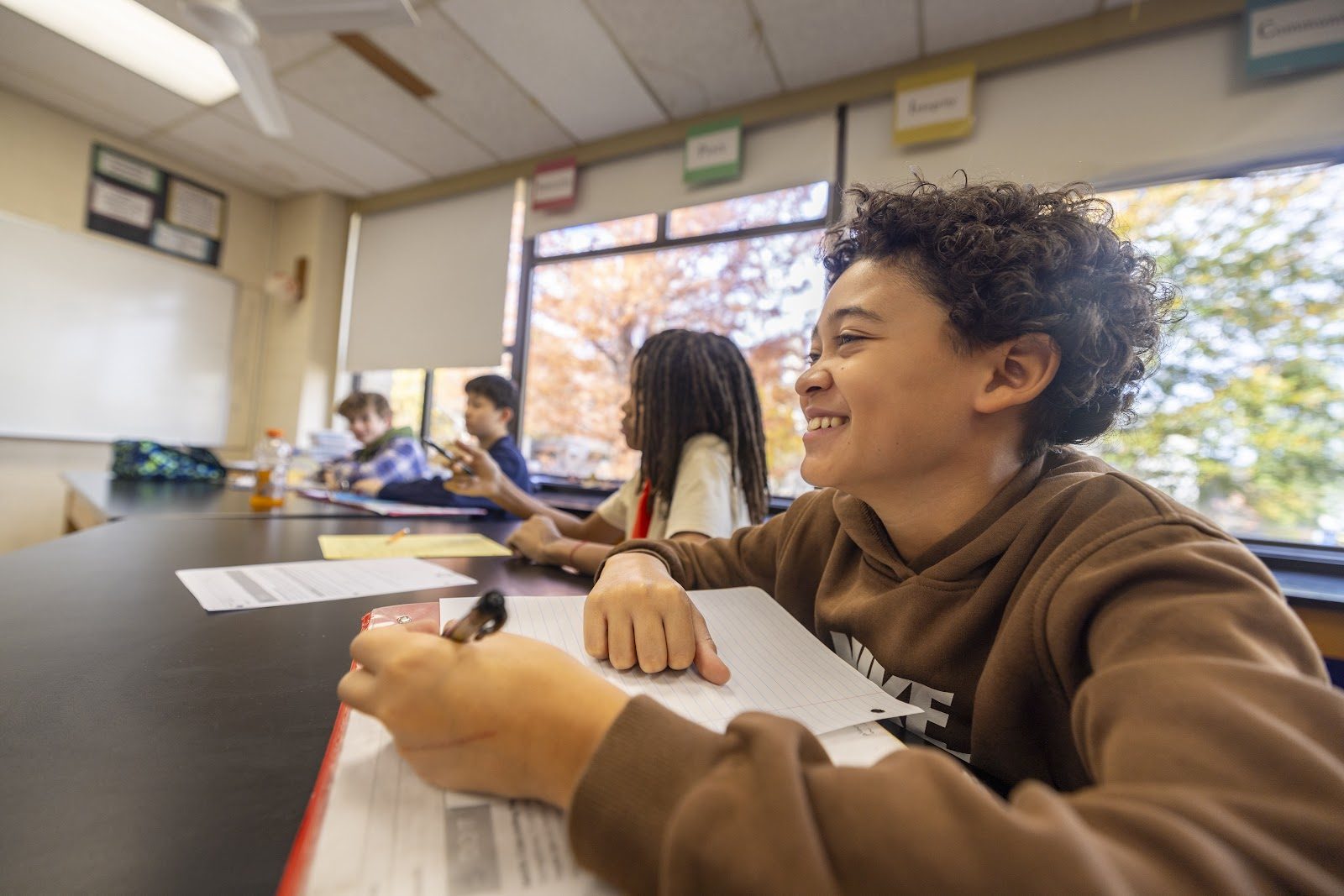
Germantown Friends School
Philadelphia · United States
Rooted in an 1845 Quaker meeting in historic Germantown, where juniors design a month-long independent study of their own.
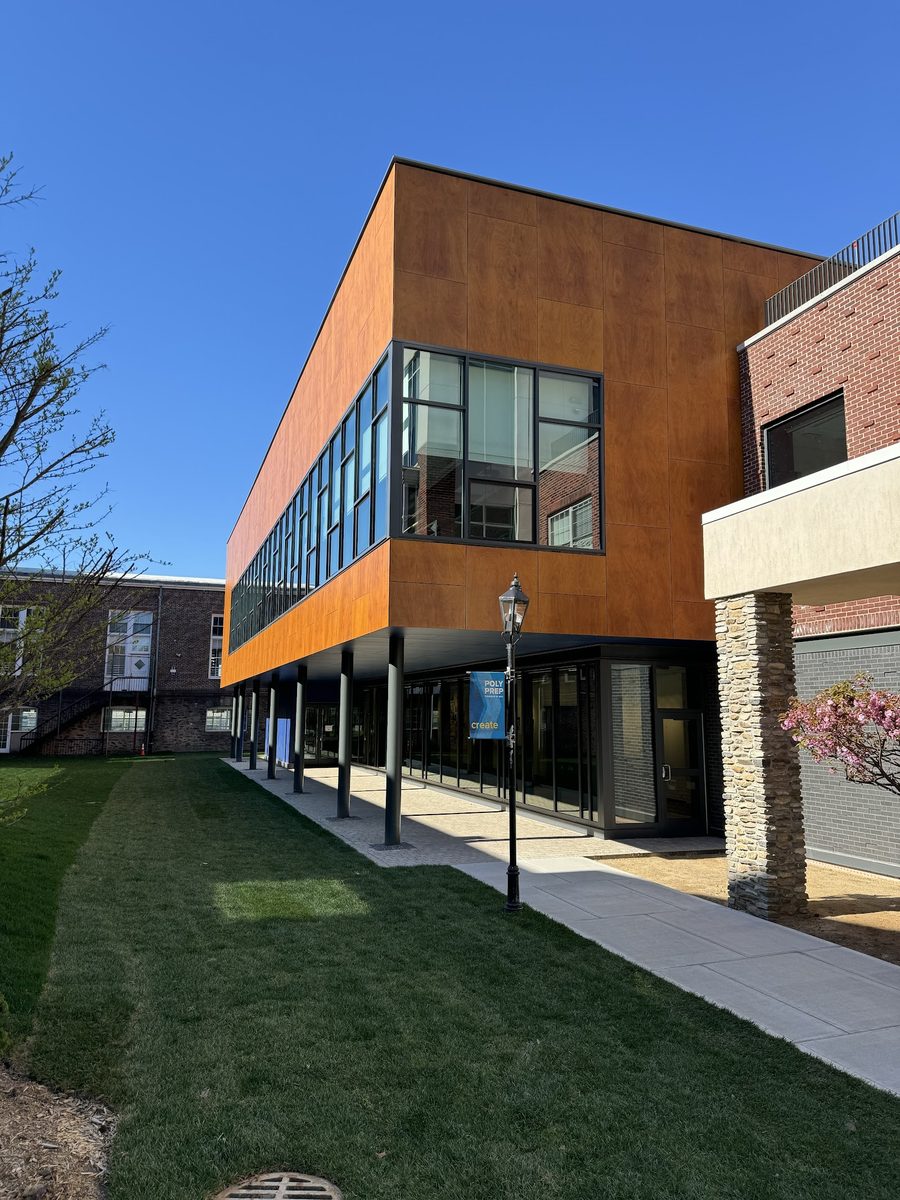
Poly Prep Country Day School
Brooklyn · United States
Founded in 1854 as Brooklyn's first boys' school, this day school pairs a Prospect Park mansion with a 25-acre Dyker Heights campus.
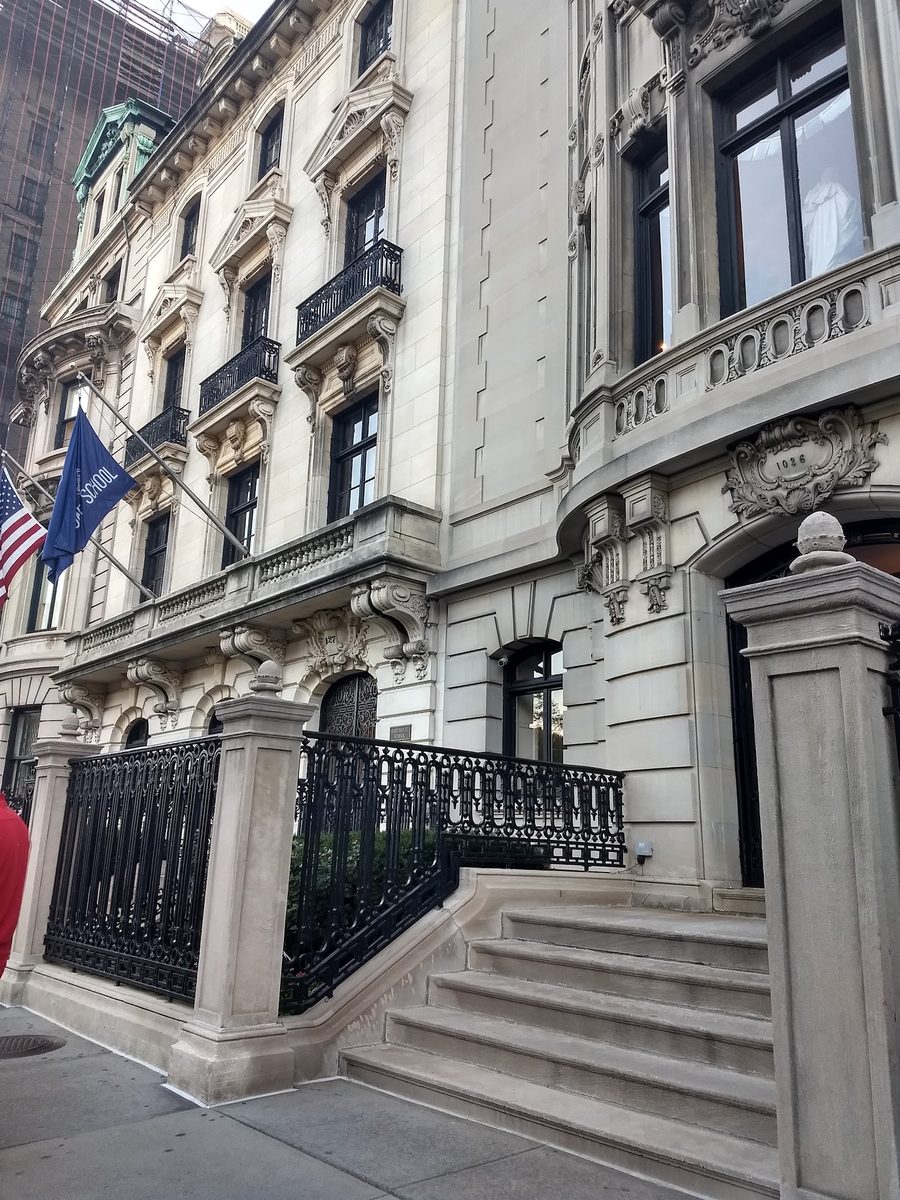
Marymount School of New York
New York City · United States
On Fifth Avenue, landmark mansions give way to Bloomberg terminals and classrooms inside the Met.
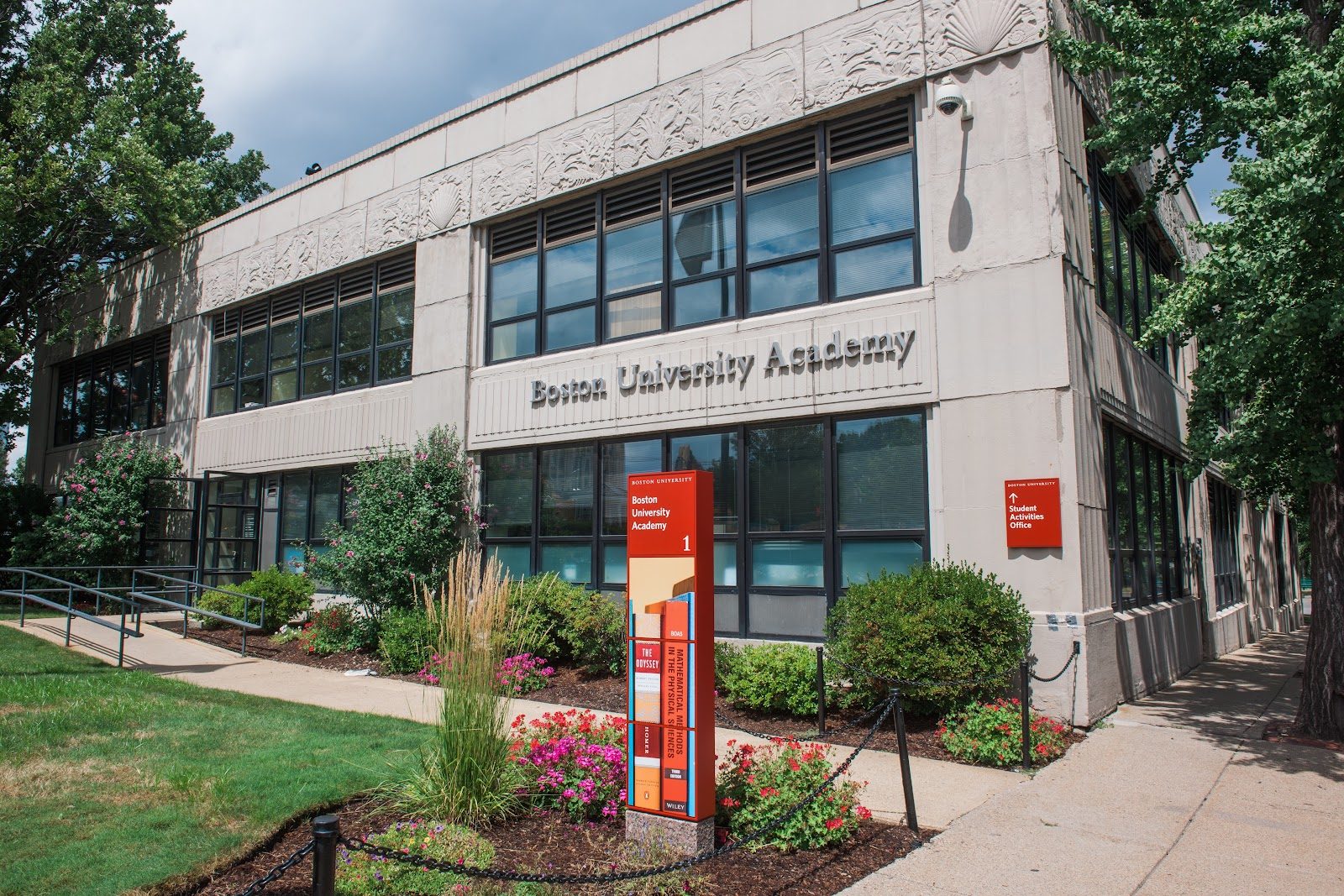
Boston University Academy
Boston · United States
Upperclassmen trade study halls for Boston University lecture halls, banking college credit before graduation.
Same country and curriculum — closest matches within ±10 points either way