
Bogotá
Colegio San Carlos
Benedictine monks from a North Dakota abbey built this all-boys Bogota institution on 'Ora et Labora,' a discipline that has shaped generations of national leaders.
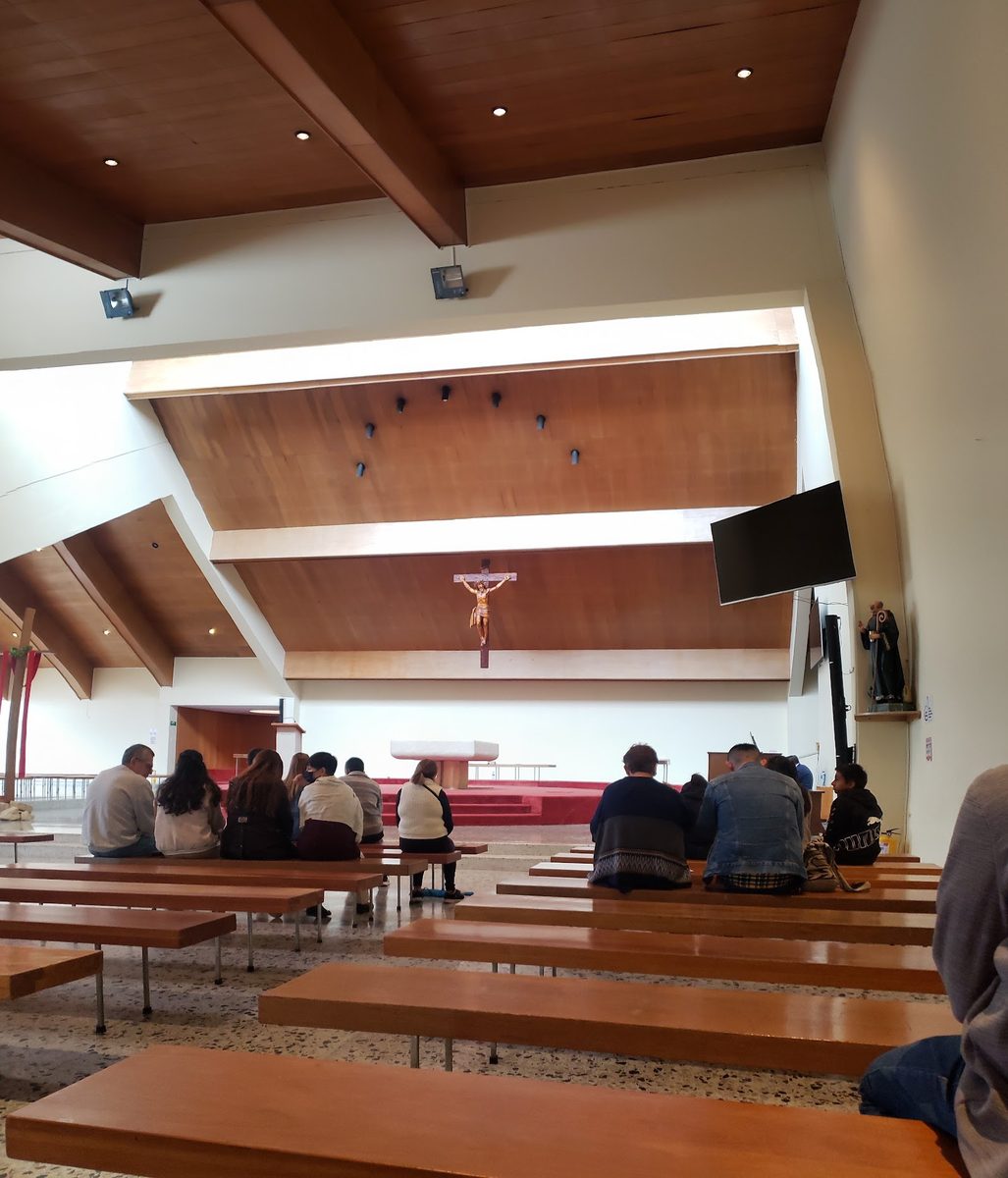
Photo © Isabella Bonilla Bohórquez via Google Maps
Type
Day
Ages
5–18
Curriculum
Colombian
Qualifications
Colombian national curriculum
Ratio
—
The Verdict
Editor's commitment
Right for
Boys aged 5–18 who suit a private, all-male Bogotá day school with bilingual Spanish-English teaching and Catholic formation.
Wrong for
Families wanting co-education, boarding, or a secular ethos will hit a wall here: Colegio San Carlos is boys-only, day, Catholic.
Watch out for
Founded in 1949, it trades on discipline and leadership, but the school does not publish public academic outcome data here.
Ranking breakdown
Colegio San Carlos · #1157 of 1591
Composite score 59.5. 8 weighted criteria.
By criterion
Academic Outcomes
Weight 20%
#792
of 1529 scored
University Placement
Weight 16%
#1089
of 1529 scored
Prestige & Heritage
Weight 12%
#912
of 1571 scored
Alumni Network
Weight 12%
#1013
of 1530 scored
Facilities
Weight 12%
#1164
of 1533 scored
Transparency & Communications
Weight 8%
#1326
of 1532 scored
Peer & Industry Review
Weight 10%
#1438
of 1548 scored
Admissions Selectivity & Demand
Weight 8%
#760
of 1529 scored
Peer & Industry Review
How Colegio San Carlos is regarded in the sector
56
Credible · medium confidence
Within Bogota's traditional private-school tier, Colegio San Carlos is generally grouped with Gimnasio Moderno, Colegio Los Nogales and Anglo Colombiano as one of the capital's long-established, academically demanding institutions, though as a single-sex Catholic school formed under Opus Dei-linked pedagogy (ICEE network) it occupies a distinct niche rather than competing directly on international curricula. Its standing is driven mainly by consistent placement of graduates into Universidad de los Andes, Universidad Javeriana and Universidad del Rosario, plus a smaller stream to Spanish and US universities via its ICEE sister-school ties. It receives limited coverage from UK-oriented reviewers such as WhichSchoolAdvisor or the Good Schools Guide, which focus on British-curriculum and international schools rather than Colombia's national Catholic sector. Domestic recognition instead comes through Colombian press (El Tiempo, Semana) coverage of Saber 11/ICFES results, where San Carlos regularly appears among Bogota's higher-scoring private schools. Reputation among peer heads is largely informal, built through ICEE network conferences and shared formation programs rather than public league-table rivalry.
Editors' overview
Colegio San Carlos occupies a distinct niche in Bogotá: an all-boys, private, bilingual Catholic day school with a long institutional memory and a clear social role. Founded in 1949, it has educated boys for 13 years of schooling, from age 5 to 18, in Spanish and English under the Colombian curriculum. The draw is not novelty. It is continuity, discipline and network. This is the kind of school families choose when they want structure with weight, old-school authority and a peer group shaped by ambition as much as by tradition.
What sets San Carlos apart is its combination of single-sex education, bilingual delivery and a reputation tied to leadership formation in Colombia. That reputation matters in Bogotá’s upper-tier private market, where schools trade not only on academics but on the calibre and cohesion of the families they attract. San Carlos offers a serious masculine culture that many schools no longer attempt: ordered, duty-conscious and unapologetically conventional. For some boys, that framework is liberating. For others, it is constricting. Parents need to be clear-eyed on the point. This is not the right fit for a child who needs a loose, highly progressive or visibly experimental environment. It suits boys who thrive with rules, hierarchy, team spirit and a strong sense of institutional identity.
Why shortlist it? Because few schools in Bogotá combine this level of tradition with bilingual education and a brand that still carries social and cultural capital. The school’s value lies in institutional gravity, a disciplined daily rhythm and a powerful old-boys aura. It targets families who want their sons educated in a setting that treats character formation as seriously as classroom instruction. The trade-off is clear: breadth of published public detail is thin, and parents who want extensive disclosure on outcomes, university destinations or teaching method will find less than they get from more internationally marketed schools. Even so, for families seeking an all-boys Catholic education with prestige without gimmicks and a firm hand on standards, Colegio San Carlos belongs on the shortlist.
Academic Performance
San Carlos trades on reputation, but the school does not publish the hard academic data that lets parents test that reputation against peers. We have not seen aggregate national exam results, subject-level distributions, university placement breakdowns or multi-year trend lines in the public domain. That is a real weakness. In Bogotá’s upper-tier private market, serious schools disclose enough to show whether their academic claims hold up under scrutiny. San Carlos does not. For a family trying to separate institutional prestige from measured attainment, that gap matters. The school’s standing as a producer of leaders carries social weight, but social weight is not the same thing as published exam strength.
That said, a long-established, selective boys’ school serving an ambitious constituency sits in a competitive cohort where academic underperformance does not survive for long. San Carlos fits the profile of a school whose results are expected to be solid, but expectation is not evidence. Relative to peers with fuller disclosure, it lands in the opaque camp: credible, status-rich, and still short on proof. Parents who prioritise hard results over heritage need to press for current national examination outcomes, score distributions and destination data before drawing conclusions. Without that, San Carlos remains a school with academic credibility asserted by reputation rather than demonstrated in public.
Facilities
Facilities are the least transparent part of the San Carlos offer. The school does not publish a clear, parent-facing account of its specialist spaces, campus plan, sporting provision or arts infrastructure, and that leaves a real information deficit. For a school with this level of standing, that is weak. In this market, stronger peers show families exactly what they are buying: laboratories, libraries, theatres, pitches, indoor sport, music rooms, maker spaces and age-specific learning areas. San Carlos does not. That does not mean the campus is poor; it means the school asks parents to trust the name rather than inspect the plant. For some local families, that is enough. For anyone comparing across the upper end of Bogotá’s private sector, it is needlessly opaque.
What can be said with confidence is narrower. An all-boys school that runs from the early years to university entry and trades on discipline and institutional identity needs competent core provision for classrooms, sport and communal life. San Carlos will have those basics in place. The unanswered question is whether it offers serious standout hardware or merely serviceable traditional provision. Against peers that market high-spec science, arts and athletics facilities as part of the package, San Carlos loses ground on disclosure alone. Parents who care about campus quality need a visit that tests the day-to-day reality: condition of classrooms, range of sports spaces, laboratory quality, library depth, music and art rooms, and how much of the site feels well-kept rather than worn.
We stop short of the top tier because the school does not publish enough to convert reputation into verified all-round distinction
Prestige
San Carlos carries old-line Bogotá prestige. Not the glossy, international-school version built on published outcomes, expansive marketing and overseas university branding; the older local version built on family networks, continuity and social recognition. In that register, the school ranks high. An all-boys institution with a long record of educating sons from ambitious, established families holds a durable place in Colombia’s elite private-school ecosystem, and San Carlos benefits from that institutional inheritance in full. The Wikipedia note that it has produced many national leaders matters here, not as a measurable academic claim, but as a marker of reach into the country’s professional and public-life upper tiers. For families who value access to a socially consequential peer group, that is a serious asset.
The limitation is just as clear. Prestige here rests more on standing, tradition and alumni influence than on public proof of present-day excellence. That makes San Carlos high-status but closed-handed: powerful within the circles that know it, less legible to parents who want transparent evidence and international comparators. In practical terms, its cachet is strongest in Bogotá and among Colombian families who understand the old private-school hierarchy; it has less of the exported sheen that travels instantly with global brands. We rate its prestige as strong because the school’s name still carries real social weight, and because 13 years inside one institution can forge a dense, loyal network. We stop short of the top tier because the school does not publish enough to convert reputation into verified all-round distinction.
The tone is almost certainly top-down, disciplined and expectation-setting rather than chatty or consultative, which suits some families very well
Communications
San Carlos communicates in the old established-school manner: enough to keep current families aligned, not enough to satisfy a parent who expects full-spectrum transparency. Public-facing communication is thin. The school does not publish the kind of detailed, parent-oriented information that stronger operators now treat as routine: clear breakdowns of school life, rich academic reporting, extensive facilities coverage, or a granular account of how pupils move through the institution. That matters because communication is not a cosmetic extra at a school with a high-control culture; it is one of the main tests of whether authority is matched by clarity. Here, the public side lands as functional but closed. Families already inside the circle will cope. Families comparing options from the outside get less help than they need.
That said, schools with this sort of entrenched identity often rely less on glossy explanation and more on direct institutional channels with enrolled parents: notices, meetings, year-group coordination and a steady flow of operational information. San Carlos fits that pattern. The tone is almost certainly top-down, disciplined and expectation-setting rather than chatty or consultative, which suits some families very well. It does not suit everyone. Parents who want abundant detail, instant responsiveness and a consumer-style relationship will find the communication model stiff and old-school. Parents who value order, brevity and clear lines of authority will find it perfectly serviceable across 13 years of school life.
Uniqueness
What makes San Carlos distinct is not novelty but the survival of a very specific Latin American elite-school model: all-boys, Catholic, bilingual, socially influential, and unapologetically formal. Very few schools still combine those elements with this degree of historic weight. The result is a school culture that treats boyhood less as a lifestyle category and more as a training ground for duty, endurance and public-facing confidence. For the right student, that brings sharp benefits: clearer behavioural boundaries, stronger peer identification, and a daily environment where competition, loyalty and hierarchy are built into the fabric rather than added as branding. In a market crowded with schools chasing international polish, San Carlos keeps a hard-edged local identity.
That identity brings students something concrete: immersion in a networked, status-conscious Colombian professional class from the first years of schooling to university entry. Boys grow up inside one institutional culture for 13 school years, and that continuity matters. It can produce exceptionally strong tribal loyalty, ease in male peer groups, and fluency in the codes of authority that still govern parts of business, politics and public life. The trade-off is plain. A school this tradition-bound does not offer much ideological range, and its benefits fall unevenly. Boys who thrive on structure and collective identity can do very well here; boys who need flexibility, experimentation or a softer social climate will feel the limits quickly.
Colegio San Carlos occupies a distinct niche in Bogotá: an all-boys, private, bilingual Catholic day school with a long institutional memory and a clear social role
Student Profile
The best fit is a boy who responds well to clear authority, fixed expectations and a culture that prizes self-command over self-expression. San Carlos suits students who can live comfortably inside rules, uniforms of behaviour and a strong collective identity across 13 years of schooling. This is not a school for a child who needs constant negotiation, loose boundaries or a highly individualised atmosphere. It is for boys who draw energy from competition, male camaraderie and the status that comes with belonging to a long-established institution. Social confidence helps. So does resilience. In a school with this kind of reputation, boys are measured not only by grades but by how they carry themselves, how they handle pressure and how well they absorb the codes of a demanding traditional culture.
Families considering San Carlos need a realistic read on temperament. A compliant, dutiful boy can flourish here. An ambitious boy with a taste for leadership, sport, public performance or structured responsibility also fits well. A boy who is sensitive to hierarchy, resistant to conformity or in search of a gentler pastoral climate will find the environment hard going. The same holds for children who need a more fluid, exploratory style of teaching and school life. San Carlos works best for families who want their son formed as much as taught: disciplined, socially polished and at ease in a high-expectation boys’ culture.
Founded in 1949, it has educated boys for 13 years of schooling, from age 5 to 18, in Spanish and English under the Colombian curriculum
Co-curricular strengths
Arts & sport, on a separate axis
Overall 6.62/10
Scored 0-10 from the school's own published evidence. This axis is editorial-only — it does not feed the main WTS ranking.
Sports
7.3/10
Drama
6.5/10
Dance
5.8/10
Music
6.7/10
Visual Arts
6.8/10
Strengths
- +Founded in 1960 by Benedictine monks from Assumption Abbey, North Dakota, giving the school a distinct religious and academic heritage rare among Bogota private schools.
- +Bilingual Spanish-English instruction is embedded across the curriculum rather than offered as an add-on language programme.
- +Scored 366 points in the 2024 Saber 11 (ICFES) national exams, placing it among the top-performing Calendar B private schools in Bogota.
- +Admission is explicitly merit-based via entrance examination rather than through legacy or waiting-list systems, per the school's own stated admissions philosophy.
- +Small class sizes of roughly 20-25 students, supporting closer teacher attention within a large overall student body.
Considerations
- −All-boys institution, which automatically excludes families seeking co-education or with daughters to enrol.
- −Catholic Benedictine religious affiliation and formation may not suit strictly secular or non-Christian families.
- −Annual pension (monthly fees) runs from roughly COP 1.3 million to COP 1.7 million depending on grade, plus a separate matricula fee, a meaningful recurring cost for expat budgets.
- −Located in far-north Bogota (Usaquen, Calle 192), which can mean a longer commute for families based in other parts of the city.
Availability
Primary entry gate & tests
Academic Record + Interview (Boys)
Gallery
Photo © Felipe Mora via Google Maps
Photo © Felipe Mora via Google Maps
Photo © Juan Jaramillo via Google Maps
Photo © Juan Jaramillo via Google Maps
Photo © fedesugo via Google Maps
Photo © Rafael Galindo via Google Maps
Photo © Isabella Bonilla Bohórquez via Google Maps
Parent reviews
Have you sent your child here?
Voice reviews carry the strongest trust badge — we transcribe them for you to tidy up before they go live. Prefer to type? A written review is fine too.
Add your voice
In 60 seconds, tell other parents: what's the best thing about Colegio San Carlos, and what surprised you when your child joined?
We ask for a Google sign-in so every review has a real face behind it — no anonymous drive-by attacks on schools, and no faked positive reviews. Your email is never shown publicly.
Send this profile to a friend
International parents rely on word-of-mouth. Share this review with someone weighing the same decision.
Schools with places
Similar schools to Colegio San Carlos with places available now.
Colegio Nueva Granada
Bogotá · Colombia
- 2026-27
- WAITPOOLVacancy-dependent
- 2027-28
- WAITPOOLVacancy-dependent
The English School
Bogotá · Colombia
- 2026-27
- CLOSEDStandard route closed
- 2027-28
- WAITPOOL2027/28 enquiries underway
Availability first, then country, area, curriculum, price, co-curricular
Consider also
Also worth looking at alongside Colegio San Carlos.
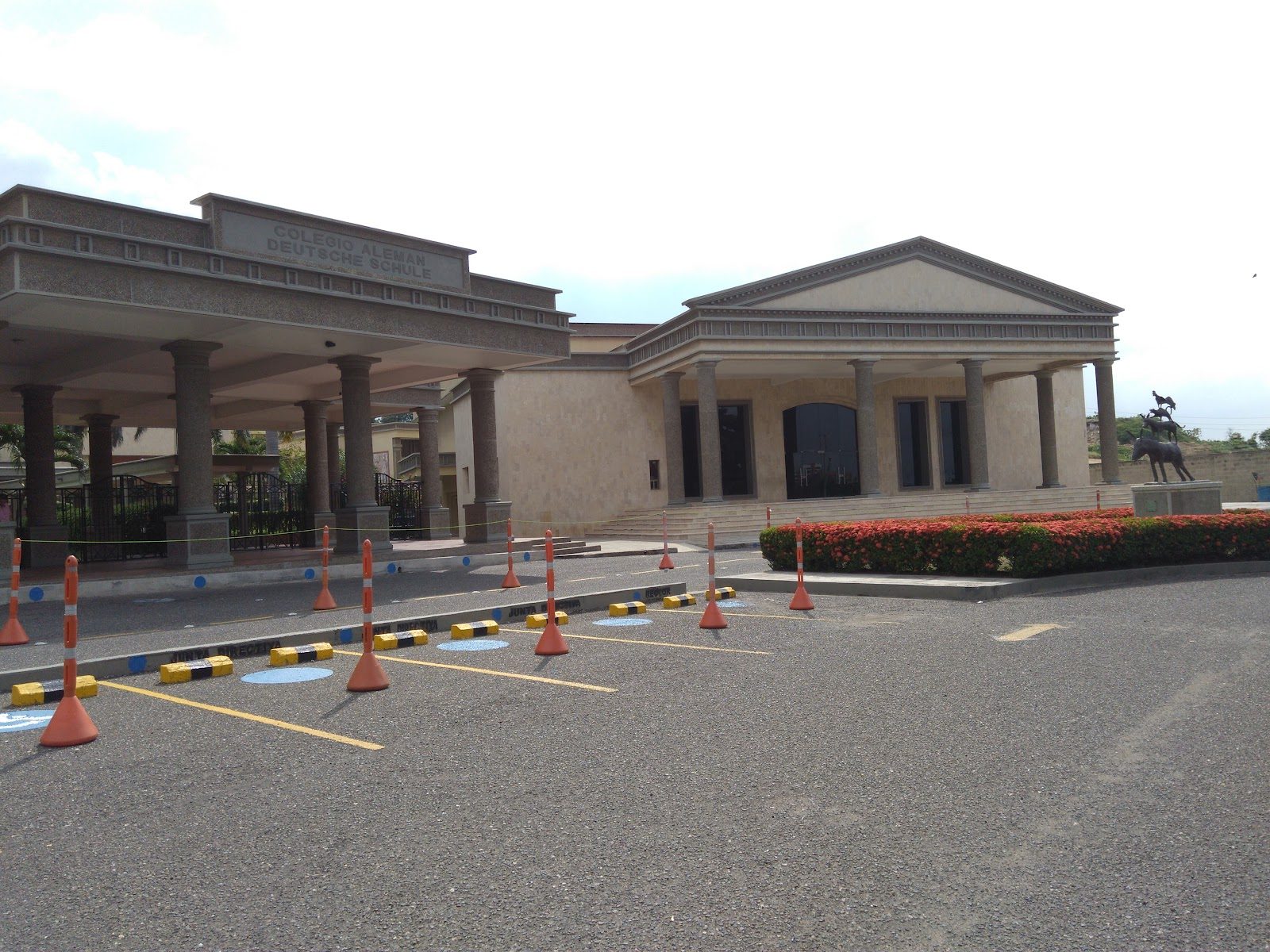
Colegio Alemán de Barranquilla
Barranquilla · Colombia
On Colombia's Caribbean coast, a century-old German school pairs Abitur rigor with the IB diploma in three languages.
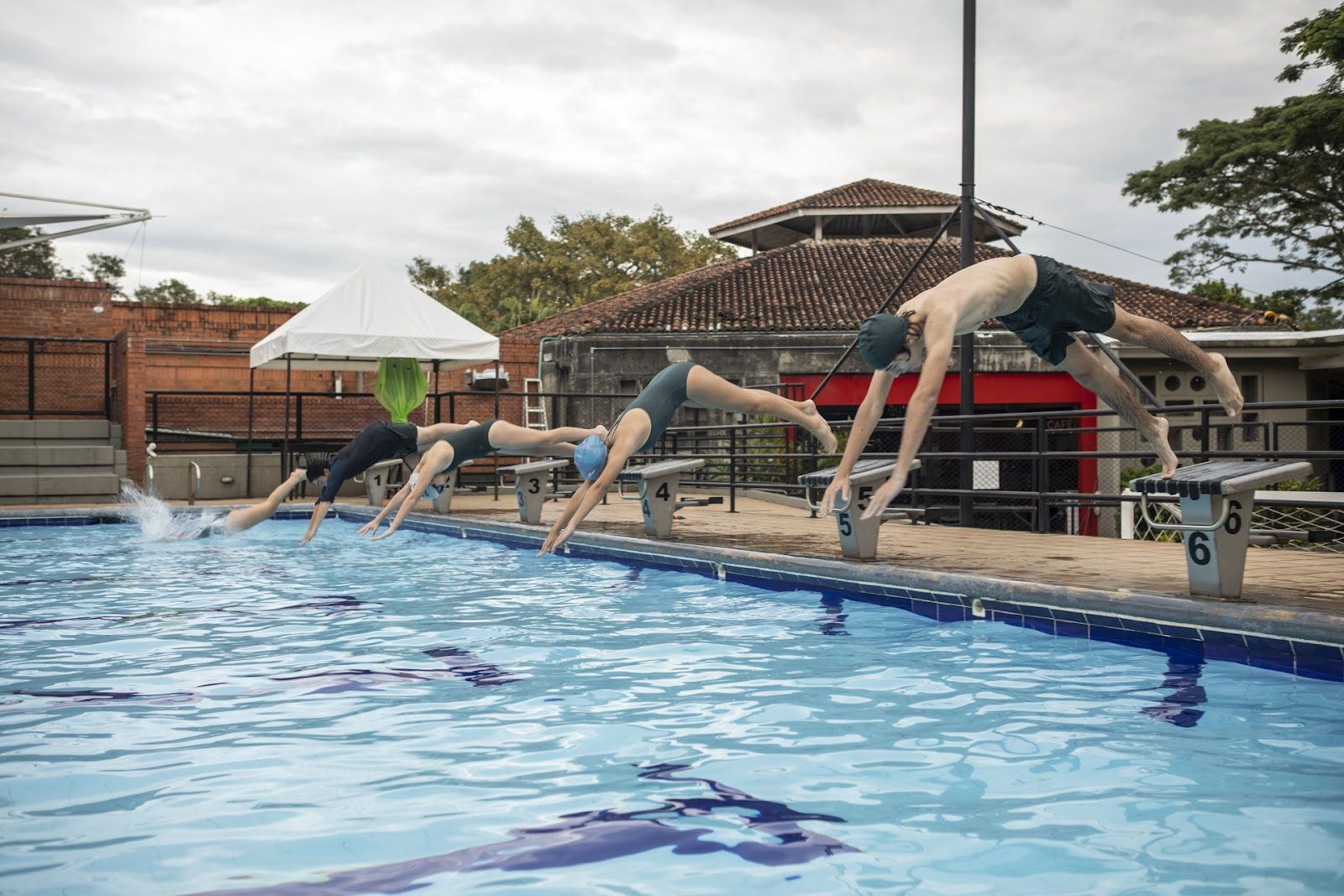
Colegio Colombo Británico Cali
Cali · Colombia
Founded in 1956 on English pedagogy, Cali's only CIS-accredited school runs the full IB continuum with a Round Square ethos of service and exchange.
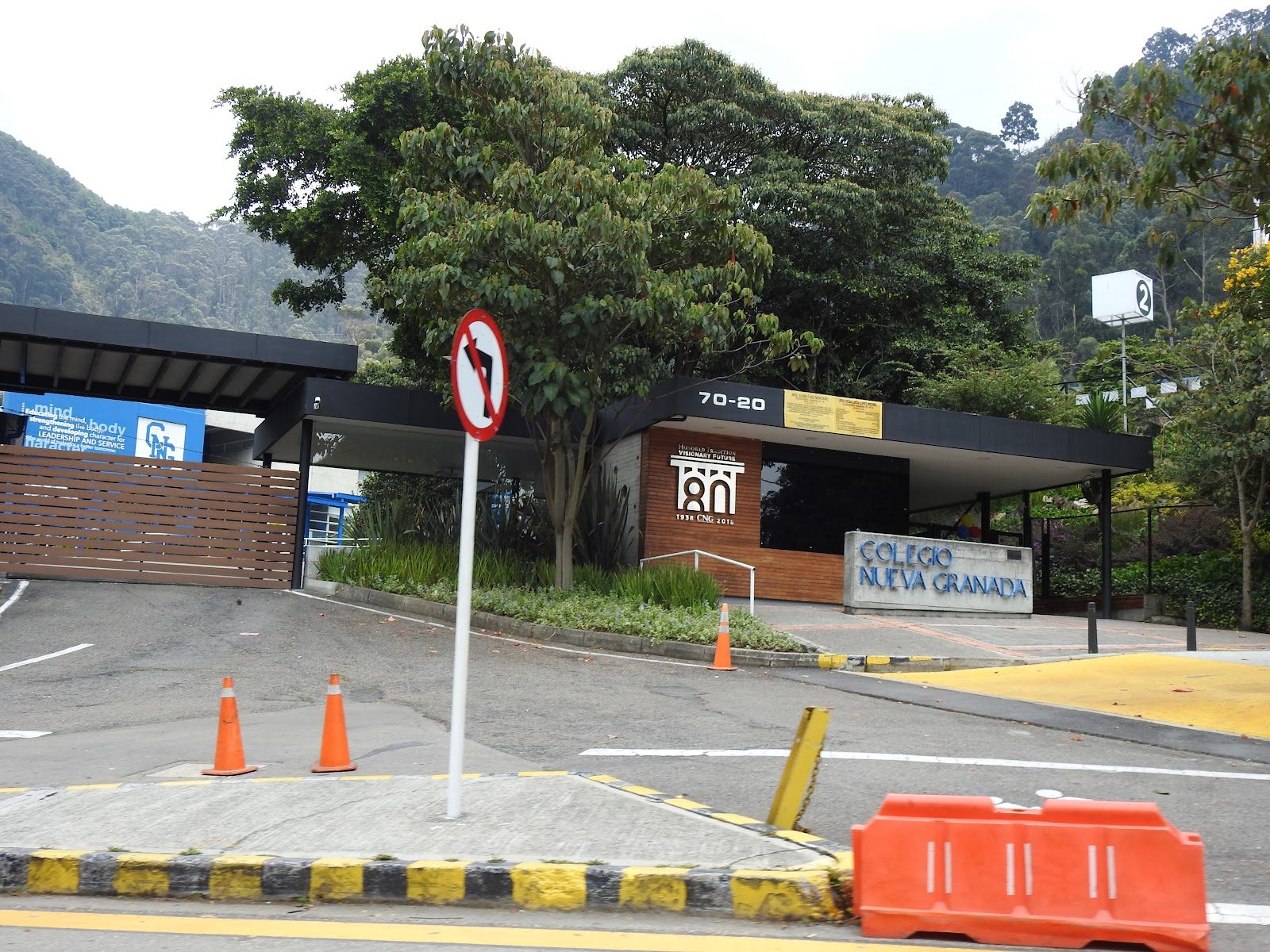
Colegio Nueva Granada
Bogotá · Colombia
A 1938 foothills campus in Bogota pairing dual US-Colombian diplomas, 32 AP courses and a four-house tradition.
Santiago College
Santiago · Chile
From an 1880 Methodist girls' boarding school to Chile's first IB pioneer, now coeducational in the Andean foothills.
Same country and curriculum — closest matches within ±10 points either way