
Devon
Where a Dartmoor outward-bound base meets a harbourside swim programme that has quietly fed Britain's Olympic pool
Type
Both
Ages
3–18
Curriculum
British
Qualifications
A-Level · GCSE
Ratio
—
The Verdict
Editor's commitment
Right for
Families wanting a British 3–18 day-and-boarding school in Plymouth, founded in 1877, with a serious high-performance sport pipeline.
Wrong for
Children unmoved by sport-led school culture; Plymouth College trades on aquatics, HMC status and Olympic alumni more than progressive pedagogy.
Watch out for
ISI and HMC credentials reassure, but the public case leans hard on swimming glory; academic outcomes beyond GCSE and A-level are not published here.
Ranking breakdown
Plymouth College · #941 of 1591
Composite score 63.2. 8 weighted criteria.
By criterion
Academic Outcomes
Weight 20%
#1003
of 1529 scored
University Placement
Weight 16%
#1015
of 1529 scored
Prestige & Heritage
Weight 12%
#854
of 1571 scored
Alumni Network
Weight 12%
#544
of 1530 scored
Facilities
Weight 12%
#933
of 1533 scored
Transparency & Communications
Weight 8%
#905
of 1532 scored
Peer & Industry Review
Weight 10%
#1216
of 1548 scored
Admissions Selectivity & Demand
Weight 8%
#943
of 1529 scored
Peer & Industry Review
How Plymouth College is regarded in the sector
63
Respected · medium confidence
Within the HMC fraternity, Plymouth College is generally seen as a competent, well-regarded regional school rather than an academic powerhouse; its national visibility rests substantially on sporting output, above all swimming, rather than league-table position. Good Schools Guide-style commentary has typically praised its pastoral warmth and inclusive, less hyper-selective intake while noting that academic rigour trails the major boarding schools. It rarely features near the top of Sunday Times or Telegraph independent-school league tables, consistent with a broader, less selective entry profile. University destinations lean toward solid Russell Group placements rather than a heavy Oxbridge weighting typical of the most prestigious peer schools. Its strongest external credibility comes from British swimming circles: the Plymouth Leander partnership and coach Jon Rudd's reputation are widely cited by specialist and education press covering sport-academic hybrid schools, giving Plymouth College a niche but genuine standing distinct from its academic peers.
Editors' overview
Plymouth College occupies a distinctive niche in the British independent market: a 1877-founded, co-educational day and boarding school in the centre of Plymouth with a genuine performance-sport identity and a broader school structure that runs from age 3–18. The headline differentiator is not vague “all-round” ambition but a serious aquatics engine tied to the city’s facilities and coastline. The school’s swim programme has produced Olympians, world champions and national champions, and the public roll call is stronger than at most schools of its size. Add the Dartmoor-and-harbour setting, and the proposition sharpens: this is a school for families who want academic schooling in a city environment with salt-water energy, competitive edge and a daily sense of movement beyond the classroom.
What puts Plymouth College on a shortlist is that its specialism is real. Many schools claim sporting excellence; Plymouth names the programme, the pathway and the alumni. The school states that more than 200 pupils have competed on the world stage and that 15 current or former pupils competed at Paris 2024. That gives the place a hard-earned sporting credibility that reaches beyond glossy branding. The offer is not limited to swimmers either: football, team sports, fencing and rugby all feature, and the school frames resilience, perseverance and teamwork as part of its core educational purpose. Parents who want a school where high performance sport sits at the centre rather than the margins will find Plymouth College unusually convincing.
The market position, though, is not “sports academy with lessons attached”. It is a British curriculum school with boarding, sixth form, and the full independent-school architecture expected by mobile UK and international families. The campus sits in a working city rather than a manicured rural estate, which will suit some families and rule it out for others. If you want country-house seclusion, look elsewhere. If you want a school with urban practicality, access to major sports infrastructure and a culture built around disciplined training as much as academic routine, Plymouth College makes sense. The ownership by Galaxy Global Education Group marks a new corporate chapter; parents should ask direct questions about governance, staffing continuity and long-term investment priorities.
The pupil who will thrive here is clear: sporty, busy, resilient, and happy in a school where excellence has a public face. Elite swimmers and serious athletes belong on the list first. So do pupils who like structured ambition, visible opportunity and a school culture that rewards commitment. Children who need acres of pastoral softness, a quiet scholarly cloister or a purely academic pecking order will find stronger fits elsewhere. Plymouth College suits families who want Olympic-water seriousness without giving up the breadth of a British independent education.
An Elite Sport 80 school
Sport is Plymouth College's defining strength, and its co-curricular sports score of 9.5 places it firmly in the world-class band. The claim is grounded in a genuine competitive record rather than marketing: the school states that more than 200 pupils have competed on the world stage, and that 15 current or former pupils took part in the Paris 2024 Olympics - a figure the school believes exceeds that of any other UK school. The clearest engine of that record is swimming. The aquatics programme is anchored at the Olympic-sized pool at the Plymouth Life Centre, giving talented swimmers access to performance-standard facilities and coaching while remaining within a mainstream, non-selective all-through school. This integration - elite training alongside a standard British curriculum from pre-school to sixth form - is the point of difference: ambitious athletes are not forced to choose between a specialist academy and a rounded education. Beyond the pool, high-performance team sports feature prominently, with rugby and links to Plymouth Argyle among the pathways, and the school runs a Sports Baccalaureate that reports a 100% pass rate with half of pupils achieving DDD or above, feeding destinations in sports rehabilitation and sport performance at UK universities. For a committed swimmer, diver, fencer or team-sport player, Plymouth College offers a serious, structured performance environment; for the broader intake, the same culture instils discipline, resilience and routine. The honest caveat is that this athletic identity is loud, and families uninterested in sport should weigh whether the school's balance suits them.
Academic Performance
Plymouth College gives parents an “Exam Results” page in the navigation, which matters; many schools still bury outcomes or reduce them to selective anecdotes. The problem is that we have not seen the actual aggregate figures. The school does not publish, in the source excerpts here, whole-cohort GCSE or A-level performance, top-grade percentages, value-added data, or university destination detail beyond a menu reference to “Careers & Onward Destinations”. That leaves academic performance insufficiently transparent. In a market where serious independent schools disclose at least headline attainment, that omission is a clear weakness. Families comparing Plymouth with stronger academic operators will need hard numbers before drawing any conclusion about where it sits in the league-table pecking order.
What can be said with confidence is structural rather than statistical. This is a school with a high-profile performance-sport culture and a broad all-through age range, not a narrowly exam-drilled hothouse. That does not preclude strong results; plenty of sports-led schools deliver them. It does mean parents need proof that academic outcomes keep pace with the school’s public athletic identity. Until Plymouth College publishes full external examination results, the academic picture remains opaque. Relative to peers, that puts it at a disadvantage with data-literate families, because confidence in results rests on published evidence, not institutional confidence.
Facilities
The facilities that matter here are the ones tied to movement, training and daily logistics, not grand architecture. The school sits in an urban setting and leans hard into that advantage. The key asset is access to the Plymouth Life Centre, which the school names as a focal point of its swim programme. For families buying into the aquatics pathway, that counts for more than a postcard campus: dedicated high-level sporting infrastructure beats ornamental grounds. The website also points to strength and conditioning, football links through Plymouth Argyle, team sports, creative and performing arts, and a dedicated outward-bound base on Dartmoor in the school’s own editorial framing. That mix gives Plymouth College a purpose-built competitive feel, with facilities arranged around training, activity and serious weekday use rather than country-house theatre.
Against peer schools, this is a specialist rather than lavish facilities offer. Some boarding schools in the independent sector win on acreage, self-contained sports centres and monumental arts blocks. Plymouth College’s edge lies elsewhere: direct access to city sports infrastructure, a genuine elite-swimming ecosystem, and a campus model that connects pupils to real venues beyond the school gates. For swimmers, that is a material advantage. For families seeking vast lawns, cloisters and an all-on-site estate, it is not. The boarding section in the navigation confirms dedicated houses and weekend activity provision, but the school does not publish enough detail here on boarding interiors, science labs, theatre specification or studio provision to place those facilities at the top end of the market.
Parents who want a school where high performance sport sits at the centre rather than the margins will find Plymouth College unusually convincing
Prestige
Plymouth College carries real but specialised prestige. In the independent-school hierarchy, it does not trade on the social cachet of the grandest public schools, nor does it command automatic academic reverence on published results. Its standing rests elsewhere: a serious national reputation in high-performance sport, above all in aquatics, and a school identity that reaches beyond local familiarity. For the right family, that distinction matters more than old-boy mythology. The school’s claim that more than 200 pupils have competed on the world stage, and that 15 current or former pupils were at Paris 2024, gives it a *rare concentration of sporting credibility*. Few British schools can point to that depth of elite output with a straight face.
That is why the prestige rating lands in the strong niche category rather than the top all-round tier. Plymouth College has a recognisable name, an HMC badge, and a specialist track record that carries weight with families who value disciplined sport, structured routines and visible pathways to competition. It does not have the broad, unqualified prestige that flows from dominant exam disclosure, hyper-selective admissions or a centuries-old national aura. Its reputation is earned, not inherited: strongest in pools, performance environments and among parents who know exactly what they are buying. Outside those circles, the name has less pull than the biggest brands in the sector.
What puts Plymouth College on a shortlist is that its specialism is real
Communications
Plymouth College’s parent-facing communication is organised in the way a functioning school site should be: clear top-level routes for admissions, fees, term dates, transport, boarding, safeguarding, SEND, policies, inspection reports and contact details. That matters. Parents do not need to hunt through a maze to find the practical architecture of the school. The split between prep, senior, sixth form and boarding is easy to follow, and the site recognises the needs of international families with dedicated admissions and UKVI pages. There is also visible effort to show the life of the school beyond lessons through weekend activities, co-curricular provision and sport pathways. In basic usability terms, the school communicates with competent directness. It does not hide the essentials behind lifestyle photography or empty slogans, even if the marketing line itself is overcooked.
The weakness is depth and proof. The navigation promises “Exam Results”, “Careers & Onward Destinations” and governance information, but the excerpts here do not deliver the substance parents need to test the school’s claims. That creates a trust gap. For a school asking families to buy into a demanding, high-commitment model, communication needs more than structure; it needs disclosure. Parents need published academic outcomes, sharper onward-destination detail, fuller boarding information and a clearer account of who governs the school under its new ownership. The contact points are there, the signposting is solid, and the website does the administrative basics well. The harder test is transparency, and on that measure Plymouth College is serviceable rather than strong.
Uniqueness
What sets Plymouth College apart is the fact that its sporting specialism is built into the life of the school rather than bolted on as an enrichment extra. The place has produced more than 200 pupils who have competed on the world stage, and 15 current or former pupils were at Paris 2024. That is not decorative prestige; it creates a daily culture in which training, discipline, time management and public competition are normal parts of school life. For pupils, that brings exposure to serious performance standards early. Ambitious athletes get a credible pathway, peers absorb the habits of a high-output environment, and the school’s identity acquires a hard competitive edge that many “sports schools” never earn.
The second point of difference is geographical and practical. Plymouth College uses its coastal city setting, major local sports infrastructure and access to Dartmoor to create a school experience with more movement than polish. That gives pupils a version of independent education that feels active, outward-facing and unsheltered. Resilience here is not a poster-word; it is built through training schedules, travel between venues, weekend activity and a culture that values perseverance. The gain for the right child is substantial: purpose, routine and real-world stamina. The trade-off is clear too. Pupils who want a hushed academic enclave or a gentler, less exacting tempo will find this model demanding.
Plymouth College suits families who want Olympic-water seriousness without giving up the breadth of a British independent education
Student Profile
The best fit is a child who likes momentum. Plymouth College suits pupils who are happy with early starts, fixed routines, training blocks, fixtures, rehearsals and full days that do not leave much room for drift. Serious swimmers and other committed athletes belong near the front of the queue, but the profile is broader than that. A pupil does not need elite times or medals on day one; they do need tolerance for discipline, public effort and a culture in which ambition is visible. In that environment, quieter children can still do well, but only if they are comfortable alongside peers whose goals are high-stakes, hard-driving and sometimes all-consuming. This is not a school for the child who wants to hide at the back and coast.
It also suits families who value breadth without softness. The age range means children can grow through the school, and the day-and-boarding mix brings a wider social spread than a purely local day school. International families, mobile UK families and local families with competitive instincts all make sense here. The strongest match is a pupil with stamina, coachability and enough self-possession to handle a peer group shaped by performance. The weaker fit is a child who needs a gentler rhythm, a cloistered academic atmosphere or constant hand-holding. Plymouth College rewards commitment and resilience; it is not for the faint-hearted.
Plymouth College gives parents an “Exam Results” page in the navigation, which matters; many schools still bury outcomes or reduce them to selective anecdotes
Co-curricular strengths
Arts & sport, on a separate axis
Overall 8.28/10
Scored 0-10 from the school's own published evidence. This axis is editorial-only — it does not feed the main WTS ranking.
Sports
9.5/10
Drama
8.8/10
Dance
5.5/10
Music
8.8/10
Visual Arts
8.8/10
Strengths
- +Boarding and day options from ages 3–18, with full, weekly and flexi-boarding
- +British curriculum taught in English, with GCSE, A-Level and BTEC pathways
- +Elite swimming and high-performance sport, including 15 Paris 2024 Olympians among current or former pupils
- +Published 2024 A-Level results: 98% pass rate, 40% at A*-A
- +International boarding community drawn from more than 30 countries
Considerations
- −Openly non-selective intake, so grade profiles trail the most academically assertive peers
- −Boarding entry begins at Senior level rather than in the Prep years
- −High-performance sport may dominate the school's identity
- −Provincial location limits national profile and alumni depth
Availability
Primary entry gate & tests
Written Exams + Interview
Parent reviews
Have you sent your child here?
Voice reviews carry the strongest trust badge — we transcribe them for you to tidy up before they go live. Prefer to type? A written review is fine too.
Add your voice
In 60 seconds, tell other parents: what's the best thing about Plymouth College, and what surprised you when your child joined?
We ask for a Google sign-in so every review has a real face behind it — no anonymous drive-by attacks on schools, and no faked positive reviews. Your email is never shown publicly.
Send this profile to a friend
International parents rely on word-of-mouth. Share this review with someone weighing the same decision.
Schools with places
Similar schools to Plymouth College with places available now.
Christ's Hospital
Horsham · United Kingdom
- 2026-27
- CLOSEDStandard route closed
- 2027-28
- PLACES OPEN2027 entry assessment timetable active
St Swithun's School
Winchester · United Kingdom
- 2026-27
- CLOSEDStandard route closed
- 2027-28
- PLACES OPENCloses Nov '26
Badminton School
Bristol · United Kingdom
- 2026-27
- CLOSEDStandard route closed
- 2027-28
- PLACES OPENCloses Oct/Nov '26
Royal Grammar School, Guildford
Guildford · United Kingdom
- 2026-27
- CLOSEDStandard route closed
- 2027-28
- PLACES OPEN11+ / 13+ / 16+ active
Availability first, then country, area, curriculum, price, co-curricular
Consider also
Also worth looking at alongside Plymouth College.
Benenden School
Cranbrook · United Kingdom
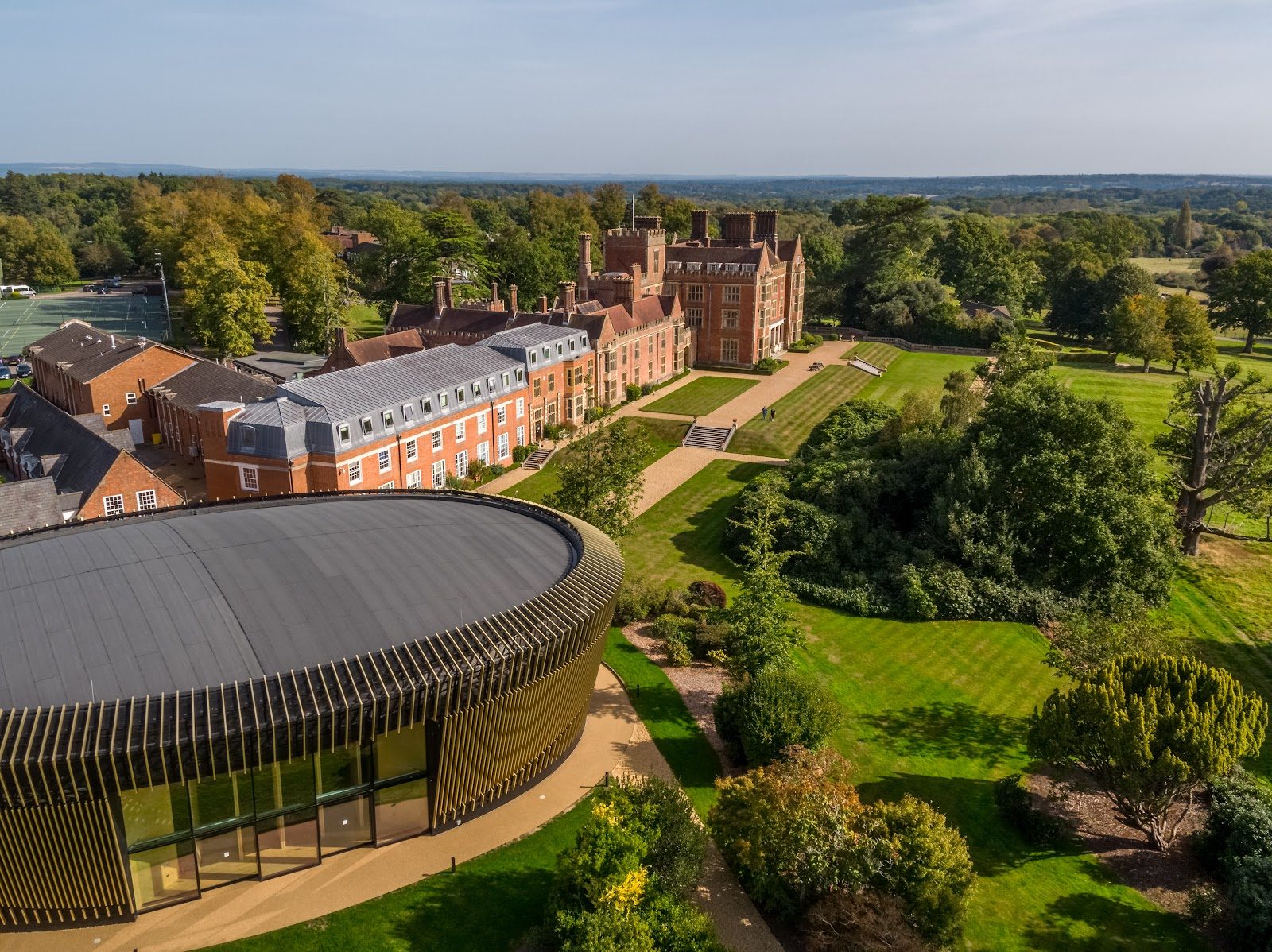
Amid 250 acres of Wealden parkland, the full-boarding spirit that inspired Malory Towers still runs through ten close-knit houses
Stowe School
Stowe · United Kingdom
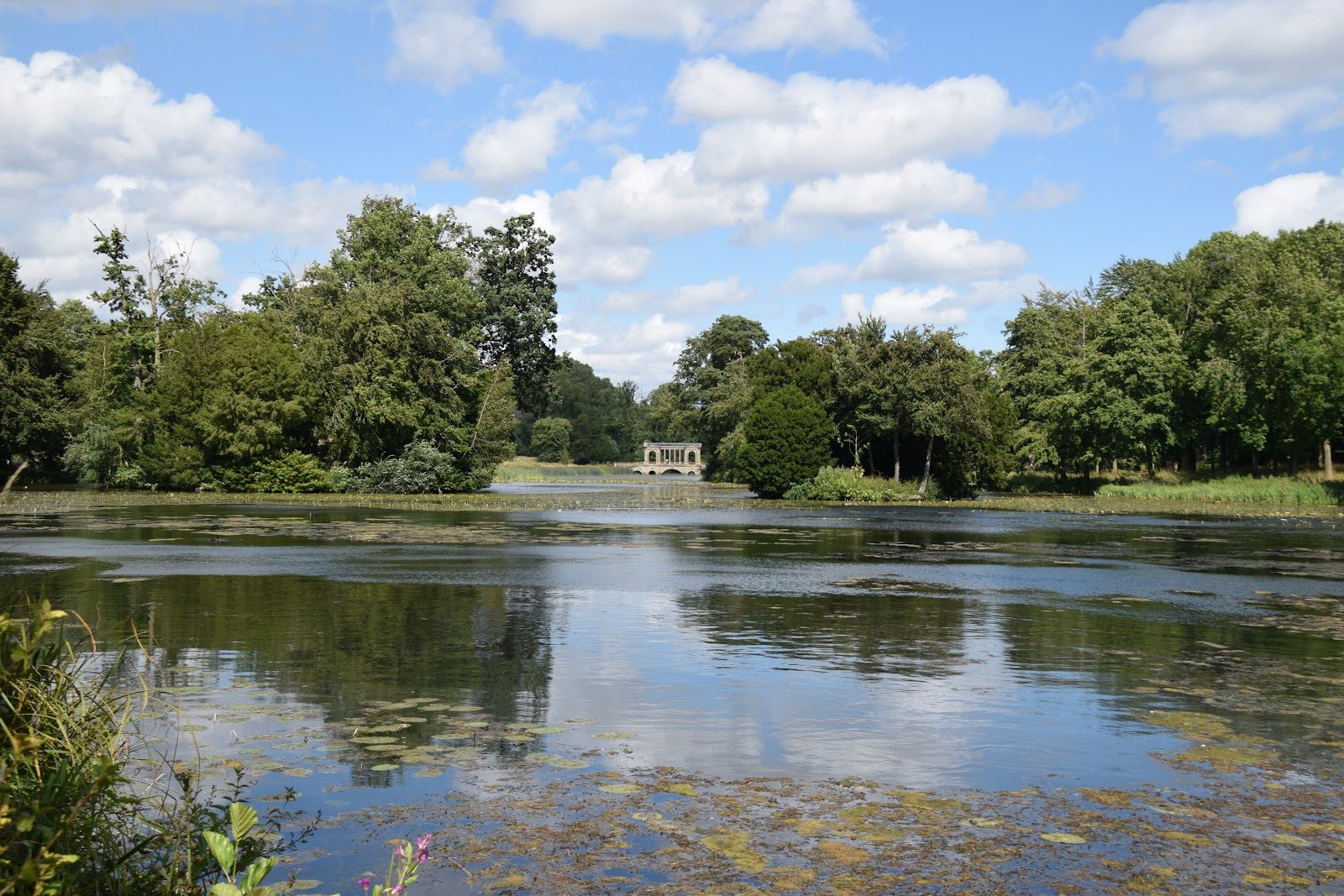
Boarders learn inside a Grade I neoclassical mansion set within an 18th-century landscape garden that shaped English garden design.
Christ's Hospital
Horsham · United Kingdom
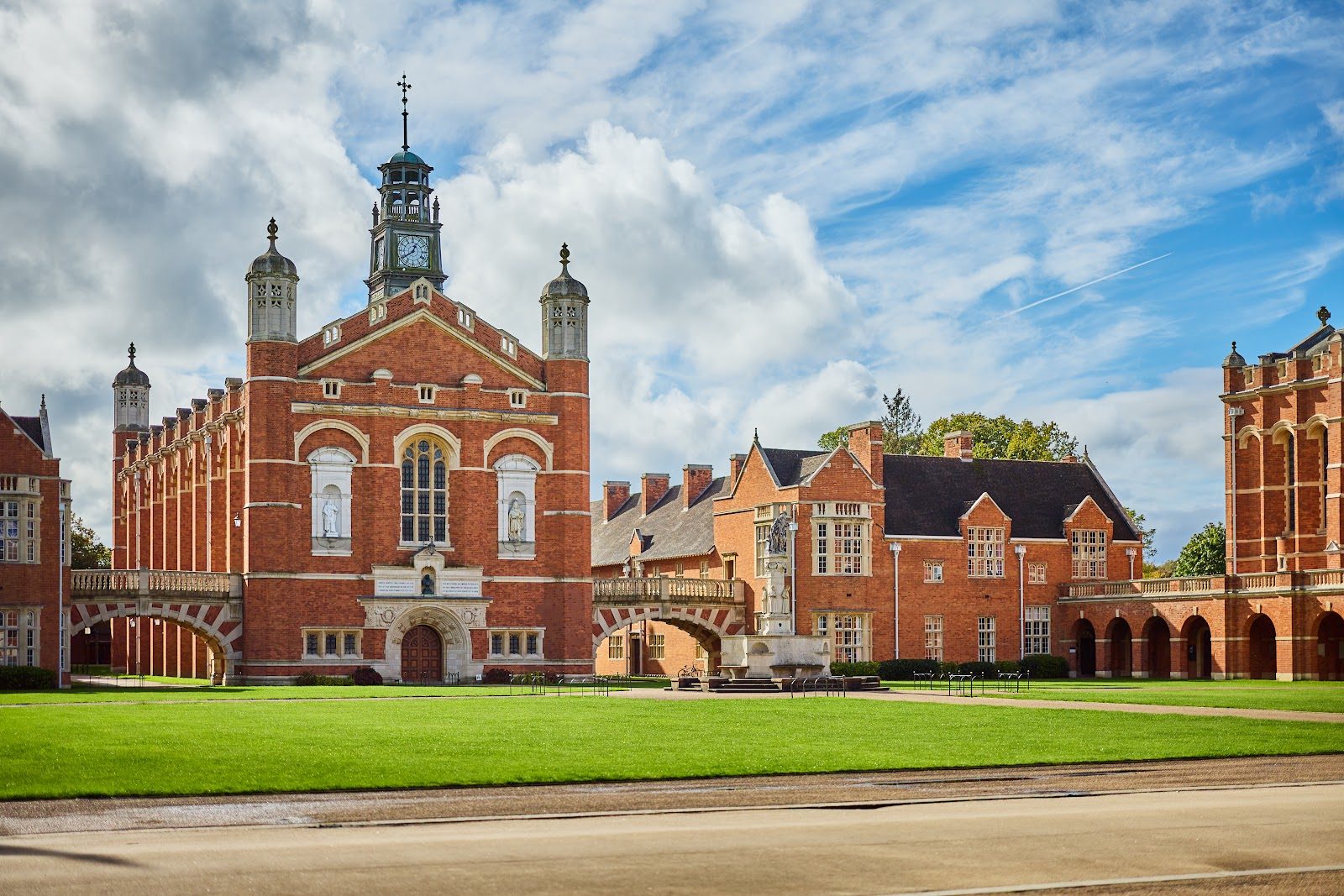
Tudor bluecoat uniforms unchanged since 1552 meet a bursary scheme that funds most pupils, set across 1,200 acres of Sussex countryside.

Lady Eleanor Holles School
Hampton · United Kingdom
Since 1710 on a 24-acre Hampton site, a Thames boathouse has bred record-holding rowing eights alongside Oxbridge-track academics.
Same country and curriculum — closest matches within ±10 points either way