
Buckinghamshire
Stowe School
high confidence· 5/6 cats · 3.11 avg sourcesBoarders learn inside a Grade I neoclassical mansion set within an 18th-century landscape garden that shaped English garden design.
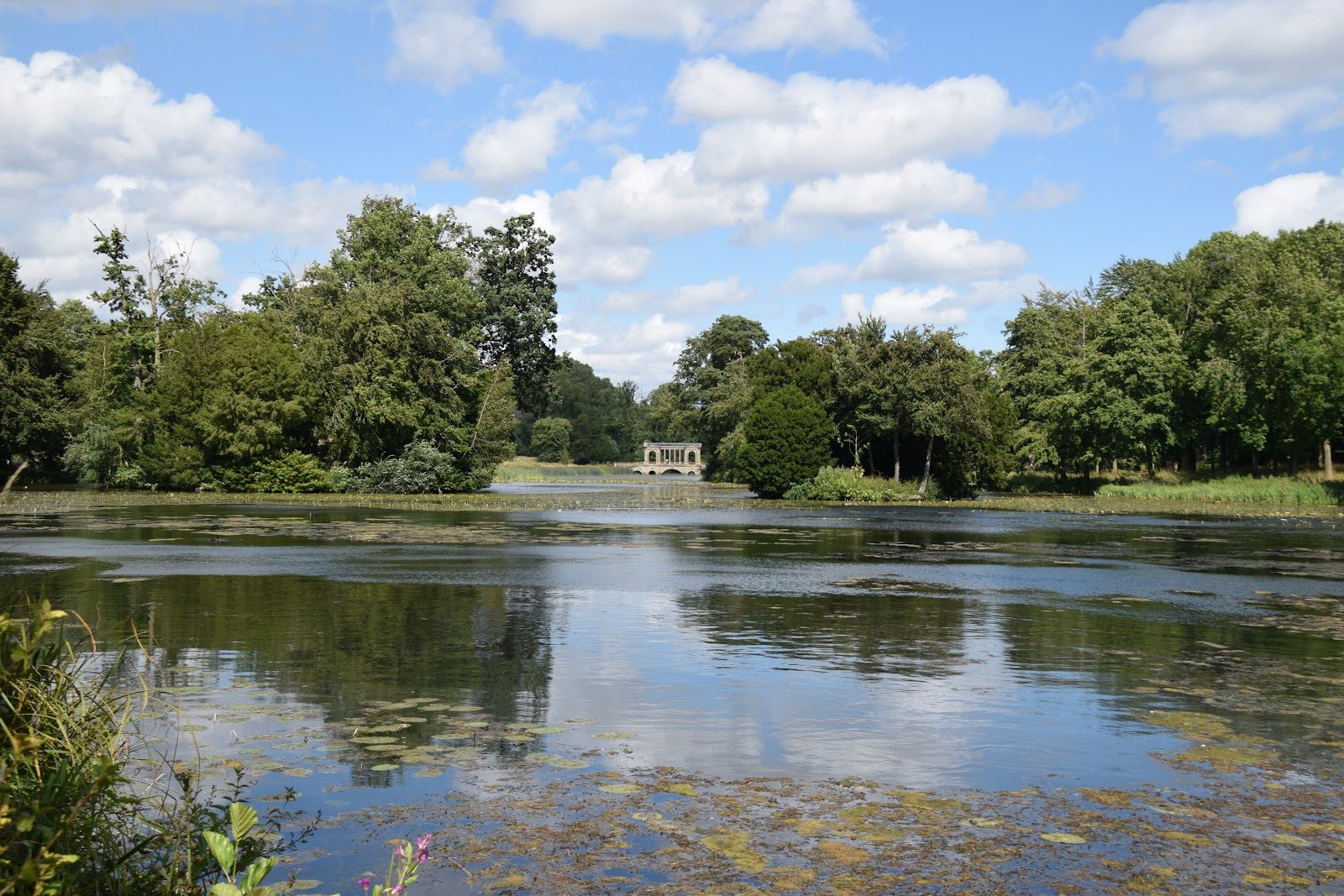
Photo © Derek Cavell via Google Maps
Type
Boarding
Ages
11–18
Curriculum
British
Qualifications
A-Level
Ratio
—
The Verdict
Editor's commitment
Right for
Boarders who want scale, setting and outcomes: a Grade I mansion, £59,000 average boarding fees, and 80% of 210 leavers to top-100 universities.
Wrong for
Families wanting a modest, day-school tempo or earlier entry: Stowe is boarding-led, Anglican, and the verified age range runs 11–18.
Watch out for
The grandeur costs money and can dominate the proposition: average fees are £36,000 day and £59,000 boarding, with 9 Oxbridge offers in 2024.
Ranking breakdown
Stowe School · #502 of 1591
Composite score 70.3. 8 weighted criteria.
By criterion
Academic Outcomes
Weight 20%
#585
of 1529 scored
University Placement
Weight 16%
#584
of 1529 scored
Prestige & Heritage
Weight 12%
#393
of 1529 scored
Alumni Network
Weight 12%
#306
of 1529 scored
Facilities
Weight 12%
#419
of 1529 scored
Transparency & Communications
Weight 8%
#652
of 1529 scored
Peer & Industry Review
Weight 10%
#595
of 1529 scored
Admissions Selectivity & Demand
Weight 8%
#489
of 1529 scored
Score history
Stowe School · 2026
Movement across 2024–2026. Peer average overlaid.
Overall — 2024–2026
70.3/ 100
▲ +16.5 vs 2025
year on year
Peer & Industry Review
How Stowe School is regarded in the sector
82
Strong · high confidence
Stowe School sits firmly among the top tier of Britain's public schools, its reputation built on a blend of academic credibility and instantly recognisable alumni pull. WhichSchoolAdvisor's review notes it was rated Excellent in its most recent ISI inspection in 2018, with inspectors noting students make strong contributions to the wider community, and have confident decision-making, outstanding social skills, while the Good Schools Guide singles out its arts provision, observing "nothing but praise for Stowe's arts scene," with more than 400 peripatetic music lessons a week delivered by 30 visiting specialists. Sector recognition extends to industry awards, with the school having won the Best Public School category after going head to head with Radley College, Sherborne, Blundell's and Fettes at the Tatler Schools Awards. Its alumni roster, from Richard Branson to Henry Cavill, keeps Stowe in the wider cultural conversation well beyond typical school-press coverage, reinforcing a reputation that is strong rather than absolutely unassailable at the very top of the market.
- Richard Branson — Founder & Chairman, Virgin Group
- Terence Conran — Founder, Habitat/The Conran Group
- David Niven — Actor, Film
Editors' overview
The selling point is not subtle: Stowe puts adolescents inside Stowe House, a Grade I neoclassical mansion in an 18th-century landscape garden with real cultural weight. Plenty of British boarding schools trade on heritage; few operate on this scale, and fewer still make the setting central to daily life rather than a prospectus backdrop. Opened in 1923, Anglican in foundation, and accredited by ISI and HMC, Stowe sits in the top tier of the traditional English boarding market, but with a more visibly theatrical physical identity than its older competitors. That matters. For some children, the estate will feel electrifying and expansive; for others, it will feel oversized and performative.
Parents should shortlist Stowe for three clear reasons. First, it offers full-immersion British boarding in a setting that no urban day school can match. Second, its outcomes hold up: in the Class of 2024, 80% of 210 leavers went to top-100 universities, with 9 Oxbridge places and 45 Russell Group destinations; Oxford, Cambridge and Durham all feature prominently. Third, its alumni footprint is deep and unusually broad, with 236 notable alumni catalogued in Wikidata across politics, business, writing, the arts and sport. That points to a school with reach, networks and cultural confidence, not a narrow exam factory. The fee level confirms the market position: an average annual boarding fee of £58,560 across the full ladder, or £35,700 for day pupils. This is expensive, and families are paying for environment, tradition and peer group as much as for classroom delivery.
The right student for Stowe wants boarding to feel large-scale and socially alive. This is not the intimate, monastic model of English schooling. The school suits teenagers who will use the estate, enjoy the drama of the place, and thrive in a community with status, history and a strong sense of occasion. It also suits families who want a British curriculum in English without sacrificing breadth of destination at university level. Children who need a small, tightly contained academic culture or a stripped-back, utilitarian campus may find Stowe too grand for comfort. Children with appetite, confidence and some independence will get more from it.
Academic Performance
Stowe’s university destinations are strong, but exam transparency is thinner than at the most results-driven British boarding schools. We have the higher-education outcomes; we do not have a published set of headline public exam figures here that lets parents judge A-level or GCSE performance cleanly against close competitors. That matters. In this segment of the market, schools with hard academic edge publish top-grade profiles plainly and repeatedly because they know the numbers will withstand comparison. Stowe’s public story leans harder on place, culture and destination than on granular examination data. That does not make the academic picture weak; it makes it less crisply evidenced than at the sharpest academic operators.
Relative to peers, Stowe sits in the broad upper tier rather than the exam-obsessed front rank. The destination profile supports that judgement: 80% of leavers progressed to top-100 universities, with 9 to Oxbridge and a substantial Russell Group tally. Those are serious outcomes, but they do not on their own place Stowe alongside the most relentlessly selective schools, where top-university entry is paired with exhaustive disclosure of top grades. Parents choosing Stowe for academics will get a school that delivers credible onward progression and intellectual breadth, not a narrow marks machine. Families who want proof in the form of published exam tables should ask for recent subject-by-subject A-level and GCSE breakdowns before treating Stowe as a pure academic play.
Facilities
The estate is the facility. Stowe runs out of Stowe House and its surrounding landscaped grounds, and that gives pupils daily access to a setting that few peers can match. Many British boarding schools occupy handsome campuses; very few teach and house children inside a Grade I mansion with an eighteenth-century designed landscape outside the door. For arts, events and school life, that delivers a theatrical backdrop with real substance rather than cosmetic heritage dressing. It also creates practical advantages: space, visual grandeur and room for large-scale activity. Against peer schools in the upper boarding market, Stowe’s physical environment sits in the top bracket for distinction and sense of place. The trade-off is obvious. A campus of this scale can feel imposing and less contained than tighter, more intimate schools.
What is missing is the level of hard facility detail that serious parents now expect. We do not have a clean public inventory of specialist science provision, sports infrastructure, performing-arts spaces or boarding-house amenities, so direct benchmarking against rivals on those categories is weaker than it should be. That matters because schools competing at this fee point need to show not just beauty but function. On what is clear, Stowe wins on setting and atmosphere with rare force. On the nuts and bolts of labs, theatres, indoor sport and technical resources, the public picture is opaque. Parents should ask for a campus map, boarding-house breakdown and named specialist facilities before treating the estate itself as proof of all-round strength.
Third, its alumni footprint is deep and unusually broad, with 236 notable alumni catalogued in Wikidata across politics, business, writing, the arts and sport
Prestige
Stowe carries real prestige in the British boarding market, but it is a specific kind of prestige. This is not the prestige of a ruthlessly academic hothouse or a school that dominates conversation through published exam tables. It is the prestige of inheritance, social reach and cultural visibility: a famous house, a ceremonial setting, and a name that has travelled through public life, the arts, journalism, business and politics for generations. The alumni record matters here. A verified floor of 236 notable former pupils is substantial by any standard, and the spread is more telling than the raw count. Stowe has produced establishment figures, creative figures and public-facing figures in volume. That breadth gives the school a recognisable social stamp.
I rate Stowe highly for prestige because the brand is anchored in things hard to replicate: physical setting, historic associations, and a long-standing place in the ecology of English private schooling. Families buy entry into a network as much as an education. That has value, and Stowe is franker than many schools about trading on it. The limit is clear too. Prestige here does not rest on forensic academic supremacy. It rests on stature, memory, contacts and confidence. For parents who want a school with old-world weight and national name recognition, Stowe is a serious contender. For parents who define prestige through raw examination dominance, other schools hold the stronger hand.
The destination profile supports that judgement: 80% of leavers progressed to top-100 universities, with 9 to Oxbridge and a substantial Russell Group tally
Communications
Stowe’s public-facing communication leans hard on image and atmosphere. The homepage pushes films, venue hire and the wider group structure straight into view, with the school itself sharing space with Stowe House and its sister schools. That tells parents something important: Stowe communicates as a brand with a stage set, not as a stripped-down information service. For families already sold on the idea of the place, that works. The school’s identity is instantly legible, the estate does heavy lifting, and the sense of occasion is strong. For a parent trying to get quickly to the practical questions — academic detail, boarding routines, pastoral systems, timetables, contacts — the route is less clean. The communication is visually confident but not parent-first in the way the best-run school websites are.
That matters more at this price point. Parents paying an average of £58,560 for boarding or £35,700 for day education need crisp answers, not just mood and message. Stowe gives a strong impression of institutional confidence, but confidence is not the same as clarity. The available public communication does not foreground the granular operational detail that reassures busy international families, especially those comparing several British boarding schools at once. My verdict: effective for selling the myth, weaker at doing the admin-heavy basics. The school communicates stature very well; it communicates day-to-day parent utility with less discipline.
Uniqueness
What makes Stowe distinct is not heritage alone but total immersion in place. Many schools own historic buildings; far fewer run adolescent life inside a Grade I house on a designed estate that still dictates scale, mood and behaviour. The school day does not unfold against a neutral campus. It unfolds in rooms and landscapes built for rank, ceremony and display. That changes the texture of growing up there. Pupils absorb architecture, proportion and institutional ritual as part of ordinary life, and that breeds social confidence, visual literacy and ease in formal settings. It also gives school events more charge than they would carry in a standard brick campus. Stowe is not just scenic. It is stage-set schooling with real historical weight.
That distinctiveness brings gains and costs. For the right pupil, the environment sharpens ambition and enlarges horizons; boarding in a place of this scale can make teenage life feel expansive rather than enclosed. The alumni footprint reinforces that effect. A verified floor of 236 notable former pupils across public life, business, writing, the arts and sport signals a school with durable reach and a strong sense of its own continuity. Students benefit from that network, but also from the expectation that they will occupy space confidently and perform in public. The downside is clear. Stowe has a high-drama institutional personality, and not every child wants that. Pupils who prefer intimacy, anonymity or a stripped-back academic setting may find the whole proposition over-amplified.
Against peer schools in the upper boarding market, Stowe’s physical environment sits in the top bracket for distinction and sense of place
Student Profile
Stowe suits teenagers who are comfortable in a high-visibility environment and willing to make use of a big social, cultural and physical canvas. The fit is strongest for boarders with some self-possession: pupils who enjoy organised occasion, can handle institutional ritual without shrinking, and do not need school life to feel cosy or anonymous. This is a place for adolescents who like being around confident peers and who gain energy from a socially ambitious atmosphere rather than a sheltered one. The university record and alumni reach — 80% to top-100 universities, 236 notable alumni catalogued, 9 Oxbridge places in the latest leavers’ cohort — point to a student body that values progression, status and range, not just raw grades.
The weaker fit is clear. Children who need close containment, understatement or a low-drama school culture will struggle with Stowe’s scale and its strong sense of self. The school will reward pupils who can step forward, join in, and live comfortably inside a community with old-establishment codes still in the air. Creative, articulate and outward-facing students have room to do well here; so do sporty or public-minded students who want boarding to feel full and eventful. Families seeking a forensic academic bunker or a deliberately modest atmosphere should look elsewhere. Stowe works best for teenagers with appetite, confidence and enough resilience to hold their ground in a setting that asks them to occupy space.
For some children, the estate will feel electrifying and expansive; for others, it will feel oversized and performative
Co-curricular strengths
Arts & sport, on a separate axis
Overall 9.16/10
Scored 0-10 from the school's own published evidence. This axis is editorial-only — it does not feed the main WTS ranking.
Sports
9.7/10
Rugby, cricket, netball, hockey and rowing, plus that Stowe is in the Rugby Group and that its cricket ground is used as a first-class venue by Northamptonshire CCC, giving both named fixtures context and a notable dedicated sports facility.
Drama
9.3/10
Drama productions, and verified alumni include David Niven (Academy Award and Golden Globe winner) and Michael Deeley (Academy Award for Best Picture), which establishes a strong drama/film pedigree anchored at 8.
Dance
8/10
Music
9.6/10
School orchestra and choir, plus notable music pedigree including composer Howard Goodall plus the documented 1963 Beatles concert at Stowe, supporting a notable music culture beyond a bare listing.
Visual Arts
9.2/10
Art club, and external evidence adds arts bursaries plus notable visual-arts alumni such as curator Alex Farquharson and painter Reg Gadney, indicating a credible visual-arts tradition stronger than a simple club listing.
Editor first-pass · editor-reviewable · 7/28/2026
Outcomes & destinations
Where students go next
Editorial estimateClass of 2024
210 graduates
A-Level distribution
97% covered
- A*25%
- A32%
- B32%
- C8%
Top destinations
54 placements
- Oxford· 5
- Cambridge· 4
- Durham· 10
- Exeter· 10
- Bristol· 8
- Newcastle· 7
- Edinburgh· 6
- Warwick· 4
Buckinghamshire co-ed boarding on a spectacular ducal estate.
Editor-approximated from the school's own leavers report. Awaiting school-attested figures.
Notable alumni · Wikidata
236notable alumni
118 historic (born pre-1930) · 30 modern (born post-1970)wikidata:2026-07-28 How we source this
The story in one line
Average A-Level grade B (APS 39.5)·ISI Routine Inspection 2026
AAB with 2 facilitating subjects is the Department for Education's published predictor of admission to a top-third UK university: the pupil has scored high grades in at least two of the classic Russell-Group subjects (maths, sciences, English, history, geography, or a modern language). Independent schools don't appear in the state-only HE-destinations dataset, so this is the strongest DfE-verified sixth-form signal available. Source: DfE 16-18 school and college performance data · 2023/24. Value-added +0.30
DfE-verified statistics
Official GCSE data · 2024/2025
Progress 8
—
Value-added score. State-schools only; 0 = expected progress, +1 = one grade above.
Attainment 8
21.6
Average grade across 8 GCSEs (score out of 90). National ≈ 46.
EBacc average score
0.83
Avg grade across the 5 EBacc pillars (English, Maths, Sciences, Language, Humanity).
EBacc slots filled
1.1
How many of the 5 EBacc pillars pupils typically enter (max 5).
A-Level attainment
Cohort · 2023/24
Avg A-Level grade
B
APS per entry: 39.54
Best 3 grade
B
Best-3 APS: 40.59
≥ AAB + 2 fac.
21.2%
Russell-Group predictor.
Progress (value-added)
+0.30
Above average
Read with care. Independent schools frequently sit IGCSEs or Pre-U qualifications instead of standard GCSEs — DfE data only counts standard GCSEs, so these numbers may reflect a partial cohort. For a fuller picture, cross-check with the school's own annually-published results.
URN 110548Verified · DfE 2024/2025
Official inspection
ISI report · 2026
Inspectorate
Independent Schools Inspectorate
The Government-approved inspectorate for English independent schools.
Latest report
24 February 2026
Routine Inspection
Report history
Verified · Independent Schools InspectorateSource-of-truth
Strengths
- +Set on a Grade I listed estate around Stowe House and its historic landscape gardens, a distinctive campus among British boarding schools.
- +World-class co-curricular provision: sport (9.7), music (9.6), drama (9.3) and visual arts (9.2) all sit in the top band, with a Steinway music school and purpose-built theatre.
- +Strong 2024 outcomes: 25% A* and 32% A at A-level, with 80% of leavers reaching top-100 universities and 9 Oxbridge places.
- +Broad Russell Group progression, with Durham and Exeter the most popular 2024 destinations alongside Bristol, Newcastle, Edinburgh and Warwick.
- +House-based pastoral system central to school life, reinforced by boarding staff working alongside academic staff.
Considerations
- −Boarding fees of £55,000 per year (and £30,000 day) are high by national standards and exclude extras.
- −Entry is selective: UK candidates sit the ISEB pre-test plus reference and interview, and overseas applicants take UKiset and further exams, so places are not guaranteed even for capable applicants.
- −The rural Buckinghamshire location means a longer journey from central London and international airports than schools closer to the capital, a factor for relocating or frequently travelling expat families.
- −The traditional boarding six-day week, with Saturday and Wednesday afternoons committed to sport and activities, leaves less unstructured weekend time than some day-based alternatives.
Availability
Primary entry gate & tests
13+ CE / 16+ Exams
Gallery
Photo © Derek Cavell via Google Maps
Photo © Henry Allum via Google Maps
Photo © Henry Allum via Google Maps
Photo © Susanna Wisniewski via Google Maps
Photo © Roger M via Google Maps
Photo © Rob Dunford via Google Maps
Photo © Rob Dunford via Google Maps
Photo © Sergiusz Pawłowski via Google Maps
Photo © Stowe School via Google Maps
Recommended reading
Independent write-ups of this school from editorial outlets we trust.
- Stowe SchoolGood Schools Guide
Parent reviews
Have you sent your child here?
Voice reviews carry the strongest trust badge — we transcribe them for you to tidy up before they go live. Prefer to type? A written review is fine too.
Add your voice
In 60 seconds, tell other parents: what's the best thing about Stowe School, and what surprised you when your child joined?
We ask for a Google sign-in so every review has a real face behind it — no anonymous drive-by attacks on schools, and no faked positive reviews. Your email is never shown publicly.
Send this profile to a friend
International parents rely on word-of-mouth. Share this review with someone weighing the same decision.
Schools with places
Similar schools to Stowe School with places available now.
Availability first, then country, area, curriculum, price, co-curricular
Consider also
Also worth looking at alongside Stowe School.
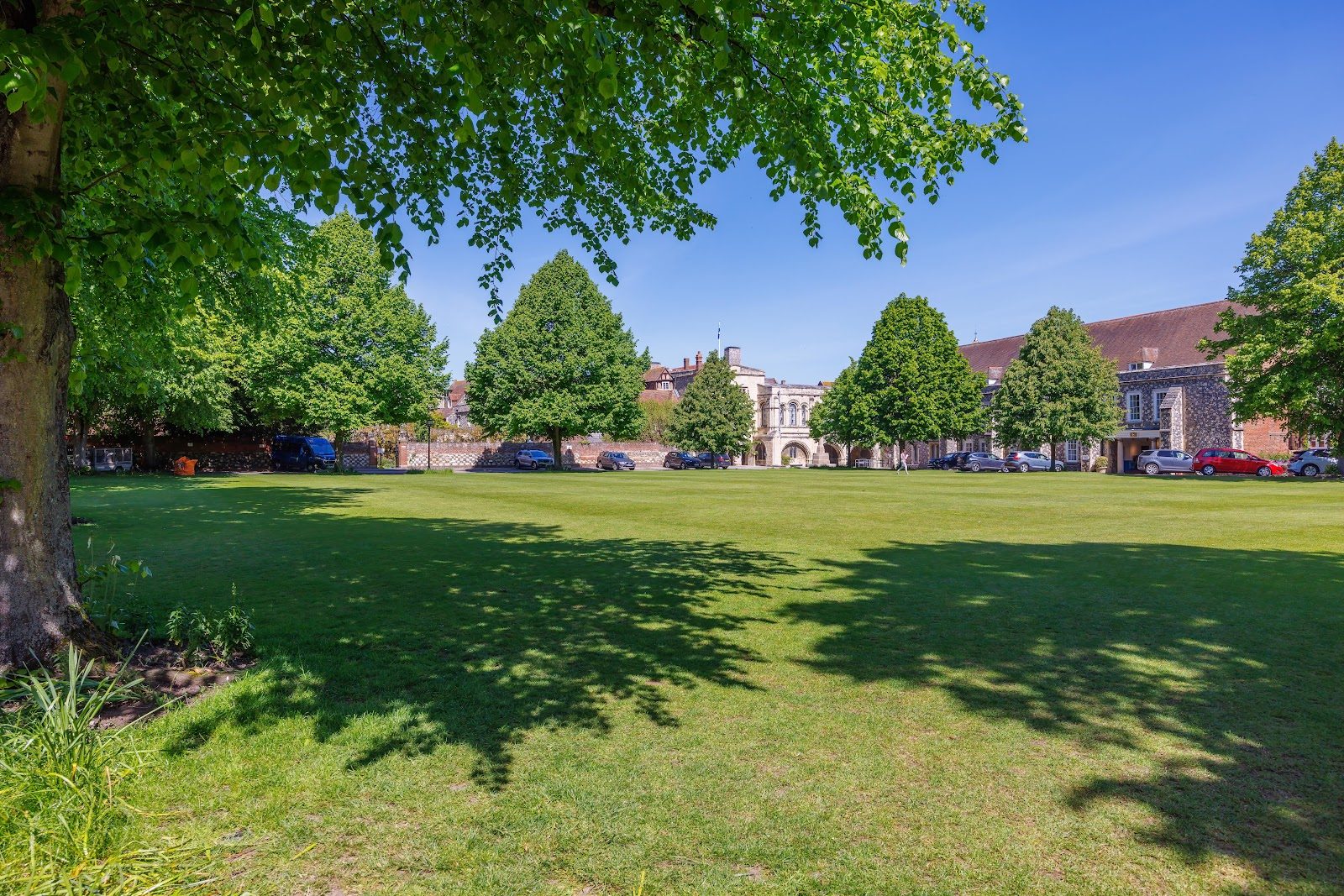
The King's School, Canterbury
Canterbury · United Kingdom
Inside Canterbury Cathedral's UNESCO precincts, lessons have run unbroken since 597 AD, folding King's Week festivities into daily life.
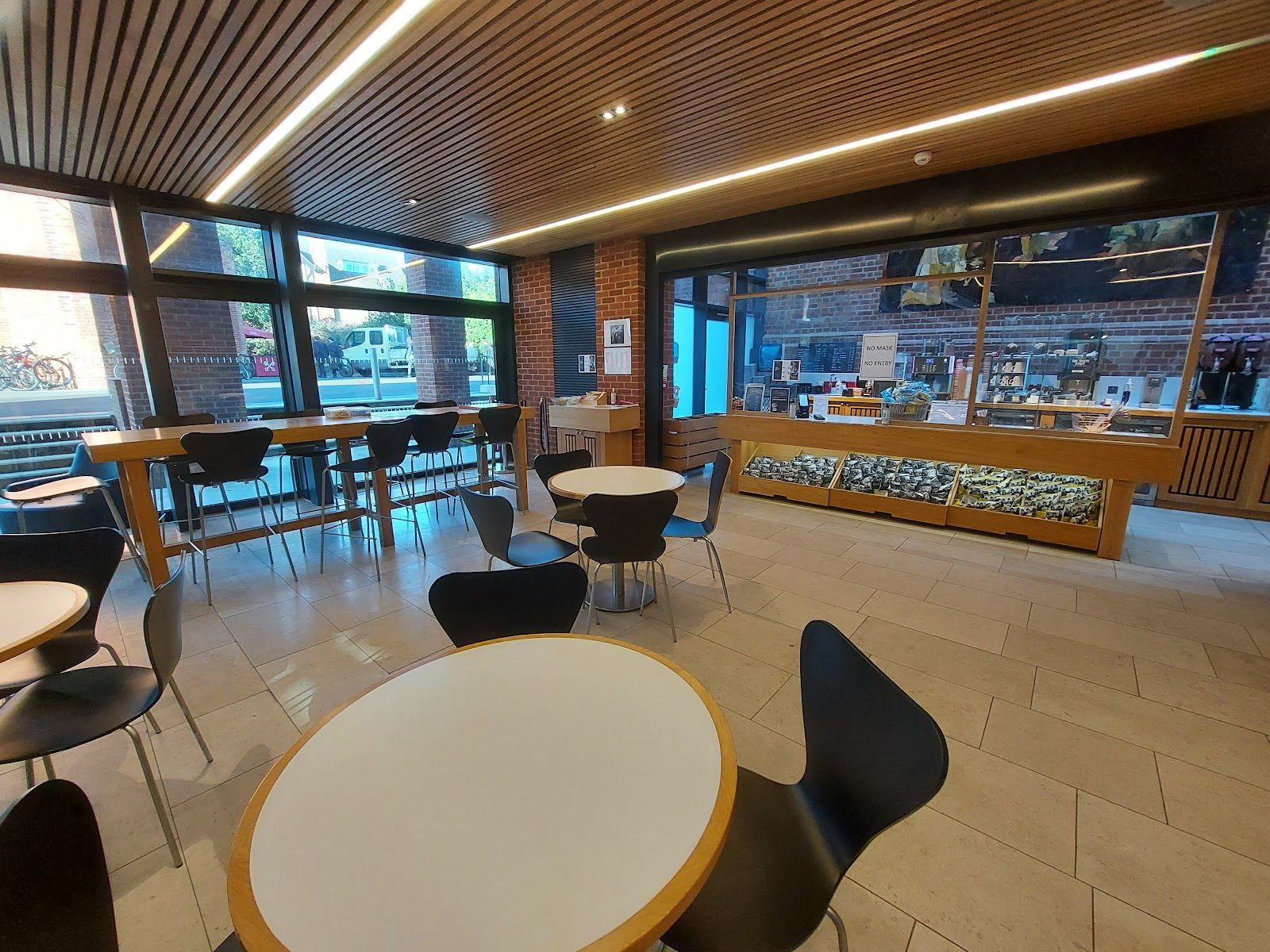
Radley College
Abingdon · United Kingdom
Eleven 'Socials' boarding houses anchor a full-boarding, all-boys community on an 800-acre Oxfordshire estate with its own golf course.
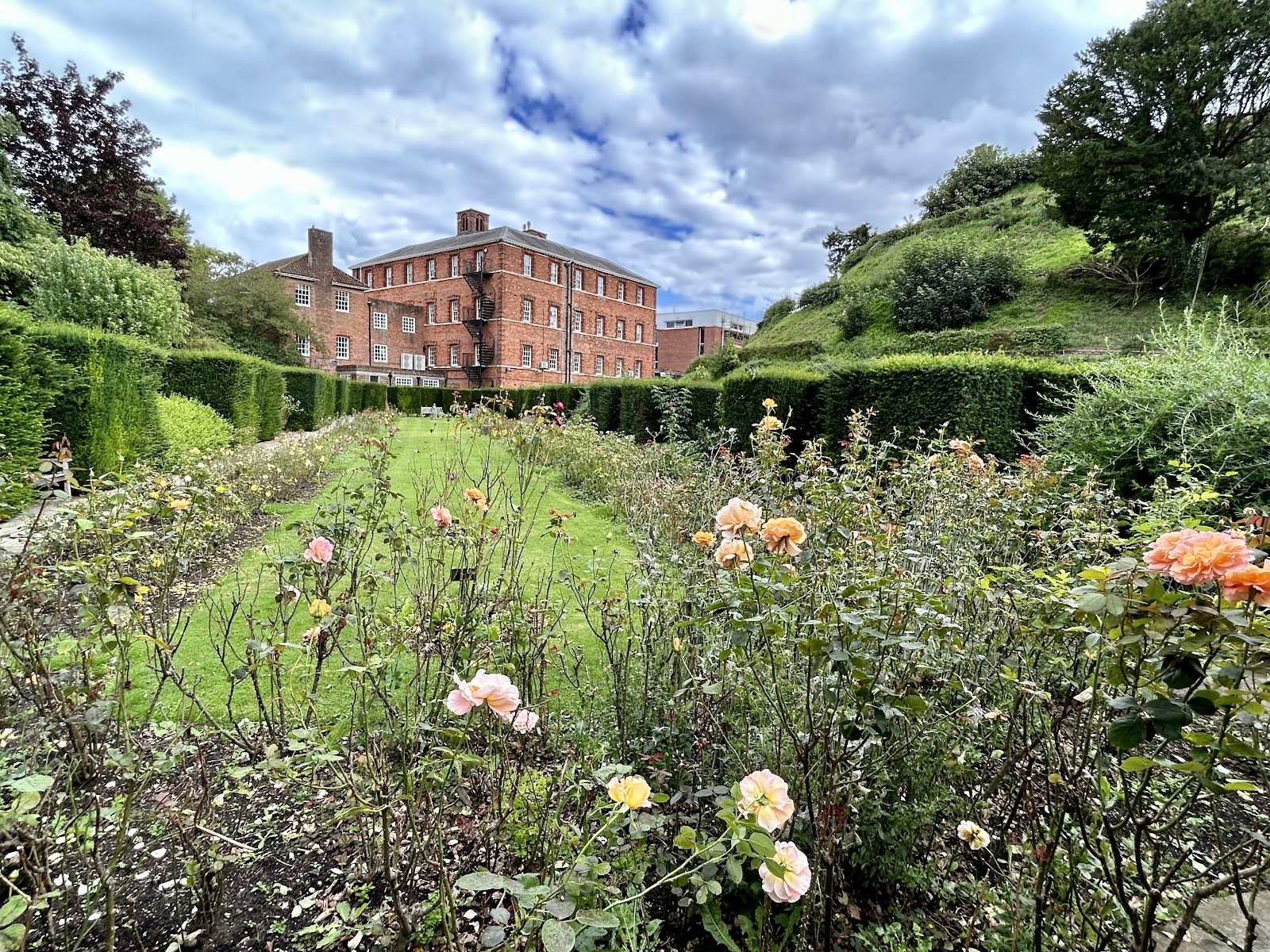
Marlborough College
Marlborough · United Kingdom
A 4,000-year-old Neolithic mound anchors a Wiltshire campus that pioneered co-education among Britain's boarding schools.
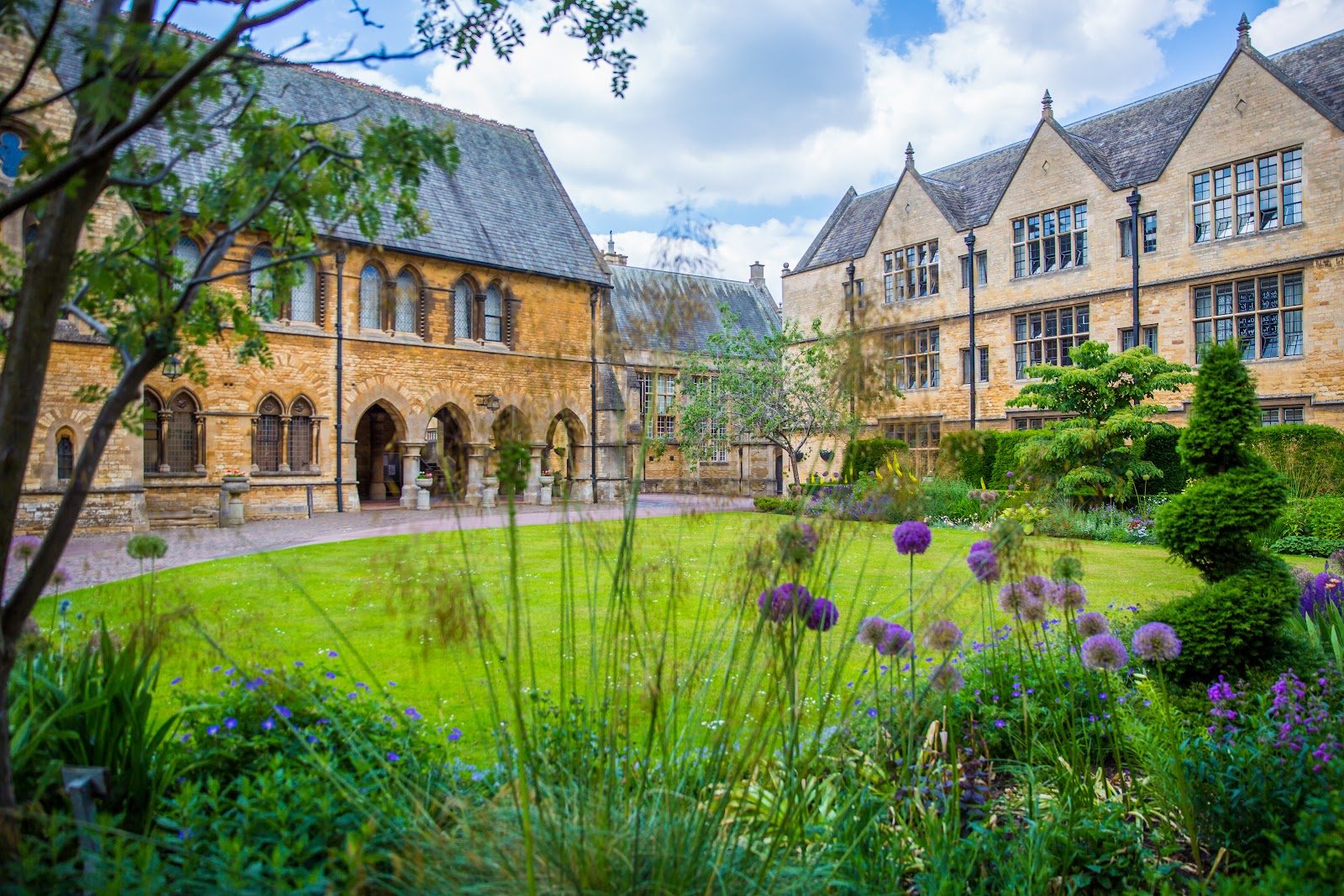
Uppingham School
Uppingham · United Kingdom
A Rutland boarding school where Thring's music-first Victorian philosophy still shapes seven-day house life today
Same country and curriculum — closest matches within ±10 points either way