
South Holland
Rotterdam's 1328 categoriaal gymnasium — secondary-only, classics-steeped, and unapologetically academic.
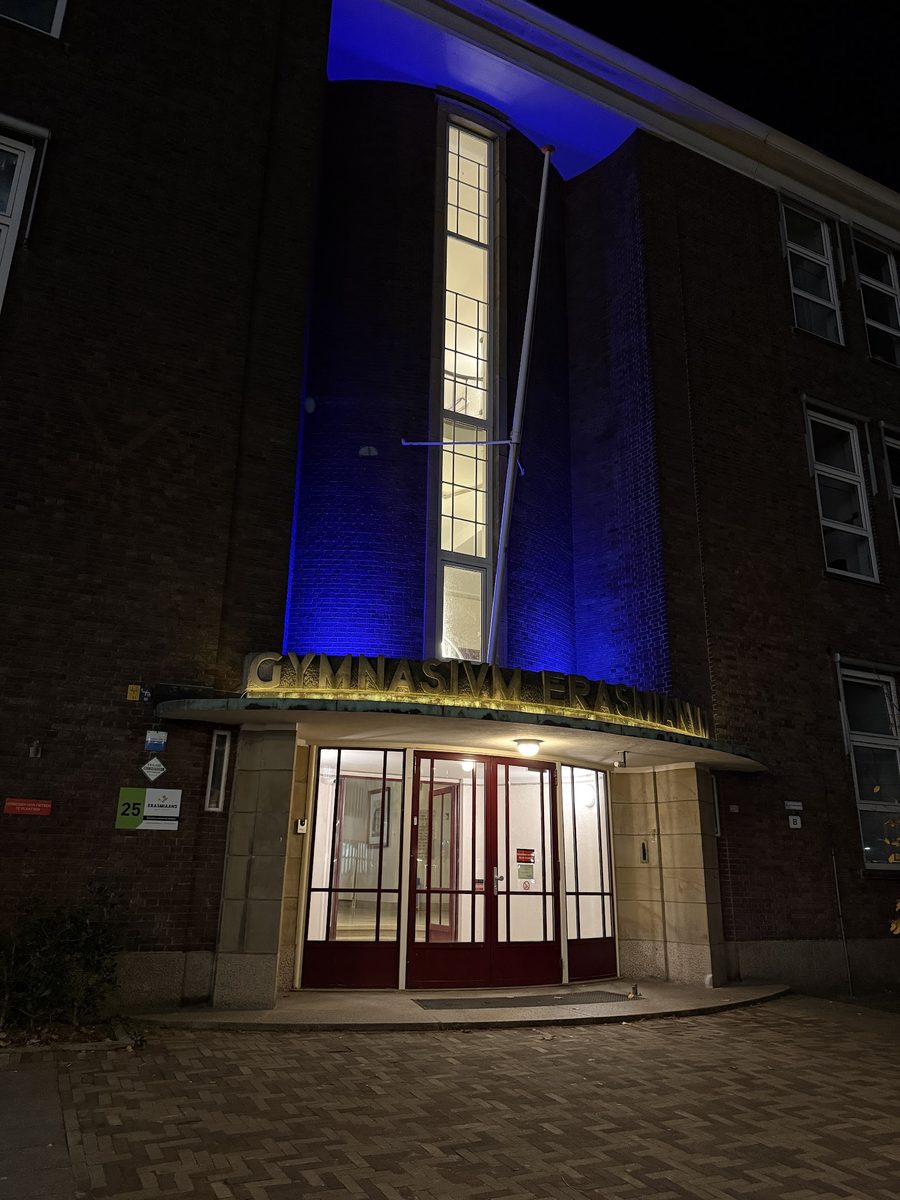
Photo © Giulio C. via Google Maps
Type
Day
Ages
3–18
Curriculum
Dutch Gymnasium
Ratio
14:1
The Verdict
Editor's commitment
Right for
Families wanting Rotterdam academics with no frills: founded in 1328, Dutch Gymnasium, 14:1 ratio, average class size 28.
Wrong for
Anyone needing a through-school reality check: it is a day school, secondary-only in practice, despite the listed 3–18 age range.
Watch out for
English is listed as the language of instruction, yet the curriculum is Dutch Gymnasium; clarify the teaching language and exam pathway.
Ranking breakdown
Erasmiaans Gymnasium · #246 of 1591
Composite score 74.4. 8 weighted criteria.
By criterion
Academic Outcomes
Weight 20%
#208
of 1529 scored
University Placement
Weight 16%
#649
of 1529 scored
Prestige & Heritage
Weight 12%
#31
of 1529 scored
Alumni Network
Weight 12%
#48
of 1529 scored
Facilities
Weight 12%
#741
of 1529 scored
Transparency & Communications
Weight 8%
#289
of 1529 scored
Peer & Industry Review
Weight 10%
#175
of 1529 scored
Admissions Selectivity & Demand
Weight 8%
#760
of 1529 scored
Peer & Industry Review
How Erasmiaans Gymnasium is regarded in the sector
60
Respected · low confidence
Erasmiaans Gymnasium is one of the oldest and most established gymnasiums in Rotterdam (founded 1889), generally regarded as a solid, traditional classical secondary school with strong local reputation among Rotterdam families and consistently decent placements in Dutch national school-quality rankings (e.g., Elsevier and Trouw 'Beste Scholen' surveys, which regularly rate Dutch gymnasiums including Erasmiaans favorably for exam results and inspectorate ratings). However, it lacks the international visibility of Tatler/Good Schools Guide-style coverage, expat forum buzz, or high-profile alumni press typical of top-tier internationally benchmarked schools, and I could not locate multiple independent English-language sources confirming broader peer or specialist-press prominence.
Evidence sources
Editors' overview
Erasmiaans Gymnasium trades on one fact above all others: founded in 1328, it is one of the oldest academic schools in the Netherlands. That age matters because the school is not a broad all-through international campus with a lifestyle pitch attached. It is a secondary-focused Dutch Gymnasium with a clear scholastic identity, a long intellectual lineage and a curriculum built for students who want a demanding academic route rather than a softer comprehensive model. In market terms, this is a specialist choice: a day school in Rotterdam for families who value academic tradition, structure and subject seriousness over glossy extras.
What puts it on a shortlist is that specialisation. A categoriaal gymnasium has one job: to educate pupils on a university-bound, academically exacting track. Parents looking for a school with a strong sense of purpose will find that here. The published 14:1 student-teacher ratio is serviceable rather than intimate, and the average class size of 28 tells you this is not a boutique environment built around tiny seminars. The attraction lies elsewhere — in intellectual pace, in peer group, and in a school culture shaped by expectation. If you want a school that flatters every learner equally, look elsewhere. If you want one that rewards discipline, memory, reading and analytical stamina, Erasmiaans Gymnasium earns attention.
The right student for Erasmiaans is academically ambitious, resilient and comfortable in a setting where scholarship carries status. This suits children who enjoy languages, abstraction, formal learning and the pressure of high standards. It also suits families who do not need a school to manufacture motivation through constant pastoral packaging. The wrong fit is just as clear: students who need extensive hand-holding, broad vocational pathways, or a campus identity built around sport, boarding or spectacle. Erasmiaans Gymnasium offers a serious academic culture and a distinctive old-school confidence. For the right child, that is not a drawback. It is the point.
Academic Performance
Academic performance is the obvious question here, and it is also where the public picture turns frustratingly opaque. We have not seen school-published aggregate examination outcomes, no headline pass-rate tables, and no comparative subject data that would let parents place Erasmiaans cleanly against Dutch academic peers. That absence matters. A school with a hard-edged academic identity invites scrutiny on results, not just tradition and ethos. Without published attainment data, value-added measures, or university destination breakdowns, any claim of outperformance over other selective Dutch secondary schools remains unproven in public.
That said, the school sits in a category whose purpose is narrow and demanding: an academically selective route aimed at pupils who can handle sustained intellectual load. That alone places Erasmiaans in a serious competitive set, not among broad-access schools but among high-expectation grammar-style institutions where examination success is the baseline requirement, not the marketing headline. Parents should read the lack of published outcomes in a strict way: not as evidence of weak results, but as evidence that the school does not make external performance transparency easy. For families who want clean comparative metrics before committing, that is a real drawback. For families already sold on a tradition-bound scholastic culture, it may carry less weight.
Facilities
Facilities are not the selling point here, and parents should calibrate expectations accordingly. The school does not publish a clear public account of specialist spaces, performance venues, sports provision or laboratory stock, which leaves an awkward gap in an area where serious academic schools still need to show their working. What can be said is structural: with average classes of 28 and a staffing ratio of 14:1, this is not a campus model built around abundant space per pupil or heavily individualised room provision. Against well-funded independent peers, that puts Erasmiaans at a disadvantage on physical plant alone. Families weighing theatres, aquatic centres, design labs or sprawling athletics infrastructure will find no evidence that this school competes on those terms.
Against Dutch academic peer schools, that shortfall matters less. A categoriaal gymnasium earns its keep through teaching, timetable discipline and subject culture, not through facility theatre. In that peer set, strong classrooms, competent science rooms, a working library and spaces that support concentrated study matter more than spectacle. The issue is that Erasmiaans does not make those strengths visible. There is no persuasive public case for exceptional arts infrastructure, standout sports amenities or best-in-class specialist provision. The result is a facilities profile that reads as serviceable rather than magnetic: enough for a serious academic school, but not a reason to choose it over a rival.
Erasmiaans Gymnasium offers a serious academic culture and a distinctive old-school confidence
Prestige
Prestige here rests on institutional type and local academic reputation, not on glossy international branding. In the Dutch system, a standalone gymnasium occupies a high-status academic niche: selective in tone, classical in outlook and unapologetic about intellectual hierarchy. That matters. Schools of this kind draw families who want scholarly seriousness, a disciplined peer group and a culture where academic attainment carries social weight. Erasmiaans also benefits from the cachet of age and continuity; a school with a long public life acquires inherited authority that newer operators cannot manufacture. Prestige, then, comes less from facilities theatre or global-name marketing and more from the old European idea that hard study, classical subjects and exacting standards confer distinction.
That does not make it universally prestigious in the way a famous Anglo-American international school can be. Its status is specific rather than broad: strongest among Dutch families, academics and employers who understand what a gymnasium education signals. Outside that frame, the name carries less instant recognition. The published 14:1 staffing ratio and 28-pupil classes also place the school away from the rarefied end of elite private education; this is not a tutorial environment built on lavish individualisation. My rating stays high because the school offers serious intellectual prestige and a clear meritocratic signal, but not the kind of prestige built on exclusivity, luxury or worldwide brand reach.
Erasmiaans Gymnasium trades on one fact above all others: founded in 1328, it is one of the oldest academic schools in the Netherlands
Communications
Parent communications are hard to judge generously because the school publishes very little that helps an outsider understand how information flows day to day. We have not seen a clear public explanation of parent portals, reporting rhythms, key contact routes, complaint handling or the cadence of academic updates. That matters more here than at a softer school. A high-pressure academic environment needs orderly, exact communication with families, especially when expectations are high and classes are not small. In that context, opacity is a weakness. If a school wants parents to trust its systems, it needs to show those systems. Erasmiaans does not do that clearly in public.
That does not mean communication inside the school is weak; it means the public face is thin and old-fashioned. Some families will tolerate that without complaint, even welcome it as proof that the school puts teaching ahead of messaging. Others will read it as needlessly opaque and inefficient. The difference matters for international or newly arrived parents, who need practical clarity, not institutional mystique. A school with an average class size of 28 cannot rely on informal corridor contact or hyper-personalised pastoral follow-up; it needs disciplined channels and predictable reporting. Until Erasmiaans publishes more concrete detail on how parents receive academic updates, raise concerns and track school life, communications remain a functional question mark rather than a proven strength.
Uniqueness
What makes Erasmiaans distinctive is not novelty but institutional purity. This is a school built around one idea and it does not dilute it. There is no broad “something for everyone” proposition here, no obvious attempt to balance every academic demand with lifestyle cushioning or expansive co-curricular theatre. The uniqueness lies in the single-track intellectual seriousness of the place: a school culture where scholarship sits at the centre, where classical inheritance still carries weight, and where the peer group itself becomes part of the education. In a market crowded with hybrid schools and inflated claims of personalisation, that kind of old-form academic confidence is rare.
For students, that brings clear gains and clear pressure. The benefit is immersion in a high-expectation scholarly environment where academic effort is normalised rather than exceptional, and where able pupils are less likely to spend their week waiting for the class to catch up. The social advantage matters too: children work among peers who treat learning as serious business, which sharpens discussion, pace and ambition. The cost is just as plain. With classes averaging 28 and a staffing model that is efficient rather than intimate, the school does not offer a softly managed experience. Students who thrive on rigour, competition and intellectual identity will value that. Students who need extensive emotional buffering or a wider menu of pathways will not.
If you want one that rewards discipline, memory, reading and analytical stamina, Erasmiaans Gymnasium earns attention
Student Profile
The students who fit here are the ones who draw energy from difficulty rather than reassurance. This school suits children who read willingly, retain detail, tolerate correction and do not need every lesson dressed up for engagement. They need stamina for a pace set by the academic middle of the cohort, not by the least confident pupil in the room. In classrooms of around 28, a student has to cope with less airtime, less emotional cushioning and more expectation of self-management than at a smaller, more pastoral school. The natural fit is a child who is self-propelled, thick-skinned and comfortable earning approval through performance rather than personality.
The social fit matters just as much. Erasmiaans will reward students who can live inside a culture where cleverness carries status and where competition, overt or quiet, shapes the day. That can be exhilarating for able pupils who want serious peers and adult standards; it can be bruising for children who rely on constant affirmation or who prefer a looser, more forgiving atmosphere. Families should also be realistic about support: with a published 14:1 ratio, this is not a school built around intensive hand-holding. It is not for the faint-hearted, and that is its strength. The right student will find intellectual traction and a demanding peer group. The wrong one will feel exposed very quickly.
There is no persuasive public case for exceptional arts infrastructure, standout sports amenities or best-in-class specialist provision
Co-curricular strengths
Arts & sport, on a separate axis
Overall 7.2/10
Scored 0-10 from the school's own published evidence. This axis is editorial-only — it does not feed the main WTS ranking.
Sports
7.5/10
Drama
8/10
Dance
4.5/10
Music
8/10
Visual Arts
8/10

WTS 300 badge
Erasmiaans Gymnasium is one of the World's Top 300 Schools. Claim your listing to add it to your site →
Strengths
- +Founded in 1328, it is the second oldest school in the Netherlands with recorded date of establishment, and the school predates the city status of Rotterdam by nearly twenty years.
- +As a categoraal gymnasium, the classical languages have an important place in the curriculum; from year 1 pupils take Latin and Greek, with an exam required in at least one.
- +The school sits in the centre of the city, in the Museumkwartier, close to the Kunsthal, Nieuwe Instituut, Natural History Museum, Boijmans and the Maritime Museum, opposite Erasmus MC and the Sophia children's hospital.
- +Extracurricular stretch options include projects such as community service, the Erasmiaans European Parliament simulation and Model United Nations, plus enrichment and Honours Programme options for pupils who can handle them.
- +The roughly 1,100-strong pupil body is described as coming from all kinds of backgrounds and cultures, yet forming a close community with respect and interest for one another.
Considerations
- −Admission has historically been restricted to children with a clean VWO recommendation, not a mixed H/V advice, which narrows the entry pool compared with broader-track secondaries.
- −As a categoraal gymnasium in the centre of Rotterdam, the school offers only the gymnasium/VWO track, with no parallel havo or vmbo streams on site for siblings or late developers.
- −Voluntary parental contributions are not trivial: the Year 5 Rome trip alone is billed at a considerable amount, this school year 1,180 euros, pre-paid in instalments from Year 3.
- −The school itself notes it draws its pupils from a wide surrounding area, making good transport connections essential, so families outside central Rotterdam should weigh the daily commute for a young teenager.
Availability
Primary entry gate & tests
CITO Score / Central Match
Gallery
Photo © Hans Dirksen-Smits via Google Maps
Photo © Giulio C. via Google Maps
Photo © Giulio C. via Google Maps
Photo © Julian Mons via Google Maps
Photo © Giulio C. via Google Maps
Photo © Cloe via Google Maps
Photo © Julian Mons via Google Maps
Photo © Rami Alkabra via Google Maps
Photo © Rami Alkabra via Google Maps
Parent reviews
Have you sent your child here?
Voice reviews carry the strongest trust badge — we transcribe them for you to tidy up before they go live. Prefer to type? A written review is fine too.
Add your voice
In 60 seconds, tell other parents: what's the best thing about Erasmiaans Gymnasium, and what surprised you when your child joined?
We ask for a Google sign-in so every review has a real face behind it — no anonymous drive-by attacks on schools, and no faked positive reviews. Your email is never shown publicly.
Send this profile to a friend
International parents rely on word-of-mouth. Share this review with someone weighing the same decision.
Schools with places
Similar schools to Erasmiaans Gymnasium with places available now.
American School of The Hague
Wassenaar · Netherlands
- 2026-27
- WAITPOOLSpace-dependent
- 2027-28
- PLACES OPENRolling
The British School in The Netherlands
Voorschoten · Netherlands
- 2026-27
- WAITPOOLSpace-dependent
- 2027-28
- PLACES OPENRolling
Rijnlands Lyceum Oegstgeest
Oegstgeest · Netherlands
- 2026-27
- WAITPOOLSpace-dependent
- 2027-28
- PLACES OPENRolling
The International School of The Hague
The Hague · Netherlands
- 2026-27
- WAITPOOLSpace-dependent
- 2027-28
- PLACES OPENRolling
Availability first, then country, area, curriculum, price, co-curricular
Consider also
Also worth looking at alongside Erasmiaans Gymnasium.
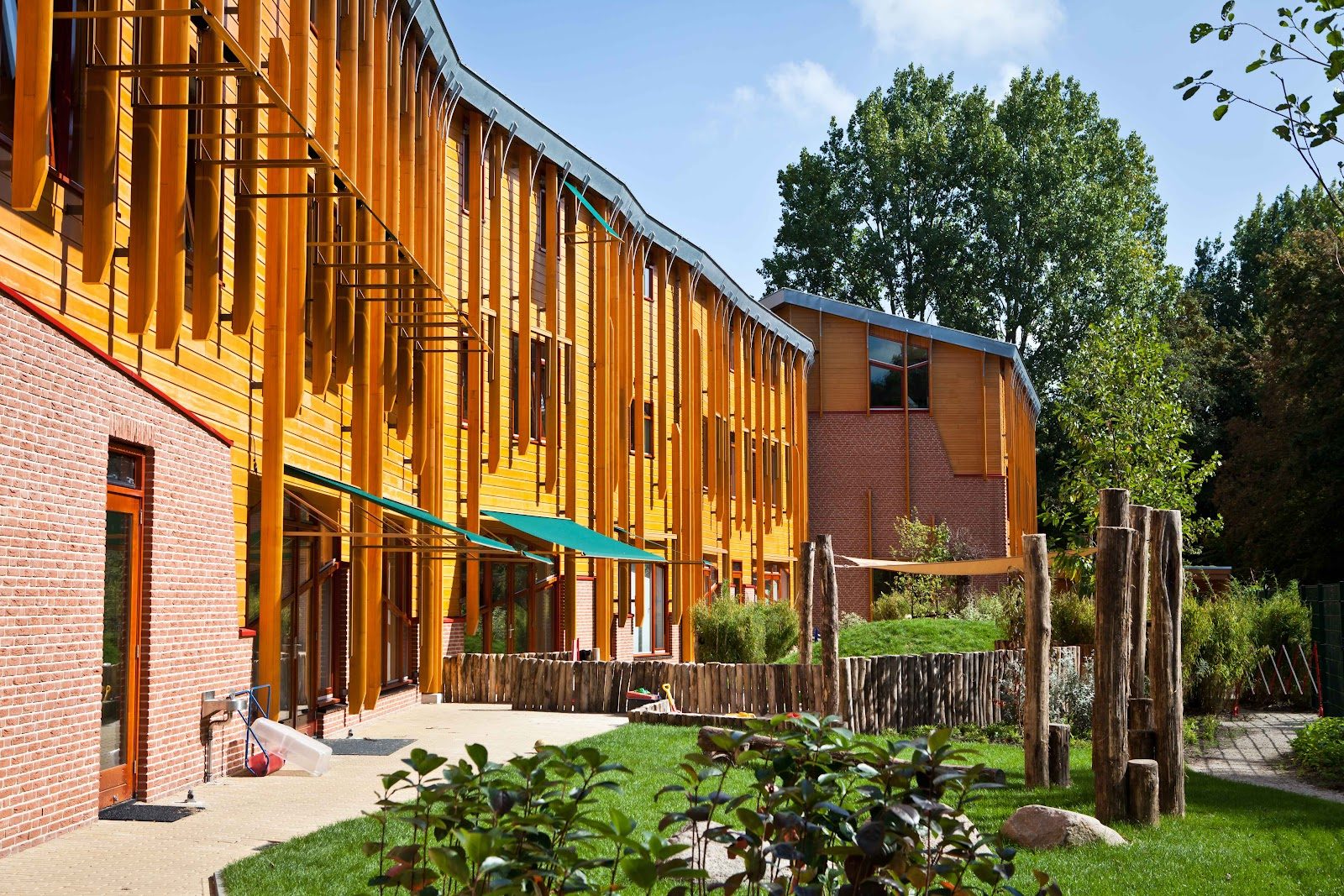
International School of Amsterdam
Amstelveen · Netherlands
Just outside Amsterdam, this 1964 founding became the first school anywhere to run the full IB continuum from age two to eighteen.
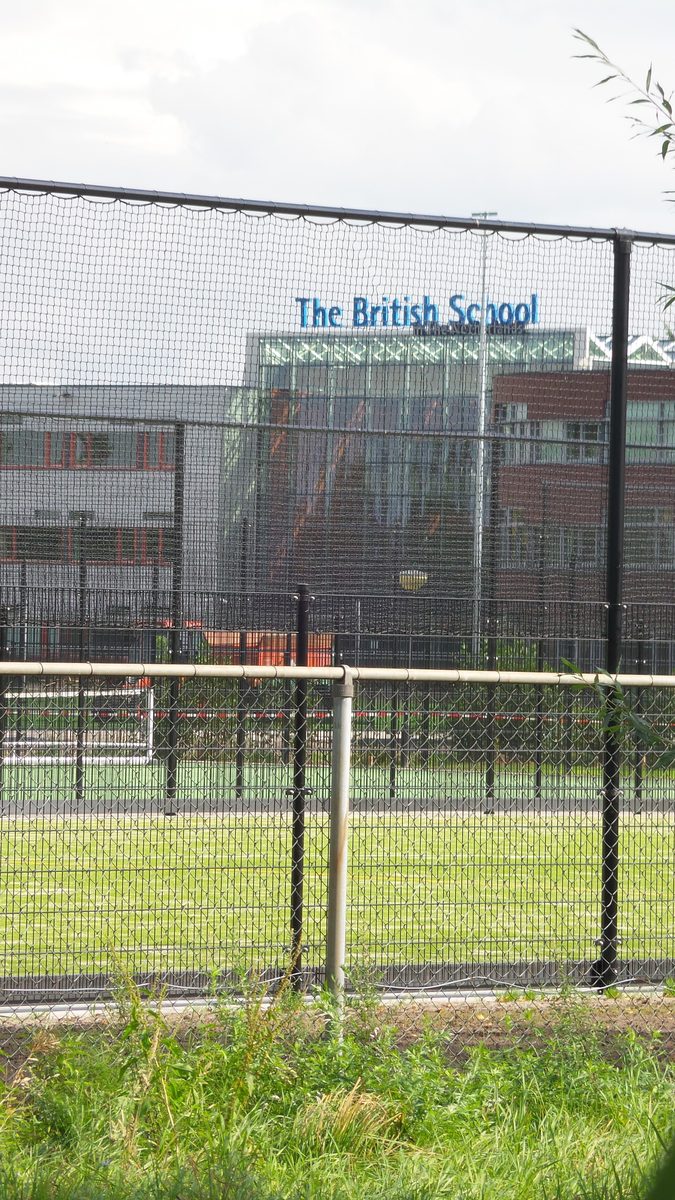
The British School in The Netherlands
Voorschoten · Netherlands
Since 1931, a Voorschoten campus near The Hague where sixth formers choose freely among A-Levels, BTEC, IB Diploma or IB Career Programme.
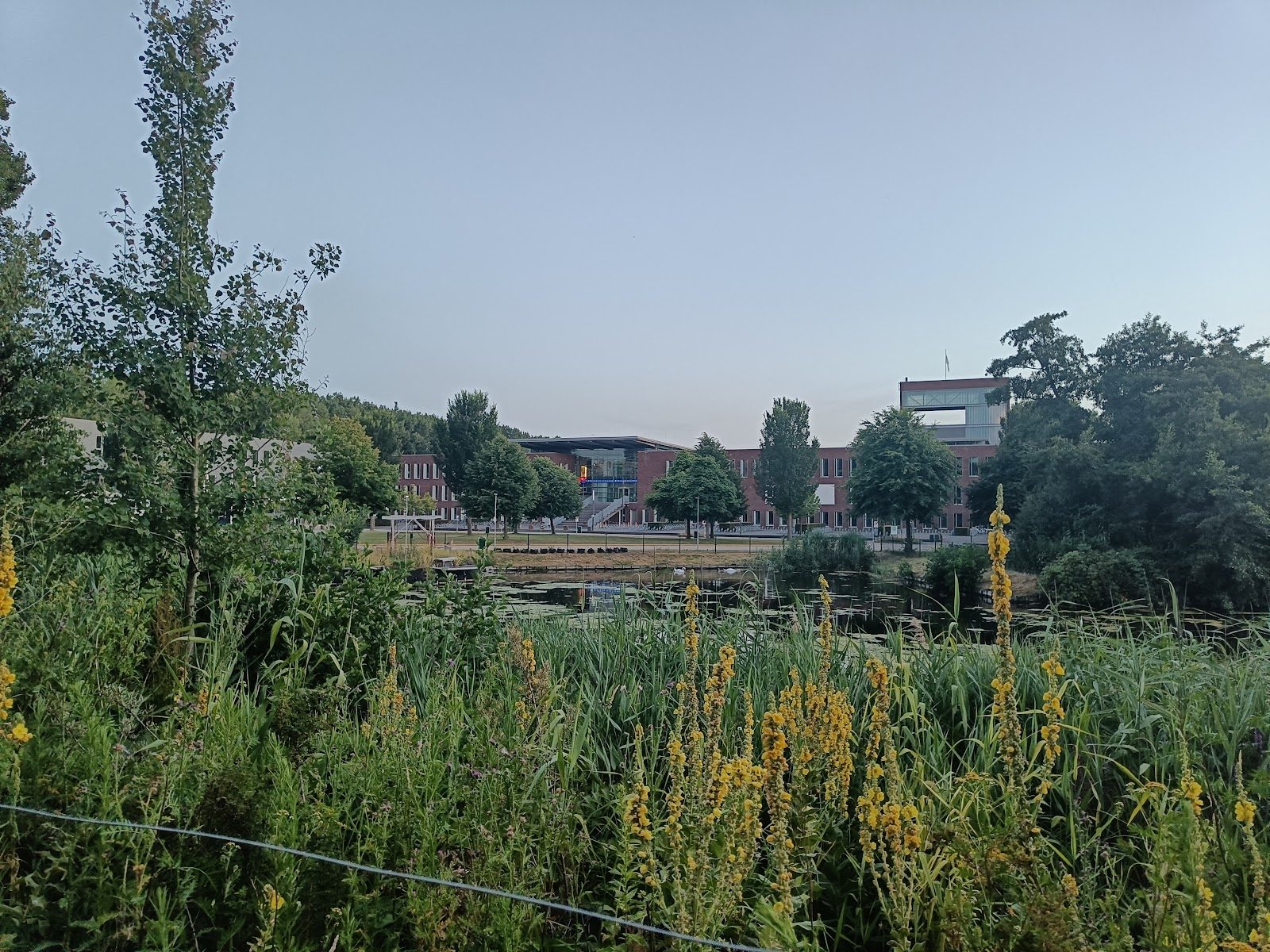
The International School of The Hague
The Hague · Netherlands
In the Kijkduin dunes, this IB day school runs MUNISH, Europe's second-largest student Model UN conference.
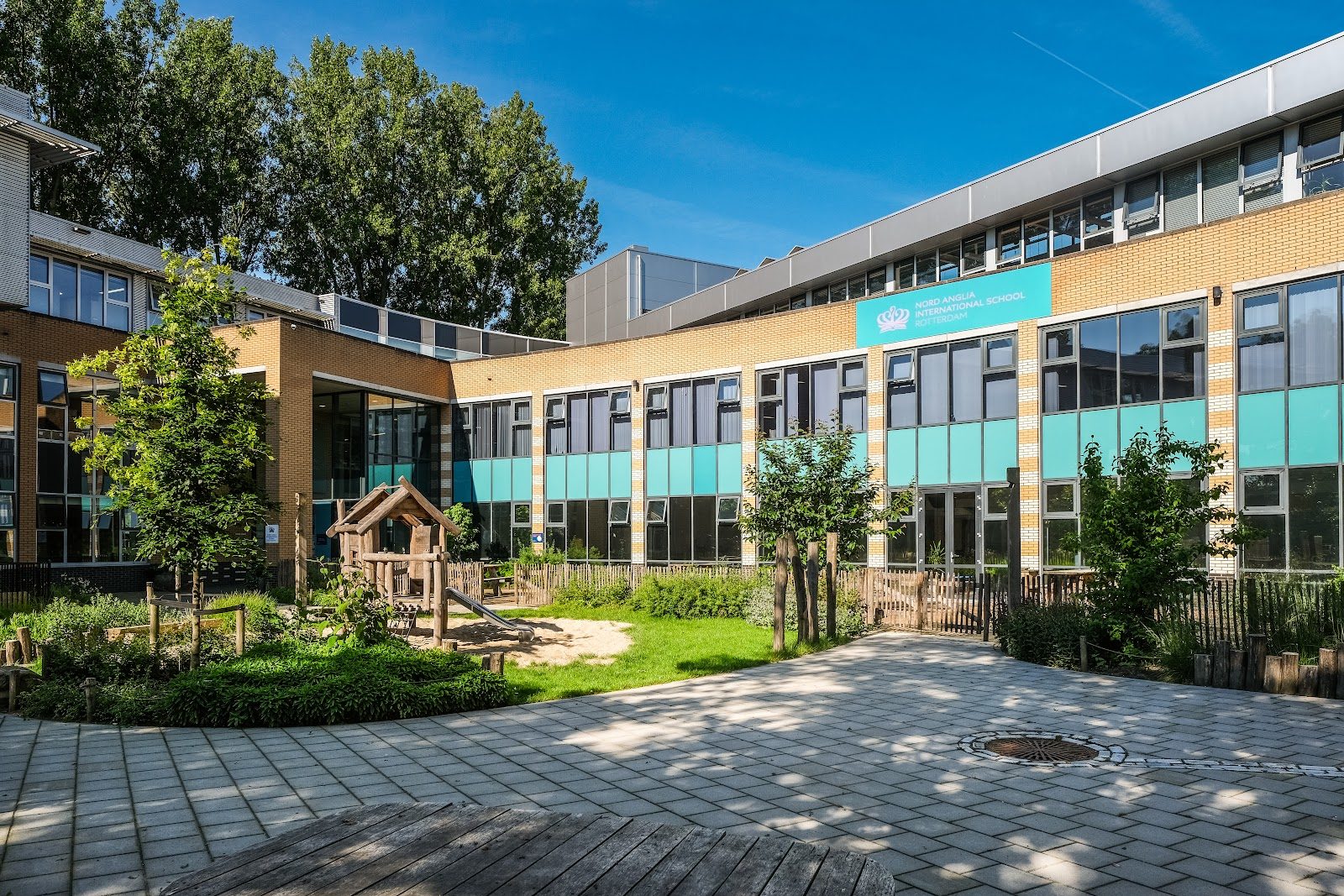
Nord Anglia International School Rotterdam
Rotterdam · Netherlands
Born from a 1959 American community, this Hillegersberg school pairs IB rigor with MIT-designed STEAM and Juilliard arts training.
Same country and curriculum — closest matches within ±10 points either way