
Lago Sul
Born a year after Brasilia itself, this embassy-rooted campus braids American, Brazilian and IB diplomas into one bilingual education.
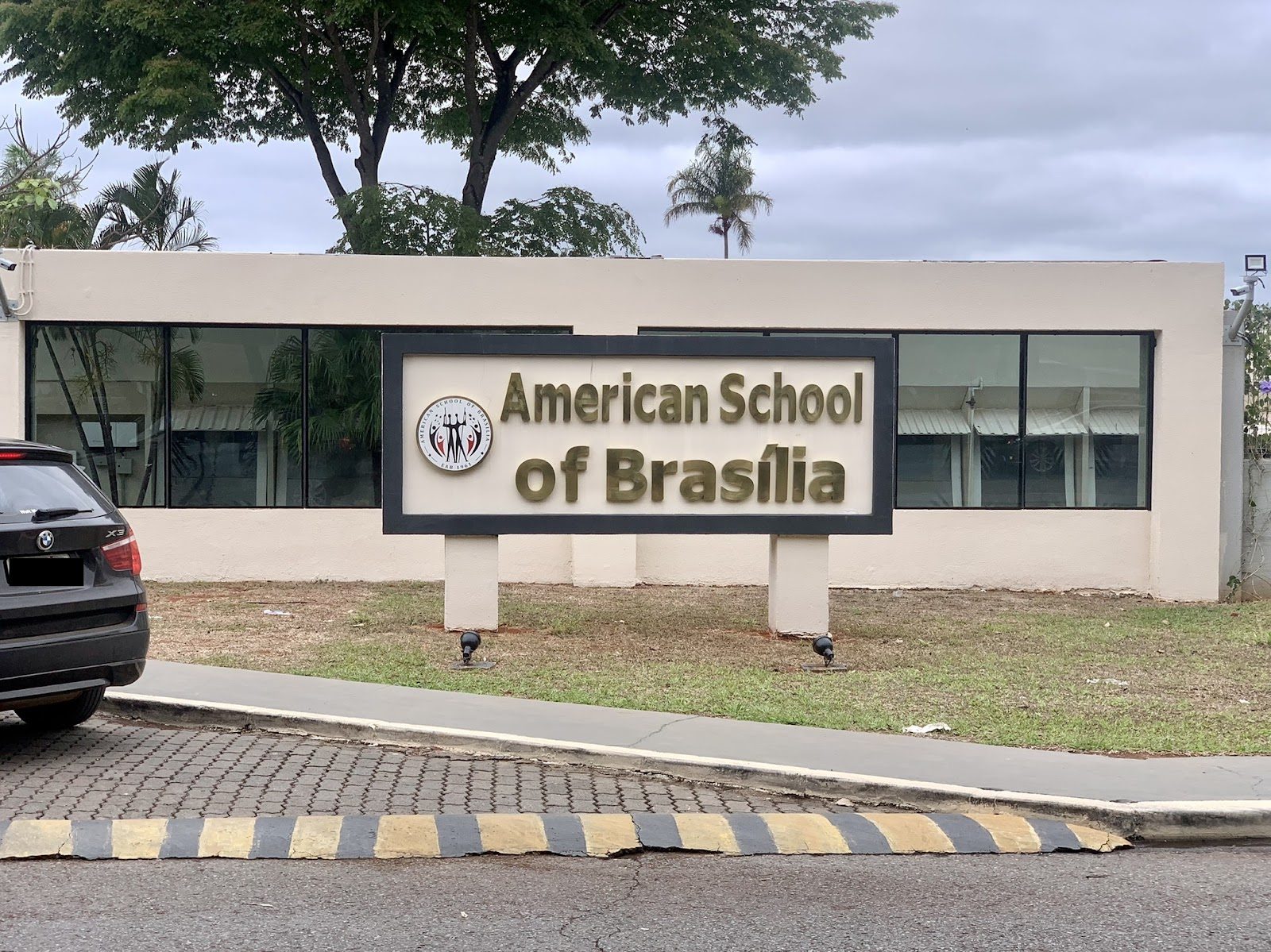
Photo © Wellington Oliveira via Google Maps
Type
Day
Ages
3–18
Curriculum
American · IB
Qualifications
AP · IB Diploma · US High School Diploma
Ratio
—
The Verdict
Editor's commitment
Right for
Families in Brasília wanting one day school, founded in 1964, that carries American and IB curricula with English instruction throughout.
Wrong for
Parents seeking boarding, a religious frame or monolingual local schooling; this is a non-religious day school with 48 nationalities.
Watch out for
The headline 36 IB average and 9:1 ratio are strong, but the school does not publish fuller outcome data beyond selected figures.
Ranking breakdown
American School of Brasilia · #214 of 1591
Composite score 74.2. 8 weighted criteria.
By criterion
Academic Outcomes
Weight 20%
#147
of 1529 scored
University Placement
Weight 16%
#136
of 1529 scored
Prestige & Heritage
Weight 12%
#289
of 1571 scored
Alumni Network
Weight 12%
#427
of 1530 scored
Facilities
Weight 12%
#271
of 1534 scored
Transparency & Communications
Weight 8%
#22
of 1532 scored
Peer & Industry Review
Weight 10%
#322
of 1548 scored
Admissions Selectivity & Demand
Weight 8%
#1232
of 1529 scored
Peer & Industry Review
How American School of Brasilia is regarded in the sector
55
Credible · low confidence
The American School of Brasília (Escola Americana de Brasília) is recognized as one of the oldest and most established American international schools in Brazil, appearing on the U.S. State Department's Office of Overseas Schools list of assisted schools and referenced in expat community forums (e.g., InterNations, ExpatExchange) as a preferred choice for diplomatic and expatriate families in Brasília. However, it lacks coverage in higher-tier specialist rankings such as Tatler, Good Schools Guide, or Sunday Times School of the Year, and independent peer-reputation signals beyond local expat/diplomatic circles are sparse.
Evidence sources
Editors' overview
American School of Brasilia sits in a narrow but important niche: a long-established, English-medium international school in the federal capital with a full-through route from early years to graduation, and a rare three-way academic proposition. Families here are not choosing between American schooling, Brazilian schooling and the IB; EAB has built a structure that braids them together. Founded in 1964, a year after the capital itself, it carries the institutional weight that matters in a diplomatic city: continuity, international reach and a campus culture shaped by transient as well as settled families. The school’s own numbers are strong. An average IB diploma score of 36 is a serious result. A 9:1 student-to-faculty ratio points to close attention in class. So does a community spanning 48 nationalities. This is not a mass-market school.
What puts EAB on a shortlist is breadth with coherence. Many schools offer plenty of activities and weak academic identity; many academically driven schools run thin outside the classroom. EAB does better than that. It advertises 60 free after-school clubs, more than 400 students in athletics and arts, and over ten service groups, while keeping a clear academic spine. The school also publishes an average MAP figure of 93% for upper school students in maths, reading and languages, though that headline needs context because it is not a standard external benchmark in the way IB scores are. The college profile carries weight too: acceptances to 21 top-50 universities worldwide over three years, plus US university scholarships totalling $1.5 million in 2022. That signals ambition and competent university guidance, even if aggregate destination data are not published in full. Serious academic intent, a cosmopolitan peer group, a strong extracurricular engine and real university traction define the offer.
The school will suit students who thrive in an international environment and want options at the end of secondary school. This is a good fit for bilingual or internationally mobile children, embassy and expatriate families, and Brazilian families who want an English-language education without giving up local recognition. It also suits self-directed students who will use the school’s scale well: those ready to join clubs, sport, arts, leadership and service rather than drift through a timetable. The learner profile language on the website is standard-issue international-school rhetoric, but the operational facts underneath it are more persuasive: a stable institution, a broad programme and outcomes strong enough to justify the fees such schools command. For the right child, EAB offers intellectual range, a clear sense of momentum and a worldly, outward-facing education in a city where that combination is hard to match.
Academic Performance
The headline result is the clearest guide to EAB’s academic level: an average IB diploma score of 36. That places the school in serious academic territory. It is well above the global IB average and strong enough to stand comparison with established international schools across Latin America, even if it does not push into the rarefied band occupied by the most selective names that post averages in the high thirties and beyond. For families weighing substance over hype, that matters. This is not a school trading on brand alone; it produces external results that stand up. The school also cites strong MAP performance in the upper years, but MAP is an internal progress measure, not a public leaving qualification, so it does less work in a peer comparison than the diploma score.
What EAB does not publish is the fuller results picture that hard-headed parents want: no subject-by-subject IB breakdown, no pass rate, no distribution of top scores, and no multi-year trend line. That leaves a gap. A single average can signal quality, but it can also conceal variation at the top and middle. The university acceptances listed point to credible guidance and real academic traction, yet acceptances are not exam outcomes. Relative to peers, EAB sits in the strong but not fully transparent bracket: plainly successful, clearly competitive, and still short of the disclosure standards set by the most data-open schools.
Facilities
The school does not publish a proper facilities overview, floor plan or specialist-space inventory, which is a weakness in itself. What it does make clear is the functional shape of the campus: this is a school set up to support a busy all-through day rather than a bare academic core. The clearest signals sit in student use, not glossy claims. There are 60 free after-school clubs, heavy participation in athletics and arts, and regular hosting of external-facing events such as university visits and SAT sittings. That points to a campus with the rooms, fields and scheduling discipline to carry a genuinely busy co-curricular programme. For parents, that matters more than architectural flourish. A school cannot run that volume of activity on thin space. Still, the absence of published detail on science labs, libraries, theatre provision, design spaces or indoor sports facilities leaves the physical picture frustratingly opaque.
Against peer international schools in Latin America, EAB reads as well-used rather than showpiece. Some rivals market striking theatres, aquatics centres or maker spaces with exhaustive photography and specifications. EAB does not. That does not make the campus weak; it makes the school less transparent about it. The visible evidence points to facilities that are operationally strong for arts, sport, testing and community events, with enough capacity to support a broad student life. Families hunting for a flashy, flagship campus will want more proof. Families who care more about whether spaces are busy, supervised and embedded in daily school life will find the current picture more reassuring than glamorous.
A single average can signal quality, but it can also conceal variation at the top and middle
Prestige
Prestige here rests on institutional standing rather than glamour. In Brasília, that matters. This is an embassy-rooted school with long-established credibility among internationally mobile families, and it has the kind of cross-border legitimacy that opens doors without needing to shout. The mix of nationalities is a real marker of status, not a decorative one, and the university-facing machinery looks competent and serious. A published IB average of 36 gives the school academic weight; so do admissions to 21 top-50 universities worldwide across recent cycles. That places EAB in the genuinely respected tier of Latin American international schools: not an ultra-selective global trophy school, but a high-trust institution with real cachet among families who know the market.
The limits are clear. EAB does not carry the international brand aura of the handful of schools whose names alone signal elite scarcity across continents, and it does not publish the depth of outcomes data that would push it into that bracket. Prestige built on substance is still prestige, but it reads differently from prestige built on myth. Here, the draw is earned reputation: stable governance, a broad student mix, visible university outcomes and a school culture that prizes achievement without turning itself into a factory. For parents in Brazil’s capital, that is a serious social and academic signal. Beyond that circle, its standing is strong but not rarefied.
That points to a campus with the rooms, fields and scheduling discipline to carry a genuinely busy co-curricular programme
Communications
Parent communication is active, public and serviceable, with the website doing most of the heavy lifting. The school keeps a live news feed, an events calendar with timings and locations, and a visible run of practical notices: university visits, SAT dates, after-school programmes and subject-specific sessions all sit in plain view. That matters. Parents can see the rhythm of the term rather than a polished shell with no operational detail behind it. The co-curricular side also reads as organised: if a school is running 60 free clubs and posting a steady stream of event information, its communications system has to be functional. The tone is conventional international-school fare, with the usual learner-profile language, but the useful parts are concrete and current.
The limits sit in depth and disclosure. The school communicates activity better than it communicates scrutiny. We have not seen a strong public-facing archive of leadership letters, policy explainers, governance updates or detailed academic reporting for parents who want more than calendar competence. The same pattern runs through the wider school profile: there is enough to convey motion and community, less to satisfy a parent with a forensic appetite for data. So the verdict is clear: communications are efficient, well-maintained and operationally credible, but not exceptionally transparent. For day-to-day school life, that works. For families making a high-cost decision and wanting hard detail before enrolment, it leaves gaps.
Uniqueness
What marks EAB out is not a single badge of prestige but the way it solves a Brasília-specific problem with unusual clarity. Families here need international mobility without severing local pathways, and the school has built a structure that serves both. That matters more than brochure language about global citizenship. Students move through one institution with access to an American-style education, Brazilian recognition and the IB diploma route, which gives them real optionality at university age. In a capital city shaped by diplomatic churn, that mix is genuinely useful: children can enter from different national systems, work in an international peer group drawn from 48 nationalities, and still leave with routes open in Brazil and abroad.
The second point of difference is scale with intensity. EAB is not a sprawling mega-school; it runs more like a tight, high-functioning community with the staffing and programme breadth to keep ambitious students busy. A low student-to-faculty ratio supports close adult oversight, while the co-curricular offer is large enough to stop the place feeling narrow or purely exam-driven. The school’s own figures on clubs, arts, sport and service back that up, as does an IB average of 36, which gives the academic side hard credibility. For students, the benefit is concrete: wide exposure without institutional sprawl, and a school life that can accommodate the diplomatic child, the university-focused scholar and the locally rooted Brazilian family in the same building.
Families hunting for a flashy, flagship campus will want more proof
Student Profile
EAB suits children who are comfortable in a mixed, international crowd and alert enough to use what is on offer. With 48 nationalities in the community and a student body open to all nationalities, this is not a socially narrow school. The best fit is a student who can move between cultures without much fuss, handle classmates arriving and leaving with diplomatic or expatriate cycles, and build relationships quickly. That points to socially agile, outward-facing children rather than those who need a fixed friendship landscape and a highly local peer culture. It also suits Brazilian families who want their children educated in English without cutting themselves off from domestic legitimacy at the end of school.
Temperament matters as much as ability. This is a better match for students with genuine internal drive than for those who need constant chasing. The school’s learner-profile language is standard, but the practical shape of school life tells the real story: a busy co-curricular programme, visible service activity, regular university-facing events and strong academic expectations. Children who will join teams, clubs, arts and service groups will get far more from the place than passive attendees. The low staffing ratio supports students who want adult contact and feedback; it does not turn a broad school into a hand-holding one. In short, EAB fits the engaged all-rounder, the internationally mobile student and the quietly ambitious child with enough independence to thrive in a high-functioning, busy day school.
A published IB average of 36 gives the school academic weight; so do admissions to 21 top-50 universities worldwide across recent cycles
Co-curricular strengths
Arts & sport, on a separate axis
Overall 7.5/10
Scored 0-10 from the school's own published evidence. This axis is editorial-only — it does not feed the main WTS ranking.
Sports
8/10
Drama
7.5/10
Dance
5.5/10
Music
8/10
Visual Arts
8.5/10
Editor first-pass · editor-reviewable · 7/30/2026

WTS 300 badge
American School of Brasilia is one of the World's Top 300 Schools. Claim your listing to add it to your site →
Strengths
- +The school is also an authorized IB World School (IBO) and American School of Brasilia (EAB) is an independent, non-profit day school offering preschool through Grade 12 education, providing International Baccalaureate, American, and Brazilian High School diplomas.
- +The school hosts an international community representing 48 nationalities, with over 680 students, giving a genuinely mixed expatriate and local peer group.
- +The school offers the opportunity for students to develop bilingualism with its strong Portuguese language program, useful for families expecting a multi-year Brazil posting.
- +The IB Diploma average is 36 according to school-reported data, above the global IB average, though this figure is self-reported rather than independently audited.
- +The Board consists of seven to eleven voting members, with the Chief of Mission of the U.S. Embassy in Brasilia automatically a non-voting member; at least 50% of the Board are U.S. citizens and two members are Brazilian citizens, giving the school unusually direct diplomatic-community oversight.
Considerations
- −The international fee for guaranteed placement is $15,000 per year per student, on top of standard tuition, a significant premium for families entering outside the regular local queue.
- −The publicly available student materials and admissions pages do not publish a detailed table of tuition rates by grade or term; exact per-grade, per-term or annual fee figures are provided to families through the school's enrollment/contract process rather than in the publicly posted handbooks, making upfront cost comparison difficult.
- −Boarding is not applicable, so families relocating without existing local housing arrangements must handle accommodation independently.
- −Brasilia's diplomatic-corps market is served by only a handful of international schools including EAB, the British School of Brasilia, the Lycee Francais Francois Mitterrand and Maple Bear Brasilia, with smaller cohorts and stronger faculty retention compared with the larger Sao Paulo and Rio institutions, meaning course and activity breadth is narrower than at bigger-city IB schools.
Availability
Primary entry gate & tests
Academic Record
Gallery
Photo © Wellington Oliveira via Google Maps
Photo © Wellington Oliveira via Google Maps
Photo © Wellington Oliveira via Google Maps
Photo © Sanjay Sutradhar via Google Maps
Parent reviews
Have you sent your child here?
Voice reviews carry the strongest trust badge — we transcribe them for you to tidy up before they go live. Prefer to type? A written review is fine too.
Add your voice
In 60 seconds, tell other parents: what's the best thing about American School of Brasilia, and what surprised you when your child joined?
We ask for a Google sign-in so every review has a real face behind it — no anonymous drive-by attacks on schools, and no faked positive reviews. Your email is never shown publicly.
Send this profile to a friend
International parents rely on word-of-mouth. Share this review with someone weighing the same decision.
Schools with places
Similar schools to American School of Brasilia with places available now.
Escola Americana do Rio de Janeiro
Rio de Janeiro · Brazil
- 2026-27
- WAITPOOLSpace-dependent
- 2027-28
- PLACES OPENRolling
Graded - The American School of São Paulo
São Paulo · Brazil
- 2026-27
- WAITPOOLGrade-specific
- 2027-28
- PLACES OPENLocal Oct 2; Intl relocators now
Availability first, then country, area, curriculum, price, co-curricular
Consider also
Also worth looking at alongside American School of Brasilia.
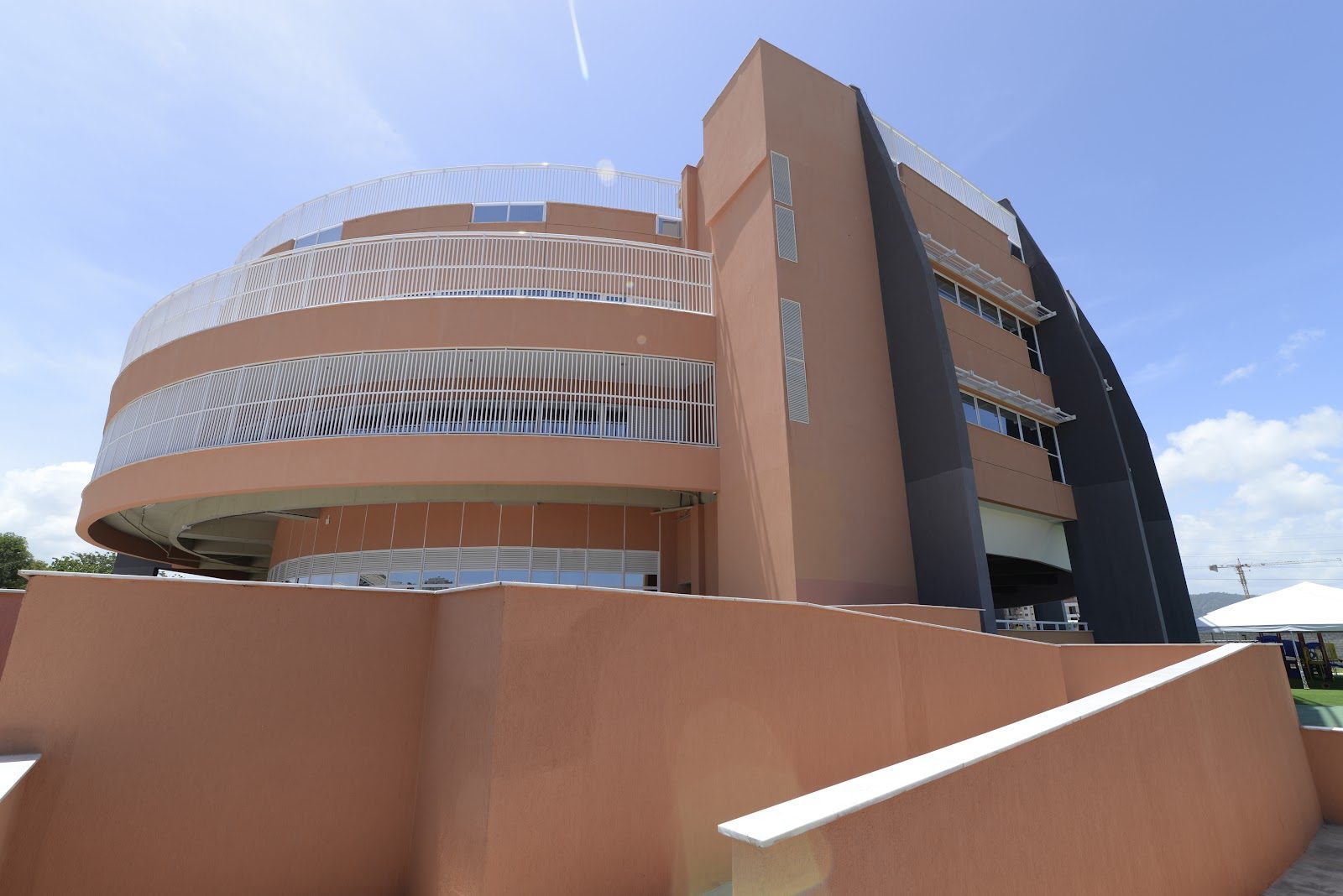
Escola Americana do Rio de Janeiro
Rio de Janeiro · Brazil
Perched at the edge of Tijuca National Forest with Christ the Redeemer in view, a 1937 campus layers IB, American and Brazilian diplomas.
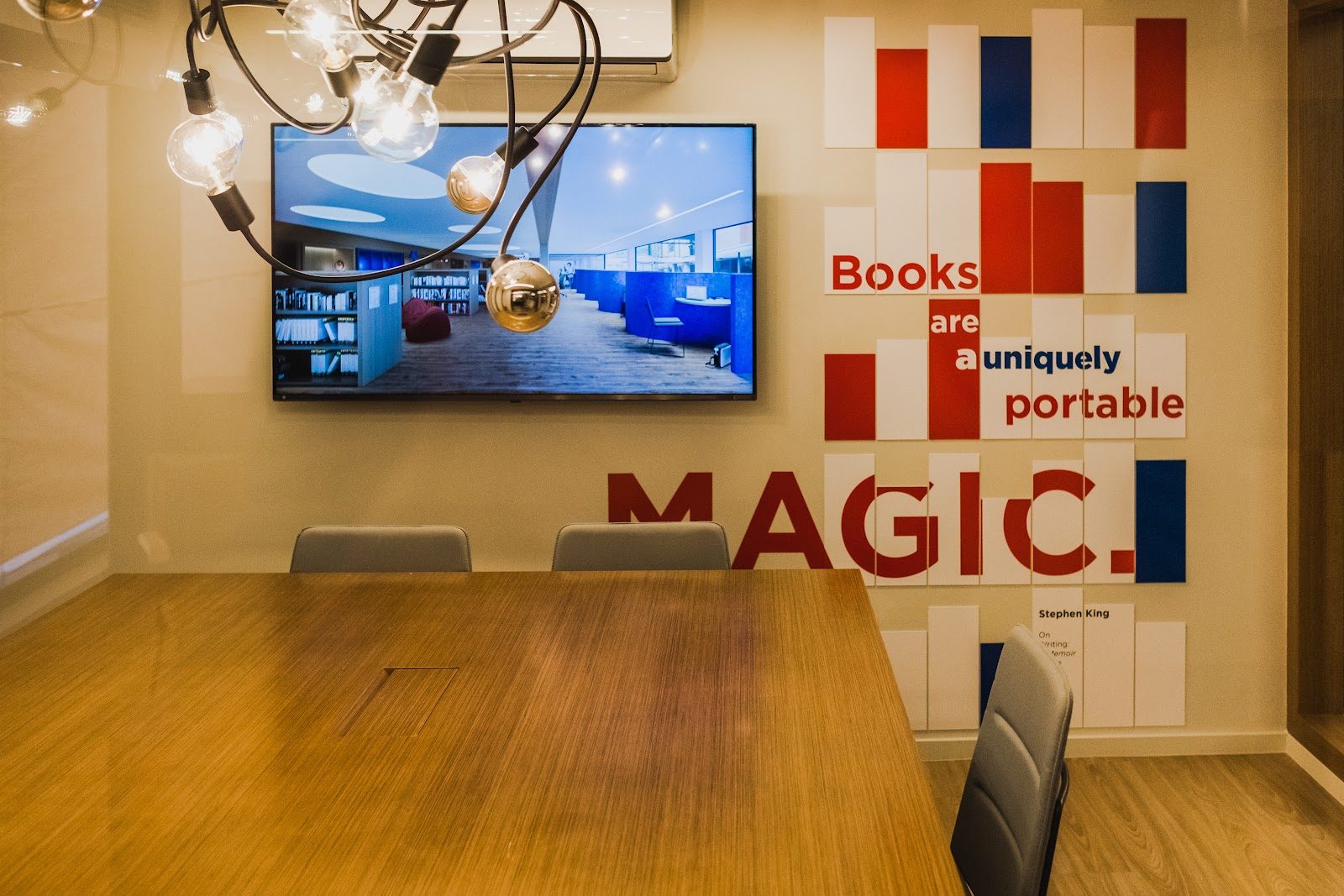
Graded - The American School of São Paulo
São Paulo · Brazil
Born in 1920 as a corporate venture of Citibank, Ford and GE, this Morumbi campus still sends seniors off with three diplomas at once.
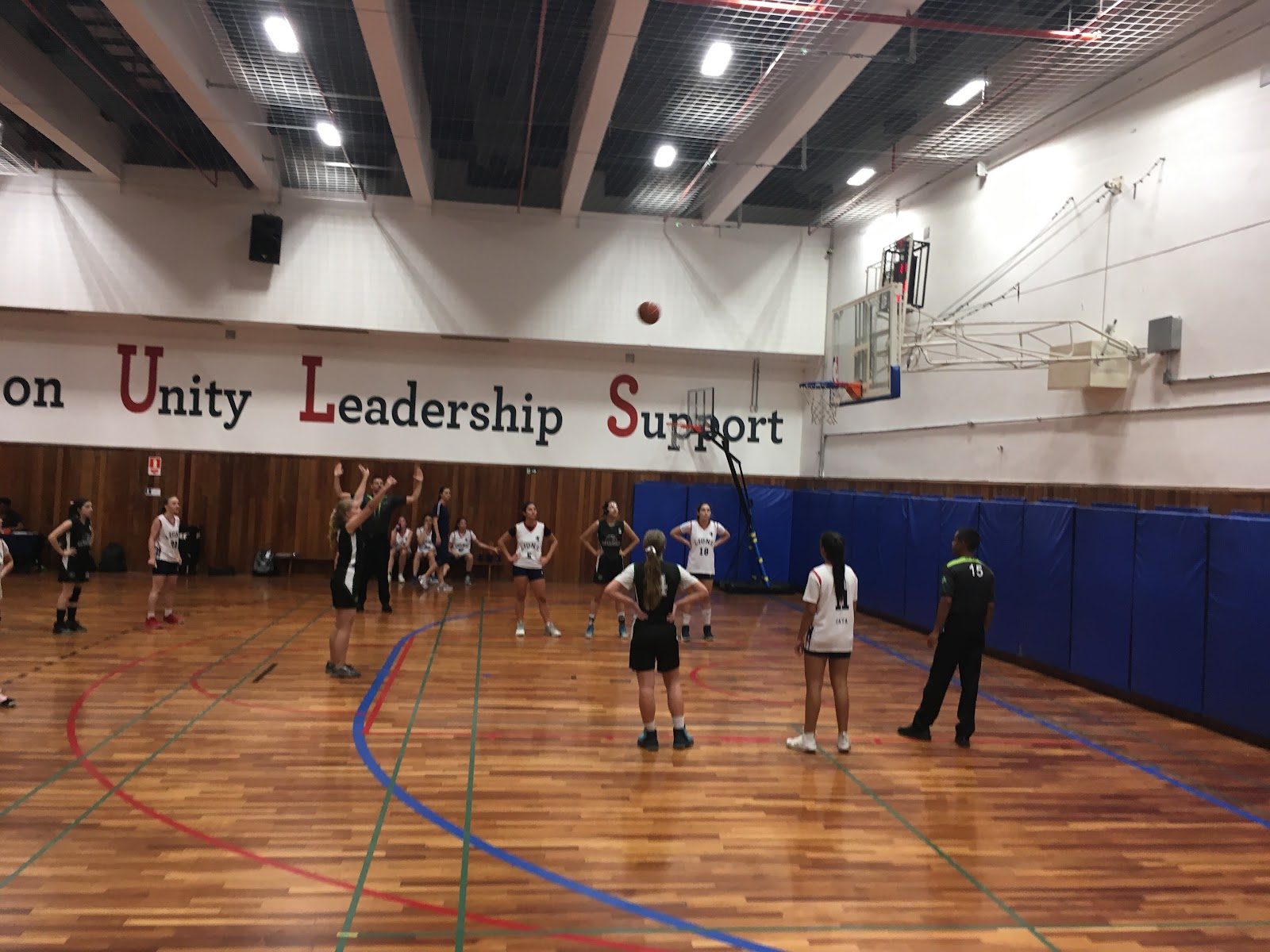
St. Paul's School
São Paulo · Brazil
The first British school in Latin America accredited as a British School Overseas, blending UK curriculum with Brazilian roots in Jardins.
German Swiss International School
Hong Kong · Hong Kong
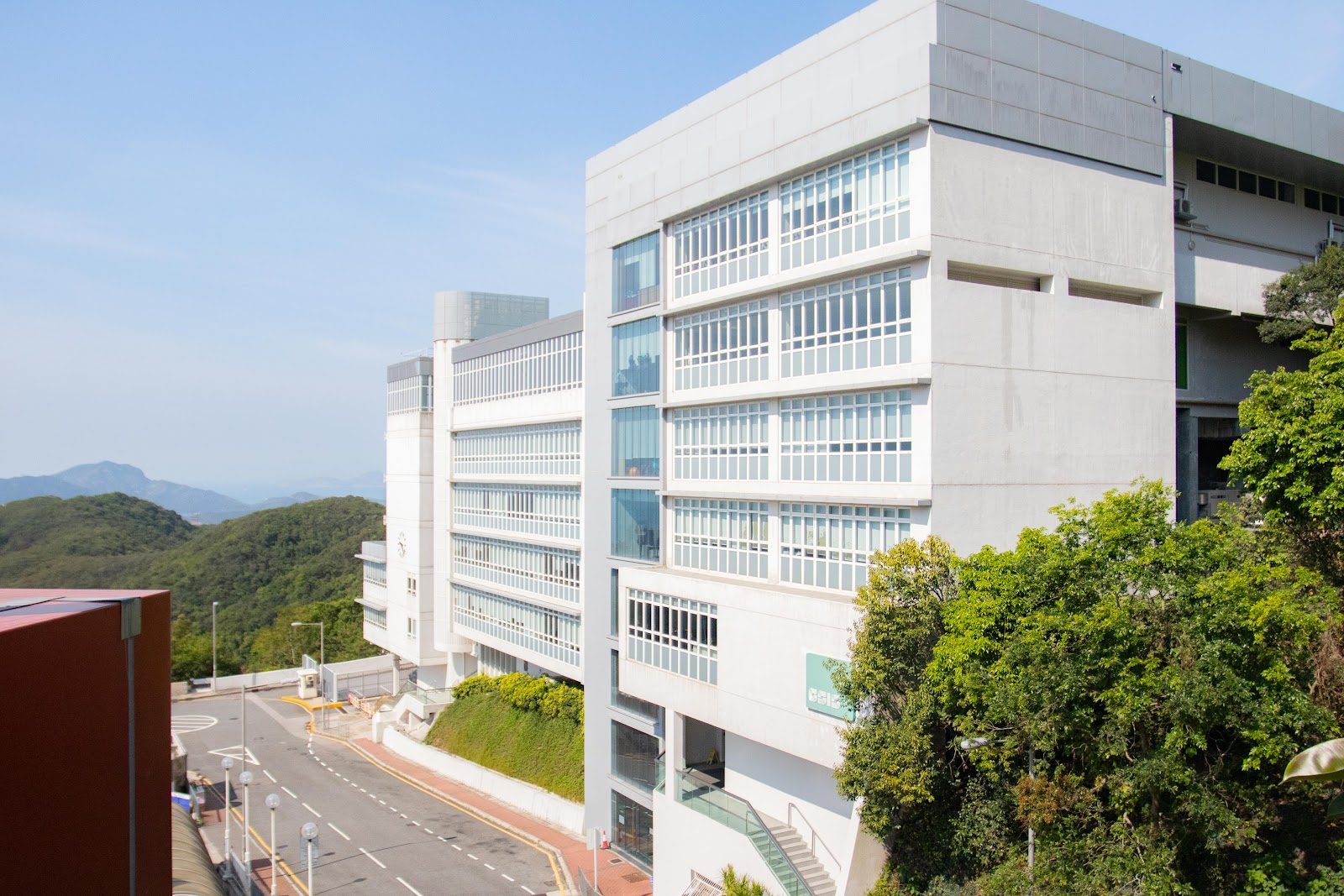
Perched on the Peak since 1969, twin German Abitur and IB streams share one campus and one house system.
Same country and curriculum — closest matches within ±10 points either way