
Limburg
On a green campus outside Maastricht, roommates from over 100 nationalities share every floor of this Dutch state-subsidised IB college.
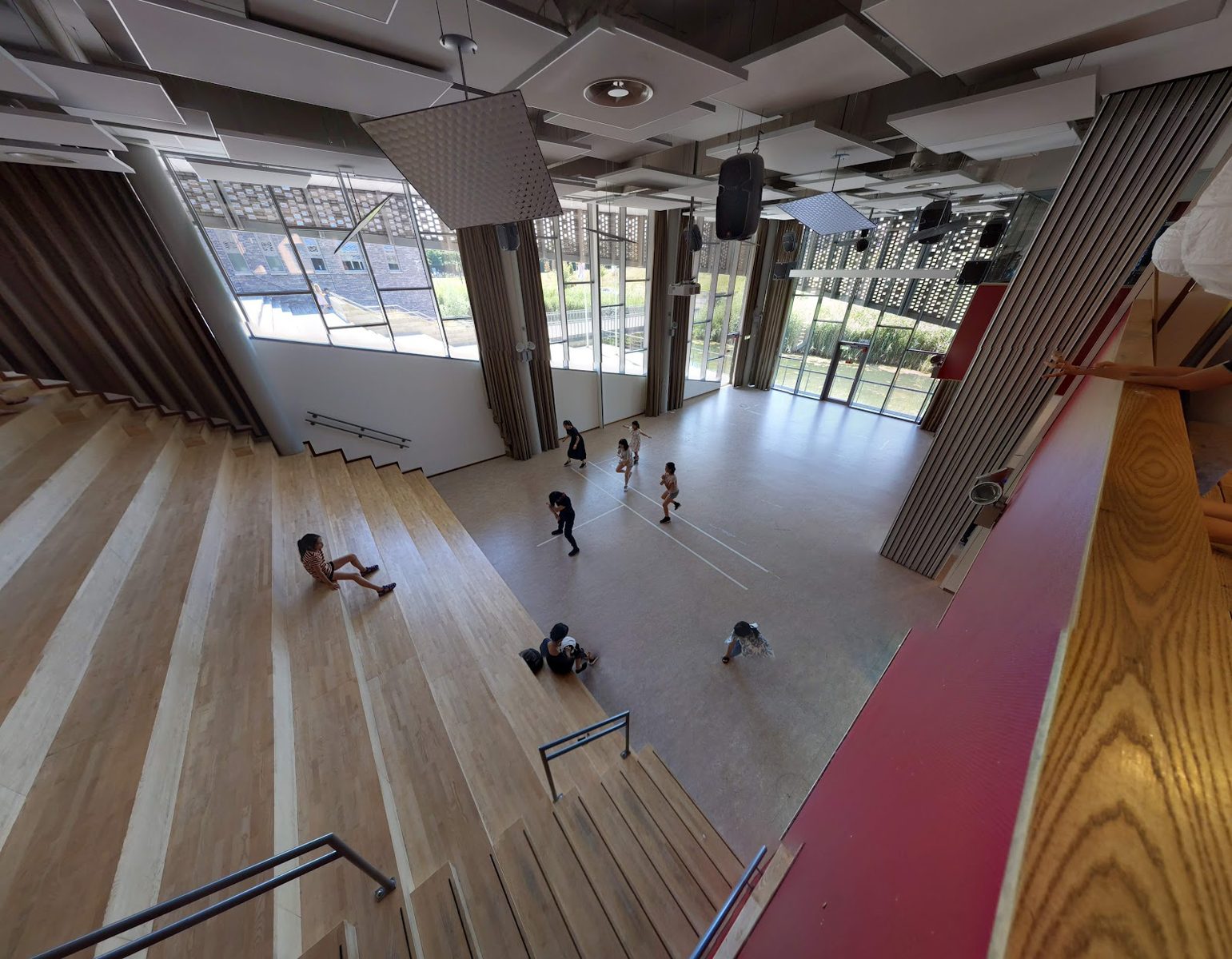
Photo © Akira via Google Maps
Type
Both
Ages
11–18
Curriculum
IB (Diploma, MYP, PYP)
Ratio
8:1
The Verdict
Editor's commitment
Right for
International families who want a state-subsidised IB school in Maastricht, with English teaching, 8:1 staffing and boarding from 16 to 19.
Wrong for
Parents who want a conventional Dutch school, religious ethos or a narrow local intake; UWC Maastricht spans ages 11–18 and over 100 nationalities.
Watch out for
The boarding offer starts at 16 and the school runs only the IB PYP, MYP and Diploma; average class size is 16.
Peer & Industry Review
How UWC Maastricht is regarded in the sector
75
Strong · medium confidence
UWC Maastricht is part of the globally recognized United World Colleges network, frequently cited in international/expat education forums (e.g., InterNations, ExpatChild, various IB school directories) as one of the top IB schools in the Netherlands and a strong feeder to selective universities. It lacks the granular Tatler/Good Schools Guide-style UK coverage since it operates outside that reporting ecosystem, but Dutch inspectorate reports and international-school rankings (e.g., International Schools Database, IB World School listings) consistently rate it highly, and its alumni network benefits from the broader UWC movement's prestige (Nelson Mandela, Shimon Peres as patrons of UWC generally).
Evidence sources
Editors' overview
UWC Maastricht occupies a narrow, valuable niche in the European market: a state-subsidised IB school with a full UWC identity, serious international breadth and boarding for older students. Founded in 2009 and on its current campus in Amby since 2013, it offers the IB Primary Years Programme, Middle Years Programme and Diploma Programme in English, with boarding from age 16. That combination matters. Many international schools sell diversity; UWC Maastricht builds daily life around it. The school’s own framing is peace, sustainability and shared responsibility. Parents need to decide whether that mission is substance or slogan for their child. At UWC Maastricht, it is built into the structure of the place: day students and boarders mix in one community, and the boarding house is not an add-on but part of the school’s core identity. *This is a school for conviction, not comfort.*
What puts it on a shortlist is the social and cultural density of the student body. The editorial tagline says roommates from over 100 nationalities share every floor; the school states that 600 secondary students learn together from around the globe. Add a 8:1 student-teacher ratio and average class size of 16, and the proposition sharpens: intimate teaching, high exposure to difference, and a campus life that pushes students beyond their own national bubble. For families who want an international education that does more than prepare for university entry, this is a serious option. *The selling point is not polish; it is immersion.* Students do not just study global citizenship here. They live it at breakfast, in class, and back in residence.
The school will suit a specific temperament. The right student is intellectually curious, socially open, emotionally robust and willing to live in close community with peers whose politics, faiths, habits and assumptions differ from their own. Privacy gives way to participation. *Difference is not decorative here; it is the operating system.* A teenager who wants a quiet, conventional, exam-drilled school life has better options elsewhere. A student who wants an outward-facing education, values debate, and has the appetite for service, intercultural exchange and communal living will find real traction here. Boarding starts at 16, so this works best for students ready for an early stretch towards independence rather than those who need heavy pastoral cushioning.
There are limits. UWC Maastricht’s mission-heavy language will appeal to some families and irritate others. Parents who want a school defined first by published academic data will find less public hard detail than they may want. The school does not trade on league-table style metrics; it trades on community, ethos and international reach. That is either a strength or a warning sign, depending on your priorities. In market terms, UWC Maastricht sits above the standard international school circuit and outside the expat default. *It has edge, purpose and a clear point of view.* For the right child, that makes it far more than another IB school in the Netherlands.
Academic Performance
UWC Maastricht does not publish the kind of exam data that lets parents place it cleanly against top IB competitors. We have not seen aggregate Diploma averages, score distributions, bilingual diploma rates, subject-level outcomes or multi-year trends in the public domain. That matters. In a crowded IB market, serious schools publish enough hard data to show whether their ideals survive contact with assessment. Here, the public emphasis falls elsewhere: mission, community, scholarships, activism and student experience. That is a clear editorial choice, and parents who rank academic transparency highly will read it as a meaningful omission.
That does not make the academic picture weak; it makes it harder to verify precisely. The UWC model tends to attract motivated, internationally minded students, and the college’s small classes and low staffing ratio give it the structural conditions for strong teaching. The question is not whether students work hard. The question is how that work converts into external results relative to ambitious IB schools in the Netherlands and wider Europe that publish headline outcomes every year. On that test, UWC Maastricht sits in a less transparent tier. Families choosing it for mission, peer mix and lived internationalism will accept that trade. Families choosing on raw exam performance need to press for data before committing.
Facilities
The campus’s core asset is not a landmark theatre, Olympic pool or grand sporting estate. It is the integrated residential-school setup in Amby: one site where classrooms, common spaces and boarding life feed into each other rather than operating as separate silos. For a UWC, that matters more than architectural showmanship. The boarding provision is the defining facility because it turns the school’s international mix into a daily fact rather than a timetable theme. The school states that boarders aged 16 to 19 live, learn and grow together as part of a residential community, and that structure does work many peer schools leave to assemblies and marketing copy. Parents looking for specialist infrastructure on the scale of the biggest premium campuses in the Netherlands or Switzerland need to be clear-eyed: UWC Maastricht’s public messaging does not foreground trophy facilities. It foregrounds shared life.
That puts it in a different bracket from high-fee international schools that compete through hardware. Against those peers, UWC Maastricht looks less facilities-led, more community-led. There is enough evidence of a full school campus with dedicated primary, secondary and boarding provision, but the school does not publish the granular facilities inventory that top rivals now treat as standard: named labs, performing arts spaces, sports specifications or standout specialist centres. That lack of detail is a real gap. The green setting strengthens the atmosphere, and the residential model gives the campus a rare intensity, but families choosing on bricks-and-mortar alone will find stronger showcases elsewhere.
UWC Maastricht does not publish the kind of exam data that lets parents place it cleanly against top IB competitors
Prestige
UWC Maastricht carries real prestige, but not the glossy, old-money kind that dominates parts of the international schools market. Its status comes from two things: the UWC name and the student body it assembles. UWC remains one of the few school networks with genuine moral and educational weight across borders. Admission signals more than affluence or expatriate convenience; it signals buy-in to a demanding communal model with a strong public-purpose ethos. That gives the school distinctive cachet among universities, NGO-minded families and internationally mobile parents who know the sector well. A residential community spanning 100+ nationalities is not a decorative statistic. It changes the peer environment in ways most schools cannot match.
The prestige is strongest in serious international circles, weaker in traditional prestige markets that still prize ancient foundations, domestic examination dominance or aristocratic social codes. This is not a heritage brand. It is a mission-driven one. That cuts both ways. For some families, the emphasis on peace, sustainability and activism adds intellectual credibility and social seriousness. For others, it reads as ideology and knocks against narrower definitions of elite schooling. My rating stays high because the school offers something scarce: a UWC education on one campus, with a secondary school of around 600 and classes averaging 16 students. That combination gives it earned distinction, not mass-market prestige.
Many international schools sell diversity; UWC Maastricht builds daily life around it
Communications
UWC Maastricht communicates in the register of a cause-led institution rather than a conventional service business. The website is active, current and easy to navigate, with clear routes into primary, secondary and boarding, a visible events calendar, recent leadership news and a steady stream of stories about alumni, scholarships and student-led initiatives. That gives parents a strong sense of the school’s priorities. It also reveals the bias in the messaging. Public communication centres on mission, community and impact. It spends far less time on the operational detail many fee-paying families want most: academic outcomes, practical process, comparative performance and the mechanics of day-to-day school life. For some parents, that feels coherent and values-driven. For others, it reads as selective transparency.
The tone is warm, activist and community-facing, which fits the institution. It does not read like a hard-nosed information portal. That matters. Parents choosing a school with a residential element need crisp, routine communication and a strong command of logistics as much as inspiration. The public-facing output shows energy and institutional confidence, but not much evidence of the granular parent communication that separates emotionally persuasive schools from operationally rigorous ones. The school’s social channels and news flow keep the community visible; the website does the essentials well; the deeper test sits elsewhere. Ask how quickly staff reply, how clearly concerns are escalated, how boarding updates are handled, and how much direct reporting parents receive beyond the school’s big-picture narrative.
Uniqueness
What makes UWC Maastricht different is not the badge alone. It is the fact that the school uses residence, selection and mission to engineer a peer group that few schools can match. Teenagers do not just sit beside international classmates for lessons and then disperse into separate social worlds afterwards; they eat together, argue together, share rooms and negotiate daily life together. The result is unusually concentrated internationalism. The editorial tagline’s 100+ nationalities matters because it changes the educational product itself. Difference stops being a themed virtue and becomes routine friction, routine learning and routine compromise. That is more demanding than the standard international-school promise of diversity, and far more educational if the student has the nerve for it.
What students gain from that structure is not comfort but range. They learn how to live with disagreement, how to function in a mixed community, and how to test their own assumptions against people who were raised elsewhere and think differently. That has value well beyond university admissions. It builds social stamina, political literacy and a habit of looking outward. The school’s state-subsidised status adds another point of distinction in a market crowded with fully private operators: it gives this place a different social texture from the polished expat enclaves that dominate international education. For the right student, UWC Maastricht offers something genuinely hard to replicate: an education shaped as much by the peers down the corridor as by the adults at the front of the room.
UWC Maastricht’s mission-heavy language will appeal to some families and irritate others
Student Profile
The student who fits here is not just bright but outward-facing. UWC Maastricht suits adolescents who draw energy from people, tolerate ambiguity and do not need their peers to share the same assumptions, politics or habits. Social confidence helps, but the deeper requirement is resilience: this is a school for students who can be challenged without folding, who can disagree without retreating, and who can live in close quarters without turning every irritation into a drama. The mix of day students and boarders matters because it blurs the line between school life and social life. Teenagers who want a neat split between the two will find that claustrophobic. Teenagers who want intensity, conversation and daily exposure to difference will find it formative.
It also suits students with a moral or civic impulse, not just an academic one. The school’s language around peace, sustainability and change is not decorative; it attracts pupils who want education tied to public purpose. That can produce a serious-minded peer culture, but it can also feel earnest, ideological and emotionally demanding. The right child will welcome that pressure. The wrong child will feel trapped inside other people’s convictions. Families should read the 100+ nationalities and 16-plus boarding entry point not as selling points alone, but as signals of maturity expected. This is not for the faint-hearted. It rewards curiosity, adaptability and a willingness to be unsettled.
In market terms, UWC Maastricht sits above the standard international school circuit and outside the expat default
Co-curricular strengths
Arts & sport, on a separate axis
Overall 8/10
Scored 0-10 from the school's own published evidence. This axis is editorial-only — it does not feed the main WTS ranking.
Sports
8/10
Drama
8/10
Dance
7.5/10
Music
8.5/10
Visual Arts
8/10

WTS 300 badge
2026/27 editionUWC Maastricht is one of the World's Top 300 Schools for 2026/27. Claim your listing to add it to your site →
Strengths
- +UWC Maastricht is part of United World Colleges, a global network of 18 international schools and colleges working for peace and a sustainable future.
- +The IBCP is available at Pearson College UWC and UWC Maastricht, making it one of only two colleges in the UWC movement to offer this route alongside the Diploma Programme.
- +UWC Maastricht has approximately 900 students between the ages of 2 and 18, originating from more than 100 countries.
- +The school is part of the Dutch public education system and receives funding from the Dutch government, which keeps day-student fees markedly lower than many comparable international schools.
- +Over 2021-2025, the school recorded 140 IB Diploma candidates with 135 receiving the award, and an average score of 33 points against a world average of 30.5.
Considerations
- −For day students there are no scholarships available, and the school does not offer a discount for families with multiple children enrolled.
- −The Residential Programme is only open to students aged 16-19 admitted to the Diploma Programme, and these students undergo a rigorous selection procedure coordinated by the UWC International Office, so a boarding place is not simply bought.
- −Boarding students live in small groups, with four students sharing a bedroom, offering far less personal space than a typical single or twin dormitory room.
- −UWC Maastricht is not a typical boarding school, as the majority of its students live with their families in the Maastricht area, so the residential 'UWC experience' is reserved for a minority of older students only.
Availability
Primary entry gate & tests
National Committee / Day app
Gallery
Photo © United World College Maastricht via Google Maps
Photo © Akira via Google Maps
Photo © Tobin van Bremen via Google Maps
Photo © Tobin van Bremen via Google Maps
Photo © Dmytro via Google Maps
Photo © Érica kokke via Google Maps
Photo © Stefano Salvaggio via Google Maps
Photo © Dorota Kuriata via Google Maps
Photo © United World College Maastricht via Google Maps
Parent reviews
Have you sent your child here?
Voice reviews carry the strongest trust badge — we transcribe them for you to tidy up before they go live. Prefer to type? A written review is fine too.
Add your voice
In 60 seconds, tell other parents: what's the best thing about UWC Maastricht, and what surprised you when your child joined?
We ask for a Google sign-in so every review has a real face behind it — no anonymous drive-by attacks on schools, and no faked positive reviews. Your email is never shown publicly.
Send this profile to a friend
International parents rely on word-of-mouth. Share this review with someone weighing the same decision.
Schools with places
Similar schools to UWC Maastricht with places available now.
International School of Amsterdam
Amstelveen · Netherlands
- 2026-27
- WAITPOOLSpace-dependent
- 2027-28
- PLACES OPENRolling
The British School in The Netherlands
Voorschoten · Netherlands
- 2026-27
- WAITPOOLSpace-dependent
- 2027-28
- PLACES OPENRolling
The International School of The Hague
The Hague · Netherlands
- 2026-27
- WAITPOOLSpace-dependent
- 2027-28
- PLACES OPENRolling
Nord Anglia International School Rotterdam
Rotterdam · Netherlands
- 2026-27
- WAITPOOLSpace-dependent
- 2027-28
- PLACES OPENRolling
Availability first, then country, area, curriculum, price, co-curricular
Consider also
Also worth looking at alongside UWC Maastricht.
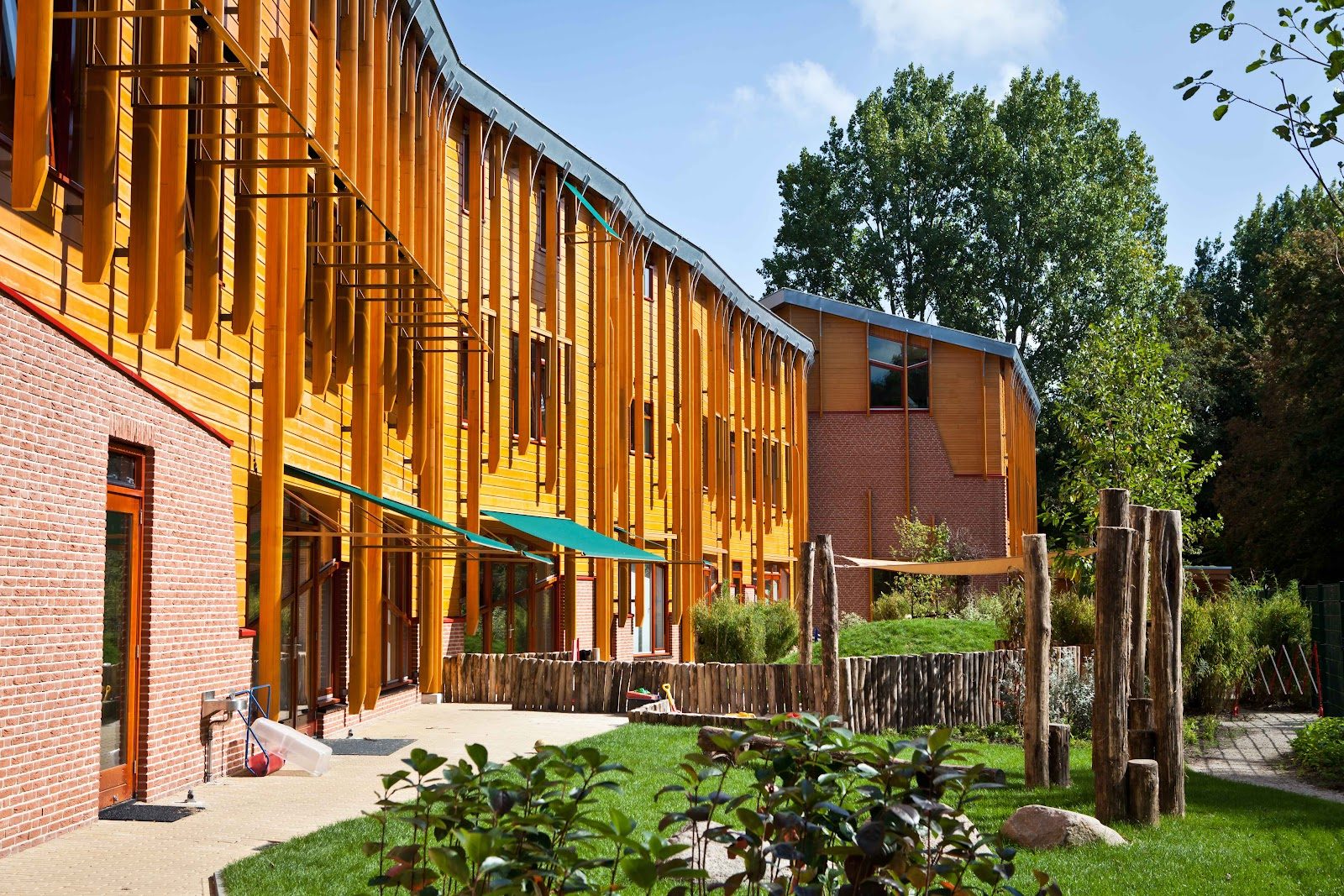
International School of Amsterdam
Amstelveen · Netherlands
Just outside Amsterdam, this 1964 founding became the first school anywhere to run the full IB continuum from age two to eighteen.
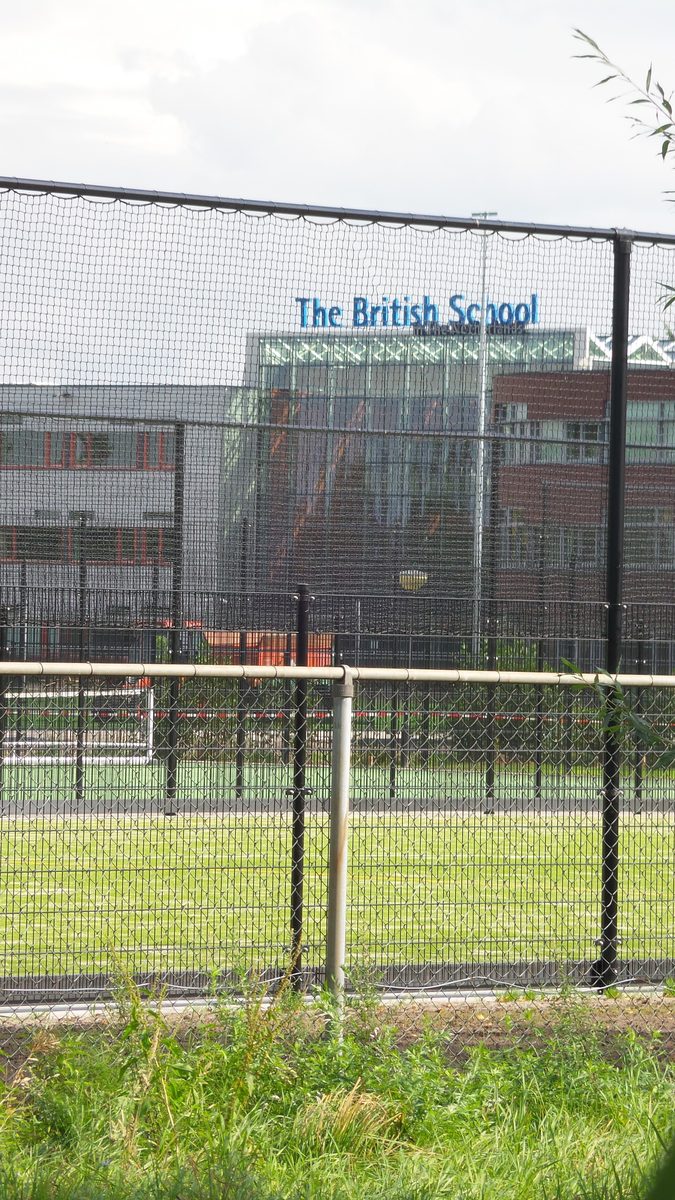
The British School in The Netherlands
Voorschoten · Netherlands
Since 1931, a Voorschoten campus near The Hague where sixth formers choose freely among A-Levels, BTEC, IB Diploma or IB Career Programme.
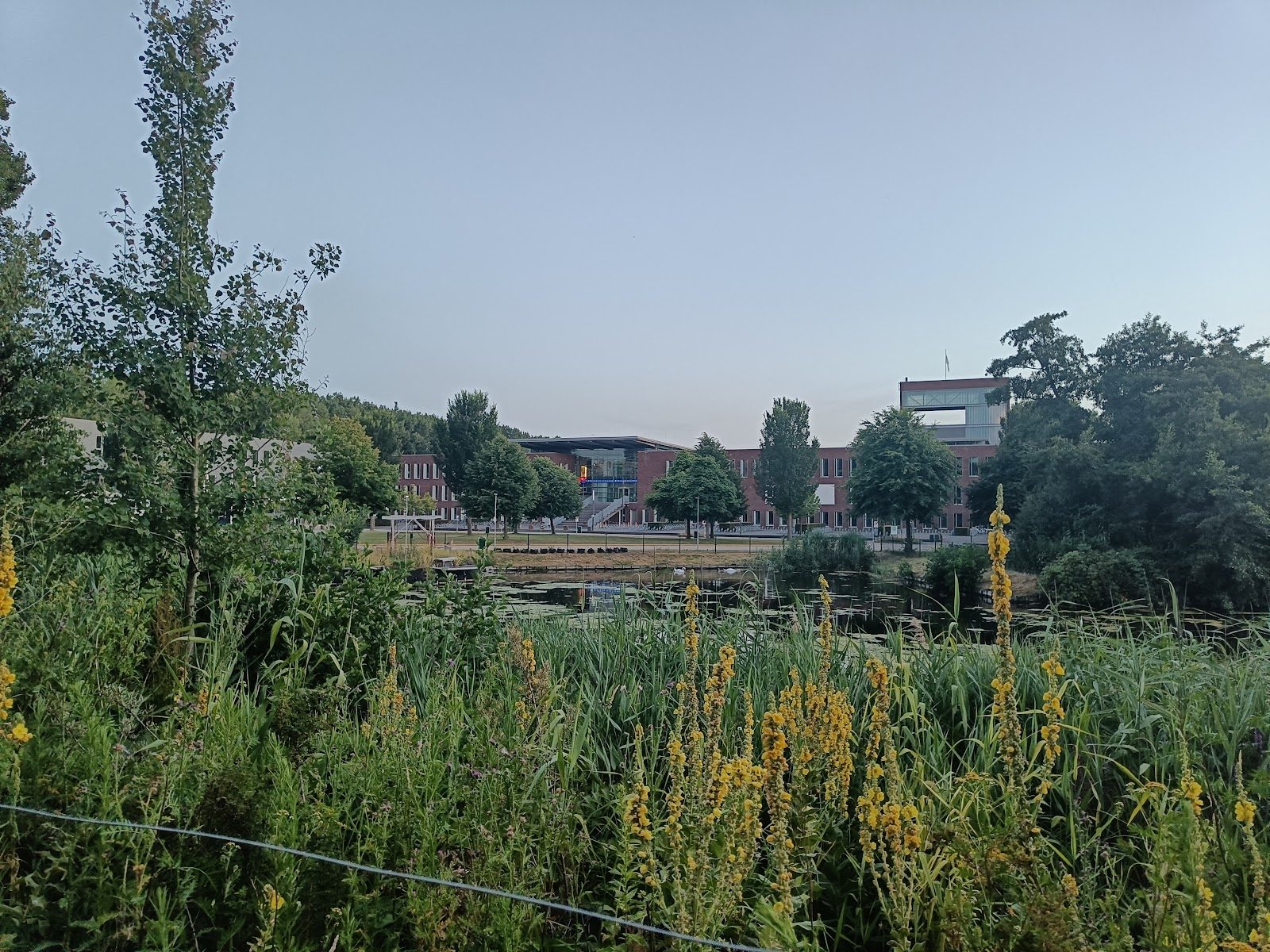
The International School of The Hague
The Hague · Netherlands
In the Kijkduin dunes, this IB day school runs MUNISH, Europe's second-largest student Model UN conference.
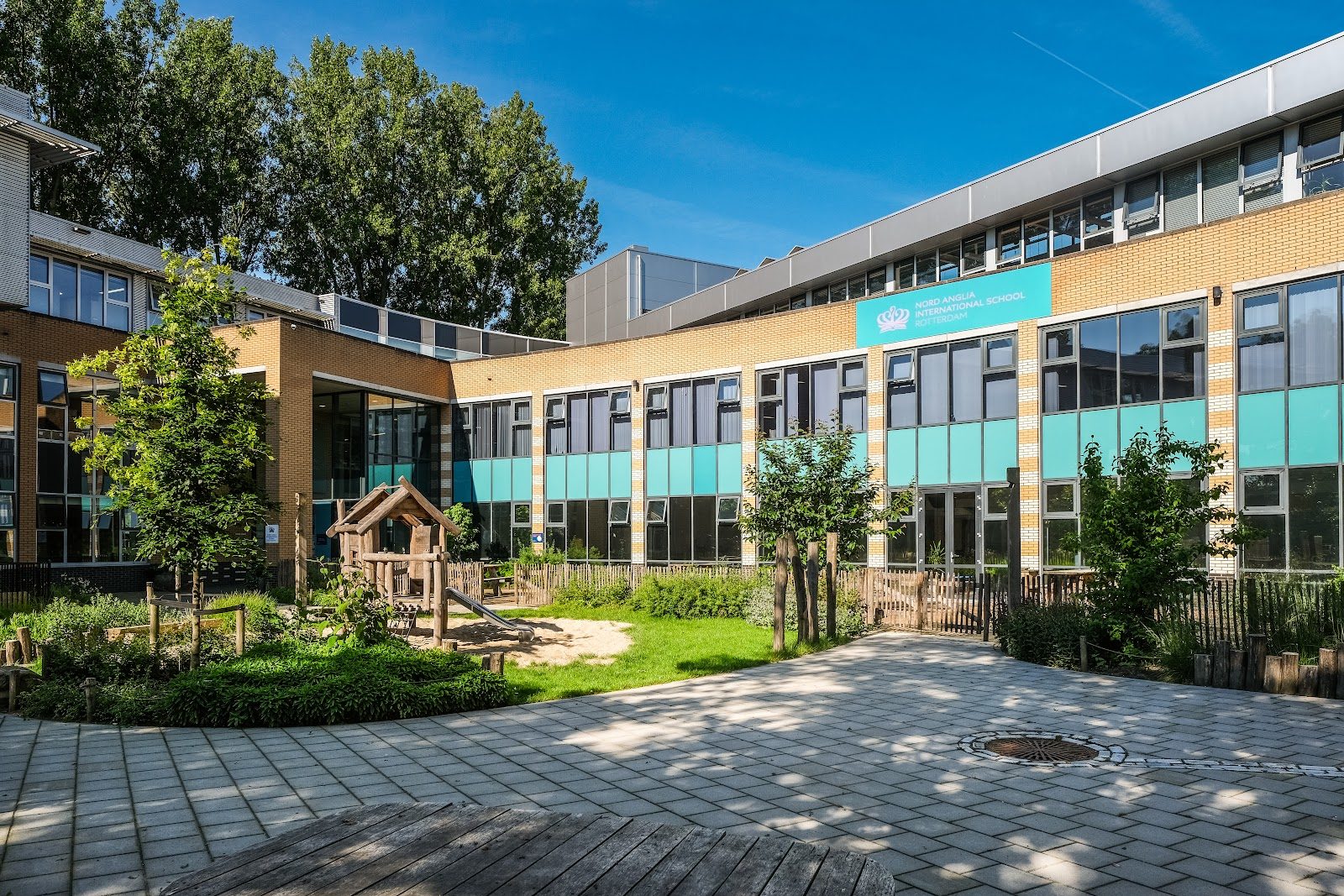
Nord Anglia International School Rotterdam
Rotterdam · Netherlands
Born from a 1959 American community, this Hillegersberg school pairs IB rigor with MIT-designed STEAM and Juilliard arts training.
Same country and curriculum — closest matches within ±10 points either way