
New South Wales
James Ruse Agricultural High School
Where selective-school rigor meets compulsory farm science, on a five-hectare campus in Sydney's north-west.
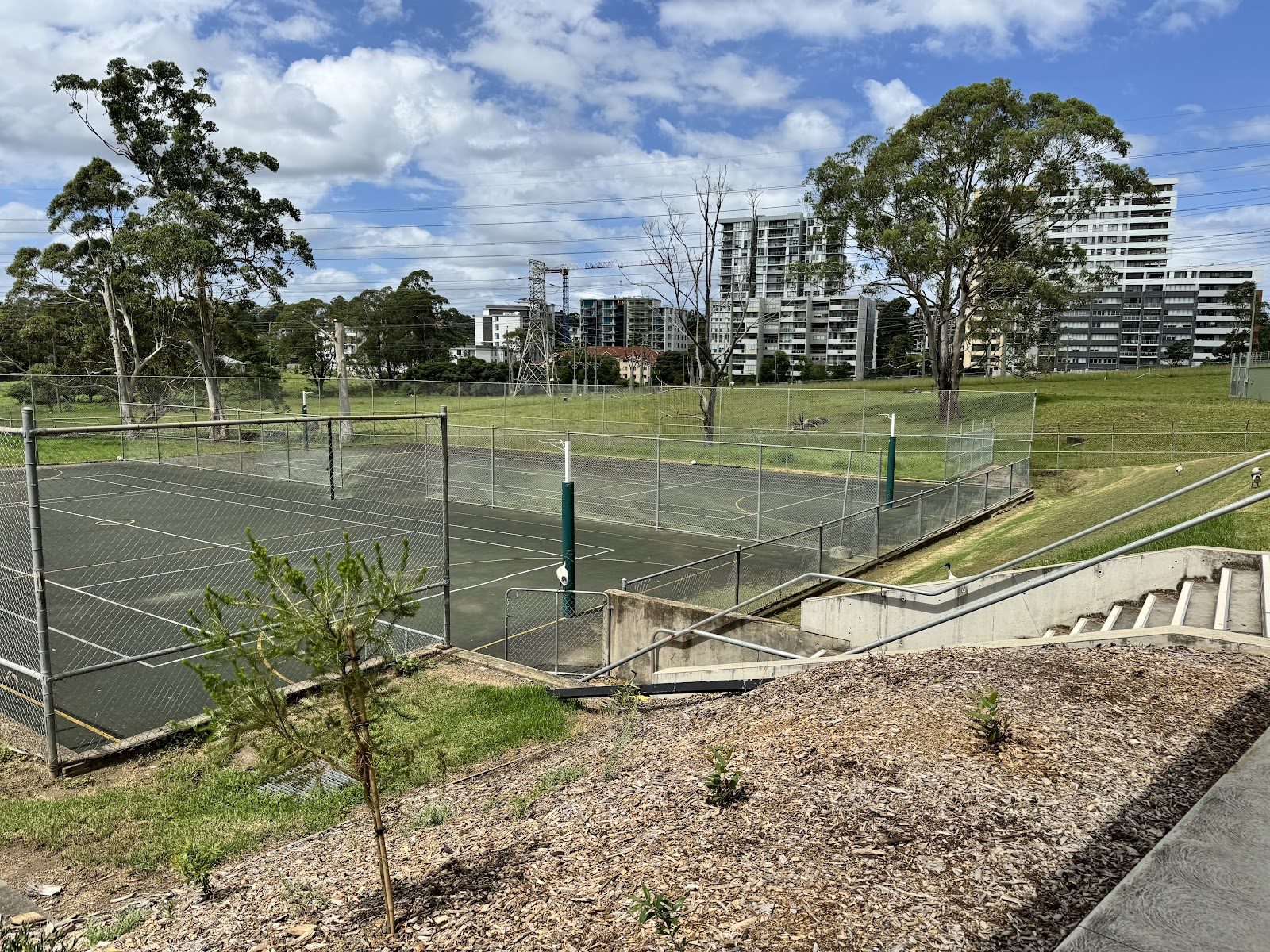
Photo © Ajay Walia via Google Maps
Type
Day
Ages
12–18
Curriculum
Australian
Qualifications
HSC
Ratio
—
The Verdict
Editor's commitment
Right for
Children aged 12–18 who want a government selective day school with Australian curriculum and compulsory agricultural science on a five-hectare Carlingford campus.
Wrong for
Families wanting religion, boarding, or a broad all-rounder: this 1959 NSW government selective school is co-educational, day-only and academically narrow.
Watch out for
James Ruse is one of four NSW Government agricultural high schools; the farm focus is not cosmetic, and the selective entry sets the academic temperature.
Ranking breakdown
James Ruse Agricultural High School · #421 of 1591
Composite score 70.1. 8 weighted criteria.
By criterion
Academic Outcomes
Weight 20%
#2
of 1529 scored
University Placement
Weight 16%
#59
of 1529 scored
Prestige & Heritage
Weight 12%
#136
of 1571 scored
Alumni Network
Weight 12%
#1406
of 1530 scored
Facilities
Weight 12%
#1327
of 1534 scored
Transparency & Communications
Weight 8%
#592
of 1532 scored
Peer & Industry Review
Weight 10%
#30
of 1548 scored
Admissions Selectivity & Demand
Weight 8%
#2
of 1529 scored
Peer & Industry Review
How James Ruse Agricultural High School is regarded in the sector
82
Strong · medium confidence
James Ruse is the most consistently cited benchmark among Sydney's selective and independent schools, having topped the Sydney Morning Herald's annual HSC results table for the state's highest-performing school for more than twenty consecutive years, a record independent education commentators and rival principals regularly reference when discussing selective-school benchmarking. Better Education's NSW school rankings, drawn from Board of Studies HSC data, place it consistently first among all state and independent schools, a statistic frequently quoted in Daily Telegraph and SMH education coverage. Its status as a fully selective entry school means university admissions staff at Sydney and UNSW routinely note its graduates among the strongest cohorts for medicine, law and engineering entry, reflected in the school's own published HSC and university-entry statistics. Coverage in Australian education press treats it less as a marketing case study and more as the default reference point for measuring selective-school academic performance nationally.
- Terence Tao — Mathematician, Fields Medalist, UCLA
- Andrew Charlton — Federal MP, Economist
- Victor Dominello — NSW Government Minister
Editors' overview
James Ruse Agricultural High School occupies a niche that no standard selective school can match: high academic selection inside a government agricultural high school. Founded in 1959, it combines the pressure and pace of a top academic environment with compulsory exposure to agricultural science on a five-hectare campus. That dual identity matters. This is not a generic high-performing state school with a farm attached as a branding exercise. It is a specialist day school in Carlingford, one of only 4 New South Wales Government agricultural high schools, and that makes its offer structurally different from the wider Sydney selective market. For parents who want intellectual stretch without private-school fees, it earns a place on the shortlist through rare academic intensity, clear specialisation and a distinctive public-sector proposition.
What sets James Ruse apart is the collision of two cultures: selective-school competition and applied agricultural study. That combination creates a school for students who want more than a narrow classroom existence. The attraction lies in rigorous academics delivered in English under the Australian curriculum, alongside a specialist lens that pulls science into real settings. The campus identity matters here. A school built around agriculture develops habits of observation, method and practicality that many urban academic schools talk about but do not embed. Parents looking for serious intellectual pace with a grounded, unsentimental edge will find that unusual mix compelling.
The market position is clear. In Sydney’s hierarchy of academically selective state schools, James Ruse sits in the top tier of parental consideration for families who prioritise attainment, peer quality and a disciplined scholarly culture. Its non-religious, co-educational, government selective status broadens its appeal further. Yet this is not a school for every bright child. The right student is self-motivated, resilient, comfortable with comparison, and energised by working among other very able pupils. A child who wants constant pastoral cushioning or a broad, low-pressure school experience will find the environment hard. A student who thrives on high-pressure ambition, values intellectually demanding company, and likes the idea of science with real-world texture will see exactly why James Ruse holds its reputation.
Academic Performance
In external examination terms, James Ruse sits at the razor’s edge of the New South Wales state system. It is not merely strong for a government school; it operates in the small group of schools that define the top of the HSC table. Year after year, parents watch the state rankings for movement among the selective heavyweights, and James Ruse remains the benchmark against which others are judged. That matters more than any brochure claim. In a market crowded with schools promising extension, enrichment and challenge, this school delivers outcomes that place it in elite academic company and keep it there. The peer comparison is direct: among selective state schools, it belongs at the very front, and among all Australian schools it competes with institutions charging substantial fees.
That standing also tells you something about the academic culture. Results at this level do not come from charm, branding or pastoral softeners; they come from relentless scholastic pressure, dense peer competition and students who can convert ability into marks under public-exam conditions. For the right child, that environment is electrifying. For others, it is unforgiving. We have not seen aggregate school-published HSC score data or subject-by-subject analysis in the public domain here, so caution on fine-grain claims is necessary. The broad verdict is still clear: James Ruse occupies the top stratum of Australian secondary academic performance, and families comparing selective options should treat it as a first-rank academic reference point.
Facilities
The defining facility here is the agricultural campus itself. This is not a token patch of greenery behind a selective school; it is a working specialist resource spread across 5 hectares, and that changes the educational texture of the place. For a school with such intense academic expectations, access to land, farm infrastructure and agricultural teaching spaces gives students practical exposure that most high-performing urban peers do not have. Among academically selective schools, that is a rare structural advantage. Against the other top state academic schools in Sydney, James Ruse offers something they cannot: science taught with a real operational setting rather than confined to laboratories and classrooms. Parents choosing between elite selective options should read that as a genuine point of difference, not a decorative extra.
The benchmark comparison is straightforward. In pure polish, private schools with major fee income often provide grander theatres, sports complexes or newer specialist buildings. James Ruse’s edge lies elsewhere. Its facilities serve a clear academic-and-applied purpose, and the agricultural dimension gives the campus a distinctive seriousness that many peers lack. It is also one of only 4 government agricultural high schools in the state, which matters because specialist infrastructure of this kind is scarce in the public system. We have not seen a detailed public inventory of performing arts, sports or technology facilities, so any claim of all-round superiority would be careless. The key judgment holds: for students drawn to selective rigour with hands-on scientific context, the campus is genuinely unusual and stronger than the standard selective-school offer.
For the right child, that combination is genuinely distinctive and hard to replicate elsewhere in the state system
Prestige
James Ruse carries exceptional academic prestige in the Australian state sector because entry is selective, outcomes sit at the apex of public-school performance, and the peer group is unusually strong. That combination gives the school status far beyond its government funding model. Among families who understand the Sydney market, a place here functions as a shorthand for serious intellectual horsepower. The specialist agricultural identity adds distinction rather than diluting status: this is one of only 4 government agricultural high schools in New South Wales, and none has a higher academic profile. The result is a school with rare name recognition in educated households, especially among parents comparing the sharp end of the selective system with expensive independent alternatives.
The prestige also has substance behind it. Schools earn durable reputations when high attainment persists across cohorts, not when one year group spikes and marketing does the rest. James Ruse has that kind of hard-earned standing. It is admired for disciplined scholarship, feared for intensity, and used as a reference point in conversations about the country’s most demanding secondary environments. That does not make it socially grand in the traditional private-school sense; its prestige is meritocratic, examination-driven and public. For many families, that distinction strengthens the appeal. A James Ruse education signals earned academic credibility, not inherited polish, and that carries real weight.
Founded in 1959, it combines the pressure and pace of a top academic environment with compulsory exposure to agricultural science on a five-hectare campus
Communications
James Ruse’s parent communication carries the stamp of a government selective school: functional, centralised and geared to families who can keep up. The public-facing information does the essentials without flourish. That suits the school’s culture. Parents choosing this school are not buying concierge-style hand-holding; they are entering an institution that expects attention, routine and self-management from both students and adults. In that context, a plain, administrative communication style can work well. It keeps the focus on deadlines, school operations and academic expectations rather than branding theatre. The risk is obvious too: schools with high-pressure academic cultures need communication that is crisp, timely and exact, because small ambiguities turn into unnecessary stress fast.
Effectiveness, then, rests less on warmth than on clarity and cadence. We have not seen rich public evidence of a deeply personalised parent-engagement model, and that absence matters. Families who want constant narrative around wellbeing, individual progress or a more cushioning relationship with the school will not find much reassurance in a lean institutional style. Parents who value order, directness and a no-nonsense flow of practical information will find it fit for purpose. The school’s challenge is not visibility; it is making sure communication matches the intensity of the student experience. At a school with a specialist identity and a forensic academic environment, average communication is not enough. It needs to be disciplined, predictable and hard to misread.
Uniqueness
James Ruse is unique because its specialism is not decorative. Most academically selective schools build identity around marks, Olympiads and university destinations; this one binds elite exam culture to a subject area with dirt under its fingernails. As one of only 4 government agricultural high schools in New South Wales, it gives able students a school life shaped by fieldwork, biological systems and production science alongside the standard pressure of a top selective cohort. That creates a strikingly uncommon intellectual mix: abstract excellence checked by practical method. Students do not just compete on paper. They work in an environment that insists science has applications, constraints and consequences. In an age of polished academic posturing, that is refreshingly concrete.
What that brings to students is more than novelty. It broadens the cast of mind. High-attaining children can become narrow, over-trained and fluent only in test performance; James Ruse pushes against that trap by tying scholarship to observation, process and real organisms. The result is a school that produces hard-edged academic discipline without turning entirely bloodless. It also gives the peer culture a different tone from a standard selective school. Achievement still dominates, but the agricultural frame adds real-world texture and a specialist identity that students can inhabit rather than merely boast about. For the right child, that combination is genuinely distinctive and hard to replicate elsewhere in the state system.
It is not merely strong for a government school; it operates in the small group of schools that define the top of the HSC table
Student Profile
The student who fits here is bright, self-propelled and untroubled by academic comparison. This is a school for children who draw energy from being surrounded by other high performers, not for those who need to feel effortlessly top of the class. Curiosity matters, but stamina matters more. The daily reality suits students who can absorb pace, handle correction, and keep working when the standard remains punishingly high. It also helps to have a practical streak. The agricultural specialism is not a decorative quirk; it asks students to engage with living systems, observation and method, and that gives the school a hard-edged, hands-on cast that will please scientifically minded pupils who dislike empty abstraction.
The wrong fit is just as clear. A child who wants a relaxed adolescence, broad social status markers or a school built around performance, sport and soft pastoral language will chafe. So will a student whose confidence depends on constant reassurance. James Ruse suits the teenager who likes being stretched, accepts that clever peers raise the temperature, and does not flinch from a culture with very little cushioning. It serves boys and girls across 2 secondary stages, but age matters less than temperament. The best fit is the student who is fiercely competitive without becoming brittle, intellectually serious without becoming joyless, and ready for a school life that is not for the faint-hearted.
Its facilities serve a clear academic-and-applied purpose, and the agricultural dimension gives the campus a distinctive seriousness that many peers lack
Co-curricular strengths
Arts & sport, on a separate axis
Overall 7.9/10
Scored 0-10 from the school's own published evidence. This axis is editorial-only — it does not feed the main WTS ranking.
Sports
8/10
Drama
8/10
Dance
7/10
Music
8.5/10
Visual Arts
8/10
Strengths
- +James Ruse Agricultural High School has ranked as NSW's top school for 25 consecutive years, based on student performance in the HSC.
- +In 2025 the school achieved a 70.4% Band 6 (90+ marks) success rate, securing 2nd place in NSW according to the Sydney Morning Herald Top Schools HSC Report.
- +Agriculture is a compulsory subject from Years 7-10, taught on a roughly ten-hectare school farm that includes a vegetable growing area, glasshouse, hydroponics system, orchard, field-crop area and a livestock section.
- +As a NSW government day school, families pay no tuition fees, unlike most other schools in this editorial tier.
- +In 2024 the school produced 2 First-in-Course state rankings and 20 places in the Top Achievers in Course state rankings list.
Considerations
- −Only up to 120 students are admitted in Year 7 via the Selective High School Placement Test, with applications lodged in November of Year 5 and the test sat the following year in Year 6.
- −Agriculture is a compulsory subject from Years 7-10 for every student, regardless of individual interest or aptitude for practical farm work.
- −In 2024, approximately 97% of the student population came from a language background other than English, indicating a narrow socio-cultural intake relative to the broader community.
- −Lateral entry is limited: students can gain entrance into Year 7 through the Selective High Schools Test, while only a smaller portion are admitted in Years 8 to 11 by direct application to the school.
Availability
Primary entry gate & tests
NSW Selective Placement Test
Gallery
Photo © Linsong Yang via Google Maps
Photo © VW via Google Maps
Photo © Daisy via Google Maps
Photo © VW via Google Maps
Photo © Daisy via Google Maps
Photo © Daisy via Google Maps
Photo © Daisy via Google Maps
Parent reviews
Have you sent your child here?
Voice reviews carry the strongest trust badge — we transcribe them for you to tidy up before they go live. Prefer to type? A written review is fine too.
Add your voice
In 60 seconds, tell other parents: what's the best thing about James Ruse Agricultural High School, and what surprised you when your child joined?
We ask for a Google sign-in so every review has a real face behind it — no anonymous drive-by attacks on schools, and no faked positive reviews. Your email is never shown publicly.
Send this profile to a friend
International parents rely on word-of-mouth. Share this review with someone weighing the same decision.
Schools with places
Similar schools to James Ruse Agricultural High School with places available now.
Ascham School
Sydney · Australia
- 2026-27
- WAITPOOLVacancy-dependent
- 2027-28
- PLACES OPEN
The King's School (Parramatta)
Parramatta · Australia
- 2026-27
- WAITPOOLVacancy-dependent
- 2027-28
- PLACES OPEN
Pymble Ladies' College
Sydney · Australia
- 2026-27
- WAITPOOLVacancy-dependent
- 2027-28
- PLACES OPEN
Sydney Grammar School
Sydney · Australia
- 2026-27
- WAITPOOLYr 7 closed; Yrs 8-11 enquire
- 2027-28
- WAITPOOLYr 7 closed; Yrs 8-11 enquire
Availability first, then country, area, curriculum, price, co-curricular
Consider also
Also worth looking at alongside James Ruse Agricultural High School.
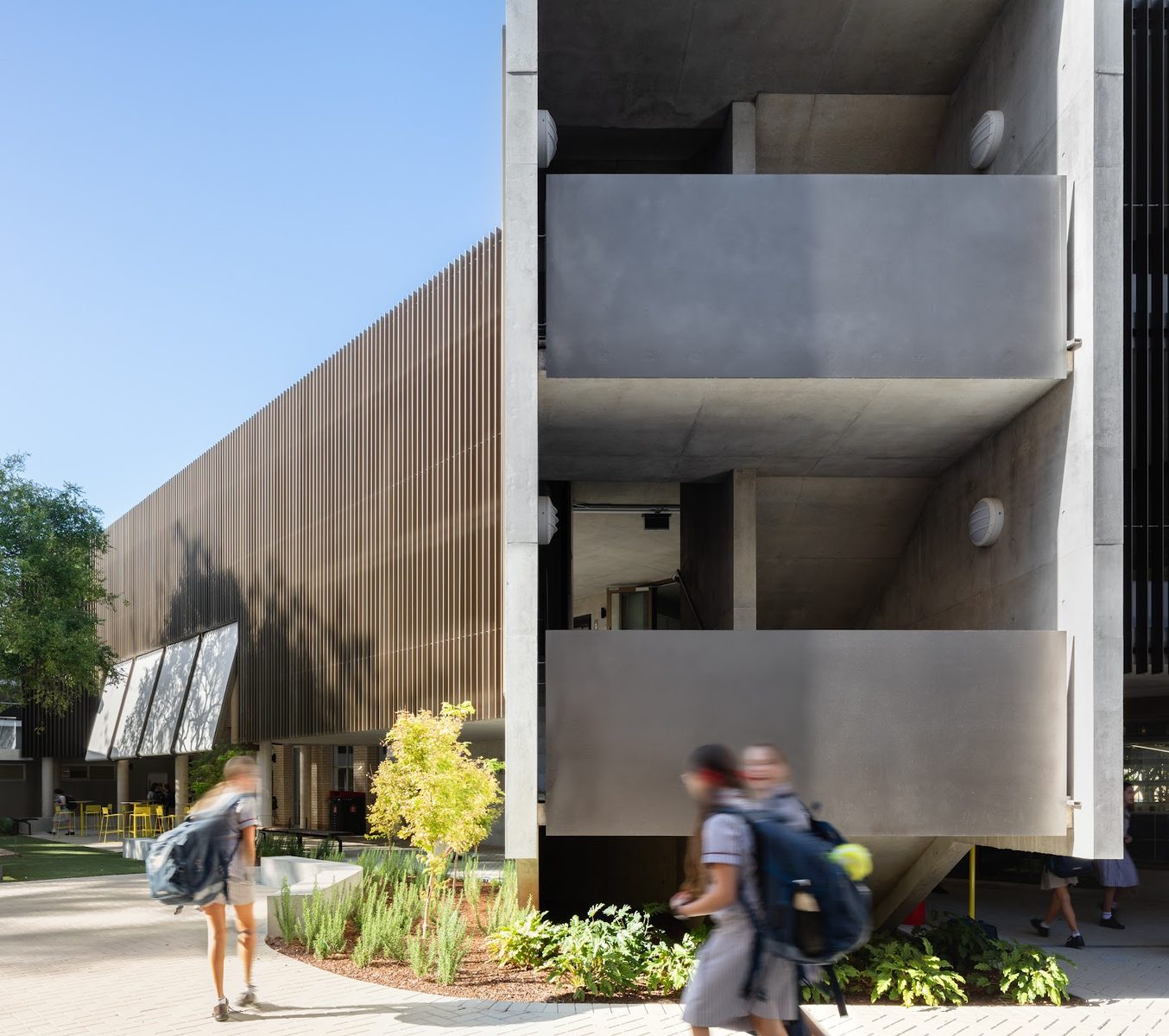
Ascham School
Sydney · Australia
Sydney's storied girls' boarding school, pairing the Dalton Plan with a rigorous HSC pathway.
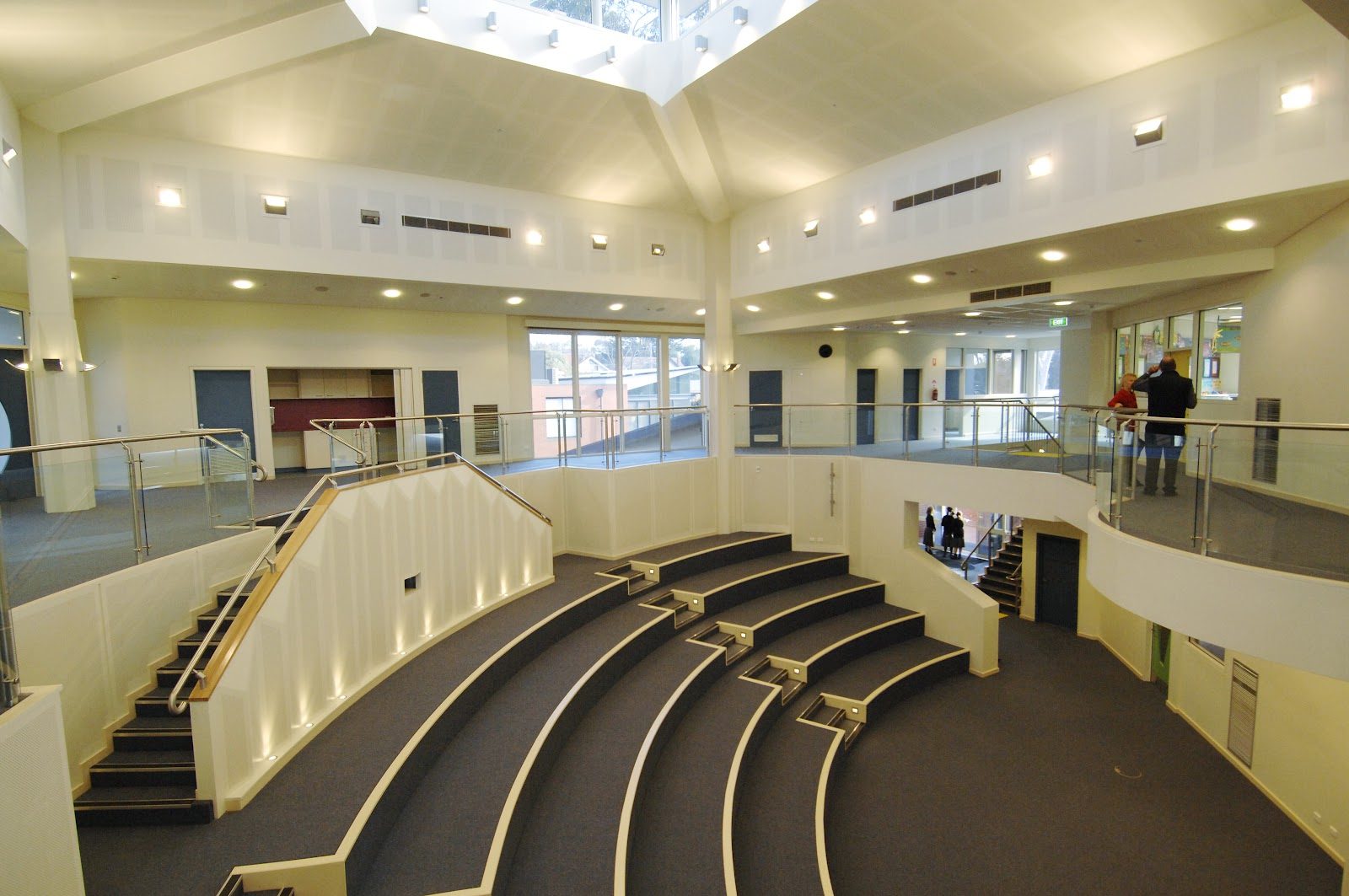
Ivanhoe Grammar School
Melbourne · Australia
A Year 9 campus embedded at La Trobe University anchors a Round Square network across Melbourne's north, offering both VCE and IB pathways.
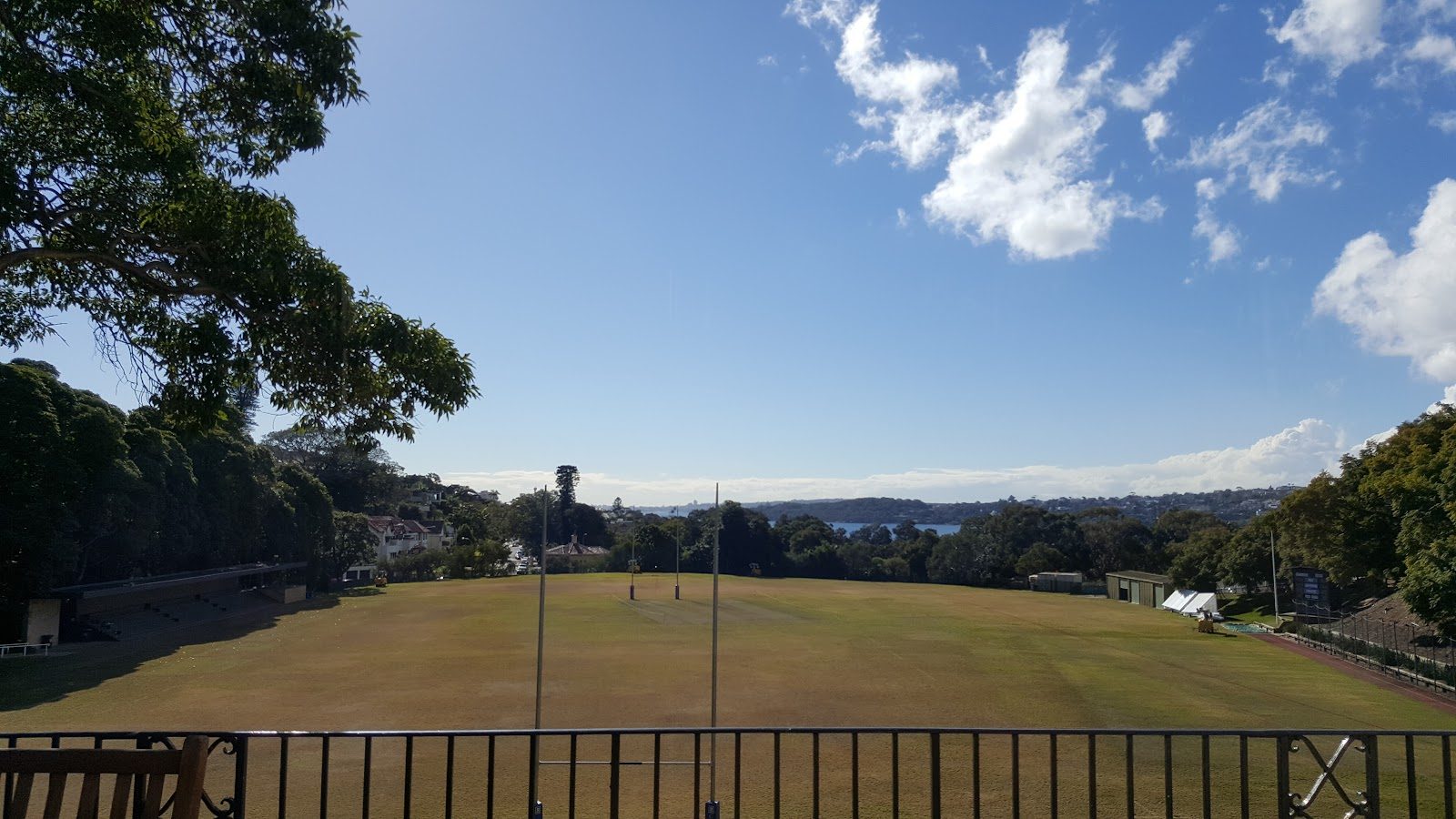
Cranbrook School
Sydney · Australia
Sydney's first IB Continuum School, pairing Bellevue Hill harbour views with a Blue Mountains bush campus for experiential learning.
Wesley College
Melbourne · Australia
Runs the full IB continuum alongside VCE across three Melbourne campuses, reaching all the way to a studio school in the Kimberley outback.
Same country and curriculum — closest matches within ±10 points either way