
New South Wales
Pymble Ladies' College
medium confidence· 4/6 cats · 3.23 avg sourcesOn Sydney's Upper North Shore, a non-selective campus of five schools lets girls choose between the IB and HSC pathways.
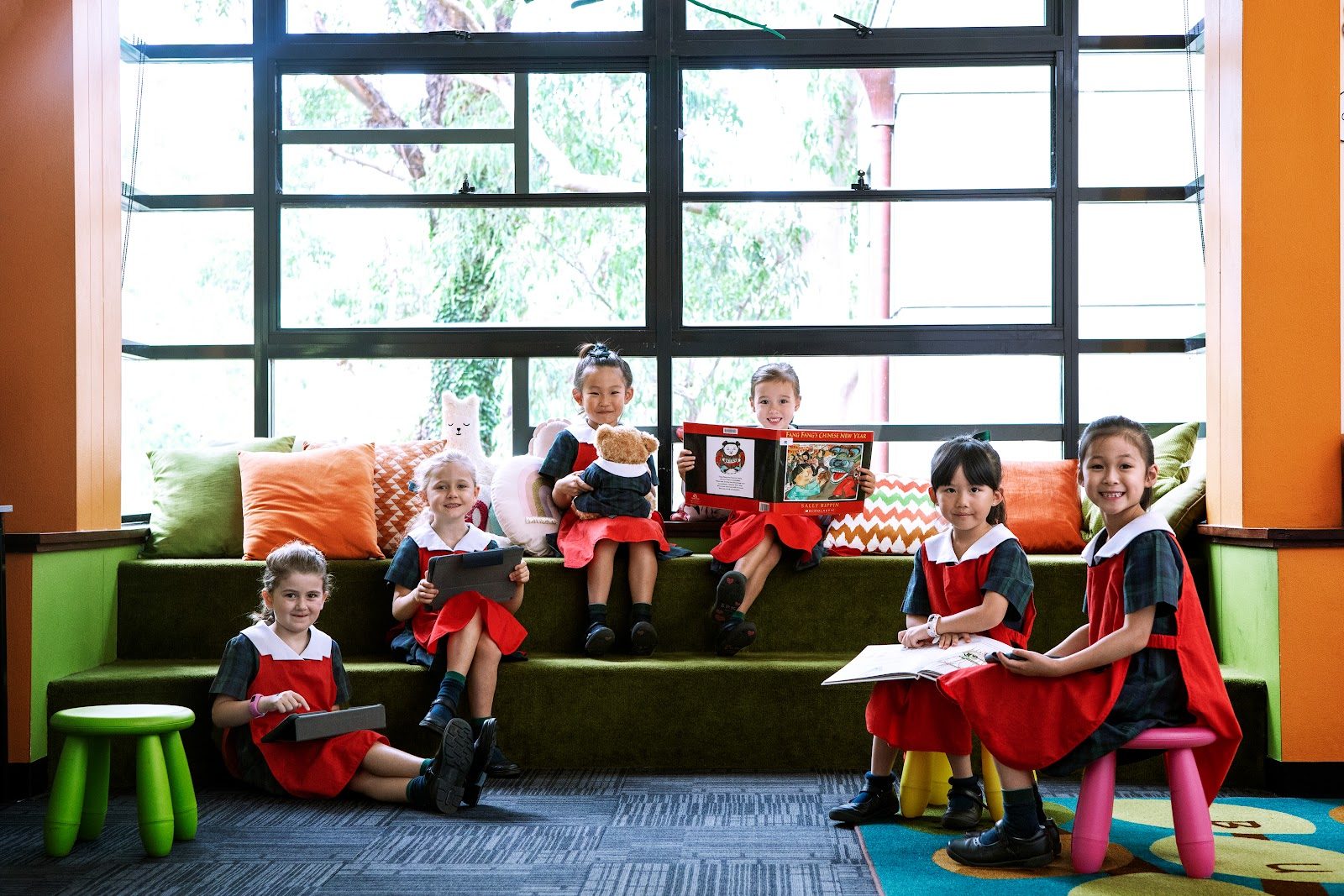
Photo © Pymble Ladies' College via Google Maps
Type
Both
Ages
3–18
Curriculum
IB · VCE · Australian
Qualifications
HSC
Ratio
—
The Verdict
Editor's commitment
Right for
Girls who want a non-selective Sydney school with IB or HSC routes, strong Y9 scores of 626 Reading and 622 Numeracy, and boarding from Year 7.
Wrong for
Families seeking co-ed schooling, a cheaper option than the AUD 45,357 average day fee, or a school without Anglican identity.
Watch out for
The campus is huge at 50 acres and the ambition is expansive; check whether your daughter wants that scale, plus AUD 81,679 boarding.
Ranking breakdown
Pymble Ladies' College · #683 of 1591
Composite score 66.1. 8 weighted criteria.
By criterion
Academic Outcomes
Weight 20%
#260
of 1530 scored
University Placement
Weight 16%
#263
of 1529 scored
Prestige & Heritage
Weight 12%
#135
of 1571 scored
Alumni Network
Weight 12%
#1469
of 1530 scored
Facilities
Weight 12%
#36
of 1534 scored
Transparency & Communications
Weight 8%
#153
of 1532 scored
Peer & Industry Review
Weight 10%
#234
of 1548 scored
Admissions Selectivity & Demand
Weight 8%
#991
of 1529 scored
Score history
Pymble Ladies' College · 2026
Movement across 2024–2026. Peer average overlaid.
Overall — 2024–2026
66.1/ 100
▲ +15.1 vs 2025
year on year
Peer & Industry Review
How Pymble Ladies' College is regarded in the sector
82
Strong · medium confidence
Pymble Ladies' College is consistently ranked among Australia's leading independent girls' schools in HSC academic performance league tables (e.g. Sydney Morning Herald/Better Education rankings) and is regularly featured in Australian education press as a top-tier Sydney private school with strong facilities, IB and HSC results. It has a well-documented, extensive alumni network and is frequently benchmarked against peer institutions like Ravenswood, Abbotsleigh, and MLC, though it receives less international press coverage (e.g. Tatler, Good Schools Guide) than UK-focused schools, limiting evidence of global reputation.
Evidence sources
- Virginia Bell — Justice, High Court of Australia
- Kerryn Phelps — Politician/Physician
- Yvonne Kenny — Opera Singer
Editors' overview
The scale is the first thing that matters here. Pymble sits on 50 acres on Sydney’s Upper North Shore and runs as a non-selective Anglican girls’ school from age 3 to 18, with boarding from Year 7. That gives it a reach that smaller girls’ schools cannot match: room, breadth and genuine choice. The academic proposition is the sharpest point. Students can take either the IB or the HSC route, and that dual-track senior offer puts Pymble in a more flexible bracket than schools that lock families into a single exit qualification. Its MySchool profile is strong too: an ICSEA of 1195, Year 9 Reading at 626 and Year 9 Numeracy at 622. Those are the numbers of a high-performing, socially advantaged school with a cohort that is already operating well above national norms.
What is special about Pymble is not novelty but range delivered at scale. The school talks about five schools on one campus, extensive co-curricular provision and a strategy built around academic, social, emotional and digital development. Strip away the sloganising and the practical point holds: this is a big, resource-heavy institution with enough infrastructure to serve very different kinds of girls under one roof. The IBO accreditation matters because it confirms that the IB offer is not an aspirational label but an authorised pathway. Boarding broadens the market again. An average annual day fee of A$45,357 places Pymble firmly in the premium day-school tier; the average annual boarding fee of A$81,679 puts it among expensive Australian boarding options. Parents are paying for depth of provision, not intimacy.
The trade-off is clear. A campus of this size will suit girls who want options, momentum and a busy school life; it will not suit every child who thrives on small-scale containment or low-stimulus surroundings. The non-selective intake does not mean low-octane expectations. Under a principal who foregrounds evidence-based, data-driven personalised education and academic excellence, the school’s centre of gravity is still ambition. Pymble belongs on a shortlist for families who want a serious all-rounder: a girls’ school with strong academic indicators, visible resources, boarding, and the uncommon advantage of IB and HSC choice. The best fit is a girl who will use the campus hard — academically engaged, co-curricularly hungry, and confident enough to make a large institution work for her rather than get lost in it.
Academic Performance
Pymble’s published profile points to a school that performs at the top end of the non-selective market, but the public picture is incomplete. The hard comparative data in open view sit with MySchool rather than a full exam-results release, and those indicators are strong: an ICSEA of 1195 alongside Year 9 Reading of 626 and Numeracy of 622 places the cohort well above national averages. That does not, on its own, settle the question of senior outcomes against the most academically dominant girls’ schools in Sydney. For that, parents need clear IB and HSC aggregate results, university destination patterns and subject-level strength across the senior years. Pymble does not publish that full set in the sources we have seen, which leaves a real gap in scrutiny.
Even with that caveat, the direction of travel is clear. A school with this level of intake advantage, explicit emphasis on academic excellence, and the staffing and infrastructure of a large, high-functioning operation should deliver strong external results. Relative to peers, Pymble fits the bracket of serious, high-performing independent girls’ schools rather than the softer all-rounders whose academics sit behind sport or lifestyle. The unresolved point is rank. Without consolidated IB and HSC outcome data in the public domain, it is hard to place Pymble precisely among the city’s most results-driven competitors. Strong credentials are evident; complete academic transparency is not.
Facilities
The campus matters because it changes what the school can offer day to day. 50 acres on the Upper North Shore gives Pymble a physical advantage over tighter, land-constrained girls’ schools closer to the city. The school itself points to world-class facilities, and while that phrase is standard prospectus inflation, the underlying fact is harder to dismiss: a site of this scale supports breadth in sport, outdoor space and specialist teaching areas in a way that denser urban campuses cannot. The more useful detail is structural. Pymble runs as five schools on one site and organises provision across academic, social, emotional and digital development. That points to a campus built for age-specific delivery rather than a single block serving everyone. For families weighing boarding, the presence of boarders from Year 7 also pushes facilities beyond a simple day-school model.
Against peers, this is a serious facilities school, not a charming but cramped operator. Large independent girls’ schools in Australia compete hard on physical plant, and Pymble belongs in that bracket. Parents can expect strong provision for co-curricular life, performing arts, sport, outdoor education and technology-rich learning. The limitation is that the school’s public-facing detail is less granular than it should be. There is plenty of assertion and not enough hard specification about exactly which specialist spaces, performance venues or elite sports assets distinguish the campus from rivals. The broad verdict still stands: for range, room and operational scale, Pymble sits in the upper tier of its market.
Pymble’s published profile points to a school that performs at the top end of the non-selective market, but the public picture is incomplete
Prestige
Pymble carries real social and educational weight in the Sydney independent market. The drivers are clear: longevity, a large and visibly well-resourced campus, an Anglican identity, boarding, and a fee level that places it in the premium end of the sector. Prestige here does not rest on selectivity theatre. It rests on institutional scale, parent recognition and the confidence that the school can offer multiple pathways, deep co-curricular provision and a polished mainstream experience without looking stretched. The school’s documented alumni footprint adds to that status: at least 11 notable former pupils are catalogued on Wikidata, including figures in writing and journalism. That is not an exhaustive roll call, but it is enough to confirm that Pymble has produced women with public profiles beyond the school gate.
I rate its prestige as high but not untouchable. In Sydney terms, this is a school with name recognition and social cachet, not a niche operator fighting for attention. The limiting factor is academic opacity at the top end. The school has strong comparative indicators, but it does not publish the kind of full, consolidated senior-outcomes data that would cement a commanding academic aura against the city’s most relentlessly results-led girls’ schools. So the prestige is broad, durable and expensive rather than mystique-heavy. Parents buy into an established institution with reach and standing; they do not get the clean public proof that turns reputation into dominance.
Pymble sits on 50 acres on Sydney’s Upper North Shore and runs as a non-selective Anglican girls’ school from age 3 to 18, with boarding from Year 7
Communications
Pymble communicates like a large, highly organised institution that expects an ongoing relationship with families, not a once-a-term update. The public-facing channels are busy and segmented: admissions prompts sit alongside streams for alumni, boarders, junior and secondary years, sport, performing arts, robotics, outdoor education, podcasts and publications. That breadth matters. It tells parents the school has built communications around the different parts of school life rather than pushing everything through one undifferentiated news feed. The strategic language is polished to the point of slogan-heavy, and phrases such as “change the world” do little practical work, but the underlying structure is disciplined and active. A school operating on 50 acres and across five schools needs that level of coordination.
Effectiveness is strongest at the macro level and weaker in hard-detail disclosure. Families can identify the school’s priorities, leadership voice and areas of activity without difficulty; there is no sense of a silent or inaccessible institution. The invitation to connect, enquire and apply is constant, and the principal has a clear public presence. That supports trust. Where the school is less convincing is in the substance behind the polish. Communications sell vision well, but they do not give enough concrete operational detail in the way demanding parents value most: fuller academic outcomes, sharper breakdowns of facilities, and more exact explanation of what distinguishes one programme from another. So the verdict is effective but managed: strong on tone, cadence and breadth, less strong on forensic transparency.
Uniqueness
Pymble’s distinctiveness lies in structure, not branding. A lot of large independent schools promise breadth; this one is built to deliver it through a campus model that operates as five schools in one. That matters because it gives girls age-specific pastoral and academic organisation without sacrificing the reach of a big institutional machine. The result is a school that can feel segmented rather than monolithic: younger pupils are not swallowed by the senior end, and older students still draw on the depth of a resource-rich all-through college. Add boarding from the secondary years and the school’s catchment widens again. It serves local day families and girls who need a weekly or full residential base, which changes the social mix and makes the community broader than a standard neighbourhood day school.
The sharper point of difference is choice without academic downgrade. Pymble offers more than one senior pathway, which gives students real room to align course structure with strengths, temperament and university plans. In practice, that reduces the pressure of forcing every ambitious girl through the same mould. Combined with a non-selective intake, the school occupies a rare middle ground: it is neither an exam-factory admissions gatekeeper nor a gentle all-rounder content with low stakes. For students, that brings serious optionality inside a school with enough scale to back it up. The upside is agency and range. The downside is that girls who need constant hand-holding or a small, protective atmosphere can find a place like this too large and too fast-moving.
That gives it a reach that smaller girls’ schools cannot match: room, breadth and genuine choice
Student Profile
The best fit is a girl who wants a full diary and has the appetite to use it. This is not a quiet, low-demand enclave for children who want to keep their heads down and drift through the week. It suits students who are self-starting, energetic and comfortable navigating a large institution with multiple moving parts. Girls who like choosing from a wide menu of activities, can manage transitions between different parts of school life, and are happy in a community with visible ambition will do well. The all-girls setting also sharpens the fit for families who want leadership, voice and participation centred on girls rather than negotiated around boys.
Temperament matters as much as talent. A student does not need to arrive as an obvious high-flyer; the school is non-selective. She does need resilience, organisational grip and enough confidence to ask for what she needs. Boarders joining from Year 7 need that doubly, because scale and routine can feel fast-moving from the start. Girls who thrive here will treat the campus as something to use, not just attend. Those who struggle are the ones who need constant prompting, a small-scale social world or a gentler, more sheltered atmosphere. Pymble works for girls who are ready to stretch into a big system and make it their own, not for those who want the school to shrink itself around them.
Its MySchool profile is strong too: an ICSEA of 1195, Year 9 Reading at 626 and Year 9 Numeracy at 622
Co-curricular strengths
Arts & sport, on a separate axis
Overall 9.36/10
Scored 0-10 from the school's own published evidence. This axis is editorial-only — it does not feed the main WTS ranking.
Sports
9.5/10
Absolute athletic powerhouse in the IGSA league, utilizing state-of-the-art indoor pavilions, Olympic pools, and pristine turf layouts across a 50-hectare estate.
Drama
9/10
High-quality seasonal theater tracker staging complex, technically demanding productions inside the Gillian Moore Centre for Performing Arts.
Dance
9.6/10
Exceptionally high standard; the specialized dance academy provides pre-professional tracks in contemporary ballet, jazz, and tap.
Music
9.5/10
Outstanding musical depth; features the renowned Pymble Choir alongside active jazz ensembles and symphonic bands.
Visual Arts
9.2/10
Exceptional art school infrastructure running top-tier advanced studios for architecture, fine oil painting, and high-end digital photography.
Editor-verified · 8/6/2026
Notable alumni · Wikidata
11notable alumni
2 historic (born pre-1930) · 4 modern (born post-1970)wikidata:2026-07-28 How we source this
MySchool · ACARA
Australian benchmarks
Editorial estimateReporting year
2023
ICSEA index
1195
+195 vs national average (1000)
Student cohort by national ICSEA quarter
Year 9 NAPLAN — mean scale score
Dashed line = national average
Attendance
94.3%
Enrolments
2200
Sector
Independent
Year range
K–12
Sydney north shore girls' day + boarding; one of Australia's largest single-sex schools.
MySchool.edu.au source pageEditor-approximated from MySchool.edu.au. Awaiting school-attested figures.
Strengths
- +Non-selective entry across a broad K-12 age range gives day and boarding families flexibility to enter at Kindergarten, Year 3, Year 5 or Year 7 without an academically competitive entrance test screening out siblings or late arrivals.
- +Strong HSC outcomes, with the College reporting 83% of Band 5/6 results across 2-unit courses against a 49% state average and a median ATAR of 91.45, ranking it 18th in the SMH Top 100 NSW schools list.
- +Boarding is available from Year 7 with dedicated Year 7 and Year 12 houses plus vertical boarding for Years 8-11, offering a structured pastoral model for relocating or rural/international families.
- +A large, well-resourced 20-hectare Upper North Shore campus includes a dedicated Junior, Middle, Upper and Senior School structure, performing arts centre, chapel and a 2016 sports precinct.
- +The school is CRICOS-registered to enrol overseas students on subclass 500 visas, giving expatriate and international families a clear regulatory pathway into the College.
Considerations
- −It is a girls-only school, so it is not an option for families wanting co-education or for sons in the same household.
- −As a full-fee independent school, overseas students receive no government subsidy and must pay full fees, a significant and rising annual cost with additional building fund donations requested.
- −Location on Sydney's Upper North Shore in the suburb of Pymble sits some distance from the CBD and eastern/inner-city expat hubs, a commute factor for families settling elsewhere in Sydney.
- −Being non-selective, the academic cohort is broader than at academically selective rivals, which may suit some families but is a genuine trade-off for those chasing the highest possible entry benchmark.
Availability
Primary entry gate & tests
Academic Record + Interview (Girls)
Gallery
Photo © Ryan Zhang via Google Maps
Photo © Ryan Zhang via Google Maps
Photo © Ryan Zhang via Google Maps
Photo © Ryan Zhang via Google Maps
Photo © Sagara Lakmal De Mel via Google Maps
Photo © Pymble Ladies' College via Google Maps
Photo © Pymble Ladies' College via Google Maps
Photo © Sebin Joseph via Google Maps
Photo © Wise Rise via Google Maps
Parent reviews
Have you sent your child here?
Voice reviews carry the strongest trust badge — we transcribe them for you to tidy up before they go live. Prefer to type? A written review is fine too.
Add your voice
In 60 seconds, tell other parents: what's the best thing about Pymble Ladies' College, and what surprised you when your child joined?
We ask for a Google sign-in so every review has a real face behind it — no anonymous drive-by attacks on schools, and no faked positive reviews. Your email is never shown publicly.
Send this profile to a friend
International parents rely on word-of-mouth. Share this review with someone weighing the same decision.
Schools with places
Similar schools to Pymble Ladies' College with places available now.
Ascham School
Sydney · Australia
- 2026-27
- WAITPOOLVacancy-dependent
- 2027-28
- PLACES OPEN
The King's School (Parramatta)
Parramatta · Australia
- 2026-27
- WAITPOOLVacancy-dependent
- 2027-28
- PLACES OPEN
Sydney Grammar School
Sydney · Australia
- 2026-27
- WAITPOOLYr 7 closed; Yrs 8-11 enquire
- 2027-28
- WAITPOOLYr 7 closed; Yrs 8-11 enquire
Availability first, then country, area, curriculum, price, co-curricular
Consider also
Also worth looking at alongside Pymble Ladies' College.
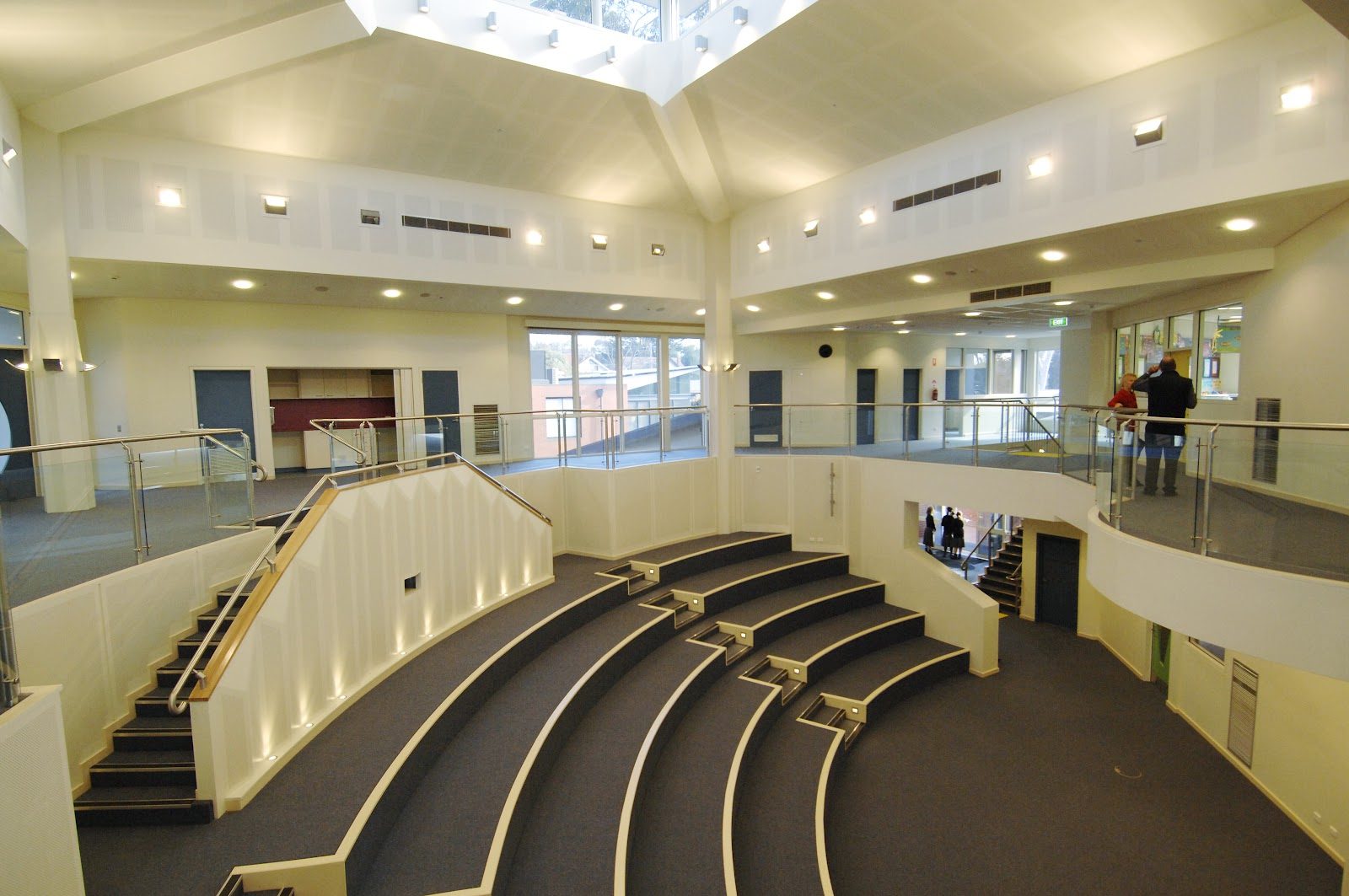
Ivanhoe Grammar School
Melbourne · Australia
A Year 9 campus embedded at La Trobe University anchors a Round Square network across Melbourne's north, offering both VCE and IB pathways.
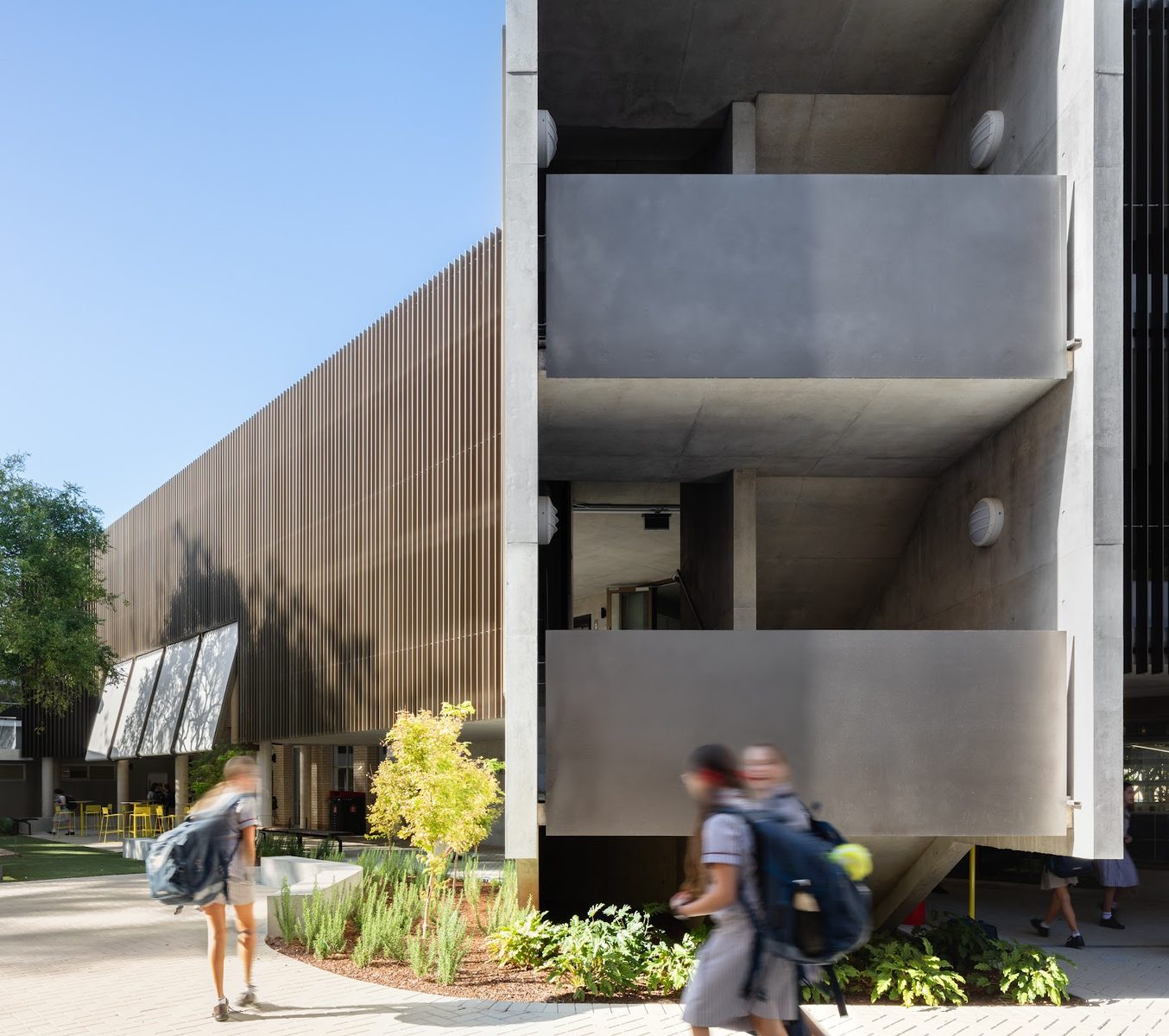
Ascham School
Sydney · Australia
Sydney's storied girls' boarding school, pairing the Dalton Plan with a rigorous HSC pathway.
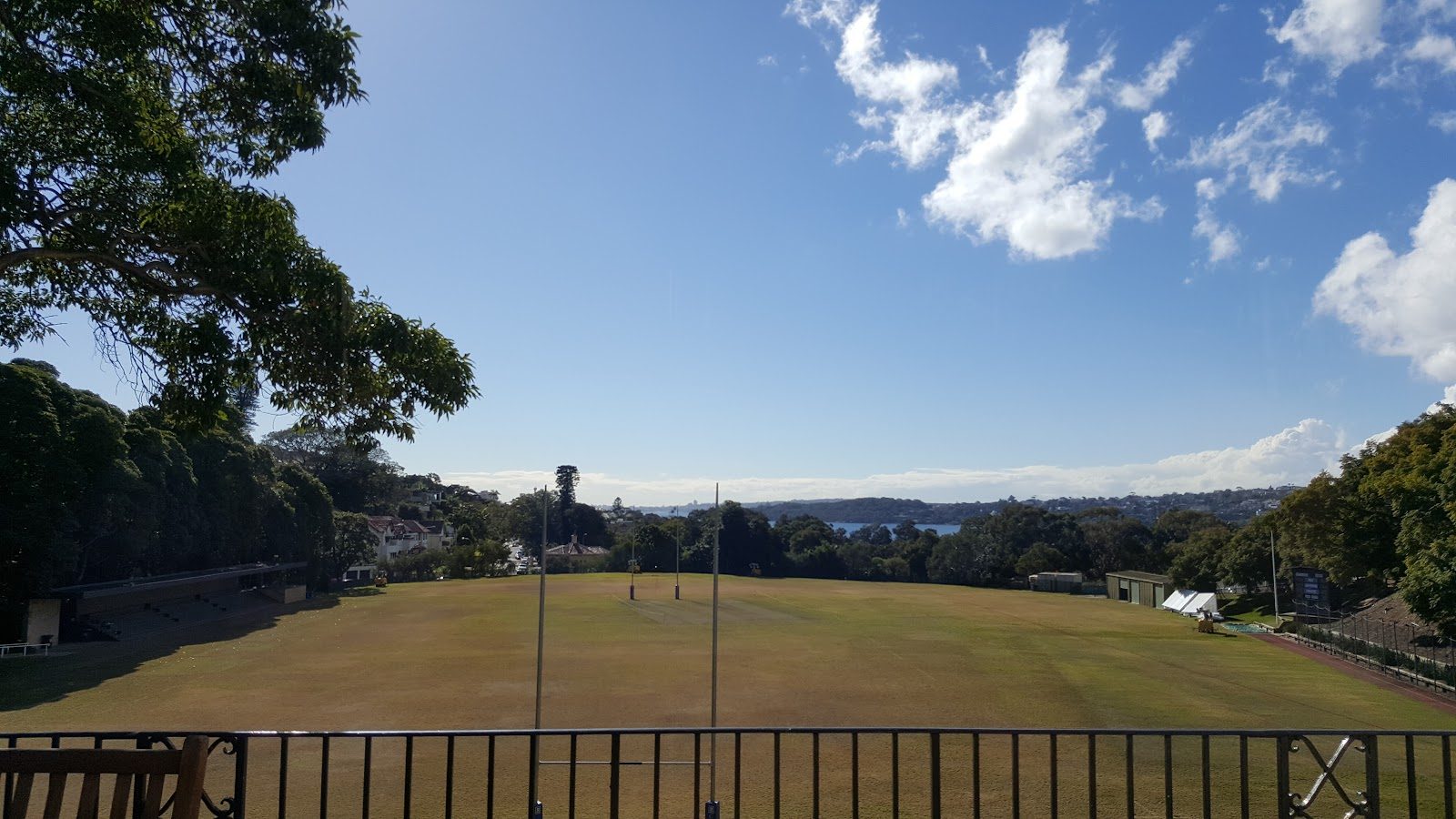
Cranbrook School
Sydney · Australia
Sydney's first IB Continuum School, pairing Bellevue Hill harbour views with a Blue Mountains bush campus for experiential learning.
Wesley College
Melbourne · Australia
Runs the full IB continuum alongside VCE across three Melbourne campuses, reaching all the way to a studio school in the Kimberley outback.
Same country and curriculum — closest matches within ±10 points either way