
Lazio
St George's British International School (Rome)
low confidence· 3/6 cats · 2.67 avg sourcesItaly's oldest British international school, splitting classrooms between the Vatican and Rome's northern hills, posts IB scores among the continent's highest.
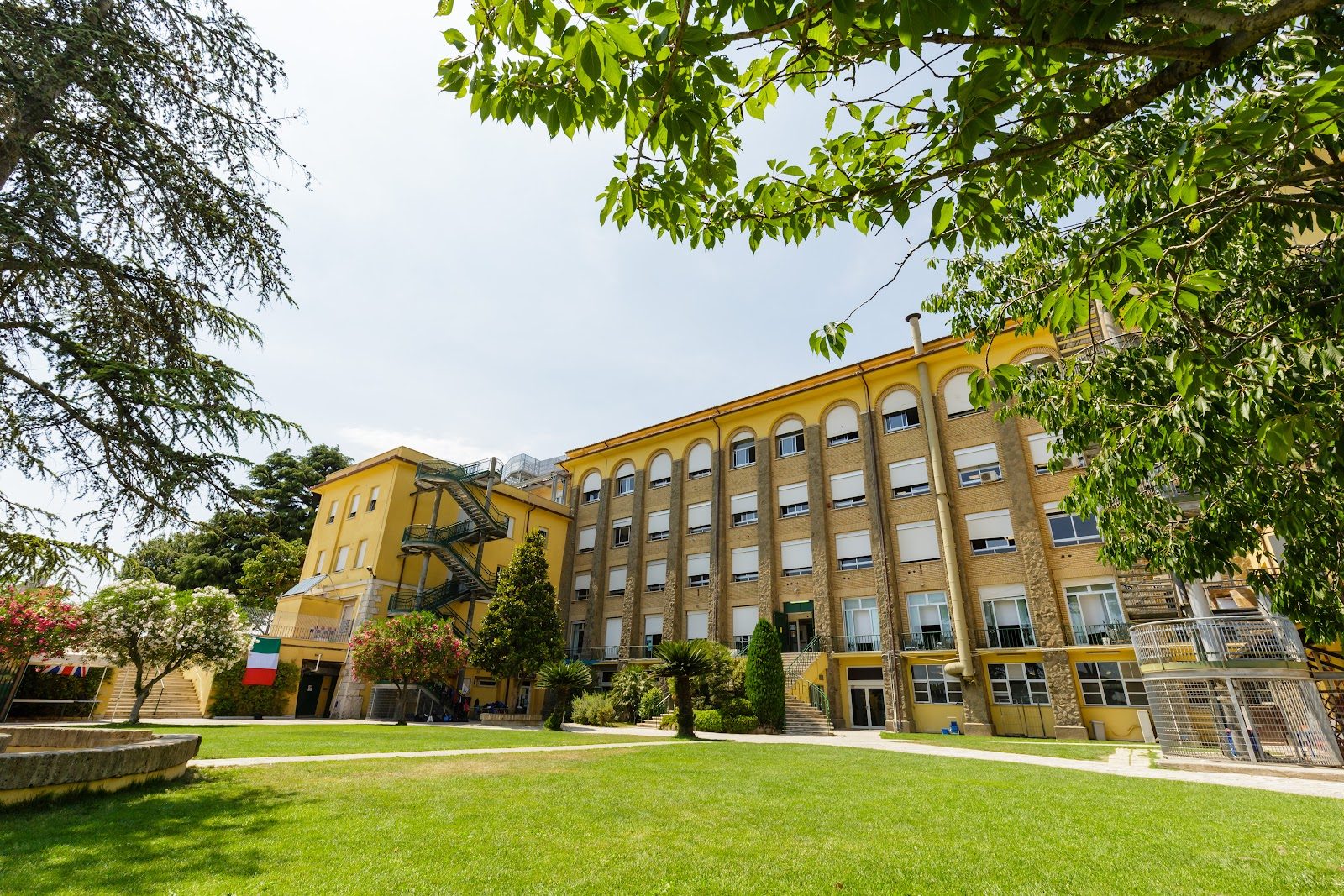
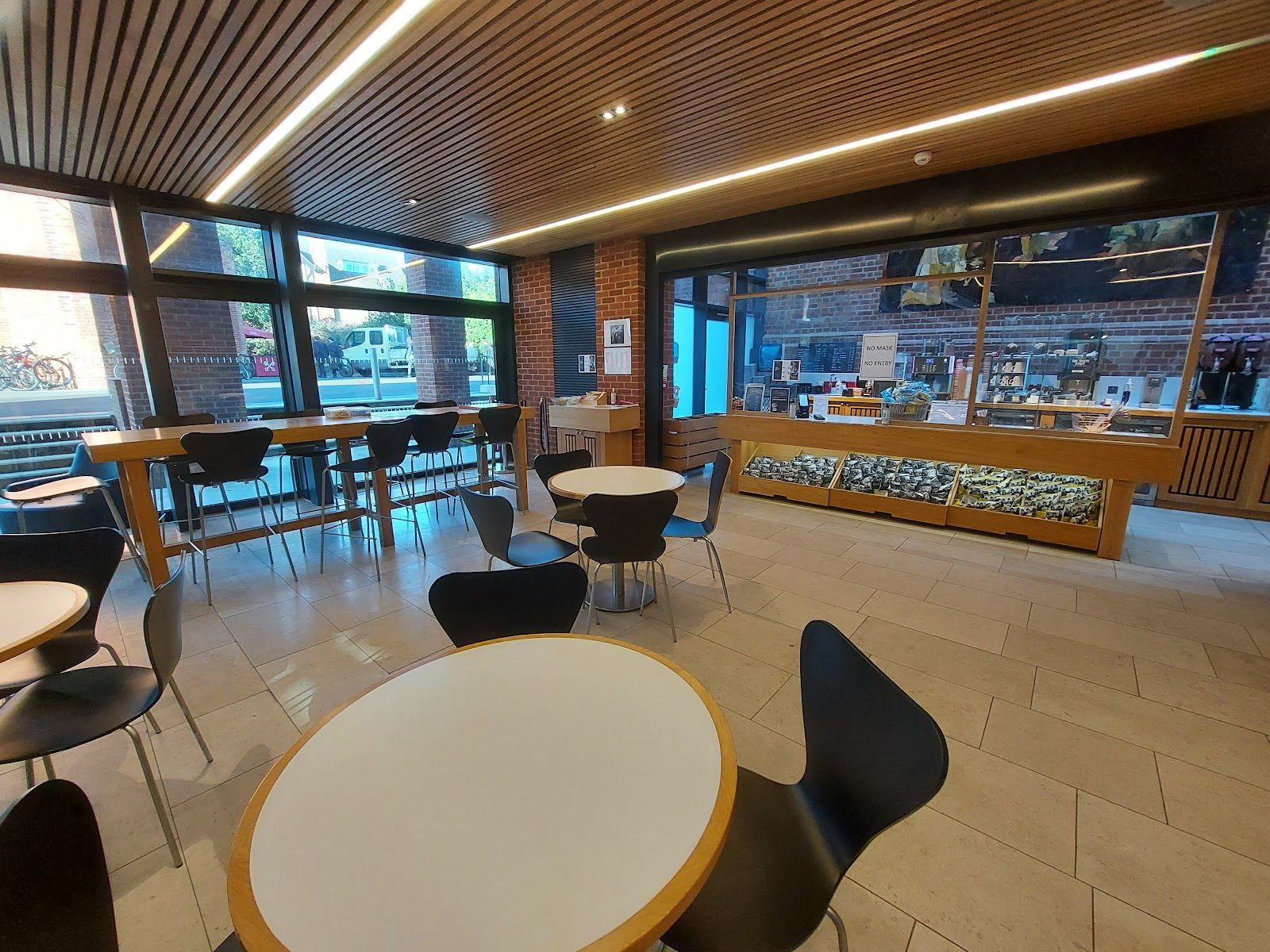
Photo © Brett Kershaw via Google Maps
Type
Day
Ages
3–18
Curriculum
IB · British
Ratio
—
The Verdict
Editor's commitment
Right for
Families wanting Rome’s oldest British international school, founded in 1958, with British curriculum to IGCSE and an IB sixth form.
Wrong for
Parents who want one campus, a lower-fee market segment, or schooling outside English and Italian; this is a 3–18 day school on two sites.
Watch out for
The average annual day fee is €20,450, and 1,000-plus pupils across two Rome campuses can dilute the intimacy some families expect.
Ranking breakdown
St George's British International School (Rome) · #420 of 1591
Composite score 70.2. 8 weighted criteria.
By criterion
Academic Outcomes
Weight 20%
#668
of 1529 scored
University Placement
Weight 16%
#516
of 1529 scored
Prestige & Heritage
Weight 12%
#446
of 1571 scored
Alumni Network
Weight 12%
#432
of 1530 scored
Facilities
Weight 12%
#125
of 1533 scored
Transparency & Communications
Weight 8%
#84
of 1532 scored
Peer & Industry Review
Weight 10%
#424
of 1548 scored
Admissions Selectivity & Demand
Weight 8%
#1419
of 1529 scored
Score history
St George's British International School (Rome) · 2026
Movement across 2024–2026. Peer average overlaid.
Overall — 2024–2026
70.2/ 100
▲ +24.8 vs 2025
year on year
Peer & Industry Review
How St George's British International School (Rome) is regarded in the sector
65
Respected · low confidence
St George's British International School Rome is one of the oldest and most established British international schools in Italy, frequently mentioned in expat parent forums (e.g., Expat Exchange, British International Schools directories) as a leading choice for British curriculum education in Rome, and is listed in COBIS (Council of British International Schools) membership directories, indicating peer-recognized accreditation standing. However, it does not appear prominently in Tatler, Good Schools Guide International, or Sunday Times school rankings, and independent press coverage beyond directory listings and forum mentions is limited.
Evidence sources
Editors' overview
Rome has few schools with genuine historical weight in the international market, and St George’s has it. Founded in 1958, it is the city’s oldest British international school, and it now operates across two campuses, one in the city centre and one in the northern outskirts. That split matters. It gives the school a footprint that is more woven into Rome than the usual suburban international-school compound, while still serving families who want a full 3–18 route. The academic structure is also wider than the standard “British school” label implies: an enhanced UK National Curriculum to IGCSE, followed by both IB and A Level, with English and Italian in daily use. For internationally mobile families, that combination is commercially astute and academically flexible.
The school’s scale is another selling point. With 1,000+ students and 100+ nationalities represented, St George’s offers the cosmopolitan peer group many parents claim to want and few schools in Italy match. This is not a boutique school trading on intimacy; it is a large, established international operation with the breadth that brings. The published 36 average IB score places outcomes in strong territory by European standards, and the school is IBO-accredited. It also advertises a UAL Foundation Diploma in Art & Design, which adds a serious creative route beyond the standard university-prep script. Fees sit in the premium bracket at an average of €20,450 a year for a day place across the full age range, but not at the stratospheric end of the European international market.
What is special here is the mix: old-school British scaffolding, a genuinely international student body, and post-16 choice between IB and A Level in a city where that breadth is rare. Parents should still read the school clearly. This is not the place for families seeking a small, hand-held environment or a soft academic culture. A school of this size, with this many nationalities and multiple campuses, rewards students who are adaptable, socially confident and comfortable in a high-expectation setting. It will suit ambitious children who want academic stretch, expatriate families who need portability, and arts-minded sixth formers who value an extra specialist pathway. It is less suited to students who need a tightly contained school community or intensive individual shepherding.
Academic Performance
St George’s has enough published exam data to place it with confidence. The headline figure is its IB average of 36, which sits well above the global norm and puts the school in serious academic company by European international-school standards. That score does not place it in the tiny group of Swiss or London schools that trade on ultra-elite, near-40 averages, but it does put St George’s firmly in the upper tier of broad-market international schools. The school also pushes its results hard in public communications, with repeated references to strong IGCSE and exceptional IB outcomes. That tells parents two things: exam performance matters here, and the school knows those results are a core part of its case.
What remains opaque is the deeper texture of attainment. The school does not publish a full public results breakdown covering cohort size, top IB scores, subject-level strength, grade distributions at IGCSE, or A Level outcomes. That gap matters. A single average gives a useful headline, but not the full picture of how consistently the school delivers across the ability range. Even so, the available data points to a demanding, results-conscious culture with outcomes that are comfortably ahead of many local and regional competitors. For families comparing Rome options, St George’s belongs on the shortlist for academic strength; for families chasing brutally selective super-school metrics, the evidence stops short of that claim.
Facilities
The school’s physical shape is its defining facilities story: two campuses serving different age groups, with one embedded in the city and the other giving younger pupils more room than central Rome usually permits. That matters in a market where many international schools operate from constrained urban sites or anonymous office-park conversions. St George’s has the advantage of a more rooted Roman footprint and a clearer sense of place. The public emphasis on its junior building at La Storta points to sustained investment in the younger years, while the virtual-tour material and repeated use of campus-specific branding indicate facilities that the school knows sell. The arts also merit attention. A school does not launch and secure delivery rights for a UAL Foundation Diploma in Art & Design without specialist space, equipment and staff behind it. For creative students, that is a serious practical asset, not brochure filler.
Against peers, the picture is strong rather than extravagant. This is not one of Europe’s architectural showpiece campuses built to advertise scale through theatres, Olympic pools and grand sports complexes. Parents looking for that kind of arms-race infrastructure will find flashier sites elsewhere. St George’s offers something more useful for many families: established, functional, academically aligned facilities in a city where space is hard won. The split-campus model also brings friction. Logistics, transitions between sections, and a less unified all-through feel are the trade-off. Even so, by Rome standards, the estate looks substantial, purpose-built where it counts, and ahead of many local competitors.
The school also pushes its results hard in public communications, with repeated references to strong IGCSE and exceptional IB outcomes
Prestige
St George’s carries real prestige in the Rome market because it combines three things that rarely sit together: long-established name recognition, a large international parent body, and academic outcomes strong enough to justify the reputation. In Italy, many international schools are either niche, localised operations or newer entrants still building standing. St George’s sits above that level. A community of 100+ nationalities gives it social weight with diplomatic, corporate and internationally mobile families, and the school’s inclusion in external lists such as the SPEAR’S Schools Index Top 100 and the Carfax Europe ranking adds further cachet. Prestige here is not whispered old-money mystique; it is visible market stature, built on scale, longevity and results.
That said, this is not the kind of prestige that places a school in the same bracket as the ultra-selective Swiss or English names that dominate the very top end of European fee-paying education. Its status is strongest in its own city and solid across the European international circuit, rather than rarefied on a global stage. The school benefits from strong brand recognition and a public record of exam success, including an IB average of 36, but it does not publish the depth of data that would support claims to top-table academic dominance. The verdict is clear: St George’s offers serious, credible prestige with local authority and international respect, not mythic elite status.
The other distinctive feature is the school’s place in Rome itself
Communications
St George’s communicates with confidence and at volume. The website is busy, current and unmistakably parent-facing: news flow is frequent, major achievements are pushed hard, and practical navigation is stronger than at many continental peers. The school gives families clear visual cues about structure, with distinct references to different sections and campuses rather than forcing everything into one vague corporate shell. A virtual tour adds useful texture for prospective parents who cannot visit quickly. The tone, though, is heavily promotional. Headlines celebrate success, external badges and press mentions with a constant drumbeat of institutional self-assertion. That keeps energy high, but it also means parents hunting for plain operational detail must sift through marketing noise.
As a communication culture, this points to a school that values visibility, brand control and public recognition. For many international families, that works: a large, complex school needs a disciplined communications machine, and St George’s has one. Parents are not left wondering whether anything is happening. The trade-off is transparency. We have not seen the kind of hard-edged public detail that would strengthen trust further: fuller exam breakdowns, sharper explanations of day-to-day academic expectations, or a more stripped-back presentation of essentials. In other words, the school communicates energetically and professionally, but not with much understatement. Effective? Yes. Intimate, spare or quietly informative? No.
Uniqueness
What sets St George’s apart is not a single flagship claim but an unusual combination that very few schools in Italy can match: deep roots in the international market, a genuinely mixed student body of 100+ nationalities, and more than one serious route at the top end of the school. Plenty of schools offer British branding; fewer give families real choice when students reach the exam years. That matters. It gives sixth formers a better chance of finding a pathway that fits their academic style rather than being forced through a single system for the school’s convenience. The addition of a specialist art and design foundation route sharpens that distinction further. For students with strong creative ambitions, this is more than a side offering; it is a concrete sign that the school invests beyond the standard medicine-law-economics track.
The other distinctive feature is the school’s place in Rome itself. Many international schools sit outside the life of their city. St George’s is woven into it, while still operating at enough scale to avoid the small-school limitations that can narrow subject choice, friendship groups and co-curricular breadth. Students get a more adult, outward-facing experience: a peer group drawn from across the world, a school community that does not feel parochial, and a culture that expects them to handle movement, variety and complexity. For adaptable children, that is excellent preparation for university and international work. For children who need a tightly buffered environment, it is a weaker fit.
Rome has few schools with genuine historical weight in the international market, and St George’s has it
Student Profile
The student body is unusually cosmopolitan and large enough to give children real choice in friendships, identities and interests rather than trapping them in a single social mould. With 100+ nationalities in the mix, this is not a school for families who want a narrow local circle or a sheltered, village-style atmosphere. Pupils who thrive here tend to be socially agile, comfortable crossing cultures and able to find their place in a busy environment. New arrivals from other countries have a better chance than at smaller schools of meeting peers who understand mobility, transition and mixed backgrounds. Equally, children who draw confidence from being known by everyone, all the time, may find the scale impersonal.
The best fit is a student with solid self-direction, decent organisational habits and enough resilience to handle a school that runs at pace. This is a good match for ambitious pupils who want challenge without the brittle, hyper-selective edge of a narrow hothouse. It also suits creative students who want their interests taken seriously rather than treated as extracurricular decoration. Less well suited are children who need intensive hand-holding, a highly contained pastoral cocoon or a very soft social landing. St George’s rewards independence, adaptability and a willingness to join a community that is international first and intimate second.
For internationally mobile families, that combination is commercially astute and academically flexible
Co-curricular strengths
Arts & sport, on a separate axis
Overall 7.62/10
Scored 0-10 from the school's own published evidence. This axis is editorial-only — it does not feed the main WTS ranking.
Sports
7.8/10
Football, Basketball, Swimming and Tennis as extracurriculars, showing a solid multi-sport offering.
Drama
7.8/10
Drama club is explicitly named in the extracurricular list, but there is no further detail on productions, facilities or specialist staff.
Dance
6/10
Music
8/10
School choir is explicitly named in the extracurricular list, but there is.
Visual Arts
8.5/10
Art club is explicitly named in the extracurricular list, but there is no further evidence of studios, exhibitions, departments or specialist provision.
Editor first-pass · editor-reviewable · 7/27/2026
Strengths
- +Founded in 1958, St George's British International School Rome is the oldest British international school in Italy, and with close to 100 nationalities represented within the student body, the school is also one of the most international in the world.
- +The school follows an enhanced version of the UK National Curriculum up to IGCSE, after which students choose between two distinct Post-16 pathways: the International Baccalaureate Diploma Programme (IBDP), with 2025 results averaging 36 points, and A-Levels, launching in the 2025/26 academic year.
- +Graduates progress to many of the world's most prestigious universities, including Cambridge, Imperial, UCL, Caltech, and NYU.
- +The art department is the stuff of legend, tucked into the attic of the secondary building, feeling like stepping into Aladdin's cave, every inch of wall and floor space covered in striking artwork and sculpture.
- +The extensive infrastructure includes specialist laboratories and studios for science, art and design, as well as two multi-sport AstroTurf pitches, tennis and basketball courts, and an Olympic running track, and the school is Newcastle United Foundation's first Football School Partner.
Considerations
- −The main campus, containing Junior and Senior Schools, is located in La Storta on the northern outskirts of the city, meaning families based centrally face a commute for secondary schooling.
- −Children are not accepted without good English after the age of 11, which limits the option for late-arriving families whose children have little or no English.
- −A non-refundable registration fee of EUR 4,000 applies, plus an annual re-enrolment fee of EUR 350, bus costs of EUR 2,600 to EUR 4,150, and separate IGCSE and IB exam fees, on top of tuition that published sources place broadly between roughly EUR 11,000 and EUR 28,000 a year depending on year group.
- −A-Levels were only reintroduced in 2025, so this post-16 route lacks the multi-year results history that the IB Diploma has built up.
Availability
Primary entry gate & tests
Academic Record + Assessment
Gallery
Photo © Roberto Malacarne via Google Maps
Photo © Brett Kershaw via Google Maps
Photo © Brett Kershaw via Google Maps
Parent reviews
Have you sent your child here?
Voice reviews carry the strongest trust badge — we transcribe them for you to tidy up before they go live. Prefer to type? A written review is fine too.
Add your voice
In 60 seconds, tell other parents: what's the best thing about St George's British International School (Rome), and what surprised you when your child joined?
We ask for a Google sign-in so every review has a real face behind it — no anonymous drive-by attacks on schools, and no faked positive reviews. Your email is never shown publicly.
Send this profile to a friend
International parents rely on word-of-mouth. Share this review with someone weighing the same decision.
Schools with places
Similar schools to St George's British International School (Rome) with places available now.
Availability first, then country, area, curriculum, price, co-curricular
Consider also
Also worth looking at alongside St George's British International School (Rome).
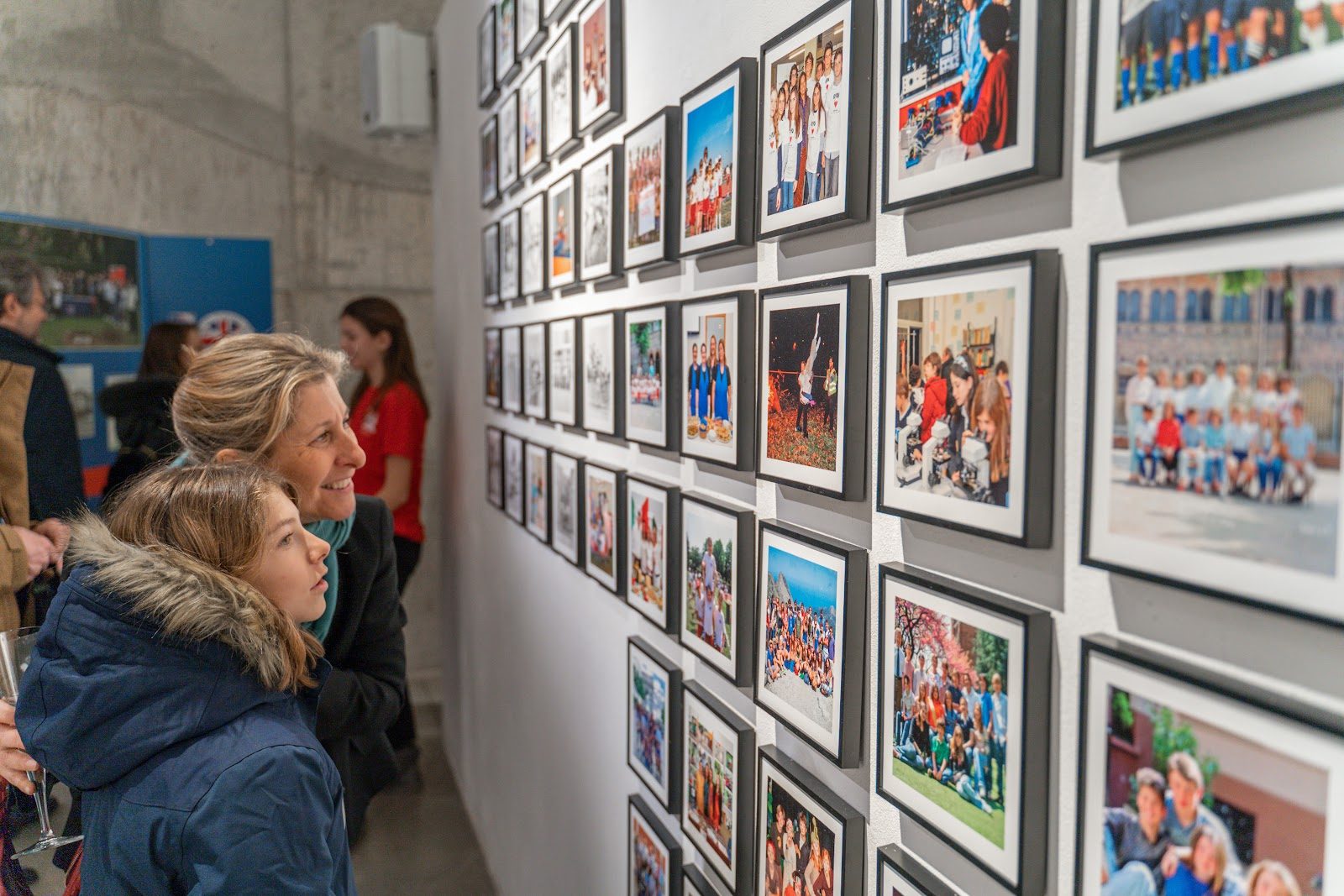
The British School of Milan
Milan · Italy
Since 1969, the only Milan school rated Excellent by UK inspectors, pairing IGCSE rigor with a close-knit IB Sixth Form.
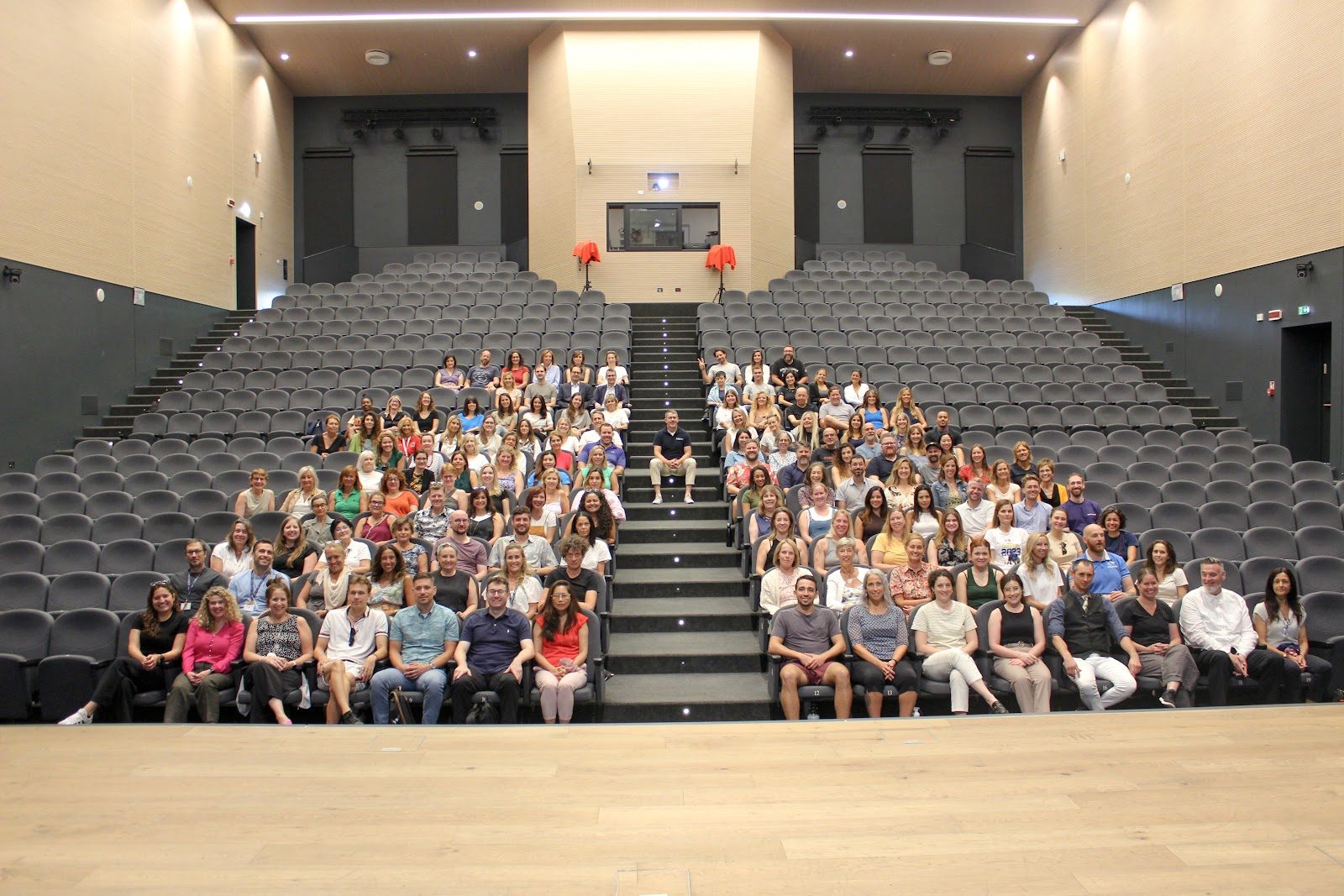
American School of Milan
Milan · Italy
South of Milan, the city's first IB World School pairs an American diploma with seven decades of international pedigree.
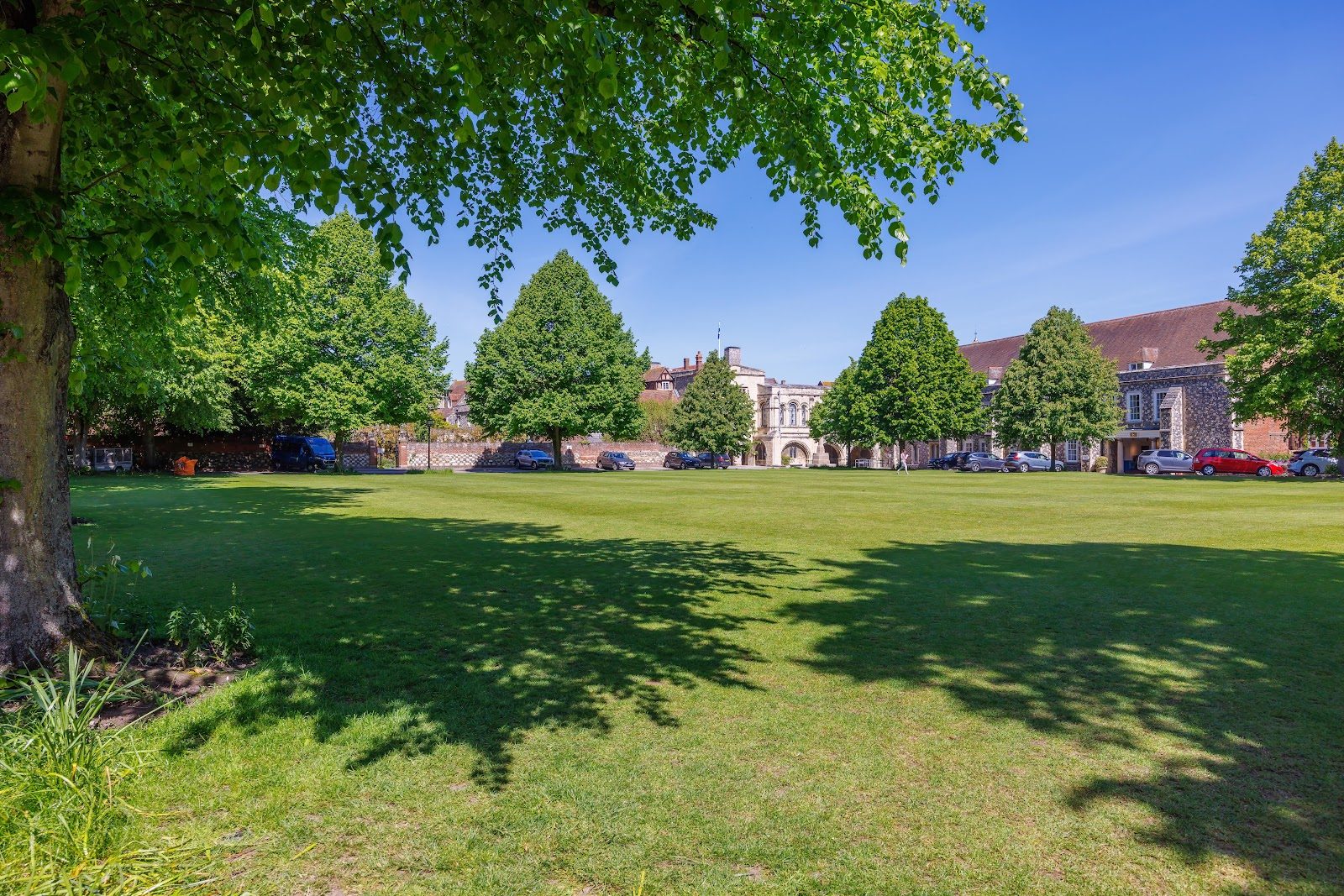
The King's School, Canterbury
Canterbury · United Kingdom
Inside Canterbury Cathedral's UNESCO precincts, lessons have run unbroken since 597 AD, folding King's Week festivities into daily life.
Radley College
Abingdon · United Kingdom
Eleven 'Socials' boarding houses anchor a full-boarding, all-boys community on an 800-acre Oxfordshire estate with its own golf course.
Same country and curriculum — closest matches within ±10 points either way