
Rio Grande do Sul
Colégio Marista Rosário
low confidence· 4/6 cats · 1 avg sourcesCradle of PUCRS, this 120-year-old Independencia campus keeps landing among Porto Alegre's top ENEM performers.
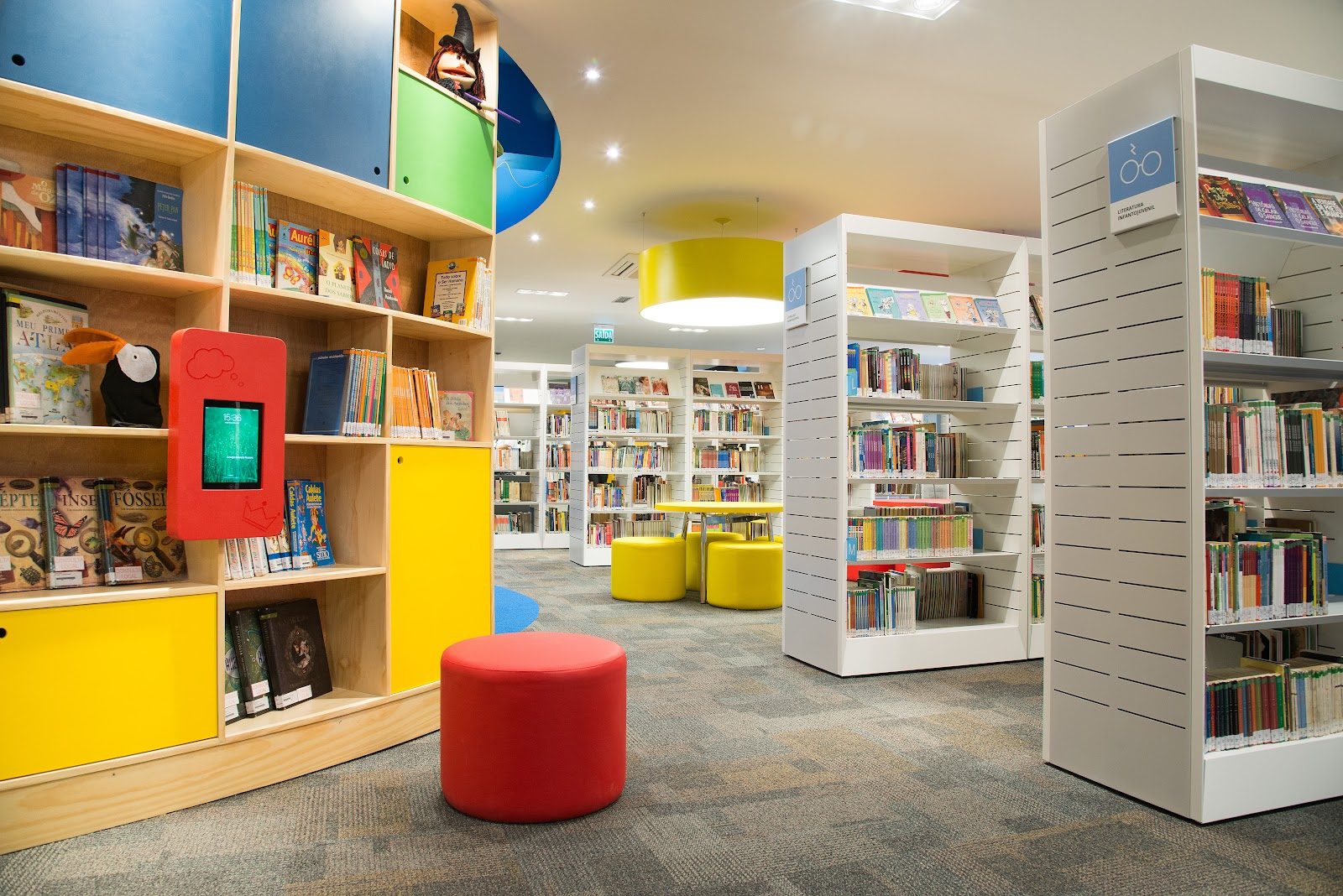
Photo © Colégio Marista Rosário via Google Maps
Type
Day
Ages
3–18
Curriculum
Brazilian
Ratio
—
The Verdict
Editor's commitment
Right for
Families in Porto Alegre who want a 1904 Catholic Marist day school, ages 3–18, with Portuguese teaching and English in the mix.
Wrong for
Parents after boarding, a non-religious ethos, or an international curriculum beyond the Brazilian track will hit the limits fast.
Watch out for
MEC and Marist Schools Network accreditation confirm legitimacy, not distinction; the school does not publish outcomes here beyond its Brazilian day-school frame.
Ranking breakdown
Colégio Marista Rosário · #520 of 1591
Composite score 68.8. 8 weighted criteria.
By criterion
Academic Outcomes
Weight 20%
#585
of 1529 scored
University Placement
Weight 16%
#584
of 1529 scored
Prestige & Heritage
Weight 12%
#597
of 1571 scored
Alumni Network
Weight 12%
#389
of 1530 scored
Facilities
Weight 12%
#721
of 1534 scored
Transparency & Communications
Weight 8%
#722
of 1532 scored
Peer & Industry Review
Weight 10%
#640
of 1548 scored
Admissions Selectivity & Demand
Weight 8%
#438
of 1529 scored
Peer & Industry Review
How Colégio Marista Rosário is regarded in the sector
65
Respected · medium confidence
Colégio Marista Rosário is consistently listed among the top-performing private schools in Rio Grande do Sul in independent ENEM (Brazilian national exam) ranking compilations published by outlets like G1 and Exame, reflecting strong regional academic reputation. It is part of the well-established Marista (Marist Brothers) network, which has broad name recognition across Brazil, but it does not appear prominently in international rankings (Tatler, Good Schools Guide) or specialist global education press, limiting it to a solid regional rather than national/international top-tier standing.
Evidence sources
Editors' overview
Colégio Marista Rosário occupies a distinctive place in Porto Alegre: a 1904 foundation with the weight of a long-established Catholic school, but with a campus identity sharpened by its proximity to PUCRS and a reputation for strong ENEM performance. That combination matters. This is not a boutique progressive experiment, nor a bilingual international school chasing expatriate families. It is a large, rooted Brazilian day school with clear local prestige, disciplined academic expectations and the institutional confidence that comes from 120 years of operation. For families who want a school with serious academic intent, cultural ballast and a strong sense of continuity, Rosário merits a shortlist.
What sets it apart is the blend of old-city standing and university-adjacent ambition. The school covers ages 3–18, so pupils can move from early years to university entrance preparation without changing institutions. Its Catholic, Marist framework brings a defined moral and pastoral structure; for the right family, that translates into moral seriousness, order and a coherent view of education. The bilingual element matters too: instruction in Portuguese and English gives students more than a purely domestic academic track, without shifting the school into the international-curriculum market. Parents looking for an IB or British-style sixth form will not find that here. Parents looking for a rigorous Brazilian education with English built in, on a campus with deep local credibility, will.
Rosário suits students who thrive in structured environments and who benefit from clear expectations rather than loose, student-led freedom. The best fit is the child who is academically capable, comfortable in a traditional school culture and motivated by examination performance and university progression. It will also suit families who value faith-informed education and want a school that feels anchored rather than fashionable. It is a weaker fit for families seeking a secular ethos, a highly experimental pedagogy or an international-school social mix. In market terms, Colégio Marista Rosário stands as a high-prestige local contender: not cosmopolitan in branding, but powerful in the Porto Alegre market, with the kind of heritage and results record that keeps it in serious parents’ conversations year after year.
Academic Performance
Rosário’s academic reputation rests on hard local currency: ENEM visibility. In Porto Alegre, that matters more than polished rhetoric. The school sits in the conversation with the city’s stronger university-prep institutions, and that status does not survive long without results. Public references to Rosário repeatedly tie it to high ENEM placement, which marks it as a serious exam school rather than a broad-but-bland all-rounder. For families focused on selective higher education in Brazil, that carries real weight. What we have not seen is a clean, school-published run of aggregate score data, subject breakdowns or multi-year comparative tables. That gap matters. A school asking parents to trust its academic standing should publish the evidence plainly.
Relative to peers, Rosário fits the upper tier of the local market: strong enough to command attention, but not transparent enough to let parents test the claim with precision. That makes this a school whose reputation outpaces its published metrics. The implication for families is clear. If ENEM performance sits high on your checklist, ask for the last 3–5 years of cohort averages, top-band distributions and university destinations, not just headline mentions. A school with real academic steel will have those figures ready. Until then, Rosário reads as high-performing but opaque—impressive in standing, less convincing in disclosure.
Facilities
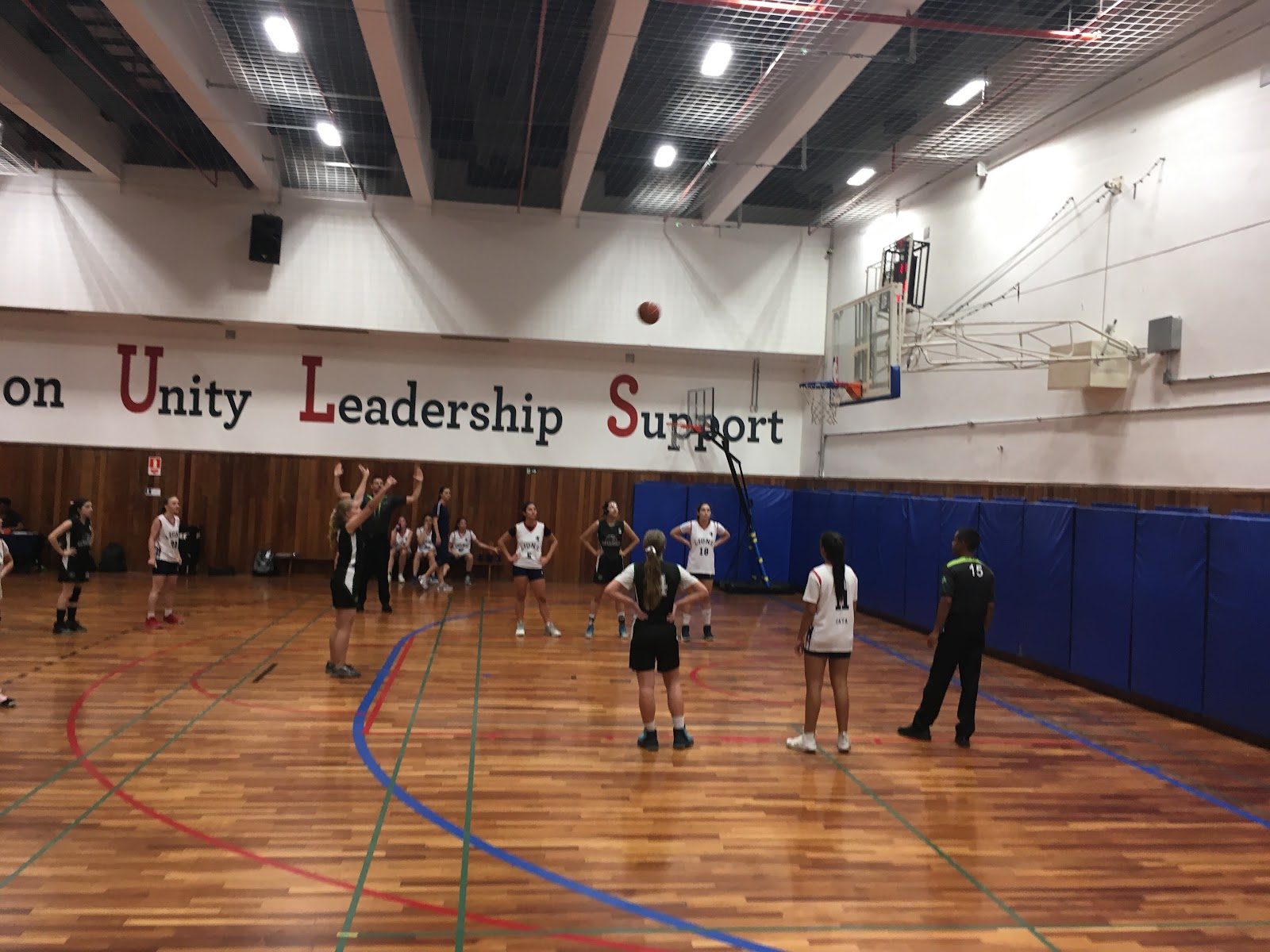
Rosário’s facilities matter because this is a through-school with the scale to support specialist provision, not just standard classrooms plus a sports court. The key asset is the school’s integration with the wider Marist and university-adjacent environment: families buy into a campus ecosystem that gives older pupils access to a more serious academic atmosphere than many conventional city schools can offer. For younger children, the value sits in continuity and range rather than novelty. Parents should expect dedicated early-years spaces, age-separated learning areas, sports provision, chapels or faith spaces, and the kind of arts and assembly infrastructure a large Catholic school needs to function well. That is solid, institutional-grade provision. What the school does not publish in clear detail is the hard inventory parents need: specialist science labs by phase, theatre specification, design and technology workshops, pool access, or the exact breadth of indoor sports facilities. That lack of precision weakens the pitch.
Against Porto Alegre peers, Rosário sits in the strong middle-to-upper band for campus substance: more complete than a cramped academic day school, less singular than a campus built around showpiece facilities. The advantage here is breadth and everyday usability rather than architectural theatre. If your child needs elite-level sport, conservatoire-standard performing arts, or cutting-edge maker spaces, ask direct questions and request a tour with department heads. If you want a school whose facilities support a disciplined all-round education without gimmicks, Rosário clears that bar. The physical offer reads as credible, practical and mature rather than dazzling.
Rosário’s distinctiveness sits in its combination of old-guard Catholic ballast and real university-facing momentum
Prestige
A Rosário education carries serious local prestige. In Porto Alegre, the Marista name already signals a school with institutional weight, disciplined expectations and a parent body that values status as well as schooling. Rosário sits near the top end of that hierarchy. The school’s hold on families rests on more than heritage: it feeds into ambitious university aspirations, benefits from the gravitational pull of PUCRS nearby, and retains the confidence of a long-established Catholic network. That gives it social credibility across generations. For many local families, this is the kind of school that marks a household as educated, organised and intent on upward academic progression from the earliest years through to the end of school at 18.
The rating stops short of absolute elite dominance for one reason: prestige here is stronger in the local market than in any international or national brand sense. Rosário has real standing, but not the rarefied aura of a tiny, hyper-selective institution with exhaustive public data and a national mythology around admissions. Its reputation is earned rather than theatrical: strong exam associations, durable name recognition and the authority of a school that has been part of the city’s educational fabric for 120 years. That is substantial prestige, and for families rooted in southern Brazil it counts for more than imported gloss. The school’s weakness is not stature but disclosure. When a school trades on reputation, parents deserve cleaner proof.
This is not a boutique progressive experiment, nor a bilingual international school chasing expatriate families
Communications
Rosário communicates like a large, established school that expects parents to stay in step. Term dates, admissions information, unit highlights and community notices are easy to find, and the school keeps a steady outward rhythm through its website and social channels. That counts in its favour. Parents can track the shape of school life without digging through dead pages or neglected feeds. The tone is orderly and institutional rather than warm or intimate: good for clarity, weaker for texture. You get the official line, the calendar logic and the public face of the school; you get less sense of friction points, classroom variability or how problems are handled when things go wrong. For a school serving ages 3–18, that gap matters.
Effectiveness is strongest at the broadcast level and weaker at the accountability level. Rosário tells families what is happening, celebrates student activity and keeps the brand coherent. It does not publish enough of the hard information that demanding parents want when communication is being judged, not admired: no clean bank of aggregate academic outcomes, limited operational detail on facilities, and little that exposes the school to proper scrutiny. That does not make communication poor; it makes it controlled. Parents who value tight administration and a clear institutional voice will be satisfied. Parents who want radical transparency will find the public communication polished but incomplete, with too much emphasis on narrative and not enough on proof.
Uniqueness
Rosário’s distinctiveness sits in its combination of old-guard Catholic ballast and real university-facing momentum. Plenty of schools trade on heritage; fewer convert it into a coherent through-school experience that keeps children under one institutional roof from nursery to the brink of higher education. That continuity gives students a strong internal culture, stable expectations and a clear sense of progression. The Marist identity adds more than chapel optics. It brings a structured moral framework, an emphasis on service and a school life organised around duty as much as self-expression. For some children that is constraining. For others it is deeply stabilising: fewer mixed messages, firmer routines and a culture that does not mistake looseness for freedom.
The other differentiator is the school’s position in a city ecosystem shaped by selective university ambition. Rosário does not operate like a soft all-rounder. It trains pupils to work within a serious academic culture while still keeping sport, faith life and community work in view. Students gain the benefit of scale across the full 3–18 age range, but without the identity drift that plagues many large schools. There is a recognisable Rosário mould: disciplined, aspirational, locally influential. The payoff for students is confidence in mainstream Brazilian higher education pathways, strong social embedding and an education with institutional heft. The cost is flexibility. Families seeking radical individuality or a loose, progressive atmosphere will find the culture tradition-bound.
For families who want a school with serious academic intent, cultural ballast and a strong sense of continuity, Rosário merits a shortlist
Student Profile
The best fit is the student who works well inside a clear hierarchy and does not need constant negotiation over rules, deadlines or adult authority. Rosário suits children who can absorb a school culture that prizes routine, collective standards and public expectations. Ambitious, steady pupils will do well here; so will those who gain confidence from structure rather than freedom. This is a good environment for families who want classmates from nursery through the end of school, not a revolving-door social scene. The child who thrives here is goal-directed, comfortable with discipline and able to handle the pressure that follows a school with a strong local name. By the later years, that pressure sharpens. Students need stamina, organisational habits and a tolerance for comparison with capable peers across the full 3–18 age range.
The weaker fit is just as clear. Rosário will frustrate children who need a loose classroom tone, who resist institutional culture on principle, or who want a school built around self-invention first and communal identity second. Deeply unconventional students can succeed here, but they will do so against the grain, not because the culture bends around them. This is not the place for a child who needs anonymity, low stakes or permissive boundaries. It is better for the student who respects tradition, responds to adult guidance and can live with a school identity that is cohesive, demanding and at times tradition-bound. For the right family, that brings security and momentum. For the wrong one, it feels tight very quickly.
What sets it apart is the blend of old-city standing and university-adjacent ambition
Co-curricular strengths
Arts & sport, on a separate axis
Overall 8.68/10
Scored 0-10 from the school's own published evidence. This axis is editorial-only — it does not feed the main WTS ranking.
Sports
9.2/10
Drama
8.5/10
Dance
8/10
Music
9.2/10
Visual Arts
8.5/10
Editor first-pass · editor-reviewable · 7/30/2026
Strengths
- +Part of the long-established Marist (Rede Marista) network, a Catholic congregation with a century-plus presence in Brazilian education.
- +Located in central Porto Alegre, offering easy day-access for local and expatriate families without a boarding component to manage.
- +Follows the standard Brazilian national curriculum, easing transition for pupils moving into Brazilian public universities via ENEM/vestibular.
- +Benefits from shared resources, teacher training and pastoral programs common across the wider Marist school network in Brazil.
- +Offers a full K-12 continuum (Educacao Infantil through Ensino Medio), reducing the need for families to change schools mid-childhood.
Considerations
- −Instruction is in Portuguese under the Brazilian curriculum, with no IB or bilingual immersion track for non-Portuguese-speaking families.
- −As a Catholic congregational school, religious formation is part of school life, which may not suit strictly secular families.
- −Day school only, so families outside Porto Alegre must arrange their own transport or relocation logistics.
- −Limited independently published data on academic outcomes, university placement or fees compared with larger international-curriculum schools.
Availability
Primary entry gate & tests
Entrance Exam
Gallery
Photo © Colégio Marista Rosário via Google Maps
Photo © Colégio Marista Rosário via Google Maps
Photo © Alexander via Google Maps
Photo © Alexander via Google Maps
Photo © PIMENTEL via Google Maps
Parent reviews
Have you sent your child here?
Voice reviews carry the strongest trust badge — we transcribe them for you to tidy up before they go live. Prefer to type? A written review is fine too.
Add your voice
In 60 seconds, tell other parents: what's the best thing about Colégio Marista Rosário, and what surprised you when your child joined?
We ask for a Google sign-in so every review has a real face behind it — no anonymous drive-by attacks on schools, and no faked positive reviews. Your email is never shown publicly.
Send this profile to a friend
International parents rely on word-of-mouth. Share this review with someone weighing the same decision.
Schools with places
Similar schools to Colégio Marista Rosário with places available now.
Graded - The American School of São Paulo
São Paulo · Brazil
- 2026-27
- WAITPOOLGrade-specific
- 2027-28
- PLACES OPENLocal Oct 2; Intl relocators now
Escola Americana do Rio de Janeiro
Rio de Janeiro · Brazil
- 2026-27
- WAITPOOLSpace-dependent
- 2027-28
- PLACES OPENRolling
St. Paul's School
São Paulo · Brazil
- 2026-27
- WAITPOOLVacancy-dependent
- 2027-28
- PLACES OPENNursery Active; Others available
Availability first, then country, area, curriculum, price, co-curricular
Consider also
Also worth looking at alongside Colégio Marista Rosário.
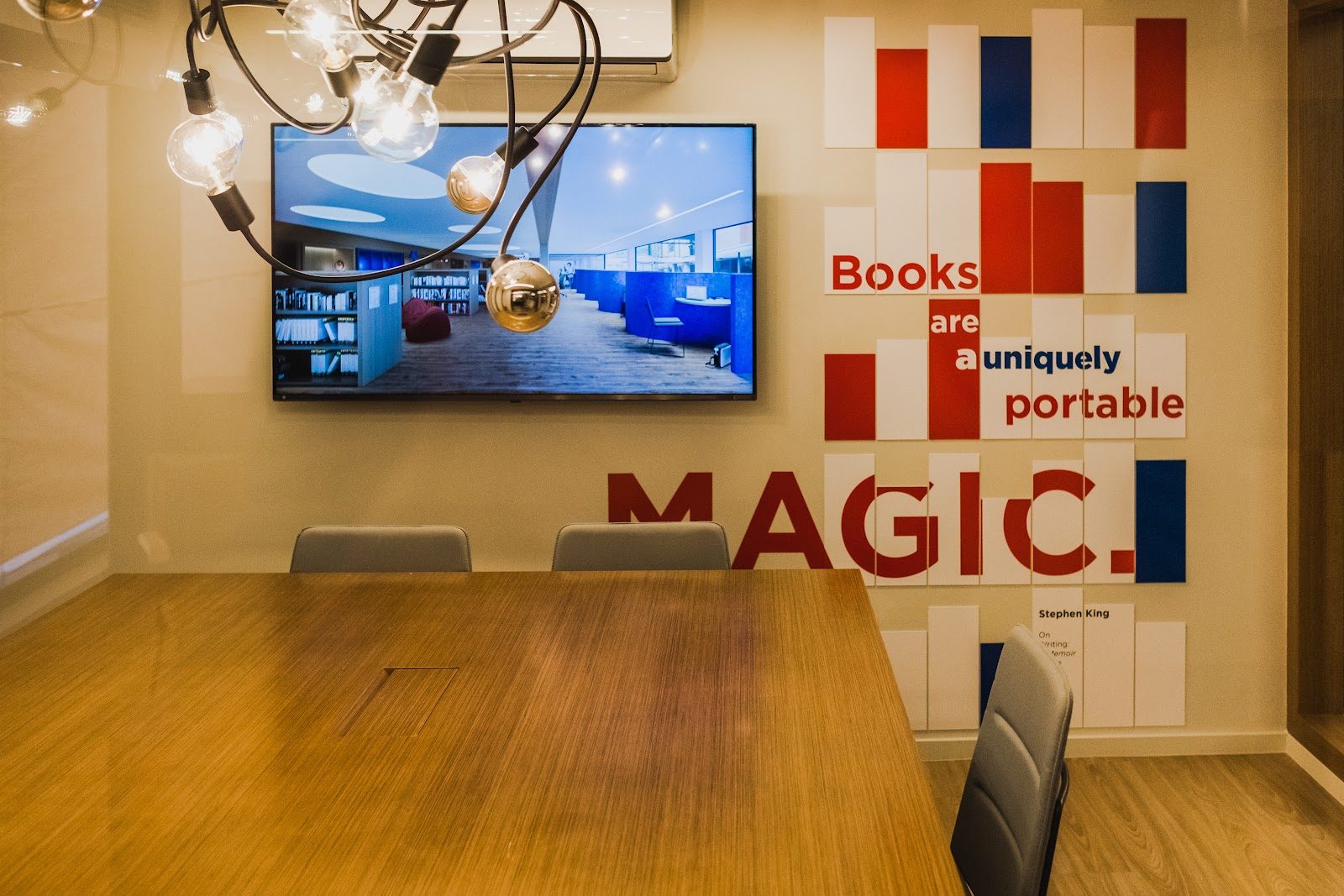
Graded - The American School of São Paulo
São Paulo · Brazil
Born in 1920 as a corporate venture of Citibank, Ford and GE, this Morumbi campus still sends seniors off with three diplomas at once.
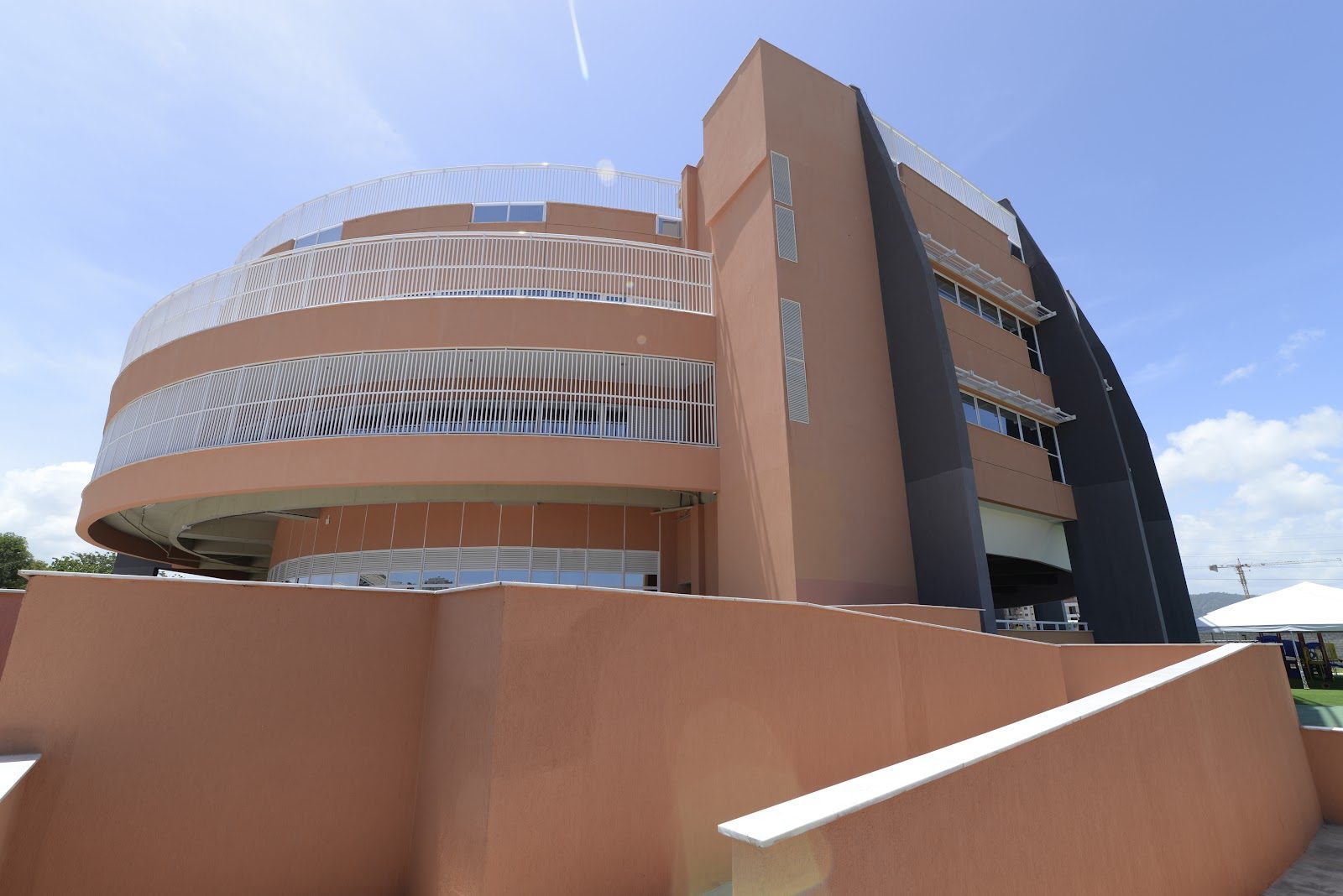
Escola Americana do Rio de Janeiro
Rio de Janeiro · Brazil
Perched at the edge of Tijuca National Forest with Christ the Redeemer in view, a 1937 campus layers IB, American and Brazilian diplomas.
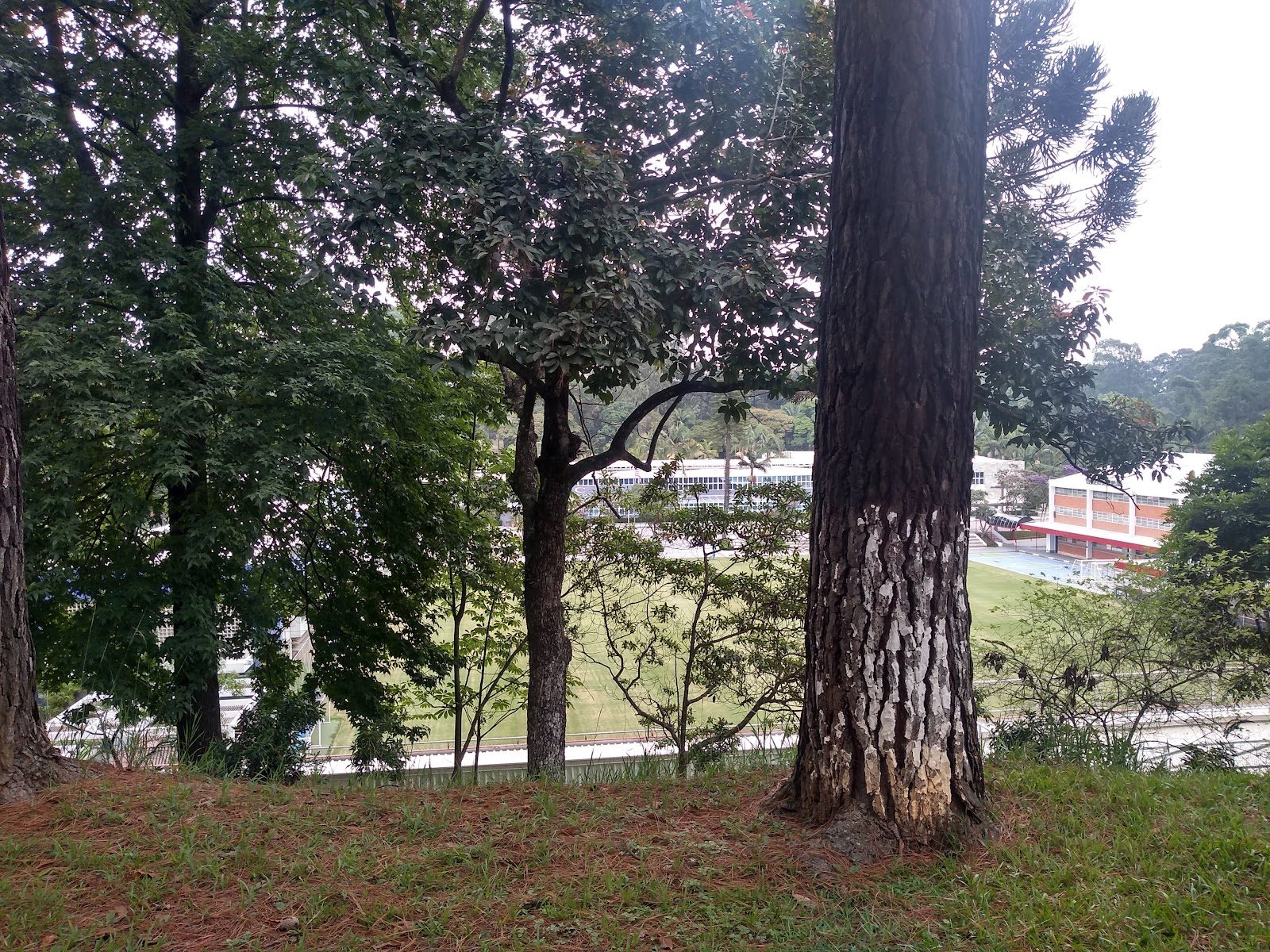
Chapel School
São Paulo · Brazil
Founded in 1947 by Oblate priests for American Catholic families, this Sao Paulo day school runs American, Brazilian and IB diplomas side by side.
St. Paul's School
São Paulo · Brazil
The first British school in Latin America accredited as a British School Overseas, blending UK curriculum with Brazilian roots in Jardins.
Same country and curriculum — closest matches within ±10 points either way