
São Paulo
Graded - The American School of São Paulo
high confidence· 5/6 cats · 3.19 avg sourcesBorn in 1920 as a corporate venture of Citibank, Ford and GE, this Morumbi campus still sends seniors off with three diplomas at once.
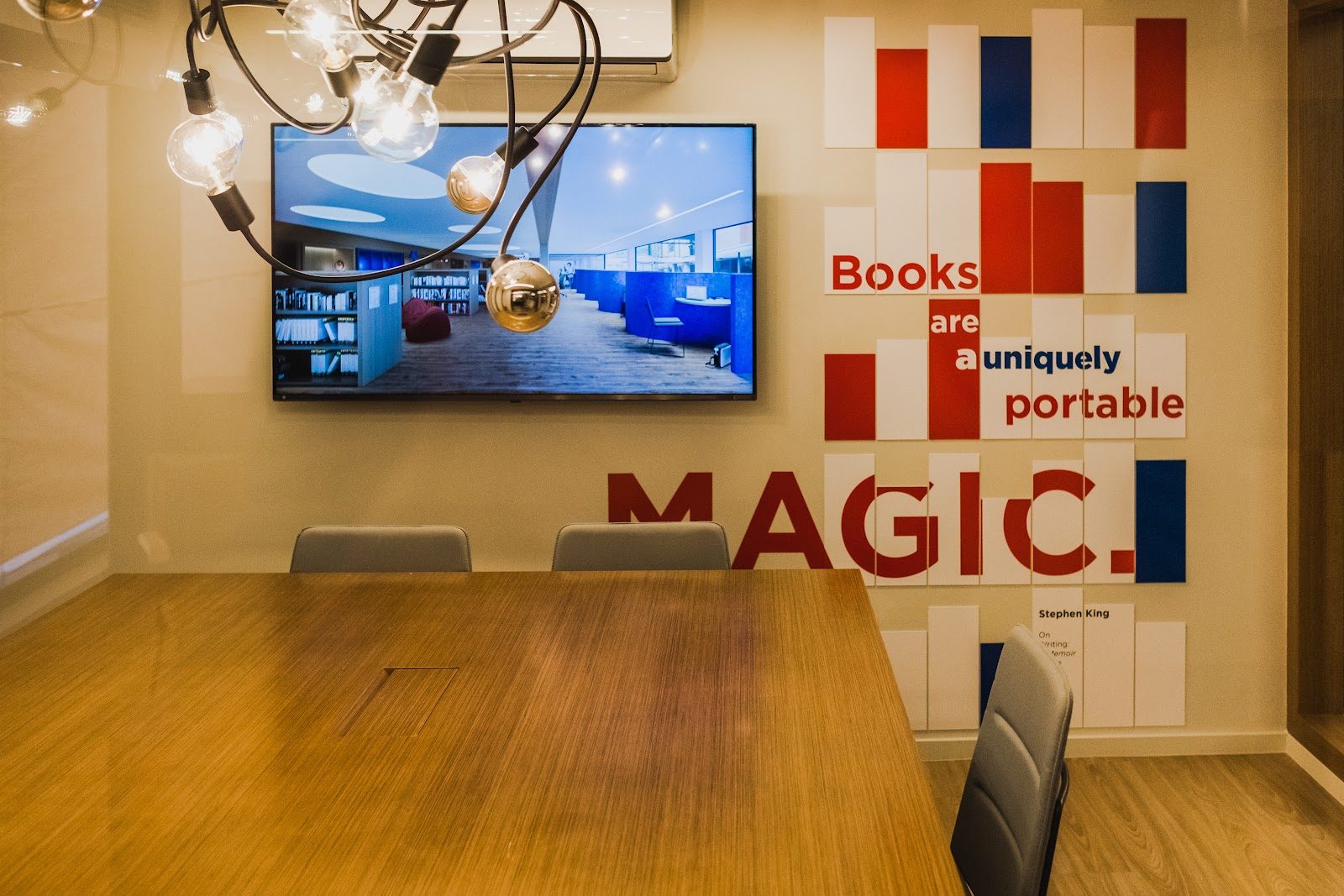
Photo © Graded - The American School of São Paulo via Google Maps
Type
Day
Ages
3–18
Curriculum
American · IB
Qualifications
US High School Diploma · IB Diploma
Ratio
1:8
The Verdict
Editor's commitment
Right for
Families wanting an American and IB school in English, on a 65,000-square-metre Morumbi campus with students from 46 nationalities.
Wrong for
Anyone chasing value or a local-language education; the average annual day fee is BRL 172,344 and teaching is in English.
Watch out for
Founded in 1920 and accredited by CIS, NEASC and the IB, Graded has pedigree; recent published destinations are thin: Babson, Barnard, Baylor, one each.
Ranking breakdown
Graded - The American School of São Paulo · # of 1591
Composite score 67.4. 8 weighted criteria.
By criterion
Academic Outcomes
Weight 20%
#385
of 1529 scored
University Placement
Weight 16%
#136
of 1529 scored
Prestige & Heritage
Weight 12%
#53
of 1571 scored
Alumni Network
Weight 12%
#1512
of 1530 scored
Facilities
Weight 12%
#24
of 1534 scored
Transparency & Communications
Weight 8%
#22
of 1532 scored
Peer & Industry Review
Weight 10%
#66
of 1548 scored
Admissions Selectivity & Demand
Weight 8%
#1232
of 1529 scored
Score history
Graded - The American School of São Paulo · 2026
Movement across 2024–2026. Peer average overlaid.
Overall — 2024–2026
67.4/ 100
▲ +12.5 vs 2025
year on year
Peer & Industry Review
How Graded - The American School of São Paulo is regarded in the sector
66
Respected · medium confidence
Graded is consistently cited as one of the top American/international schools in Brazil, holding dual accreditation from NEASC and the Council of International Schools, and is listed among U.S. State Department-assisted overseas schools. Expat parent forums (e.g., ExpatExchange, InterNations São Paulo threads) and international school directories (ISC Research) regularly reference it as the benchmark American-curriculum school in São Paulo, alongside St. Paul's and Chapel School, though it lacks coverage in UK-centric outlets like Tatler or Good Schools Guide given its non-UK orientation.
Evidence sources
- Kim Kataguiri — Politician, Government
Editors' overview
Born in 1920 as a school for the expatriate business community, Graded still occupies a distinctive corner of the São Paulo market: an American day school with the IB on a substantial Morumbi campus and a long institutional memory. The site itself matters. A 65,000-square-metre campus is rare in this city, and the school’s location on Avenida Giovanni Gronchi, in Morumbi, gives it a scale that many urban competitors cannot match. This is not a small boutique operation. It is a large, established, deep-rooted international school with English as the language of instruction, students from 46 nationalities, and the kind of organisational maturity that comes with a century of operation. The fee level is correspondingly high: an average annual day fee of 172,344 BRL across the full age range places Graded firmly in the premium bracket.
What sets it apart is the combination of American schooling and the IB under one roof, with seniors leaving with what the school itself frames as a PK–12 pathway from a Montessori-based early years programme to the IB Diploma. That dual identity gives Graded a clearer profile than many international schools that drift between systems. Parents who want an English-medium education, a strong US orientation and the global currency of the IB have a direct fit here. The accreditations matter too: CIS, NEASC and IB World School status put proper external scrutiny behind the branding. This is a school for families who want structure, continuity and an academic route that travels well internationally, not a soft or improvised version of international education.
It also earns a place on a shortlist because it has a credible record of sending pupils abroad, even if the published destination list here is thin. Recent named destinations include Babson College, Barnard College and Baylor University. That does not prove breadth at the top end on its own, and the school does not publish a fuller university destinations picture in the facts given here, so parents should ask for that directly. Even so, the broad shape is clear: Graded is built for internationally mobile families, returnees to the US system, and students who want a campus life large enough to support arts, athletics and service without sacrificing academic ambition.
The pupil who will thrive here is internationally minded, comfortable in a sizeable community, and ready for a school with serious academic expectations by the sixth form years. Children who benefit from a contained, intimate setting may find Graded too expansive. Those who want breadth, mobility and a cosmopolitan peer group will find more to work with. In São Paulo terms, this is a flagship American international school: expensive, well-established, and strongest for families who know exactly why they want the American-and-IB combination.
Academic Performance
Graded’s academic profile is strong in structure and weaker in public disclosure. The school runs an American programme through to the IB Diploma, which gives sixth formers a recognised external leaving point, but it does not publish aggregate IB outcomes in the public domain here: no average score, no pass rate, no proportion earning bilingual diplomas, no subject-level breakdown. That matters. In a market where serious academic schools use external results to prove their case, silence leaves parents without the cleanest benchmark. The broad claim of rigorous academics is easy enough; the hard numbers are what separate genuinely high-performing schools from well-marketed ones.
Relative to peers, Graded still sits in the city’s top tier because of its scale, longevity and international university orientation, and because a school charging an average of 172,344 BRL a year invites scrutiny at that level. The recent destinations listed are respectable but too thin to stand as a full outcomes record, and a handful of named offers tells parents little about cohort depth or consistency. What counts here is the school’s capacity to support ambitious students across a full age range and into an externally examined diploma at the end. That is a serious academic proposition. It is not, however, a fully transparent one. Parents comparing Graded with other premium international schools should ask for the last five years of IB results, score distribution, subject entries and complete university destinations before treating academic performance as proven rather than asserted.
Facilities
The campus is one of Graded’s clearest assets. The school sits on 65,000 square metres, which by São Paulo standards gives it real physical breathing room rather than the stacked, space-starved footprint common in urban premium schools. That matters for daily school life as much as for open-day optics: younger children need room to move, older students need specialist spaces that do not feel improvised, and whole-school operations run better when sport, arts and classroom activity are not fighting for the same corners. The school’s own description of a lush site rings true in practical terms. Against peer schools in dense city settings, Graded has the advantage of a proper campus rather than a vertical campus dressed up as one.
What is missing is detail. The school does not set out a clear public inventory of theatres, labs, design spaces, sports provision or other specialist facilities, so parents cannot test depth area by area before a visit. That is a weakness, because top-fee schools need to show exactly what families are paying for. Still, the broad picture is strong. A campus of this scale, serving a full age range, supports a serious co-curricular operation and gives the school a physical presence that many rivals cannot match. In this market, some schools win on glossy interiors and efficient use of compact sites. Graded wins on land, continuity and the institutional confidence that comes from having room to do things properly.
It sends students out with three school-leaving credentials, which is still genuinely unusual at the top end of the market
Prestige
Graded has real prestige in the international-schools market because it combines three things that rarely sit together in one institution: age, permanence and recognisable global alignment. This is a school with a long-established place in the expatriate and executive world, not a fashionable entrant trading on fresh branding. Its student body spans 46 nationalities, which gives it the social texture families expect from a genuine international school rather than a local school with imported programmes attached. The large Morumbi campus adds to that status signal. So does the school’s association with a powerful slice of São Paulo’s transnational professional class. In practical terms, Graded carries old-guard prestige: established, well-connected, globally legible and expensive enough to function as a market filter.
That said, prestige here rests more on institutional standing than on publicly demonstrated academic supremacy. Graded has the weight, the visibility and the heritage of a top-tier name, but it does not publish the kind of examination data that would turn reputation into proof. Its appeal is strongest among families who value social mix, continuity, and a school brand that travels cleanly across borders. The average annual fee of BRL 172,344 reinforces that premium position, and the campus scale strengthens it again. Our rating is high because Graded occupies a commanding place in its segment. It stops short of the very highest distinction because too much of its academic claim still relies on trust.
The broad claim of rigorous academics is easy enough; the hard numbers are what separate genuinely high-performing schools from well-marketed ones
Communications
Graded communicates like an established institution that expects parents to engage with it, not like a sales operation chasing enquiries. The public-facing tone is warm, formal and high-control: leadership messaging stresses community, purpose and belonging, and it gives parents a clear sense of the school’s self-image. The website covers the essentials cleanly and the school does not hide the broad shape of its offer. The international make-up of the community — 46 nationalities — also matters here, because schools serving mobile, cross-border families need communications that travel well across expectations and educational backgrounds. On that front, Graded reads as coherent, polished and confident.
The limitation is depth. Graded communicates culture better than it communicates proof. Parents get rhetoric about student growth and preparation, but they do not get enough hard public information on outcomes, comparative performance or the practical detail that turns reassurance into evidence. The same pattern shows up elsewhere: a campus of 65,000 square metres projects scale, yet the school does not publish a granular facilities inventory; the fee level — an average of BRL 172,344 a year — demands more operational transparency than the school currently gives. So the verdict is mixed but clear. Day-to-day institutional communication looks competent and well-drilled. Strategic communication to prospective parents is too guarded for a school at this price and status.
Uniqueness
Graded’s distinctiveness lies in its institutional shape. This is a through-school built on an American frame, but it does not stop at offering one recognisable international pathway. It sends students out with three school-leaving credentials, which is still genuinely unusual at the top end of the market. For families, that creates real strategic flexibility: students can move through a US-style secondary experience while keeping both international and local university routes intact. The benefit is not abstract. It reduces the risk of committing too early to a single national system and gives older pupils more room to match qualification to destination, strength and ambition.
There is a second point of difference: Graded has the feel of a full-scale international institution rather than a premium local school with imported programmes attached. A campus community spanning 46 nationalities changes daily life for students. It builds cross-cultural fluency, normalises mobility and gives friendships and classroom discussion a wider frame than most schools can offer. The Montessori-based early years add another distinctive note, setting a different tone at the start of the school journey from the more conventional, formal prep model. Put together, the result is a school that offers rare continuity from the earliest years to graduation, with enough breadth to suit families who want one educational home rather than a sequence of tactical moves.
That is a weakness, because top-fee schools need to show exactly what families are paying for
Student Profile
The students who fit best here are internationally minded, socially adaptable and comfortable in a community with 46 nationalities in daily circulation. This suits children who enjoy moving between cultures without needing the school to flatten difference for them. They do not need to be extroverts, but they do need a degree of confidence: Graded has the feel of a high-status, globally mobile school community, and pupils who are unsettled by affluent, internationally fluent peer groups can feel out of step. The strongest fit is a child who likes structure, responds well to adult expectations and can handle a campus environment where identity and participation matter, not just classroom performance.
It also suits families who want one school to carry a child from the earliest years to university age without a mid-course change of ethos. Students who thrive here are those who can use that continuity well: they join in, build long-term friendships and make use of the breadth around them. Children who want a narrow exam factory, a more local social world or a lower-pressure peer culture have better options elsewhere. Graded works best for students who are academically serious, open to people unlike themselves and ready for a school that feels institutionally self-assured from the start. At an average annual fee of BRL 172,344, it also presumes families who are fully bought into that world rather than testing it cautiously.
It stops short of the very highest distinction because too much of its academic claim still relies on trust
Co-curricular strengths
Arts & sport, on a separate axis
Overall 8.56/10
Scored 0-10 from the school's own published evidence. This axis is editorial-only — it does not feed the main WTS ranking.
Sports
9.2/10
Multiple sports offerings—Varsity basketball, Varsity soccer, volleyball and swimming—showing a solid structured programme with visible participation.
Drama
8.5/10
The extracurriculars explicitly include 'Theater productions', and recurring named productions clear the 6 floor even though no theatre facility is described.
Dance
7.5/10
Music
8.8/10
Both Jazz band and Choir, indicating more than a bare mention and showing a solid music offering, but it gives no named music facility, department, specialist staff or recognition.
Visual Arts
8.8/10
Editor first-pass · editor-reviewable · 7/27/2026
Outcomes & destinations
Where students go next
110 graduates
Top destinations
127 placements
- Babson College· 1
- Barnard College· 1
- Baylor University· 1
- Beacon College· 1
- Bentley University· 1
- Berklee College of Music· 1
- Bocconi University· 1
- Boston College· 1
- Boston University· 1
- Brandeis University· 1
- Brigham Young University· 1
- Brigham Young University - Idaho· 1
- Brown University· 1
- Bryn Mawr College· 1
- Calvin University· 1
- Carnegie Mellon University· 1
- Case Western Reserve University· 1
- City St George’s, University of London· 1
- Claremont McKenna College· 1
- College of Charleston· 1
- College of the Holy Cross· 1
- College of Wooster· 1
- Columbia University· 1
- Cooper Union for the Advancement of Science & Art· 1
- CUNEF Universidad· 1
- Dartmouth College· 1
- Duke Kunshan University· 1
- Ecole Hôtelière de Lausanne· 1
- Eindhoven University of Technology· 1
- Embry-Riddle Aeronautical University-Prescott· 1
- Emory University· 1
- Erasmus University Rotterdam· 1
- ESCP Business School, Madrid· 1
- ESADE· 1
- ESDI Higher School of Design· 1
- Fordham University· 1
- Frankfurt University of Music and Performing Arts· 1
- Franklin & Marshall College· 1
- Fundação Armando Alvares Penteado· 1
- Fundação Getulio Vargas· 1
- Georgetown University· 1
- Georgia Institute of Technology· 1
- Harvard University· 1
- Hope College· 1
- Hult International Business School· 1
- Humanitas University· 1
- IE University· 1
- IE University, Segovia· 1
- Insper· 1
- Institut Français de la Mode· 1
- KAIST - Korea Advanced Institute of Science & Technology· 1
- Keele University· 1
- King's College London· 1
- Leiden University College - The Hague· 1
- London College of Fashion· 1
- Loyola Marymount University· 1
- Loyola University Chicago· 1
- Maastricht University· 1
- Maryland Institute College of Art· 1
- Massachusetts College of Liberal Arts· 1
- Michigan State University· 1
- Middlebury College· 1
- New York University· 1
- Northeastern University· 1
- Northeastern University, London· 1
- Northern Arizona University, Flagstaff· 1
- Northwestern University· 1
- Pepperdine University· 1
- Pomona College· 1
- Princeton University· 1
- Purdue University· 1
- Reed College· 1
- Rice University· 1
- Rollins College· 1
- Rutgers University - New Brunswick· 1
- Santa Clara University· 1
- School of the Art Institute of Chicago· 1
- School of Visual Arts· 1
- Stanford University· 1
- Swarthmore College· 1
- Syracuse University· 1
- Tecnológico de Monterrey· 1
- Texas Christian University· 1
- The George Washington University· 1
- The New School· 1
- The University of British Columbia, Vancouver· 1
- The University of Chicago· 1
- The University of Edinburgh· 1
- The University of Manchester· 1
- Tufts University· 1
- Tulane University· 1
- UNISA - Universidade Santo Amaro· 1
- Universidad de Buenos Aires· 1
- Università Cattolica del Sacro Cuore· 1
- Universidade de São Paulo· 1
- Universität St. Gallen· 1
- University College London· 1
- University of Amsterdam· 1
- University of California, Berkeley· 1
- University of California, Los Angeles· 1
- University of Cambridge· 1
- University of Michigan Ann Arbor· 1
- University of Navarra· 1
- University of Notre Dame· 1
- University of Oxford· 1
- University of Pennsylvania· 1
- University of Richmond· 1
- University of San Diego· 1
- University of South Carolina-Upstate· 1
- University of Southern California· 1
- University of Strathclyde· 1
- University of the Arts London· 1
- University of Toronto· 1
- University of Virginia· 1
- University of Washington· 1
- University of Westminster· 1
- University of Wisconsin-Madison· 1
- Utrecht University· 1
- Vanderbilt University· 1
- Virginia Tech· 1
- Vrije Universiteit Amsterdam· 1
- Wake Forest University· 1
- Washington University in St. Louis· 1
- Worcester Polytechnic Institute· 1
- Yale University· 1
- Yonsei University· 1
- York University· 1
Reported by the school. Confirm with admissions.
Strengths
- +Founded in 1920, Graded is the oldest and largest American school in Brazil, accredited by NEASC and authorised as an IB World School since 1985.
- +Students can pursue three parallel diploma tracks - the US high school diploma, the IB Diploma Programme, and the Brazilian diploma - offering flexibility for internationally mobile families.
- +A genuinely international student body, historically drawing students from around 42 to 48 nationalities.
- +Established college counselling office with recent matriculation to selective universities including Brown, Barnard, Boston College and Babson.
- +The Graded Scholar Program offers full-tuition, need-based scholarships to qualifying Brazilian students, broadening access beyond expatriate families.
Considerations
- −Fees are steep for the market: 2026-27 annual tuition runs from BRL 153,816 (Lower School) to BRL 190,872 (Upper School), and a first-child entrance fee has been quoted at roughly USD 17,272, plus a separate Capital Fund donation.
- −Admission is not automatic: applicants to Grades 2-11 must submit MAP standardized test scores (or sit them on-site), and younger candidates undergo an on-campus assessment, adding a testing hurdle for late-arriving expat children.
- −A single urban campus in the Morumbi/Vila Andrade district of São Paulo means families face the city's well-known traffic congestion for daily drop-off and pickup, with no boarding alternative.
- −As a large day school (over 1,300 students), class sizes and campus scale may suit families seeking a big, institutional environment less well than those wanting a small, intimate setting.
Availability
Primary entry gate & tests
Academic record + grade capacity
Gallery
Photo © Graded - The American School of São Paulo via Google Maps
Photo © Pascal via Google Maps
Photo © Graded - The American School of São Paulo via Google Maps
Photo © Graded - The American School of São Paulo via Google Maps
Photo © Graded - The American School of São Paulo via Google Maps
Parent reviews
Have you sent your child here?
Voice reviews carry the strongest trust badge — we transcribe them for you to tidy up before they go live. Prefer to type? A written review is fine too.
Add your voice
In 60 seconds, tell other parents: what's the best thing about Graded - The American School of São Paulo, and what surprised you when your child joined?
We ask for a Google sign-in so every review has a real face behind it — no anonymous drive-by attacks on schools, and no faked positive reviews. Your email is never shown publicly.
Send this profile to a friend
International parents rely on word-of-mouth. Share this review with someone weighing the same decision.
Schools with places
Similar schools to Graded - The American School of São Paulo with places available now.
Availability first, then country, area, curriculum, price, co-curricular
Consider also
Also worth looking at alongside Graded - The American School of São Paulo.
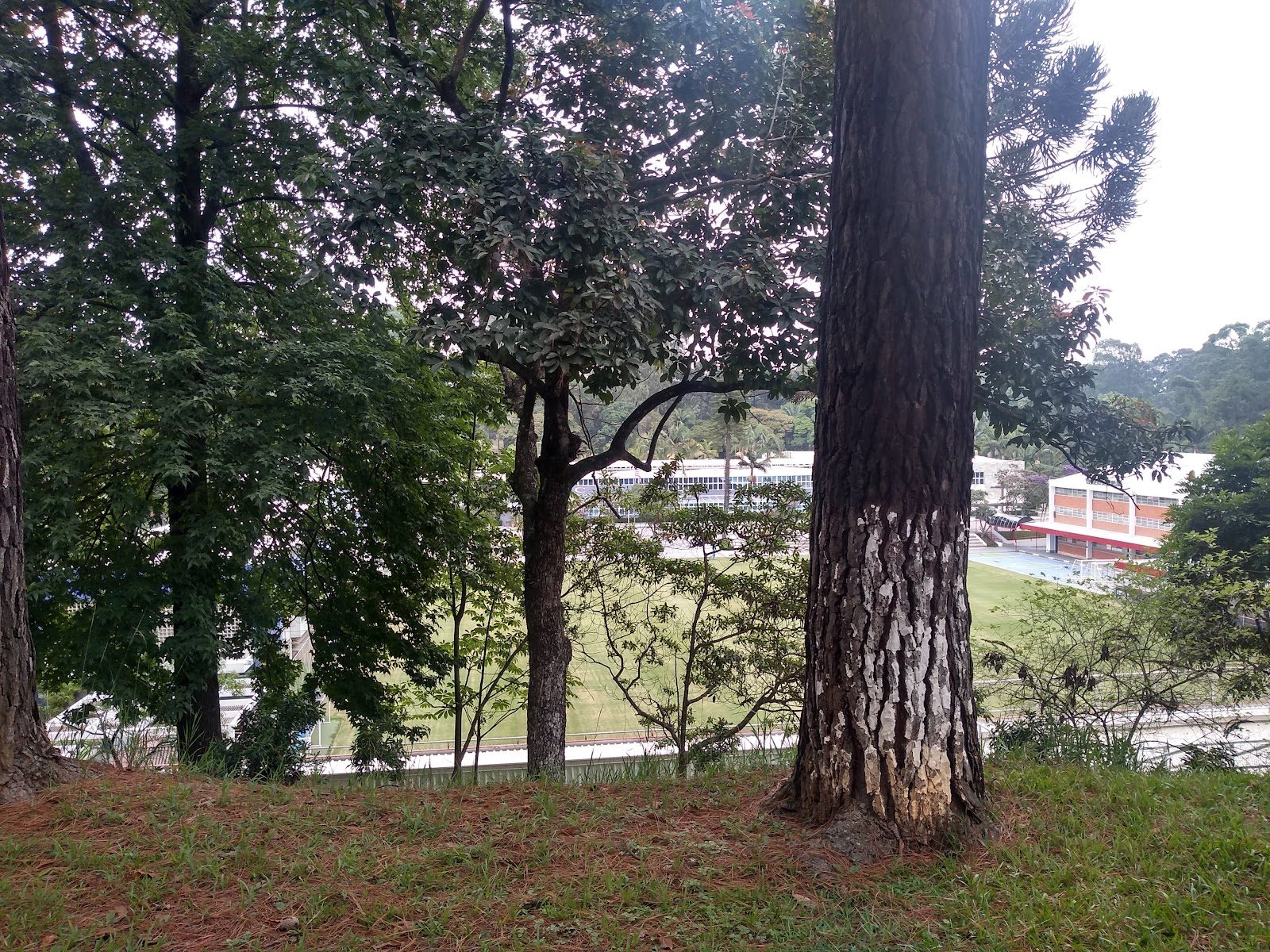
Chapel School
São Paulo · Brazil
Founded in 1947 by Oblate priests for American Catholic families, this Sao Paulo day school runs American, Brazilian and IB diplomas side by side.
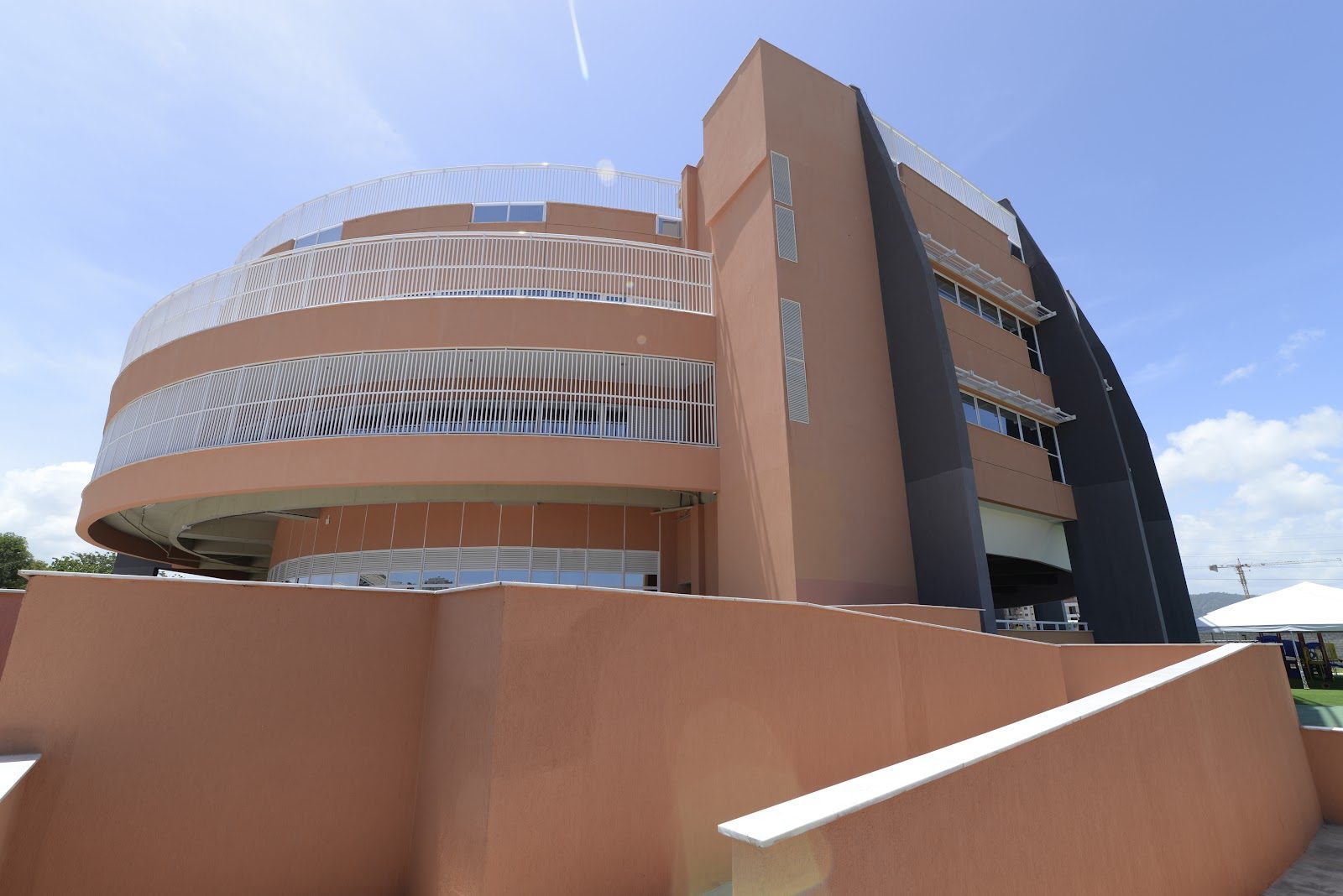
Escola Americana do Rio de Janeiro
Rio de Janeiro · Brazil
Perched at the edge of Tijuca National Forest with Christ the Redeemer in view, a 1937 campus layers IB, American and Brazilian diplomas.
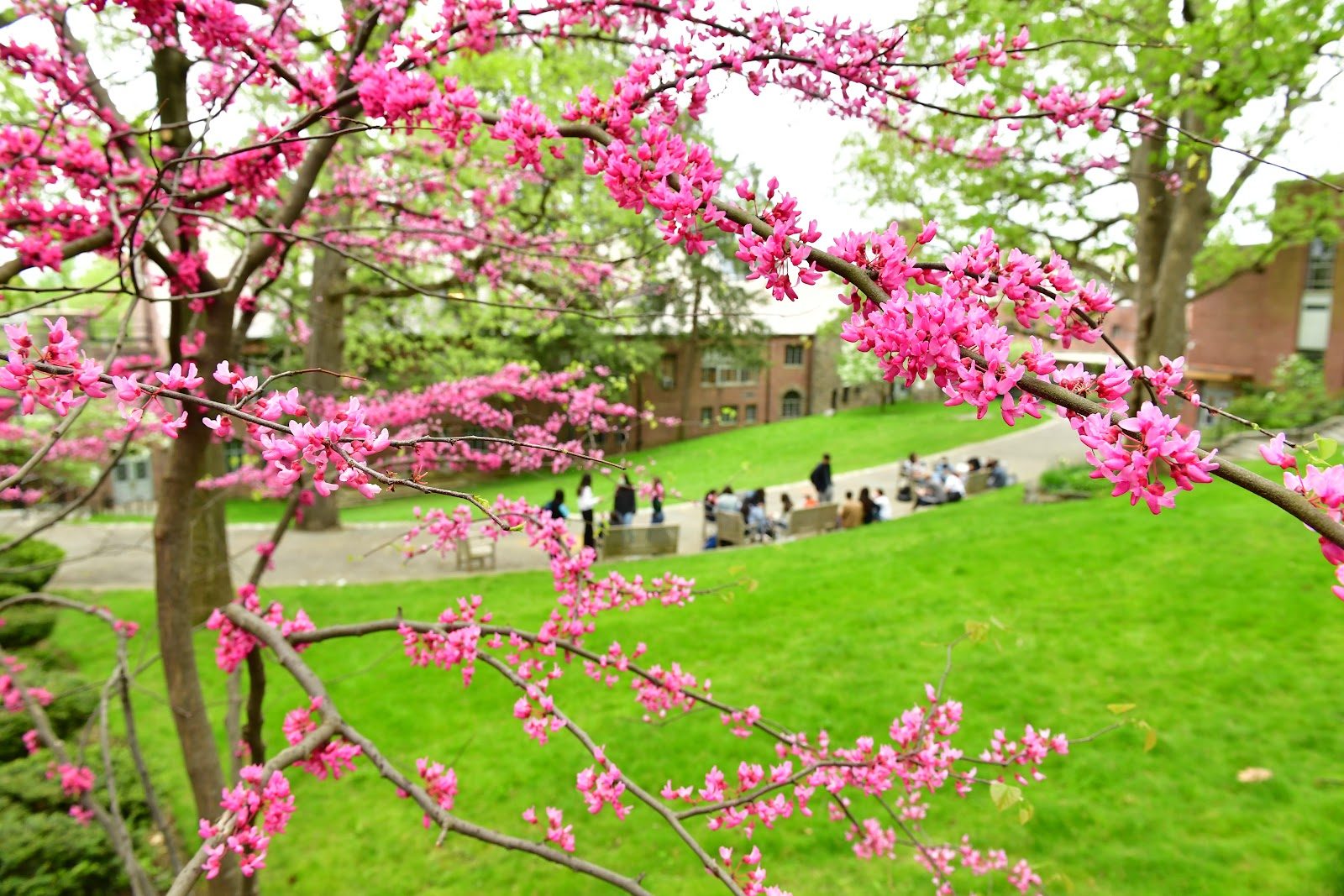
Ethical Culture Fieldston School
New York City · United States
Rooted in Felix Adler's 1878 Ethical Culture movement, its wooded Riverdale hilltop campus still anchors progressive American pedagogy.
Berlin Brandenburg International School
Kleinmachnow · Germany
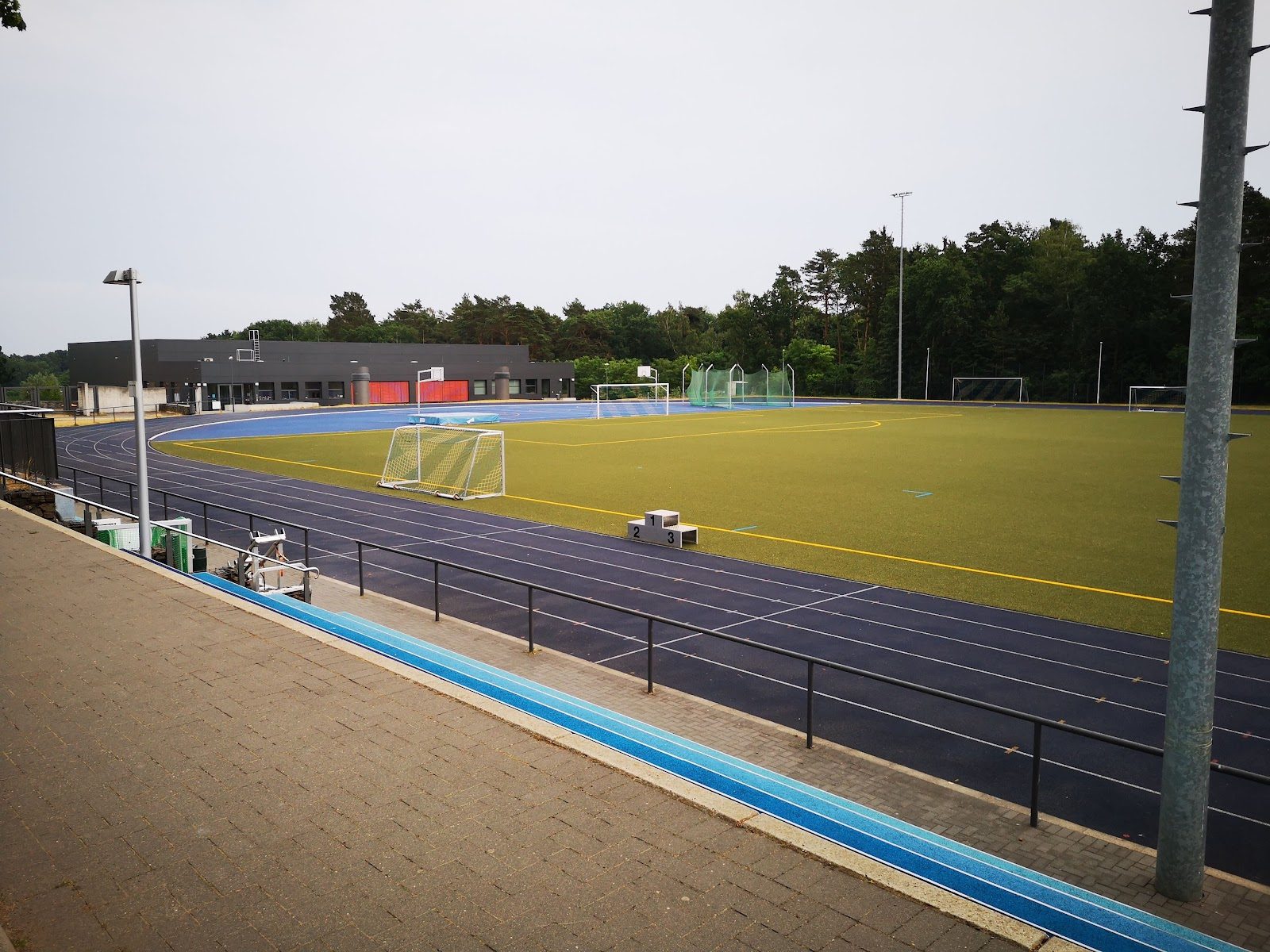
Set on a forested campus between Berlin and Potsdam, this day school runs the full IB continuum for students from 60-plus nations.
Same country and curriculum — closest matches within ±10 points either way