
Etu-Töölö
Deutsche Schule Helsinki
low confidence· 4/6 cats · 1 avg sourcesFounded in 1881 by German merchants, this Kamppi school now sends a mostly Finnish student body toward a dual Abitur-matriculation exit.
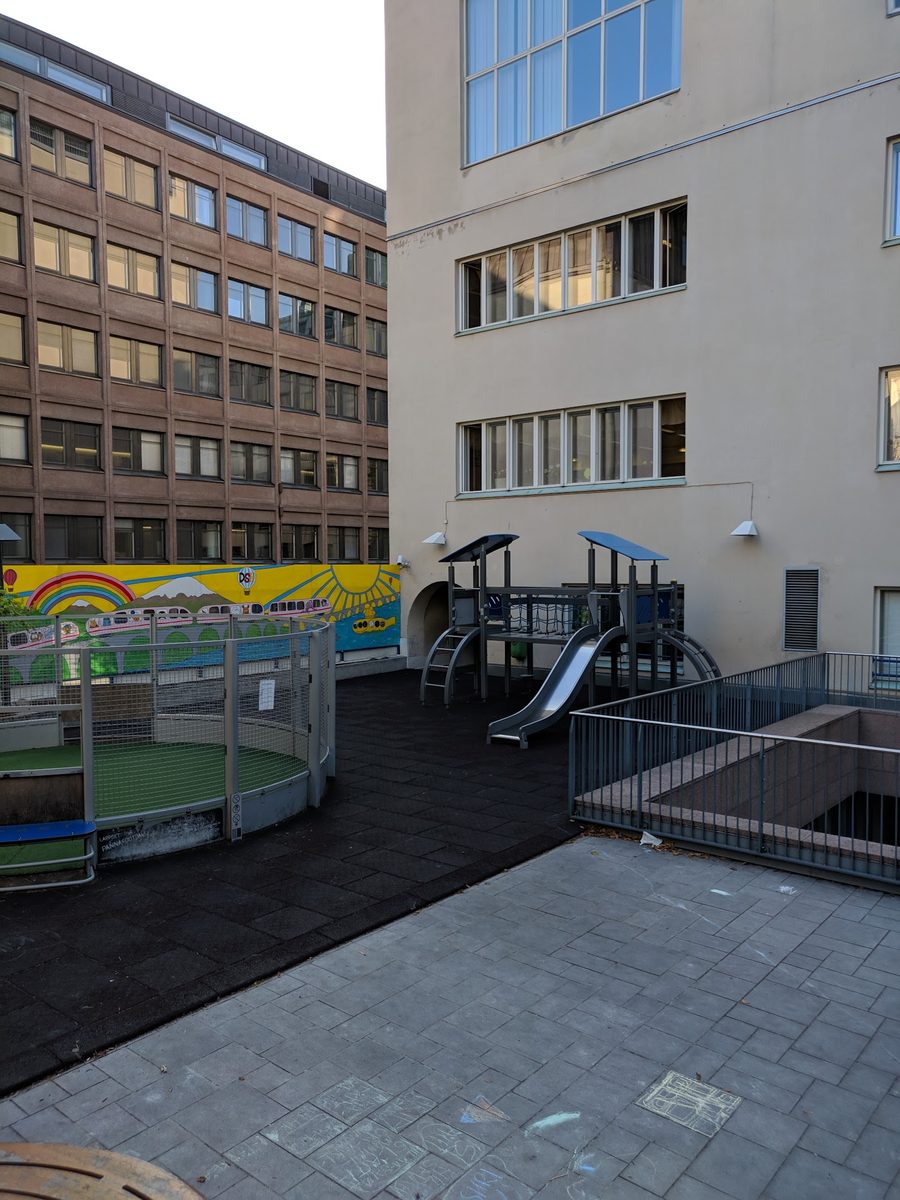
Photo © Helsingin Saksalainen koulu via Google Maps
Type
Day
Ages
3–19
Curriculum
German Abitur · Finnish
Ratio
—
The Verdict
Editor's commitment
Right for
Families who want a day school in Kamppi, founded in 1881, with German Abitur and Finnish pathways under one roof.
Wrong for
Parents seeking boarding, religious ethos or a single-language education; Deutsche Schule Helsinki teaches in German, Finnish and English.
Watch out for
This Deutsche Auslandsschule answers to KMK and Opetushallitus, so the dual German-Finnish model sets the terms, not family preference.
Ranking breakdown
Deutsche Schule Helsinki · #1232 of 1591
Composite score 57.3. 8 weighted criteria.
By criterion
Academic Outcomes
Weight 20%
#1192
of 1529 scored
University Placement
Weight 16%
#1201
of 1529 scored
Prestige & Heritage
Weight 12%
#1219
of 1571 scored
Alumni Network
Weight 12%
#835
of 1530 scored
Facilities
Weight 12%
#1247
of 1533 scored
Transparency & Communications
Weight 8%
#1226
of 1532 scored
Peer & Industry Review
Weight 10%
#1108
of 1548 scored
Admissions Selectivity & Demand
Weight 8%
#991
of 1529 scored
Peer & Industry Review
How Deutsche Schule Helsinki is regarded in the sector
64
Respected · medium confidence
I could not identify at least two independent third-party sources (specialist press, inspectorate reports, alumni network coverage, or expat forums) discussing Deutsche Schule Helsinki's reputation. Any knowledge of this school would rely primarily on its own institutional materials or Wikipedia without independent citations, which does not meet the evidentiary bar for scoring.
Editors' overview
Deutsche Schule Helsinki occupies a narrow niche and does it with conviction: a non-religious, day school in Kamppi that combines the German Abitur with the Finnish system and teaches in German, Finnish and English. Founded in 1881, it has the long institutional memory that newer bilingual schools cannot fake, and the dual-culture proposition sits at the centre of the school’s identity rather than at the edges. This is not an international school built around transient expatriate traffic. The school’s own framing is linguistic and cultural fluency across Germany and Finland, and the editorial context is clear that the student body is now mostly Finnish. That matters. Parents looking for an English-dominant international bubble should look elsewhere; families who want a child to move comfortably between two serious national systems will find a rare cross-border education here.
What puts Deutsche Schule Helsinki on a shortlist is the exit route. A dual Abitur-matriculation outcome gives the school a sharper academic purpose than many bilingual schools that talk expansively about global citizenship and publish little of substance. Here, the proposition is concrete: 2 national reference points, 3 languages of instruction, one coherent school path from ages 3–19. The accreditations also matter. Deutsche Auslandsschule and KMK recognition tie the school into the German overseas schools network, while Opetushallitus anchors it in Finland. That combination gives the school institutional seriousness and a credible framework for families who want access to German-speaking higher education without stepping outside the Finnish system.
The ideal student for Deutsche Schule Helsinki is academically sturdy, linguistically adaptable and comfortable with structure. This suits children who enjoy mastering language properly, not cosmetically; teenagers who can handle the demands of the Abitur track; and Finnish or binational families who want daily immersion in two cultures rather than occasional international garnish. It also suits families who value continuity: a single day school spanning nursery to secondary, with a visible alumni tradition and a school identity that has lasted well over a century. It does not suit students who need a loose, highly personalised, progressive environment or those who want school life conducted mainly in English. Deutsche Schule Helsinki offers discipline with a dual national logic, and that clarity is its strength.
Academic Performance
The school’s public case for academic seriousness rests on its dual leaving route, but the hard comparative problem is simple: Deutsche Schule Helsinki does not publish aggregate Abitur outcomes, Finnish matriculation results, grade distributions, university destination data or value-added measures. That leaves parents without the basic scoreboard that strong exam schools use to prove their edge. Publicly, the clearest academic signals sit elsewhere: long-running alumni ties, a structured upper-secondary culture and participation in German-language academic competitions such as Jugend debattiert, where a pupil reached 3rd place in a north-west European final. That is a useful indicator of intellectual training in argument and language, not a substitute for published exam performance. On results transparency, the school is opaque.
Relative to peers, that places Deutsche Schule Helsinki in an awkward middle ground. Its institutional framework is serious, and the dual qualification route carries more academic weight than the soft internationalism sold by weaker bilingual schools. Yet families comparing top academic options across Finland or the German schools abroad network need more than ethos and tradition. They need published outcomes. Without them, the school earns credit for a demanding academic model and a visibly durable alumni culture, but not for proven exam superiority. Parents who prize measurable performance should press for cohort-level data before treating this as a top-tier academic bet.
Facilities
The clearest facility signal is the building itself: an urban school that has added floors over time and now includes a rooftop terrace used for alumni events and school gatherings. That does not make it a sprawling campus. It makes it a compact, vertically organised city school with the advantages and limits that format brings. Families should expect efficient use of space, strong daily proximity between sections of the school and easy access to central Helsinki, not playing fields stretching into the distance. Against larger international competitors on suburban sites, Deutsche Schule Helsinki loses on acreage and outdoor spectacle. Against many older city schools, it gains from a building that has been expanded rather than left frozen in another era.
Beyond that, public detail is thin, and that matters. The school shows active use of communal spaces for upper-secondary social events, alumni reunions and school tours, which points to a building with real internal life rather than a collection of sealed classrooms. We have also seen enough to say that the premises support whole-school continuity from early years to school-leaving age, a practical advantage for families who value one site and one institutional centre of gravity. What the school does not publish is the detail serious parents now expect: no clear public account of laboratories, specialist arts provision, sports infrastructure, library scale or dedicated sixth-form spaces. On facilities transparency, this is below the standard set by stronger peer schools. The campus reads as *serviceable, central and community-facing rather than lavish* or destination-grade.
What puts Deutsche Schule Helsinki on a shortlist is the exit route
Prestige
A Deutsche Schule Helsinki education carries real niche prestige, not mass-market glamour. In Finland, the cachet comes from difficulty and distinctiveness: a school path that asks children to operate across 2 national cultures and sustain serious competence in more than one language over the long term. That is harder, and more intellectually credible, than the standard international-school formula of English-medium convenience plus vague global messaging. The school also benefits from the status attached to the German schools abroad network, which still signals rigour, order and academic consequence to families who know the sector. For Finnish families, that dual orientation has practical and social value: it marks a pupil out as someone educated with cross-border discipline, not just international branding.
The limits to that prestige matter. This is specialist prestige, not elite prestige in the Swiss-finishing-school or Oxbridge-pipeline sense. Its reputation rests on a durable binational identity, a full age range from 3 to 19, and a visible alumni culture strong enough to draw former leavers back decades later. That gives the school institutional weight. What it does not give, at least publicly, is a clean claim to top academic dominance. The school does not publish the outcome data that would convert respect into undisputed status. My rating, then, is high but bounded: serious, distinctive, and credible within its lane, but not a school that can demand deference on name alone.
The ideal student for Deutsche Schule Helsinki is academically sturdy, linguistically adaptable and comfortable with structure
Communications
Parent communication looks practical, multilingual and tightly tied to daily school operations rather than polished brand management. The front end of the school’s public presence gives parents immediate access to the things that matter on a Tuesday morning: lunch menus, timetables, a school calendar, Microsoft 365 and Wilma. That menu structure tells you a lot. This is a school that expects families to stay on top of routines, schedules and systems, and it has built a communications spine around that expectation. Public news updates also run in more than one language and cover real school life — upper-secondary social events, debating competitions, reunions and first-day rituals — which gives parents a clear view of community continuity across age groups. For families who want orderly, functional communication, that is a strength.
The weakness is depth. The school communicates activity better than it communicates performance, provision or strategy. Parents can see that the community is active and that alumni stay attached even after 30 or 50 years, but they do not get much hard public information on academic outcomes, specialist facilities or institutional priorities. That leaves the communications package strong on atmosphere, weak on disclosure. The tone also reads as insider-facing: warm, fluent and community-minded, but better suited to families already inside the system than to outsiders conducting a hard comparison between schools. Effective for day-to-day belonging, then; less effective for scrutiny.
Uniqueness
What sets Deutsche Schule Helsinki apart is not “internationalism” in the loose, airport-lounge sense. It runs on a binational logic all the way through school life. The public line — mastery of German and Finnish, and knowledge of both cultures — is not decorative branding. It shapes the school’s identity, its community, and the expectations placed on pupils. In a market crowded with English-medium schools selling flexibility, this is a more demanding proposition: children are asked to move confidently between 2 linguistic and cultural worlds, not drift through a softened global middle. That gives the school a clear edge for families with Finnish-German ties, and for Finnish families who want something structurally deeper than casual bilingualism.
The benefit to students is durable intellectual and cultural range. A child educated here does not just collect exposure to another language; they build the habits needed to operate across different conventions, debates and reference points. That pays off in classrooms, in peer groups, and later in higher education choices tied to more than one national system. The school’s visible alumni loyalty reinforces the point: this is a place that leaves a lasting imprint on identity, not just a line on a CV. It will not suit families chasing a loose, English-heavy, expatriate experience. For the right child, though, Deutsche Schule Helsinki offers something rare and exacting: a coherent route into 2 serious cultures with no dilution of either.
Deutsche Schule Helsinki offers discipline with a dual national logic, and that clarity is its strength
Student Profile
The pupils who fit best here are children and teenagers who can live with intellectual friction and gain from it. This school suits students who do not need everything translated into comfort. They need stamina for a bilingual school day, tolerance for structure and the confidence to move between home cultures, school expectations and peer groups without constant hand-holding. The strongest fit is a child from a Finnish-German or internationally minded Finnish family who values precision, routine and proper language learning over loose “global” exposure. A socially adaptable pupil will do well too: the school’s public life shows first-year rituals, upper-school gatherings, debating competitions and alumni loyalty stretching across 2 national reference points. That points to a community with strong internal culture and clear norms.
It is a weaker fit for students who want an English-dominant environment, a casual classroom tone or a highly bespoke, low-pressure educational style. This is not the place for children who resist correction, struggle with academic consistency or want to float between identities without committing to either. The right student is linguistically ambitious, thick-skinned and comfortable in a school that asks for real allegiance to its dual-cultural model. For that child, Deutsche Schule Helsinki offers a rare kind of seriousness: not flashy, not expansive, but exacting in ways that shape character as much as attainment.
Relative to peers, that places Deutsche Schule Helsinki in an awkward middle ground
Co-curricular strengths
Arts & sport, on a separate axis
Overall 7/10
Scored 0-10 from the school's own published evidence. This axis is editorial-only — it does not feed the main WTS ranking.
Sports
6.5/10
Drama
7.5/10
Dance
4.5/10
Music
9/10
Visual Arts
7.5/10
Editor first-pass · editor-reviewable · 7/30/2026
Strengths
- +Offers a direct pathway to the German Abitur, a qualification recognised for university entry across Germany and the wider EU.
- +Runs alongside a Finnish curriculum strand, giving pupils an unusual dual grounding in German and Finnish education systems.
- +Part of the worldwide network of German Auslandsschulen supported by Germany's Central Agency for Schools Abroad (ZfA), which sets common quality standards.
- +Small day-school setting typical of German schools abroad, allowing close staff-student contact through the school years.
- +Based in Helsinki, a compact, safe, low-crime capital with strong public infrastructure, easing relocation logistics for expat families.
Considerations
- −Small overall enrolment relative to large international school chains means fewer subject options, activity choices and peer diversity.
- −Heavy emphasis on German language instruction can be a steep adjustment for families without prior German exposure.
- −The Abitur/German-track focus is narrower than IB-style schools offering broader curricular flexibility for non-German-bound families.
- −Public data on fees, class sizes, staff turnover and leaver destinations is limited, making independent benchmarking difficult.
Availability
Primary entry gate & tests
Academic Record
Gallery
Photo © Helsingin Saksalainen koulu via Google Maps
Photo © Helsingin Saksalainen koulu via Google Maps
Photo © Ahmed Al-Tameemi via Google Maps
Photo © Risto Tuomarla via Google Maps
Photo © Juha Nurmonen via Google Maps
Parent reviews
Have you sent your child here?
Voice reviews carry the strongest trust badge — we transcribe them for you to tidy up before they go live. Prefer to type? A written review is fine too.
Add your voice
In 60 seconds, tell other parents: what's the best thing about Deutsche Schule Helsinki, and what surprised you when your child joined?
We ask for a Google sign-in so every review has a real face behind it — no anonymous drive-by attacks on schools, and no faked positive reviews. Your email is never shown publicly.
Send this profile to a friend
International parents rely on word-of-mouth. Share this review with someone weighing the same decision.
Schools with places
Similar schools to Deutsche Schule Helsinki with places available now.
International School of Helsinki
Helsinki · Finland
- 2026-27
- WAITPOOLSpace-dependent
- 2027-28
- PLACES OPENRolling
The English School
Helsinki · Finland
- 2026-27
- WAITPOOLSpace-dependent
- 2027-28
- PLACES OPENRolling
Availability first, then country, area, curriculum, price, co-curricular
Consider also
Also worth looking at alongside Deutsche Schule Helsinki.
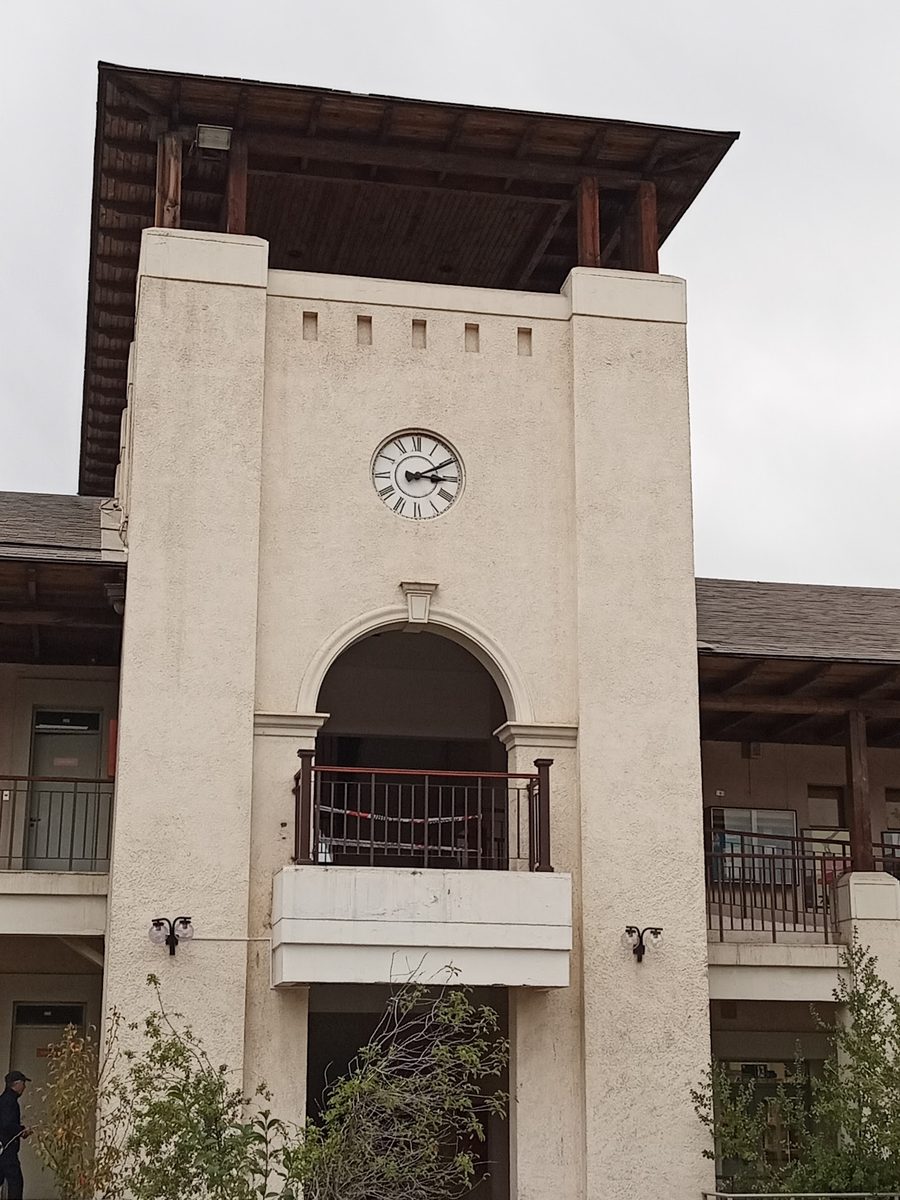
Colegio Alemán de Santiago
Santiago · Chile
Founded in 1891 by Santiago's German colony, this three-campus academy remains Chile's only school pairing Begegnungsschule status with the German Abitur.
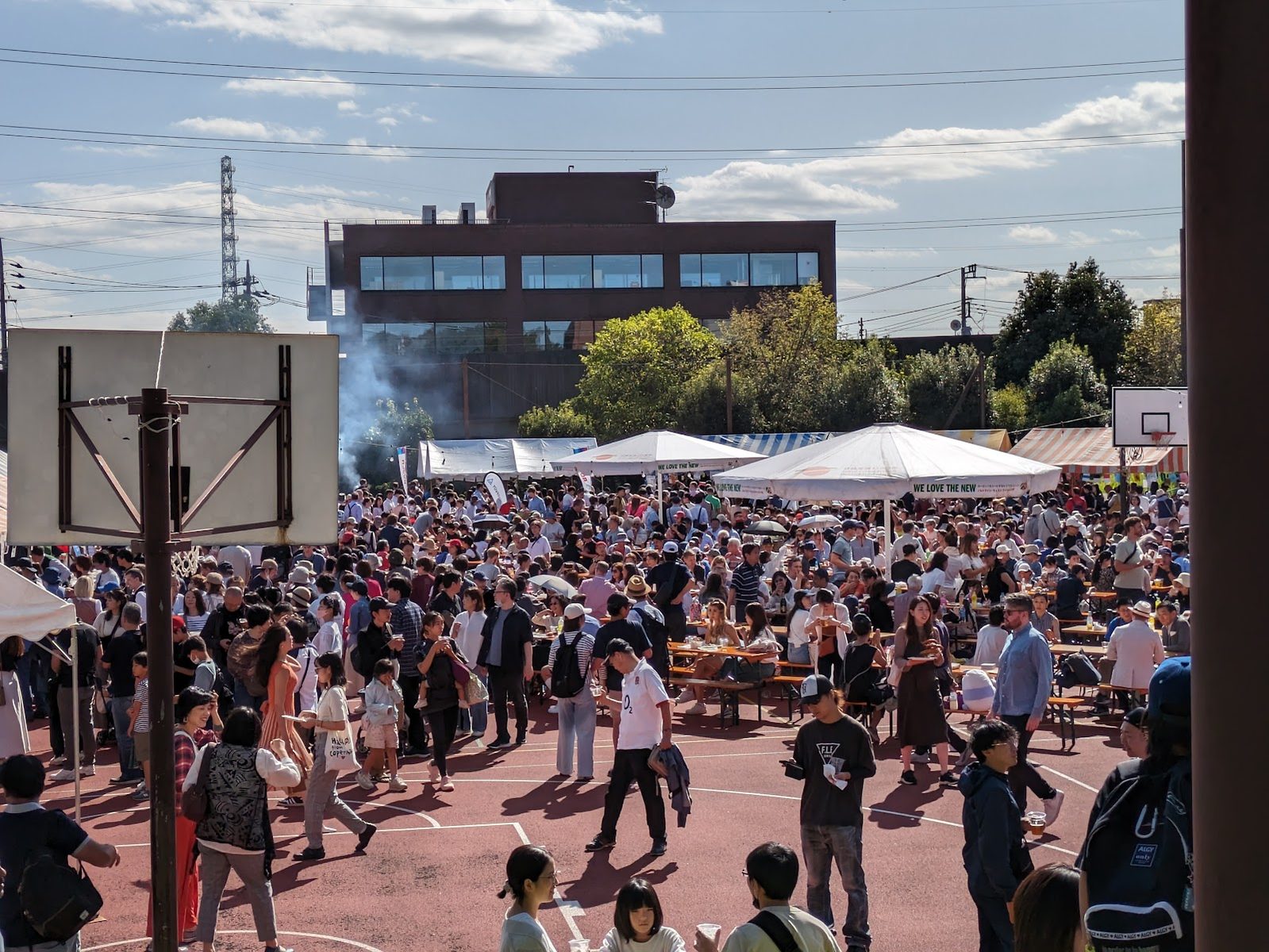
Deutsche Schule Tokyo Yokohama
Yokohama · Japan
Since 1904, East Asia's oldest German school pairs Abitur rigor with a Borussia Dortmund football academy on its Yokohama campus.
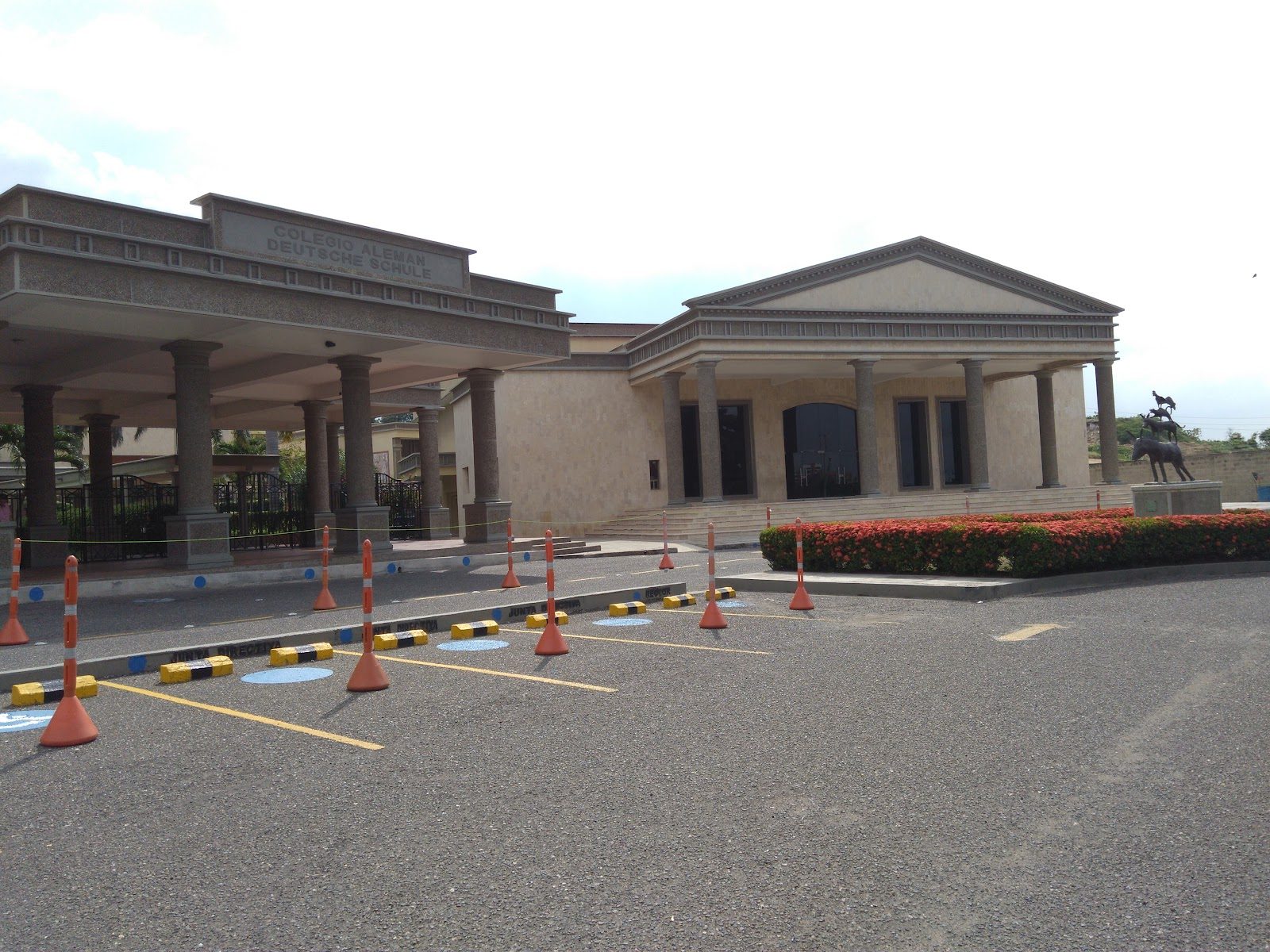
Colegio Alemán de Barranquilla
Barranquilla · Colombia
On Colombia's Caribbean coast, a century-old German school pairs Abitur rigor with the IB diploma in three languages.
Deutsche Schule der Borromäerinnen
Cairo · Egypt
Steps from Tahrir Square, Catholic sisters have prepared Muslim and Christian girls for the German Abitur since 1904.
Same country and curriculum — closest matches within ±10 points either way