
Kanagawa
Deutsche Schule Tokyo Yokohama
low confidence· 4/6 cats · 1.2 avg sourcesSince 1904, East Asia's oldest German school pairs Abitur rigor with a Borussia Dortmund football academy on its Yokohama campus.
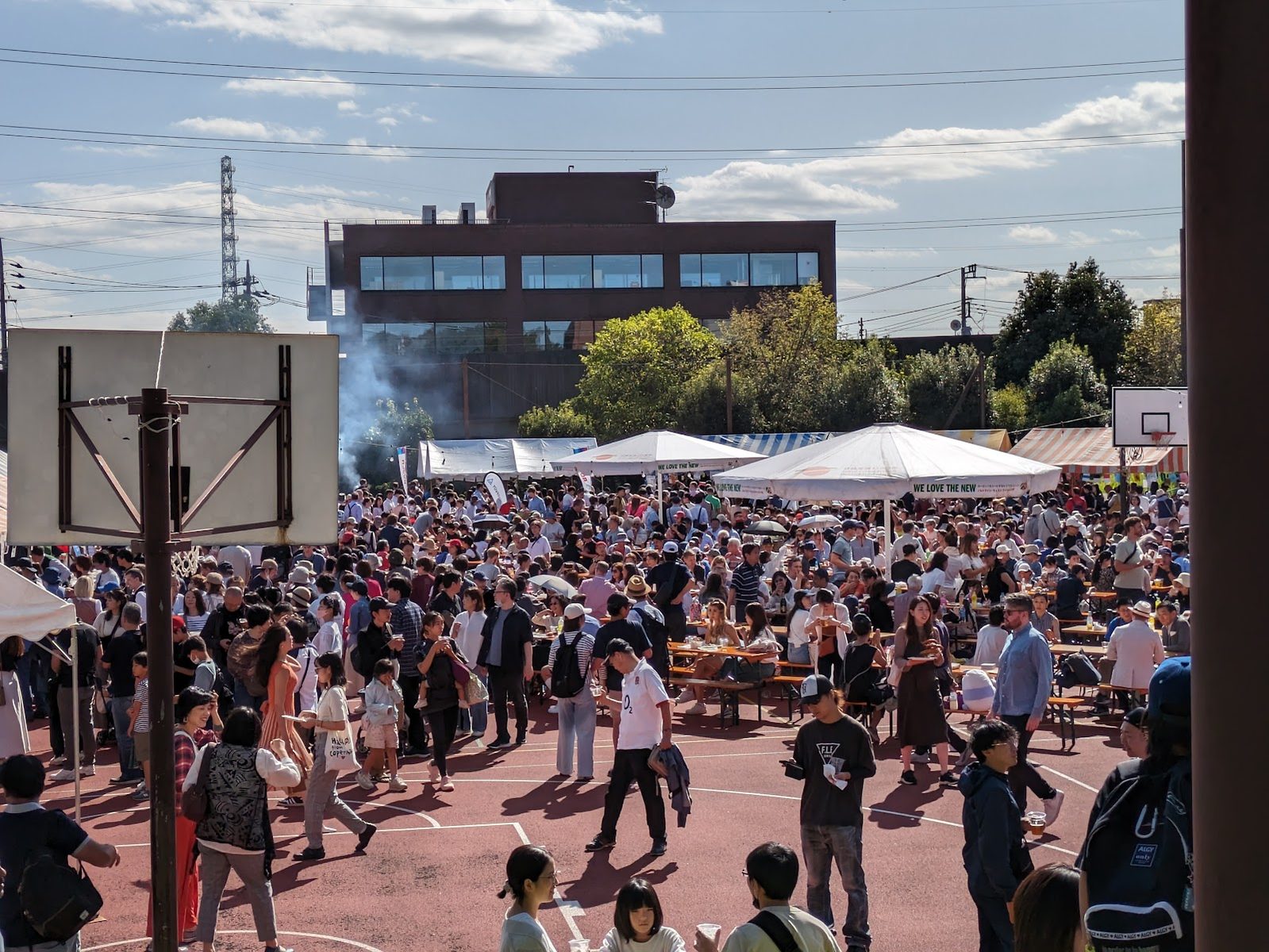
Photo © az via Google Maps
Type
Day
Ages
3–18
Curriculum
German Abitur
Ratio
—
The Verdict
Editor's commitment
Right for
Families committed to German-language schooling to age 18: Deutsche Schule Tokyo Yokohama offers Japan's only German International Abitur, founded in 1904.
Wrong for
Anyone wanting British, IB or Japanese mainstream pathways should look elsewhere; this non-religious day school teaches in German and English in Yokohama.
Watch out for
At an average JPY 1,757,000 a year, you are buying a niche 3-18 German school with Abitur status and Excellent German School Abroad accreditation.
Ranking breakdown
Deutsche Schule Tokyo Yokohama · #1253 of 1591
Composite score 57.1. 8 weighted criteria.
By criterion
Academic Outcomes
Weight 20%
#1195
of 1529 scored
University Placement
Weight 16%
#1201
of 1529 scored
Prestige & Heritage
Weight 12%
#1258
of 1529 scored
Alumni Network
Weight 12%
#1091
of 1529 scored
Facilities
Weight 12%
#1251
of 1529 scored
Transparency & Communications
Weight 8%
#1228
of 1529 scored
Peer & Industry Review
Weight 10%
#1098
of 1529 scored
Admissions Selectivity & Demand
Weight 8%
#991
of 1529 scored
Peer & Industry Review
How Deutsche Schule Tokyo Yokohama is regarded in the sector
64
Respected · medium confidence
I could not identify at least two independent, third-party sources (e.g., Tatler, Good Schools Guide, specialist education press, or established expat forums) that specifically assess Deutsche Schule Tokyo Yokohama's reputation. Available information is largely limited to the school's own materials or general directory listings of German international schools abroad, which do not meet the evidentiary bar required.
Editors' overview
Deutsche Schule Tokyo Yokohama occupies a niche no other school in Japan can claim: it is the country’s only school offering the German International Abitur, and it has done so from a base that dates back to 1904. That matters. For German-speaking families who want a full German school pathway in Japan, this is not one option among several; it is the reference point. The school runs from age 3 to 18 on a single Yokohama campus, which gives it continuity that many expatriate families value and many international schools struggle to deliver. It is also a day school, non-religious, and teaches in German and English, with the school itself placing multilingualism and cultural exchange with Japan at the centre of its model.
What sets it apart is not polished global-school branding but a clear, specific identity. This is a German overseas school first, not a generic international school with a bit of German attached. The “Excellent German School Abroad” accreditation reinforces that point, as does the school’s insistence on German-language development across the age range. Parents need to be clear-eyed about the implication: this is a strong fit for families who want academic and cultural continuity with the German system, and a weaker fit for those shopping for an Anglo-international curriculum with broad university-prep flexibility. The average annual day fee across the full age range is JPY 1,756,666, which places it in the serious-fee bracket but not in the upper reaches of Tokyo-area international schooling.
The other distinguishing feature is breadth on campus. The school describes a wide site, modern facilities, co-curricular provision, its own school bus network from Tokyo and Yokohama, and a role as a hub for the German-speaking community in Japan. That combination gives DSTY a community-school heft that smaller niche schools often lack. The Borussia Dortmund football academy link in your verified context sharpens the picture further: this is not a cloistered academic outpost, but a school with a defined extracurricular edge. A child who will thrive here is one who can handle the demands of the German Abitur track, wants German language and identity to remain central, and benefits from a campus that feels *settled, structured and culturally anchored*. Families seeking an all-purpose, globally standardised international school experience have many alternatives. Families seeking a distinctly German education in Japan have one obvious shortlist school, and this is it.
Academic Performance
DSTY’s academic case rests on structural credibility rather than published headline data. The school offers the German International Abitur and operates under German overseas-school quality control, which gives parents a clear sense of academic direction and standards. That matters in a market where many schools advertise breadth but disclose little. Here, the strength is the defined academic track: pupils are working within a system with external examinations, established subject expectations and a recognised university-entrance qualification. For families who want the German route kept intact, that is a serious academic proposition, not a lifestyle extra.
The weakness is transparency. DSTY does not publish aggregate Abitur outcomes, cohort averages, top grades, university destination lists or year-on-year exam breakdowns in the public domain. That leaves outside comparison frustratingly opaque. Relative to peers, the school sits in a specialist category rather than the mainstream Tokyo international-school pack: it is less useful to compare it with IB-heavy schools chasing glossy global placements than with other academically rigorous national-system schools serving expatriate communities. In that narrower frame, the key question is not branding but whether the school delivers disciplined preparation for a demanding terminal examination. The structure says yes; the published results record does not prove the extent of that success. For exacting parents, that gap matters.
Facilities
The campus breadth is the headline facility story. DSTY runs kindergarten through the end of school on one site, and that matters in practical terms: younger children are not tucked into an annex and older pupils are not pushed into a stripped-back urban block. The school stresses a wide, usable campus with modern facilities and room for movement, creativity and concentration; in a Japan market where land is tight and many city schools trade heavily on compact vertical campuses, that is a real advantage. The school bus system from both major catchment areas also counts as infrastructure, not a footnote. For families balancing school choice against daily logistics, that network makes the campus more accessible than a map pin alone would imply.
The more distinctive edge sits in co-curricular sport. The Borussia Dortmund football academy link gives DSTY a sharply defined sporting asset that many specialist national-system schools do not have, and the public-facing activity stream points to active basketball, theatre and orchestra provision rather than token after-school filler. That combination of serious sport and performing arts gives the school more range than some academically rigid European schools abroad, which can be strong in classroom culture but thin outside it. What is missing is the hard-detail layer exacting parents may want: no published theatre list, no facility-by-facility breakdown, no pool, theatre or lab inventory in the public domain. So the verdict is positive but not fully evidenced: the campus reads as *well-equipped and spacious by peer standards*, without the forensic specification that top operators now publish.
The result is a place with a distinctive internal culture: academically structured, community-rooted and unusually clear about what it is for
Prestige
Prestige here is specific, earned and narrow, not mass-market. Within the German-speaking world in Japan, DSTY holds real standing because it is the only school in the country offering the German International Abitur and because it remains the oldest German school in East Asia still operating. That gives it institutional weight that newer niche schools cannot manufacture. It also functions as a centre of gravity for the German-speaking community, which matters: prestige in expatriate schooling is not only about exam labels, but about who gathers there, how durable the institution is, and whether families treat it as the default choice for a serious national-system education abroad. On that measure, DSTY is clearly first-rank in its lane.
Outside that lane, the prestige is more contained than universal. This is not the kind of school that dominates Tokyo’s broader international-school conversation through glossy university-placement marketing, celebrity alumni, or public exam-score theatre. Its public profile is quieter and more community-rooted. That limits its cachet with families chasing the most globally legible brand names, but it strengthens its authority with families who value authentic system continuity over status display. The school’s long institutional life, official German-school standing and role as a cultural anchor give the education real heft. The verdict is straightforward: DSTY carries high prestige for the right audience, and only modest glamour for everyone else.
DSTY does not publish aggregate Abitur outcomes, cohort averages, top grades, university destination lists or year-on-year exam breakdowns in the public domain
Communications
Parent communication is active, practical and community-facing rather than polished in the style of a corporate international school. The public site carries a steady stream of school news, co-curricular updates, event notices and calendar entries, with separate labels for kindergarten, primary, secondary, activities and parent sport. That matters because it shows a school communicating the daily life of the institution, not just admissions-page slogans. The transport point is also handled clearly: the school states that families can reach campus by public transport or its own bus system from the wider catchment, which answers one of the first logistical questions parents ask. The presence of a handbook, search function, calendar and route information gives communication a serviceable, workmanlike structure.
The strength here is functional clarity; the weakness is sharpness. The website does the essentials, but it is not slick and it does not publish the deeper performance data that exacting parents now expect alongside routine updates. There is plenty to reassure an already interested family that the school is busy, organised and community-rooted. There is less to help an outsider test academic outcomes, compare standards or interrogate the school in detail. That leaves the overall picture credible but not exhaustive. For current parents, the communications model looks hands-on and sufficiently regular. For prospective parents conducting hard-nosed due diligence, it is informative on operations and culture, thinner on evidence.
Uniqueness
What makes DSTY unique is not a vague international outlook but a hard-edged institutional identity. In Japan, no other school offers this exact German pathway from the earliest years to school leaving on one campus. That gives families something rare: full-system continuity without the usual compromises of patchwork language support, partial programme adoption or a transfer into another framework halfway through adolescence. For students, the benefit is cumulative. Expectations stay coherent, subject progression is mapped across the whole school, and children grow up inside a community where German schooling is the norm rather than a specialist add-on. The school’s role as a hub for the German-speaking community strengthens that effect; pupils are not studying in cultural isolation, but within a settled, self-confident enclave.
The second point of difference is range. Many national-system schools abroad do one thing well and leave the rest thin. DSTY adds a campus life that includes theatre, orchestra, basketball and a Borussia Dortmund football academy presence, alongside a bus network drawing families in from across the wider catchment. That broadens the student experience beyond classroom discipline and gives the school more lived-in substance than a narrowly academic outpost. The result is a place with a distinctive internal culture: academically structured, community-rooted and unusually clear about what it is for. For the right child, that clarity is liberating. There is less reinvention, less mixed messaging and far more cultural and educational coherence than at generic international schools.
What makes DSTY unique is not a vague international outlook but a hard-edged institutional identity
Student Profile
The best fit is a child who wants one school to function as a complete world, not just a classroom. DSTY suits German-speaking and German-linked families who want their children educated inside a community where that identity sits at the centre of school life rather than at the margins. The all-through structure from age 3–18 matters here: pupils can settle early, grow up with the same peer culture and move through the school without the churn that defines many expatriate settings. Children who value routine, continuity and a settled social environment will do well. So will families who want school life tied to a recognisable community beyond the school gate, not an atomised international crowd that rotates every few years.
It is a weaker fit for families seeking maximum curricular optionality, a broad mix of linguistic backgrounds, or the high-gloss social scene attached to some big-brand international schools. The student who thrives here is *grounded, adaptable and culturally anchored*: comfortable in a school that takes its own identity seriously, willing to work within clear expectations, and keen to join in beyond lessons through sport, music, theatre or the wider co-curricular programme. The Borussia Dortmund football academy link sharpens the appeal for sporty children, but this is not a one-track athletic crowd. It is a school for pupils who prefer substance over display, community over buzz, and a clear sense of belonging over endless choice.
For German-speaking families who want a full German school pathway in Japan, this is not one option among several; it is the reference point
Co-curricular strengths
Arts & sport, on a separate axis
Overall 7.82/10
Scored 0-10 from the school's own published evidence. This axis is editorial-only — it does not feed the main WTS ranking.
Sports
8.5/10
Drama
7.8/10
Dance
6.5/10
Music
8.3/10
Visual Arts
8/10
Editor first-pass · editor-reviewable · 7/30/2026
Strengths
- +Offers the full German Abitur, recognised by German universities and accepted for university entry across the EU.
- +Instruction follows the accredited German curriculum, allowing children of relocating German families to reintegrate smoothly into schools back home.
- +Located in Yokohama, giving access to a large German and international expatriate community in the Kanto region.
- +Small class sizes typical of German international schools abroad allow closer teacher attention than large international curricula competitors.
- +Multilingual exposure through German, English and Japanese language instruction as part of the core programme.
Considerations
- −Curriculum is delivered primarily in German, which limits accessibility for families without German language background.
- −As a niche national curriculum school, it has a narrower academic and extracurricular breadth compared to large IB or British curriculum schools in the same market.
- −Location in Yokohama means a longer commute for families based in central Tokyo.
- −Small overall student body relative to major international schools may mean fewer subject options at senior levels.
Availability
Primary entry gate & tests
Academic Record
Gallery
Photo © 木村明 via Google Maps
Photo © ゆきの via Google Maps
Photo © the seven via Google Maps
Photo © Hiroshi Koizümi via Google Maps
Photo © Hiroshi Koizümi via Google Maps
Parent reviews
Have you sent your child here?
Voice reviews carry the strongest trust badge — we transcribe them for you to tidy up before they go live. Prefer to type? A written review is fine too.
Add your voice
In 60 seconds, tell other parents: what's the best thing about Deutsche Schule Tokyo Yokohama, and what surprised you when your child joined?
We ask for a Google sign-in so every review has a real face behind it — no anonymous drive-by attacks on schools, and no faked positive reviews. Your email is never shown publicly.
Send this profile to a friend
International parents rely on word-of-mouth. Share this review with someone weighing the same decision.
Schools with places
Similar schools to Deutsche Schule Tokyo Yokohama with places available now.
Saint Maur International School
Yokohama · Japan
- 2026-27
- WAITPOOLSpace-dependent
- 2027-28
- PLACES OPENRolling
Yokohama International School
Yokohama · Japan
- 2026-27
- WAITPOOLSpace-dependent
- 2027-28
- PLACES OPENRolling
Availability first, then country, area, curriculum, price, co-curricular
Consider also
Also worth looking at alongside Deutsche Schule Tokyo Yokohama.
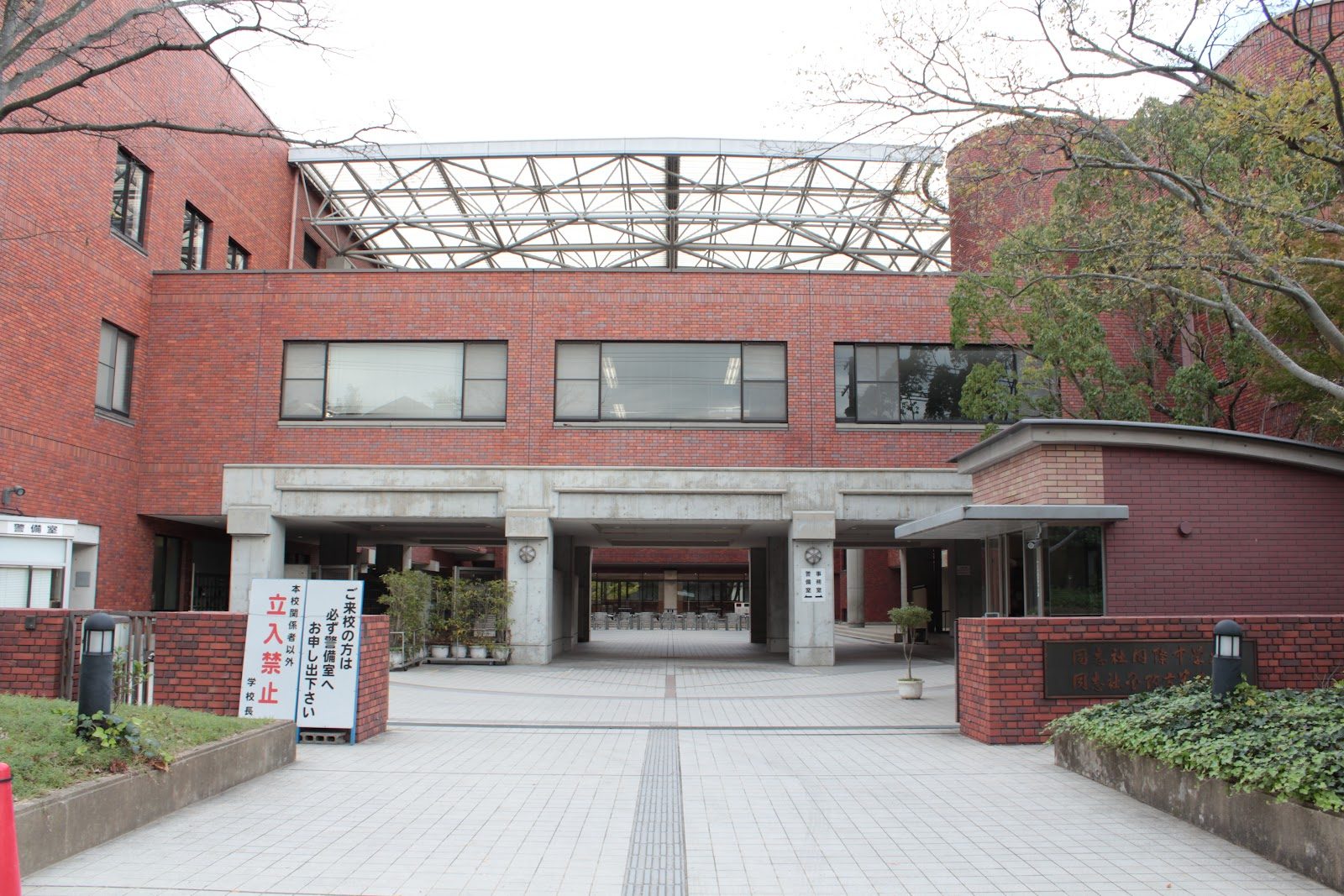
Doshisha International School Kyoto
Kyotanabe · Japan
Small IB classes inside a research-park campus, carrying the 1875 Christian-liberal ethos of the Doshisha network into Kansai Science City.
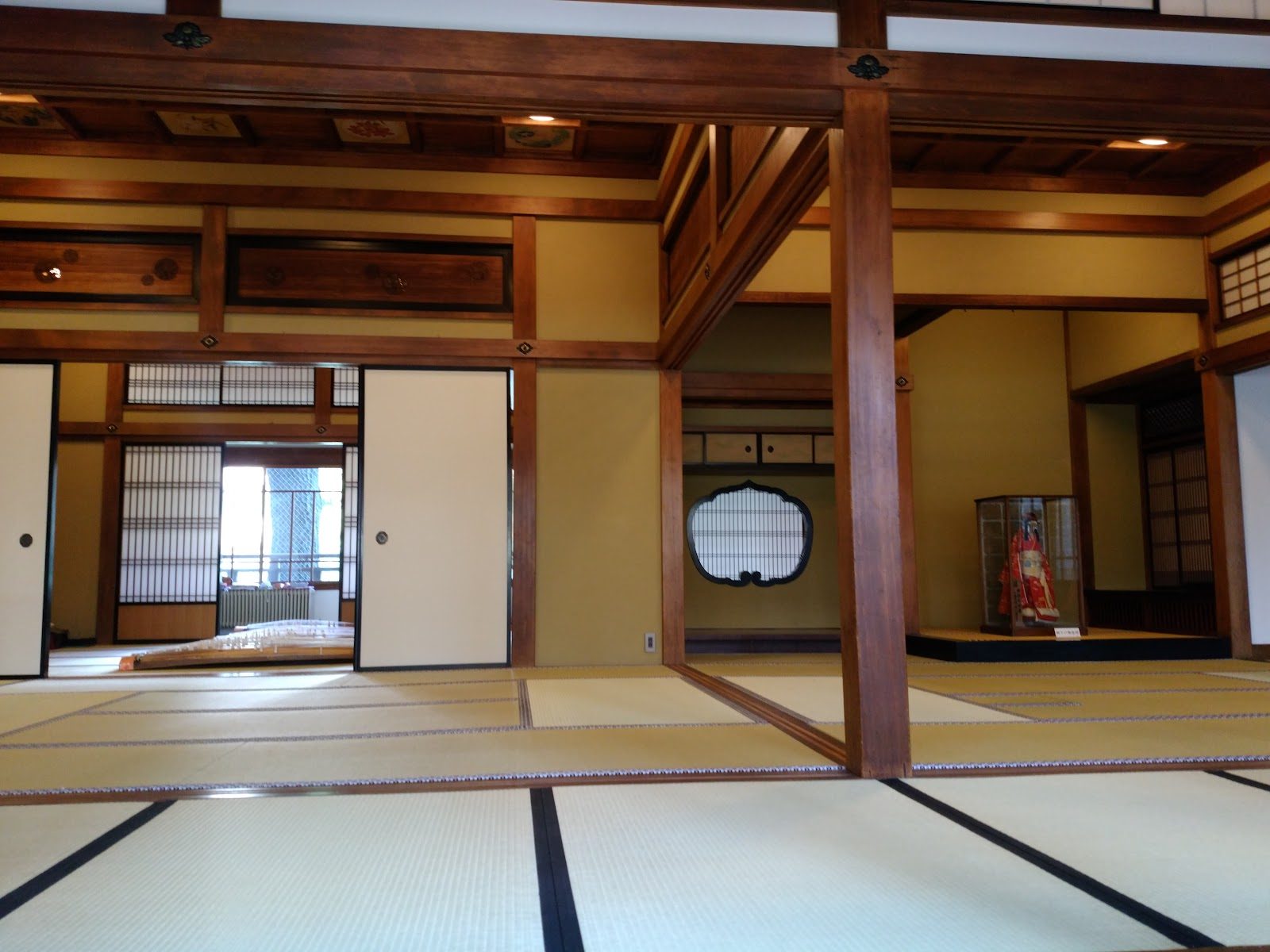
Sacred Heart School Kobe
Kobe · Japan
Perched above Kobe, this Catholic girls' school blends Japan's curriculum with an American track in an Antonin Raymond-designed hall.
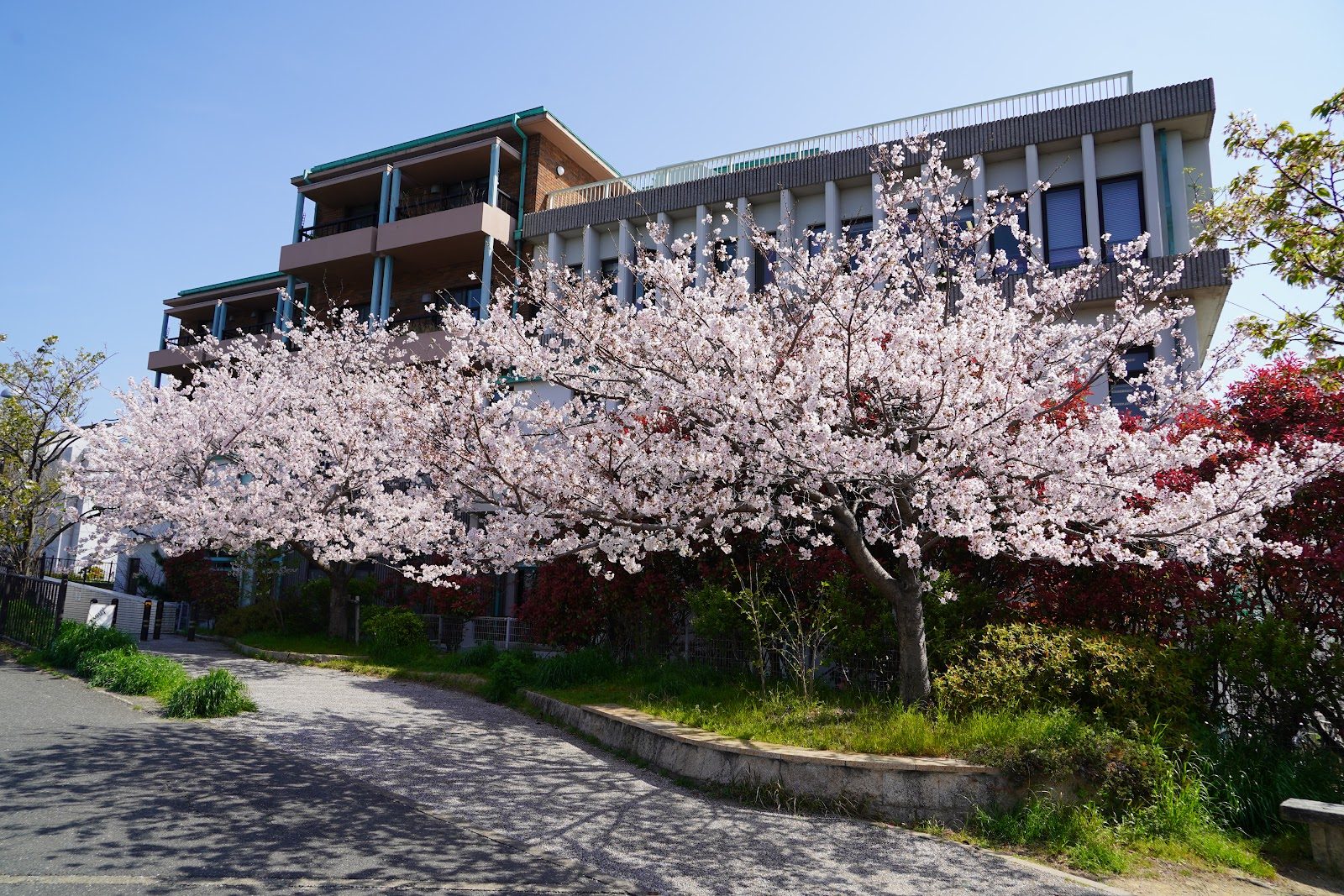
Fukuoka International School
Fukuoka · Japan
Kyushu's only Pre-K-12 international campus runs the full IB continuum from a Momochi site along the Muromi River
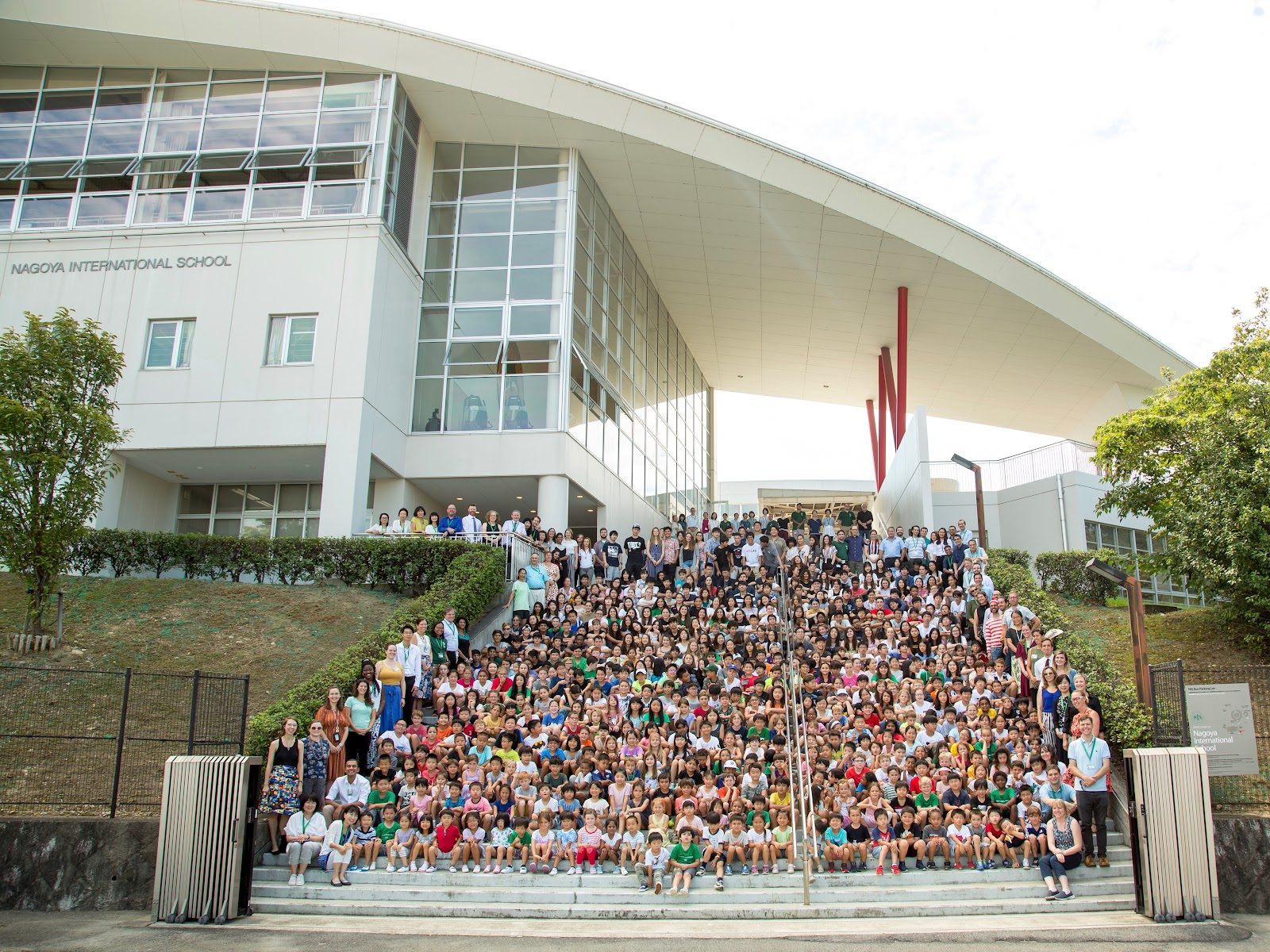
Nagoya International School
Nagoya · Japan
Since 1964, a full IB continuum school anchoring Nagoya's expatriate community at the heart of Japan's auto and aerospace corridor
Same country and curriculum — closest matches within ±10 points either way