
District of Columbia
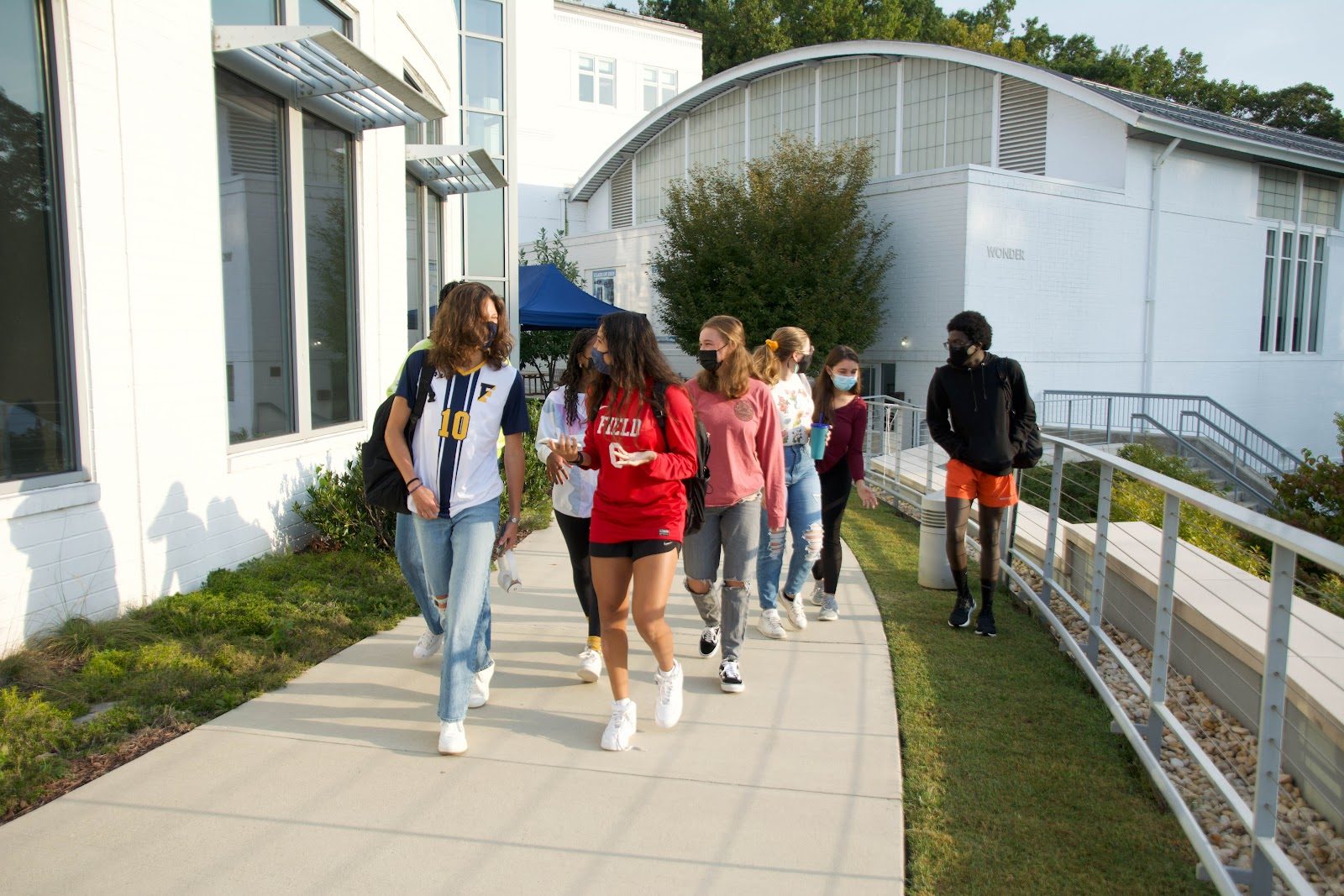
The Field School
low confidence· 1/6 cats · 2.5 avg sourcesSmall, discussion-driven classes in a Foxhall Road mansion built around Field's founding creed of self-discovery over rote memorization.
Type
Day
Ages
11–18
Curriculum
American
Qualifications
AP
Ratio
1:5
The Verdict
Editor's commitment
Right for
Children aged 11–18 who learn best in discussion-heavy rooms; Field’s 1:5 ratio and 370-student scale keep adults close.
Wrong for
Families wanting a large American school with broad anonymity and endless teams; grades 6–12 on one Washington, D.C. campus stays intimate.
Watch out for
At an average $59,236 a year, this non-religious day school charges top-tier money; NAIS membership is not a substitute for published outcomes.
Ranking breakdown
The Field School · #890 of 1591
Composite score 62.5. 8 weighted criteria.
By criterion
Academic Outcomes
Weight 20%
#1002
of 1529 scored
University Placement
Weight 16%
#965
of 1529 scored
Prestige & Heritage
Weight 12%
#1037
of 1571 scored
Alumni Network
Weight 12%
#623
of 1530 scored
Facilities
Weight 12%
#994
of 1534 scored
Transparency & Communications
Weight 8%
#870
of 1532 scored
Peer & Industry Review
Weight 10%
#1108
of 1548 scored
Admissions Selectivity & Demand
Weight 8%
#888
of 1529 scored
Peer & Industry Review
How The Field School is regarded in the sector
64
Respected · medium confidence
Among Washington's established independent schools, The Field School is generally regarded as the credible progressive alternative to larger, more traditional peers such as Sidwell Friends, Georgetown Day, and St. Albans, respected for pedagogical distinctiveness rather than scale or resources. Its smaller size and self-directed academic model mean it is less frequently cited in regional college-matriculation comparisons than the city's largest feeder schools, and it does not consistently appear in the same breath as those institutions in Ivy-heavy admissions discussions. Coverage in Washington-area media (Washingtonian's private-school guides, local education roundups) tends to frame Field as a niche, values-driven option rather than a top-tier prestige brand. As an NAIS member, it participates in the standard national independent-school peer infrastructure, but it has a lower profile in specialist outlets like the Good Schools Guide or WhichSchoolAdvisor compared with DC's largest and most internationally recognized schools. Its reputation is one of quiet respect for authenticity of mission rather than competitive prestige.
Editors' overview
The first thing to understand about The Field School is scale. This is a 370-pupil day school on Foxhall Road, serving ages 11 to 18, with a striking 1:5 student-teacher ratio and a campus spread across three buildings, including the historic Cafritz House. That ratio tells you a great deal about the educational proposition before anyone starts talking about philosophy. Field trades on closeness: small classes, high adult visibility, and a discussion-led culture that suits articulate, intellectually restless children far better than compliant box-tickers. The school’s own language leans hard on “bold thinkers” and “creative problem solvers”; stripped of the rhetoric, the core offer is clear enough — an American curriculum in a small, idea-driven setting where students are expected to speak, think and participate.
That makes Field a distinctive option in the Washington market. It is non-religious, co-educational and independent, founded in 1972, with NAIS accreditation rather than a long list of badges. Parents drawn to large programmes, mass spectacle and institutional grandeur will find a school housed in a mansion and ancillary buildings a deliberately intimate alternative instead. The advantage of that format is obvious: children who are bright, original, slightly unconventional or ill-served by rote-heavy environments get room to develop a voice. The risk is just as obvious: students who want anonymity, relentless external structure or the social scale of a very large high school may find it tight-knit to a fault.
At an average annual day fee of $59,236, Field sits in the expensive end of the US private day-school market, and it needs to justify that through teaching quality and individual attention. The published grades 6–12 span matters here: this is not a narrow sixth-form-style add-on, but a full secondary school with continuity through the middle and upper years. It belongs on a shortlist for families who want a school with serious adult attention, a strong sense of student voice and a culture built around self-discovery rather than drill. It is not the place for families who equate quality with scale, gloss or a conveyor belt to prestige. It is for students who want to be known well, taught closely and pushed to think for themselves.
Academic Performance
Academic transparency is thin. Field does not publish aggregate SAT, ACT, AP or IB results, and no public university-destination table is in view either. That matters because the school is selling a high-attention, discussion-heavy secondary education in a fee bracket where parents have every right to expect hard outcome data alongside philosophy. Without that disclosure, it is impossible to place Field cleanly against Washington’s most academically scrutinised independents on raw exam performance. The school’s public case rests instead on its teaching model, student support, electives, arts and college counselling, not on a bank of headline numbers.
That does not make Field weak; it makes it opaque. In the US independent-school market, plenty of strong schools choose not to reduce themselves to league-table shorthand, especially when they want to emphasise intellectual development over test preparation. Field fits that camp. The question for parents is simple: does the school convert close teaching into measurable academic outcomes? At present, the public answer is incomplete. Relative to peers that publish AP volumes, mean SAT ranges, National Merit figures or detailed matriculation lists, Field gives families less to work with. Relative to schools that prize student voice and self-discovery over score-chasing, the stance is coherent. It is also a trust-based proposition at $59,236 a year, and trust is stronger when results are visible.
Facilities
Field’s campus is compact and characterful rather than expansive. The centre of gravity is the historic Cafritz House on Foxhall Road, backed by the Aude and Sapere buildings, with the whole school operating across three buildings for a student body of 370. That gives Field a contained, high-contact physical environment: easy to navigate, hard to get lost in, and well matched to a school that relies on discussion, close teacher access and visible adult presence. Parents looking for sprawling grounds, stadium-scale athletics or the kind of specialist complex found at larger US independents will not find that here. This is a school where the buildings support the pedagogy, not a campus built to impress on arrival.
Against peers, that cuts both ways. Field has more architectural identity than many urban day schools crammed into anonymous blocks, and the mansion setting gives it a distinctive sense of place. But it does not read as a facilities heavyweight. The public picture points to functional academic space, arts provision, athletics and student support, yet offers little hard detail on laboratories, theatres, maker spaces or major sporting infrastructure. At this fee level, that lack of specificity matters. Families choosing between Washington independents will find schools with broader, more overtly advertised physical plant. Field’s edge lies in intimacy and daily usability, not in flash or infrastructural muscle.
The first thing to understand about The Field School is scale
Prestige
Field’s prestige sits in a distinctive but narrow bracket. This is not the kind of American independent school that trades on old-money grandeur, giant scale or a famous conveyor belt of publicly advertised outcomes. Its reputation rests on educational intimacy and a clear internal culture: small classes, heavy teacher contact and an expectation that pupils speak up, think hard and engage. For the right family, that carries real cachet. In educated Washington circles, a school with only 370 pupils and a 1:5 staffing ratio signals serious adult attention and a refusal to do education by mass production. That has status of its own, even if it is not the showy kind.
The limit is equally clear. Prestige at the top of the market comes in several forms: historical heft, institutional scale, selective glamour, elite university results, or exceptional public visibility. Field does not lead with those markers. It reads instead as a connoisseur’s choice — valued by parents who want an intellectually engaged, discussion-led school and who care more about fit than brand dominance. That gives it strong local credibility but not the universal name recognition of America’s most famous independents. I rate its prestige as solid and selective rather than commanding: respected, expensive, and credible, but not the school families choose in order to impress strangers.
For articulate, independent-minded children, that is genuinely distinctive
Communications
Field’s parent communication looks competent, centralised and serviceable rather than rich in public detail. The website gives parents the practical spine they need: direct routes to contact, admissions, tuition and financial aid, transport, calendars, news, alumni and parent association pages, plus a visible “Book A Visit” call to action. There is also a live operational update on delayed opening, timestamped to the minute, which matters more than brand language because it shows the school uses its site for real-time housekeeping, not just image management. In a school this small, that counts. Families do not need a sprawling information architecture; they need clarity, speed and adults who answer. Field’s structure points to a hands-on, high-accountability communications culture where day-to-day logistics are unlikely to get lost in bureaucracy.
The limit is transparency, not access. The school talks fluently about mission, values and community, but public-facing communication gives parents less hard data than many fee-charging peers. There is no deep published bank of outcome metrics, and the website leans more on ethos than evidence. That does not weaken routine parent communication; it narrows the picture for prospective families trying to assess performance with precision. My reading is that communication with current parents is direct and operationally sound, helped by the school’s scale and the 1:5 ratio. Communication with prospective parents is warm but controlled: clear on culture, thinner on proof.
Uniqueness
Field’s real distinction is not a branded programme or a trophy campus. It is the school’s operating scale and the educational philosophy attached to it. With only 370 pupils and a striking 1:5 student-teacher ratio, Field can build a school day around conversation, scrutiny and genuine adult knowledge of each child. That matters because many secondary schools claim to value individuality while running on systems built for throughput. Field does the opposite. Its public language about “bold thinkers” and “empowered voices” points to a school that wants students to state a view, defend it and refine it. For articulate, independent-minded children, that is genuinely distinctive. For quieter pupils who need time and encouragement before speaking in public, it can also be constructively demanding.
The benefit to students is clear: they are harder to overlook, harder to stereotype and harder to leave drifting. In a setting this small, participation is not optional and anonymity is not really available. That can produce serious intellectual confidence and a stronger sense of ownership over learning than children get in larger, more impersonal schools. The mansion setting on Foxhall Road reinforces that difference. This is not a conventional big-campus American adolescence; it is a close-grained, high-contact education in which relationships carry unusual weight. The payoff is depth, voice and adult attention. The trade-off is that students who want social breadth, looser structures or the camouflage of a crowd will find Field intense by design.
That makes Field a distinctive option in the Washington market
Student Profile
Field suits pupils who want to be known, heard and challenged in class every day. This is a strong fit for children who think aloud, ask follow-up questions and can tolerate the pressure of being visible to adults and peers. The school’s low staffing ratio — 1:5 — points to a setting where under-preparation will be noticed quickly and intellectual passivity will not get much room to hide. Students who thrive here are verbally engaged, self-aware and willing to test ideas in discussion rather than wait for instructions and reproduce them neatly. Creative, independent-minded children also have more room than they get in a conventional large secondary school, because the school’s public ethos prizes voice, inquiry and personal direction over rote compliance.
The less suitable profile is just as clear. Pupils who want a huge social field, broad anonymity or a high-status competitive pecking order will find this school tight-grained and intense. Children who dislike speaking in class, need constant external pushing, or prefer heavily standardised academic routines may feel exposed. That does not make Field exclusive in temperament; it makes it demandingly personal. The right student does not need to be flashy or extrovert, but does need to accept close attention and active participation as the price of admission. For families paying $59,236 a year, the real value lies in that high-contact fit: a pupil with ideas, curiosity and some appetite for self-definition will get far more from Field than a child who wants to disappear into the crowd.
Field has more architectural identity than many urban day schools crammed into anonymous blocks, and the mansion setting gives it a distinctive sense of place
Co-curricular strengths
Arts & sport, on a separate axis
Overall 9.22/10
Scored 0-10 from the school's own published evidence. This axis is editorial-only — it does not feed the main WTS ranking.
Sports
9/10
Preeminent day athletic force, fielding competitive varsity cross-country and soccer teams across urban leagues.
Drama
9.3/10
The modern performing arts center anchors an ambitious dramatic tracking program, mounting complex classical and modern plays.
Dance
9.2/10
Dedicated dance studios offering strong composition paths that serve as a headline asset for school arts showcases.
Music
9.2/10
Outstanding symphonic wind bands, jazz big bands, and orchestral ensembles that highlight major cultural showcases.
Visual Arts
9.4/10
Highly structured fine art layout leaning heavily toward technical drawing, fine oils, and advanced portfolio mastery.
Strengths
- +Washington, DC location suits embassy and policy families
- +Covers ages 11–18 in one non-religious day school
- +Progressive approach emphasises arts and design programmes
- +American curriculum in English eases US university preparation
Considerations
- −Day-only school; no boarding for overseas families
- −Only NAIS listed; no wider accreditation stated
- −American curriculum may not suit IB or British seekers
Availability
Primary entry gate & tests
ISEE/SSAT + Interview
Gallery
Parent reviews
Have you sent your child here?
Voice reviews carry the strongest trust badge — we transcribe them for you to tidy up before they go live. Prefer to type? A written review is fine too.
Add your voice
In 60 seconds, tell other parents: what's the best thing about The Field School, and what surprised you when your child joined?
We ask for a Google sign-in so every review has a real face behind it — no anonymous drive-by attacks on schools, and no faked positive reviews. Your email is never shown publicly.
Send this profile to a friend
International parents rely on word-of-mouth. Share this review with someone weighing the same decision.
Schools with places
Similar schools to The Field School with places available now.
Maret School
Washington, D.C. · United States
- 2026-27
- CLOSEDRegular cycle closed
- 2027-28
- PLACES OPENCloses 6 Jan '27
St. Albans School
Washington, D.C. · United States
- 2026-27
- CLOSEDRegular cycle
- 2027-28
- OPENS SOONOpens Sept '26
Sidwell Friends School
Washington, D.C. · United States
- 2026-27
- CLOSEDRegular cycle
- 2027-28
- OPENS SOONOpens Aug '26
Availability first, then country, area, curriculum, price, co-curricular
Consider also
Also worth looking at alongside The Field School.

The Browning School
New York City · United States
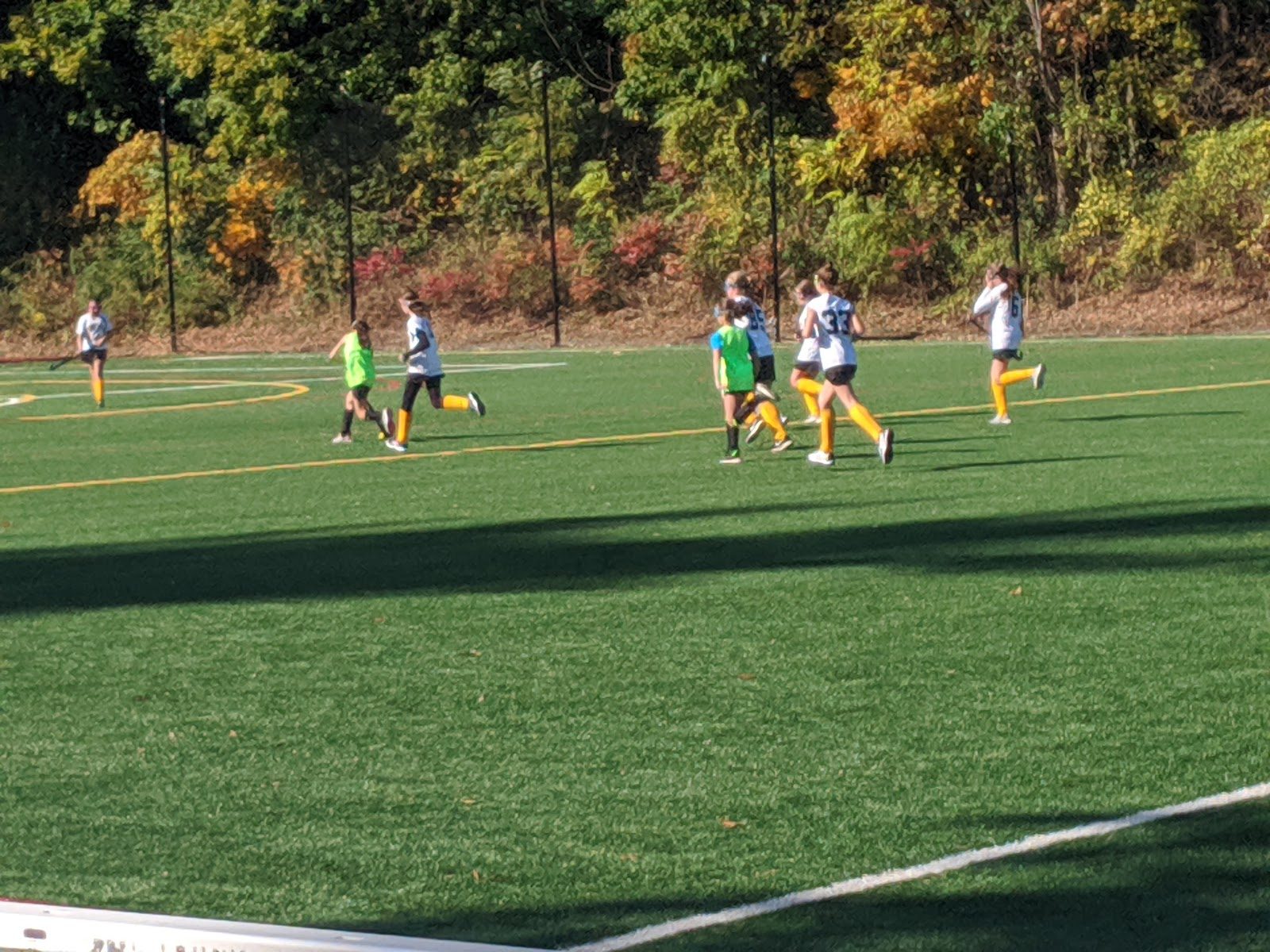
Manhattan's only K-12 all-boys day school, expanding onto East 64th Street after nearly 140 years on the Upper East Side.
Greenwich Academy
Greenwich · United States
Connecticut's oldest all-girls school pairs single-sex grounding with coeducational upper-school classes shared alongside Brunswick's boys.
Boston University Academy
Boston · United States
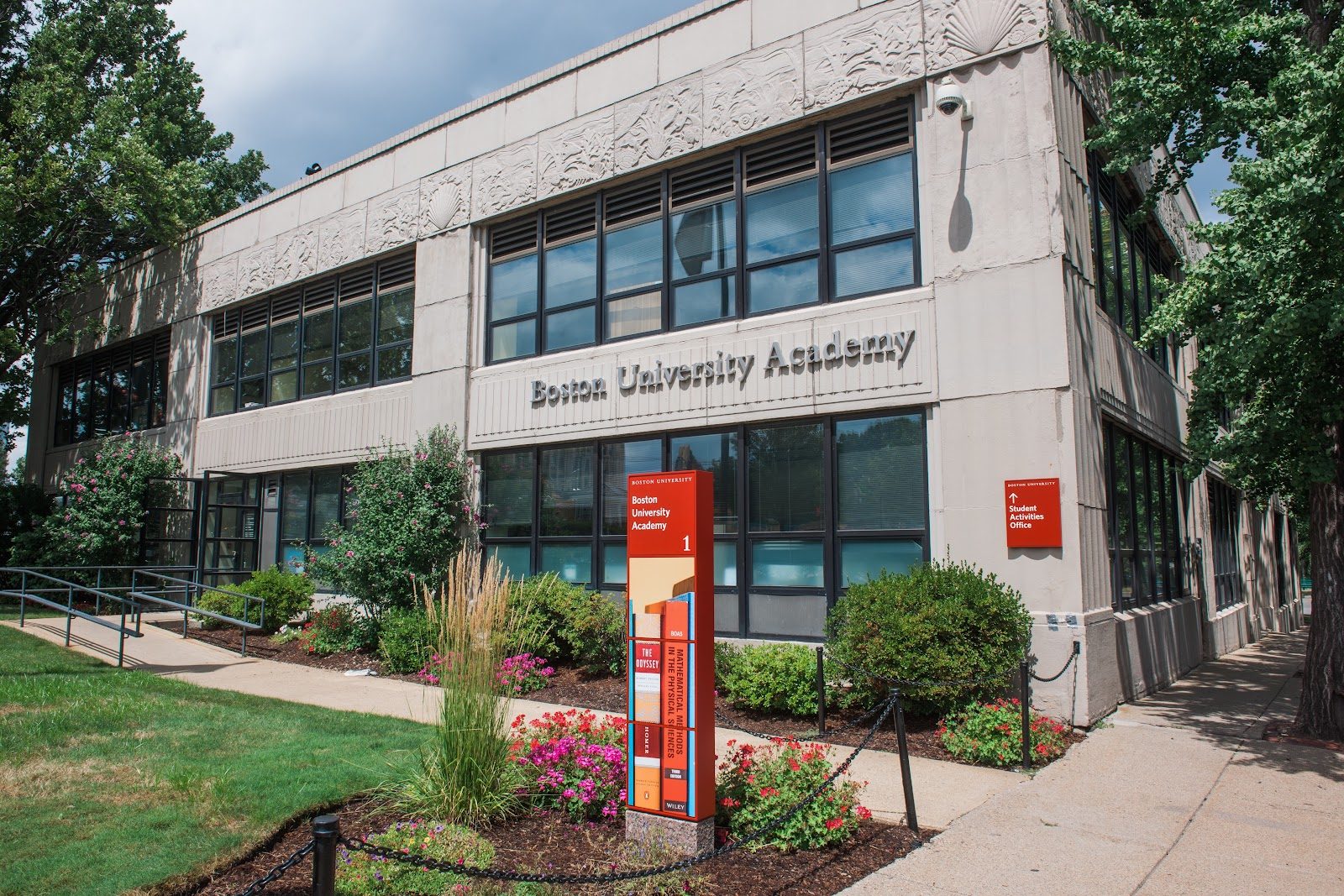
Upperclassmen trade study halls for Boston University lecture halls, banking college credit before graduation.
Marymount School of New York
New York City · United States
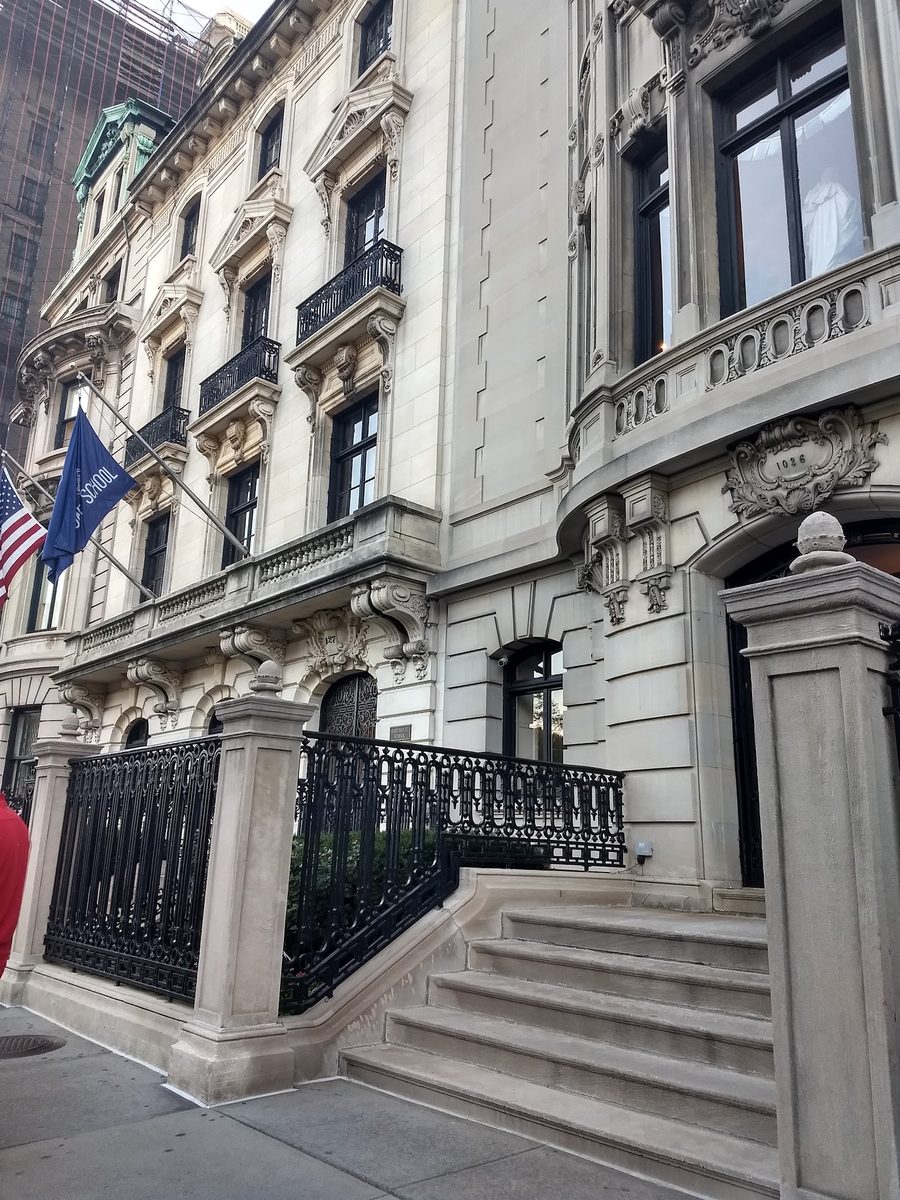
On Fifth Avenue, landmark mansions give way to Bloomberg terminals and classrooms inside the Met.
Same country and curriculum — closest matches within ±10 points either way