
Lincolnshire
Stamford School
low confidence· 3/6 cats · 3 avg sourcesFive centuries of grammar-school tradition rooted in a medieval church chapel, now fully co-educational amid Stamford's Georgian streets.
Type
Both
Ages
2–18
Curriculum
British
Qualifications
A-Level · GCSE
Ratio
—
The Verdict
Editor's commitment
Right for
Families wanting a British, Anglican 2–18 school in Stamford with day or boarding options, founded in 1532 and inspected by ISI.
Wrong for
Parents after a secular ethos, non-British curriculum or single-sex education; Stamford School is co-educational, Anglican and explicitly British.
Watch out for
The average annual fee is £23,450 day or £39,003 boarding; those numbers buy heritage and breadth, not a bargain.
Ranking breakdown
Stamford School · #862 of 1591
Composite score 57.5. 8 weighted criteria.
By criterion
Academic Outcomes
Weight 20%
#959
of 1529 scored
University Placement
Weight 16%
#965
of 1529 scored
Prestige & Heritage
Weight 12%
#819
of 1571 scored
Alumni Network
Weight 12%
#1387
of 1530 scored
Facilities
Weight 12%
#857
of 1533 scored
Transparency & Communications
Weight 8%
#865
of 1532 scored
Peer & Industry Review
Weight 10%
#1108
of 1548 scored
Admissions Selectivity & Demand
Weight 8%
#888
of 1529 scored
Peer & Industry Review
How Stamford School is regarded in the sector
64
Respected · medium confidence
Among East Midlands independent schools, Stamford is generally regarded as a solid, well-run HMC member rather than a national heavyweight; rival schools such as Oakham and Uppingham compete with it for local families but rarely cite it as an academic benchmark. Good Schools Guide-style commentary typically praises its pastoral warmth, music and co-curricular breadth while noting its results trail the sector's most selective schools. University destinations lean toward Russell Group institutions, with only a small, unpublicised trickle to Oxbridge each year, reflecting a school known more for rounded development than hothousing. ISI inspection reports have been consistently favourable on pupils' personal development, a point picked up more in local and regional press than in national broadsheets. It rarely features in Sunday Times or Telegraph independent-school 'top 100' rankings, itself a widely understood signal within the sector of a respected but non-flagship institution.
- David Ross — Co-founder, Carphone Warehouse
- William Cecil, 1st Baron Burghley — Statesman, Politics
- Malcolm Sargent — Conductor, Music
Editors' overview
The detail that matters at Stamford is not the Tudor founding date alone, but the setting in which that history still carries weight: a school rooted in a medieval church chapel and threaded through Stamford’s Georgian streets rather than sealed off on a remote estate. That gives it a character many British independents cannot replicate. Stamford is a co-educational Anglican school in Stamford for ages 2 to 18, teaching the British curriculum in English, with day and boarding provision under one umbrella. The age span matters. Parents can place a child at nursery and keep them on a single academic and pastoral track through junior, senior and sixth form, without the fracture that comes with a forced move at 11 or 13. The school also publishes separate GCSE and A level results pages and university destinations pages, which signals an institution that understands parents will judge it on outcomes as well as atmosphere.
Its market position sits in the serious-but-not-theatrical end of the UK independent sector: old, established, visibly traditional, but not trapped in single-sex legacy. The average annual day fee across the full ladder is £23,450; boarding averages £39,003. That places Stamford below the most expensive headline-name full boarders and gives it a stronger value case than many schools trading on heritage alone. The key attraction is breadth. The school runs nursery, junior, senior and sixth form, offers boarding, sport, scholarships, bursaries and a developed co-curricular structure, all under ISI accreditation. This is not a niche specialist school and not a hothouse built around one narrow idea of success. It is a full-service independent school with enough scale to offer range, and enough history to give that range a coherent identity.
The child who thrives here wants a school with tradition, structure and visible community life, not a progressive experiment or a glossy metropolitan brand. Boarders who want access to a proper senior school culture without paying the very top end of the boarding market have reason to look hard at it. Day families who value continuity from early years to sixth form also have reason to pay attention. Stamford will suit pupils who enjoy a settled, ordered environment, who can make use of sport and co-curricular life, and who do not need a school to flatten every edge of its history in pursuit of modern branding. It belongs on a shortlist because it offers something harder to manufacture than new facilities or polished messaging: 1532 gives it depth, and co-education across 2–18 gives it practical modern relevance.
Academic Performance
Stamford at least does one important thing right: it separates out GCSE results, A level results and university destinations rather than burying outcomes inside generic admissions prose. That gives parents a direct route to the numbers. What we have not seen here are the figures themselves, so no serious editor should dress this up as proven academic firepower. Without published headline attainment data in front of the reader — grade distributions, pass rates, value added, subject strength, destination depth — Stamford sits in the category of schools with visible academic intent but opaque public evidence. That is not a fatal weakness, but it is a real one.
Relative to peers, this matters. In the independent sector, the strongest academic operators publish enough data to let families judge whether a school is merely competent or properly ambitious. Stamford’s structure — separate senior and sixth form academic pages, exam-results pages, and destinations pages — points to a school that treats external results as a core part of its case. The missing public detail stops it short of the top-table academic bracket occupied by schools that publish hard outcomes cleanly and consistently. The judgement here is restrained but clear: Stamford belongs on the list for parents who want academic seriousness within a broad all-through school, but not for families who insist on forensic published proof before they engage.
Facilities
Facilities at Stamford are inseparable from the town fabric and the school’s chapel-centred inheritance. That gives it an advantage and a constraint. The advantage is character: pupils move through architecturally serious buildings and grounds with a sense of continuity that purpose-built edge-of-town campuses cannot fake. The constraint is that families wanting a single vast, all-on-one-site estate with the slick uniformity of a new international school will not find it here. What the school does advertise clearly is breadth: dedicated nursery and preschool provision from age 1, a junior school, senior school, sixth form, boarding houses, chapel, school bus network, and a substantial sports operation with named strands in cricket, rugby, hockey, netball, football, gymnastics and swimming. That is a full working school estate, not a token set of pitches and a hall.
Against peers, the sports offer stands out more clearly than the arts or science from what the school publishes publicly. There are dedicated sports facilities pages, a swim school, and enough infrastructure around fixtures, transport and residential use to mark sport as a serious operational strength rather than an add-on. Boarding also matters here: schools with weak residential provision do not build separate boarding pages, casual boarding systems and international boarding admissions around an afterthought. The weaker point is public specificity. We have not seen the kind of hard facilities detail that top independents now publish as standard — lab stock, theatre specification, studio count, maker spaces, or recent capital investment. Stamford’s estate reads as deeply established, broad in use and strong for sport, but less transparent than the best-documented competitors.
Boarders who want access to a proper senior school culture without paying the very top end of the boarding market have reason to look hard at it
Prestige
Stamford carries real, inherited prestige, but it sits in the second tier of British independent-school status rather than the absolute summit. The school benefits from the English public-school tradition, HMC membership, a chapel-centred identity and a town setting that gives it social texture many newer independents lack. Those things matter because prestige in this market is not built by branding alone; it rests on institutional memory, recognisable traditions and the confidence that comes from long-standing place in the sector. The recent move to full co-education strengthens the school’s modern relevance, but it also means Stamford is still consolidating a refreshed identity rather than trading on an unchanged model of status. This is established prestige, not mythic prestige.
Why rate it there? Because the school has the markers of serious independent standing without the public academic transparency or global name-recognition that push a school into the very top echelon. Its fees reinforce that reading: an average of £23,450 for day pupils and £39,003 for boarders buys access to a school with heritage, breadth and social capital, but not to a brand that dominates national conversation. For many families that is a strength, not a weakness. Stamford offers substance over theatre: a respected education with clear traditional weight, less gilded than the grandees, and more grounded than schools that spend heavily to manufacture prestige.
The missing public detail stops it short of the top-table academic bracket occupied by schools that publish hard outcomes cleanly and consistently
Communications
Stamford’s parent communication runs through a dense, functional web presence rather than a stripped-back modern interface. The site carries the marks of a school with many moving parts: parent portal access, term dates, calendar, uniform shop, contact routes, bus information, admissions booking, policies, inspection reports, fixtures, news, publications and a casual boarding form all sit in plain view. That breadth matters. Parents do not need to hunt for the basic mechanics of school life; the school has built a workmanlike, information-heavy system that treats logistics as part of trust. The separate routes for nursery, junior, senior and sixth form also help families navigate a long all-through journey without everything collapsing into one generic admissions pitch.
The strength here is operational clarity. Stamford communicates like a school that expects parents to engage regularly with calendars, transport, events, sport and pastoral structures, not just open-day marketing. The weakness is presentation. The site feels crowded and at points cluttered, with so many links and layers that important information risks drowning inside institutional sprawl. For some families, that reads as old-school thoroughness; for others, it reads as dated information architecture. Still, the essentials are there, and that counts for more than polished branding. The inclusion of inspection reports up to 2025, a named parent portal, and direct access points across day-to-day school operations gives Stamford a communication profile that is serious, serviceable and more transparent than schools that hide routine information behind enquiry forms.
Uniqueness
What separates Stamford from many heritage independents is not age alone but how the history functions in daily life. This is a school woven through a living market town, with a medieval chapel at the centre of its institutional identity and a structure that spans nursery to sixth form under one name. That produces a student experience with more continuity and more texture than the standard model of a prep feeding into a separate senior school on another site. Children grow up inside one culture rather than crossing repeated institutional borders. The recent shift to full co-education also gives Stamford a distinctive edge: pupils get the weight of an old grammar-school tradition without being locked into a single-sex format that now feels more archival than useful for many families.
For students, that mix brings clear benefits. Community life has proper shape: chapel, town, sport, boarding, buses, scholarships and co-curricular activity all sit inside one recognisable ecosystem rather than as disconnected add-ons. The scale matters too. A school serving ages 2–18 can build long-term pastoral knowledge, stronger peer networks across phases and a steadier route into adolescence than schools that reset culture at each transition point. There is also a practical advantage in the school’s move to co-education from 2023: current pupils enter a community that is still defining its modern form, which creates energy and opportunity, not just inherited habit. Stamford’s distinctiveness lies in that combination of institutional depth, lived tradition and modern restructuring — a rarer mix than the polished prospectus language of the sector admits.
That gives it a character many British independents cannot replicate
Student Profile
The Stamford pupil fits a school that values structure, participation and continuity more than self-invention. This is not the right environment for a child who wants anonymity, a loose culture or a deliberately anti-traditional ethos. It will suit pupils who are comfortable inside a school day with visible expectations, organised routines and a strong communal spine. The age span from 2–18 shapes that profile: families who want one educational home, and children who benefit from staying inside one set of standards as they move from early years to sixth form, will find that continuity useful. The student who thrives here is steady rather than performative, community-minded and willing to join in, whether that means chapel life, sport, boarding routines or the ordinary disciplines of a long-established school.
It also suits children who like breadth without needing a hyper-specialist niche. Stamford has enough scale to reward pupils who want to combine academics with games, co-curricular commitments and a full social life, rather than reducing school to exam technique alone. The recent move to co-education matters here: families entering now need to be comfortable with a school still shaping its modern social balance rather than one frozen in an older single-sex mould. That gives the place some institutional movement and a touch of live transition. In blunt terms, this is a good fit for pupils who want a settled, grown-up school culture with substance, and a poor fit for children who need a relentlessly progressive atmosphere or a softer, more informal institutional style.
The average annual day fee across the full ladder is £23,450; boarding averages £39,003
Co-curricular strengths
Arts & sport, on a separate axis
Overall 8.96/10
Scored 0-10 from the school's own published evidence. This axis is editorial-only — it does not feed the main WTS ranking.
Sports
9.2/10
Competes honorably in regional independent tournaments across hockey, netball, and athletics on a historic UK campus.
Drama
9.1/10
Ambitious theater curriculum staging large-scale classical and contemporary plays inside their primary performing arts spaces.
Dance
8.7/10
Popular choreographic asset utilized to build movement and synchronization ensembles for large-scale performance showcases.
Music
9.3/10
Outstanding symphonic wind bands, jazz big bands, and orchestral ensembles that highlight major cultural showcases.
Visual Arts
8.5/10
Highly structured fine art layout leaning heavily toward technical drawing, fine oils, and advanced portfolio mastery.
Strengths
- +Co-educational British school founded in 1532 with deep institutional heritage
- +World-class co-curricular provision in sport, music and drama on our verified scoring
- +Elite-rated dance and visual arts complete an unusually broad performance offer
- +Boarding available, including a casual boarding option, integrated into senior and sixth-form life
- +Publishes GCSE results, A Level results and university destinations transparently
Considerations
- −Fees are not disclosed in the material available, so cost cannot be assessed here
- −British curriculum and English-medium teaching limit non-UK pathway options
- −Profile beyond the East Midlands is modest relative to England's grander names
Availability
Primary entry gate & tests
Written Exams + Interview
Gallery
Parent reviews
Have you sent your child here?
Voice reviews carry the strongest trust badge — we transcribe them for you to tidy up before they go live. Prefer to type? A written review is fine too.
Add your voice
In 60 seconds, tell other parents: what's the best thing about Stamford School, and what surprised you when your child joined?
We ask for a Google sign-in so every review has a real face behind it — no anonymous drive-by attacks on schools, and no faked positive reviews. Your email is never shown publicly.
Send this profile to a friend
International parents rely on word-of-mouth. Share this review with someone weighing the same decision.
Schools with places
Similar schools to Stamford School with places available now.
Millfield School
Street · United Kingdom
- 2026-27
- CLOSEDStandard route closed
- 2027-28
- PLACES OPEN11+ / 13+ / 16+ active
Thomas's Battersea
London · United Kingdom
- 2026-27
- CLOSEDStandard route closed
- 2027-28
- PLACES OPENRegistration open for Sept 2027 and beyond
Badminton School
Bristol · United Kingdom
- 2026-27
- CLOSEDStandard route closed
- 2027-28
- PLACES OPENCloses Oct/Nov '26
Christ's Hospital
Horsham · United Kingdom
- 2026-27
- CLOSEDStandard route closed
- 2027-28
- PLACES OPEN2027 entry assessment timetable active
Availability first, then country, area, curriculum, price, co-curricular
Consider also
Also worth looking at alongside Stamford School.
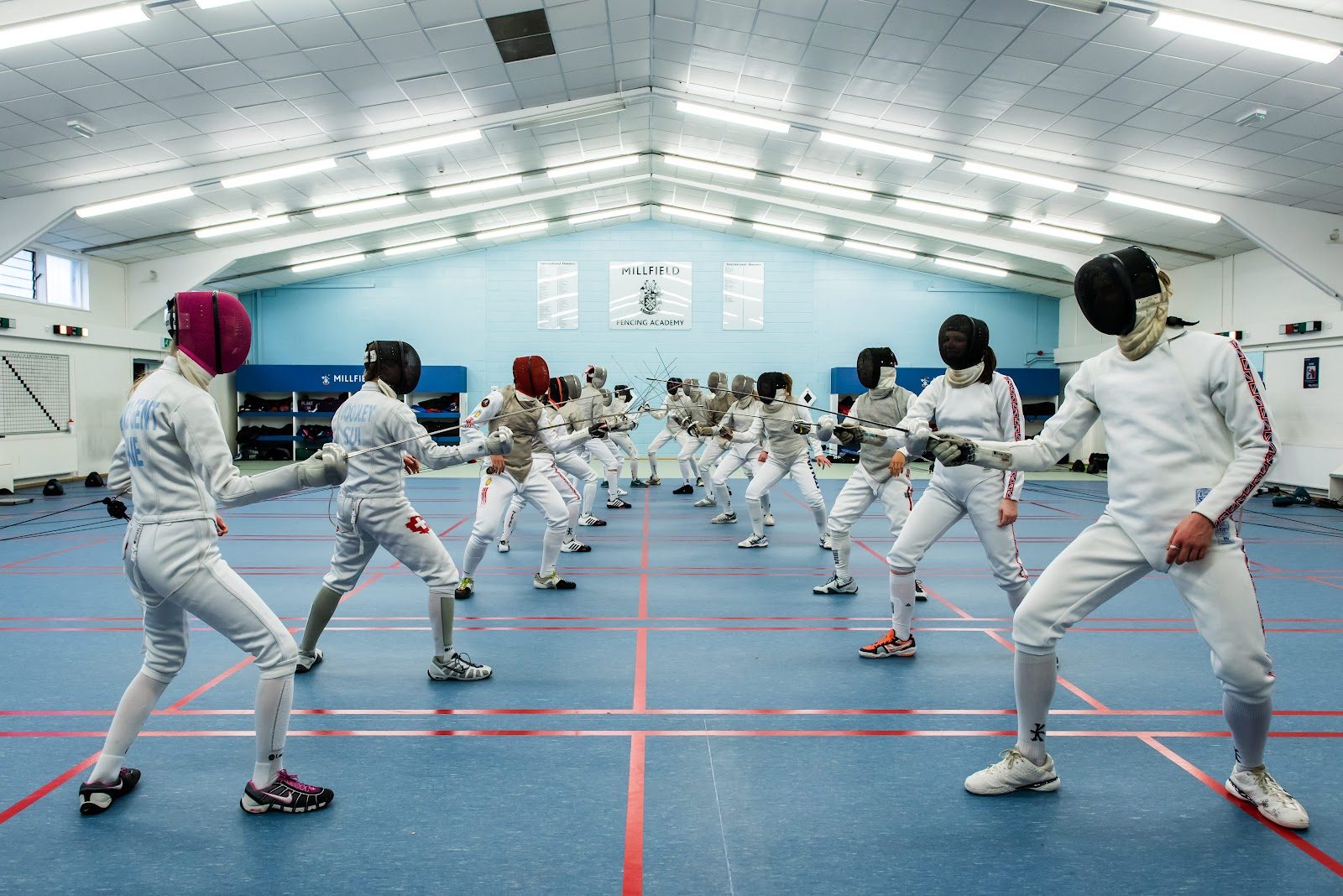
Millfield School
Street · United Kingdom
Sixty-plus sports and an Olympic-length pool anchor a 240-acre Somerset campus built for athletes and scholars alike.
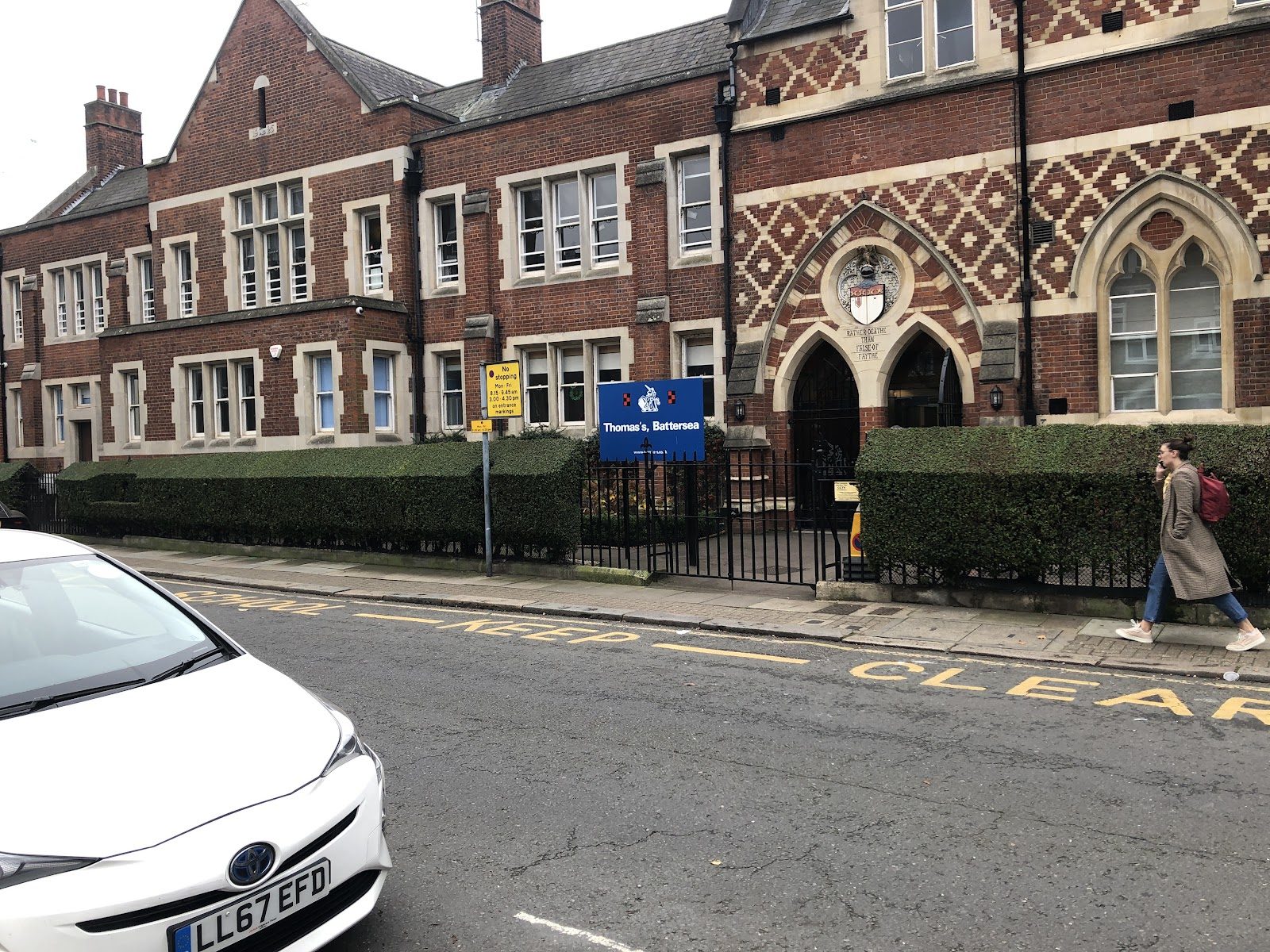
Thomas's Battersea
London · United Kingdom
In a former Victorian art school, an 'enquiry mindset' and a 'Be Kind' ethos feed London's top senior schools.
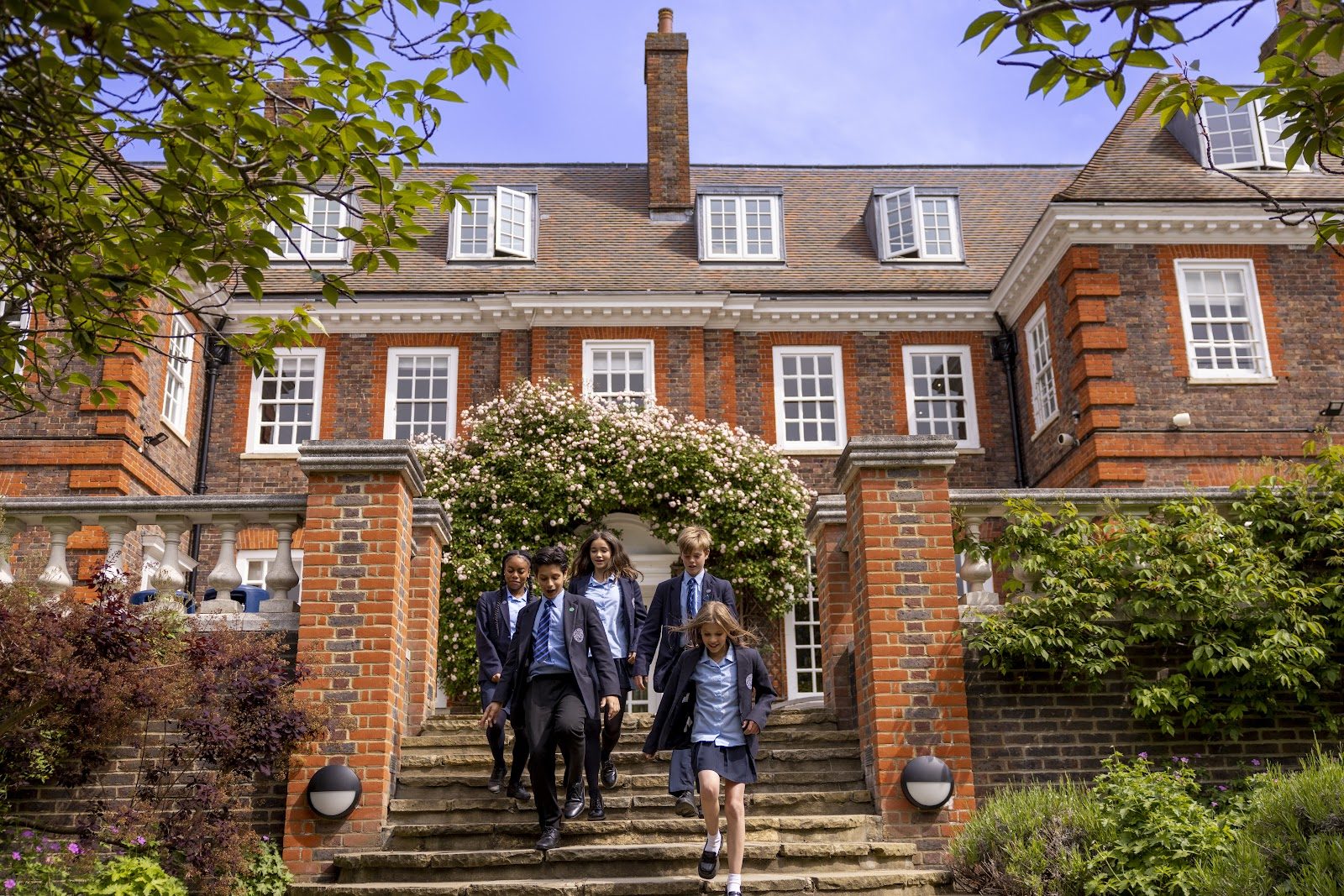
Ibstock Place School
London · United Kingdom
On the fringe of Richmond Park, a Froebel-founded day school has championed co-education since 1894.
Downe House School
Cold Ash · United Kingdom
Rooted in Charles Darwin's former home, now a 110-acre Berkshire estate where science thrives and Oxbridge ambition runs deep.
Same country and curriculum — closest matches within ±10 points either way