
Hong Kong
Island School (ESF)
low confidence· 6/6 cats · 0 avg sourcesHong Kong's founding ESF school on the Mid-Levels hillside, where 50-plus courses let students build their own IB and IGCSE timetable.
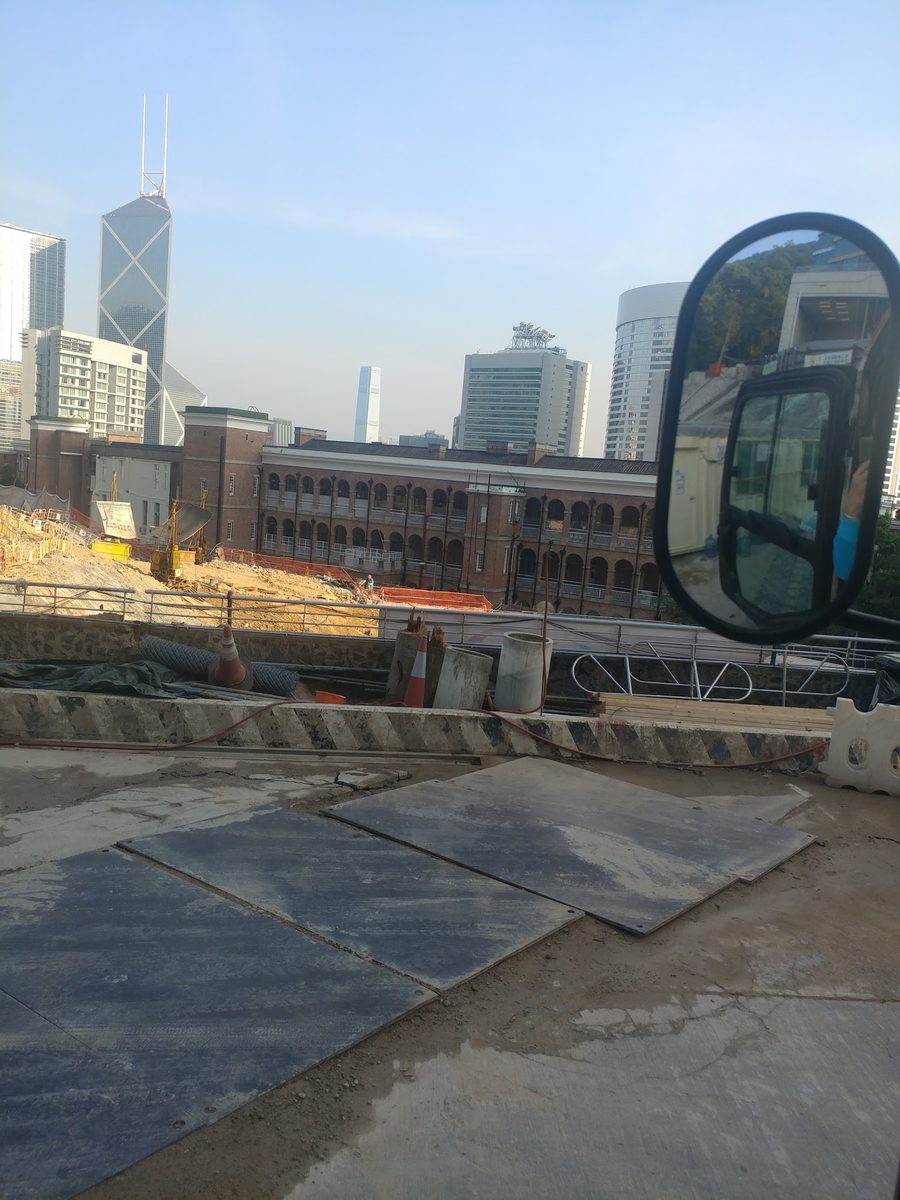
Photo © 黎應掌 via Google Maps
Type
Day
Ages
5–18
Curriculum
IB (Diploma, MYP) · IGCSE
Ratio
11:1
The Verdict
Editor's commitment
Right for
Students who want choice: IGCSE and the IB MYP and Diploma, with 50-plus courses and an 11:1 ratio.
Wrong for
Families wanting a small, tightly managed school will find 5-18 provision and average classes of 22 too sprawling.
Watch out for
Mid-Levels brings convenience for some and a daily grind for others; this 1967 ESF flagship is established, not intimate.
Ranking breakdown
Island School (ESF) · #326 of 1591
Composite score 72.8. 8 weighted criteria.
By criterion
Academic Outcomes
Weight 20%
#333
of 1529 scored
University Placement
Weight 16%
#354
of 1529 scored
Prestige & Heritage
Weight 12%
#393
of 1529 scored
Alumni Network
Weight 12%
#306
of 1529 scored
Facilities
Weight 12%
#502
of 1529 scored
Transparency & Communications
Weight 8%
#437
of 1529 scored
Peer & Industry Review
Weight 10%
#479
of 1529 scored
Admissions Selectivity & Demand
Weight 8%
#266
of 1529 scored
Peer & Industry Review
How Island School (ESF) is regarded in the sector
78
Strong · high confidence
Island School holds a distinctive place in Hong Kong's international education sector as the English Schools Foundation's founding secondary, and its status as the original 1967 flagship still shapes how peers and press treat it. WhichSchoolAdvisor's review credits the Mid-Levels school with an unusually flexible, innovation-led curriculum, noting it is "certainly leading the way in innovation" among ESF schools, and highlights its rebuilt Borrett Road campus with an eight-lane pool and climbing wall. Tatler consistently lists it among Hong Kong's best international secondaries within its ESF guide, reinforcing sustained recognition beyond a single publication. The Good Schools Guide's international profile confirms its non-profit governance and roughly 1,200-strong roll, though detailed exam data is not independently published, leaving a modest gap in outcome-based verification.
Evidence sources
Editors' overview
Island School is the original ESF secondary school, founded in 1967, and that history still matters. In a market full of newer campuses and shinier buildings, Island’s draw is academic breadth and a mature urban character. The core distinction is choice: more than 50 courses across IGCSE and the IB give pupils unusual control over how they shape their timetable. For families who want a school that treats sixth formers as young adults rather than children in uniform, this is a serious proposition. The Mid-Levels setting adds to that identity: city-facing, intellectually restless, and embedded in Hong Kong rather than sealed off from it.
What puts Island on a shortlist is not polish for its own sake, but range, flexibility and scale. The 11:1 student-teacher ratio is strong for a large international day school, and an average class size of 22 keeps teaching from drifting into lecture-hall territory. English is the language of instruction, the school is non-religious, and the age span runs from 5 to 18, which gives continuity without forcing a narrow mould on older students. This is a school for families who value course choice, independence and a peer group broad enough to support very different ambitions. It has the feel of a place where students build a path, not follow one laid down for them.
The best fit is a student who wants room to manoeuvre. Island suits adolescents who are self-directed, academically ambitious and comfortable making decisions early about subjects and workload. Pupils who thrive here tend to want options: sciences without sacrificing arts, humanities without giving up mathematics, or an IB route shaped around real interests rather than default combinations. Children who need heavy pastoral hand-holding or a tightly managed, traditional environment may find the culture demanding. Students who like autonomy, intellectual variety and the momentum of a busy senior school will find Island compelling.
Academic Performance
Island publishes enough headline data to show strong outcomes, though not enough to support forensic comparison with Hong Kong’s most results-forward competitors. The school reports an IB Diploma average of 36.1 against a global average of 30.3, with a pass rate of 97%. That is a solid result in a city where parents scrutinise sixth-form outcomes closely, and it places Island in the upper tier of broad-entry international schools rather than the hyper-selective, score-maximising end of the market. The point here is breadth as much as peak performance: a school offering an expansive subject menu and a less narrow academic culture will not always chase the same profile as campuses built around raw exam optics.
The missing piece is depth of disclosure. We have not seen aggregate IGCSE grade distributions, top-score breakdowns, or multi-year trend data published with the kind of detail that allows hard-edged benchmarking against the most transparent schools in the territory. That does not weaken the recorded IB result; it limits how precisely parents can place it. The picture that emerges is of a serious academic school with outcomes comfortably above world norms, but without the results-theatre some rivals use to dominate the conversation. For many families, that balance will read as confident rather than performative.
Facilities
Island’s facilities matter less for spectacle than for utility. This is not one of Hong Kong’s glass-and-atria campuses built to impress on an open-day walk-through. Its strength lies in subject breadth supported by the rooms and specialist spaces that breadth demands: science laboratories, design and technology provision, art and music spaces, a library that functions as a real working hub, and the sports infrastructure expected of a large ESF secondary school. The key point is fit. A school offering more than 50 courses needs facilities that let students split in many directions at once, and Island has the departmental depth to do that. Parents looking for showpiece luxury or a resort-style physical plant will find stronger visual theatre elsewhere.
Against peers, that puts Island in an interesting bracket. It does not compete on acreage, landscaped grandeur or the five-star campus arms race that defines some newer international schools. It competes on access, density and academic usability. The Mid-Levels setting imposes limits: urban schools do not have the expansive grounds of out-of-town rivals, and families should expect a more vertical, compact environment. For many students, that trade-off works. The school feels purpose-built for busy senior pupils rather than curated for brochure photography. In practical terms, the facilities are strong enough for a demanding all-round education, but the benchmark is serious urban school, not sprawling all-inclusive estate.
For pupils, that uniqueness brings both freedom and consequence
Prestige
Island carries real prestige in Hong Kong international education, but it is a specific kind of prestige. This is not the prestige of a gilded enclave or a school trading on exclusivity alone. It is the prestige of an established ESF flagship with long-standing recognition among local and expatriate families, a strong university-going culture, and the confidence that comes from scale and institutional memory. The broad menu of more than 50 courses matters here: it signals intellectual range, staffing depth and a sixth-form culture built around student choice rather than administrative convenience. In a city where many schools narrow the definition of success, Island has kept a serious, adult academic identity.
That said, its standing stops short of the myth-heavy, ultra-selective aura attached to a small handful of schools at the very top of Hong Kong’s status hierarchy. Part of that is structural: a broad-entry school serving a wide range of students does not produce the same social cachet as a campus engineered around scarcity. Part is presentational: Island does not flood the market with triumphalist data or luxury signalling. For many families, that restraint strengthens its reputation; it reads as substance over theatre. The published IB average of 36.1 and pass rate of 97% confirm that the school has academic credibility to match its name. The result is earned prestige: high-status, well-known, and respected, without the brittle glamour that can distort better judgement.
Island School is the original ESF secondary school, founded in 1967, and that history still matters
Communications
Island communicates with parents in the plain, serviceable ESF manner: regular operational updates, clear signposting around school life, and enough structure for families to know where to look for term dates, learning information and student support. The website does the core job well. It lays out key contacts, school leadership, calendar information and parent-facing guidance without forcing families through layers of branding copy. That matters in a large all-through setting where communication can easily turn fragmented or bureaucratic. The school’s scale and wide subject offer make precision important, and the public-facing information reads as organised rather than chaotic. The ratio and class size also point to a school where parent contact does not vanish into an administrative black hole; families are not dealing with mass-lecture conditions.
The limit is warmth. Island does not project the hand-held, intimacy-first style some parents want, and that aligns with the school’s wider culture of student autonomy. Communication looks built to inform and direct, not to flatter or reassure at every turn. For many families, that is a strength: adult, efficient and free of sentimentality. For others, it will feel brisk. We have not seen the school publish the kind of exhaustive dashboarding some competitors use to keep parents constantly fed with performance metrics and institutional self-congratulation. That leaves a cleaner, more restrained communications style—effective for day-to-day trust, less effective for parents who equate responsiveness with volume.
Uniqueness
What marks Island out is not a single prestige signal, but the combination of institutional age, urban setting and real timetable freedom. Many international schools talk about personalisation; Island builds it into daily life through a course menu of more than 50 options and a culture that expects students to make choices early, live with them and refine them. That gives the school a more adult, self-propelled character than tightly managed campuses where pathways are narrower and sixth form feels like an extension of lower school. The Mid-Levels location sharpens that identity. Island feels tied to the city around it rather than insulated from it, which gives the place a restless, outward-facing energy that suits students who want intellectual range without a cloistered atmosphere.
For pupils, that uniqueness brings both freedom and consequence. A broad subject offer lets students sustain combinations that other schools squeeze out through timetabling or staffing limits: arts alongside sciences, demanding mathematics alongside humanities, depth without premature specialisation. Just as important, the culture rewards independence. Students learn to organise themselves, advocate for what they want and handle a school day that does not spoon-feed them. That is excellent preparation for university and adult life. It also means Island is not a comfort-first school. Children who need constant oversight can struggle; those who want room to think, choose and move at pace get an education with real shape and agency.
In a market full of newer campuses and shinier buildings, Island’s draw is academic breadth and a mature urban character
Student Profile
Island suits students who want freedom and can use it well. The social centre of gravity sits with pupils who are self-propelling, organised and comfortable in a school that does not choreograph every decision for them. The breadth of the timetable matters here: with more than 50 courses in play, the strongest fit is a child who has real interests, can weigh trade-offs and does not need constant adult prompting to stay on top of deadlines. This is a good environment for intellectually mixed profiles — the student who wants serious maths without surrendering music, or strong humanities without being pushed into a narrow academic lane. It also suits adolescents who are happy in a large peer group and alert enough to find their place within it.
The weaker fit is easy to define. Children who need heavy emotional cushioning, tight routine or relentless checking can find Island demanding and at times impersonal. The school’s culture asks pupils to speak up, navigate choice and recover from mistakes without drama. That can be excellent training for university; it can also expose a student who is passive, fragile or waiting to be managed. Socially, the school works best for young people who are urban-minded, independent and comfortable around ambitious peers. Families looking for a cosseting, intimacy-first atmosphere need a different kind of school.
The core distinction is choice: more than 50 courses across IGCSE and the IB give pupils unusual control over how they shape their timetable
Co-curricular strengths
Arts & sport, on a separate axis
Overall 8.9/10
Scored 0-10 from the school's own published evidence. This axis is editorial-only — it does not feed the main WTS ranking.
Sports
9/10
Drama
9/10
Dance
8.5/10
Music
9/10
Visual Arts
9/10
Strengths
- +Part of the English Schools Foundation, described on its own site as the largest English-medium international school organisation in Hong Kong, giving access to ESF-wide resources and staff pooling.
- +Strong and consistent IB Diploma outcomes: recent cohorts have posted a 98% IBDP pass rate with roughly a third of students achieving 40+ points, well above the global average.
- +Offers a full academic pathway on one campus, from the IB Middle Years Programme through IGCSE to the IB Diploma or IB Career-related Programme in Years 12-13.
- +Purpose-built secondary campus with substantial facilities, including 42 classrooms, 13 laboratories, a sports hall and an eight-lane indoor swimming pool.
- +Central Mid-Levels location on Hong Kong Island puts the school within an established expatriate residential catchment area.
Considerations
- −Admission runs through ESF's central system rather than the school directly, and Island School is consistently oversubscribed, particularly at Year 7 entry, so families cannot simply apply and expect a place.
- −ESF's admissions priority framework favours overseas passport holders and certain visa categories over local passport holders, a structural quirk families should understand before applying.
- −Annual tuition is a significant recurring cost, with secondary fees set at HKD 128,400 for Years 7-11 and HKD 135,000 for Years 12-13, plus a one-off capital levy and deposits on acceptance.
- −As a single, non-boarding day school it only serves families who can commit to daily commuting or living within reach of Mid-Levels; there is no residential option for those further afield.
Availability
Primary entry gate & tests
ESF Central Allocation Test
Gallery
Photo © Man Yee Ho via Google Maps
Photo © Samueal Wong via Google Maps
Photo © Albert Sig via Google Maps
Photo © Max Chiu via Google Maps
Photo © xe hannibal via Google Maps
Photo © Man Yee Ho via Google Maps
Photo © Propertybox地產箱 via Google Maps
Photo © George WONG via Google Maps
Photo © 李維安 via Google Maps
Parent reviews
Have you sent your child here?
Voice reviews carry the strongest trust badge — we transcribe them for you to tidy up before they go live. Prefer to type? A written review is fine too.
Add your voice
In 60 seconds, tell other parents: what's the best thing about Island School (ESF), and what surprised you when your child joined?
We ask for a Google sign-in so every review has a real face behind it — no anonymous drive-by attacks on schools, and no faked positive reviews. Your email is never shown publicly.
Send this profile to a friend
International parents rely on word-of-mouth. Share this review with someone weighing the same decision.
Schools with places
Similar schools to Island School (ESF) with places available now.
Kellett School
Hong Kong · Hong Kong
- 2026-27
- WAITPOOLSpace-dependent
- 2027-28
- PLACES OPENRolling
German Swiss International School
Hong Kong · Hong Kong
- 2026-27
- PLACES OPENRolling
- 2027-28
- PLACES OPENRolling
Harrow International School Hong Kong
Hong Kong · Hong Kong
- 2026-27
- WAITPOOLSpace-dependent
- 2027-28
- OPENS SOONOpens 1 Sept '26
Hong Kong International School
Hong Kong · Hong Kong
- 2026-27
- WAITPOOLVacancy-dependent
- 2027-28
- PLACES OPENPriority 1 Oct/1 Nov
Availability first, then country, area, curriculum, price, co-curricular
Consider also
Also worth looking at alongside Island School (ESF).
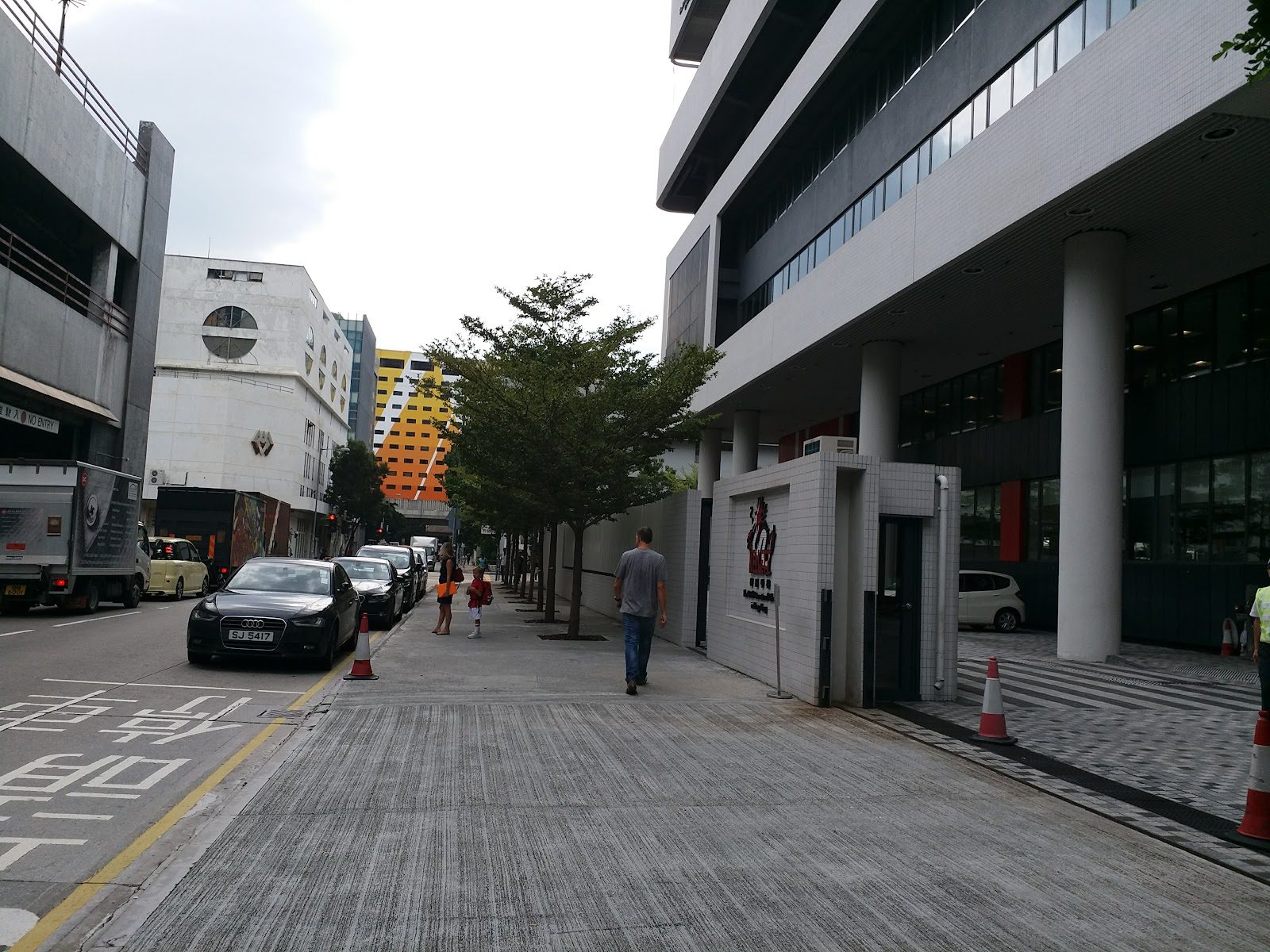
Kellett School
Hong Kong · Hong Kong
Long-established, parent-founded British international day school in Hong Kong, taking pupils through GCSEs and A-Levels from age 4 to 18.
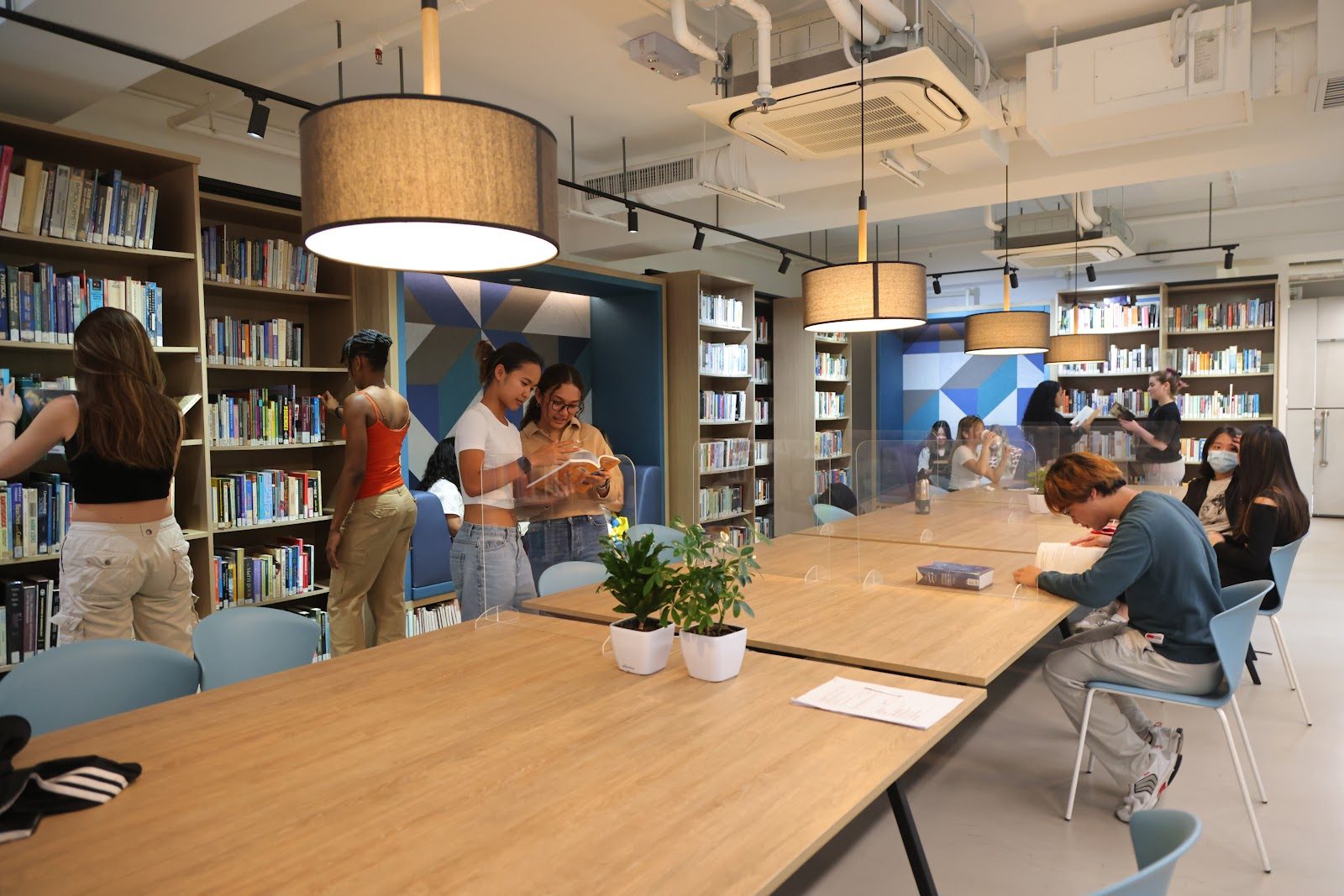
Li Po Chun United World College of Hong Kong
Hong Kong · Hong Kong
Perched above Tolo Harbour, this United World College gathers scholars from 90 nations for a service-driven IB Diploma.
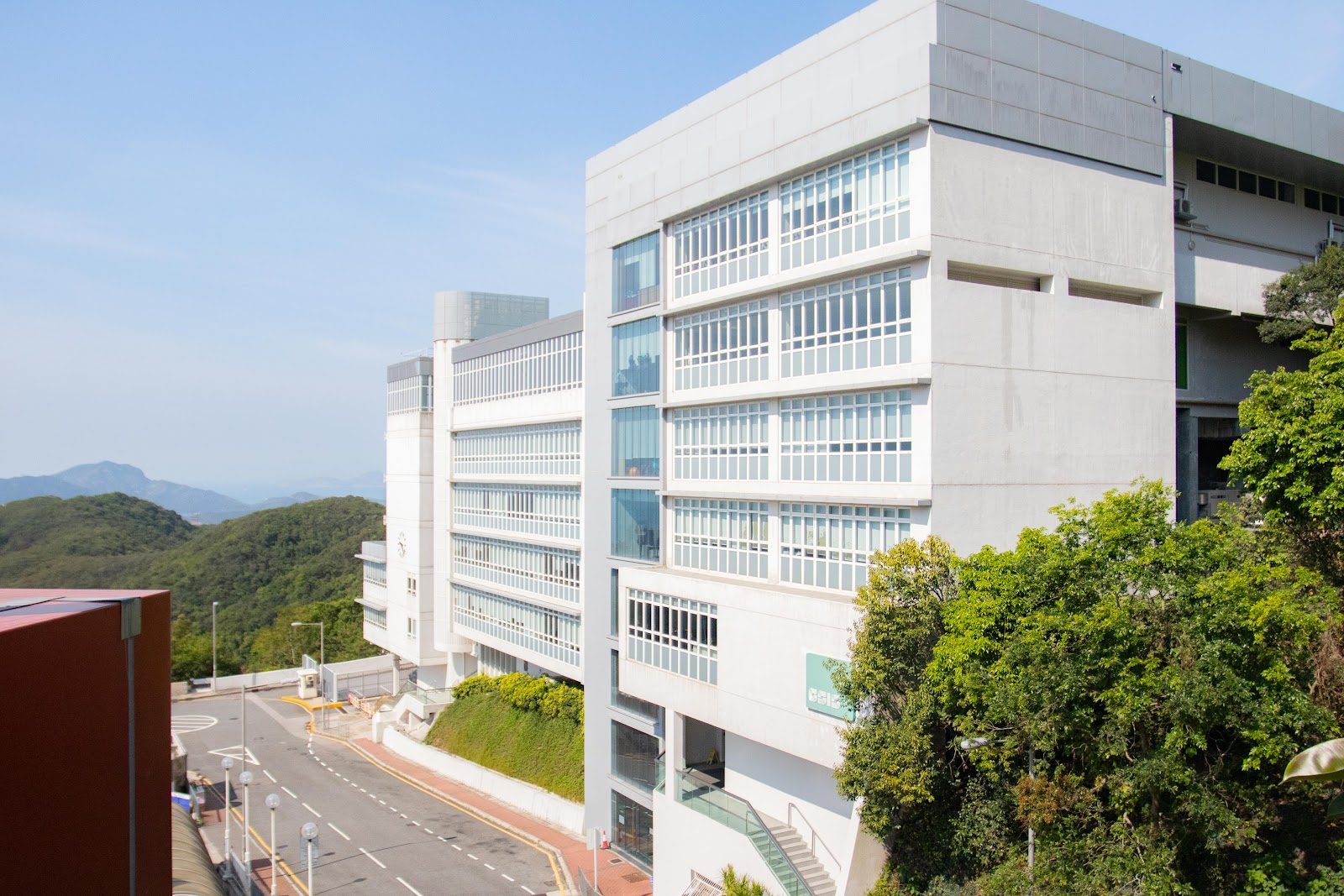
German Swiss International School
Hong Kong · Hong Kong
Perched on the Peak since 1969, twin German Abitur and IB streams share one campus and one house system.
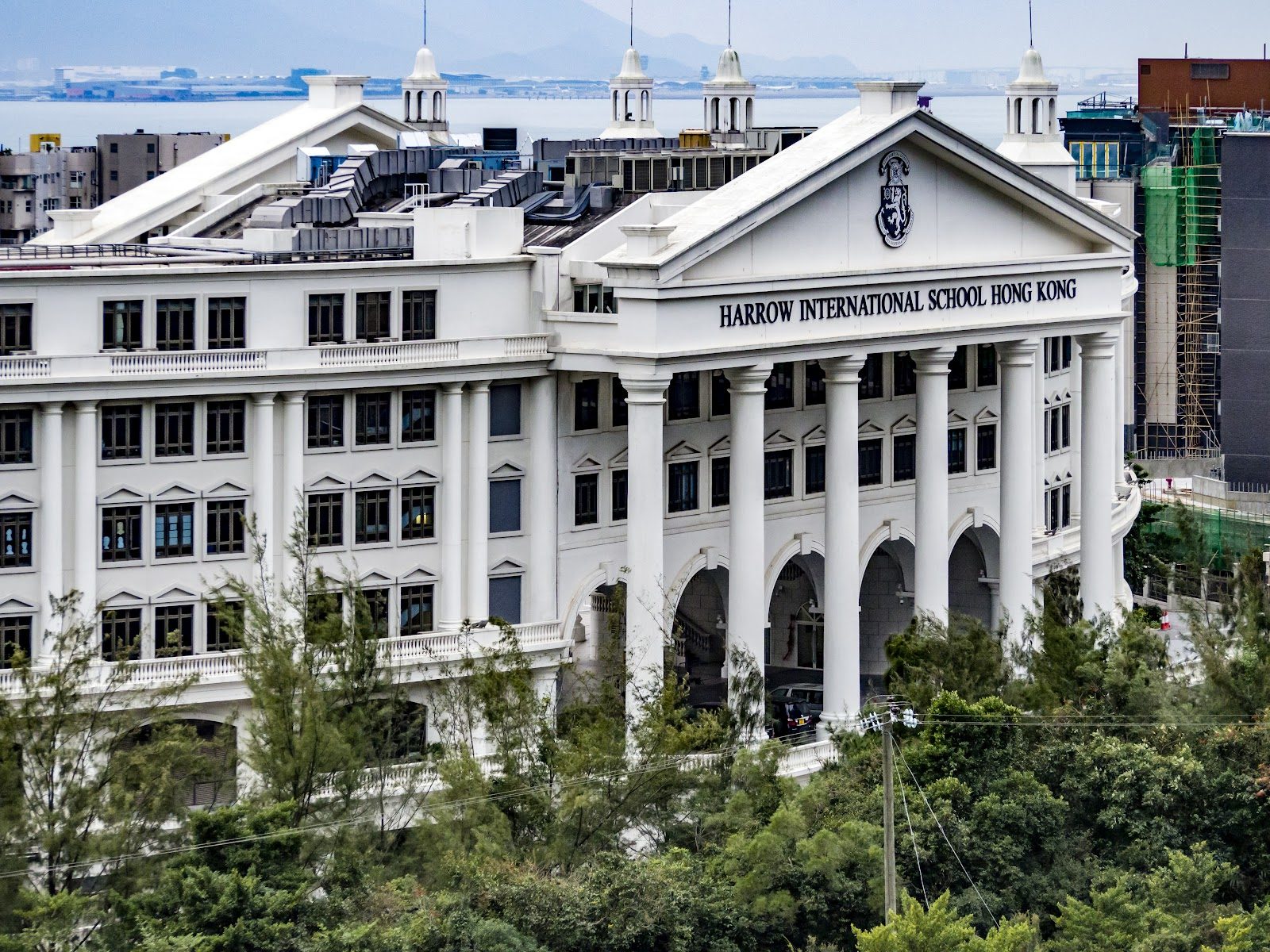
Harrow International School Hong Kong
Hong Kong · Hong Kong
A crescent-shaped Tuen Mun campus, modelled on Bath's Royal Crescent, houses Hong Kong's only formal weekly boarding and house system.
Same country and curriculum — closest matches within ±10 points either way