
South Australia
Founded in 1847 alongside the colony itself, its heritage quadrangles and Finniss outdoor campus anchor an Anglican boarding tradition on the Adelaide Parklands.
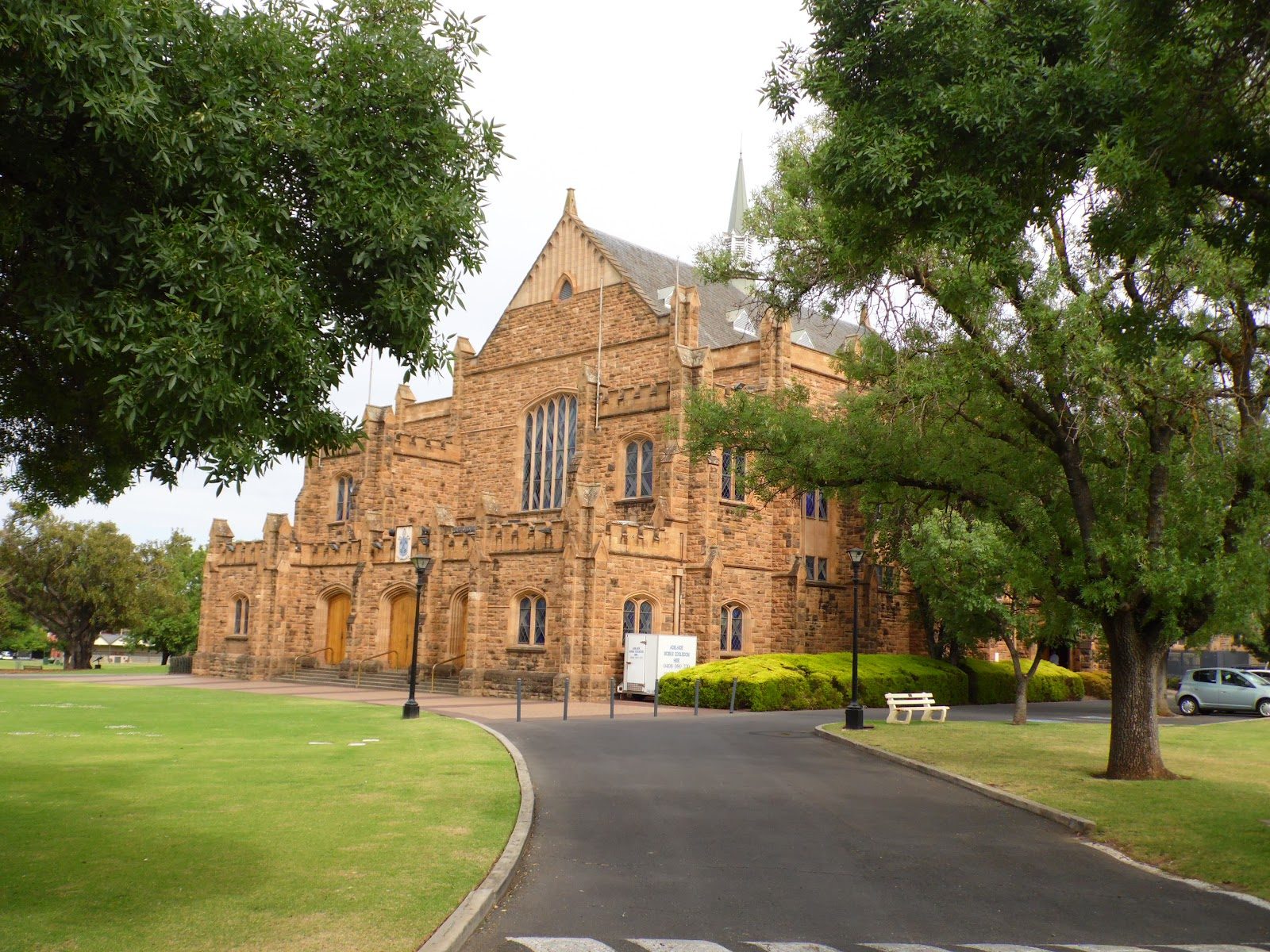
Photo © super jp via Google Maps
Type
Both
Ages
3–18
Curriculum
Australian
Qualifications
SACE · IB Diploma
Ratio
—
The Verdict
Editor's commitment
Right for
Boys aged 3–18 who want an Anglican day-and-boarding school founded in 1847, with English teaching and serious outdoor education.
Wrong for
Families wanting co-education, a non-religious ethos or an IB track; St Peter's is boys-only, Anglican and school-declared Australian.
Watch out for
This is expensive by Adelaide standards: average annual day fees are AUD 25,736 and boarding averages AUD 31,860 across the full ladder.
Ranking breakdown
St Peter's College, Adelaide · #263 of 1591
Composite score 72.8. 8 weighted criteria.
By criterion
Academic Outcomes
Weight 20%
#386
of 1529 scored
University Placement
Weight 16%
#398
of 1529 scored
Prestige & Heritage
Weight 12%
#296
of 1571 scored
Alumni Network
Weight 12%
#158
of 1530 scored
Facilities
Weight 12%
#339
of 1533 scored
Transparency & Communications
Weight 8%
#456
of 1532 scored
Peer & Industry Review
Weight 10%
#480
of 1548 scored
Admissions Selectivity & Demand
Weight 8%
#308
of 1529 scored
Peer & Industry Review
How St Peter's College, Adelaide is regarded in the sector
75
Strong · medium confidence
St Peter's College, Adelaide is consistently regarded as one of South Australia's leading GPS (Great Public Schools) member institutions, with strong academic results regularly reported in state media league tables and a notable alumni network including politicians, judges, and business leaders (e.g., former PM Christopher Pyne attended). It is frequently referenced in South Australian private school comparisons and has a long-established reputation among Adelaide's peer Anglican/independent schools, though it has less international profile in global rankings like Tatler or Good Schools Guide compared to Sydney/Melbourne GPS schools.
Evidence sources
Editors' overview
St Peter’s College trades on three assets that few Australian schools can match in combination: an 1847 foundation, a position on the Adelaide Parklands, and a serious boarding tradition anchored by the Finniss outdoor campus. This is an Anglican boys’ school for ages 3 to 18, with English as the language of instruction, an Australian curriculum, and membership of both AHISA and HMC. That mix places it firmly in the old-guard independent market: established, high-tradition, and built for families who want a school with institutional memory rather than educational fashion. The school’s own framing is explicit. It sells boys’ education, boarding, outdoor education, service and Anglican life as central parts of the package, not decorative extras.
What is special here is not novelty but coherence. Early Years starts at ages 3 and 4, then runs through Prep to Year 6, Years 7 and 8, and Years 9 to 12, so the school covers the whole ladder without a handover point. Boarding is not an add-on buried in a prospectus tab; it sits near the centre of the school’s identity, and that matters in Adelaide, where many day schools offer polish but less residential depth. The average annual day fee across the full age range is AUD 25,736, with boarding averaging AUD 31,860. That is expensive, but not irrational for a heritage school with both day and boarding provision on this scale. Parents should also note the school’s public insistence on inclusion across race and ethnicity, gender, sexual orientation and nationality. In an old Anglican boys’ school, that clarity matters; it signals a culture that wants to look less clubby and more current.
Why shortlist it? Because St Peter’s offers a very specific proposition and executes it without confusion. This is for families who want structure, ritual, visible pastoral framing and a school experience that extends well beyond the classroom into sport, music, visual and performing arts, clubs, service and outdoor education. It suits boys who thrive in a highly organised, communal environment and who will use the breadth of school life rather than resist it. It also suits boarders who need a school where boarding is part of the institution’s core grammar, not a satellite business. Boys who want a co-educational setting, a progressive culture with minimal tradition, or a looser, more self-directed atmosphere will find it constraining. Boys who like clear expectations, a strong sense of belonging and the full machinery of an established school will find a great deal to work with here.
Academic Performance
St Peter’s does not publish the kind of hard, comparative academic data that serious parents need. The school news stream confirms that it marks the release of SACE results and celebrates each graduating class, but we have not seen aggregate figures for median ATAR, the share of students above key ATAR thresholds, or subject-level distinctions. That leaves academic performance hard to benchmark against Adelaide’s more data-forward independents and selective competitors. One pupil testimonial cites an ATAR of 94, which tells you only that strong individual outcomes exist; it does not tell you where the cohort sits overall. For a school of this profile and fee level, that opacity is a real weakness.
That does not mean weak academics. It means undisclosed academics. The school’s structure points to a broadly resourced, tightly organised education with strong pastoral scaffolding, and that combination often produces solid senior outcomes. But families shopping at the top end should demand more than atmosphere and anecdote. They should ask for cohort ATAR distribution, SACE merits, university destinations, and evidence on value added for boys across the attainment range. Relative to peers, St Peter’s sits in the high-prestige bracket on history, campus and boarding identity; on published academic results, it is less transparent than the strongest operators in the market.
Facilities
Facilities are one of St Peter’s stronger cards. The school puts campus and outdoor education near the centre of its case, and that is credible. The main grounds on the Parklands give it the institutional heft that older Australian independents use well: room for sport, music, visual and performing arts, clubs and communal life without the cramped compromises that weaken many urban schools. The dedicated Finniss outdoor campus is the more distinctive asset. Among peer schools, plenty talk about resilience and leadership; fewer have a separate site that embeds outdoor education into the programme rather than treating it as an annual excursion. For boarders, that matters doubly, because the physical estate shapes daily life as much as formal teaching does.
The question is not whether the facilities are impressive. They are. The question is where they sit against the best-resourced peers. On breadth, St Peter’s is comfortably in the top bracket within South Australia’s traditional independent sector. On spectacle, it faces stronger competition from wealthier east-coast schools with bigger specialist centres, more extensive high-performance sporting infrastructure and the kind of capital spending that turns facilities into an arms race. Still, for a school charging an average of AUD 25,736 for day pupils and AUD 31,860 for boarders, families are paying for a campus with real substance, not brochure filler. The omission is detail: the school does not give a sharply itemised public account of standout laboratories, theatres or elite training spaces, which makes precise benchmarking harder than it should be.
But families shopping at the top end should demand more than atmosphere and anecdote
Prestige
St Peter’s carries real prestige in the old independent-school sense: heritage, permanence, recognisable social standing and a campus setting that stamps itself on family memory. In South Australia, its name sits in that top-tier traditional bracket where the school itself functions as a social signal, not just an educational provider. The Parklands site, the Anglican frame, the boys-only model and the prominence of boarding all reinforce that status. So does the scale of investment implied by average annual fees of AUD 25,736 for day pupils and AUD 31,860 for boarders. This is not prestige built on headline academic disclosure or global branding. It is prestige built on lineage, community, ritual and a school identity that has held its shape over generations.
That is also why the rating stops short of the very top rank nationally. Outside its home market, St Peter’s has less of the automatic reach of Australia’s most internationally recognisable schools, and the school’s weak publication of comparative academic outcomes limits the force of its claim. Prestige without transparent results has a ceiling. Still, for families who value an established establishment with serious social weight, strong institutional memory and a boarding culture woven into daily life, St Peter’s remains a powerful address. For families who want prestige validated by hard public performance data, the proposition is less complete.
The dedicated Finniss outdoor campus is the more distinctive asset
Communications
St Peter’s communicates like a mature institution with a lot of moving parts. The navigation is dense but logical: parents can get quickly to term dates, news, policies, enrolment, fees, uniforms, community groups and the parent portal without fighting a maze of promotional fluff. That matters in a school that runs from the early years to the senior end and carries a substantial co-curricular and residential operation. The public site also gives a clean sense of the school’s priorities: wellbeing, pastoral care, outdoor education, service, Anglican life and co-curricular breadth are all easy to find. There is also a visible line to leadership through the Headmaster and governance pages. The inclusion of an international-student welcome in another language is a small but useful signal that the school knows not every family arrives through the same social channel.
The weakness is depth. St Peter’s is strong on institutional tone and day-to-day signposting, but weaker on the hard information that parents use to test claims. We have news posts around public exam season and plenty of community-facing content, yet not the aggregate academic reporting that would make communication fully credible at this fee level. That leaves parents well briefed on culture and calendar, but less well briefed on outcomes. In other words, communications are orderly, confident and parent-friendly in operational terms; they are too guarded where scrutiny matters most. For a school charging an average AUD 25,736 for day pupils and AUD 31,860 for boarders, that gap is not trivial.
Uniqueness
What sets St Peter’s apart is the way its core elements lock together into a single institutional model. Many schools have heritage; many run sport and music well; many bolt on boarding or outdoor trips. Here, the Anglican frame, the boys-only setting, the House and mentor system, the boarding community, and the separate Finniss outdoor campus operate as one high-structure culture. The school is not selling flexibility or educational experimentation. It is selling formation: habits, conduct, belonging and endurance. That gives boys a school life with clear edges and a strong internal grammar. The benefit is obvious for pupils who do better with routine, hierarchy and communal identity than with loose, self-directed schooling. The cost is just as clear: boys who dislike ritual or resist institutional expectations will find it tight-grained.
The second point of difference is scale of experience across the full age range. A boy can start at 3 and stay through 18 without a break in ethos, and the school uses that span to build cross-year ties through Houses, mentoring and co-curricular life. The result is a thickly social environment where older pupils are visible, younger ones are absorbed early into the culture, and boarders are not parked on the margins. Add the school’s explicit language on inclusion across race and ethnicity, gender, sexual orientation and nationality, and the proposition sharpens further: this is an old-school institution working hard not to be a museum piece. For the right family, that mix produces confidence, loyalty and an unusually durable sense of place.
On breadth, St Peter’s is comfortably in the top bracket within South Australia’s traditional independent sector
Student Profile
The boy who fits best here is one who can live inside structure without chafing at it. St Peter’s is built for pupils who respond to routine, shared expectations and a strong communal identity, not for children who want to negotiate every rule or drift at their own pace. The school starts young, at 3, and keeps boys through 18, so the social world matters as much as the timetable: Houses, mentoring, co-curricular commitments and, for some families, boarding all pull boys into a highly organised, all-in school life. That suits sociable boys who like belonging to teams, choirs, productions, clubs or service programmes, and who gain confidence from adults setting a clear frame. It also suits families who want a traditional, values-led education with visible pastoral oversight.
The harder truth is that this is not an easy fit for every temperament. Independent, sceptical boys who dislike ritual, resist hierarchy or want a more mixed social environment will find the model confining. So will families who want school to function as a narrow academic transaction rather than a full culture. The school’s own language around inclusion and respect matters here: it broadens the old boys’-school template and gives more room to boys who do not fit stale masculine stereotypes. Even so, the centre of gravity remains clear. This is a place for boys who can commit to the institution, use its strongly supervised environment well, and take something from a community that asks for participation rather than passive attendance.
In South Australia, its name sits in that top-tier traditional bracket where the school itself functions as a social signal, not just an educational provider
Co-curricular strengths
Arts & sport, on a separate axis
Overall 8.48/10
Scored 0-10 from the school's own published evidence. This axis is editorial-only — it does not feed the main WTS ranking.
Sports
9.7/10
South Australian athletic pillar; fields highly competitive teams utilizing world-class indoor swimming facilities, boat sheds, and sprawling fields.
Drama
9/10
The modern performing arts center anchors an ambitious theater program, mounting complex classical and contemporary plays annually.
Dance
5.5/10
Kept primarily as an ensemble component to support physical performance blocks inside their large-scale theater tracks.
Music
9.2/10
Outstanding symphonic wind bands, big bands, and choral troupes that routinely headline major regional youth music festivals.
Visual Arts
9/10
Highly structured fine art layout leaning heavily toward technical drawing, fine oils, and advanced portfolio mastery.
Editor-verified · 8/6/2026
WTS 300 badge
St Peter's College, Adelaide is one of the World's Top 300 Schools. Claim your listing to add it to your site →
Strengths
- +Founded in 1847, St Peter's College is one of Australia's oldest schools with 178 years of continuous operation on its Hackney site near the Adelaide Parklands.
- +Alumni include three Nobel Laureates, 42 Rhodes Scholars and 10 Australian state premiers, reflecting a long track record of producing prominent old scholars.
- +The 90-acre Hackney campus combines heritage buildings with modern facilities, plus a separate outdoor education campus at Finniss near Lake Alexandrina for camps and expeditions.
- +Offers both the SACE and the IB Diploma in the Senior School, giving families a dual academic pathway alongside the standard Australian Curriculum.
- +Boarding is available and the school is CRICOS-registered for international students, with agency partnerships to assist overseas families with enrolment and visas.
Considerations
- −It is a boys-only school (Reception to Year 12), so it is not an option for families wanting co-education or seeking a place for a daughter.
- −Tuition is substantial by Australian standards, with published fee schedules plus additional compulsory levies (fixed and IT levies) and extra charges for music, boarding incidentals and excursions.
- −As a Christian Anglican school with an active chaplaincy and compulsory worship components, families seeking a secular or strictly non-denominational environment may find the religious character pronounced.
- −Academic league-table position within South Australia has historically trailed some girls' schools on NAPLAN measures, per a 2014 ranking by The Australian.
Availability
Primary entry gate & tests
Academic Record + Interview (Boys)
Gallery
Photo © Omid Karami via Google Maps
Photo © Omid Karami via Google Maps
Photo © Ruwan Jayaneththi via Google Maps
Photo © Ruwan Jayaneththi via Google Maps
Photo © Ruwan Jayaneththi via Google Maps
Parent reviews
Have you sent your child here?
Voice reviews carry the strongest trust badge — we transcribe them for you to tidy up before they go live. Prefer to type? A written review is fine too.
Add your voice
In 60 seconds, tell other parents: what's the best thing about St Peter's College, Adelaide, and what surprised you when your child joined?
We ask for a Google sign-in so every review has a real face behind it — no anonymous drive-by attacks on schools, and no faked positive reviews. Your email is never shown publicly.
Send this profile to a friend
International parents rely on word-of-mouth. Share this review with someone weighing the same decision.
Schools with places
Similar schools to St Peter's College, Adelaide with places available now.
Wesley College
Melbourne · Australia
- 2026-27
- WAITPOOLVacancy-dependent
- 2027-28
- PLACES OPEN
The King's School (Parramatta)
Parramatta · Australia
- 2026-27
- WAITPOOLVacancy-dependent
- 2027-28
- PLACES OPEN
Methodist Ladies' College
Melbourne · Australia
- 2026-27
- WAITPOOLVacancy-dependent
- 2027-28
- PLACES OPEN
Ascham School
Sydney · Australia
- 2026-27
- WAITPOOLVacancy-dependent
- 2027-28
- PLACES OPEN
Availability first, then country, area, curriculum, price, co-curricular
Consider also
Also worth looking at alongside St Peter's College, Adelaide.
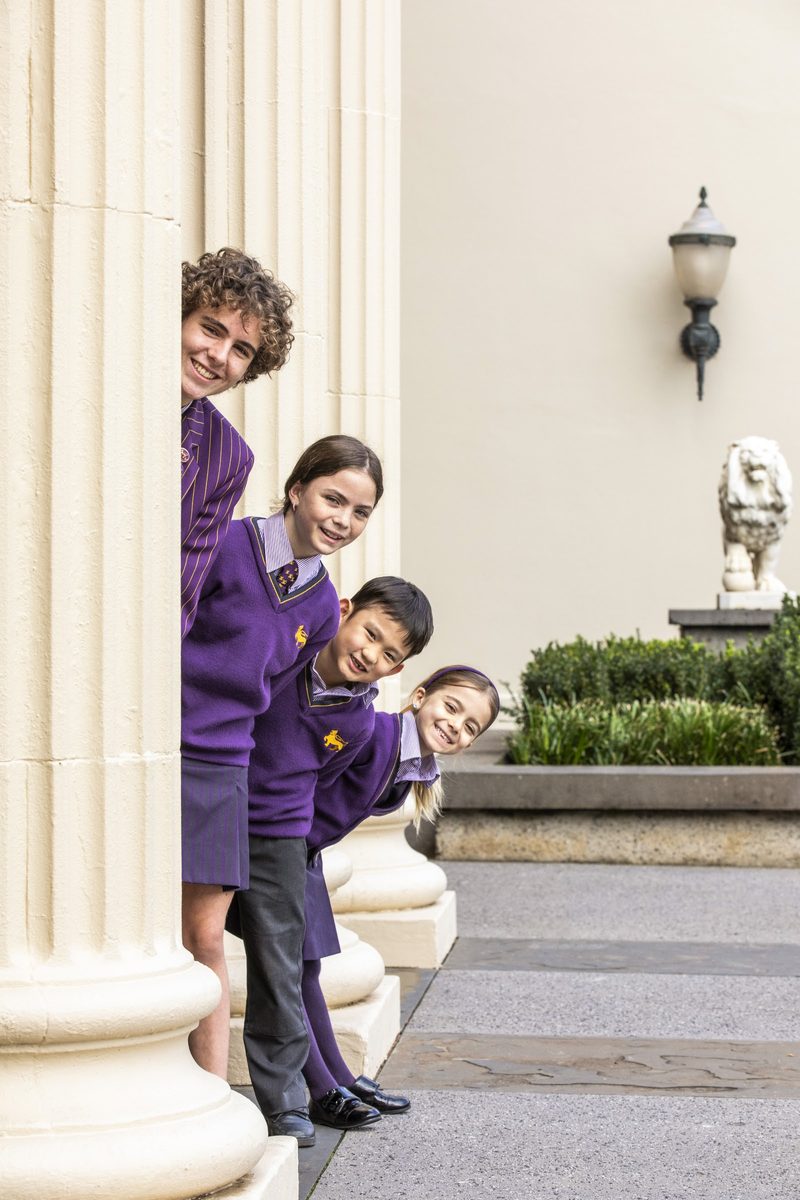
Wesley College
Melbourne · Australia
Runs the full IB continuum alongside VCE across three Melbourne campuses, reaching all the way to a studio school in the Kimberley outback.
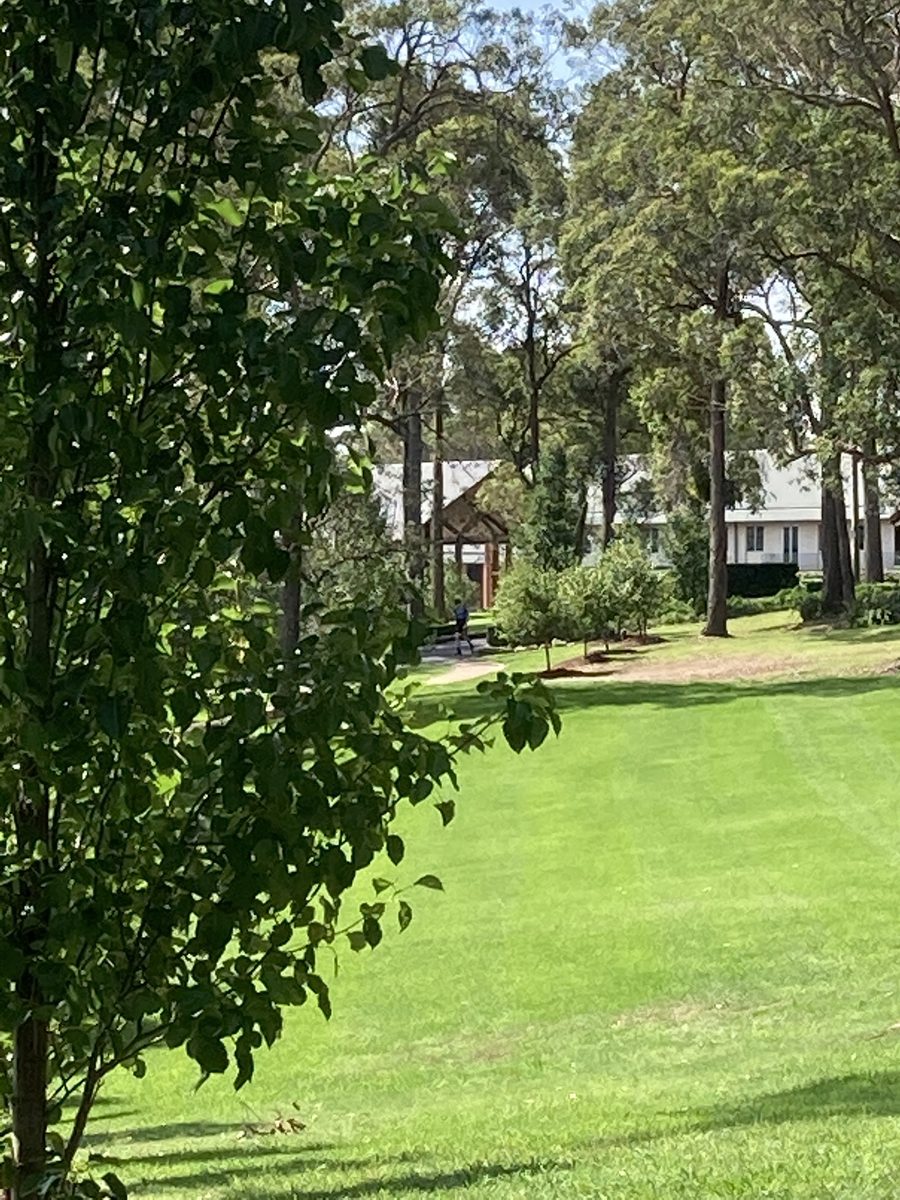
The King's School (Parramatta)
Parramatta · Australia
Australia's oldest independent school, where an 1831 foundation still marches in the country's oldest surviving military uniform and cadet corps.
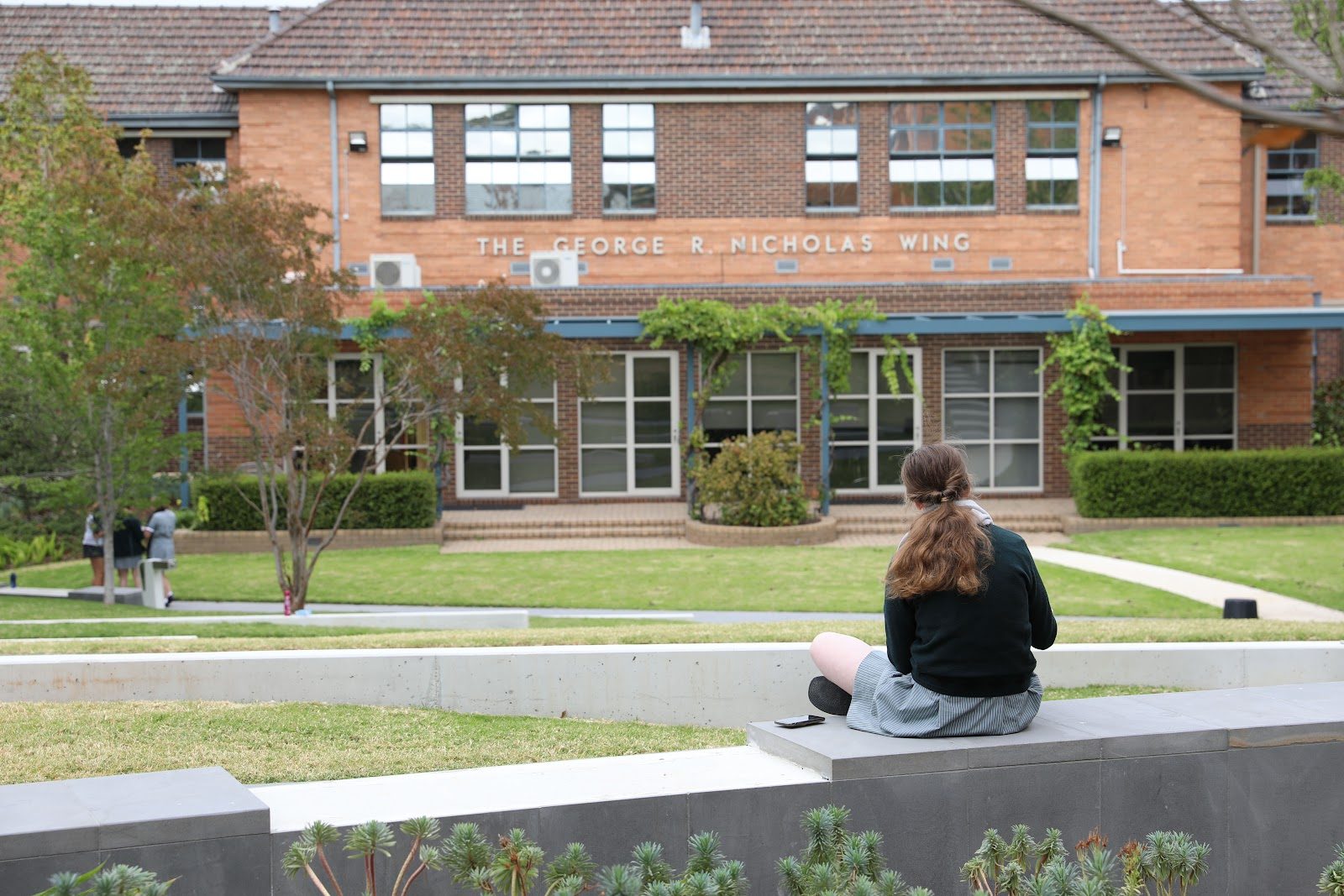
Methodist Ladies' College
Melbourne · Australia
First school worldwide to put laptops in every student's hands in 1990, now pairing deep VCE-IB choice with an eight-week Marshmead wilderness term.
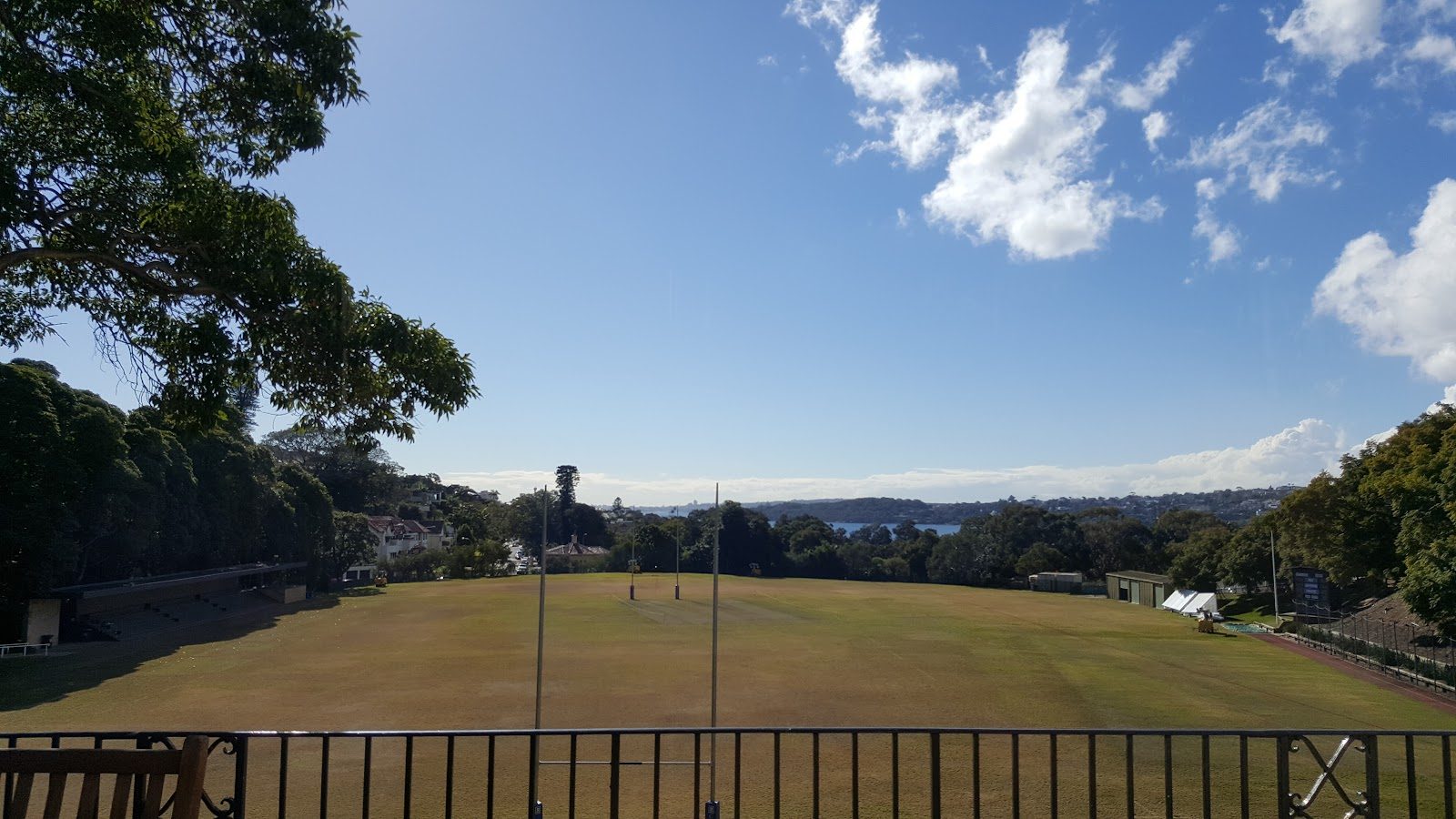
Cranbrook School
Sydney · Australia
Sydney's first IB Continuum School, pairing Bellevue Hill harbour views with a Blue Mountains bush campus for experiential learning.
Same country and curriculum — closest matches within ±10 points either way