
Madrid
Deutsche Schule Madrid
A century-old Auslandsschule in Fuencarral where pupils graduate with both the Abitur and the Bachillerato in four languages.
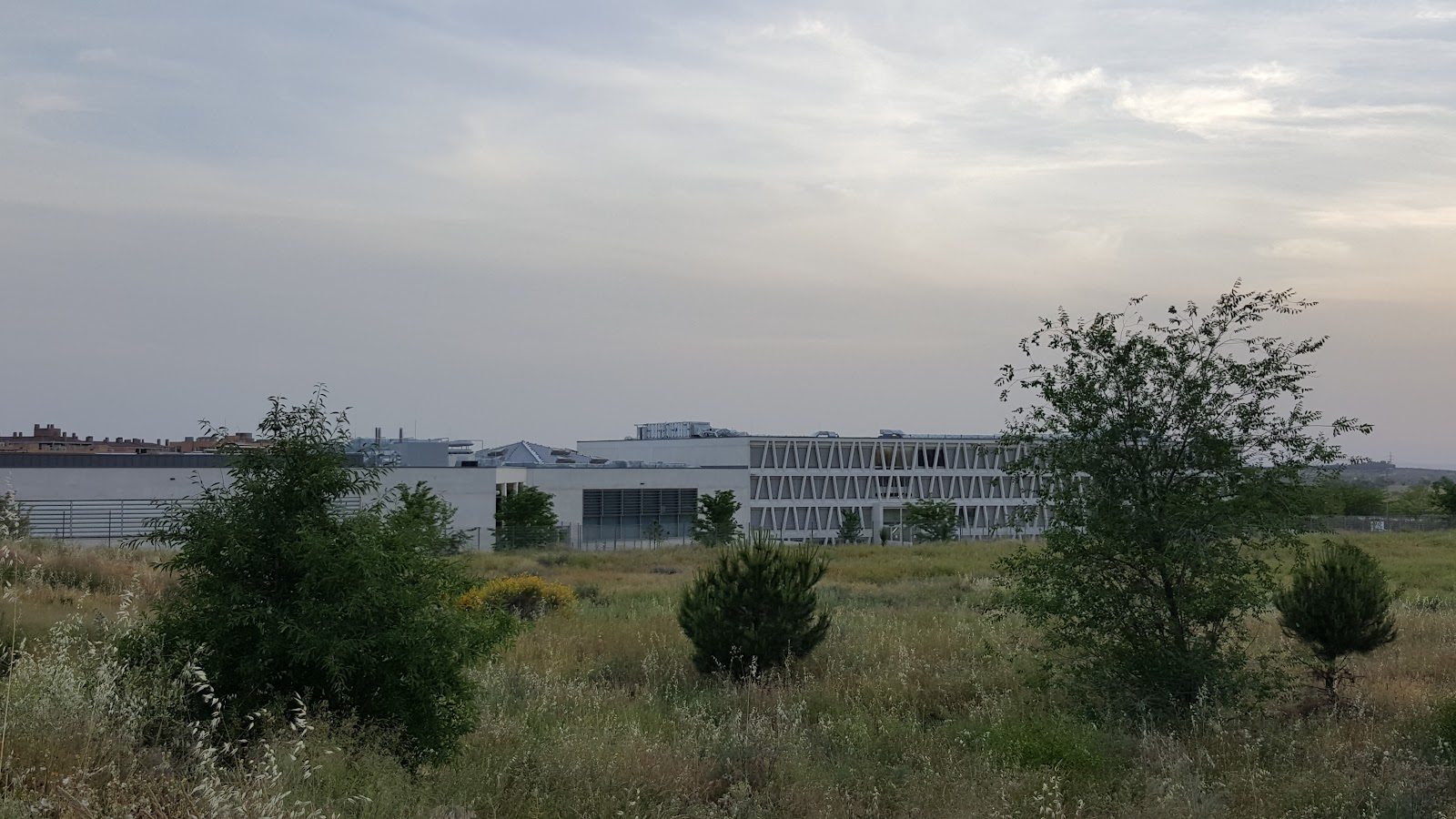
Photo © Angel Romero Vigara via Google Maps
Type
Day
Ages
3–18
Curriculum
German
Qualifications
Abitur
Ratio
—
The Verdict
Editor's commitment
Right for
Families in Madrid who want a day school founded in 1896, with German teaching and the Abitur at the end.
Wrong for
Parents wanting boarding, English-medium teaching or a narrow local route; this is ages 3–18, non-religious, and built around German schooling.
Watch out for
Average class size is 25, and the school grants the Abitur; check how Spanish teaching supports the Bachillerato alongside it.
Ranking breakdown
Deutsche Schule Madrid · #1306 of 1591
Composite score 55.6. 8 weighted criteria.
By criterion
Academic Outcomes
Weight 20%
#1085
of 1529 scored
University Placement
Weight 16%
#1259
of 1529 scored
Prestige & Heritage
Weight 12%
#1150
of 1571 scored
Alumni Network
Weight 12%
#1224
of 1530 scored
Facilities
Weight 12%
#1110
of 1533 scored
Transparency & Communications
Weight 8%
#1151
of 1532 scored
Peer & Industry Review
Weight 10%
#1463
of 1548 scored
Admissions Selectivity & Demand
Weight 8%
#991
of 1529 scored
Peer & Industry Review
How Deutsche Schule Madrid is regarded in the sector
54
Credible · medium confidence
Deutsche Schule Madrid is regarded primarily through its membership in Germany's official Auslandsschulwesen network, accredited by the Zentralstelle fur das Auslandsschulwesen (ZfA) and the German Federal Foreign Office, which places it alongside other German schools abroad (e.g., in Lisbon, Barcelona, Buenos Aires) as a benchmark for delivering the German Abitur outside Germany. This accreditation, renewed through periodic inspection, functions as the key peer-recognition signal within the German international school system rather than through UK-style league tables or WhichSchoolAdvisor-type reviews, which rarely cover German-curriculum schools in Spain. Its graduates' Abitur is directly recognised for university entry in Germany and across the EU under the Hague and Lisbon conventions, giving it standing with German and European universities. Spanish national press coverage of the school is limited and mostly local (Madrid expatriate and bilingual-education context) rather than comparative editorial analysis. Overall, its reputation is best understood as strong within the closed, quality-assured German Auslandsschule network rather than within Spain's broader international-school peer set or English-language education press, where it maintains a low public profile.
Editors' overview
Deutsche Schule Madrid occupies a distinct niche in the Madrid market: a long-established German day school with a serious academic identity and a clear binational purpose. Founded in 1896, it is not chasing the broad “international school” label used by half the city. It is a German school in Spain, full stop, and that matters. The draw is the dual exit point: pupils work towards the Abitur while also completing the Spanish Bachillerato, an arrangement that gives families a rare degree of academic portability between university systems. For parents who want a school anchored in Europe rather than in the Anglo-American circuit, this is one of the cleanest options in Madrid.
What sets it apart is not novelty but structure. Instruction is in German and Spanish, and the school’s own positioning rests on sustained linguistic and academic immersion rather than a light-touch bilingual offer. The result is demanding. This is not a casual fit for families who want an international badge with minimal adjustment. It suits children who can thrive in a rule-bound academic culture, handle sustained language work, and keep pace in a school with average class sizes of 25. The four-language proposition in your brief adds to the appeal, but the core fact remains the same: this is a school built for intellectual stamina, cross-border ambition and linguistic depth, not for ease.
Its market position is strong because the proposition is unusually specific. In a sector crowded with schools selling “global citizenship”, Deutsche Schule Madrid offers something harder-edged: a century-old Auslandsschule model, a non-religious setting, and a qualification route with real weight in German-speaking higher education. That puts it on a shortlist for German, Spanish-German and internationally mobile European families first, and for other families only if they actively want that system rather than merely tolerate it. The student who will do best here is academically resilient, comfortable with high expectations from ages 3–18, and motivated by serious bilingual scholarship rather than campus theatre. For the right child, it offers clarity, rigour and reach. For the wrong one, it will feel exacting from the start.
Academic Performance
Deutsche Schule Madrid’s academic standing rests on the weight of the Abitur route itself and on the discipline required to reach it, not on any glossy publication of headline scores. The school does not publish aggregate Abitur results, cohort averages, top grade distributions or university destination data in the public domain. That limits hard comparison with Madrid rivals that put results front and centre. Even so, a school that carries pupils through to the Abitur sits in a more exacting academic lane than the city’s softer bilingual options. Parents choosing this route are not buying exam theatre; they are buying access to a qualification with serious intellectual demand and external credibility beyond Spain.
Relative to peers, the school fits best alongside other academically driven European system schools rather than the Anglo-American schools that market IB or AP outcomes. That distinction matters. Its strongest comparative advantage is the dual leaving profile referenced elsewhere, which gives graduates access across two university systems and sets the school apart from single-pathway competitors. Its weakest point is results opacity: without published aggregate figures, outsiders cannot test how strong the top end is, how broad the pass profile runs, or whether outcomes are merely solid or genuinely elite. The conclusion is clear enough: this is a high-expectation school with a demanding endpoint, but not a data-transparent one.
Facilities
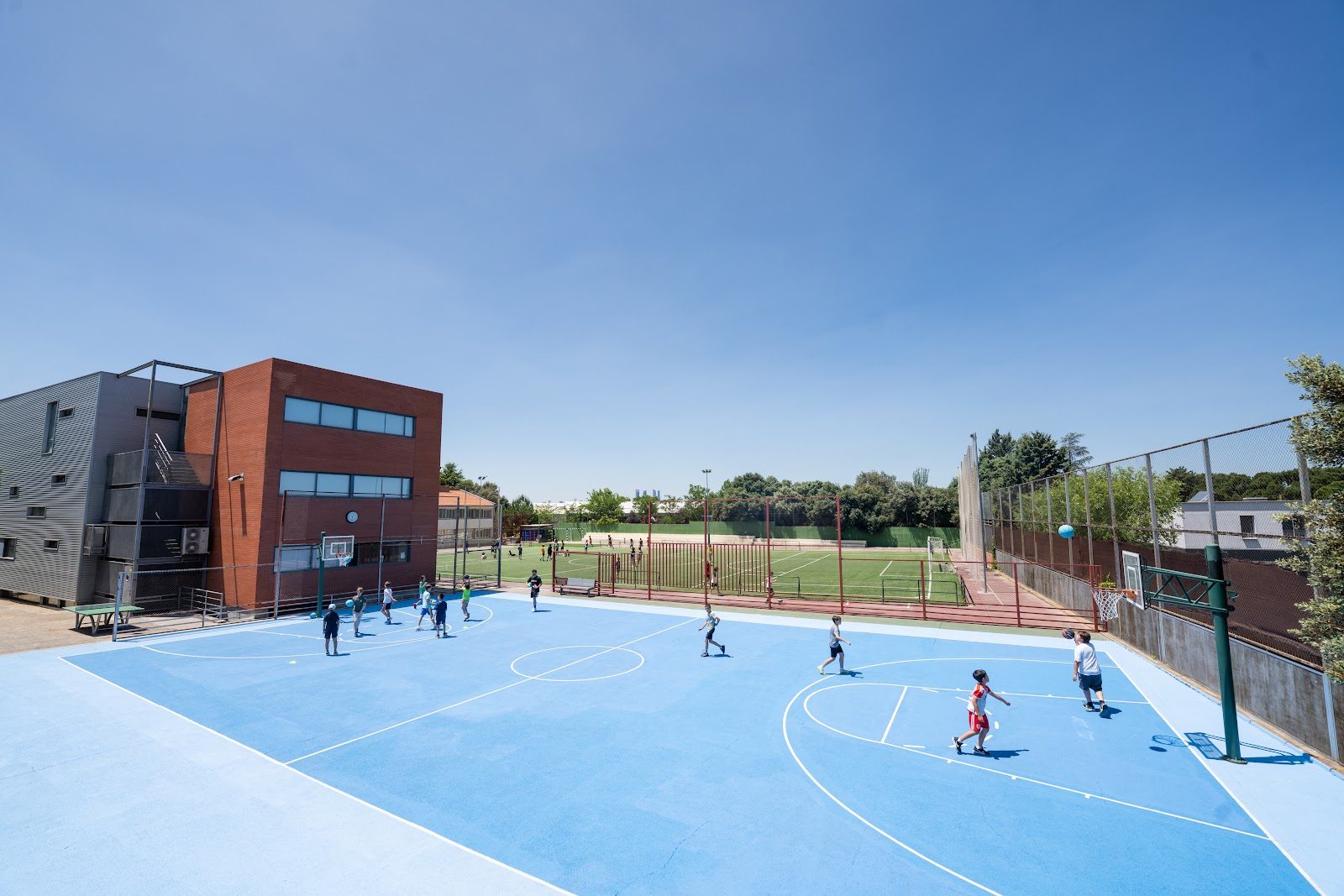
Deutsche Schule Madrid does not trade on splashy campus spectacle, and that matters when benchmarking it against Madrid’s premium international schools. Families weighing it against larger British or American competitors need to expect a more workmanlike, purpose-built physical offer rather than a resort-style one. We have not seen public detail on specialist assets such as theatres, black-box performance spaces, indoor pools, maker labs or high-end sports complexes. That absence does not prove weakness, but it does leave the school short of the facilities transparency that stronger operators now provide as standard. What counts here is whether classrooms, science provision, sports areas and arts spaces support a demanding academic day for classes averaging 25 pupils. The school’s public profile does not push facilities as a selling point, which places it in a substance-first camp rather than the amenities arms race.
Against direct peers in the European-system segment, that restraint is not disqualifying. German schools rarely compete through architectural theatre; they compete through order, utility and academic function. Parents choosing this school are not paying for a gloss-heavy campus fantasy. They are choosing a setting that needs to be efficient, disciplined and fit for sustained study across a full age range. Still, compared with the best-capitalised international campuses in the city, the facilities story is opaque. Until the school publishes clearer information and stronger visual evidence, it cannot claim the same level of physical pull as rivals that document every lab, pitch and studio in forensic detail.
What makes Deutsche Schule Madrid distinctive is not a vague international mix but a hard-edged binational design
Prestige
Prestige here is real, but it is specific prestige, not mass-market glamour. Deutsche Schule Madrid carries the status that attaches to a long-entrenched German overseas school: intellectual seriousness, institutional continuity and a qualification route that opens doors in more than one national system. Among families who know the European schools landscape, that counts for a great deal. Among parents shopping for polished Anglo-international branding, it carries less cachet. This is not the school for social display, and that restraint strengthens the brand rather than weakening it. A school that takes children from age 3 to 18 through one coherent academic culture builds a reputation that feels earned, hard-edged and durable.
We rate its prestige highly because the school occupies a narrow lane and owns it. The combination of the Abitur endpoint, the parallel Spanish leaving qualification, and a non-religious binational identity gives it rare institutional clarity. That matters more than marketing noise. The limit is also clear: prestige here rests on academic and cultural capital, not on public exam tables, celebrity alumni or lavish self-promotion. Families inside German, Spanish-German and continental professional circles will read the name as serious and formidable. Families outside that world may miss the signal. That does not reduce the school’s standing; it defines it. This is insider prestige: substantial, credible and tied to substance rather than spectacle.
Deutsche Schule Madrid does not trade on splashy campus spectacle, and that matters when benchmarking it against Madrid’s premium international schools
Communications
Parent communication looks functional rather than polished. The school’s public-facing profile is thin, and that sets the tone: this is not an operator that floods families with glossy narrative, exhaustive data dashboards or constant promotional noise. For some parents, that restraint reads as refreshingly no-nonsense. For others, it reads as institutionally closed. The decisive point is audience fit. Families already comfortable inside a German school culture will find the likely emphasis on procedure, calendars, academic expectations and formal channels entirely legible. Families entering from looser international settings will need more hand-holding than the school’s outward communications currently signal. A school spanning ages 3–18 and classes averaging 25 pupils needs crisp, dependable systems for timetable changes, assessment updates, pastoral concerns and parent queries. The public picture does not prove those systems fail; it does show that the school does little to make them visible.
That matters because communication is not a cosmetic extra in a high-pressure, multilingual school. It is part of the operating model. Parents need clarity on how academic concerns escalate, how language differences are handled, and how the school explains expectations to families who are not already fluent in its norms. Here, Deutsche Schule Madrid looks competent but opaque: serious schools can run effective parent communication without broadcasting every detail, but the stronger ones still publish enough to build trust before enrolment. This one asks parents for a larger leap of faith than the best communicators in the sector.
Uniqueness
What makes Deutsche Schule Madrid distinctive is not a vague international mix but a hard-edged binational design. Pupils do not drift through a loose bilingual experience and then pick a destination late. They are trained inside two national academic systems at once and leave with access to both. That is a rare strategic advantage in a city full of schools that promise global outlooks but deliver one dominant pathway with some added languages. Here, the attraction is structural: German educational discipline fused with Spanish state recognition, sustained over the whole school journey rather than bolted on in the sixth form. The result for students is serious academic portability and a more concrete sense of where their schooling leads.
The school is also unusual in the degree of linguistic and cultural stamina it demands. Your brief references 4 languages, and that matters because multilingualism here is not decorative. It shapes how pupils read, write, think and move between contexts. Students who thrive in that environment gain more than fluency. They gain intellectual range, comfort across borders and the habit of handling complexity without fuss. That combination suits families with German-Spanish ties, but it also serves internationally mobile Europeans who want a school with clear educational convictions rather than a soft-focus version of internationalism. For the right child, the payoff is substantial: a *disciplined, portable and deeply European* education.
Its market position is strong because the proposition is unusually specific
Student Profile
The best fit is a child who can tolerate pressure without constant reassurance. This school suits pupils from families with German or Spanish-German ties, and it also suits internationally mobile Europeans who want a structured, demanding education with few indulgences. The strongest students here are not only bright; they are organised, linguistically agile and willing to work inside a culture that prizes precision, routine and academic follow-through. With average classes of 25, this is not a hand-held environment built around individual spotlight. Children who need heavy personal tailoring, a softer behavioural climate or a broad menu of low-stakes academic exits will struggle.
Socially, the right pupil is comfortable in a community with clear norms and limited tolerance for drift. This is a good match for students who like rules, respond to intellectual challenge and do not need school to perform itself as lifestyle theatre. It is a weaker match for families chasing a cosseting, high-gloss international experience or for children who flourish only when pastoral warmth leads every interaction. The multilingual dimension raises the bar further: pupils need stamina, confidence and the patience to keep improving across more than one linguistic register. For the right student, that produces a serious, self-disciplined peer group and a strong sense of direction from the early years to 18.
The school does not publish aggregate Abitur results, cohort averages, top grade distributions or university destination data in the public domain
Co-curricular strengths
Arts & sport, on a separate axis
Overall 7.3/10
Scored 0-10 from the school's own published evidence. This axis is editorial-only — it does not feed the main WTS ranking.
Sports
8/10
Drama
7/10
Dance
4.5/10
Music
9/10
Visual Arts
8/10
Strengths
- +The Deutsche Schule Madrid was founded 120 years ago and is one of the oldest German schools in a foreign country, giving it a long-established presence in the city rather than being a recent market entrant.
- +The school moved to purpose-built premises at Monasterio de Guadalupe in Montecarmelo in 2015, a project described as the largest civil project of Germany located outside of German territory, with a campus featuring libraries, dedicated rooms for music, art and the sciences, an auditorium, a canteen, and a modern sports hall and football field.
- +Teaching is bilingual German-Spanish with English from primary and optional French from later years, so most graduates leave with three or four languages.
- +Fees run roughly EUR 5,050 to EUR 7,990, materially cheaper than the British and American options in the city, making it a relatively accessible route to a German-recognised qualification.
- +As an official German school abroad partially funded by the Federal Republic of Germany, it graduates students with the Abitur, which is recognised in Germany and Spain and feeds students directly into German-speaking universities.
Considerations
- −The campus sits in Montecarmelo on Madrid's northern edge (Fuencarral-El Pardo district), a meaningful commute for families based centrally or in the south of the city.
- −Secondary students are sorted in an orientation year into Gymnasium or Haupt-/Realschule tracks according to ability, a rigid German-style academic sorting that some parents may find restrictive compared with a single unstreamed pathway.
- −Parent ratings are mixed across aggregator sites: one directory shows a rating of 3.4 out of 5 based on 5 existing reviews, while another lists an overall score above 4, suggesting inconsistent family experiences.
- −Published fee figures vary between sources and are not fully transparent; to find out the exact price, it is necessary to consult the center directly, complicating budgeting comparisons for relocating families.
Availability
Primary entry gate & tests
Academic Record
Gallery
Photo © Peter Martinschledde via Google Maps
Photo © Carlos Fernández via Google Maps
Photo © Javier Pérez de Lema via Google Maps
Photo © Javier Pérez de Lema via Google Maps
Photo © Javier Pérez de Lema via Google Maps
Photo © Javier Pérez de Lema via Google Maps
Photo © Javier Pérez de Lema via Google Maps
Parent reviews
Have you sent your child here?
Voice reviews carry the strongest trust badge — we transcribe them for you to tidy up before they go live. Prefer to type? A written review is fine too.
Add your voice
In 60 seconds, tell other parents: what's the best thing about Deutsche Schule Madrid, and what surprised you when your child joined?
We ask for a Google sign-in so every review has a real face behind it — no anonymous drive-by attacks on schools, and no faked positive reviews. Your email is never shown publicly.
Send this profile to a friend
International parents rely on word-of-mouth. Share this review with someone weighing the same decision.
Schools with places
Similar schools to Deutsche Schule Madrid with places available now.
American School of Madrid
Madrid · Spain
- 2026-27
- WAITPOOLSpace-dependent
- 2027-28
- PLACES OPENRolling
King's College, Soto de Viñuelas
Madrid · Spain
- 2026-27
- WAITPOOLSpace-dependent
- 2027-28
- PLACES OPENRolling
Availability first, then country, area, curriculum, price, co-curricular
Consider also
Also worth looking at alongside Deutsche Schule Madrid.
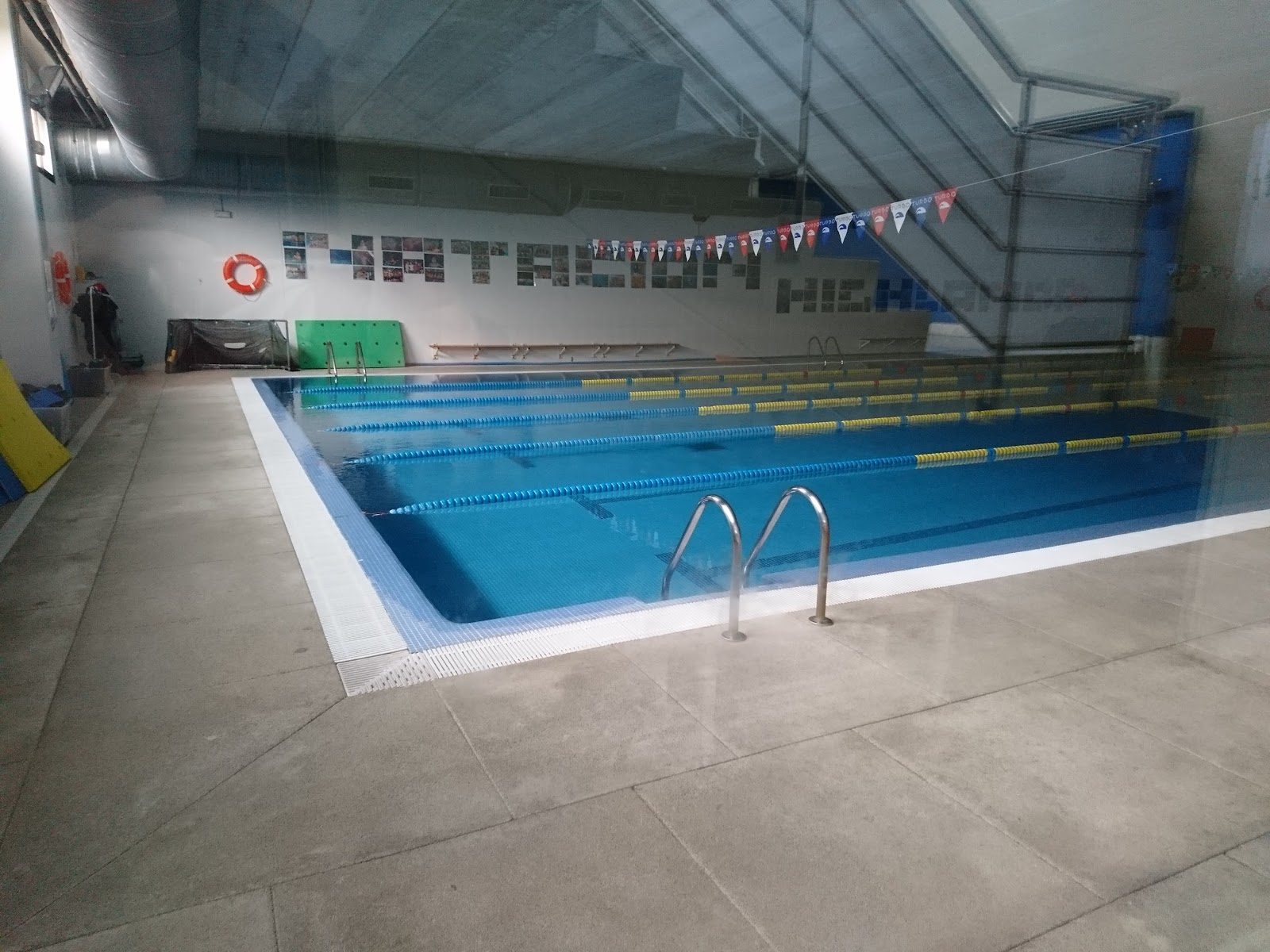
Highlands School Madrid
Madrid · Spain
In La Moraleja's green belt, a Cambridge-accredited trilingual campus pairs British rigour with a public-speaking programme built into daily lessons
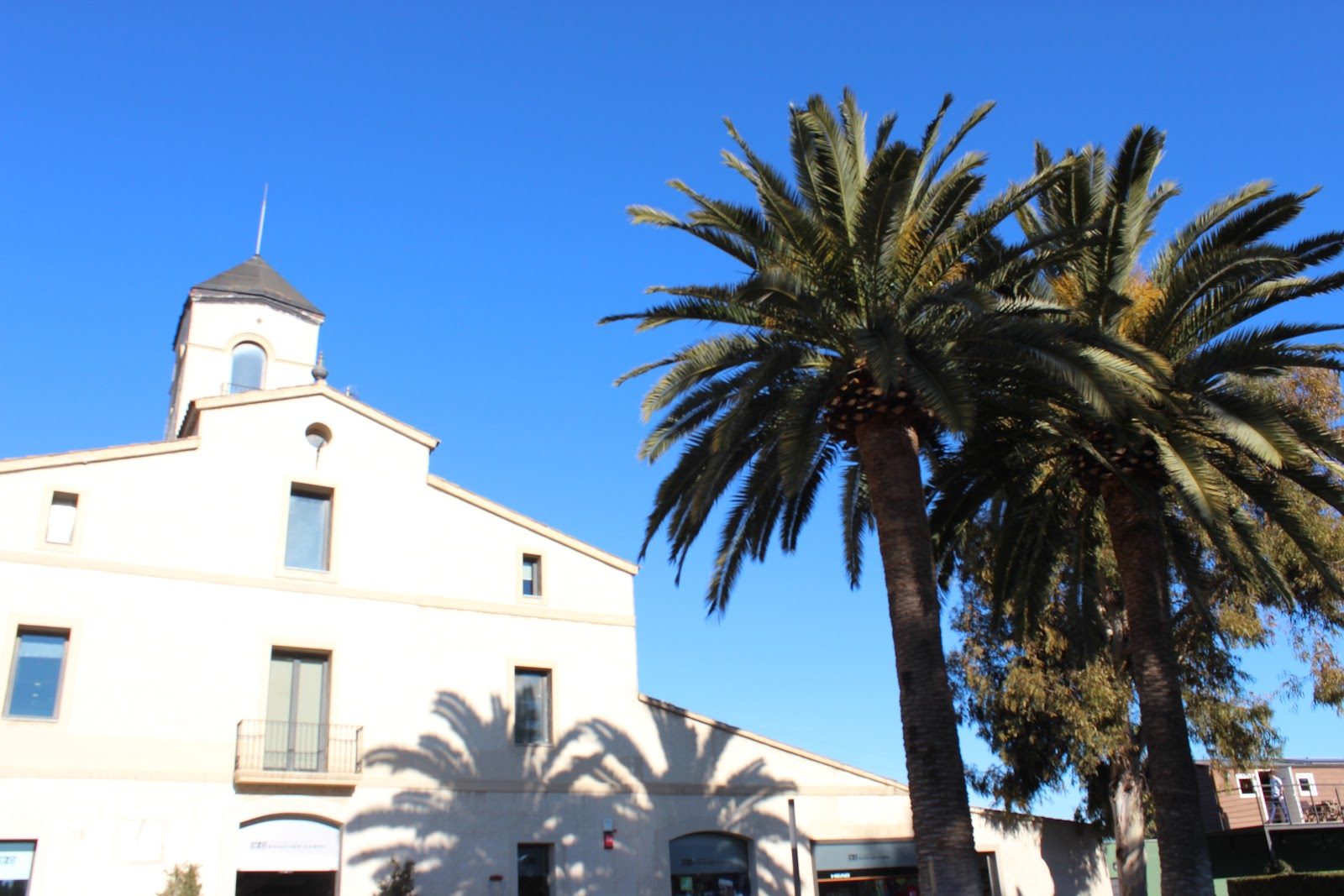
ES International School of Barcelona
Barcelona · Spain
An American diploma earned between classrooms and clay courts at the Sanchez-Casal tennis academy outside Barcelona.
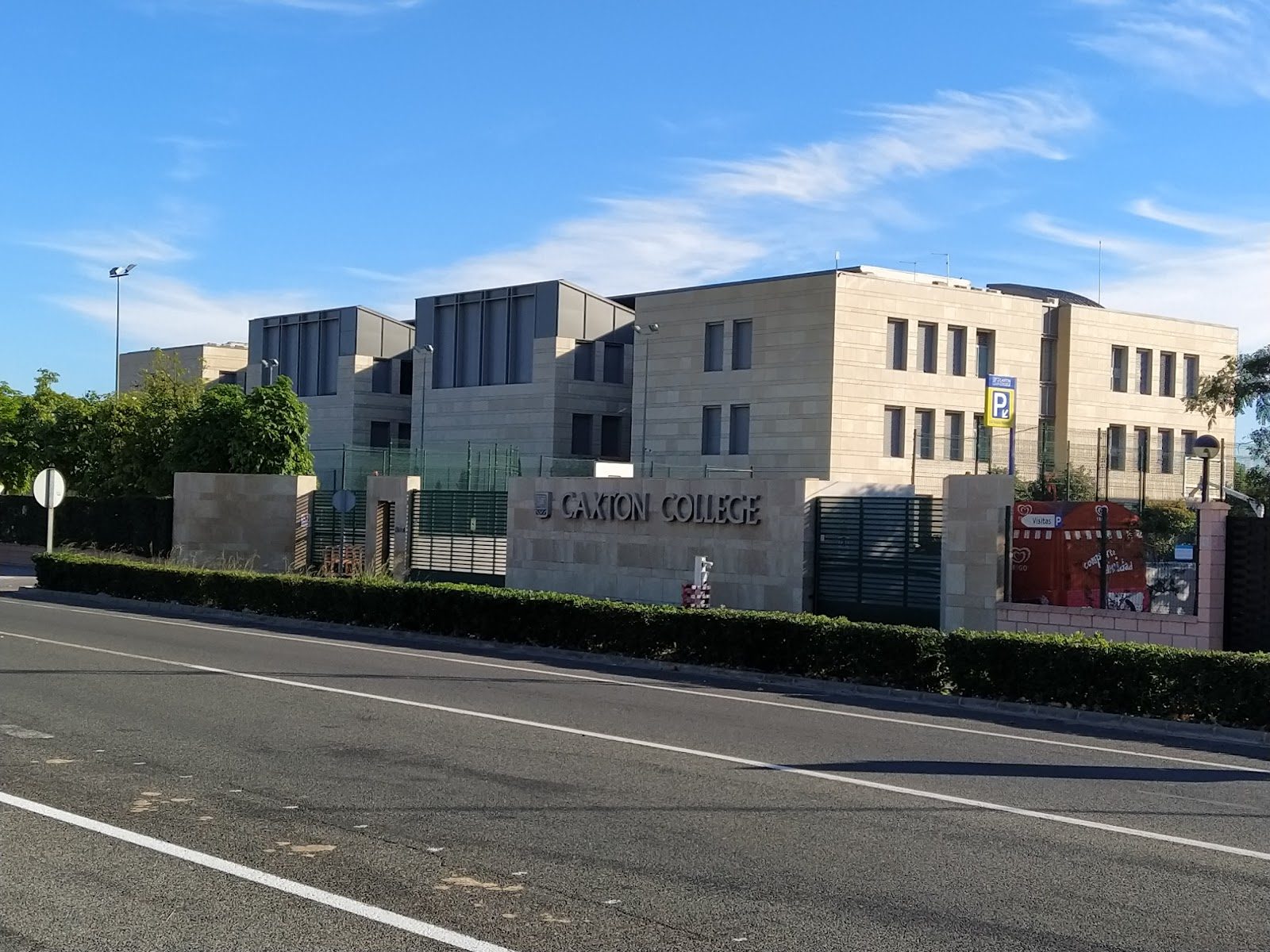
Caxton College
Puçol · Spain
On Valencia's coast between mountains and sea, a family-run British school pairs A-Levels with native Spanish literary strength.
Colegio Base
Madrid · Spain
Rooted in the Institucion Libre de Ensenanza since 1962, this La Moraleja campus runs three Baccalaureate tracks under one roof.
Same country and curriculum — closest matches within ±10 points either way