
Valencian Community
Caxton College
low confidence· 4/6 cats · 1.29 avg sourcesOn Valencia's coast between mountains and sea, a family-run British school pairs A-Levels with native Spanish literary strength.
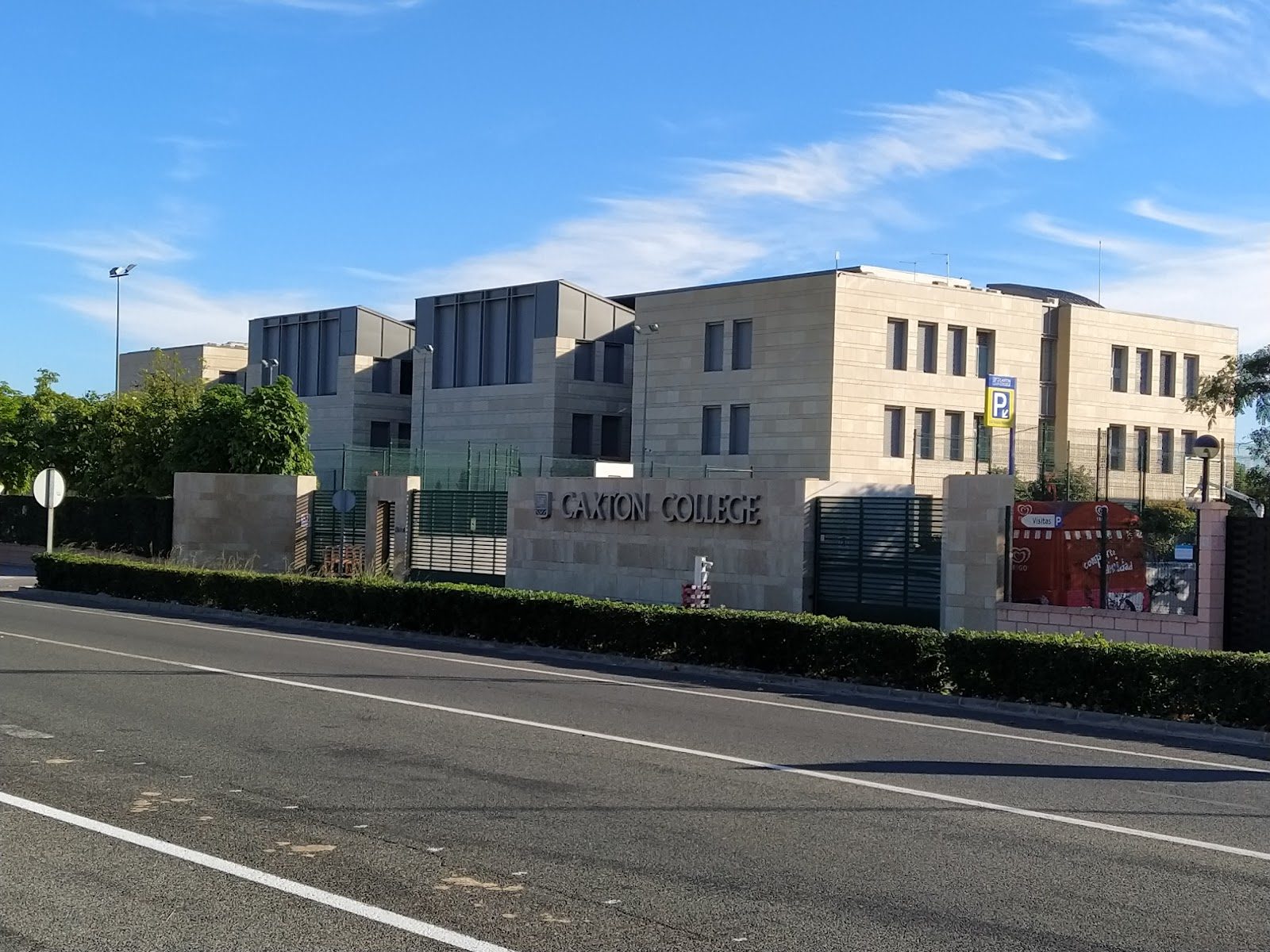
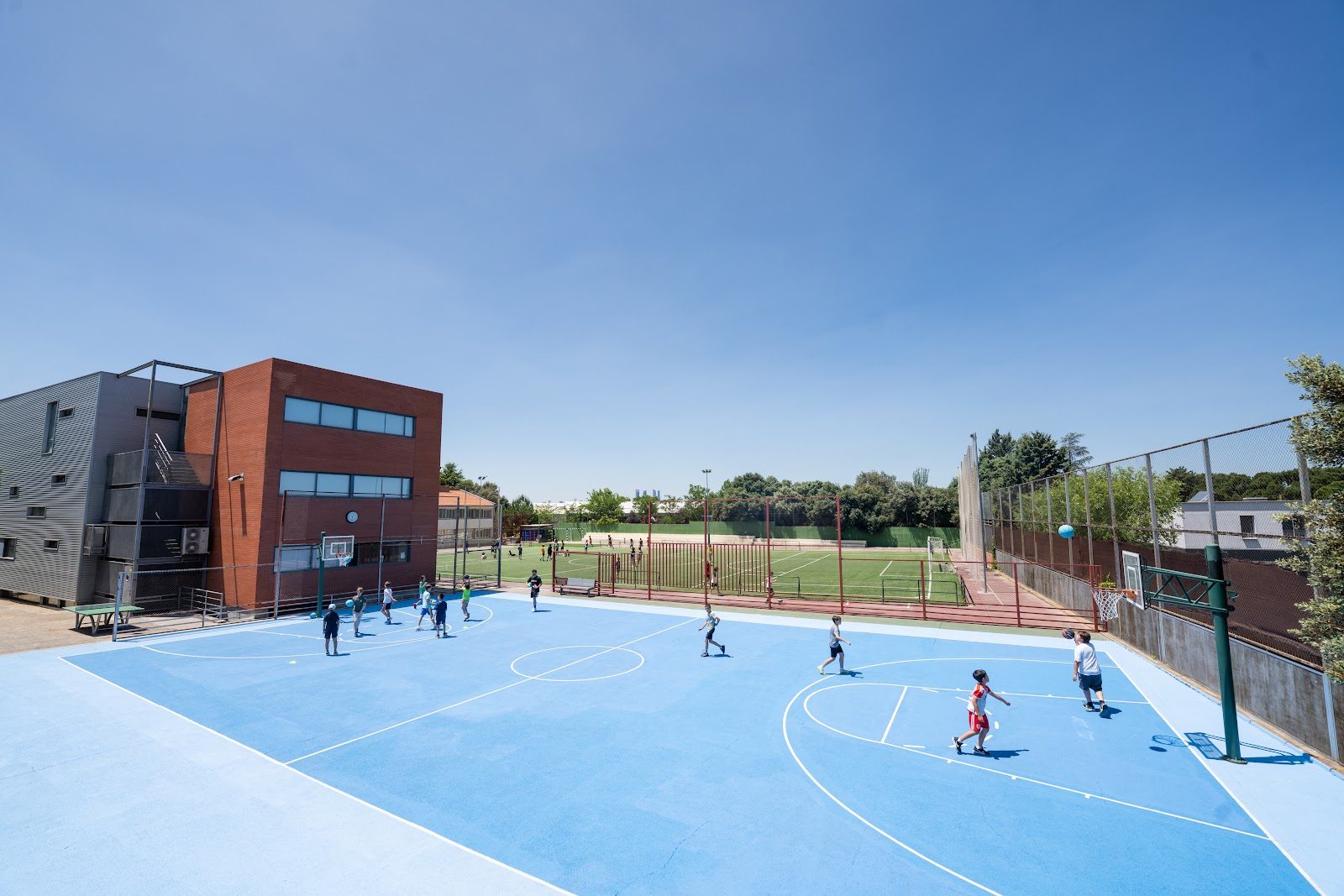
Photo © Juan Dapena via Google Maps
Type
Day
Ages
1–18
Curriculum
British
Qualifications
A-Level · IGCSE
Ratio
—
The Verdict
Editor's commitment
Right for
Families wanting a British day school in Puçol, founded in 1987, with A-Levels, native Spanish strength and COBIS, NABSS, BSO badges.
Wrong for
Parents chasing boarding, religious formation or an IB route will not find it here: Caxton is non-religious, day-only, British curriculum.
Watch out for
The Class of 2025 leans domestic: 111 leavers, with IE Madrid (4), ESAT Valencia (2) and Francisco Vitoria Madrid (2) topping destinations.
Ranking breakdown
Caxton College · #1223 of 1591
Composite score 57.5. 8 weighted criteria.
By criterion
Academic Outcomes
Weight 20%
#1192
of 1529 scored
University Placement
Weight 16%
#1201
of 1529 scored
Prestige & Heritage
Weight 12%
#1259
of 1571 scored
Alumni Network
Weight 12%
#860
of 1530 scored
Facilities
Weight 12%
#1164
of 1533 scored
Transparency & Communications
Weight 8%
#1197
of 1532 scored
Peer & Industry Review
Weight 10%
#1108
of 1548 scored
Admissions Selectivity & Demand
Weight 8%
#991
of 1529 scored
Peer & Industry Review
How Caxton College is regarded in the sector
63
Respected · medium confidence
Caxton College is consistently listed among the leading British/international schools in the Valencia region and Spain more broadly, referenced in expat-parent forums (e.g. Valencia expat communities) and in NABSS/British Schools in Spain accreditation listings, and reviewed favourably by Good Schools Guide International as a well-established IB/A-level provider. However, it lacks the broader cross-Spain or international press profile (Tatler, Sunday Times School Awards) seen in top-tier schools, suggesting a solid regional rather than nationally dominant reputation.
Evidence sources
Editors' overview
Caxton College occupies a clear niche in the Valencia market: a long-established, family-run British day school that does not force parents to choose between English-medium schooling and serious Spanish academic grounding. The school’s own phrasing about “complicity” between British and Spanish subjects matters here. This is not a British enclave with token local content. It is a dual-track proposition in which A-Levels sit alongside strong Spanish literacy and university preparation. For families planning to keep both UK-style and Spanish higher-education options open, that is the point. The setting in Puçol, with 42,000 m² of campus and more than 20 transport routes into Valencia and Castellón, gives it real operational reach. Between sea and mountains, a family atmosphere and an active, healthy daily rhythm are not just brochure lines here; they map onto a large, well-served day school built for commuting families.
What puts Caxton on a shortlist is substance, not mystique. The campus is big, the services are unusually complete for a day school, and the offer extends well beyond lessons: psychopedagogical support, medical care, library, transport, dining, sports club, language academy, music, art, ballet and summer provision. That breadth matters for working parents and for children whose lives do not fit neatly into the school day. Academically, the school publishes enough to show ambition: 99% meeting or exceeding objectives in primary science standardised tests, 25% progressing to international universities, and 56% achieving Spanish university entrance scores above 12 out of 14. Those figures do not tell the whole story, and the school does not publish the kind of full aggregate external exam data that would allow sharper comparison with the strongest academic operators. Still, the direction is plain: this is a school with serious academic intent, native-level English expectations and a functioning route into both Spanish and international universities.
The pupil who thrives here is not looking for a bohemian free-for-all or an austere, exam-factory atmosphere. Caxton suits children who benefit from structure, pace and a school culture built around effort, pastoral containment and busy schedules. It also fits bilingual or internationally minded families who want children to move confidently between English and Spanish without sacrificing standards in either. New arrivals into Valencia will value the transport network, the scale of the co-curricular offer and the school’s well-run daily convenience. Families who want boarding, a tiny intimate sixth form, or radical educational experimentation should look elsewhere. Families who want a disciplined bilingual education in a substantial British school, with clear systems and a broad life beyond the classroom, should take Caxton seriously.
Academic Performance
Caxton publishes enough outcome data to show a school with real academic traction, but not enough to place it among the most transparent operators in the British international market. The strongest published indicators sit on the Spanish side of the ledger: 56% of pupils secure university entrance scores above 12 out of 14, and 91% gain access to public universities in the Valencian Community with entry thresholds above 10. Those are credible figures. They point to a cohort that is well prepared for selective local pathways, not just shepherded through baseline requirements. The school also cites 25% progressing to international universities, including highly competitive UK names. That matters, though the figure is broad and the destination list is thinner than parents would want for close comparison with stronger sixth-form competitors.
The missing piece is aggregate external exam detail. Caxton has a “Resultados académicos” section, yet we have not seen a full set of headline A-Level outcomes in the form serious parents expect: top-grade distributions, subject-level performance, multi-year trend lines, or clean benchmarking against peer schools. That leaves the academic picture solid but not fully exposed. Relative to peers in Spain, Caxton sits in the upper serious middle: stronger than lifestyle-first international schools, more academically grounded than schools selling atmosphere over attainment, but less forensically accountable than the best British schools that publish complete public exam data year after year.
Facilities
Facilities are one of Caxton’s strongest cards. The school gives families the infrastructure of a large, fully serviced day operation rather than a compact academic outpost. The headline asset is space: a 42,000 m² campus that allows room for separate phases, outdoor activity and specialist provision without the cramped feel that afflicts many urban international schools in Spain. Beyond classrooms, the important practical pieces are all in place: an on-site psychopedagogical department, medical care, library, dining and kitchen, transport, and a substantial spread of extracurricular venues and services. The sports offer has enough institutional backbone to matter, with a dedicated club covering basketball, football, swimming and tennis, while the parallel music, art, ballet and language academies give the site the feel of a school built for long days and working households.
Against peer schools in the Valencia market, that makes Caxton operationally stronger than many schools that offer solid teaching but thinner daily support. Parents are not just buying lessons; they are buying a system that can carry a child from early years through sixth form with minimal logistical friction. The trade-off is atmosphere. This is not a boutique campus with architectural glamour or rarefied specialist spaces marketed as trophies. It is a serious, high-functioning school plant designed to keep a big day-school community moving efficiently. For many families, that is more valuable than showpiece buildings.
The school’s own phrasing about “complicity” between British and Spanish subjects matters here
Prestige
Caxton carries real local weight and respectable international recognition, but it does not sit in the rarefied tier occupied by the most globally magnetic British schools. Its prestige rests on durability, operational scale and a track record that families in the Valencia area know well. The family-run ownership matters here: for some parents that reads as stable and accountable; for others it limits the borrowed status that comes with a famous UK founding body or a vast premium-school brand. The school’s university pattern reinforces that middle-to-upper position. A meaningful share of pupils head abroad, while a larger strength lies in preparing students for Spanish higher education with serious intent. That gives Caxton practical prestige: not glamour, not cachet for its own sake, but a reputation built on getting children to credible destinations.
Why not rate it higher? Because top-tier prestige depends on sharper public proof. Caxton promotes strong outcomes and cites access to international universities, plus 25% progressing overseas and 56% reaching high Spanish entrance scores, but the school does not publish the full exam-detail architecture that the most confident academic operators put into the public domain. Prestige at the highest level requires more than parental loyalty, polished facilities and a long queue of local interest; it requires forensic transparency and a destination profile that pulls immediate global recognition. Caxton is well regarded, socially established and clearly a serious school. It is not an automatic status symbol.
It is a dual-track proposition in which A-Levels sit alongside strong Spanish literacy and university preparation
Communications
Caxton communicates with parents like a school that expects daily operational engagement, not occasional ceremonial contact. The public-facing structure is clear: a dedicated family area, admissions channels that push visits and direct enquiry, policy and procedure pages, transport information laid out route by route, and a steady stream of news, events and blog posts. That matters because this is a large day school with moving parts. Families need logistics, timetables, welfare information and points of contact to be easy to find. On that count, the school is competent, well organised and service-minded. The transport detail alone points to a school that knows parents judge communication in practical terms first. A network of more than 20 bus routes does not run on charm; it runs on systems.
The stronger verdict is on tone and transparency. Caxton puts out a high volume of parent-facing content, but much of the front-end language leans polished, managed and emotionally warm in the manner of modern private schools. That is not a fault in itself. The limit comes when parents want sharper academic disclosure or a more stripped-back account of outcomes and standards. Communications are effective for access, routines and community signalling; they are less effective as a tool of forensic accountability. The school tells families a lot about school life and support. It tells them less than the best operators do about hard comparative performance. For many parents that balance will feel reassuring. Exacting families will want more candour and more data.
Uniqueness
What sets Caxton apart is not novelty for its own sake. It is the school’s refusal to force a false choice between a British academic framework and serious Spanish intellectual formation. Plenty of international schools bolt local requirements onto an English-medium core and leave it at that. Caxton makes the two work in tandem. The result for students is *real bilingual fluency with academic substance*, not social English plus exam Spanish. That matters most in the sixth form years, when families need genuine flexibility over university routes. A pupil can keep international options open without weakening their footing in Spain’s admissions system. The school’s own stress on Spanish literary strength gives this an extra edge: children do not just learn to function in two languages; they learn to think and write in both.
The second point of difference is institutional range. Caxton runs more like a full-service educational ecosystem than a narrow teaching shop. The transport web of 20+ routes, the in-house learning support and medical provision, and the parallel academies in languages, music, art and ballet create a school life that is highly managed, highly usable and built around family logistics as much as classroom time. For students, that brings continuity, routine and access to multiple pursuits without constant outsourcing. The gain is breadth and stability. The trade-off is clear too: this is not a free-form or counter-cultural school. It suits children who thrive inside a structured, busy, well-supervised system.
For families planning to keep both UK-style and Spanish higher-education options open, that is the point
Student Profile
The pupil who fits Caxton is comfortable in a school that asks for effort, routine and follow-through. This is a strong match for children who do well with clear structure, adult oversight and a day packed with movement between lessons, activities and support services. It suits academically capable bilingual families, international families who want a child grounded in Spain without losing an English-medium education, and new arrivals who need a school that can absorb a mid-year joiner without chaos. The school’s own parent comments point to children who settle, work hard and value belonging. Pupils who enjoy organised sport, arts training or long school days with everything in one place will find plenty to use. The transport reach of 20+ routes also widens the intake beyond immediate neighbourhood families, which matters for social mix and daily practicality.
Who thrives less well? The child who resists structure, wants a looser, more experimental classroom culture, or needs a small, intimate environment with a visibly informal tone. Caxton has the shape of a busy, managed institution, not a progressive micro-school. Socially, it will suit students who can operate confidently in a community with expectations around behaviour, integration and steady application. It is also a good fit for families who value serious pastoral containment alongside academics. Children who need constant novelty or a hands-off culture will feel constrained.
The setting in Puçol, with 42,000 m² of campus and more than 20 transport routes into Valencia and Castellón, gives it real operational reach
Co-curricular strengths
Arts & sport, on a separate axis
Overall 7.9/10
Scored 0-10 from the school's own published evidence. This axis is editorial-only — it does not feed the main WTS ranking.
Sports
8.5/10
Drama
7.5/10
Dance
6.5/10
Music
8.5/10
Visual Arts
8.5/10
Editor first-pass · editor-reviewable · 7/29/2026
Outcomes & destinations
Where students go next
Class of 2025
111 graduates
Top destinations
108 placements
- ESAT - Valencia· 2
- IE - Madrid· 4
- Francisco Vitoria - Madrid· 2
- CEO - Madrid· 1
- UCV· 2
- UV· 19
- ICADE· 4
- UMH - Alicante· 1
- ICAI· 1
- UE - Valencia· 1
- EDEM - Valencia· 1
- UPV· 29
- Carlos III - Madrid· 2
- CEU - Valencia· 3
- CUNEF· 3
- Complutense - Madrid· 1
- Sevilla· 1
- Juan Carlos I - Madrid· 1
- CEU - Madrid· 1
- CEU· 4
- UE Madrid· 1
- UTAH University· 1
- Florida Internacional· 1
- University of Glasgow· 1
- University of Oxford· 1
- Roterdam University of Applied Science· 1
- King's College· 1
- Dantmouth University· 1
- University of Waterloo· 1
- Hogeschool Roterdam· 1
- Loyola University of Chicago· 1
- Tsing University· 1
- Manchester· 1
- Roterdam· 1
- St. Andrews· 1
- Bristol· 1
- Liberty· 1
- Warwick· 1
- Trinity College· 1
- Eindhoven· 3
- Twente· 1
- Frankfurt School· 1
- Manchester Metropolitan University· 1
Reported by the school. Confirm with admissions.
Strengths
- +British curriculum from ages 1–18.
- +Bilingual teaching in English and Spanish.
- +Non-religious day school near Valencia.
- +Accredited by NABSS, COBIS and BSO.
Considerations
- −No boarding; day school only.
- −Family-run governance may not suit everyone.
- −Puçol location may mean longer commutes.
Availability
Primary entry gate & tests
Academic Record
Gallery
Photo © Caxton College via Google Maps
Photo © Caxton College via Google Maps
Photo © Caxton College via Google Maps
Photo © Caxton College via Google Maps
Photo © Caxton College via Google Maps
Parent reviews
Have you sent your child here?
Voice reviews carry the strongest trust badge — we transcribe them for you to tidy up before they go live. Prefer to type? A written review is fine too.
Add your voice
In 60 seconds, tell other parents: what's the best thing about Caxton College, and what surprised you when your child joined?
We ask for a Google sign-in so every review has a real face behind it — no anonymous drive-by attacks on schools, and no faked positive reviews. Your email is never shown publicly.
Send this profile to a friend
International parents rely on word-of-mouth. Share this review with someone weighing the same decision.
Schools with places
Similar schools to Caxton College with places available now.
Aloha College
Marbella · Spain
- 2026-27
- WAITPOOLSpace-dependent
- 2027-28
- PLACES OPENRolling
The British School of Barcelona
Sitges · Spain
- 2026-27
- WAITPOOLSpace-dependent
- 2027-28
- PLACES OPENRolling
King's College, Soto de Viñuelas
Madrid · Spain
- 2026-27
- WAITPOOLSpace-dependent
- 2027-28
- PLACES OPENRolling
Availability first, then country, area, curriculum, price, co-curricular
Consider also
Also worth looking at alongside Caxton College.
Highlands School Madrid
Madrid · Spain
In La Moraleja's green belt, a Cambridge-accredited trilingual campus pairs British rigour with a public-speaking programme built into daily lessons
Aloha College
Marbella · Spain
Founded in 1982 by six teachers as a parent-run, not-for-profit trust, among the first in Spain to teach the IB Diploma.
ES International School of Barcelona
Barcelona · Spain
An American diploma earned between classrooms and clay courts at the Sanchez-Casal tennis academy outside Barcelona.
Colegio Base
Madrid · Spain
Rooted in the Institucion Libre de Ensenanza since 1962, this La Moraleja campus runs three Baccalaureate tracks under one roof.
Same country and curriculum — closest matches within ±10 points either way