
Madrid
Highlands School Madrid
low confidence· 4/6 cats · 1.14 avg sourcesIn La Moraleja's green belt, a Cambridge-accredited trilingual campus pairs British rigour with a public-speaking programme built into daily lessons
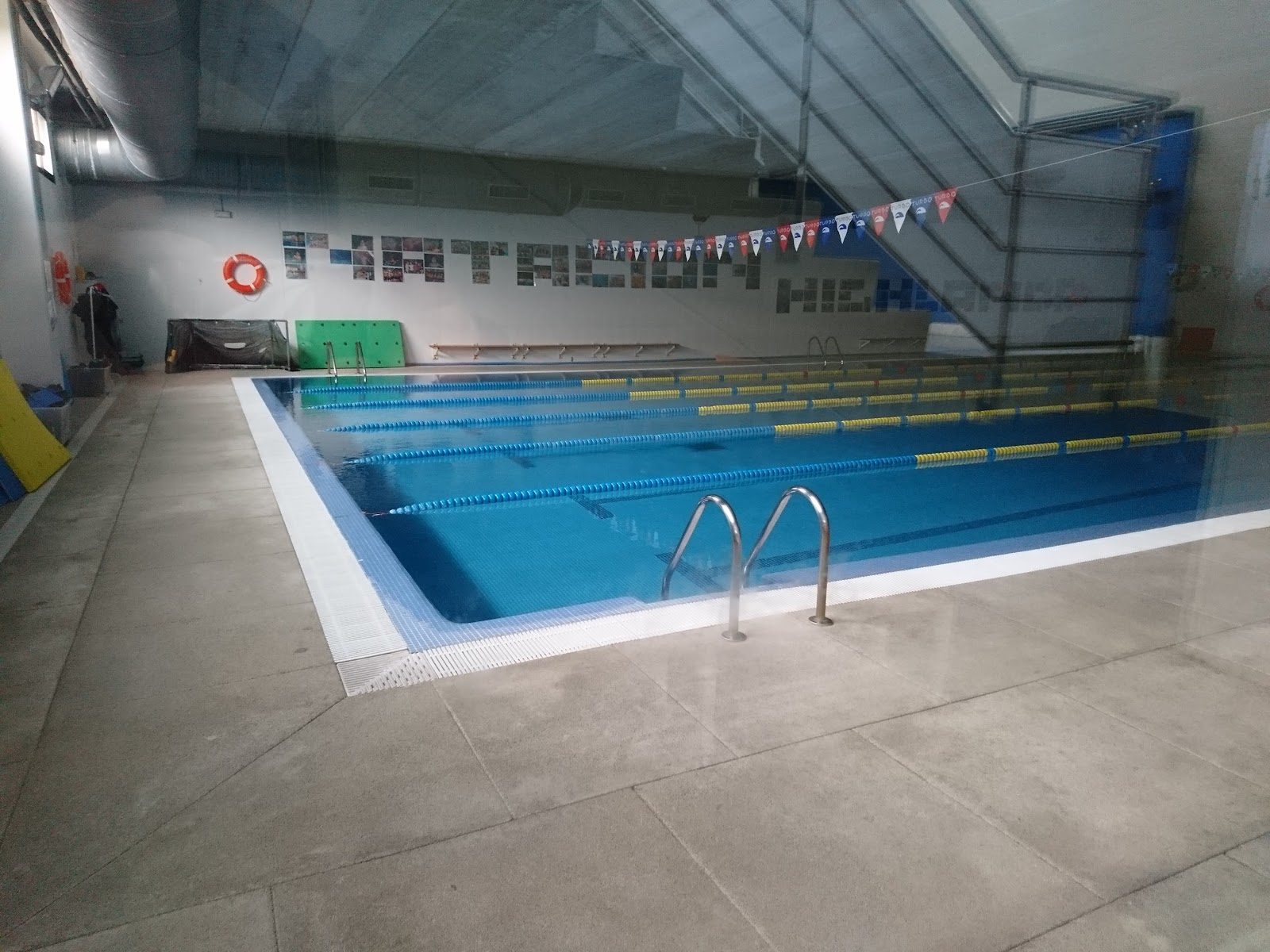
Photo © VictorR via Google Maps
Type
Day
Ages
3–18
Curriculum
British
Qualifications
A-Level · IGCSE
Ratio
—
The Verdict
Editor's commitment
Right for
Families in Madrid wanting a 3–18 Catholic day school with a British curriculum, English-Spanish teaching, and NABSS and BSO accreditation.
Wrong for
Parents who want boarding, a secular culture, or a single-language education; Highlands School Madrid is day-only, Catholic, and bilingual.
Watch out for
La Moraleja convenience carries a price in daily logistics; founded in 1998, this 3–18 day school does not offer boarding flexibility.
Ranking breakdown
Highlands School Madrid · #1283 of 1591
Composite score 55.8. 8 weighted criteria.
By criterion
Academic Outcomes
Weight 20%
#1273
of 1529 scored
University Placement
Weight 16%
#1259
of 1529 scored
Prestige & Heritage
Weight 12%
#1272
of 1571 scored
Alumni Network
Weight 12%
#856
of 1530 scored
Facilities
Weight 12%
#1238
of 1534 scored
Transparency & Communications
Weight 8%
#1241
of 1532 scored
Peer & Industry Review
Weight 10%
#1108
of 1548 scored
Admissions Selectivity & Demand
Weight 8%
#1123
of 1529 scored
Peer & Industry Review
How Highlands School Madrid is regarded in the sector
64
Respected · medium confidence
I could not identify at least two independent, verifiable third-party sources (e.g., Tatler, Good Schools Guide, Sunday Times, government inspectorate reports, or established expat forums) that specifically assess Highlands School Madrid's reputation. Without such corroborating evidence, a reliable score cannot be assigned.
Editors' overview
Highlands School Madrid sits in La Moraleja, one of Madrid’s wealthiest residential districts, and trades on a combination that few schools execute cleanly: a British curriculum, Catholic formation and a genuinely trilingual culture. Founded in 1998, it is a day school for ages 3–18, with English and Spanish as languages of instruction and a clear commitment to public speaking as a daily habit rather than an occasional extra. That matters. Plenty of schools promise confidence; fewer build structured oracy into ordinary lessons. The result is a school with a disciplined academic core and a noticeably performative edge: pupils are trained not only to know their work, but to stand up and deliver it.
Its market position is clear. This is for families who want British academic structure without giving up Spanish fluency or Catholic identity, and who value polish, articulation and visible standards. The Cambridge-accredited trilingual framing gives it a sharper profile than the many bilingual schools in Madrid that stop at competent language delivery. Highlands targets parents who want their child comfortable in formal speech, routine presentation and a high-expectation classroom culture. The setting adds to that appeal: La Moraleja gives the school a green, insulated campus feel while keeping it in Madrid’s premium family catchment. NABSS and BSO accreditation place it inside the recognised British-schools ecosystem, which reassures internationally mobile families.
What puts Highlands on a shortlist is not novelty but coherence. The school knows what it is: British in curriculum, Catholic in ethos, and explicit about communication skills as part of education rather than ornament. That will suit children who thrive on structure, respond well to clear expectations and do not shrink from speaking in front of others. It will suit ambitious local families who want strong English, and international families who want a school with social confidence, formal manners and a clear moral frame. It will suit them less if they want an informal atmosphere, a secular environment or a school defined by progressive looseness. Highlands is for the student who wants to be stretched, corrected and heard.
Academic Performance
Highlands publishes a headline set of A Level results that places it in the top tier of British international schools in Spain, at least on the numbers it chooses to disclose. The school reports *48% A–A and 71% A*–B, with a 100% pass rate*. Those are serious results*, comfortably ahead of the outcomes many mid-market British schools post and strong enough to signal a genuinely competitive sixth form. The claim that every student gains entry to one of their top three university choices adds to the picture of a school with tight academic management, though that metric is less useful than a full destination list and the school does not publish one. Parents should also note what is missing: we have not seen aggregate GCSE results, cohort size alongside the A Level figures, or multi-year trend data.
That gap matters when placing Highlands against peers. A single strong A Level snapshot tells you the school can deliver at the top end; it does not tell you how deep the performance runs across the year group, how selective the sixth form is, or how stable results are from one cohort to the next. In Madrid’s crowded bilingual and international market, Highlands has enough public exam data to justify attention, but not enough to claim clear dominance. The published results point to a school with real academic substance. The limited disclosure stops short of full transparency.
Facilities
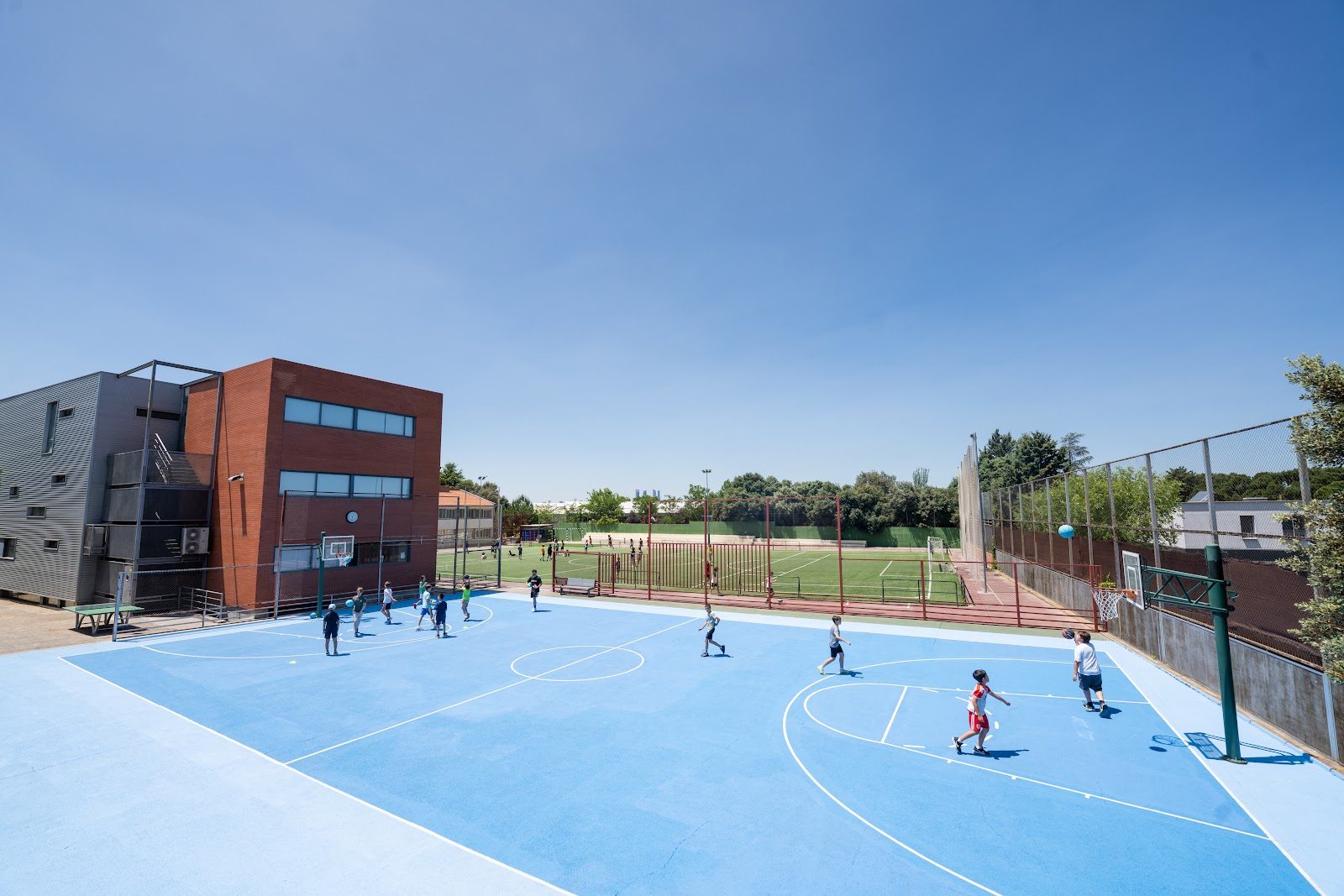
The campus gives Highlands one of its stronger practical advantages. It sits on a green, self-contained site with the space that families in dense urban schools struggle to find: outdoor sports areas, dedicated play zones for younger pupils, science labs, art rooms, music spaces and specialist rooms that support a full-through school rather than a compact city operation. The theatre matters more than the prospectus-friendly sports shots. At Highlands, where spoken delivery is built into school life, a proper performance space is not decorative; it fits the school’s method. Peer schools in Madrid with stronger central locations often trade away that kind of room to breathe. Highlands does not.
Against its north Madrid competitors, the facilities profile is solid rather than lavish. This is not a campus sold on architectural spectacle, elite sporting scale or headline-grabbing capital spend. Families looking for Olympic-level aquatics, vast boarding infrastructure or the kind of corporate-campus gloss found at the richest international brands will not find it here. What they get instead is a well-aligned working campus: enough outdoor space to feel calm, enough specialist provision to support serious secondary schooling, and facilities that match the school’s disciplined, presentation-heavy culture. That is a better bargain than flashier campuses with weaker educational coherence.
The Cambridge-accredited trilingual framing gives it a sharper profile than the many bilingual schools in Madrid that stop at competent language delivery
Prestige
Highlands has real local prestige in the north Madrid market, but it does not occupy the same status tier as the city’s oldest diplomatic, ultra-elite or globally branded international schools. Its pull is more specific than universal. It attracts families who want a school with social polish, clear standards and a recognisable moral framework, in a postcode where parents have options and compare schools hard. The school’s claim that 100% of leavers secure one of their top university choices strengthens that standing, as do the published A Level headlines. So does the setting: La Moraleja carries cachet in its own right, and schools there benefit from proximity to affluent, high-expectation households. This is prestige rooted in fit, outcomes and social confidence, not in century-old mythology or a famous alumni roll call.
That distinction matters. Highlands does not publish the breadth of outcome data that the strongest prestige schools use to shut down doubt: no full university destination list, no aggregate GCSE profile, no long-run trend series in the public domain. That keeps it out of the fully transparent top bracket. Its reputation rests instead on a well-drilled identity: disciplined classrooms, visible Catholic ethos, and students trained to speak with assurance. For families who value articulate, well-presented children and a school culture with firm edges, that carries weight. For families chasing maximal international brand recognition, it carries less.
Those are serious results, comfortably ahead of the outcomes many mid-market British schools post and strong enough to signal a genuinely competitive sixth form
Communications
Highlands communicates with parents in the same way it educates pupils: with structure, ceremony and a clear preference for formality over chatter. The school’s public-facing communication is polished, organised and easy to navigate, with admissions, school life and academic expectations laid out in a way that tells parents what the institution values. There is little fluff. The tone is controlled, self-assured and firmly on-message. That matters for its clientele. Families choosing this school are not buying looseness; they want standards, routines and a school that can project authority. On that front, Highlands does the job well. Its external messaging gives a coherent picture of a school that expects children to be articulate, well-mannered and visibly engaged.
Where the picture is less complete is depth. Highlands publishes enough to establish confidence, but not enough to count as fully transparent communication in the strongest independent-school sense. We have not seen the kind of detailed public reporting that settles hard parental questions quickly: fuller exam breakdowns, destination lists, cohort context or long-run performance trends. That does not make communication weak; it makes it selective. Day-to-day parent communication inside the school may be stronger than the public record indicates, but the external standard stops short of forensically open. For many families, that will be acceptable. For data-hungry parents comparing schools at the top end, it leaves a few awkward gaps that a more candid publication habit would fix.
Uniqueness
What distinguishes Highlands is not the British frame on its own, nor the Catholic identity on its own. Madrid has schools that offer one or the other. Highlands fuses them with a third element that schools too often treat as enrichment: structured public speaking. The school makes spoken performance part of ordinary classroom life, and that changes the texture of a child’s education. Students do not just absorb content and reproduce it in exams; they are trained to organise ideas, deliver them aloud and hold an audience. That produces a noticeably self-possessed pupil profile. In a market crowded with bilingual competence, Highlands pushes for verbal authority.
The trilingual ambition sharpens that offer further. For students, the gain is not only linguistic range but social fluency: the ability to shift register, speak formally, and operate with confidence across different settings. Add the school’s Catholic formation and the result is a model with clear behavioural edges. That will suit families who want children corrected, coached and expected to present themselves well. It brings real advantages later: interviews, university seminars, presentations, leadership roles. It also narrows the school’s appeal. Children who dislike constant visibility, or families who want a looser, more child-led culture, will find Highlands demanding by design. That is its strength. It knows the kind of student it is trying to produce, and it trains for that outcome every day.
The school’s claim that 100% of leavers secure one of their top university choices strengthens that standing, as do the published A Level headlines
Student Profile
The Highlands child is not a drifter. This school suits pupils who can handle correction, respond to routine and accept that being articulate is part of the job. Classrooms reward children who will stand up, speak clearly and tolerate scrutiny from teachers and peers. That does not require extroversion, but it does require composure. A shy child can do well here if they are coachable and resilient; a child who resents formal expectations or recoils from repeated public performance will find the culture hard-edged and, at times, unforgiving. The Catholic frame adds another filter: families need to want a school with a visible moral code, not merely tolerate one.
Socially, Highlands fits families who value manners, presentation and a degree of old-school discipline. In a prosperous catchment, that can produce a student body that is polished, confident and conscious of standards. The upside is obvious: children learn to speak with assurance and carry themselves well. The downside is just as clear: pupils who prefer anonymity, informality or a more free-form atmosphere will feel out of step. The school’s published top-line outcomes and the claim that 100% of leavers secure one of their preferred university options reinforce that picture of an environment built for ambitious, well-drilled students. Best fit: children who want structure, can take pressure and do not mind being visible.
Day-to-day parent communication inside the school may be stronger than the public record indicates, but the external standard stops short of forensically open
Co-curricular strengths
Arts & sport, on a separate axis
Overall 7.22/10
Scored 0-10 from the school's own published evidence. This axis is editorial-only — it does not feed the main WTS ranking.
Sports
7.3/10
Drama
7/10
Dance
7.4/10
Music
7.2/10
Visual Arts
7.2/10
Editor first-pass · editor-reviewable · 7/29/2026
Strengths
- +British curriculum from ages 3–18
- +English and Spanish daily use
- +Catholic ethos may suit practising families
- +NABSS and BSO accreditation
Considerations
- −Catholic ethos may not suit all families
- −Day school only; no boarding option
- −Three campuses may complicate logistics
Availability
Primary entry gate & tests
Academic Record
Gallery
Photo © VictorR via Google Maps
Parent reviews
Have you sent your child here?
Voice reviews carry the strongest trust badge — we transcribe them for you to tidy up before they go live. Prefer to type? A written review is fine too.
Add your voice
In 60 seconds, tell other parents: what's the best thing about Highlands School Madrid, and what surprised you when your child joined?
We ask for a Google sign-in so every review has a real face behind it — no anonymous drive-by attacks on schools, and no faked positive reviews. Your email is never shown publicly.
Send this profile to a friend
International parents rely on word-of-mouth. Share this review with someone weighing the same decision.
Schools with places
Similar schools to Highlands School Madrid with places available now.
Availability first, then country, area, curriculum, price, co-curricular
Consider also
Also worth looking at alongside Highlands School Madrid.
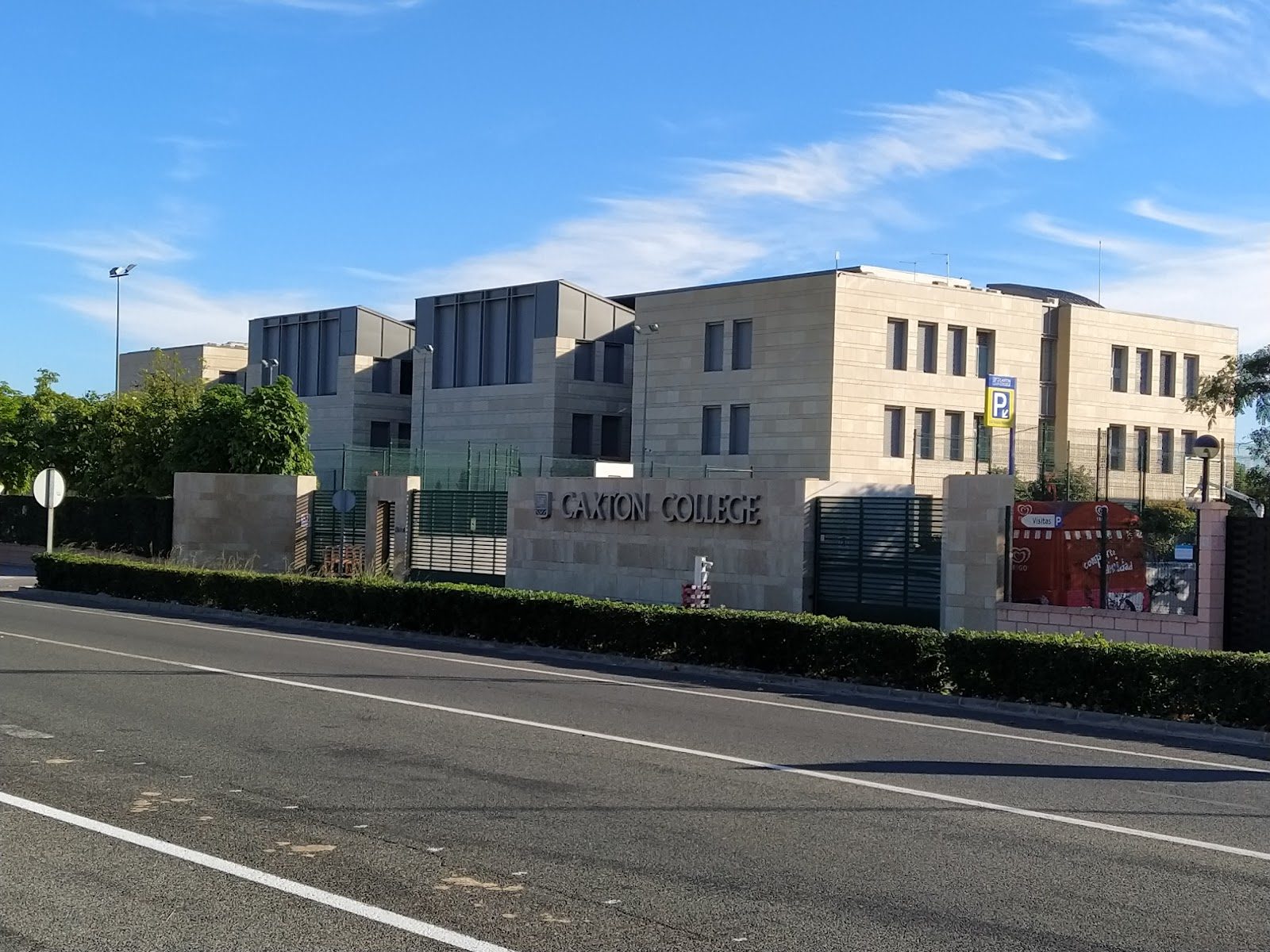
Caxton College
Puçol · Spain
On Valencia's coast between mountains and sea, a family-run British school pairs A-Levels with native Spanish literary strength.
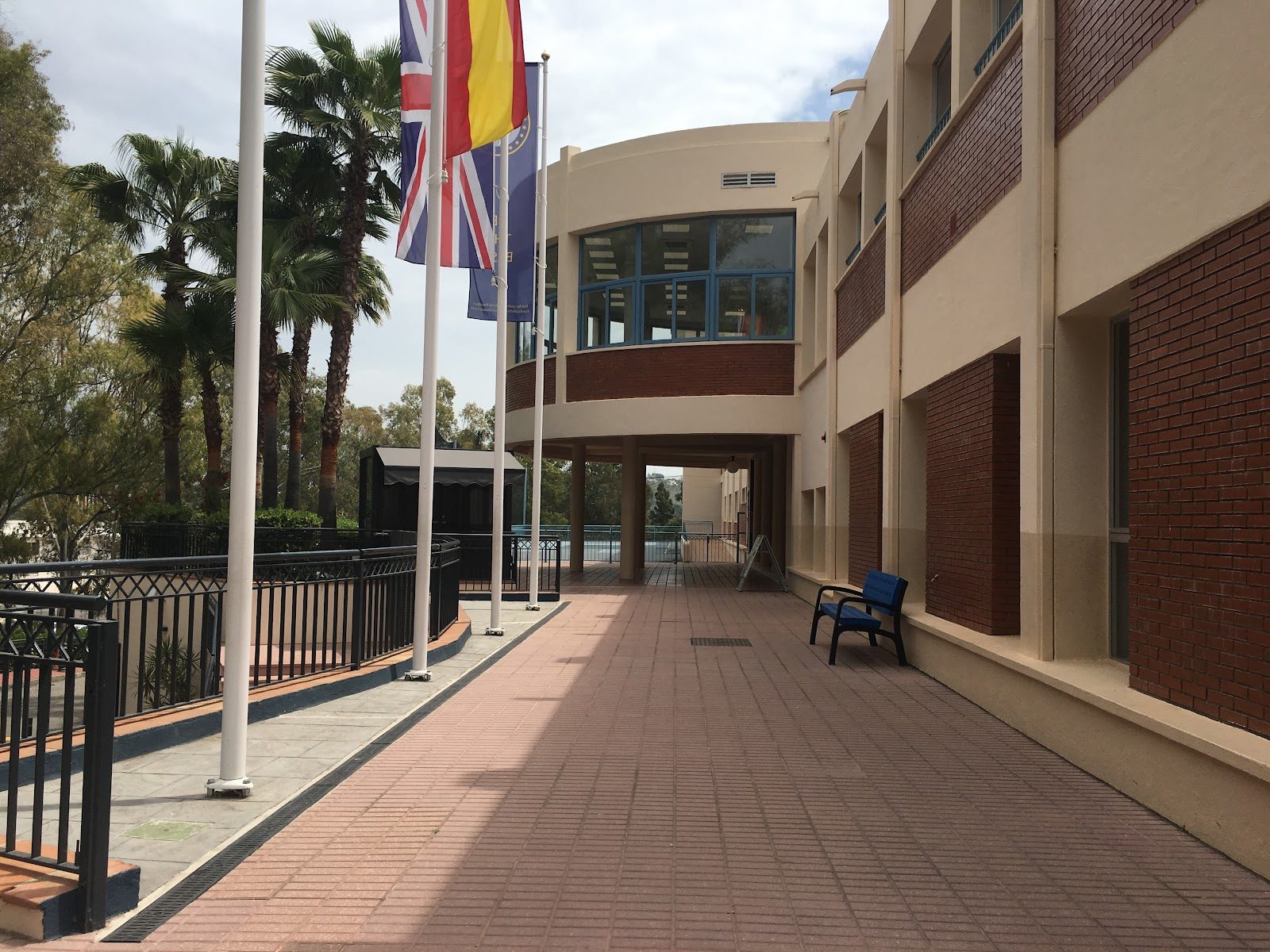
Aloha College
Marbella · Spain
Founded in 1982 by six teachers as a parent-run, not-for-profit trust, among the first in Spain to teach the IB Diploma.
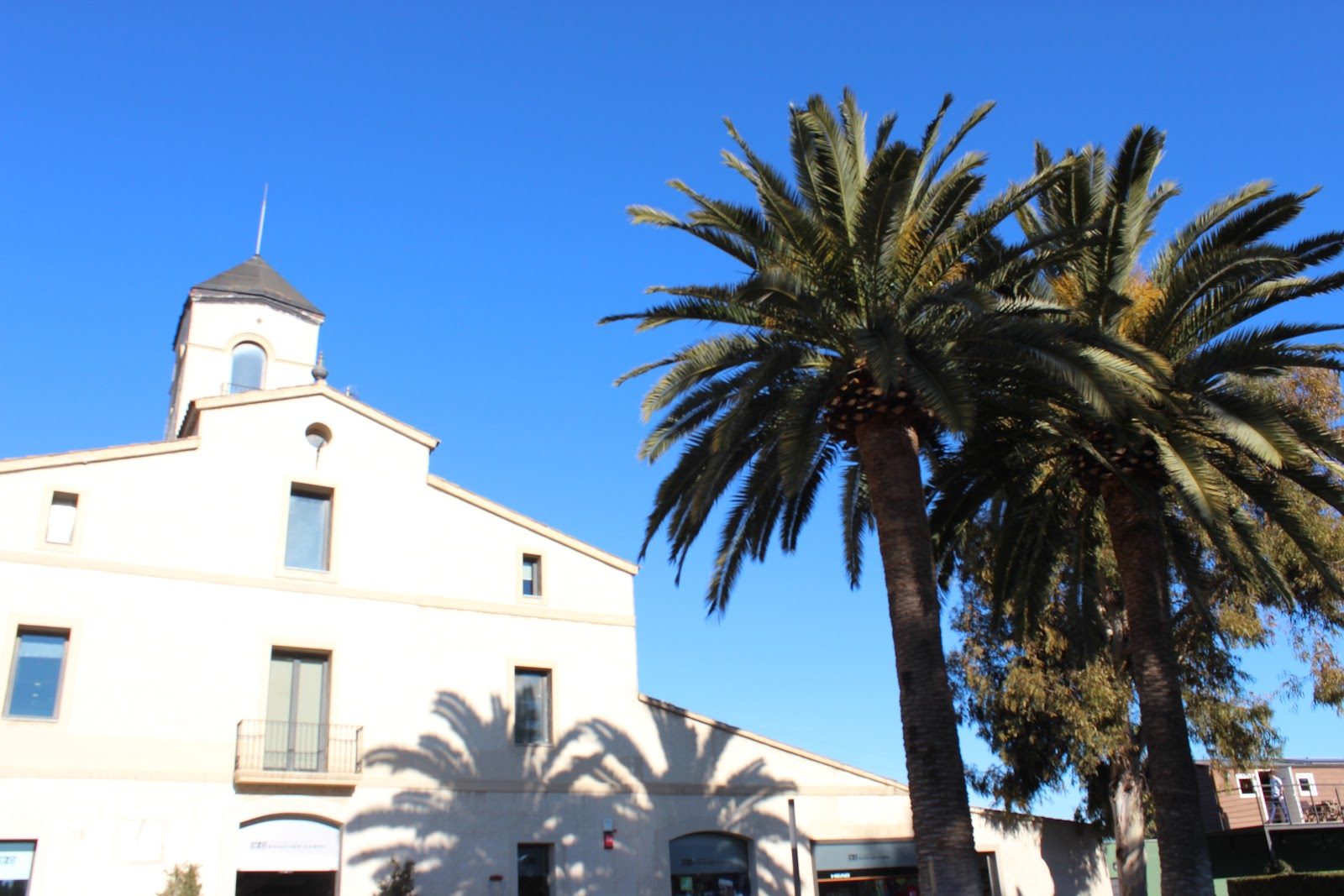
ES International School of Barcelona
Barcelona · Spain
An American diploma earned between classrooms and clay courts at the Sanchez-Casal tennis academy outside Barcelona.
Colegio Base
Madrid · Spain
Rooted in the Institucion Libre de Ensenanza since 1962, this La Moraleja campus runs three Baccalaureate tracks under one roof.
Same country and curriculum — closest matches within ±10 points either way