
Lombardy
American School of Milan
low confidence· 4/6 cats · 0 avg sourcesSouth of Milan, the city's first IB World School pairs an American diploma with seven decades of international pedigree.
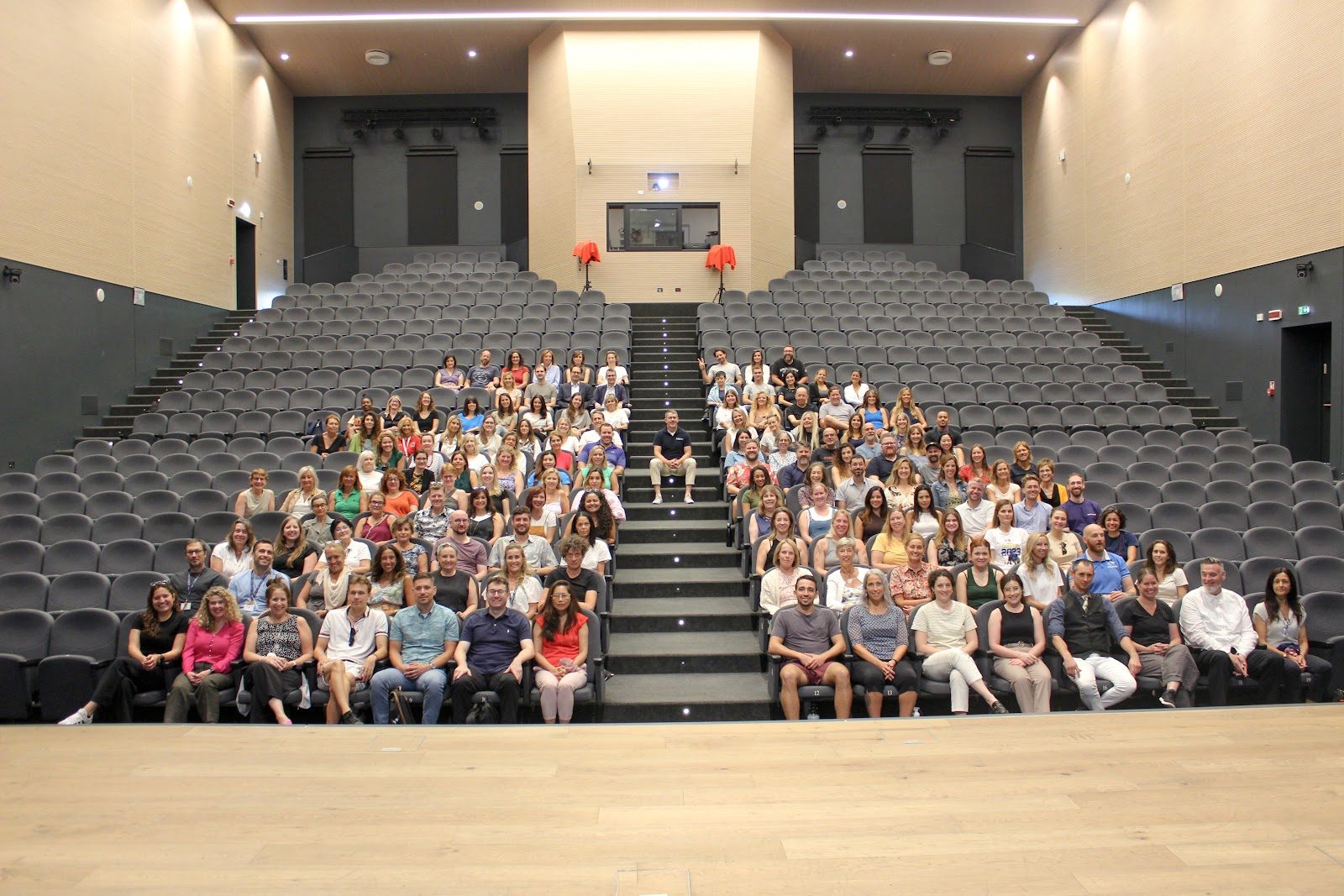
Photo © American School of Milan via Google Maps
Type
Day
Ages
3–18
Curriculum
American
Qualifications
AP · IB Diploma
Ratio
12:1
The Verdict
Editor's commitment
Right for
Families wanting an English-medium, American-style day school south of Milan with the IB Diploma since 1983 and 12:1 staffing.
Wrong for
Parents set on boarding, Italian-medium teaching, or a British curriculum; ASM is a non-religious day school founded in 1962.
Watch out for
Average class size is 20, not boutique, and the school does not publish aggregate IB results despite more than 60 years' pedigree.
Ranking breakdown
American School of Milan · #647 of 1591
Composite score 67.3. 8 weighted criteria.
By criterion
Academic Outcomes
Weight 20%
#746
of 1529 scored
University Placement
Weight 16%
#736
of 1529 scored
Prestige & Heritage
Weight 12%
#734
of 1571 scored
Alumni Network
Weight 12%
#481
of 1530 scored
Facilities
Weight 12%
#732
of 1533 scored
Transparency & Communications
Weight 8%
#779
of 1532 scored
Peer & Industry Review
Weight 10%
#793
of 1548 scored
Admissions Selectivity & Demand
Weight 8%
#547
of 1529 scored
Score history
American School of Milan · 2026
Movement across 2024–2026. Peer average overlaid.
Overall — 2024–2026
67.3/ 100
▲ +20.4 vs 2025
year on year
Peer & Industry Review
How American School of Milan is regarded in the sector
62
Respected · medium confidence
The American School of Milan (founded 1962) is consistently listed among the top international/American-curriculum schools in Milan on independent relocation and expat-focused platforms (e.g., International Schools Database, ECA International relocation guides, and expat forums such as InterNations and Internations Milan threads), and is frequently mentioned alongside peers like International School of Milan and St. Louis School in 'best international schools in Milan' round-ups. However, it lacks the kind of specialist press coverage (Tatler, Good Schools Guide UK/International editions) or notable alumni network visibility that would place it in the higher tiers, suggesting a solid regional reputation rather than a nationally or internationally benchmarked one.
Evidence sources
Editors' overview
American School of Milan occupies a strong niche in the city’s international market: a long-established, non-religious, English-medium day school with an American base and the IB Diploma on top. Founded in 1962, it has age and scale on its side. This was Milan’s first IB World School, and that matters. Families get an American-style education through the school, then the option of a globally portable leaving qualification from 1983 onwards. The school also carries real international breadth: about 880 students, more than 70 nationalities, and a published student–teacher ratio of 12:1. That combination gives ASM serious international credibility without the vagueness that surrounds newer entrants.
What sets ASM apart is not mystique but range. The campus south of Milan gives it room that many city schools cannot match: 9 acres, science laboratories, two full-sized American gymnasia, tennis court, grass football field, a 27,000-volume library and a 500-seat auditorium opened in 2019. Technology is embedded early, with iPads in elementary and a 1:1 laptop programme from Grade 6, backed by courses in robotics, 3D design, digital art, photography and film. This is a school for families who want a full-service international education rather than a boutique academic enclave. The offer extends well beyond lessons, from Model United Nations and music to sports travel across Europe. The breadth is hard to ignore.
The school’s clearest academic selling point is the combination of an American high school diploma with the IB Diploma. ASM states that about 95% of seniors complete the full IB Diploma, which marks it out as a school with a strong college-prep culture and little appetite for half-measures at the top end. That said, parents should note what ASM does not publish in these extracts: hard aggregate IB score data. The school says results surpass world averages; it does not give the numbers here. For many families, the school’s longevity, scale and university-preparatory structure will outweigh that lack of precision. For data-driven parents, it remains a question worth pressing in admissions.
ASM suits students who thrive in an international peer group, want a broad programme, and value sport, technology and the arts alongside academics. It fits children who benefit from visible structure, busy school days and a campus with space to move. It also fits globally mobile families who want English instruction and an American framework without giving up the IB route at the end. Students looking for a tiny, highly intimate school will find ASM large. Students who want ambition with options will find it compelling.
Academic Performance
ASM’s public line on outcomes is positive but incomplete. The school says its IB results beat global averages on both pass rate and average points, and that about 95% of seniors take the full diploma rather than a lighter course mix. That matters. In the international-school market, a very high full-diploma entry rate usually signals a sixth form with real academic expectation, coherent counselling and a student body pushed towards a demanding leaving qualification rather than steered away from it. Against peers, that places ASM in the camp of schools that run the IB as the mainstream route, not an elite side-track for a small top set. It also gives the American diploma more than ceremonial value: students leave with a dual academic structure that carries weight in university admissions.
The gap is obvious. ASM does not publish the aggregate IB score, top score distribution or multi-year trend line in these extracts. That limits any serious comparison with Milan rivals and with the stronger IB schools across Europe, many of which put headline points into the public domain. Without those figures, parents cannot test how far above average ASM sits, whether results are merely solid or genuinely punchy, or how performance breaks across the cohort. So the verdict is clear: the school projects credible academic strength and a demanding exam culture, but not full transparency. For data-minded families, admissions needs to supply the hard numbers.
Facilities
ASM’s facilities are built for breadth, not showroom effect. The academic plant matters most: properly equipped science laboratories, a library holding 27,000 volumes plus e-books, and specialist technology spaces that support robotics, 3D design, digital art, photography and film rather than treating “innovation” as a slogan. The film studio is a differentiator. Many international schools claim strong arts-tech integration; fewer provide dedicated space for moving-image work. The auditorium also gives the performing arts real operational capacity, not a multipurpose hall pressed into service. For families comparing Milan options, that points to a school with serious practical infrastructure across sciences, arts and digital production.
Sport provision is also stronger than the city norm. A campus set in 9 acres allows for two full-sized American gymnasia, a tennis court and a large grass football pitch — a clear advantage in a market where central urban schools often compromise on outdoor space and indoor sports capacity. Add campus-wide Wi-Fi and a device pathway that starts early and scales up in the upper years, and the picture is of a school designed to keep students busy across the full day. Against peer schools, ASM sits in the full-service camp: not the most grandiose estate in Europe, but a campus with enough room and specialist provision to support a broad programme credibly. The weak point is not facilities. It is that the school talks more precisely about buildings than about the academic outcomes produced inside them.
American School of Milan occupies a strong niche in the city’s international market: a long-established, non-religious, English-medium day school with an American base and the IB Diploma on top
Prestige
ASM has real standing in Milan’s international-school market, but its prestige rests on substance rather than glamour. The school has been part of the city’s expatriate and internationally minded professional landscape for decades, and that continuity counts. So does breadth: a student body drawn from 70-plus nationalities gives ASM the kind of genuinely international social mix that many schools advertise and fewer deliver. The school also carries the credibility of a place that expects students to stay the course academically. A published 95% full-IB Diploma participation rate tells parents that the senior school runs with serious academic intent, not a diluted college-prep model dressed up with international branding. That combination — longevity, diversity and a demanding top-end qualification profile — gives ASM prestige with mobile families who know the sector.
The limits are clear. ASM does not sit in the realm of rarefied elite European boarding schools with centuries of inherited cachet, nor does it trade on a famous domestic Italian name. Its prestige is professional, international and earned through consistency. The campus offer, the co-curricular range and the scale of provision reinforce that standing; this is a school with the resources to operate as a full-strength international institution, not a small franchise or a narrow exam factory. The missing piece is sharper public data on outcomes. Prestige built on reputation alone wears thin. ASM’s reputation holds because the school pairs market recognition with visible depth, but fuller disclosure of results would strengthen the case further.
Against peers, that places ASM in the camp of schools that run the IB as the mainstream route, not an elite side-track for a small top set
Communications
ASM communicates with parents through a standard modern stack, and that matters because it signals day-to-day discipline rather than branding flair. The school gives named access points for enquiry, applications, tours and open houses, then backs that up with parent and student platforms including Parent Portal/SchoolsBuddy, PowerSchool and Schoology. That is a proper operational backbone. Parents are not left hunting for a single overloaded inbox or a vague contact form. The public-facing site is also clear about where to go next, with admissions routes placed front and centre and basic institutional facts easy to find. For a school of roughly 880 students and more than 70 nationalities, that level of navigability is not cosmetic; it is necessary.
The strengths stop short of full transparency. ASM communicates activity, access and opportunity cleanly enough, but it is less strong on the hard performance data that analytical parents want. We get broad claims on outcomes and a good sense of student life, technology use and co-curricular breadth; we do not get the fuller academic disclosure that would make the communications package genuinely robust. That leaves the impression of a school that handles logistics and admissions competently and keeps families informed through established systems, but still controls the academic narrative more tightly than it should. In plain terms: easy to contact, easy to navigate, less forthcoming where scrutiny matters most.
Uniqueness
ASM’s distinctiveness starts with combination. Plenty of international schools offer an American framework; plenty offer the IB at the end; fewer make the two work as a single, mainstream proposition rather than parallel tracks. Here, the senior years run with a clear academic centre of gravity: the school expects most of its leavers to take on the full diploma, not a diluted version of sixth form. That gives students a sharper finish than the “American school” label alone can imply. Add a student body drawn from 70-plus nationalities and you get a campus culture that is not internationally branded but genuinely international in daily life. For children from mobile families, that matters: friendships, classroom discussion and group work all sit in a cross-border environment from the start.
The other point of difference is operational breadth. ASM is not a niche academic hothouse and not a polished lifestyle school built on image. It runs as a full-spectrum institution, with specialist technology woven into normal schooling, a proper film studio rather than token media provision, and a co-curricular offer that reaches from ABRSM music exams to rock climbing and sports travel. Students benefit from serious range without needing to leave campus to find it. That breadth suits children who develop unevenly, discover strengths late, or want identity from more than grades. The result is a school with real institutional weight: broad, structured and internationally literate, without the thinness that dogs smaller operators.
ASM does not publish the aggregate IB score, top score distribution or multi-year trend line in these extracts
Student Profile
ASM suits children who gain energy from a busy, international campus rather than a hushed, intimate setting. The student body spans more than 70 nationalities, so pupils who are curious about other people, adaptable in groups and comfortable crossing social circles fit best. This is not a school for families chasing a narrow, monocultural environment or a highly sheltered peer set. The social life will feel unusually cosmopolitan, and students need the confidence to find their place within it. The school’s emphasis on global citizenship, coupled with visible commitments to respect, curiosity and courage, points to a student culture that rewards engagement over passivity. New arrivals from mobile international families will find a natural constituency here.
It also suits students who want breadth and can handle a full timetable. The co-curricular menu is not decorative: major sports, music pathways, Model United Nations, chess, climbing and tech-based creative work all sit within reach. Children who like to test themselves across disciplines will have room to do it; children who want school to begin and end with classroom lessons will get less from the place. The same goes for the senior years, where about 95% of leavers take the full IB Diploma. That marks a school with serious academic expectation. In plain terms, ASM fits students who are self-propelling, outward-facing and willing to stretch. It is less persuasive for those who need a quietly protective environment or a stripped-down academic routine.
That combination — longevity, diversity and a demanding top-end qualification profile — gives ASM prestige with mobile families who know the sector
Co-curricular strengths
Arts & sport, on a separate axis
Overall 8.42/10
Scored 0-10 from the school's own published evidence. This axis is editorial-only — it does not feed the main WTS ranking.
Sports
8.8/10
Basketball, soccer and volleyball teams, and the external evidence adds swimming, tennis, golf, gymnastics, rock climbing, karate, taekwondo and middle school/varsity sports, showing a broad, structured sports offering with named competitive tiers.
Drama
8.7/10
Drama productions, and the external evidence adds a 500-seat auditorium, combining recurring productions with a dedicated performance facility.
Dance
7/10
Music
8.8/10
Choir ensemble and jazz band, while the external evidence adds musicals plus violin and band/orchestra, indicating multiple named ensembles and recurring productions.
Visual Arts
8.8/10
Cite 3D design, digital art, photography and film, and specifically mention a modern film studio, giving both multiple specialist courses and a dedicated named facility.
Editor first-pass · editor-reviewable · 7/27/2026
Strengths
- +Offers American and AP curriculum
- +Also offers IB Diploma Programme
- +English-medium teaching throughout
- +Not-for-profit day school
Considerations
- −South of Milan, not central
- −No boarding option
- −Average class size is 20
Availability
Primary entry gate & tests
Academic Record
Gallery
Photo © Mike Amodio via Google Maps
Photo © Drone “Dronescapes Aviation” Scapes via Google Maps
Parent reviews
Have you sent your child here?
Voice reviews carry the strongest trust badge — we transcribe them for you to tidy up before they go live. Prefer to type? A written review is fine too.
Add your voice
In 60 seconds, tell other parents: what's the best thing about American School of Milan, and what surprised you when your child joined?
We ask for a Google sign-in so every review has a real face behind it — no anonymous drive-by attacks on schools, and no faked positive reviews. Your email is never shown publicly.
Send this profile to a friend
International parents rely on word-of-mouth. Share this review with someone weighing the same decision.
Schools with places
Similar schools to American School of Milan with places available now.
Availability first, then country, area, curriculum, price, co-curricular
Consider also
Also worth looking at alongside American School of Milan.
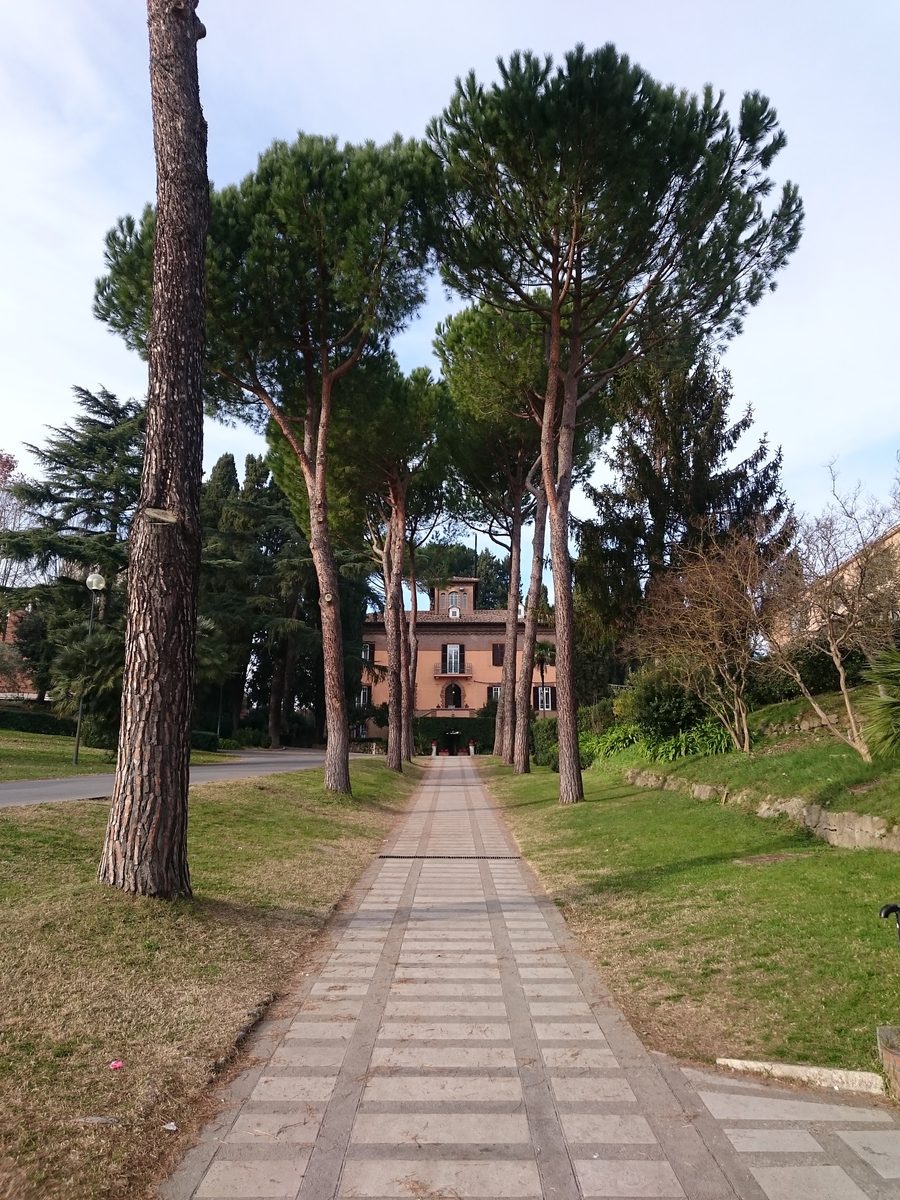
Marymount International School Rome
Rome · Italy
Italy's first international school pairs an American diploma with the IB on 40 acres of protected Roman parkland
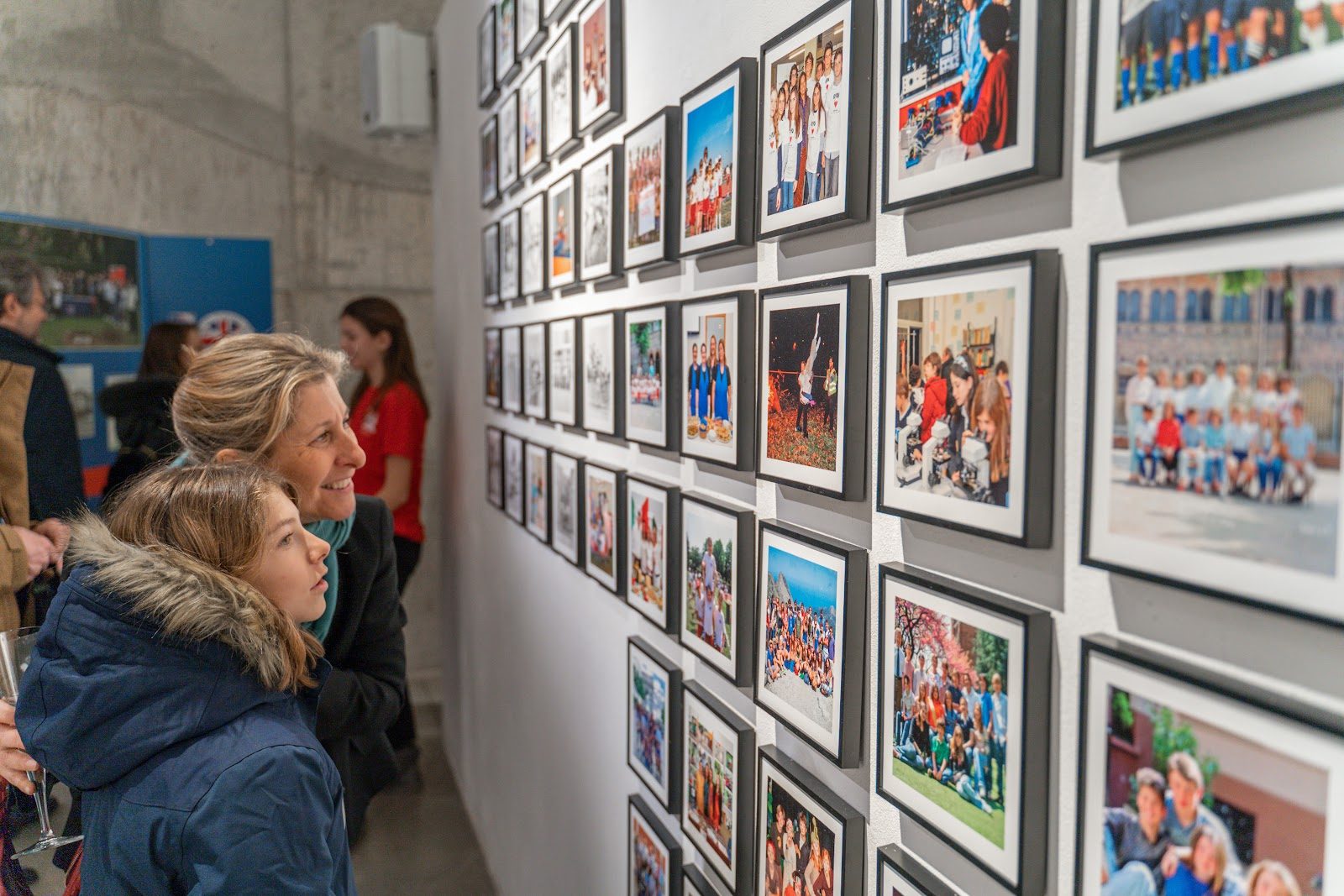
The British School of Milan
Milan · Italy
Since 1969, the only Milan school rated Excellent by UK inspectors, pairing IGCSE rigor with a close-knit IB Sixth Form.
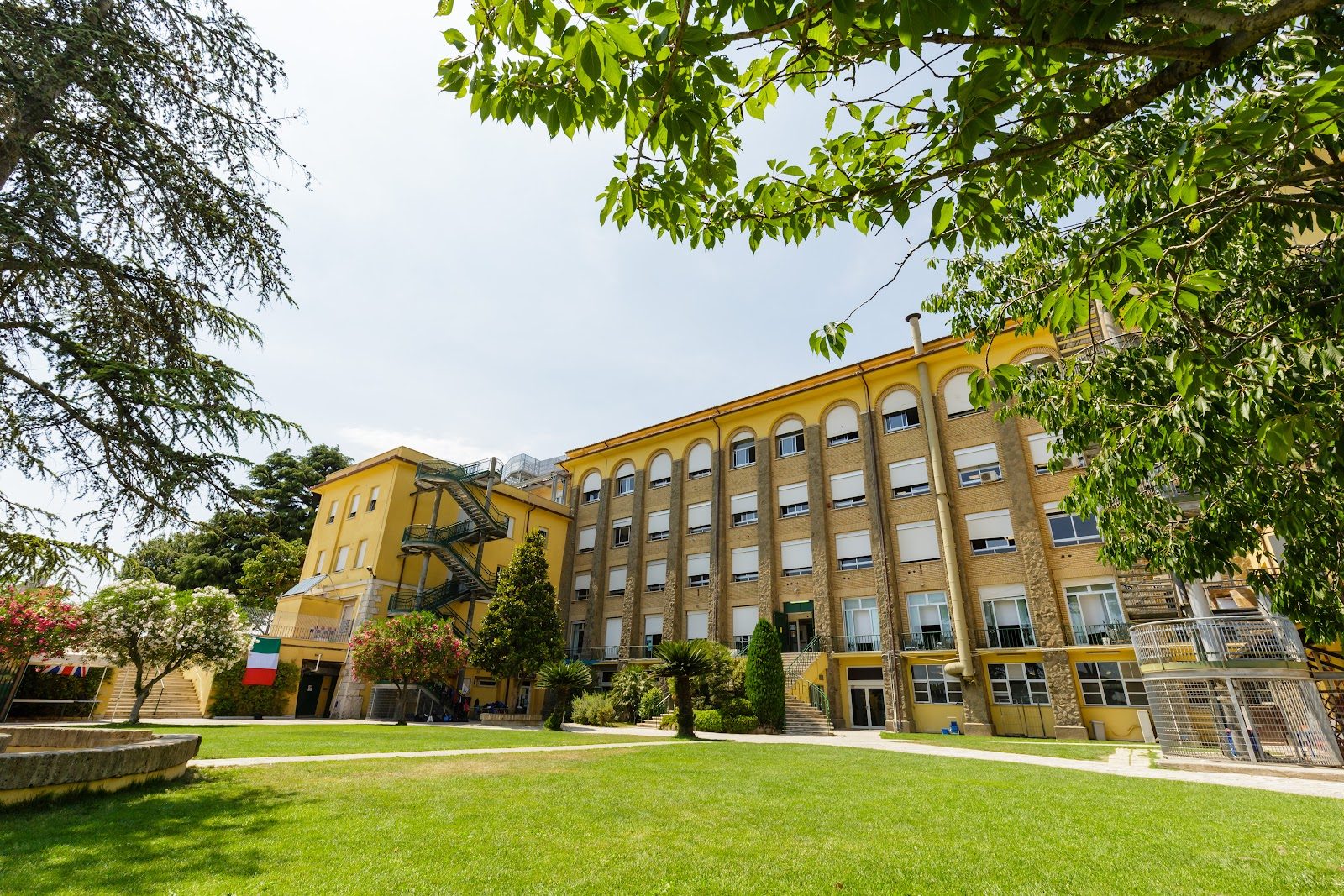
St George's British International School (Rome)
Rome · Italy
Italy's oldest British international school, splitting classrooms between the Vatican and Rome's northern hills, posts IB scores among the continent's highest.
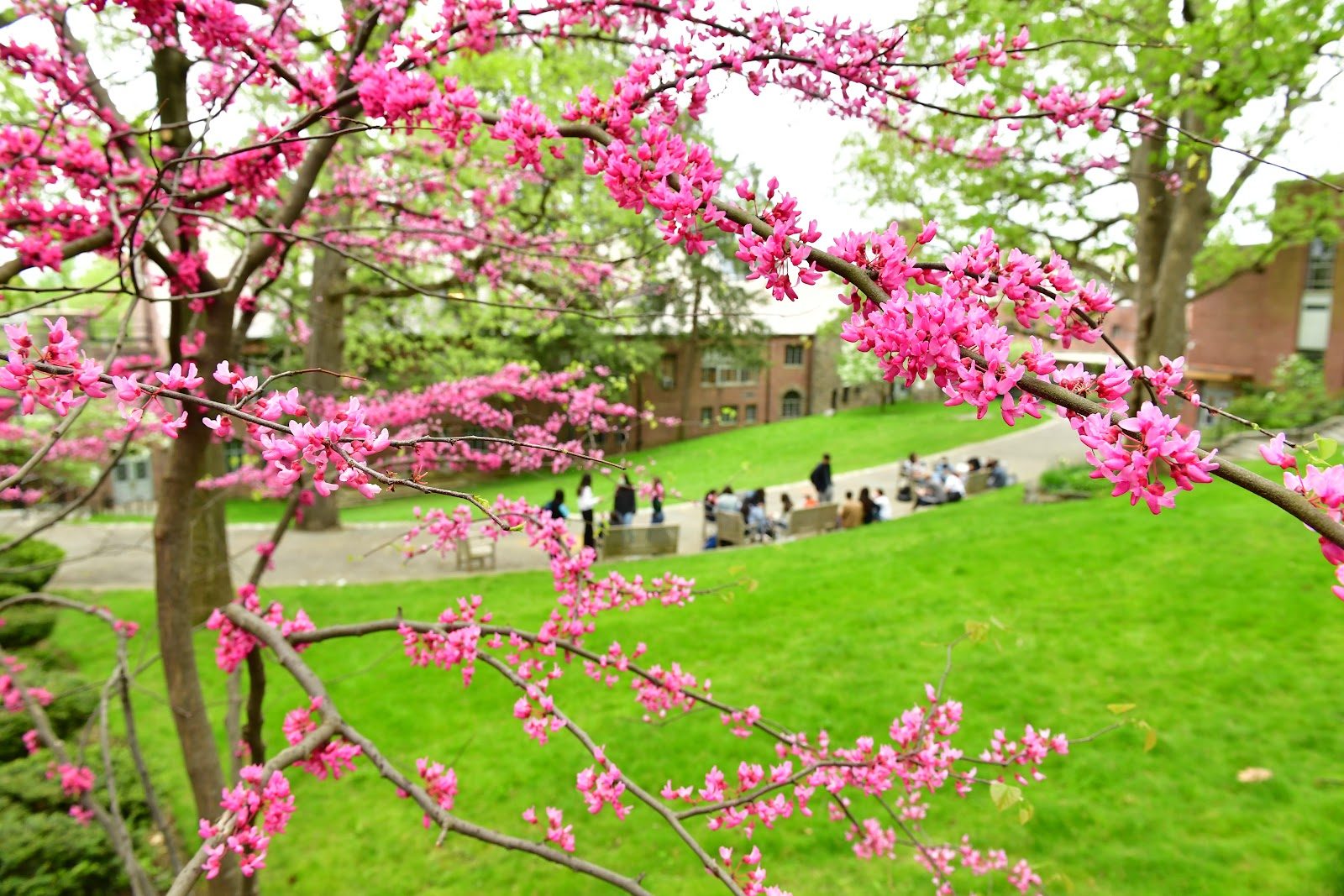
Ethical Culture Fieldston School
New York City · United States
Rooted in Felix Adler's 1878 Ethical Culture movement, its wooded Riverdale hilltop campus still anchors progressive American pedagogy.
Same country and curriculum — closest matches within ±10 points either way