
Bavaria
St. George's British International School Munich
low confidence· 1/6 cats · 3.5 avg sourcesA Bavarian day school moving from the English National Curriculum into IB results five points above the world average, amid 37 home languages.
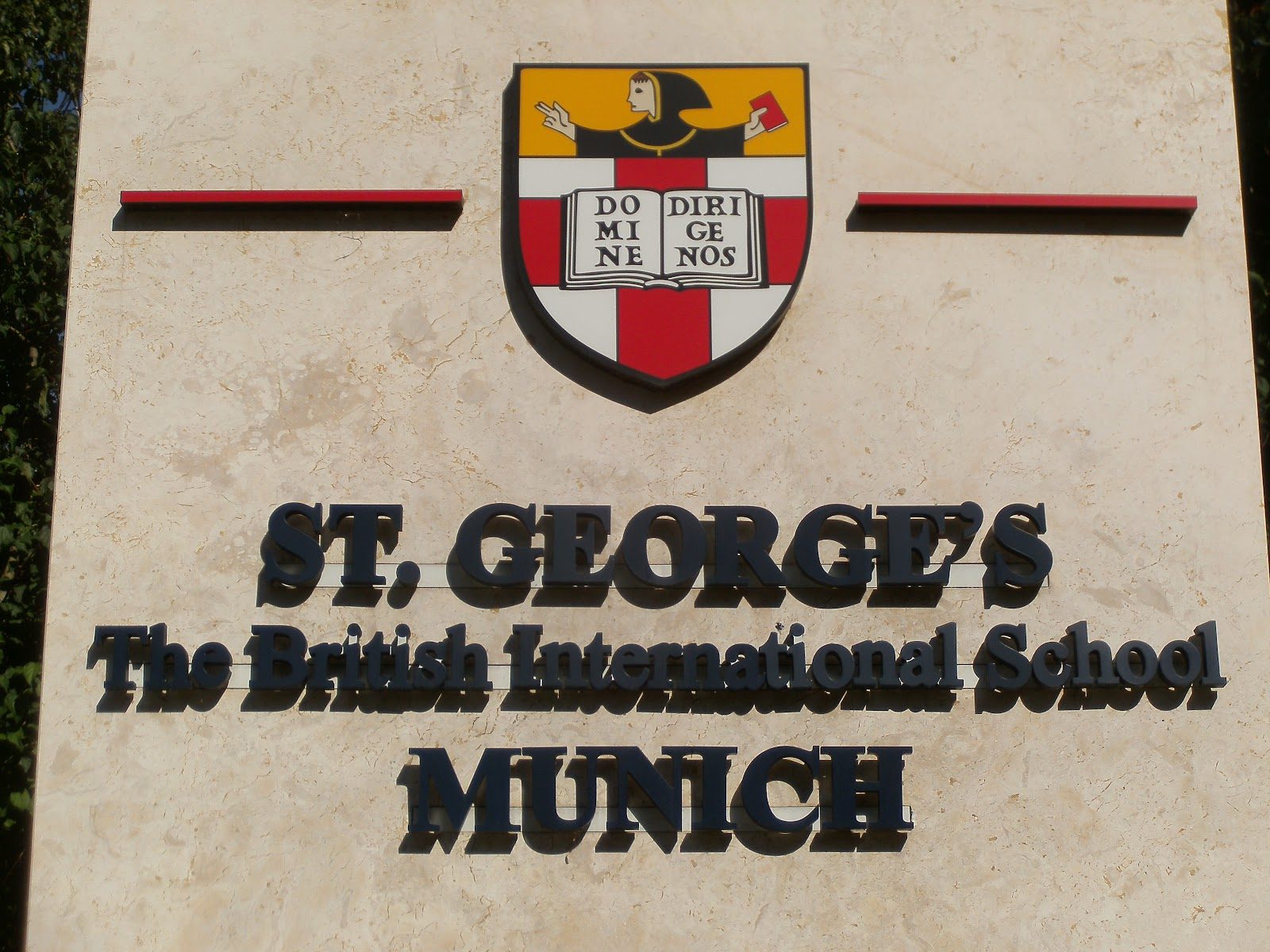
Photo © Leonhard Moritz via Google Maps
Type
Day
Ages
3–18
Curriculum
British
Ratio
—
The Verdict
Editor's commitment
Right for
Families wanting an English-medium day school in Munich: British curriculum early, IB later, with 37 home languages and COBIS membership.
Wrong for
Parents who want boarding, a religious ethos or a monolithic local intake; this is non-denominational, day-only, founded in 2013.
Watch out for
The average annual day fee is €22,000, and the school moves from British curriculum into the IB; make sure your child suits both.
Ranking breakdown
St. George's British International School Munich · #1516 of 1591
Composite score 47.9. 8 weighted criteria.
By criterion
Academic Outcomes
Weight 20%
#1450
of 1529 scored
University Placement
Weight 16%
#1445
of 1529 scored
Prestige & Heritage
Weight 12%
#1493
of 1571 scored
Alumni Network
Weight 12%
#1181
of 1530 scored
Facilities
Weight 12%
#1382
of 1533 scored
Transparency & Communications
Weight 8%
#1415
of 1532 scored
Peer & Industry Review
Weight 10%
#1472
of 1548 scored
Admissions Selectivity & Demand
Weight 8%
#1419
of 1529 scored
Score history
St. George's British International School Munich · 2026
Movement across 2024–2026. Peer average overlaid.
Overall — 2024–2026
47.9/ 100
▲ +15.8 vs 2025
year on year
Peer & Industry Review
How St. George's British International School Munich is regarded in the sector
65
Respected · low confidence
St. George's British International School Munich is a well-established member of the expat/international school circuit in Munich, regularly listed in expat-parent guides (e.g. Munich expat forums, InterNations discussions, and relocation guides covering British curriculum options in Bavaria) and referenced in industry directories such as COBIS and British Schools of Central and Eastern Europe listings. However, it lacks the level of independent press coverage (Tatler, Good Schools Guide, Sunday Times School of the Year) or distinct alumni-network visibility seen in top-tier international schools, suggesting a solid regional reputation rather than standout peer prominence.
Evidence sources
Editors' overview
Thirty-seven home languages tells you more about St. George’s British International School Munich than any mission statement could. This is a young school, founded in 2013, with a strongly international intake and English as the working language, but it is not an airport school built around churn and glossy branding. The proposition is tighter than that: a British curriculum school in Munich that carries pupils from age 3 to 18 and then converts that pathway into IB outcomes with real substance. The school’s own editorial line points to IB results five points above the world average. That matters, because plenty of schools promise a smooth British-to-IB transition and far fewer deliver one that stands up under scrutiny. For parents who want English-medium education without giving up continental Europe, this is a serious academic route.
Its market position is clear. At an average annual day fee of €22,000 across the full age range, St. George’s sits in the city’s international day-school market as an expensive but not stratospheric option. It is non-denominational, day-only, and accredited by both COBIS and British Schools Overseas, which gives parents two useful signals: first, that the school wants to be judged against British international benchmarks; second, that it accepts external scrutiny rather than relying on corporate polish. The age span of 3–18 also matters. Schools that cover the whole ladder can feel either coherent or unwieldy; this one has a more deliberate through-school logic because the British curriculum is not the end point but the runway to the IB. That will appeal to families who value continuity and do not want to re-open the school search at 11, 16 or both.
What is special here is not heritage — this is not an old Munich institution — but composition and trajectory. A school founded only in 2013 does not trade on legacy; it has to persuade on present-tense delivery. The combination of a British curriculum, English-language teaching, a non-denominational stance and a student body spread across 37 home languages gives it a distinctly modern European character: internationally mixed, academically focused, and less socially coded than some older expatriate schools. Parents should shortlist it if they want a school that is outward-facing, structured and academically purposeful without the cultural baggage of a more traditional British transplant.
The student who will thrive here is internationally minded, comfortable in a diverse peer group, and happy in a school where English anchors the day even though many families live multilingual lives outside it. This is a strong fit for mobile professional families, internationally mixed households, and students who want a British framework in the early years with the IB at the end rather than A levels. It is less suited to families hunting for a deeply local German school experience, a faith-defined ethos, or boarding. St. George’s Munich suits children who want a cosmopolitan classroom and parents who care less about old-school prestige than about a clear academic path that holds together from nursery to diploma.
Academic Performance
The headline claim is clear: the school’s IB results sit five points above the world average. That places St. George’s Munich in the credible upper tier of schools using the IB as the final academic measure, and it gives real force to the school’s through-school model. Plenty of British-pathway schools talk confidently about the jump into the diploma years; fewer produce a result margin that marks them out from the global baseline. For parents, the important point is not raw bragging rights but proof that the senior end of the school does not dilute after a strong start. On the evidence published, St. George’s converts its academic pathway into genuine external validation.
There are limits to the picture. The school does not publish the richer performance data that serious comparison demands: no subject-by-subject breakdown, no full score distribution, no share of top-end diploma outcomes, and no multi-year trend table in the public domain. That makes peer benchmarking less exact than it should be. Within Munich’s international market, then, St. George’s reads as a school with solidly convincing top-level results but not full statistical transparency. For many families, that single published margin above the global average will be enough to justify attention. For the more data-minded parent, it leaves important questions unanswered.
Facilities
St. George’s Munich does not trade on estate or spectacle. Parents looking for a grand campus, major theatres, indoor pools or the sprawling sports inventory of Munich’s biggest international schools will not find that here. The key facility advantage is coherence: a compact through-school environment that keeps younger and older pupils on one academic track rather than scattering resources across multiple sites. In practice, that tends to matter more than brochure hardware. For families choosing an urban day school, the question is whether the school has the specialist rooms and teaching spaces needed to support serious science, arts and senior study; that is the threshold St. George’s needs to clear. What it does not project is luxury-campus theatre or country-club excess. Against better-endowed peers, the physical offer reads as functional rather than lavish.
That places it in a familiar bracket for central European day schools: less land-heavy than suburban competitors, but also less burdened by the maintenance of prestige infrastructure. If your benchmark is a top-fee campus with championship sports provision and dedicated performing-arts blocks, St. George’s will feel modest. If your benchmark is an academically focused international school where facilities serve teaching rather than branding, the model is perfectly defensible. The school’s strongest asset remains the educational through-line, not a signature building. Parents should ask direct questions about lab capacity, indoor sport, outdoor play and sixth-form study space. Those details matter here because the public picture of facilities is more restrained than it should be.
George’s reads as a school with solidly convincing top-level results but not full statistical transparency
Prestige
Prestige here rests on academic credibility and social composition, not on old institutional cachet. St. George’s Munich is a serious international school, but not a grand-name European fixture that opens doors through pedigree alone. Its strongest prestige signal is performance at the end of the school, where published IB outcomes sit 5 points above the global norm. That gives the school earned status among informed parents, because it ties reputation to results rather than architecture, alumni myth or inherited standing. The mix of 37 home languages also matters. In an international city, that breadth gives the school a genuinely global social character rather than a narrow expatriate niche, and that carries weight with families who value peer diversity as part of the education.
The limits are clear. Prestige in the oldest sense — tradition, deep local roots, name-recognition across generations — is not the point here. This is not one of Europe’s legacy institutions, and it does not command that kind of aura. Nor does it publish the fuller tranche of outcome data that would strengthen its claims with the most hard-nosed parents. So the rating lands in the upper-middle tier of prestige: respected, academically credible, and well regarded by families who prioritise substance over status theatre. At an average annual fee of €22,000, it buys access to a strong international peer group and a convincing academic finish, not to social exclusivity for its own sake.
If your benchmark is a top-fee campus with championship sports provision and dedicated performing-arts blocks, St
Communications
Parent communication looks strongest where the school has hard facts worth sharing and weakest where a more exacting parent wants operating detail. The public-facing message is clear on the school’s central selling points, and the published line on outcomes gives families a concrete anchor rather than pure ethos talk. That matters. Schools with a genuinely international parent body need communication that cuts through fast, lands cleanly and avoids insider assumptions. On that front, St. George’s reads as organised, direct and purpose-built for mobile families. The community mix — 37 home languages — raises the bar: notices, calendars, assessment explanations and university guidance all need to work for parents arriving from different systems. The school’s outward communication clears that basic test.
Where it falls short is transparency depth. We have not seen the fuller layer of parent-facing information that marks out the best communicators: rich academic reporting in the public domain, detailed performance tables, or a granular picture of how the senior years are tracked beyond the headline result. That does not make communication weak; it makes it selective. Families who value reassurance, clarity and a coherent account of the school’s direction will find enough here. Families who want every claim backed by dashboards, trend lines and operational specifics will find the picture tighter than ideal and *less open than the strongest schools manage*. At an average annual fee of €22,000, parents can ask for more exact disclosure without apology.
Uniqueness
What marks St. George’s Munich out is the way diversity functions as operating reality rather than decorative rhetoric. A community spanning 37 home languages changes classroom discussion, friendships, parent culture and the school’s social centre of gravity. Children grow up in a setting where difference is ordinary, not staged, and that has concrete value: stronger intercultural fluency, less provincial peer culture, and a daily habit of explaining ideas across backgrounds. In a European market where some international schools still tilt towards one dominant expatriate bloc, this is a genuinely mixed environment. The result for students is a school life that feels international in substance, not just in admissions copy.
The second point of difference is structural. This is not a school built around inherited prestige, religious identity or a vast campus experience; it is built around a clear academic journey and a modern metropolitan intake. That combination gives students a more focused proposition than many families find elsewhere: continuity across the age range, a peer group shaped by global mobility and mixed-nationality households, and an end point with real academic teeth. For the right child, that brings confidence as well as ambition. Pupils do not need to navigate a socially rarefied tradition or perform membership of an old elite. They need to be curious, adaptable and ready to work in a community where internationalism is the norm rather than the sales pitch.
Schools with a genuinely international parent body need communication that cuts through fast, lands cleanly and avoids insider assumptions
Student Profile
The child who fits best here is internationally fluent in temperament, not just passport. In a community with 37 home languages, social ease depends on curiosity, flexibility and the confidence to make friends across cultures without clinging to one national clique. This suits children from mobile professional families, mixed-nationality households and returnee expatriate backgrounds, but also locally based families who want their child’s peer group to be wider than the host-country bubble. Pupils who enjoy discussion, adapt quickly and do not need heavy social hand-holding will find this an unusually cosmopolitan environment. Children who draw security from a very local identity, a single dominant parent culture or the rituals of a traditional national school will find the fit less natural.
Academically, this is a good match for students who want a clear-sighted, serious school culture without the social theatre of old-money prestige. The strongest candidates are steady, self-managing pupils who can handle an ambitious senior phase and take diversity in stride rather than treating it as a novelty. Families paying an average of €22,000 a year are buying into a school that rewards engagement and maturity more than swagger. It will suit children who like structure, mixed viewpoints and a peer group with international horizons. It will not flatter the child who needs a vast campus for self-definition, a deeply rooted local social scene, or a high-status finishing school atmosphere.
In a European market where some international schools still tilt towards one dominant expatriate bloc, this is a genuinely mixed environment
Co-curricular strengths
Arts & sport, on a separate axis
Overall 8.22/10
Scored 0-10 from the school's own published evidence. This axis is editorial-only — it does not feed the main WTS ranking.
Sports
8.3/10
Multiple sports—football, basketball, swimming, netball and cross-country—showing a solid multi-activity offering, but gives no named facilities, specialist staff or competitive results.
Drama
8.5/10
The extracurriculars specifically mention 'Drama productions', and recurring named productions are enough to place drama in the notable-strength band despite no theatre or department being described.
Dance
7.5/10
Music
8.5/10
'School choir'.
Visual Arts
8.3/10
An 'Art club' but offers.
Editor first-pass · editor-reviewable · 7/27/2026
Strengths
- +British curriculum for families seeking UK continuity.
- +Munich location suits internationally mobile professional families.
- +British international school identity is clear, not mixed-curriculum.
- +Dedicated Munich campus avoids ambiguity with other branches.
Considerations
- −Curriculum listed only as British; no IB mentioned.
- −No published accreditations provided in the context.
- −School type details are not provided here.
Availability
Primary entry gate & tests
Academic Record
Gallery
Photo © Stefan Polke via Google Maps
Photo © Stefan Polke via Google Maps
Parent reviews
Have you sent your child here?
Voice reviews carry the strongest trust badge — we transcribe them for you to tidy up before they go live. Prefer to type? A written review is fine too.
Add your voice
In 60 seconds, tell other parents: what's the best thing about St. George's British International School Munich, and what surprised you when your child joined?
We ask for a Google sign-in so every review has a real face behind it — no anonymous drive-by attacks on schools, and no faked positive reviews. Your email is never shown publicly.
Send this profile to a friend
International parents rely on word-of-mouth. Share this review with someone weighing the same decision.
Schools with places
Similar schools to St. George's British International School Munich with places available now.
Bavarian International School
Munich · Germany
- 2026-27
- WAITPOOLSpace-dependent
- 2027-28
- PLACES OPENRolling
Munich International School
Starnberg · Germany
- 2026-27
- WAITPOOLSpace-dependent
- 2027-28
- PLACES OPENRolling
Availability first, then country, area, curriculum, price, co-curricular
Consider also
Also worth looking at alongside St. George's British International School Munich.

Metropolitan School Frankfurt
Frankfurt · Germany
In Rodelheim, a student's asteroid-naming science project sits alongside a 100 percent IB Diploma pass rate.
Babelsberger Filmgymnasium
Potsdam-Babelsberg · Germany
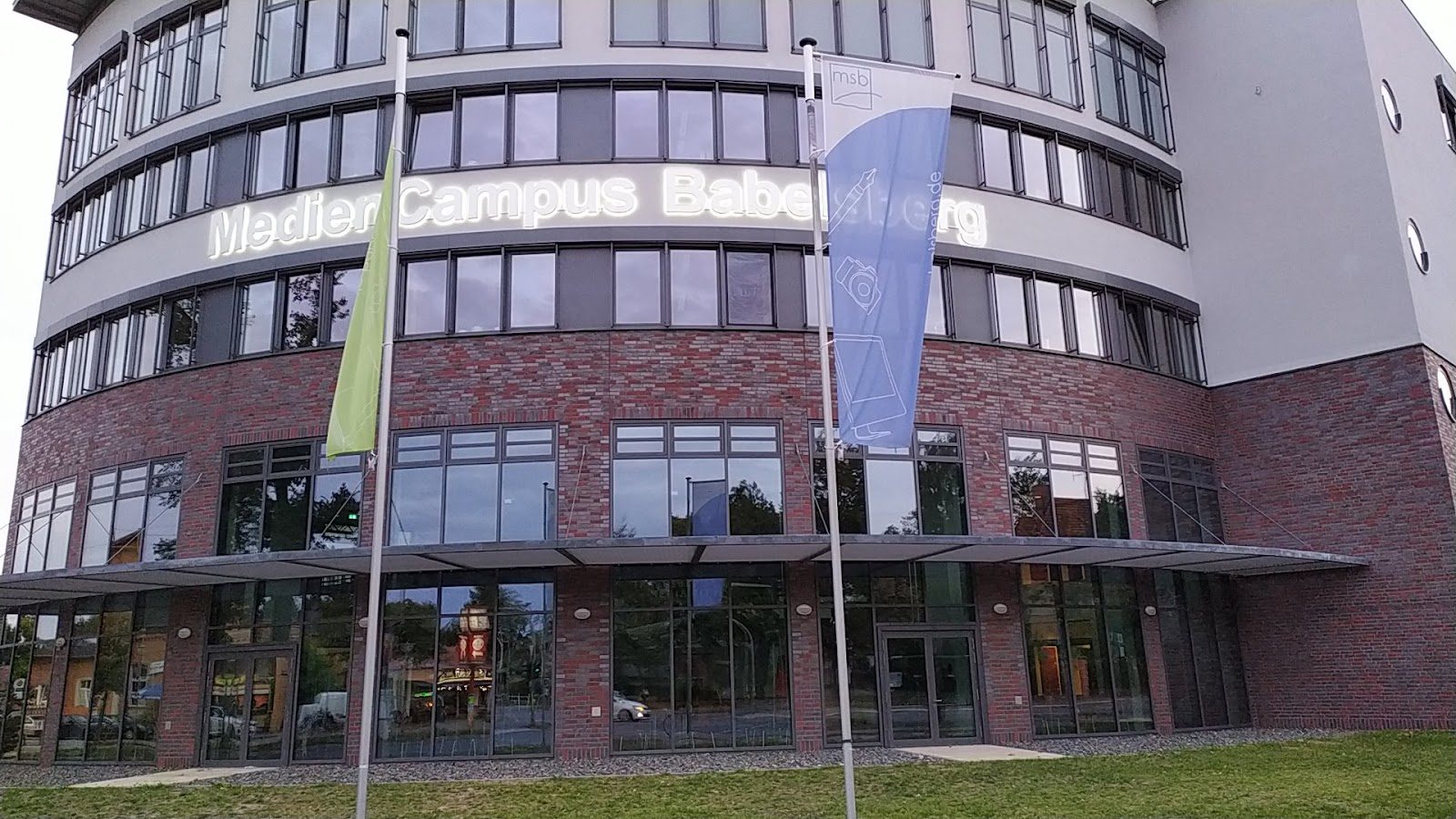
On the media campus beside Babelsberg's historic film studios, Abitur students specialize in cinema and screen their work at a biennial festival.
International School Cologne Bonn
Cologne · Germany
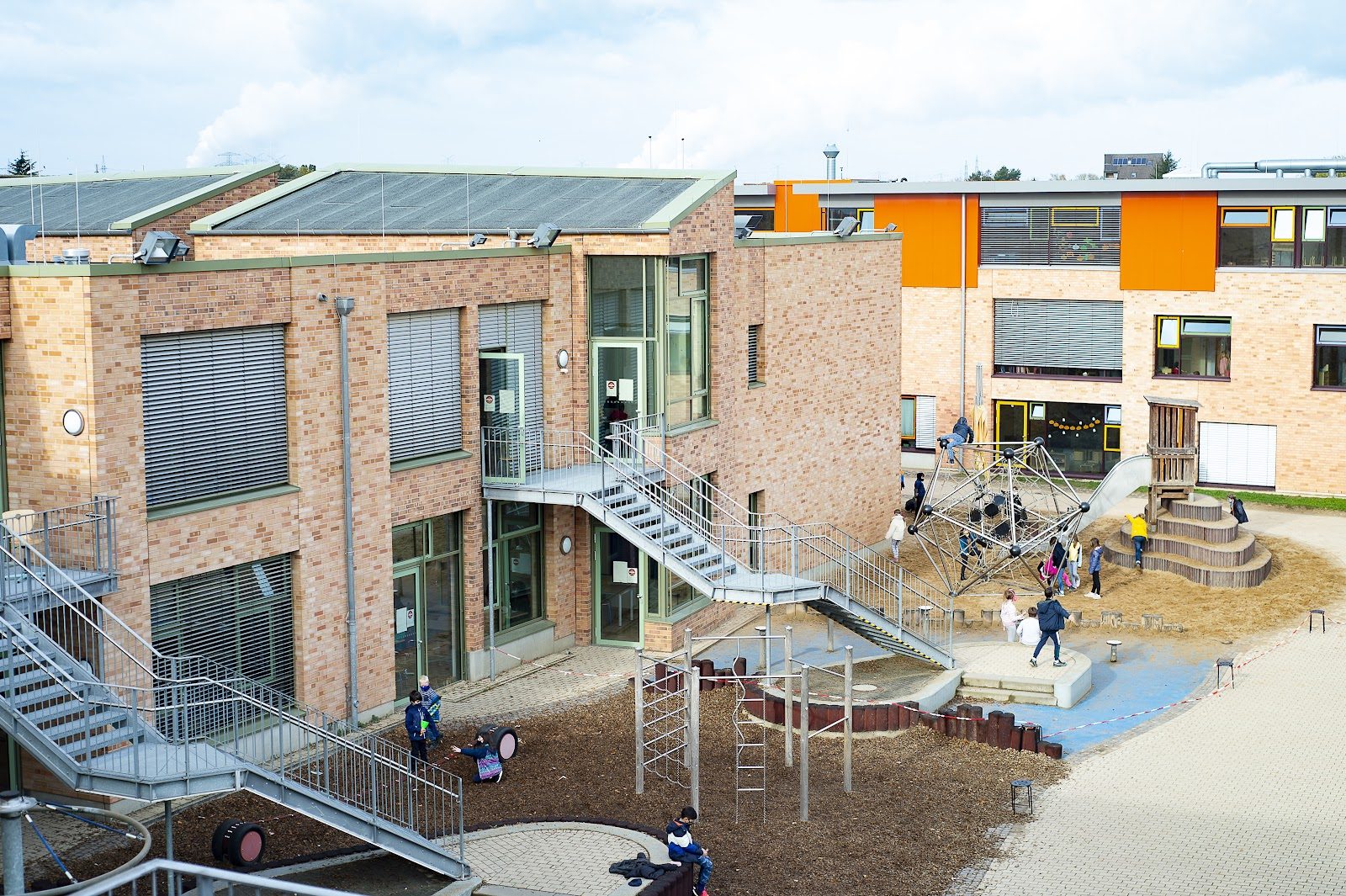
Germany's first British boarding school pairs IGCSE grounding with an IB finish in the heart of the Rhineland.
The British School of Guangzhou
Guangzhou · China
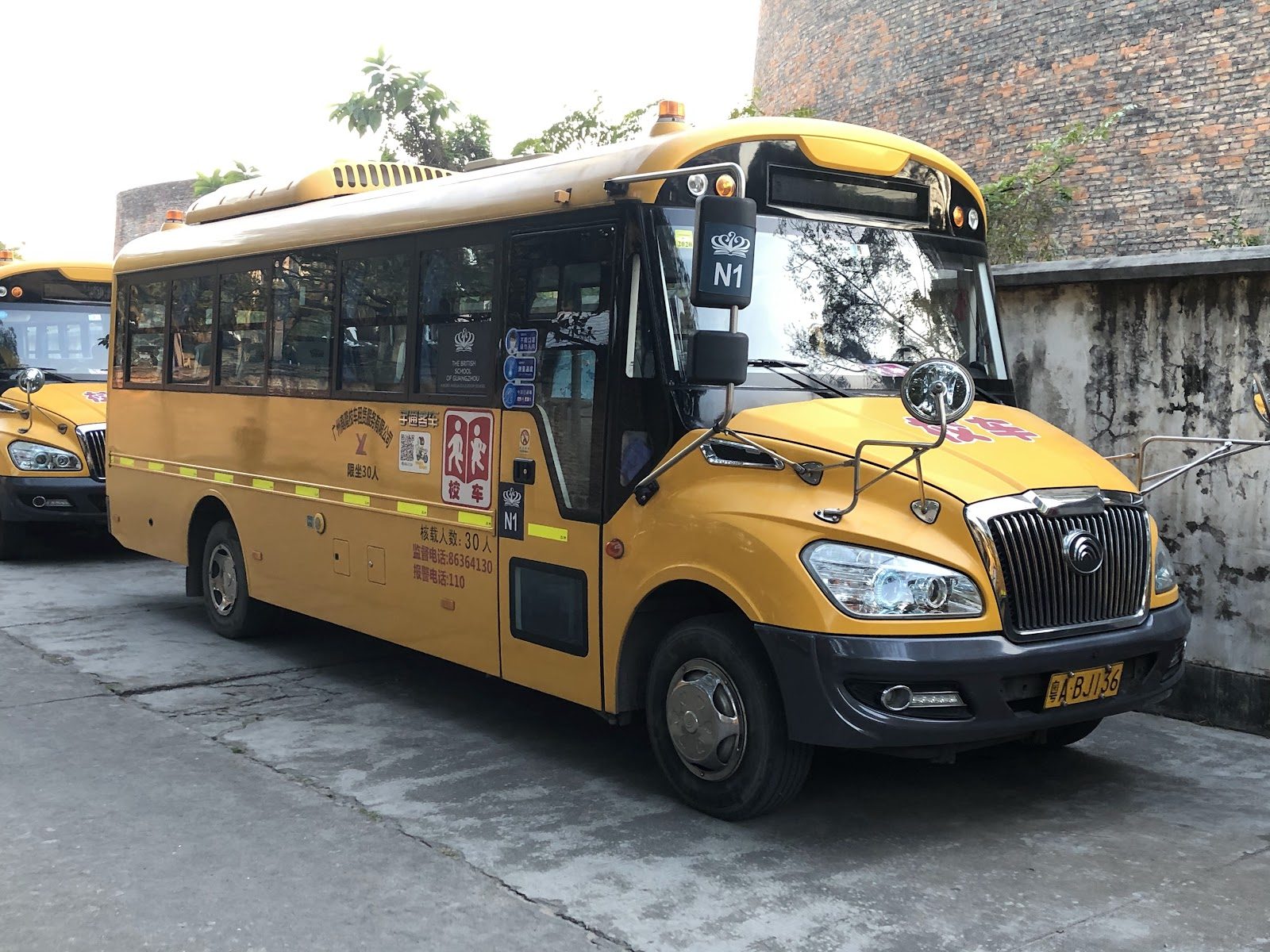
On the shores of South Lake, Guangzhou's longest-running British school pairs English curriculum rigour with a Juilliard-designed arts programme.
Same country and curriculum — closest matches within ±10 points either way