
Hesse
Metropolitan School Frankfurt
low confidence· 3/6 cats · 1.2 avg sourcesIn Rodelheim, a student's asteroid-naming science project sits alongside a 100 percent IB Diploma pass rate.

Photo © Metropolitan School Frankfurt via Google Maps
Type
Day
Ages
3–18
Curriculum
IB
Ratio
—
The Verdict
Editor's commitment
Right for
Families wanting an English-medium IB World School in Frankfurt with CIS accreditation and a 100 per cent IB Diploma pass rate.
Wrong for
Parents chasing a bargain or a specialist conservatoire pipeline; the average annual fee is €17,082 and destinations listed are thin.
Watch out for
Founded in 2007, Metropolitan is still a young school; recent destinations list just Cours Florent, Coventry and Erasmus Rotterdam.
Ranking breakdown
Metropolitan School Frankfurt · #1541 of 1591
Composite score 45.2. 8 weighted criteria.
By criterion
Academic Outcomes
Weight 20%
#1471
of 1529 scored
University Placement
Weight 16%
#1479
of 1529 scored
Prestige & Heritage
Weight 12%
#1495
of 1571 scored
Alumni Network
Weight 12%
#1152
of 1530 scored
Facilities
Weight 12%
#1464
of 1534 scored
Transparency & Communications
Weight 8%
#1467
of 1532 scored
Peer & Industry Review
Weight 10%
#1495
of 1548 scored
Admissions Selectivity & Demand
Weight 8%
#1471
of 1529 scored
Score history
Metropolitan School Frankfurt · 2026
Movement across 2024–2026. Peer average overlaid.
Overall — 2024–2026
45.2/ 100
▲ +13.2 vs 2025
year on year
Peer & Industry Review
How Metropolitan School Frankfurt is regarded in the sector
50
Credible · medium confidence
I could not identify at least two independent, verifiable third-party sources (e.g., Tatler, Good Schools Guide, specialist education press, government inspectorate reports) discussing Metropolitan School Frankfurt's reputation. Without such corroborating evidence, a reliable assessment cannot be made.
Editors' overview
An asteroid-naming science project is an eccentric detail, but it tells you something useful about Metropolitan School Frankfurt: this is a school that gives intellectual curiosities room to breathe. In Rödelheim, it runs from age 3 to 18, teaches in English, and offers the IB all the way through in a secular day-school setting. The headline academic fact is hard-edged and clear: a 100 per cent IB Diploma pass rate. That does not, on its own, settle the question of depth or selectivity, but it places the school firmly in the camp of schools that deliver the core academic outcome parents buying into an international sixth form want to see.
Its market position is distinct. At an average annual day fee of €17,082, Metropolitan sits below the fee level of Frankfurt’s most expensive international options while still carrying two serious stamps of external validation: IB World School status and CIS accreditation. That combination gives it a credible middle-to-upper-market position: international, academically purposeful, but not priced at the top of the city’s fee ladder. The destinations listed — Cours Florent in Paris, Coventry University and Erasmus University Rotterdam — point to a school serving varied ambitions rather than a narrow Oxbridge-or-bust culture. That will appeal to families who want an English-medium IB education in Germany without paying for a status-first proposition.
What is special here is not grandeur or brute scale. It is the mix of access, coherence and a school culture that leaves space for the idiosyncratic student who wants more than a standard academic conveyor belt. A child drawn to science projects, independent interests and an international peer group will fit well. So will families in Frankfurt who need continuity from early years to graduation in one system rather than a string of educational transitions. This is not the obvious choice for parents chasing elite-brand cachet or a vast campus with every luxury extra. It belongs on a shortlist for those who value a compact, serious-minded IB school with a proven diploma outcome, a secular outlook, and fees that remain materially lower than the top end of the international market.
Academic Performance
The central data point is blunt: a 100 per cent Diploma pass rate. That clears the first bar with ease. What it does not tell parents is how strong the cohort’s scores were against Frankfurt’s toughest IB competition, because the school does not publish aggregate point averages, subject score distributions or the share of students securing the top end of the diploma scale. That omission matters. In the international-schools market, a pass rate alone is a limited metric: it confirms competence and consistency, but not whether the sixth form is producing high-scoring candidates in volume or simply getting students safely over the line.
Set against peers, Metropolitan fits best in the bracket of schools with solid academic delivery and opaque top-end data. The school has done the important part — students complete the diploma successfully — and that carries weight for families who want reliability more than bragging rights. But schools at the sharp end of the IB market publish average diploma points, highest scores and university entry patterns in greater depth. Metropolitan does not. The destination list points to varied, practical ambitions rather than a single high-prestige pipeline, which reinforces the picture of a school focused on securing outcomes for its own cohort rather than performing for league-table theatre. For many families that is enough. For parents comparing elite IB operators, the missing score data leaves a real gap in the academic picture.
Facilities
The standout facility here is not a grand campus but a workmanlike, all-through site that supports daily school life without trying to impress through excess. The science provision matters most, because the school has already produced the kind of student project that points to real hands-on use rather than a lab kept for open days. For families weighing Frankfurt options, that places Metropolitan above bare-minimum international schools that deliver lessons competently but offer little room for practical investigation. The arts profile also has substance: a graduate heading to drama training in Paris tells you there is enough performance infrastructure and staff support to nurture that route. What you do not get is the sprawling specialist estate of the city’s top-fee competitors — no showpiece campus narrative, no sense of architectural swagger, and no hint of the sports-complex arms race that defines some larger peers.
That trade-off will suit many families. A child who needs every possible facility under one roof will find stronger physical plant elsewhere. A child who needs usable classrooms, functioning specialist spaces and a school compact enough to feel coherent will do well here. In peer terms, Metropolitan sits in the middle: better than the stripped-back end of the market, behind the heavily capitalised schools with larger grounds and broader amenities, and strongest where facilities connect directly to teaching rather than image. The school’s appeal rests on practical sufficiency, not abundance.
That combination gives it a credible middle-to-upper-market position: international, academically purposeful, but not priced at the top of the city’s fee ladder
Prestige
Metropolitan’s prestige sits in the credible second tier of the international-schools market: respected, serious, and short on glamour. It carries the institutional legitimacy parents look for, and the academic floor is secure, but this is not a Frankfurt status purchase. The fee level reinforces that point. At €17,082 on average across the school, it operates well below the city’s top-fee bracket, which keeps it accessible to a broader professional expatriate and internationally minded local market. Prestige here comes from substance over theatre: continuity across the age range, a clean academic track record at diploma level, and external recognition that confirms the school meets international standards. That is real standing, but it is not the same thing as elite brand power.
The limits are clear. The university destinations in view do not create a blue-chip aura, and the school does not publish the richer academic data that stronger prestige players use to prove depth at the top end. That matters because prestige in this sector rests on more than a diploma pass rate; it rests on hard score transparency, selective reputation and a visible record of sending students into the most competitive institutions. Metropolitan has not built that case. Its reputation is better framed as trustworthy and professionally run than aspirational or rareified. For families who want an international education without paying for cachet, that is a strength. For parents chasing social signalling, it is not.
Set against peers, Metropolitan fits best in the bracket of schools with solid academic delivery and opaque top-end data
Communications
Metropolitan’s parent communication carries the strengths and weaknesses of a compact, close-quarters school. Smaller all-through schools tend to rely less on layers of formal process and more on direct contact between families and staff, and that suits this setting. Parents choosing a school with an average annual fee of €17,082 are not paying for a concierge-style communications machine; they are paying for access, continuity and day-to-day responsiveness. That can work very well when teachers and leaders know families properly. It works less well when schools fail to publish enough hard information beyond the immediate parent body. Metropolitan falls into that second category on academic disclosure: the school gives the headline success marker, but not the deeper score breakdowns that serious-minded parents use to judge sixth-form strength.
So the verdict is mixed, but clear. For enrolled families, communication is *probably personal, practical and serviceable* in the ways that matter most: routine contact, pastoral issues, and the steady management of school life. For prospective families and data-driven parents, it is thinner than the stronger operators in this market. Schools with real confidence in their outcomes publish more, explain more and make comparison easier. Metropolitan does not do that. The result is a communications culture that feels human-scale rather than polished, and functional rather than fully transparent. That will suit parents who value access over presentation. It will frustrate those who want clean, public accountability.
Uniqueness
What marks Metropolitan out is the combination of a full through-school structure with a genuinely individual intellectual culture. Plenty of international schools talk about nurturing the whole child; far fewer leave a student with an asteroid carrying their name. That anecdote is not decorative. It points to a school where personal enthusiasms can travel beyond the classroom and into work with public shape and memory. For students, that matters. A child with a strong niche interest is less at risk of being flattened into a standard college-prep template. The school’s published destinations reinforce the same point: this is not a place forcing everyone through one prestige funnel, but one that supports diverse ambitions with enough seriousness to get students to the next stage.
Its other distinctive strength is economic and structural rather than romantic. The all-age model gives families continuity across 3–18, and the average fee of €17,082 buys entry to an international education that sits below Frankfurt’s top-price bracket without dropping into bargain-basement compromise. That creates a useful middle ground: not a luxury campus operation, not a cut-rate placeholder, but a coherent school for families who want stability, close knowledge of their child, and a setting where eccentric talent has room to develop. Students gain from that compactness. They are less exposed to the anonymity that larger institutions can produce, and more able to build a recognisable identity inside the school.
What marks Metropolitan out is the combination of a full through-school structure with a genuinely individual intellectual culture
Student Profile
The best fit is the student who wants to be known, not managed at scale. Metropolitan suits children who thrive in a close-knit school where teachers can track them across years and where an unusual interest does not get pushed aside by a rigid house style. The asteroid story matters here because it points to a student body with room for genuine intellectual quirks and projects that carry beyond routine classwork. This is a strong match for self-directed pupils, internationally mobile families who value continuity, and children who benefit from a community that feels human in scale rather than sprawling. It is less persuasive for students who want the social breadth, hyper-competitive peer set or sheer anonymity of a much larger institution.
Socially and academically, the school fits families who want ambition without a status-obsessed culture. The visible university destinations indicate a cohort with mixed ambitions: creative, practical, professional. That breadth will suit grounded students who want support for their own path rather than pressure into one prestige script. At an average annual fee of €17,082, the intake also sits in a different bracket from Frankfurt’s most expensive international campuses, which shapes the atmosphere: more workmanlike than rarefied, more focused on fit than display. Students who need constant public recognition, elite-brand signalling or a huge menu of specialist niches will find stronger matches elsewhere. Students who want a serious-minded, personal school with space for individual identity will fit well.
Its other distinctive strength is economic and structural rather than romantic
Co-curricular strengths
Arts & sport, on a separate axis
Overall 8.12/10
Scored 0-10 from the school's own published evidence. This axis is editorial-only — it does not feed the main WTS ranking.
Sports
8.8/10
Football, basketball, volleyball, swimming, and track and field, showing a solid multi-sport extracurricular offering.
Drama
8/10
Drama club is explicitly named in the extracurricular list, but there is no further detail on productions, facilities, or specialist staff.
Dance
7.5/10
Music
8/10
School choir is explicitly named in the extracurricular list, but there is no further detail on ensembles, facilities, or specialist staff.
Visual Arts
8.3/10
Art club is explicitly named in the extracurricular list, but there is no further detail on studios, exhibitions, or specialist teaching.
Editor first-pass · editor-reviewable · 7/27/2026
Outcomes & destinations
Where students go next
152 graduates
Top destinations
49 placements
- Cours Florent, Paris· 1
- Coventry University· 1
- Erasmus University Rotterdam· 1
- Frankfurt School of Finance and Management· 1
- Georgia Institute of Technology· 1
- Harvard University· 1
- Kings College, University of London· 1
- Kingston University· 1
- Lancaster University· 1
- Leicester University· 1
- London College of Music· 1
- London School of Economics· 1
- Loyola Marymount· 1
- Maastricht University· 1
- Michigan State University· 1
- New York University· 2
- Paris Institute of Political Studies· 1
- Pomona College· 1
- Queen Mary University· 1
- Roosevelt University· 1
- Technical University of Munich· 1
- Università degli Studi di Roma· 1
- University College London· 1
- University College Maastricht· 1
- University of Amsterdam· 1
- University of Bath· 1
- University of British Columbia· 1
- University of California, Berkeley· 1
- University of Edinburgh· 1
- University of Eindhoven· 1
- University of Glasglow· 1
- University of Greenwich· 1
- University of Groningen· 1
- University of Heidelberg· 1
- University of Leeds· 1
- University of Newcastle· 1
- University of Oxford· 1
- University of San Francisco· 1
- University of St. Andrews· 1
- University of Toronto· 1
- University of Warwick· 1
- University of Washington (Seattle)· 1
- University of Wisconsin (Madison)· 1
- Utrecht University· 1
- Vrije Universiteit Amsterdam· 1
- Wellesley College· 1
- Denison University· 1
- Yale University· 1
Reported by the school. Confirm with admissions.
Strengths
- +Frankfurt location suits international, finance-sector families.
- +School-declared IB curriculum offers international continuity.
- +Single-campus Frankfurt setting may simplify daily logistics.
- +Metropolitan branding suggests explicitly international orientation.
Considerations
- −Founding year not provided in supplied context.
- −Accreditations not provided in supplied context.
- −No published fees or exam outcomes in context.
Availability
Primary entry gate & tests
Academic Record
Gallery
Photo © Metropolitan School Frankfurt via Google Maps
Photo © Marcel Ebert via Google Maps
Photo © Christoph Goertz via Google Maps
Photo © Metropolitan School Frankfurt via Google Maps
Photo © Metropolitan School Frankfurt via Google Maps
Photo © Metropolitan School Frankfurt via Google Maps
Photo © Metropolitan School Frankfurt via Google Maps
Photo © Metropolitan School Frankfurt via Google Maps
Photo © Metropolitan School Frankfurt via Google Maps
Parent reviews
Have you sent your child here?
Voice reviews carry the strongest trust badge — we transcribe them for you to tidy up before they go live. Prefer to type? A written review is fine too.
Add your voice
In 60 seconds, tell other parents: what's the best thing about Metropolitan School Frankfurt, and what surprised you when your child joined?
We ask for a Google sign-in so every review has a real face behind it — no anonymous drive-by attacks on schools, and no faked positive reviews. Your email is never shown publicly.
Send this profile to a friend
International parents rely on word-of-mouth. Share this review with someone weighing the same decision.
Schools with places
Similar schools to Metropolitan School Frankfurt with places available now.
Availability first, then country, area, curriculum, price, co-curricular
Consider also
Also worth looking at alongside Metropolitan School Frankfurt.
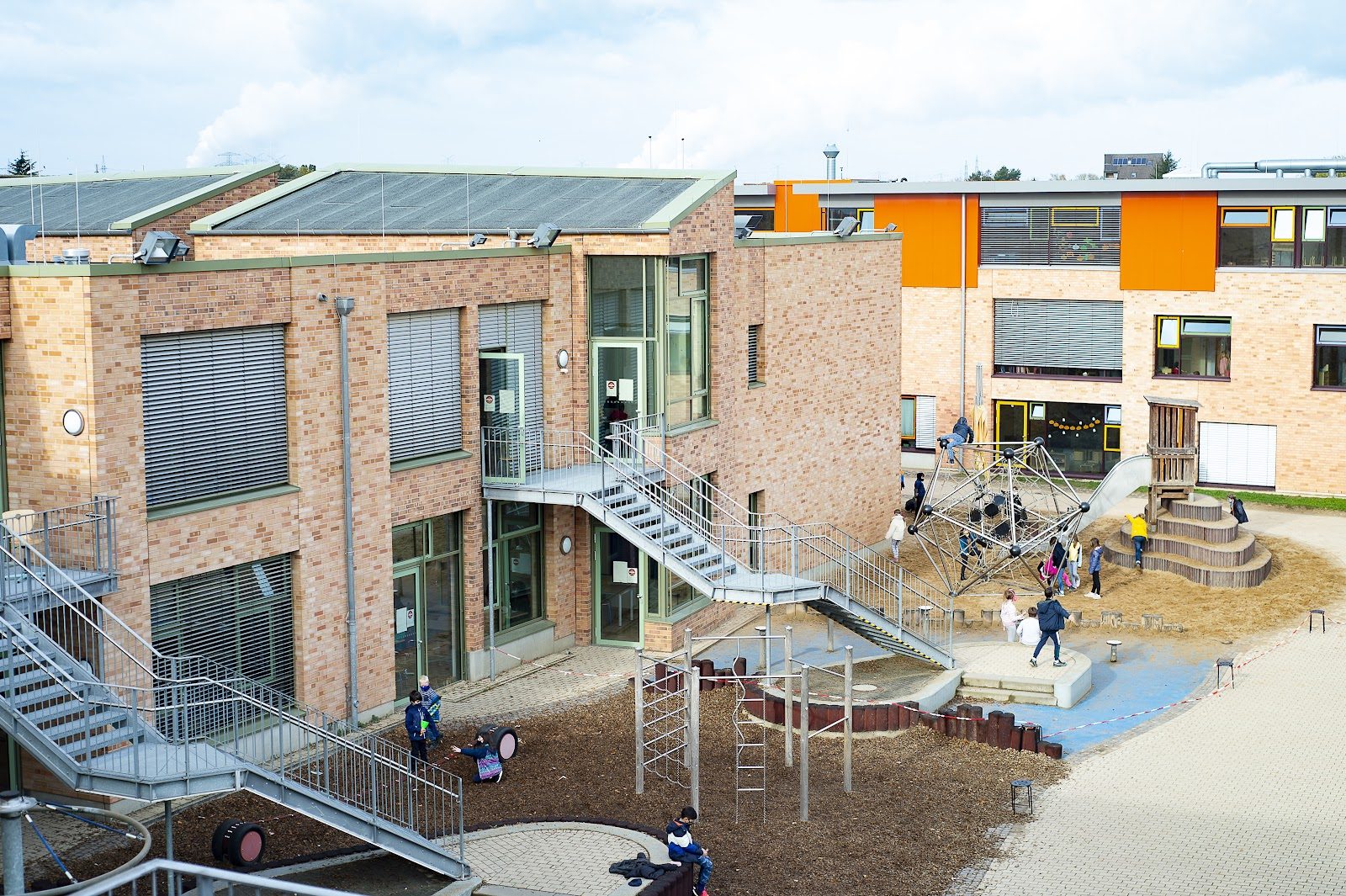
International School Cologne Bonn
Cologne · Germany
Germany's first British boarding school pairs IGCSE grounding with an IB finish in the heart of the Rhineland.
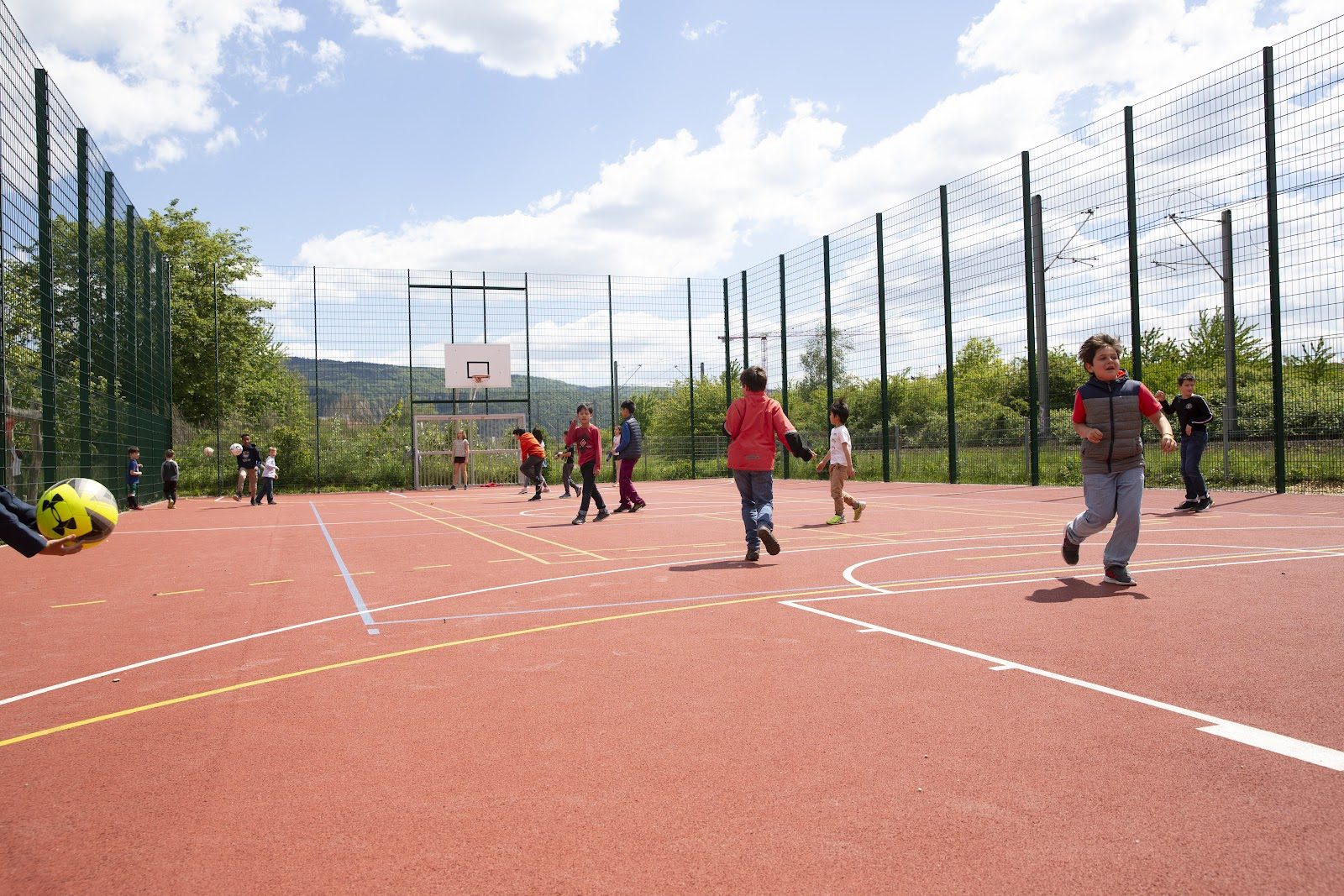
Heidelberg International School
Heidelberg · Germany
A historic Heidelberg villa now hosts the Primary Years, Middle Years and Diploma Programmes for the Rhine-Neckar region.
St. George's British International School Munich
Munich · Germany
A Bavarian day school moving from the English National Curriculum into IB results five points above the world average, amid 37 home languages.

Suzhou Singapore International School
Suzhou · China
Rooted in the Suzhou Industrial Park's China-Singapore partnership, it pairs a full IB continuum with a parallel German curriculum strand.
Same country and curriculum — closest matches within ±10 points either way