
British Columbia
Greater Vancouver's only Round Square school, its AP program stretching into second-year university math and chemistry.
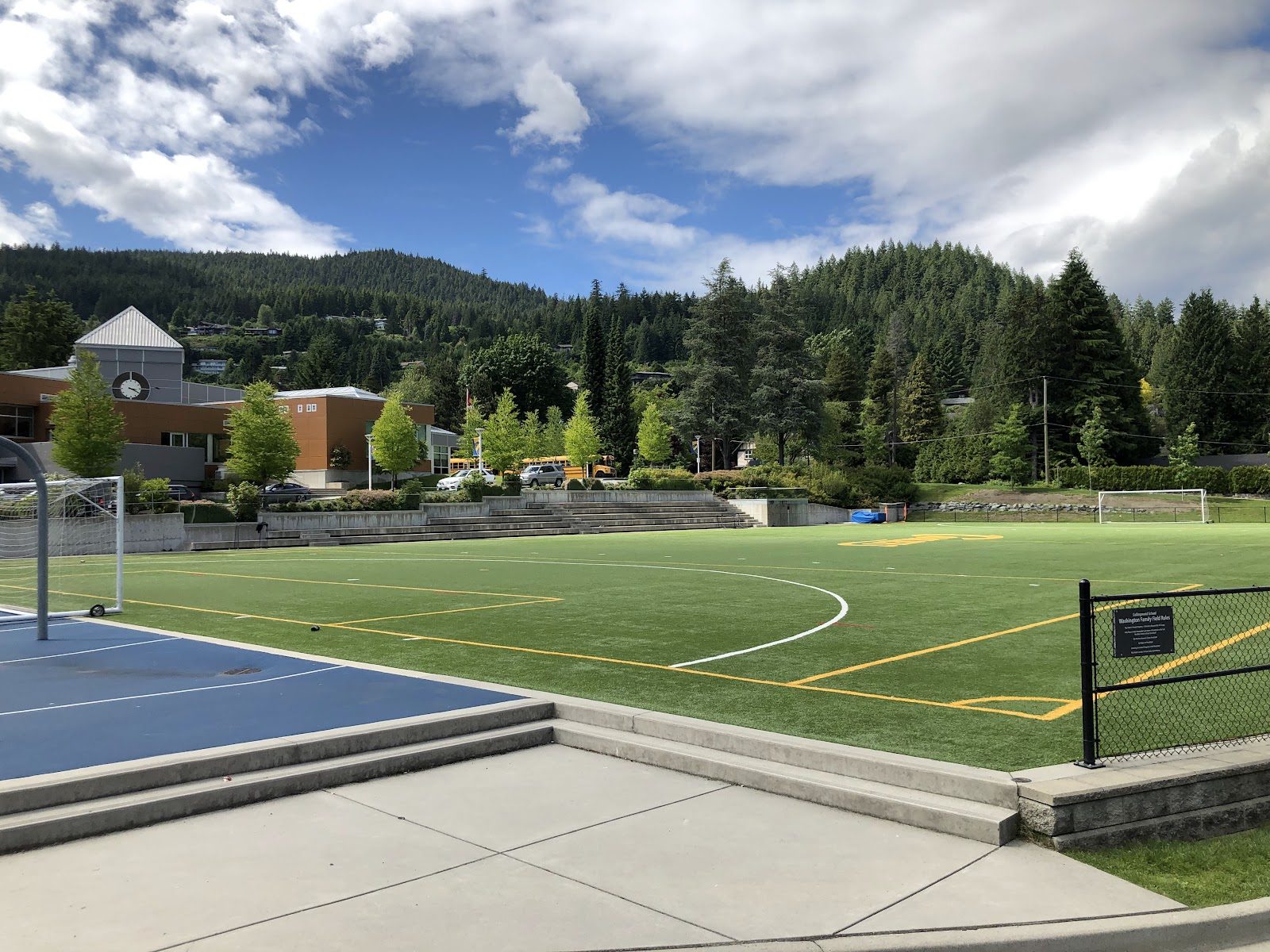
Photo © abu alonto via Google Maps
Type
Day
Ages
4–18
Curriculum
Canadian
Qualifications
BC Dogwood · AP
Ratio
—
The Verdict
Editor's commitment
Right for
Families wanting a Canadian day school in West Vancouver, ages 5–18, with CAIS accreditation and AP reaching second-year maths and chemistry.
Wrong for
Parents seeking boarding, religious formation, or a non-English curriculum; Collingwood is a secular day school in West Vancouver, founded in 1984.
Watch out for
Academic ambition is explicit, but the school does not publish aggregate AP outcomes; beyond Canadian curriculum, CAIS status and 1984 roots, hard data runs thin.
Ranking breakdown
Collingwood School · #822 of 1591
Composite score 64.9. 8 weighted criteria.
By criterion
Academic Outcomes
Weight 20%
#857
of 1529 scored
University Placement
Weight 16%
#848
of 1529 scored
Prestige & Heritage
Weight 12%
#854
of 1571 scored
Alumni Network
Weight 12%
#544
of 1530 scored
Facilities
Weight 12%
#857
of 1533 scored
Transparency & Communications
Weight 8%
#865
of 1532 scored
Peer & Industry Review
Weight 10%
#998
of 1548 scored
Admissions Selectivity & Demand
Weight 8%
#760
of 1529 scored
Peer & Industry Review
How Collingwood School is regarded in the sector
65
Respected · medium confidence
Within Canadian independent education circles, Collingwood is consistently grouped with North Shore and West Side peers such as St. George's, York House, Crofton House and Mulgrave as one of the stronger CAIS-accredited day schools in British Columbia, and it appears reliably in the upper bands of the Fraser Institute's BC school report cards, the most-watched domestic ranking exercise in the province. It does not feature prominently in UK-centric outlets like the Good Schools Guide or WhichSchoolAdvisor, whose coverage remains heavily weighted toward British and Gulf-region schools, which limits its international press footprint relative to its domestic standing. University receiving institutions - chiefly UBC, and to a lesser extent McGill and a scattering of US and UK destinations - regard its IB and AP graduates as reliably prepared, though it is not cited by admissions offices as a distinctive feeder in the way that Upper Canada College or the elite Ontario boarding schools sometimes are. Its reputation is best described as strong-regional rather than internationally decorated.
Editors' overview
Collingwood occupies a clear niche in Greater Vancouver: a Canadian day school with a strong university-preparatory brief, CAIS accreditation, and a rare international marker in its Round Square membership. That matters. Plenty of schools promise character, service and global outlook; far fewer belong to a network that makes those claims legible. Collingwood also pushes its AP offering beyond the standard menu, with courses extending into second-year university maths and chemistry. For academically ambitious families, that is the sharpest point of difference. Founded in 1984, the school is young by independent-school standards, but it has built a distinct identity around the four strands it names explicitly: academics, arts, athletics and service learning. The result is serious academic stretch without the old-world baggage of older institutions.
The school’s public message is disciplined and coherent. Its strategic plan runs to 2027, and the leadership transition is already set, with Emily Greenberg due to take over on 15 July 2027 after the current head’s long tenure. That gives parents something useful: institutional continuity rather than drift. The language of the school is also revealing. It talks about “critical thinkers”, resilience and social consciousness, and roots that in courage, curiosity and community. Those are familiar independent-school values, but here they connect to a concrete structure: a broad co-curricular model, service learning, and explicit engagement with Indigenous communities across its two campuses. There is a strong sense of purpose and an adult seriousness in that framing.
Why shortlist it? Because Collingwood offers a combination that is hard to find in one place: a Canadian curriculum, advanced AP depth, non-denominational co-education, and a culture that asks students to do more than compile grades. This suits children who are bright, organised and happy being busy; students who want competitive academic pacing, but not a school defined only by marks. It will also suit families who value a polished, structured environment and who want university preparation tied to arts, athletics and service rather than bolted on as afterthoughts. Students who thrive here will be energetic joiners, high-functioning generalists, and teenagers with enough resilience to handle a school that expects commitment across several fronts. Those seeking a loose, low-pressure education will find the fit wrong. Those wanting depth with range should look closely.
Academic Performance
Collingwood does not publish the exam data a hard-nosed parent would want. We have not seen aggregate AP score distributions, AP participation rates, mean scores, top-score rates, or any school-level university admissions outcomes broken out in a way that lets readers benchmark it cleanly against Vancouver’s strongest independent competitors. That is a weakness. A school with an overtly ambitious academic pitch and an AP programme that runs into second-year university work invites scrutiny on results, not just course breadth. Without those figures, any claim of top-tier performance rests on programme design and school positioning rather than disclosed outcomes.
Where does that leave it relative to peers? In the upper academic segment by intent, expectation and course ambition, but not in the small group of schools that make their external performance fully legible through published exam metrics. The signal here is strong, the proof is thin. Parents comparing Collingwood with academically selective rivals should ask for 5-year AP results by subject, score-band distributions, cohort participation, and university destinations split by country and course. If the school can produce clean, longitudinal data, its case strengthens quickly. Until then, Collingwood sits in the category of schools that project serious academic stretch but leave outsiders to infer the level of exam success rather than inspect it directly.
Facilities
Collingwood’s facilities matter because the school asks students to operate across four domains, not just in classrooms. The clearest physical advantage is its split-site setup: two campuses give it room to separate younger and older pupils, which brings practical benefits in traffic flow, age-appropriate spaces and a more orderly daily rhythm. The school itself draws attention to learning “across its two campuses”, and that reads as infrastructure, not slogan. For a day school in this market, that is a serious operational asset. It also gives weight to the school’s stated commitment to Indigenous engagement spanning both sites, which points to campus-wide programming rather than token treatment. Add the scale of strategic consultation — 18 sessions and 1000+ comments — and you get a school that plans its environment with institutional discipline.
Against Vancouver peers, the picture is mixed. We have clear evidence that Collingwood has the space and organisational structure to support academics, arts, athletics and service learning in parallel; we do not have a published, hard-edged inventory of specialist rooms, performance venues, labs or sports assets. That omission matters. The strongest competitors make their facilities legible in concrete terms: theatres named, labs counted, fields specified, build dates disclosed. Collingwood does not do that cleanly in the public domain, so parents must ask sharper questions on tours. The campus platform looks well-organised and fit for purpose, but the school leaves too much to inference for a family trying to distinguish genuinely first-rate provision from competent independent-school standard.
Without those figures, any claim of top-tier performance rests on programme design and school positioning rather than disclosed outcomes
Prestige
Collingwood carries real prestige in the Vancouver independent-school market, though not the old-money mystique of the city’s longest-established names. Its standing comes from a different source: sustained parental demand, a polished university-preparatory identity, and a school culture built to produce high-output, well-drilled students who can perform across more than one arena. The Round Square link adds status because it is selective and uncommon in the region; it gives the school an international badge that reads as more than brochure language. The strategic plan also tells you something useful about institutional weight: 6 stakeholder groups, 18 consultation sessions and 1000+ comments point to a school with enough organisational muscle to run itself with discipline. That matters to prestige. Serious schools have internal coherence.
I rate it as high-status but not untouchable. Collingwood has name recognition, social cachet and a strong pull with ambitious professional families, yet its prestige is still earned rather than inherited. That distinction matters. The school’s reputation rests on execution, structure and the expectation that students commit across academics, arts, athletics and service learning. Parents who prize visible polish and competitive peer culture will read that as a strength. Parents hunting for unimpeachable public proof of academic supremacy will hit the same obstacle noted elsewhere: outcomes are not disclosed with enough precision to elevate the school into the indisputable top rank. Prestige, yes. Total dominance, no.
Good school communications do not stop at values statements and polished updates; they publish the numbers parents will ask for anyway
Communications
Collingwood communicates with parents in a controlled, institutional way. The public-facing message is tidy, consistent and centrally managed: leadership updates sit prominently, the strategic plan is easy to find, and the school does a competent job of telling families what it values and where it is heading. The clearest example is the headship transition. Naming the incoming head well ahead of time, with an effective date already fixed, gives parents certainty and cuts out rumour. The strategic-planning page does the same job. It does not just announce priorities; it shows process, with 18 consultation sessions, 251 stakeholders engaged and 1000+ comments analysed. That reads as organised, deliberate communication rather than reactive messaging.
The limitation is obvious too. Collingwood communicates purpose, culture and governance more clearly than it communicates hard performance evidence. Parents can find the language of courage, curiosity and community without difficulty; they get less help on the metrics that matter when choosing an academically ambitious school. That imbalance weakens trust. Good school communications do not stop at values statements and polished updates; they publish the numbers parents will ask for anyway. On this front, Collingwood is disciplined but selective: strong at shaping narrative, weaker at disclosing outcomes. For families who want a well-run, low-drama relationship with a school, that works. For families who want full transparency, it falls short.
Uniqueness
Collingwood’s distinctiveness lies in how neatly its parts lock together. Plenty of Vancouver schools sell scholarship, sport, arts and service as parallel virtues; Collingwood has built them into a single operating model. The school names those strands openly and organises student life around them, which creates a culture of structured breadth rather than casual enrichment. The Round Square connection sharpens that identity. In a crowded independent-school market, that membership gives the school an uncommon international frame for service, leadership and outward-looking education, instead of leaving those ideas at assembly-speech level. Students get a school experience that pushes them to perform in several registers at once: classroom ambition, public contribution, team habits and creative or athletic discipline.
The other point of difference is academic reach inside a Canadian day-school setting. Collingwood does not stop at a standard university-prep menu; it offers AP work that extends into second-year university maths and chemistry. That is a serious escalation in pace and expectation. For strong students, the benefit is obvious: harder intellectual training before graduation, better preparation for demanding degree courses, and a peer culture that treats academic stretch as normal. The trade-off is clear too. This is not a school for children who want to keep options open by staying comfortable. It suits students who are energised by pressure, willing to commit across domains, and able to handle a high-demand, low-drift environment without constant hand-holding.
Collingwood’s distinctiveness lies in how neatly its parts lock together
Student Profile
The Collingwood student is a high-functioning all-rounder. This is not a place for bright children who want to excel in one lane and ignore the rest. The school’s own framework pushes students across academics, arts, athletics and service learning, so the best fit is a child with stamina, good time management and no resistance to structure. They do not need to be a star in every area on day one, but they do need to tolerate expectation from several directions at once. The social fit is similar: students who thrive here tend to be busy, capable joiners who can handle a polished environment, absorb feedback, and keep moving. The school’s consultation culture also points to a community that values participation and voice; families who want to engage with the life of the school, not just consume it, will fit more comfortably.
Temperament matters as much as attainment. Collingwood suits pupils who are comfortable being stretched by strong peers and by a school that treats commitment as normal. The public language around critical thinking, resilience and social consciousness is not incidental; it signals a preference for students who can think beyond themselves, contribute reliably, and take service seriously rather than perform it for a résumé. Children who need a looser, lower-pressure atmosphere, or who resent institutional expectations, will chafe. Children who are ambitious without being narrow, socially fluent, and ready to sustain effort across a full week of competing demands will do well.
Collingwood does not stop at a standard university-prep menu; it offers AP work that extends into second-year university maths and chemistry
Co-curricular strengths
Arts & sport, on a separate axis
Overall 8.42/10
Scored 0-10 from the school's own published evidence. This axis is editorial-only — it does not feed the main WTS ranking.
Sports
8.4/10
Drama
8.5/10
Dance
8.5/10
Music
8.4/10
Visual Arts
8.3/10
Strengths
- +CAIS accreditation offers external quality assurance.
- +English-medium teaching suits many international families.
- +Day school structure keeps children at home.
- +Athletics and outdoor education are clear strengths.
Considerations
- −No boarding; unsuitable for families needing residential provision.
- −Canadian curriculum may not suit IB-seeking families.
- −Head of School transition scheduled for 2027.
Availability
Primary entry gate & tests
SSAT / Internal + Interview
Gallery
Photo © abu alonto via Google Maps
Photo © abu alonto via Google Maps
Photo © abu alonto via Google Maps
Photo © Paul Wu via Google Maps
Photo © Paul Wu via Google Maps
Parent reviews
Have you sent your child here?
Voice reviews carry the strongest trust badge — we transcribe them for you to tidy up before they go live. Prefer to type? A written review is fine too.
Add your voice
In 60 seconds, tell other parents: what's the best thing about Collingwood School, and what surprised you when your child joined?
We ask for a Google sign-in so every review has a real face behind it — no anonymous drive-by attacks on schools, and no faked positive reviews. Your email is never shown publicly.
Send this profile to a friend
International parents rely on word-of-mouth. Share this review with someone weighing the same decision.
Schools with places
Similar schools to Collingwood School with places available now.
Crofton House School
Vancouver · Canada
- 2026-27
- CLOSEDRegular cycle closed
- 2027-28
- OPENS SOONOpens Sept '26
West Point Grey Academy
Vancouver · Canada
- 2026-27
- CLOSEDRegular cycle closed
- 2027-28
- OPENS SOONOpens Sept '26
Shawnigan Lake School
Shawnigan Lake · Canada
- 2026-27
- CLOSEDRegular cycle closed
- 2027-28
- PLACES OPENActive now
St Michaels University School
Victoria · Canada
- 2026-27
- CLOSEDRegular cycle closed
- 2027-28
- PLACES OPEN2027/28 open; priority 1 Dec '26
Availability first, then country, area, curriculum, price, co-curricular
Consider also
Also worth looking at alongside Collingwood School.
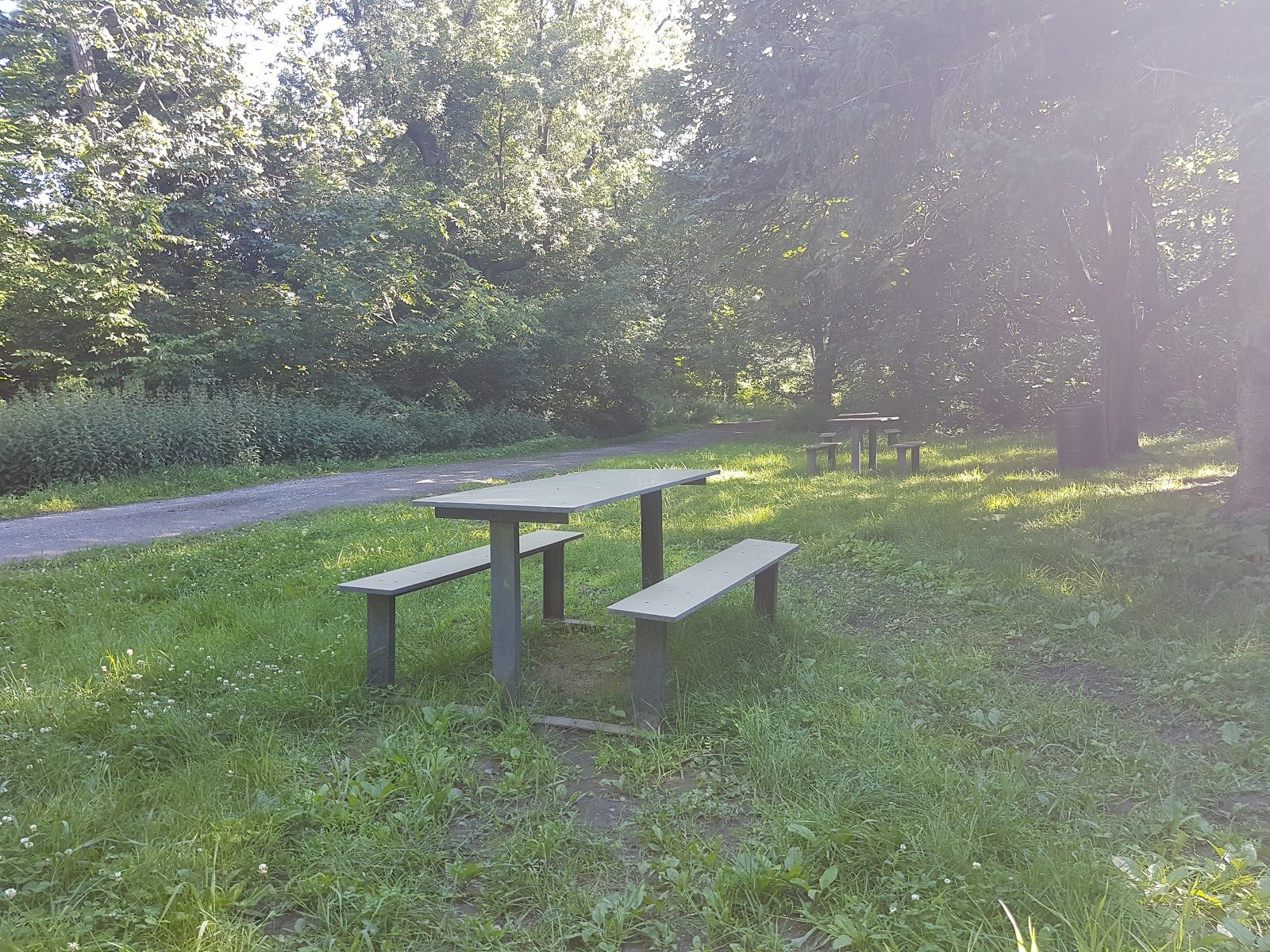
Collège Jean-de-Brébeuf
Montreal · Canada
Once a Jesuit seminary, now a secular Francophone college spanning secondary school and CEGEP, IB-authorized since 1982.
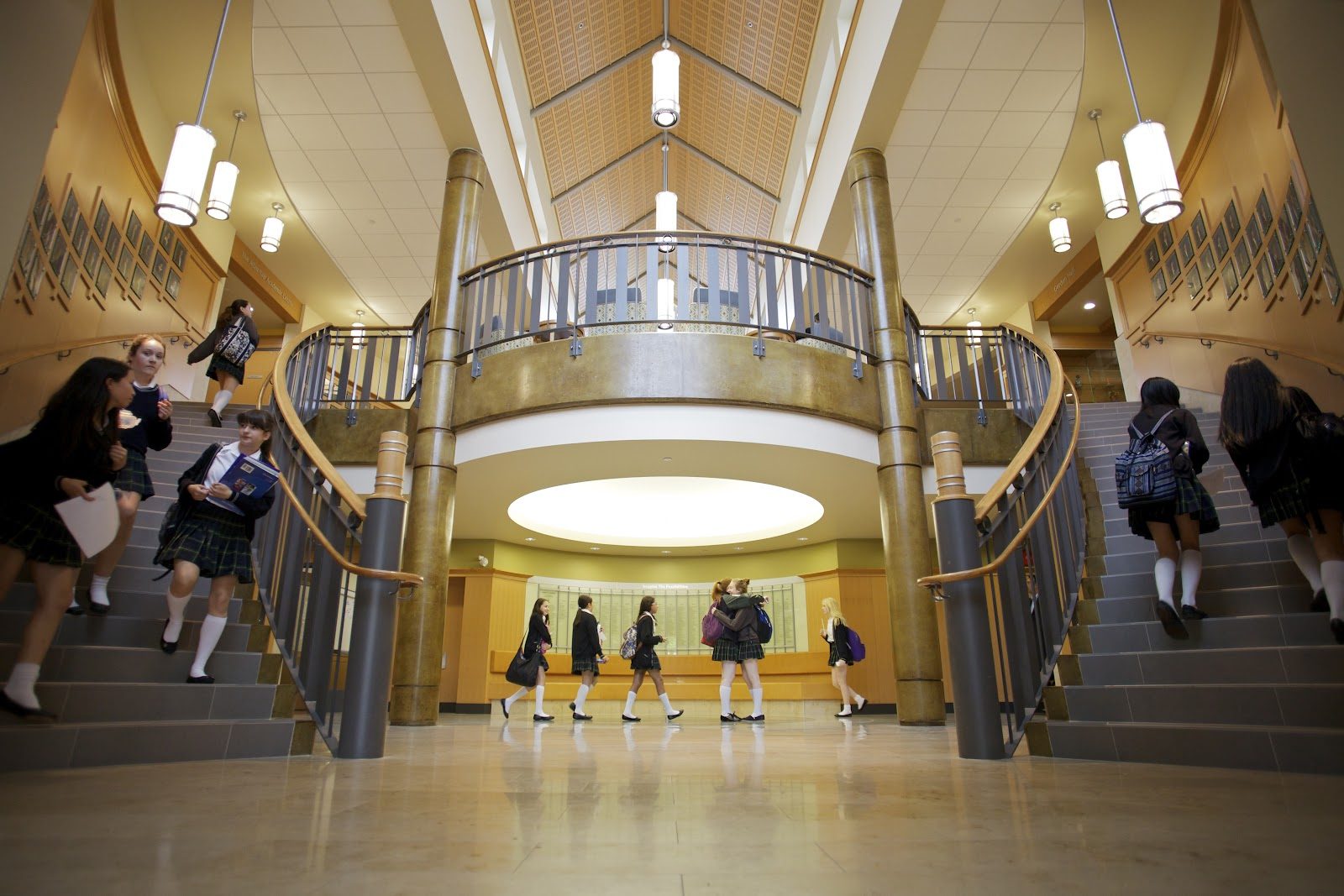
Crofton House School
Vancouver · Canada
West of Toronto's oldest independent school, a Kerrisdale campus builds IB scholars through its four-quadrant Ivy Compass program.
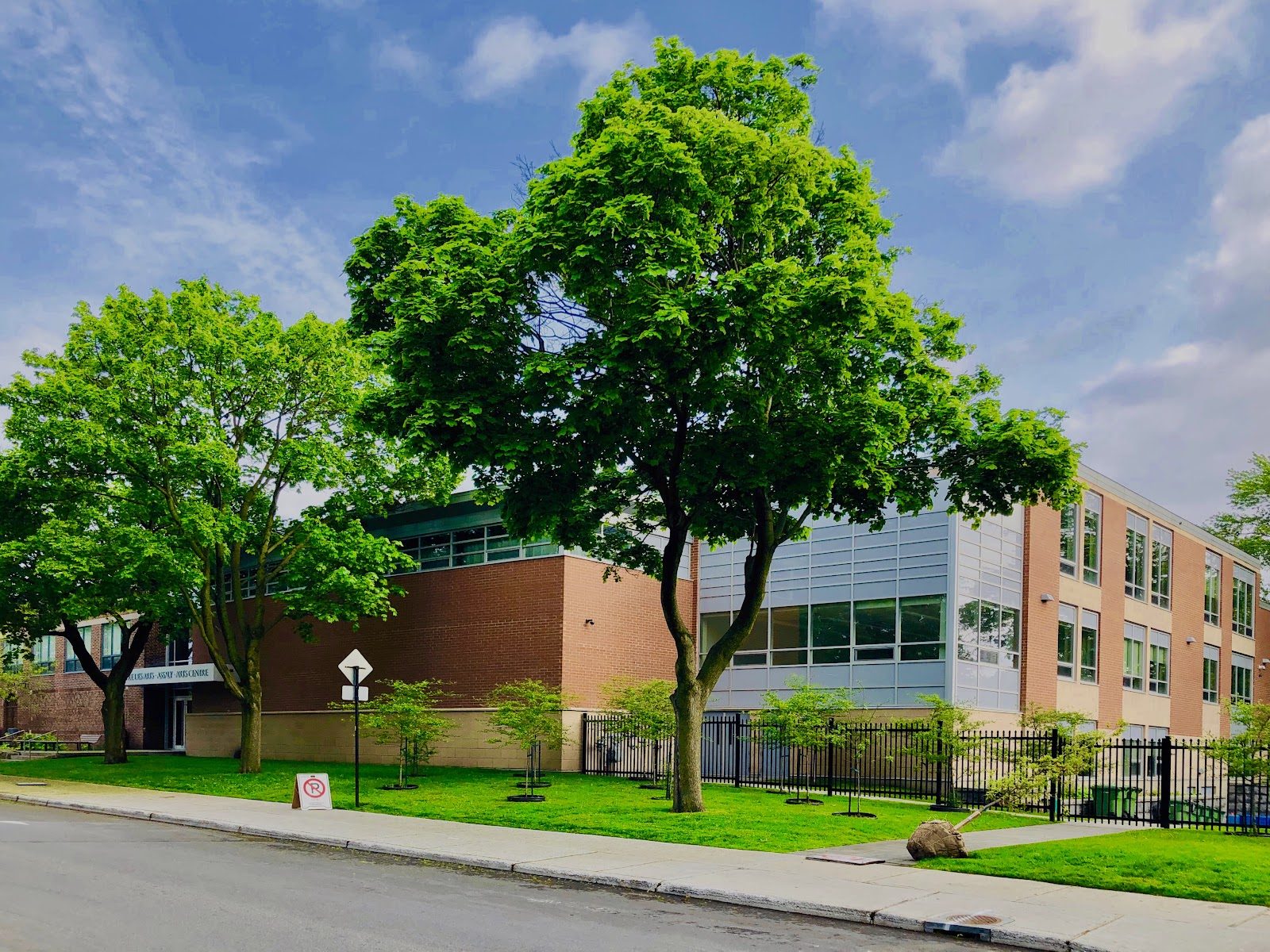
Lower Canada College
Montreal · Canada
Rooted in an 1861 boarding-school lineage, the only English-language Quebec school running both IB Middle Years and Diploma Programmes side by side

West Point Grey Academy
Vancouver · Canada
On an 18-acre Jericho Lands campus above English Bay, a compulsory third language meets a student-run Model UN conference.
Same country and curriculum — closest matches within ±10 points either way