
Somerset
Monkton Combe School
low confidence· 1/6 cats · 3 avg sourcesIn a Somerset valley near Bath, evangelical roots and two Avon boathouses have produced five Olympic rowing medallists.
Type
Both
Ages
3–18
Curriculum
British
Qualifications
A-Level · GCSE
Ratio
—
The Verdict
Editor's commitment
Right for
Families wanting a 3–18 British school near Bath with Anglican roots, HMC membership and serious rowing credentials.
Wrong for
Parents wanting a secular or non-British education: Monkton is Anglican, English-medium, and rooted in the British independent-school tradition.
Watch out for
Type: Both means day and boarding; verify the balance, and remember Somerset near Bath is not central London.
Ranking breakdown
Monkton Combe School · #1152 of 1591
Composite score 58.5. 8 weighted criteria.
By criterion
Academic Outcomes
Weight 20%
#957
of 1529 scored
University Placement
Weight 16%
#911
of 1529 scored
Prestige & Heritage
Weight 12%
#723
of 1571 scored
Alumni Network
Weight 12%
#1295
of 1530 scored
Facilities
Weight 12%
#799
of 1534 scored
Transparency & Communications
Weight 8%
#844
of 1532 scored
Peer & Industry Review
Weight 10%
#998
of 1548 scored
Admissions Selectivity & Demand
Weight 8%
#888
of 1529 scored
Peer & Industry Review
How Monkton Combe School is regarded in the sector
65
Respected · medium confidence
Among Bath and south-west independent schools, Monkton Combe is regarded as a solid, values-led boarding option rather than a first-tier academic competitor to King Edward's Bath or Millfield; its reputation is built substantially on rowing, where it is taken seriously by other boarding schools with strong water sports programmes. University destinations are respectable rather than headline-grabbing, with a steady flow to Russell Group institutions but no distinct outsized Oxbridge pull compared with regional academic leaders. Independent guides such as the Good Schools Guide and ISI inspection reports have historically praised its pastoral care, Christian ethos and community feel while noting a broader-ability intake than top-selective peers. It rarely features prominently in national newspaper league tables, reflecting its self-positioning around character, faith and sport rather than exam-result competition, and its profile in the education press is modest and steady rather than headline-driven.
- David Sheepshanks — Chairman, Ipswich Town FC / business leadership
- Christopher Martin-Jenkins — Cricket journalist and broadcaster
- Simon Halliday — Rugby union player
Editors' overview
Monkton Combe School occupies a distinctive niche in the south-west market: a 3–18 Anglican school with a long evangelical inheritance, a rural Somerset setting and a serious record in rowing. That combination is rare. Plenty of schools sell countryside calm; fewer pair it with a clear religious foundation and a sport that has produced five Olympic rowing medallists. For families near Bath, or those weighing Bristol and Somerset against the larger boarding brands farther afield, Monkton earns shortlist status for one reason above all: it offers purpose without grandiosity. It is old, founded in 1868, but not trapped by ceremonial self-importance. The appeal lies in grounded ambition, a strong sense of community and a school culture shaped by chapel, house life and the river.
What is special here is not academic flash or metropolitan polish. Monkton’s point of difference is character. The school sits in a valley near Bath, and that physical setting matters: this is a place for children who thrive with space, routine and outdoor structure rather than urban buzz. Its Anglican identity will suit families who want faith to have a visible place in school life, not just a line in the prospectus. The rowing pedigree gives Monkton real sporting credibility, and the two Avon boathouses add substance to that story. That does not make it a single-sport school, but it does mark it out as a school where disciplined coaching and quiet competitiveness carry weight. In market terms, Monkton stands between the most selective national boarding schools and the softer local independent option: more distinctive than the latter, less intimidating than the former.
The pupil who will want Monkton is not hard to identify. This school suits children who value close-knit belonging, respond well to pastoral structure and want a broad British education in an environment with moral seriousness. Rowers and outdoor-minded pupils have an obvious reason to look closely. So do families who want boarding or day provision under one roof and a through-school from nursery to sixth form. It will suit pupils who like a school with traditions, expectations and a defined ethos. It will not suit every child. Those chasing a hyper-competitive academic hothouse, a secular culture, or the social theatre of a headline-name public school will find stronger matches elsewhere. Monkton is for families who want steadiness, conviction and room to grow rather than status display.
An Elite Sport 80 school
Sport is one of Monkton Combe's defining strengths, scoring in the elite band, and rowing is its clearest expression. The school's position beside the River Avon gives it a natural advantage few competitors can match: rowing is embedded in the rhythm of the school week rather than bolted on, with a well-regarded boathouse and crews that feed into national junior competition. For committed young oarsmen and women, this is a genuine draw, and the school produces a disproportionate number of serious rowers relative to its modest size. Beyond the water, sport and outdoor and adventure activity run as a defining strand of daily life rather than an occasional add-on, consistent with a school that describes itself as educating the whole person. Families with a sport-committed child, and rowers in particular, will find an environment where athletic ambition is taken seriously and supported across the age range.
A Global Elite 50 Music school
Music at Monkton Combe scores in the elite band, and choral music is its most recognisable niche. As a school with an explicitly Anglican foundation, chapel and church-music traditions give choral singing a natural and regular place in school life rather than a purely optional one. That combination of a serious performing-arts culture and a living musical liturgy is distinctive in the Bath market: fewer peer schools pair strong ensemble music with an established church-music tradition. For a musically committed child, and a chorister in particular, Monkton offers regular rehearsal, performance and worship opportunities woven through the week, supported by the wider elite-band strength of its performing arts. Families for whom music is central, and who are comfortable with faith being part of school life, will find the offer coherent and well grounded.
A Global Elite 50 Drama & Acting school
Drama at Monkton Combe scores in the elite band and forms part of a performing-arts culture that the school foregrounds in its own account of itself. As a school that emphasises drawing the best out of every pupil beyond the classroom, drama sits alongside music as a route for pupils to pursue a passion to a high level. The strength here is breadth and participation as much as polish: a school of modest scale with an elite-band drama offer gives committed young performers meaningful opportunity to take on significant roles rather than compete for scarce places in a very large cohort. Families with a child drawn to theatre will find performing arts treated as a core strand of school life.
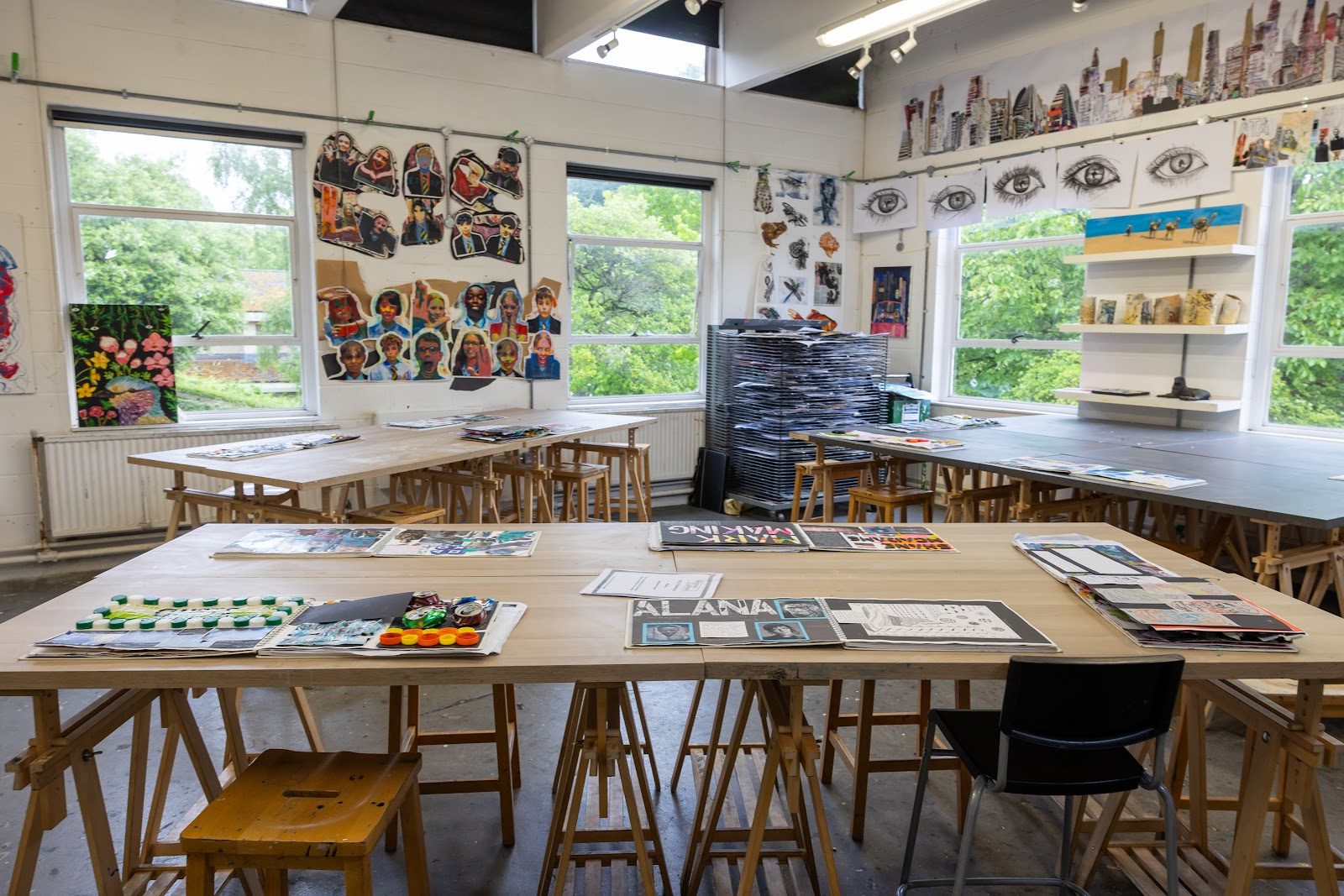
An Elite Visual & Fine Arts 76 school
Visual arts at Monkton Combe scores in the elite band, part of a co-curriculum the school positions as central to educating the whole person. In a school of modest scale, an elite-band visual-arts offer means committed young artists can expect real access to teaching, space and encouragement rather than being crowded out by a very large intake. The strength sits naturally alongside the school's other performing- and creative-arts provision, giving artistically minded pupils a coherent environment in which to develop. Families with a child whose primary passion is art and design will find it treated as a serious pursuit rather than a peripheral option.
Academic Performance
Monkton does not publish enough headline examination data to claim a place among the country’s hard-driving academic heavyweights. We have not seen full GCSE and A-level tables, multi-year subject breakdowns or the kind of aggregate score reporting that allows clean comparison with the most selective HMC competitors. That matters. In this market, serious academic operators disclose outcomes plainly. When a school leaves the picture incomplete, parents have to judge it by reputation, pupil fit and the wider shape of the offer rather than by a forensic results narrative. The implication is clear: Monkton sits outside the top tier of schools whose exam performance alone drives demand.
That does not make it academically weak. It places Monkton in the band of schools where results are part of a broader proposition, not the entire proposition. Families choosing between Bath-area independents and the bigger south-west boarding names should read Monkton as a balanced school with academic ambition, not an exam factory. For able pupils who value pastoral structure, strong staff attention and a less abrasive competitive culture, that can be the right trade. For families who want published proof of relentless top-grade production, Monkton’s public data leave too many gaps. In plain terms: credible, but not data-rich; respectable, but not a school that sells itself on league-table dominance.
Facilities
The facilities that matter at Monkton are the ones tied to its identity, and the clearest standout is rowing. Two Avon boathouses give the school a level of water access that many peers cannot match. Plenty of independent schools talk a good game on sport, then rely on shared municipal provision or a long coach ride to the river. Monkton has the infrastructure on its doorstep. That matters for training frequency, crew culture and the daily seriousness of the programme. The return is tangible: five Olympic rowing medallists is not a decorative claim but evidence that the set-up has produced at the top end. Among south-west competitors, that places Monkton in serious sporting company. Among national boarding peers, it marks the school out as genuinely credible in one of the most status-laden British sports.
Beyond rowing, the campus benefit is space. A school in a valley outside Bath has room for playing fields, outdoor movement and the kind of day-to-day physical life that cramped urban independents cannot offer. That does not make Monkton a facilities arms race school. We have not seen the kind of headline-grabbing performing arts complex, science centre or design-and-technology showpiece that top-fee rivals use to signal capital intensity. Parents should read the estate as functional, characterful and sport-led rather than flashy. For families who prize polish and spectacle, stronger options exist. For families who want facilities that support routine, team sport and grounded school life, Monkton’s offer has real substance.
Monkton Combe School occupies a distinctive niche in the south-west market: a 3–18 Anglican school with a long evangelical inheritance, a rural Somerset setting and a serious record in rowing
Prestige
Monkton carries real but bounded prestige. In the independent-school pecking order, it sits below the national grandees whose names alone confer social cachet, but above the generic local private school with little identity beyond small classes and decent pastoral care. Its standing rests on something more durable than glamour: a clear Anglican inheritance, a recognisable place in the south-west market, and a rowing tradition with five Olympic medallists behind it. That last point matters. Sporting distinction of that calibre gives a school credibility far beyond its immediate catchment, and rowing remains one of the clearest prestige signals in the British boarding world. Monkton also benefits from being a public school in the traditional English sense, which still carries weight with families who value institutional pedigree and established networks.
The limit on that prestige is just as clear. Monkton does not dominate the conversation nationally in the way the most selective HMC names do, and it does not publish the kind of academic outcome data that turn reputation into hard-edged academic authority. Its brand is quiet, not magnetic; respected, not coveted for status alone. That is not a flaw. For many families, it is an advantage. Monkton offers a form of prestige rooted in ethos, sport and continuity rather than social theatre or headline academic power. In plain terms: this is a school with earned standing, not flash prestige.
The implication is clear: Monkton sits outside the top tier of schools whose exam performance alone drives demand
Communications
Monkton’s parent communication reads as an extension of the school itself: ordered, personal and anchored in community rather than corporate polish. A through-school serving ages 3–18 has to communicate across very different parental needs, and that raises the bar. Families with a nursery child and families with a sixth former do not need the same cadence, detail or tone. The school’s advantage is scale and cohesion. Parents can expect a line of contact that feels human rather than call-centre managed, with pastoral and practical messaging carrying as much weight as brand theatre. The Anglican character also matters here. Schools with a visible faith life need to explain values, expectations and the rhythms of communal life plainly; Monkton has a clear ethos to communicate, and that tends to make schools more legible to parents.
The limit is precision. We have not seen the kind of data-heavy, forensically transparent public communication that marks out the strongest operators in the sector. When schools publish less academic detail, parents rely more heavily on direct contact, meetings and trust in staff judgment. That can work well in a close-knit school; it is less reassuring for families who want everything documented, benchmarked and easy to compare. So the verdict is mixed but clear: communication is warm and coherent, not ultra-systematic. Parents who value relationships and responsiveness will find that effective. Parents who want a constant stream of hard metrics and polished institutional reporting will want more.
Uniqueness
Monkton’s distinctiveness lies in the way its strands lock together: Anglican conviction, a through-school structure, countryside seclusion and a rowing culture with genuine pedigree. Many schools offer one or two of those elements. Monkton offers the full combination, and that creates a coherent identity rather than a list of selling points. Children grow up in one institutional culture from the earliest years to sixth form, with the same moral vocabulary, the same broad expectations around conduct and the same emphasis on community. For the right pupil, that produces rare continuity. There is less reinvention between phases, less anonymous drift, and a stronger sense that school life has shape and direction.
The rowing story sharpens that identity. Two boathouses and five Olympic medallists give Monkton a seriousness that many schools cannot imitate, because sport here is not an accessory to marketing but part of the school’s grain. What students gain is more than coaching. They get immersion in a culture of repetition, discipline and collective effort, set within a school that values steady commitment over display. Add the valley setting and the result is a place with clear edges: rooted, structured and unapologetically traditional. That will not suit children who want anonymity, urban energy or a loose social atmosphere. It suits those who do better with defined expectations, durable community and a school life that feels integrated rather than improvised.
For families who want published proof of relentless top-grade production, Monkton’s public data leave too many gaps
Student Profile
The Monkton pupil is not hard to place. This school suits children who like structure, respond to clear adult expectations and do better in a community where conduct still matters. The Anglican character is not decorative, so the best fit is a family comfortable with faith having a visible role in school life. Socially, Monkton will reward pupils who are willing to join in rather than hold themselves apart. The atmosphere is close-knit, grounded and morally serious. Children who need anonymity, chase edge for its own sake or want the bustle and self-invention of a big urban independent will chafe. Children who value routine, outdoor life and staff who know them well will settle.
There is also a strong practical point about temperament. A school with 2 boathouses and a sporting tradition of this kind will suit pupils who respect discipline, repetition and team culture, whether or not they row at elite level. Competitive, coachable students will find room here. So will quieter children who gain confidence from a steady, well-held environment rather than social swagger. Monkton is not a natural home for the status-hungry or the child who wants a sixth form built around metropolitan polish. It is a better match for families who want ambition without exhibitionism, pastoral grip without fuss, and a peer group shaped more by participation than performance.
The return is tangible: five Olympic rowing medallists is not a decorative claim but evidence that the set-up has produced at the top end
Co-curricular strengths
Arts & sport, on a separate axis
Overall 8.58/10
Scored 0-10 from the school's own published evidence. This axis is editorial-only — it does not feed the main WTS ranking.
Sports
8.8/10
High-performance UK rowing powerhouse, maintaining a legendary decades-long dominance on the River Avon alongside competitive field sports.
Drama
8.5/10
Ambitious theater tracking staging complex contemporary plays and student-written works inside modern theater spaces.
Dance
8/10
Active afternoon co-curricular activity offering structured contemporary and jazz choreography classes.
Music
8.8/10
Outstanding musical depth; supports world-famous choral tracking and instrumental ensembles with deep university-level integration.
Visual Arts
8.8/10
Breathtaking visual studios producing top-tier design portfolios, digital multimedia creations, and fine art pieces.
Strengths
- +Elite-band rowing and sport, with the River Avon embedded in school life
- +Elite-band music, drama and visual arts across a broad co-curriculum
- +Boarding and day options across ages 2-18 allow one-school continuity
- +Publishes GCSE and A-level results openly on its own website
- +Named Independent Boarding School of the Year 2025
Considerations
- −Explicitly Anglican character may not suit all families
- −English-only, British-curriculum provision limits bilingual and non-UK pathways
- −Openly not highly selective, so the academic intake is broad by design
- −Modest scale means a narrower subject offer than large rivals
Availability
Primary entry gate & tests
Written Exams + Interview
Gallery
Parent reviews
Have you sent your child here?
Voice reviews carry the strongest trust badge — we transcribe them for you to tidy up before they go live. Prefer to type? A written review is fine too.
Add your voice
In 60 seconds, tell other parents: what's the best thing about Monkton Combe School, and what surprised you when your child joined?
We ask for a Google sign-in so every review has a real face behind it — no anonymous drive-by attacks on schools, and no faked positive reviews. Your email is never shown publicly.
Send this profile to a friend
International parents rely on word-of-mouth. Share this review with someone weighing the same decision.
Schools with places
Similar schools to Monkton Combe School with places available now.
Availability first, then country, area, curriculum, price, co-curricular
Consider also
Also worth looking at alongside Monkton Combe School.
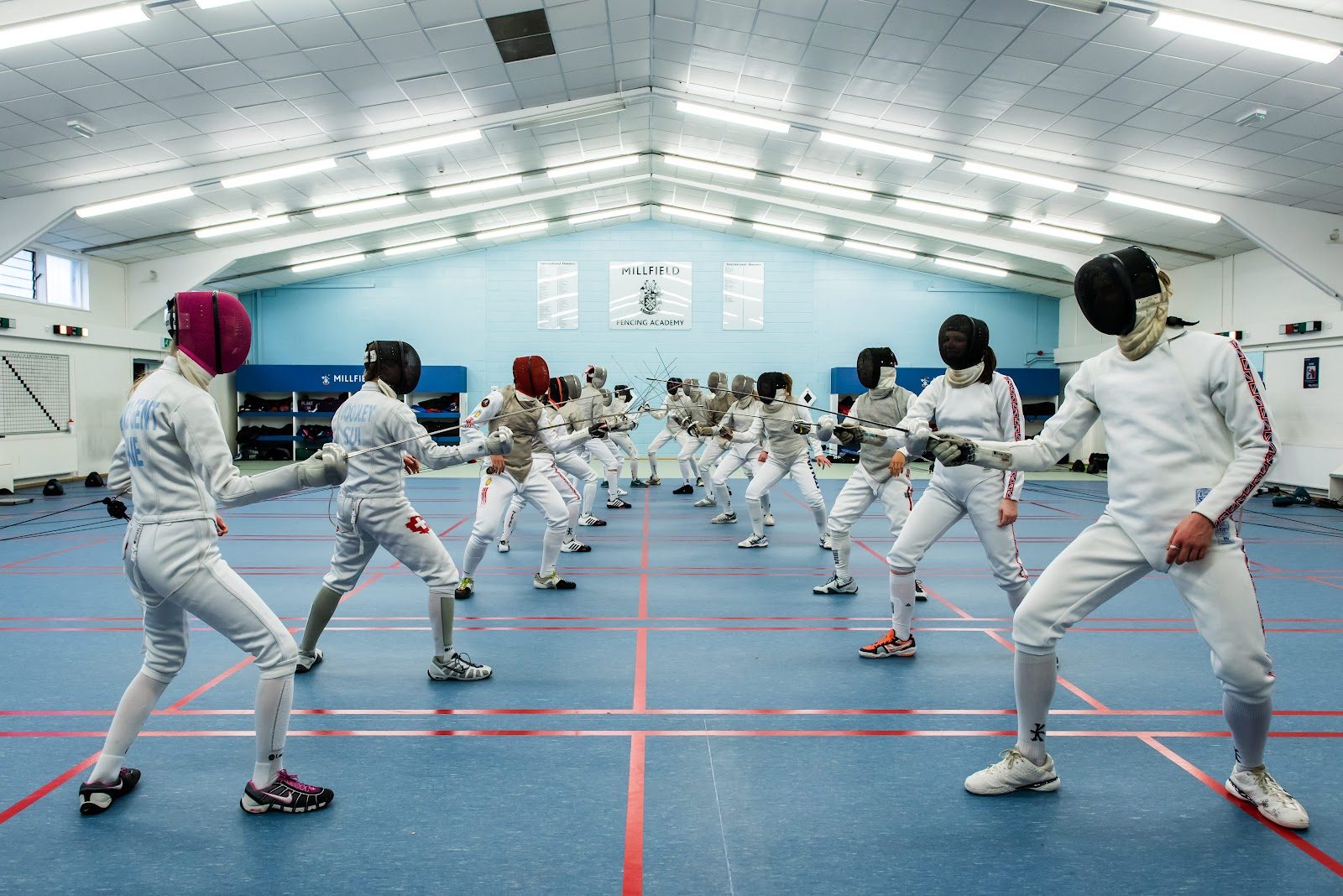
Millfield School
Street · United Kingdom
Sixty-plus sports and an Olympic-length pool anchor a 240-acre Somerset campus built for athletes and scholars alike.
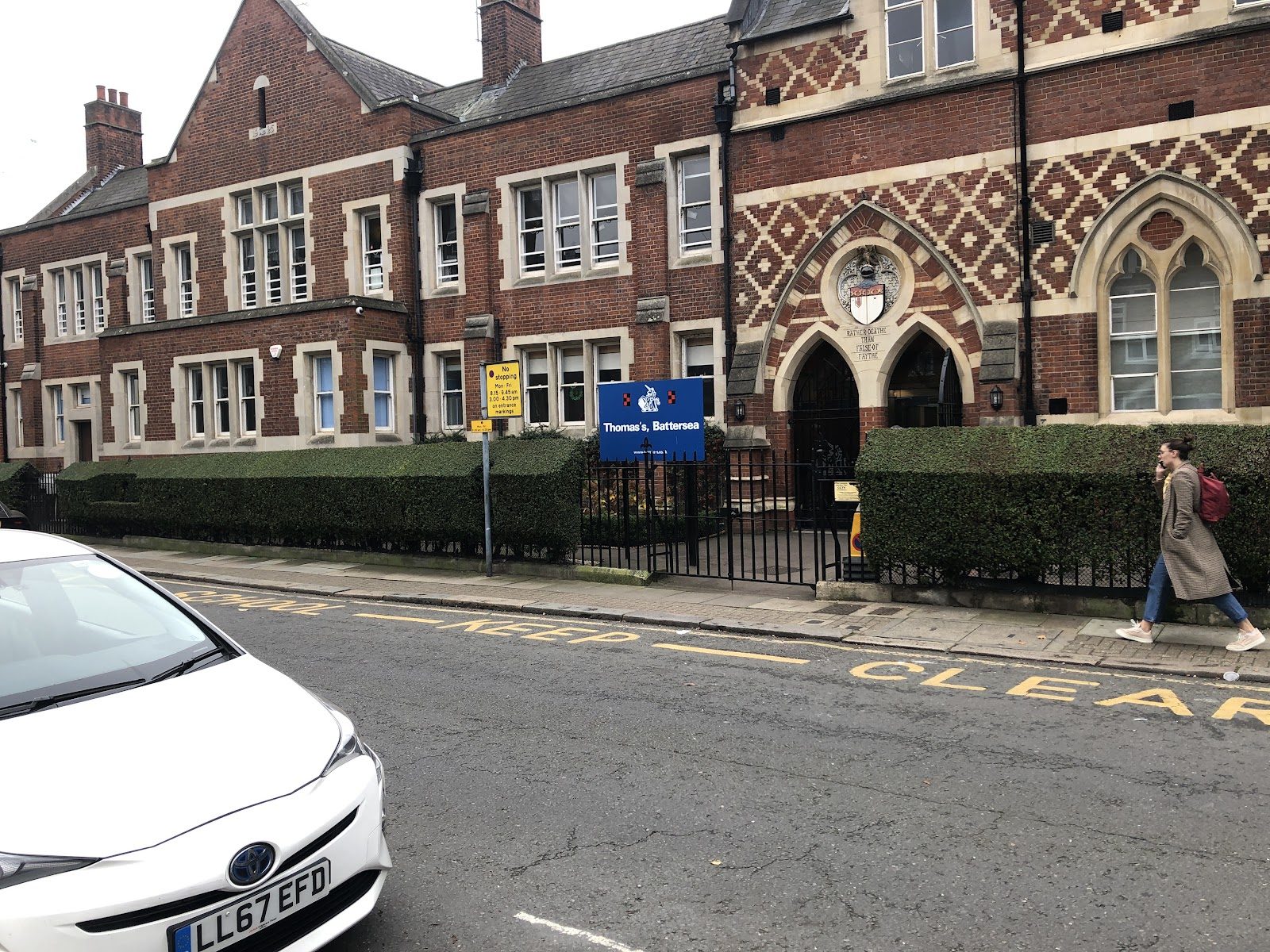
Thomas's Battersea
London · United Kingdom
In a former Victorian art school, an 'enquiry mindset' and a 'Be Kind' ethos feed London's top senior schools.
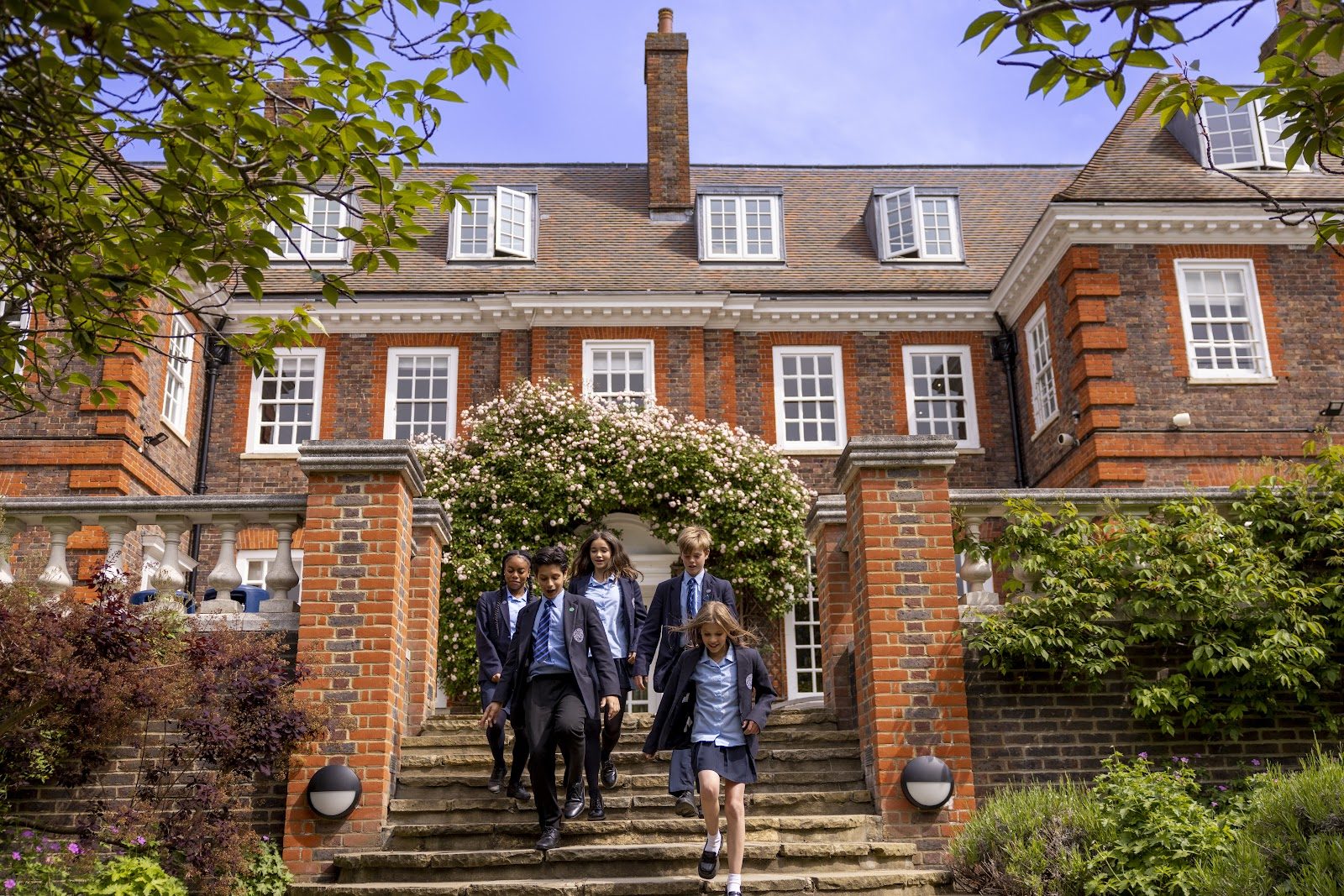
Ibstock Place School
London · United Kingdom
On the fringe of Richmond Park, a Froebel-founded day school has championed co-education since 1894.
Downe House School
Cold Ash · United Kingdom
Rooted in Charles Darwin's former home, now a 110-acre Berkshire estate where science thrives and Oxbridge ambition runs deep.
Same country and curriculum — closest matches within ±10 points either way