
Bangkok
An Ursuline all-girls campus off Ploenchit Road, where graduating classes carry sequential batch numbers dating to 1930.
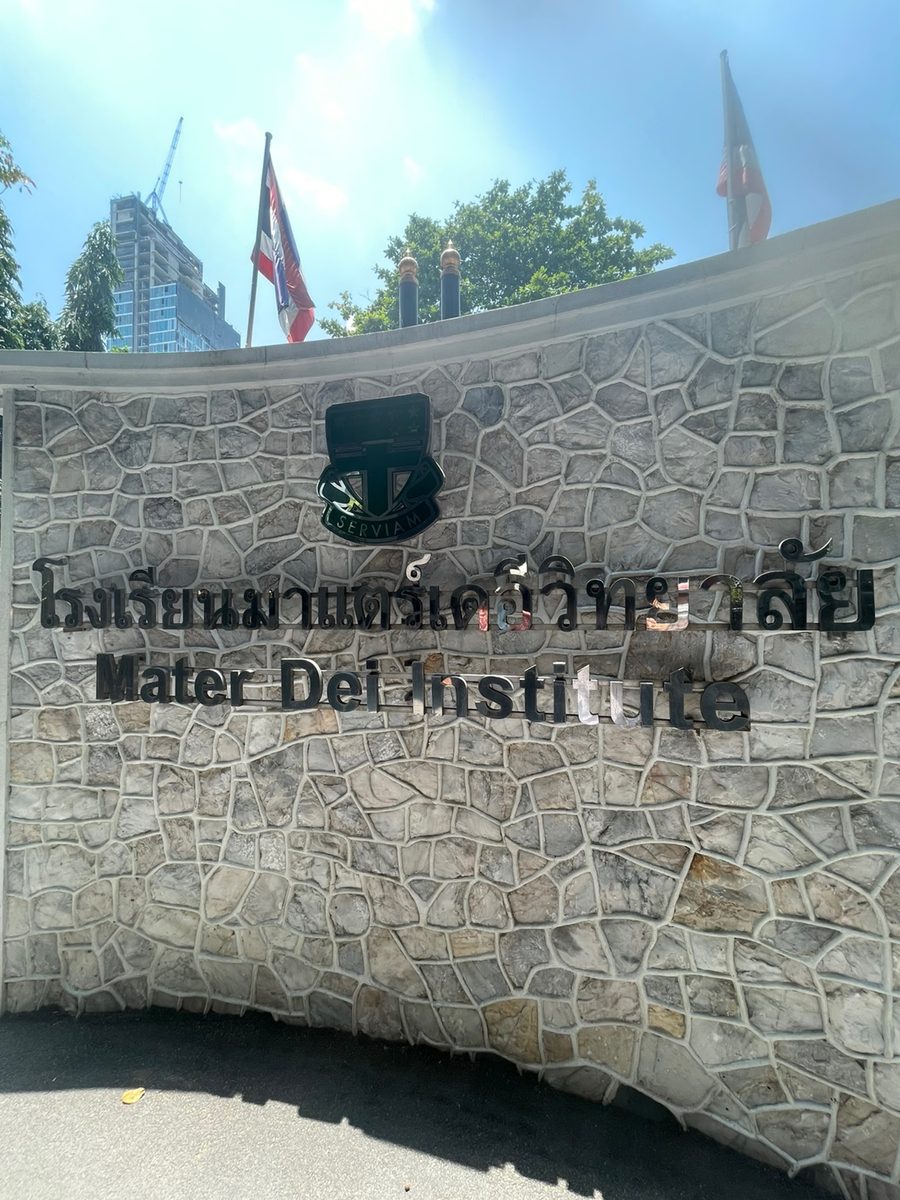
Photo © Jacq via Google Maps
Type
Day
Ages
12–18
Curriculum
Thai National
Qualifications
Thai Matthayom 6
Ratio
—
The Verdict
Editor's commitment
Right for
Girls aged 12–18 who want a Bangkok day school off Ploenchit Road, with Thai National curriculum and Thai-English instruction.
Wrong for
Families wanting co-education, boarding, or a faith-led school; Mater Dei is all-girls, day-only, and the context lists it as non-religious.
Watch out for
Founded in 1928, with graduating batch numbers running from 1930, it trades on continuity; the school does not publish wider academic detail here.
Ranking breakdown
Mater Dei School · #1285 of 1591
Composite score 56.1. 8 weighted criteria.
By criterion
Academic Outcomes
Weight 20%
#1223
of 1529 scored
University Placement
Weight 16%
#1227
of 1529 scored
Prestige & Heritage
Weight 12%
#552
of 1529 scored
Alumni Network
Weight 12%
#1250
of 1529 scored
Facilities
Weight 12%
#1386
of 1529 scored
Transparency & Communications
Weight 8%
#1511
of 1529 scored
Peer & Industry Review
Weight 10%
#1430
of 1529 scored
Admissions Selectivity & Demand
Weight 8%
#489
of 1529 scored
Peer & Industry Review
How Mater Dei School is regarded in the sector
55
Credible · medium confidence
Mater Dei is viewed domestically as one of Bangkok's most established Catholic girls' schools, spoken of in the same breath as Regina Coeli College, Saint Joseph Convent, and Assumption Convent rather than the international-curriculum schools that dominate outlets like WhichSchoolAdvisor or the Good Schools Guide, which do not profile it since it runs the Thai Ministry of Education curriculum. Its standing rests chiefly on long-run reputation among Bangkok's Catholic-school network and among alumnae now prominent in Thai business, government, and academia, a network frequently referenced in Thai-language press and alumni associations rather than English-language international education media. University-side regard is inferred mainly from consistent placement of graduates into Chulalongkorn University and Thammasat University, Thailand's top-ranked institutions, plus a smaller cohort pursuing overseas admission, though no independent admissions-officer commentary or formal league-table ranking specific to Mater Dei is publicly documented. Independent education press coverage is limited and largely local, focused on anniversaries, religious heritage, and community service rather than academic benchmarking, meaning its peer standing is best described as strong within Thailand's Catholic-school tier but largely unmeasured against international-school comparators.
Editors' overview
Mater Dei School occupies a distinct niche in Bangkok: a long-established girls’ day school in the Ploenchit area with deep local recognition and a clear sense of internal tradition. The detail that matters is not branding but continuity. Founded in 1928, the school has educated Bangkok girls for nearly a century, and its graduating classes carry sequential batch numbers dating to 1930. That gives Mater Dei something many newer schools cannot manufacture: institutional memory, a lived sense of tradition and a strong old-school identity. For families who want a Thai National curriculum in a girls-only setting, delivered in Thai and English, this is a serious option rather than a fashionable one.
Its market position is clear. Mater Dei sits outside the international-school arms race of imported curricula, vast campuses and heavy lifestyle marketing. It serves parents who want academic structure, a disciplined environment and a school culture shaped by longstanding expectations for conduct and effort. The central Bangkok location adds practical appeal for families living or working near Ploenchit, Chidlom and surrounding districts. The trade-off is plain: parents seeking an expansive international programme, boarding, or a school built around global university branding need to look elsewhere. Mater Dei belongs on a shortlist for families who value continuity over novelty, order over theatre and a campus culture with roots.
The right student for Mater Dei is a girl aged 12–18 who will thrive in a single-sex environment with established routines and a defined school identity. This suits students who prefer clear standards, close peer culture and the confidence that comes from belonging to a school with durable traditions. It will appeal less to girls who want a looser, more experimental sixth-form atmosphere or the sprawl of a large international campus. What is special here is not spectacle. It is stability, tradition with substance and a school name that carries weight in Bangkok social and educational circles.
Academic Performance
Mater Dei does not publish the hard data that would let parents judge academic performance with confidence. We have not seen aggregate national examination results, subject-by-subject score distributions, university placement data, or comparative value-added measures. That leaves the school academically opaque in the one area where clarity matters most. For a school with strong local name recognition and a long-established identity, that gap stands out. Families comparing it with Bangkok schools that release destination lists, top-score announcements or broader attainment data will find Mater Dei tight-lipped.
That does not mean weak outcomes; it means unverified outcomes. In the Thai system, reputation still carries weight, and Mater Dei benefits from a durable standing among established girls’ schools. But reputation is not the same as published performance. Relative to peers, the school sits in the camp of institutions whose academic standing rests on history, selectivity and social confidence rather than transparent reporting. For parents already plugged into Bangkok’s school networks, that may suffice. For parents who want hard proof before committing, it will not. The academic picture here is credible but unproven, and that is the plain editorial verdict.
Facilities
Mater Dei’s facilities profile is hard to assess because the school does not publish a clear campus overview, and we have not seen a reliable public inventory of specialist spaces. That matters. Parents can infer a compact, urban site rather than the sprawling sports-and-performing-arts complexes that define Bangkok’s heavyweight international campuses, but inference is not a substitute for disclosure. On that basis, Mater Dei sits behind better-documented peers. Families comparing schools at the premium end now expect floor plans, subject facilities, sports provision and evidence of recent capital investment. Mater Dei does not provide that level of visibility, which leaves its physical offering under-explained and editorially difficult to credit beyond the obvious fact of a long-established city campus.
Against peer schools, that places Mater Dei in the camp of institutions where *culture carries more of the load than infrastructure*. If you want Olympic-scale pools, black-box theatres, design labs and acres of outdoor space, look elsewhere. If you want a centrally located girls’ school whose appeal rests on routine, identity and a settled campus culture, the facilities question matters less — but it does not disappear. The absence of published detail is a real weakness. Strong schools do not need to oversell buildings, but they do need to show parents what students use every day. Here, the school asks families to trust the name. For hard-nosed parents, that is not enough.
Families comparing it with Bangkok schools that release destination lists, top-score announcements or broader attainment data will find Mater Dei tight-lipped
Prestige
Mater Dei carries real social and educational cachet in Bangkok, but it is a specific kind of prestige. This is not the prestige of glossy international-school branding, imported pathways or publicised global destinations. It is the prestige of an established girls’ school with a long alumni chain, recognisable name and entrenched place in the city’s upper-middle-class and old-established family networks. The batch numbering, running without interruption since 1930, matters because it signals continuity in a form families instantly understand: generations have passed through the same institution, and that creates old-guard credibility. In Bangkok terms, that still counts for a great deal.
We rate its prestige as high locally, limited internationally. Within Thai social circles, the name carries serious weight, especially for families who value discipline, female peer culture and a school identity shaped over decades rather than invented by marketers. Outside that context, the prestige weakens because the school does not publish the outcome data that turns reputation into evidence. That matters. A strong name opens doors socially; published results open doors academically. Mater Dei has the first in abundance. It does not offer the second with any public clarity. The result is reputation-rich but data-poor prestige: powerful inside its home market, less persuasive to families making a hard-nosed comparison across Bangkok’s wider school landscape.
Mater Dei’s uniqueness lies in that combination of female peer culture, central urban rootedness and a long internal memory that still shapes daily life
Communications
Mater Dei’s parent communication is old-school in the same way the school itself is old-school: functional inside an established community, less convincing for families who expect transparency as standard. The public-facing picture is thin. We have not seen a clear, detailed parent-information ecosystem with the basics laid out in one place: academic reporting rhythms, pastoral contacts, calendar depth, leadership access, or a strong archive of policies and day-to-day guidance. That matters because communication is not just about warmth; it is about whether parents can see how the school runs. Here, the external profile feels guarded, closed-loop and institution-led rather than parent-centred.
That does not mean families inside the school are poorly informed. In long-established local schools with a settled parent body, a great deal of communication travels through routine, custom and direct school-home channels rather than polished public documentation. Parents already fluent in that culture will cope well. Newcomers, internationally mobile families, and parents making a comparison across schools will find Mater Dei hard to read. The weakness is not noise but opacity: the school does not publish enough for outsiders to judge whether communication is prompt, detailed and consistent. Our verdict: effective for families already in the fold, underpowered for those who need clarity before enrolment.
Uniqueness
What sets Mater Dei apart is not innovation, scale or global packaging. It is institutional continuity made visible. The school turns history into a daily organising principle through its sequential graduating batch numbers, running from 1930 onward. That sounds like a small detail; it is not. It gives students a clear sense that they join an existing line rather than a newly assembled brand. In practical terms, that can sharpen belonging, reinforce behavioural norms and strengthen loyalty to the school beyond the classroom. Few Bangkok schools carry that kind of old-guard self-possession in such a concrete form.
The all-girls setting also matters here because it sits inside a culture with settled expectations rather than a fashionable empowerment script. For the right student, that brings focus: fewer distractions from co-educational social theatre, a strong peer identity, and a school environment where girls occupy every leadership, academic and extracurricular space by default. The benefit is clarity of culture. The cost is plain as well: students who want a more mixed, fluid or experimental atmosphere will find the environment tradition-bound. Mater Dei’s uniqueness lies in that combination of female peer culture, central urban rootedness and a long internal memory that still shapes daily life.
Mater Dei School occupies a distinct niche in Bangkok: a long-established girls’ day school in the Ploenchit area with deep local recognition and a clear sense of internal tradition
Student Profile
The girl who fits Mater Dei best is comfortable inside a structured, tradition-bound culture and does not need a school to flatter her with endless choice. She will cope well with rules, uniforms of thought as well as dress, and a peer environment where standards of conduct carry social force. This suits students who like clear boundaries, stable friendship groups and a strong sense of belonging to something larger than themselves. It does not suit girls who want to negotiate every expectation, test adult limits daily or treat school as a lifestyle platform. The age range — 12–18 — matters here because this is a full adolescent journey in one institutional culture, not a brief senior-school stopover with space to reinvent yourself halfway through.
Socially, the school will reward girls who are self-possessed, respectful and able to work within a defined hierarchy without constant friction. Families who value polish, discipline and a recognisable code of behaviour will find that attractive. Girls who thrive in mixed-gender settings, crave a more free-form atmosphere or want a campus built around public self-expression will find the fit tight. Mater Dei’s student profile is not broad by design. It favours pupils who take reassurance from routine, absorb the school’s inherited norms and are content in an environment that asks for conformity before individuality. For the right student, that brings security and confidence. For the wrong one, it feels constraining.
Founded in 1928, the school has educated Bangkok girls for nearly a century, and its graduating classes carry sequential batch numbers dating to 1930
Co-curricular strengths
Arts & sport, on a separate axis
Overall 7.32/10
Scored 0-10 from the school's own published evidence. This axis is editorial-only — it does not feed the main WTS ranking.
Sports
7.2/10
Drama
6.8/10
Dance
8/10
Music
7.6/10
Visual Arts
7/10
Strengths
- +Founded in 1928 and run continuously by the Ursuline Sisters, making it one of Bangkok's oldest and most established Catholic girls' schools.
- +Central Pathumwan location on Ploenchit Road, directly beneath the Chit Lom BTS Skytrain station, giving strong transport access for Bangkok day families.
- +Historic royal connection: two future Kings of Thailand, Ananda Mahidol and Bhumibol Adulyadej, were educated at the school when it briefly admitted young boys.
- +Sizeable, verdant campus of roughly six acres with dedicated facilities including a chapel, library, science and computer labs, gymnasium and auditorium.
- +Long-standing emphasis on language teaching, having taught English and French alongside Thai from an early stage in its curriculum history.
Considerations
- −All-girls institution beyond the earliest years, so it is not a long-term option for families with sons past kindergarten to Primary 2.
- −Operates under the Thai National Curriculum with Thai as the primary language of instruction, which can be demanding for children without existing Thai fluency.
- −No official English-language website, making remote research, admissions enquiries and communication harder for internationally relocating families.
- −As a historically prestigious, high-demand school largely serving Thai national families, publicly available data on fees, class sizes and current academic outcomes is limited.
Availability
Primary entry gate & tests
Entrance Exam (Girls)
Gallery
Photo © krissadee sitthibutr via Google Maps
Photo © หมีใหญ่ ใจดี via Google Maps
Photo © TeeBiBi via Google Maps
Photo © Army S via Google Maps
Photo © ช่างขัดพื้นไม้ไร้ฝุ่น ทําสีพื้นไม้ปาร์เก้ ซ่อมพื้นไม้ปลวกกิน พื้นไม้ทุกชนิด (ปูพื้นไม้ ปูปาร์เก้ พื้นไม้ทุกชนิด) via Google Maps
Photo © Leo Academicus via Google Maps
Photo © Aey SrirathSomsawat via Google Maps
Parent reviews
Have you sent your child here?
Voice reviews carry the strongest trust badge — we transcribe them for you to tidy up before they go live. Prefer to type? A written review is fine too.
Add your voice
In 60 seconds, tell other parents: what's the best thing about Mater Dei School, and what surprised you when your child joined?
We ask for a Google sign-in so every review has a real face behind it — no anonymous drive-by attacks on schools, and no faked positive reviews. Your email is never shown publicly.
Send this profile to a friend
International parents rely on word-of-mouth. Share this review with someone weighing the same decision.
Schools with places
Similar schools to Mater Dei School with places available now.
NIST International School
Bangkok · Thailand
- 2026-27
- WAITPOOLSpace-dependent
- 2027-28
- PLACES OPENRolling
Shrewsbury International School Bangkok
Bangkok · Thailand
- 2026-27
- WAITPOOLSpace-dependent
- 2027-28
- PLACES OPENRolling
International School Bangkok
Bangkok · Thailand
- 2026-27
- WAITPOOLSpace-dependent
- 2027-28
- OPENS SOONOpens Sept '26
Availability first, then country, area, curriculum, price, co-curricular
Consider also
Also worth looking at alongside Mater Dei School.
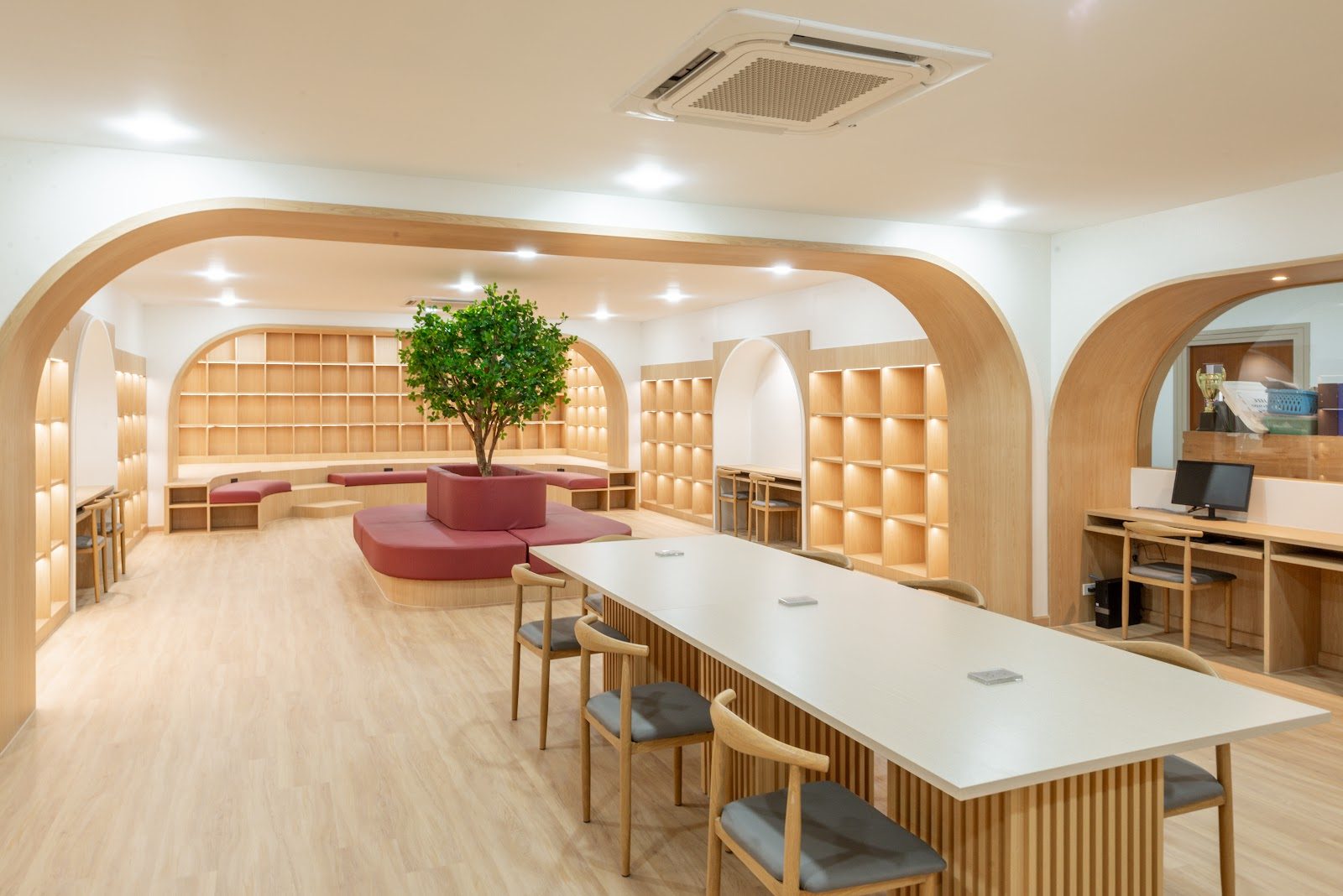
Regents International School Bangkok
Bangkok · Thailand
British curriculum through IGCSE gives way to the IB Diploma at Sixth Form, a pairing rare among Bangkok's boarding schools.
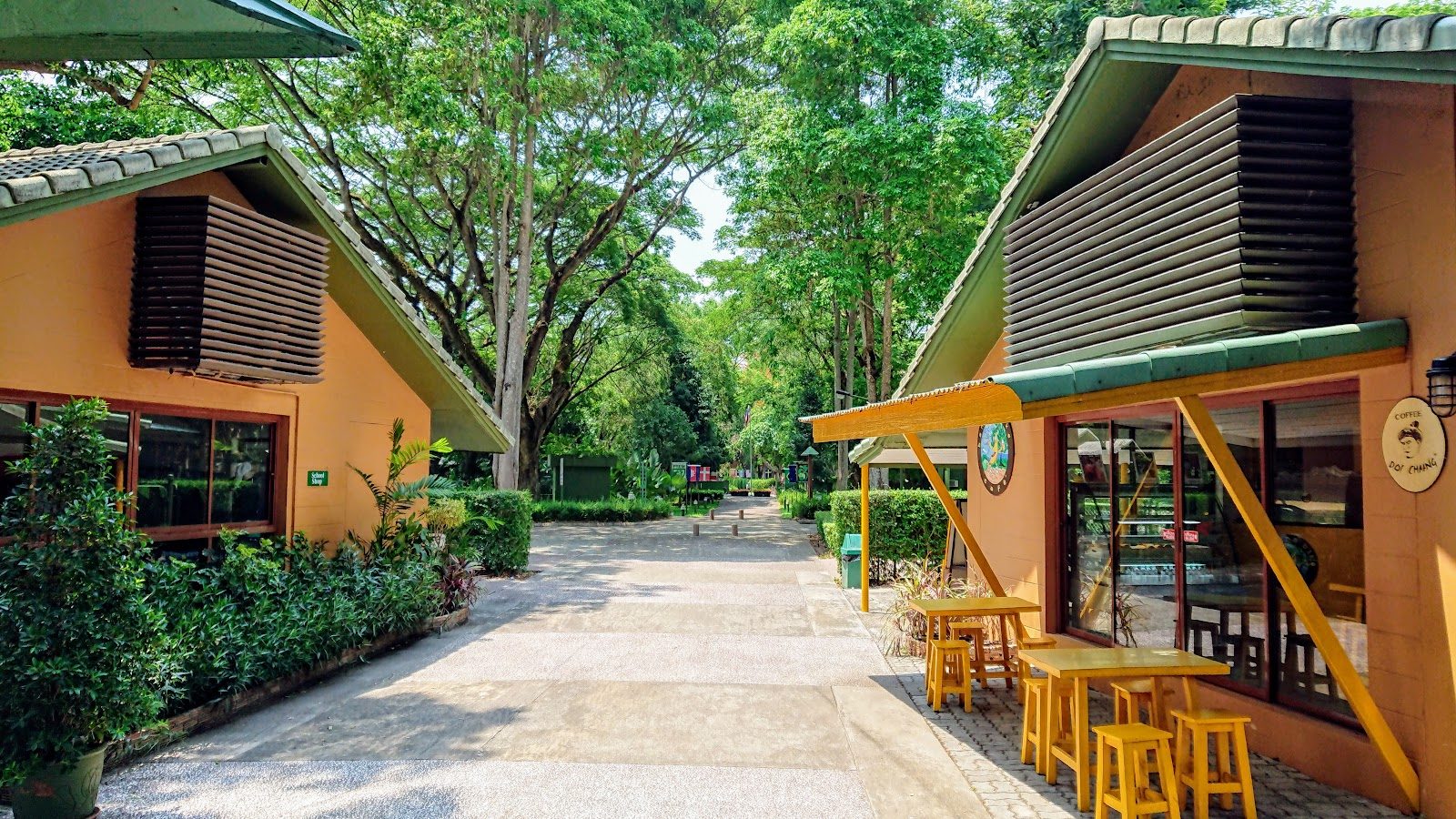
Prem Tinsulanonda International School
Chiang Mai · Thailand
On a 100-acre farm and forest campus in the Mae Rim foothills, the first school in Southeast Asia to run all four IB programmes
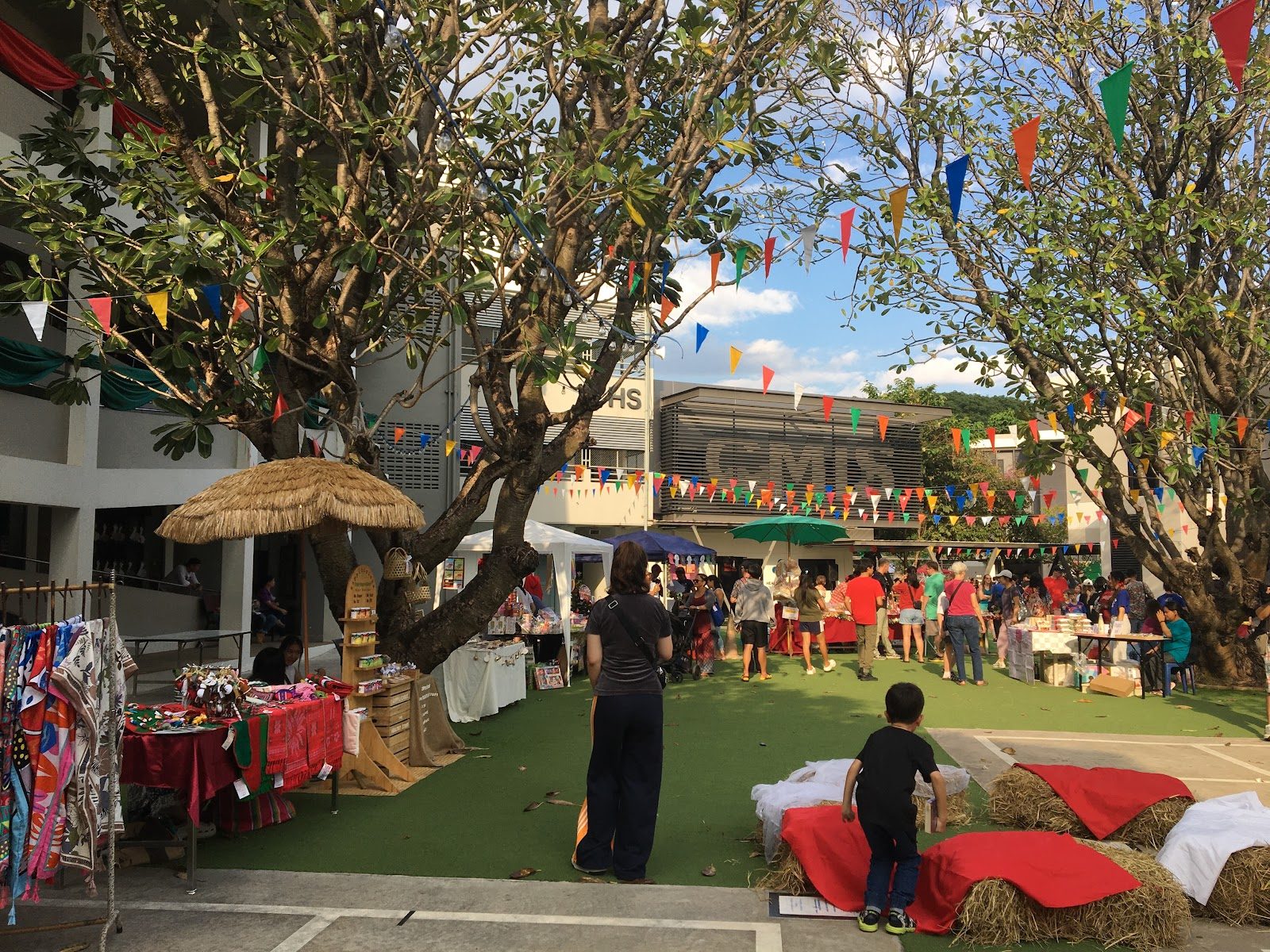
Chiang Mai International School
Chiang Mai · Thailand
Founded by returning missionaries in 1954, this Ping River campus was Thailand's first international school outside Bangkok.
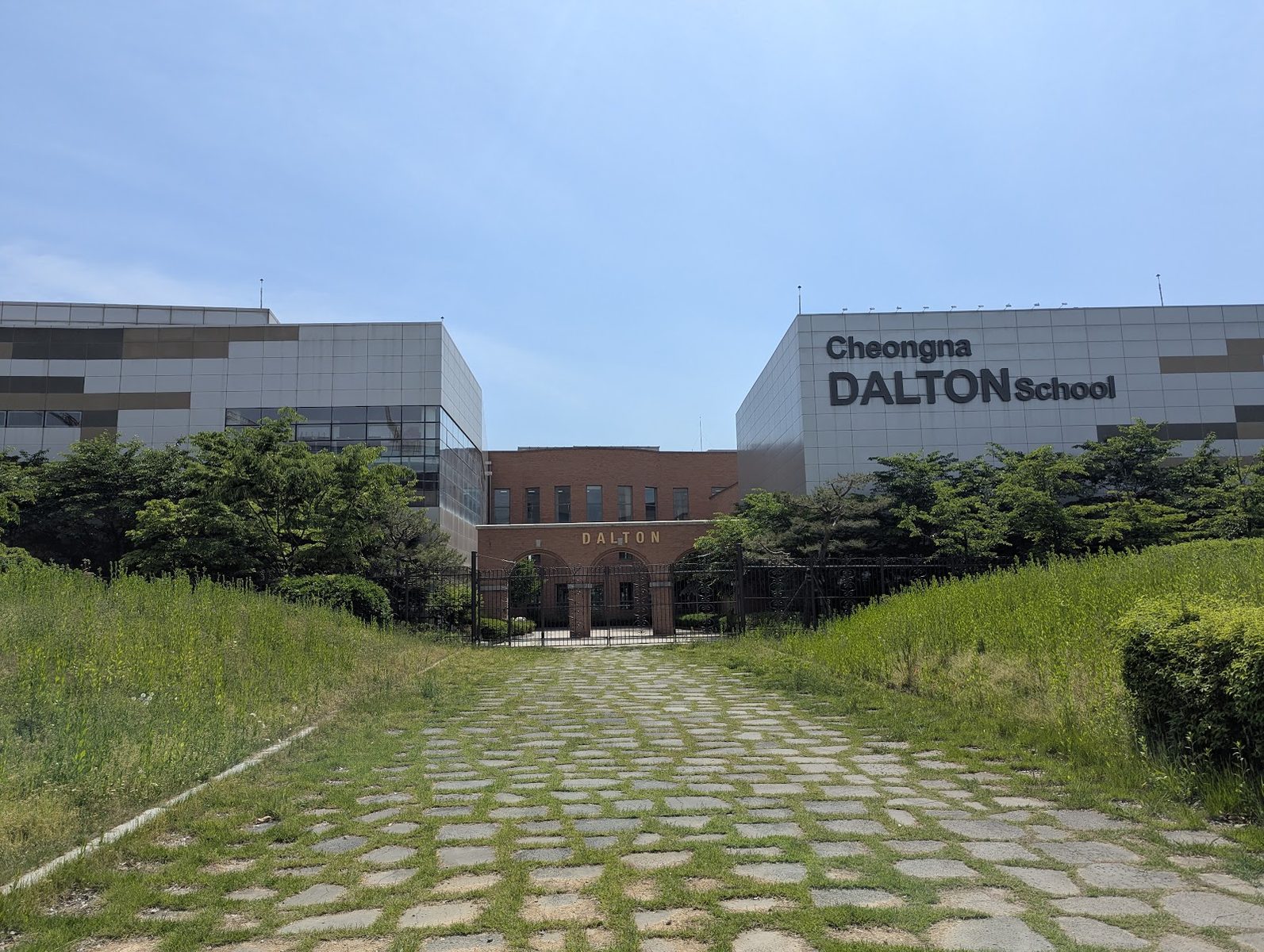
Cheongna Dalton School
Incheon · South Korea
Inside Incheon's Free Economic Zone, a Dalton Plan campus pairs House-Assignment-Laboratory pedagogy with its own equestrian field.
Same country and curriculum — closest matches within ±10 points either way