
São Paulo
Colégio Santa Cruz
Founded by Canadian Holy Cross priests, this Alto de Pinheiros campus traded verticality for gardens and a humanist, critically minded curriculum.
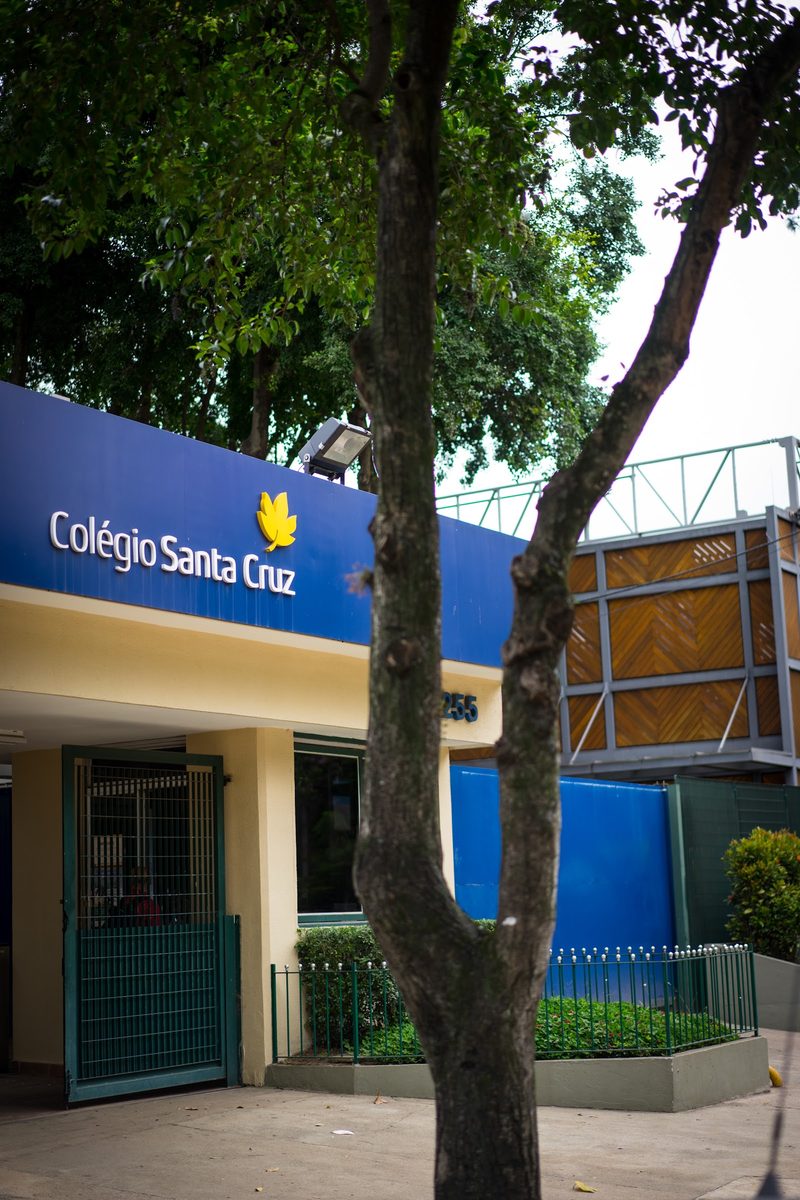
Photo © Alexandre Suplicy via Google Maps
Type
Day
Ages
6–18
Curriculum
Brazilian
Qualifications
ENEM · Brazilian national curriculum
Ratio
—
The Verdict
Editor's commitment
Right for
Families in São Paulo wanting a 1952 Catholic day school, ages 6–18, with Brazilian curriculum and teaching in Portuguese, English and French.
Wrong for
Parents seeking boarding, a non-religious ethos, or an international curriculum beyond the Brazilian programme at this Alto de Pinheiros campus.
Watch out for
The school does not publish headline academic outcomes here; for a 1952 São Paulo name, that opacity matters before paying for ages 6–18.
Ranking breakdown
Colégio Santa Cruz · #839 of 1591
Composite score 64.6. 8 weighted criteria.
By criterion
Academic Outcomes
Weight 20%
#668
of 1529 scored
University Placement
Weight 16%
#398
of 1529 scored
Prestige & Heritage
Weight 12%
#446
of 1571 scored
Alumni Network
Weight 12%
#785
of 1530 scored
Facilities
Weight 12%
#1333
of 1533 scored
Transparency & Communications
Weight 8%
#1326
of 1532 scored
Peer & Industry Review
Weight 10%
#645
of 1548 scored
Admissions Selectivity & Demand
Weight 8%
#400
of 1529 scored
Peer & Industry Review
How Colégio Santa Cruz is regarded in the sector
68
Respected · medium confidence
Colegio Santa Cruz is consistently named alongside Bandeirantes, Santo Americo and Dante Alighieri as one of Sao Paulo's most academically serious private schools, a reputation built on its Jesuit-rooted, humanist pedagogical model rather than marketing. Brazilian outlets such as Guia da Folha and Veja Sao Paulo school rankings routinely place it in the top tier for vestibular and ENEM results, with strong placement into USP, UNICAMP and FGV, the benchmark measure Brazilian families and admissions counselors use in lieu of UK/US-style league tables. Within educator circles it is frequently cited as a reference for project-based, non-vestibular-driven teaching, and its faculty are regular presenters at Brazilian pedagogical forums (ANEC, private-school associations) discussing curriculum innovation. International perception is thinner than for Anglophone international schools, since Santa Cruz's Portuguese-medium, nationally focused curriculum draws less coverage from global outlets like WhichSchoolAdvisor or Good Schools Guide, which concentrate on IB/British-curriculum schools. Its standing is therefore strongest domestically: a school peers respect for pedagogical integrity and consistent university placement, rather than one with a high international media profile.
Editors' overview
Colégio Santa Cruz occupies a distinctive niche in São Paulo: an old Catholic school with intellectual self-respect, a serious campus and none of the glossy international-school theatrics. Founded in 1952 by Canadian Holy Cross priests, it sits in Alto de Pinheiros and has built its reputation on a Brazilian curriculum taught in Portuguese, English and French, from ages 6–18. The appeal starts with the physical proposition. In a city where many strong schools stack pupils into towers, Santa Cruz offers gardens, space and a campus that reads as a place of study rather than throughput. That matters. Children spend years inside a school’s architecture, and Santa Cruz gives them room to think, move and grow without the claustrophobic grind that marks so many urban campuses.
What sets it apart is the blend of Catholic foundation and humanist ambition. This is not a school for parents chasing an imported badge or an airport-lounge version of education. It is for families who want Brazilian schooling with intellectual range, strong language teaching and a culture that treats ideas seriously. The school’s public face points to regular academic, cultural and project-based work across the years, including activity in English and socially conscious initiatives. That fits the long-standing Santa Cruz reputation: moral seriousness, critical intelligence and an expectation that students engage with the world beyond exams. Parents who want pure hot-housing may find sharper, narrower machines elsewhere. Santa Cruz offers something better balanced and more durable.
Its market position is therefore clear. This is one of São Paulo’s established premium day schools for families who value cultural capital as much as raw competition. The Catholic identity is real, but it sits alongside an education that aims to produce articulate, informed and self-possessed young adults. The trilingual dimension — Portuguese, English and French — strengthens that offer, not as decorative branding but as part of a broader academic formation. For the right child, that creates quiet confidence, intellectual breadth and a stronger sense of proportion than schools built around relentless performative achievement.
The pupil who thrives here is curious, verbally able and receptive to discussion, reading and reflection. Santa Cruz suits students who like structure but do not want an arid, transactional school life. It will suit families who value tradition, civility and substance, and who want their children educated in a community with deep roots rather than a manufactured “global” identity. It belongs on a shortlist because it offers a rare combination in São Paulo: academic seriousness, a credible moral framework and a campus life with real breathing space.
Academic Performance
Academic performance is the weak point in Santa Cruz’s public profile. The school does not publish aggregate outcomes for ENEM, vestibular approvals, national league-table positions or any other external benchmark that would let parents place it cleanly against São Paulo’s most exam-driven competitors. That matters. In this market, schools with hard-edged academic ambition put results front and centre. Santa Cruz does not. The public-facing news stream highlights class projects, language work and events; it does not foreground scorecards. That does not prove weak attainment, but it does leave real opacity where families need precision.
Relative to peers, Santa Cruz sits in the group of established premium schools whose reputation rests on long-term intellectual formation rather than public exam chest-beating. For some families, that is a serious virtue: it signals confidence, breadth and resistance to the coaching-factory model. For others, it is a problem. If your shortlist depends on published approval rates into the most selective Brazilian universities, comparative ENEM data or a clear record in external examinations, Santa Cruz gives you too little to work with. The school’s standing in São Paulo remains strong but under-evidenced in published metrics. Parents interested in sixth form outcomes need to ask for concrete destination data, university admissions patterns and any school-level exam summaries before treating reputation as proof.
Facilities
The campus is the main facilities asset. In a dense city market full of schools forced into vertical compromises, Santa Cruz offers something peers covet and few match: real horizontal space, gardens and room for pupils to circulate without the institutional crush that blights many premium urban campuses. That changes the daily experience. Breaks do not feel like managed congestion, and movement between classes does not carry the tired choreography of lifts, stairwells and bottlenecks. For families who care about how children actually live through a school day, this is a serious competitive advantage. The public site also points to an active rhythm of school life beyond lessons, with project work, events and language activity that imply facilities used for more than simple classroom throughput.
What Santa Cruz does not do is publish a clean, detailed facilities inventory. We have not seen the kind of granular disclosure that top schools now use to reassure parents: dedicated performing arts venues, high-spec sports provision, specialist labs, design spaces or quantified campus capacity. That leaves an odd gap for a school of this standing. Against peers, then, the verdict splits in two. On setting, circulation and the civilised physical feel of the place, Santa Cruz is ahead of many urban rivals. On published specificity, it is behind. Parents who need proof of elite-level specialist provision need to ask direct questions and insist on a full campus tour.
Colégio Santa Cruz occupies a distinctive niche in São Paulo: an old Catholic school with intellectual self-respect, a serious campus and none of the glossy international-school theatrics
Prestige
Santa Cruz carries real prestige in São Paulo, but not the splashy kind. Its status rests on age, social recognition and a reputation for producing articulate, well-schooled adults rather than on public scoreboards. Among Brazilian day schools, that matters. This is a name that signals old institutional confidence and cultural seriousness, with a parent body that values education as formation, not just university placement strategy. The campus strengthens that standing. Space, gardens and a settled physical environment confer the sort of quiet social authority that newer urban schools struggle to fake. The Catholic foundation adds another layer: not novelty, not trend, but continuity, discipline and a clear moral frame.
The rating stops short of the very top tier because the school leaves too much unproved in public. Prestige built on history and reputation still needs academic transparency. Santa Cruz does not publish the hard comparative data that would let parents test its standing against the city’s most results-conscious rivals. That weakens its claim in a market where elite schools are judged, in part, by what their leavers secure next. Even so, for families who care about intellectual tone, social calibre and a school culture with substance over theatre, Santa Cruz remains a high-status choice. It has cachet with depth, not just brand gloss.
The rating stops short of the very top tier because the school leaves too much unproved in public
Communications
Santa Cruz’s parent communication is steady, school-led and more institutional than conversational. The public site functions as a rolling noticeboard: dated items, tagged by school section, with concise summaries and a clear route to fuller updates. That structure matters. Parents can see a living school calendar rather than a dead prospectus. Recent entries on class activity, a social-impact project and student celebrations show regular output across the school, with visible timestamps in 2026 and references to year groups such as 6º ano. Social channels are signposted prominently, which widens reach and suits families who want quick updates rather than hunting through log-ins and PDFs. The tone is orderly, plain and free of the hyperactive self-congratulation that clutters many school feeds.
Effective, yes, but with limits. Santa Cruz communicates the rhythm of school life well; it does not publish enough of the information that matters when parents want scrutiny rather than atmosphere. We have not seen public parent handbooks, governance detail, leadership messaging, complaints pathways, routine policy access or hard academic reporting in the public domain. That leaves communication strong on day-to-day visibility and thin on institutional transparency. For current families, the operational channels may work perfectly well behind the gate. For prospective parents, the external picture remains selective and controlled. You can tell what pupils did last week. You get far less help judging how the school explains decisions, reports outcomes or handles friction when problems arise.
Uniqueness
What distinguishes Santa Cruz is not a gimmick or imported school formula, but an older and harder thing to build: a culture that treats education as formation of mind and judgement. The Holy Cross inheritance matters here. It gives the school a moral centre without reducing school life to piety or brandable “values”. The result is a pupil experience with more intellectual gravity than at many premium schools chasing velocity, polish and university optics. The recent public examples are telling: English lessons built around personal narrative, and a project explicitly framed around knowledge generating consciousness. That points to a school that wants students to interpret, connect and examine, not just perform. In a crowded market, that is genuinely distinctive.
The other point of difference lies in atmosphere. Santa Cruz offers a less frantic, more civilised model of ambition: serious teaching, visible cultural life and room for students to develop a voice. That brings concrete benefits. Verbally strong children get a school that prizes language and discussion; reflective students get space to think before they speak; socially aware pupils get encouragement to connect classroom work with public life. The payoff is not only academic. It is adultness: students who carry themselves with proportion, read situations well and resist the shrill overproduction that marks too many status schools. For the right family, that is rare value.
What sets it apart is the blend of Catholic foundation and humanist ambition
Student Profile
The students who fit Santa Cruz best are intellectually engaged, verbally confident and comfortable in a school that values thought before display. This is not the right setting for children who need constant hype, heavy external validation or a narrow exam treadmill to stay motivated. It suits pupils who read willingly, speak up in class, handle discussion without grandstanding and can take genuine interest in ideas, culture and the world beyond themselves. The public examples matter here: work in English built around personal narrative, and a project framed around consciousness as well as knowledge. That points to a student body encouraged to connect learning with self-knowledge and public awareness, not just produce neat answers. The natural fit is a reflective, articulate child with some intellectual patience.
Socially, Santa Cruz will work best for families who value manners, seriousness and a degree of institutional discipline. Students who thrive in highly transactional environments, or who want a school life built around relentless competition, will find the tone too measured and the culture less performative than at some premium rivals. Children who need open space, calmer circulation and room to decompress during the day gain something real here; more restless pupils benefit from that too, provided they accept boundaries. The strongest fit is a young person with good internal ballast: curious, teachable, not allergic to structure, and able to grow in a community that prizes substance over noise.
This is not a school for parents chasing an imported badge or an airport-lounge version of education
Co-curricular strengths
Arts & sport, on a separate axis
Overall 8.2/10
Scored 0-10 from the school's own published evidence. This axis is editorial-only — it does not feed the main WTS ranking.
Sports
8.5/10
Drama
8/10
Dance
7.5/10
Music
8.5/10
Visual Arts
8.5/10
Strengths
- +Founded in 1952 by Canadian priests from the Congregation of Holy Cross, the school counts Chico Buarque, Fernando Meirelles, Candido Bracher, and Marcelo Rubens Paiva among its notable alumni.
- +The main campus, Campus Arruda in Alto de Pinheiros, spans 50,000 square metres and serves approximately 3,000 students across regular and technical/EJA courses.
- +It is a Catholic school that is pluralistic, open to students of all religions, and committed to diversity of ideas and respect for different opinions.
- +The school runs the Santa Plural program, under which Black and Indigenous applicants receive the same admissions priority normally reserved for siblings of enrolled students.
- +The institution has grown into a multi-campus operation (Campus Arruda, Campus Butantа, Campus Orobo) with a faculty of 626.
Considerations
- −In early 2025 the school suspended 34 high-school students after discovering a large WhatsApp group used for systematic cyberbullying containing racism, misogyny and homophobia, plus violent hazing rituals against incoming students, with four pupils later expelled.
- −In November 2025 the Sao Paulo Public Prosecutor's Office opened a formal inquiry into allegations of racism and bullying at the school, following complaints that pedagogical measures against a history of such incidents were inadequate.
- −Fees are substantial, with an average monthly tuition reported around R$4,180 as of 2023 figures, placing it among the pricier private options in the city.
- −New places open only at G4 (early years, via lottery), 6th grade and 1st year of Ensino Medio, with other grades filled solely from waiting lists as vacancies arise, limiting flexibility for families arriving mid-cycle.
Availability
Primary entry gate & tests
Entrance Exam
Gallery
Photo © Claudia “Cacau” Albuquerque via Google Maps
Photo © Claudia “Cacau” Albuquerque via Google Maps
Photo © Claudia “Cacau” Albuquerque via Google Maps
Photo © Descobertas via Google Maps
Photo © Descobertas via Google Maps
Photo © César Kiel via Google Maps
Photo © César Kiel via Google Maps
Parent reviews
Have you sent your child here?
Voice reviews carry the strongest trust badge — we transcribe them for you to tidy up before they go live. Prefer to type? A written review is fine too.
Add your voice
In 60 seconds, tell other parents: what's the best thing about Colégio Santa Cruz, and what surprised you when your child joined?
We ask for a Google sign-in so every review has a real face behind it — no anonymous drive-by attacks on schools, and no faked positive reviews. Your email is never shown publicly.
Send this profile to a friend
International parents rely on word-of-mouth. Share this review with someone weighing the same decision.
Schools with places
Similar schools to Colégio Santa Cruz with places available now.
Graded - The American School of São Paulo
São Paulo · Brazil
- 2026-27
- WAITPOOLGrade-specific
- 2027-28
- PLACES OPENLocal Oct 2; Intl relocators now
St. Paul's School
São Paulo · Brazil
- 2026-27
- WAITPOOLVacancy-dependent
- 2027-28
- PLACES OPENNursery Active; Others available
Availability first, then country, area, curriculum, price, co-curricular
Consider also
Also worth looking at alongside Colégio Santa Cruz.
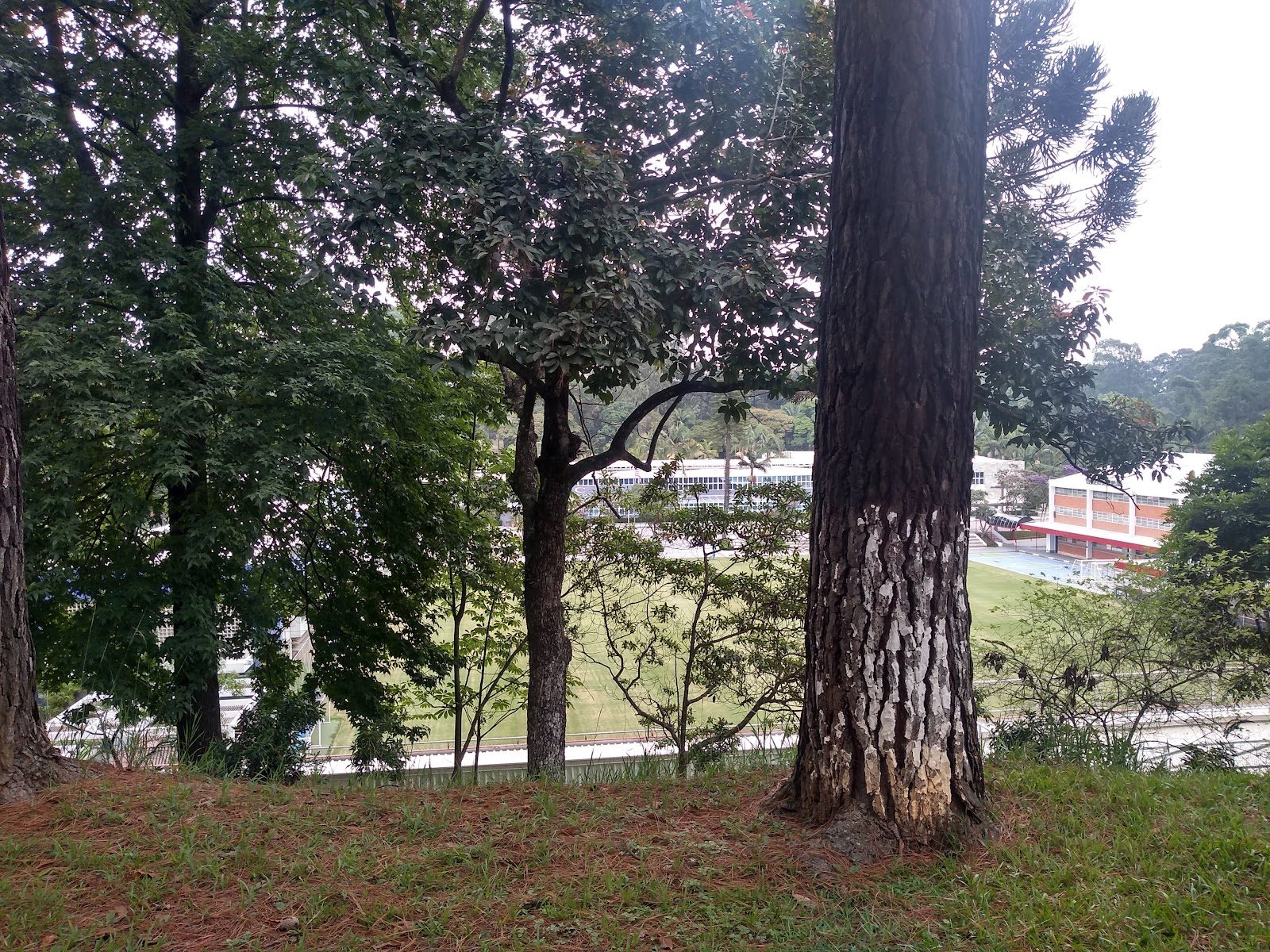
Chapel School
São Paulo · Brazil
Founded in 1947 by Oblate priests for American Catholic families, this Sao Paulo day school runs American, Brazilian and IB diplomas side by side.
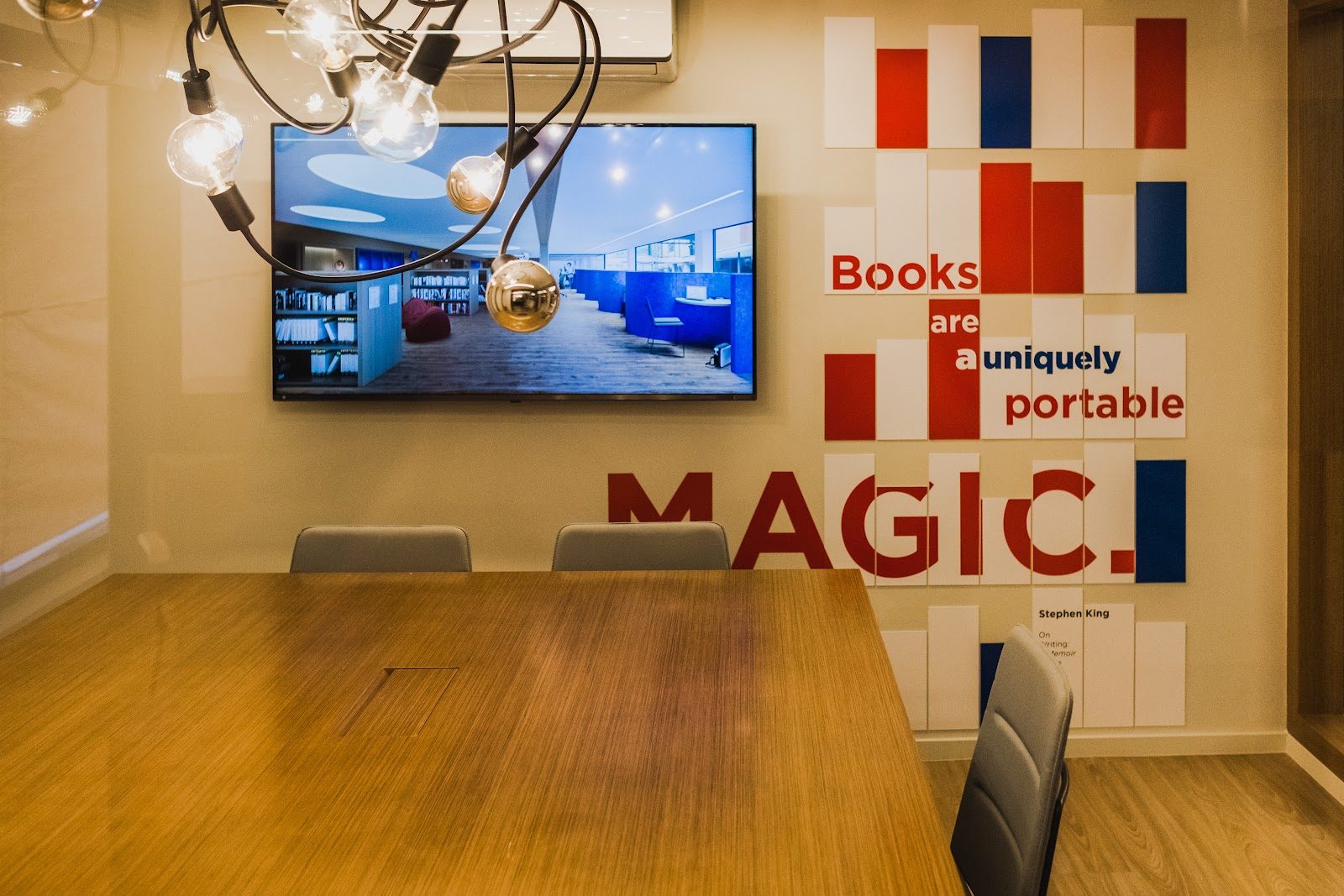
Graded - The American School of São Paulo
São Paulo · Brazil
Born in 1920 as a corporate venture of Citibank, Ford and GE, this Morumbi campus still sends seniors off with three diplomas at once.
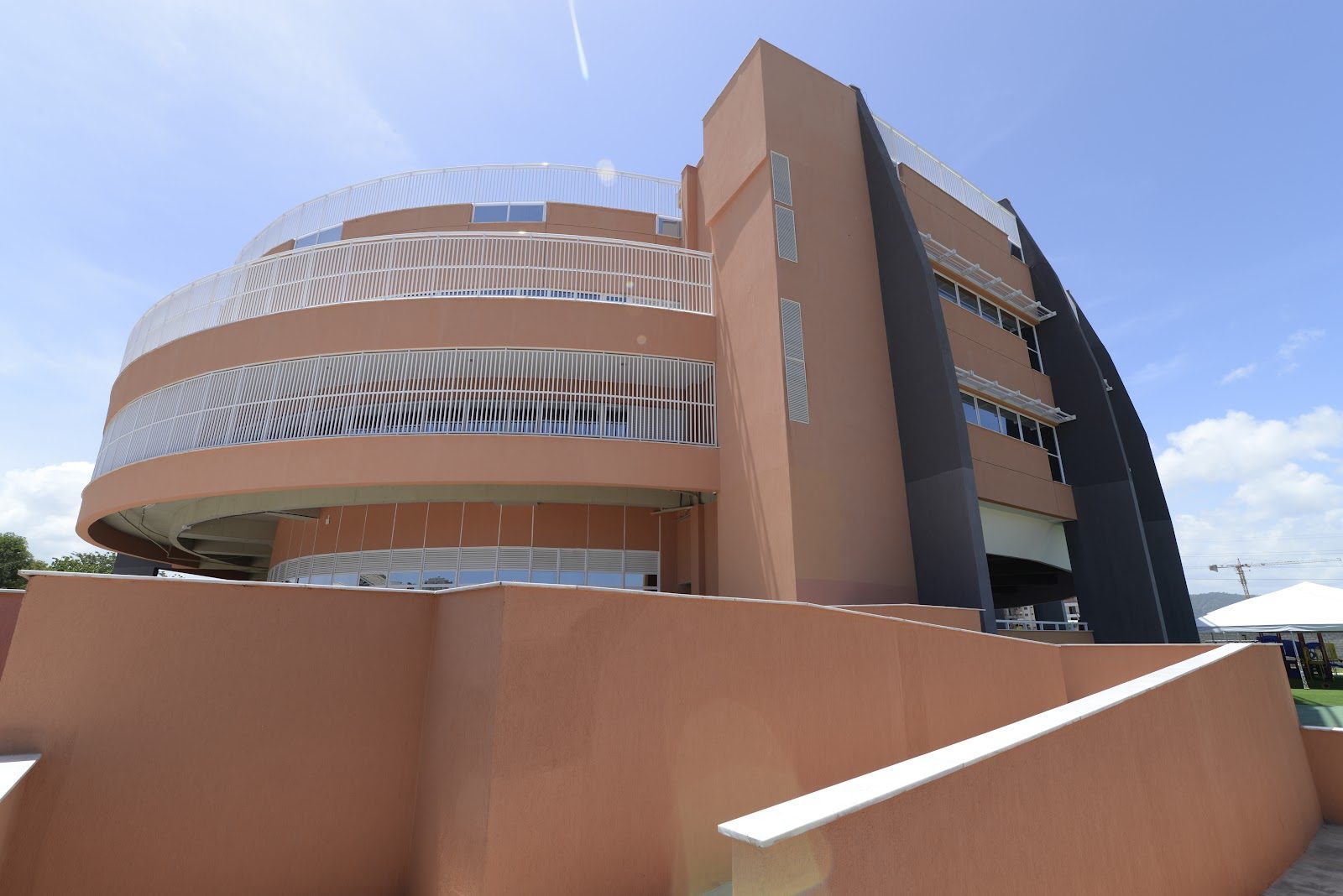
Escola Americana do Rio de Janeiro
Rio de Janeiro · Brazil
Perched at the edge of Tijuca National Forest with Christ the Redeemer in view, a 1937 campus layers IB, American and Brazilian diplomas.
Head-Royce School
Oakland · United States
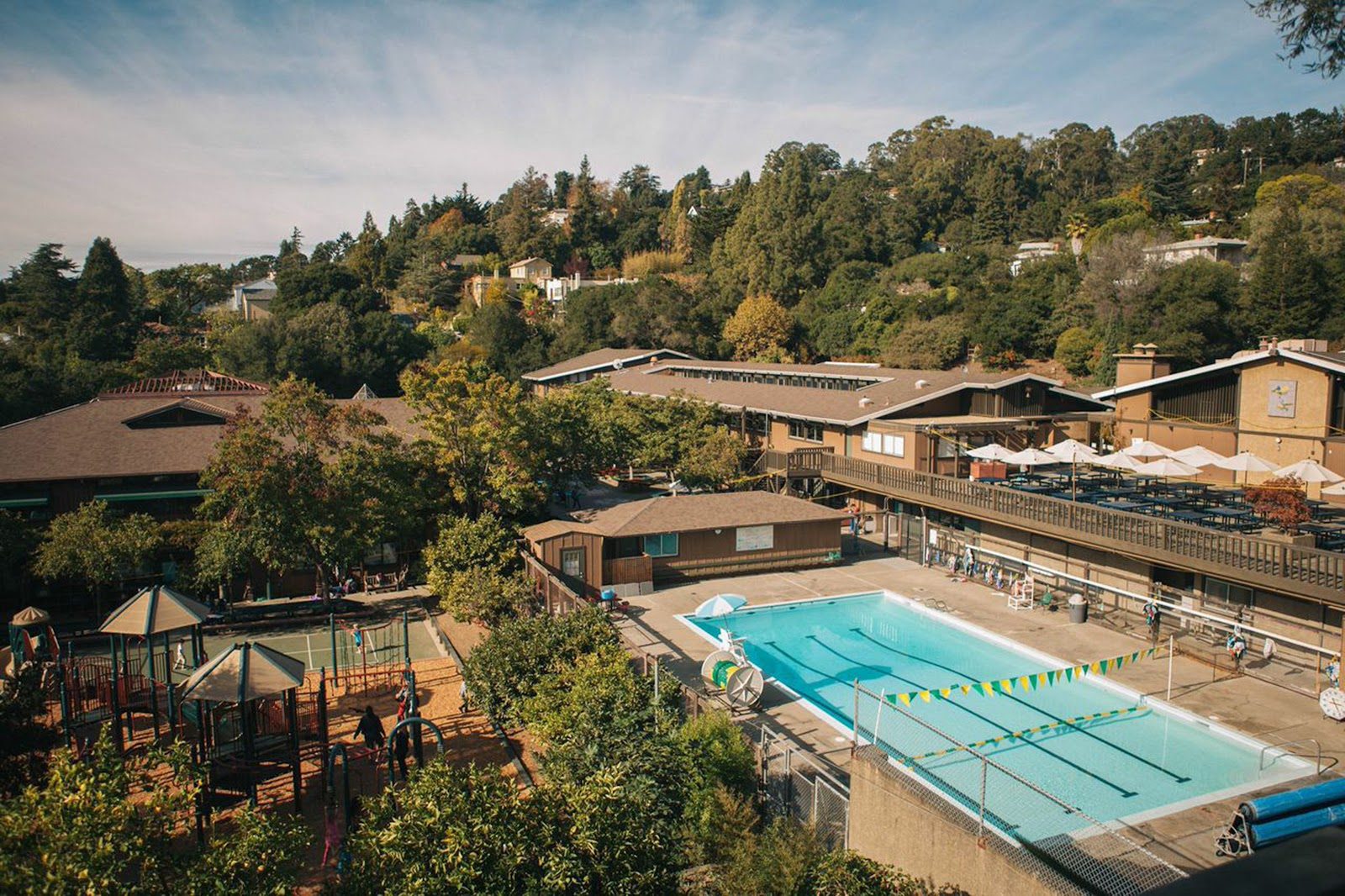
Since 1887 on a wooded Oakland hills campus, pairing rigorous scholarship with a decades-old public-school partnership that opens college doors for first-generation students
Same country and curriculum — closest matches within ±10 points either way