
Missouri
Mary Institute and Saint Louis Country Day School
An 1859 lineage tied to Washington University's founder still shapes a coordinate, single-sex middle school on this suburban Ladue campus.
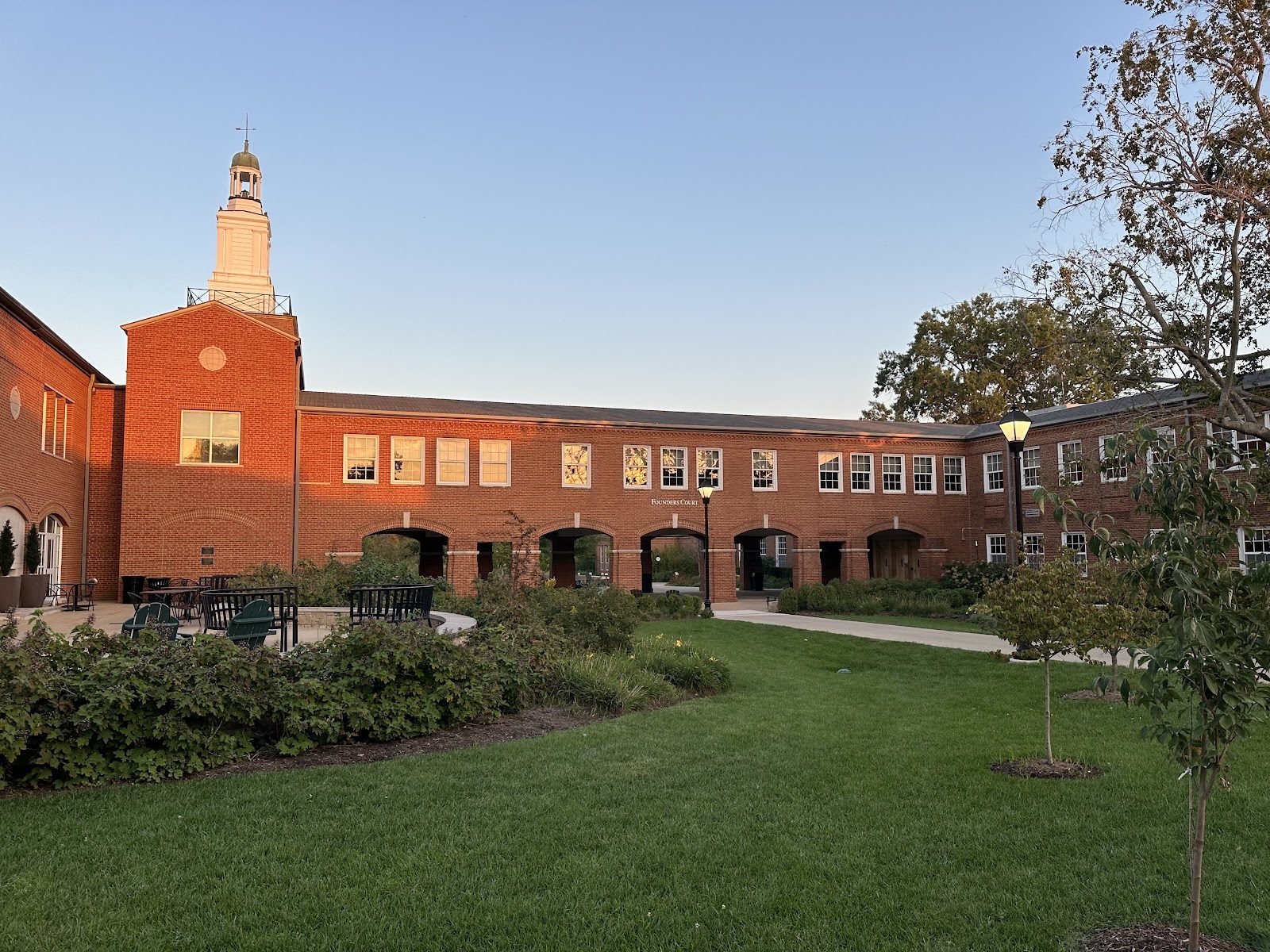
Photo © Juan Miguel Artigas Azas via Google Maps
Type
Day
Ages
3–18
Curriculum
American
Qualifications
AP
Ratio
1:8
The Verdict
Editor's commitment
Right for
Families wanting a secular American day school in Ladue with ages 3–18, a 1:8 ratio and NAIS, ISACS accreditation.
Wrong for
Parents after boarding, religious formation or a single-sex model throughout; MICDS is co-educational, non-religious and day-only despite its lineage.
Watch out for
The average annual fee is $33,188, and a 1,250-student, 110-acre campus can feel substantial for a child needing tighter daily containment.
Ranking breakdown
Mary Institute and Saint Louis Country Day School · #1035 of 1591
Composite score 59.9. 8 weighted criteria.
By criterion
Academic Outcomes
Weight 20%
#791
of 1529 scored
University Placement
Weight 16%
#736
of 1529 scored
Prestige & Heritage
Weight 12%
#845
of 1571 scored
Alumni Network
Weight 12%
#1249
of 1530 scored
Facilities
Weight 12%
#395
of 1534 scored
Transparency & Communications
Weight 8%
#1021
of 1532 scored
Peer & Industry Review
Weight 10%
#1352
of 1548 scored
Admissions Selectivity & Demand
Weight 8%
#686
of 1529 scored
Peer & Industry Review
How Mary Institute and Saint Louis Country Day School is regarded in the sector
61
Respected · medium confidence
Within the St. Louis independent-school landscape, MICDS is consistently ranked alongside John Burroughs School and Whitfield School as one of the region's top three college-preparatory institutions, a grouping regularly referenced in local admissions circles and St. Louis Post-Dispatch coverage of private education. It holds NAIS and ISACS accreditation and is a member of the Cum Laude Society, signaling peer recognition among accredited independent schools nationally. Its published college matriculation lists show consistent placement at selective US universities (Washington University in St. Louis, Vanderbilt, Northwestern, and Ivy League schools), which admissions offices in the Midwest treat as a credible feeder pipeline. Unlike UK-focused bodies such as Good Schools Guide or WhichSchoolAdvisor, which do not cover US day schools, MICDS's reputation is built through NAIS conference participation, regional headmaster associations, and National Merit Scholar counts publicized annually. Independent education press attention is largely local/regional rather than national league-table driven, reflecting the decentralized nature of US private-school ranking versus UK or international peer benchmarking systems.
- Jack Dorsey — Co-founder and CEO, Twitter/Square/Block
- John C. Danforth — U.S. Senator and Ambassador, Politics
- Charles Guggenheim — Documentary Filmmaker, Film
Editors' overview
Mary Institute and Saint Louis Country Day School occupies a rare position in St Louis: a long-established independent day school with real scale, a 110-acre campus, and a through-school structure from age 3 to 18. Its 1859 lineage matters. This is not a start-up with borrowed prestige; it sits inside the city’s old independent-school tradition and carries the expectations that go with it. The academic offer is American, the setting is non-religious, and the school’s public language is direct: challenge, excellence, responsibility, compassion. The published 1:8 student–teacher ratio points to serious staffing depth. For parents, the attraction is clear: high expectations, institutional confidence, and a campus large enough to support genuine breadth in academics, arts and sport rather than token provision.
What distinguishes MICDS is the combination of co-education overall with a coordinate, single-sex middle school structure. That is a specific model, and families either value it or they do not. At its best, it gives adolescent boys and girls room to work through the middle years in an environment tailored to that stage, without losing the advantages of a co-educational school before and after. Add a student body of about 1,250 and you get critical mass: enough pupils to sustain strong programming, but not a system so large that pupils vanish into it. The school also trades on culture as much as facilities. Its own messaging stresses character alongside performance, and that matters because many academically ambitious schools talk about outcomes while neglecting conduct. MICDS keeps both in view: competitive energy, serious pastoral intent, visible school spirit.
This belongs on a shortlist for families who want a full-spectrum American independent education without a religious frame, and who want more than a narrow academic hothouse. The campus and scale support students who want to combine strong classroom work with sport, theatre, music, clubs and leadership. It suits children who are ready for structure, who respond to adults who push, and who benefit from peers with drive. It is less suited to families seeking a progressive, low-pressure atmosphere or a small, eccentric school where every convention gets questioned. MICDS is for students who thrive on clear standards, enjoy being busy, and want a school that expects them to contribute as well as achieve.
Academic Performance
MICDS does not publish the examination data a hard-nosed parent wants most: aggregate AP results, SAT or ACT averages, National Merit counts, university matriculation patterns by cohort, or any comparative profile against peer independents. That is a real gap. For a school with this level of ambition and scale, public academic transparency matters. Without it, no reviewer can place MICDS precisely in the results hierarchy of selective American independents. The school’s own language points to high expectations and a student-centred academic environment, but those are inputs, not outcomes. In performance terms, the public record is opaque.
Relative to peers, that leaves MICDS in a familiar category: a well-established independent school that projects confidence but asks families to trust private admissions conversations for proof of academic yield. Some parents will accept that; exacting families should ask for multi-year AP distributions, standardised testing averages, advanced course uptake, college destinations, and how many pupils reach the most selective universities each year. Until those figures are published, MICDS sits in the group of schools with serious academic intent but insufficient public evidence to verify where it stands against the strongest day schools nationally. That does not mean weak outcomes. It means the school has chosen not to disclose the data that would prove them.
Facilities
The campus is the headline facility. At 110 acres, MICDS has the physical room that many urban and inner-suburban independents lack, and that changes the offer in practical ways: proper athletics provision, dedicated arts space, and enough academic accommodation to avoid the cramped, improvised feel common at older day schools boxed into tight sites. The school’s public messaging gives equal weight to academics, athletics and the arts, which fits a campus built for full-programme schooling rather than a narrow classroom model. Against peer day schools, that breadth of land is a serious advantage. Many competitors can offer one or two standout domains; fewer can sustain all three without visible compromise. For families with children who want to do several things well, not just one thing intensely, that matters.
What is missing is the sharper detail that would let parents judge the facilities with precision. MICDS does not publish the kind of breakdown that separates genuinely exceptional provision from good marketing: named performance venues, specialist labs, design or engineering spaces, athletics inventory, pool provision, or the balance between school-day and after-school use. So the broad picture is strong, but the fine grain is less transparent than at the best-documented peers. The advantage over smaller independents is obvious: more space, more programme capacity, more room for ambition. The comparison with top-tier schools nationally is harder to settle because MICDS leaves too much of the campus story at the level of institutional confidence rather than hard detail.
That is genuinely distinctive in the American day-school market, and it gives the school a clear answer to one of education’s trickier phases
Prestige
MICDS carries real local standing. In St Louis independent-school circles, the name has weight, and that weight rests on substance rather than novelty: a long institutional memory, a substantial suburban campus, and enough enrolment to sustain visible strength across academics, sport and the arts. Prestige here is not the glossy, internationally traded kind attached to a handful of East Coast boarding schools. It is regional prestige with depth: the sort that draws established professional families, produces a confident alumni network, and gives the school a durable place in the city’s upper tier. The published 1,250-student scale reinforces that status. Small schools can be intimate; schools of this size can shape a metropolitan market.
That said, prestige and proof are not the same thing. MICDS has the social credibility, history and institutional confidence of a serious American independent school, but it does not publish the outcome data that would justify placing it among the country’s most academically transparent elite. That matters. A school earns top-rank prestige through both reputation and disclosure. MICDS clears the first bar comfortably and falls short on the second. The result is a school with strong cachet in its home market and a name that carries weight with families who know the region well, but not one that commands automatic national deference on published evidence alone. For many families, that is enough. For the most exacting, prestige without public metrics remains an incomplete proposition.
A school earns top-rank prestige through both reputation and disclosure
Communications
MICDS communicates in the style of a confident independent school that expects families to keep up. The public-facing message is clean and disciplined: mission first, then the main pillars of school life, then a steady run of news and events. That works. Parents can see at a glance that the school wants equal attention paid to academics, arts, athletics and community life, and the stream of dated updates gives the impression of a campus that is busy, well-drilled and institutionally self-assured. The admissions call to action is clear, and the events calendar is visible. For first-contact communication, that is effective. The weakness is depth. The site gives broad signals more readily than hard operational detail, and that pattern runs across the school’s public communications: strong on tone, weaker on disclosure.
For current parents, the key question is not branding but practical clarity. Here the public record leaves gaps. We have not seen a published parent portal structure, handbook architecture, communication policy, or a clear explanation of how routine messages, urgent notices, academic reporting and calendar changes are handled. That absence matters because a school with about 1,250 pupils and a through-school age span needs tight, predictable communication systems. The school’s news flow shows energy; it does not prove precision. Parents who value order should ask exactly how information travels, how much notice families get for events and changes, and whether communication differs by division. MICDS projects control. It does not yet publish enough process to prove it.
Uniqueness
What sets MICDS apart is not a gimmick but a structural choice: a co-educational school that splits boys and girls into a coordinate middle school before bringing them back together in the upper years. That is genuinely distinctive in the American day-school market, and it gives the school a clear answer to one of education’s trickier phases. Early adolescence changes classroom dynamics, confidence, and willingness to take risks. A coordinate model lets teachers pitch expectations, pastoral care and participation with that stage in mind, while the wider school still retains a shared identity. Families who like single-sex teaching in the middle years but do not want a wholly single-sex education get an unusual compromise here.
The other differentiator is scale with coherence. MICDS is big enough to sustain a broad student culture and a visible sense of institutional life, yet the published 1:8 ratio points to close adult oversight rather than impersonal sprawl. The result for students is a school that can ask them to do many things at once — classroom work, sport, arts, leadership, service — without treating any one strand as decorative. That produces a high-pressure, high-opportunity environment. Children with stamina and appetite for involvement will relish it. Children who need a loose, experimental atmosphere or who dislike being measured against active, capable peers will find it demanding in exactly the ways others find energising.
This is not a start-up with borrowed prestige; it sits inside the city’s old independent-school tradition and carries the expectations that go with it
Student Profile
The best fit at MICDS is a student who wants to be occupied, stretched and held to account. This is not a haven for drifters or children who need constant coaxing to join in. The school’s own language centres on challenge, excellence, responsibility and compassion, and that points to a culture that prizes both output and conduct. The low staffing ratio of 1:8 reinforces that impression: adults have the capacity to know who is pulling weight and who is not. The strongest fit is a child with drive, stamina and enough self-command to manage a full school life without collapsing into drama when the pace rises. Competitive athletes, committed performers, diligent classroom pupils and natural organisers all have room here. Chronic under-preparers and the proudly disengaged do not.
Socially, MICDS suits children who can handle a confident peer group without mistaking confidence for hostility. In a school of around 1,250, pupils need a degree of social fluency; anonymity is harder to maintain, and visibility cuts both ways. The coordinate middle-school model adds another filter: families who value sex-specific classroom environments in early adolescence will find that structure purposeful; families who want a uniformly co-educational experience from start to finish will not. The ideal student is energetic, resilient and willing to contribute beyond the timetable. The weaker fit is the child who wants a loose, low-stakes education with minimal pressure and no appetite for organised commitment.
The academic offer is American, the setting is non-religious, and the school’s public language is direct: challenge, excellence, responsibility, compassion
Co-curricular strengths
Arts & sport, on a separate axis
Overall 9.28/10
Scored 0-10 from the school's own published evidence. This axis is editorial-only — it does not feed the main WTS ranking.
Sports
9.5/10
Drama
9.2/10
Dance
9/10
Music
9.3/10
Visual Arts
9.4/10
Strengths
- +MICDS is the only co-educational junior kindergarten through 12th grade independent school in the St. Louis area, giving it a distinct positioning in the local market.
- +The 110-acre suburban campus in Ladue houses three semi-autonomous divisions (Lower, Middle, Upper School), each operating as a 'school within a school'.
- +The school reports a low student-to-teacher ratio, cited as roughly 9:1 to 10:1 depending on source, supporting smaller class sizes.
- +MICDS operates a substantial need-based financial aid program; for 2025-26 27% of students shared over $7.4 million in tuition assistance.
- +Notable alumni include Emmy and Golden Globe-winning actor Sterling K. Brown (Class of 1994), and three US Senators (John Danforth, Thomas Eagleton, Pete Wilson) who attended the legacy Country Day School.
Considerations
- −Day tuition is listed at roughly $37,090 for 2024, placing it firmly in the upper tier of US independent-school fees, with additional costs for books, athletics and supplies.
- −As a single, non-boarding campus in the Ladue suburb, the school is not a realistic option for expat families who need boarding provision or are based outside the St. Louis metro area.
- −Middle School (grades 5-8) uses a 'coordinate model' with single-gender instruction in core classes, meaning full coeducation is not the norm at every grade level.
- −The school's own historical materials acknowledge it draws heavily from a narrow, affluent local catchment (over 100 feeder schools but concentrated zip codes), which can mean a less internationally or socioeconomically diverse cohort than some global-facing alternatives.
Availability
Primary entry gate & tests
ISEE/SSAT + Interview
Gallery
Photo © Srinivasa Rao Pandiri via Google Maps
Photo © Don Fox via Google Maps
Photo © Don Fox via Google Maps
Photo © Don Fox via Google Maps
Photo © Don Fox via Google Maps
Photo © Srinivasa Rao Pandiri via Google Maps
Photo © Jin Zou (阿瑾) via Google Maps
Parent reviews
Have you sent your child here?
Voice reviews carry the strongest trust badge — we transcribe them for you to tidy up before they go live. Prefer to type? A written review is fine too.
Add your voice
In 60 seconds, tell other parents: what's the best thing about Mary Institute and Saint Louis Country Day School, and what surprised you when your child joined?
We ask for a Google sign-in so every review has a real face behind it — no anonymous drive-by attacks on schools, and no faked positive reviews. Your email is never shown publicly.
Send this profile to a friend
International parents rely on word-of-mouth. Share this review with someone weighing the same decision.
Schools with places
Similar schools to Mary Institute and Saint Louis Country Day School with places available now.
Availability first, then country, area, curriculum, price, co-curricular
Consider also
Also worth looking at alongside Mary Institute and Saint Louis Country Day School.

Germantown Friends School
Philadelphia · United States
Rooted in an 1845 Quaker meeting in historic Germantown, where juniors design a month-long independent study of their own.
Poly Prep Country Day School
Brooklyn · United States
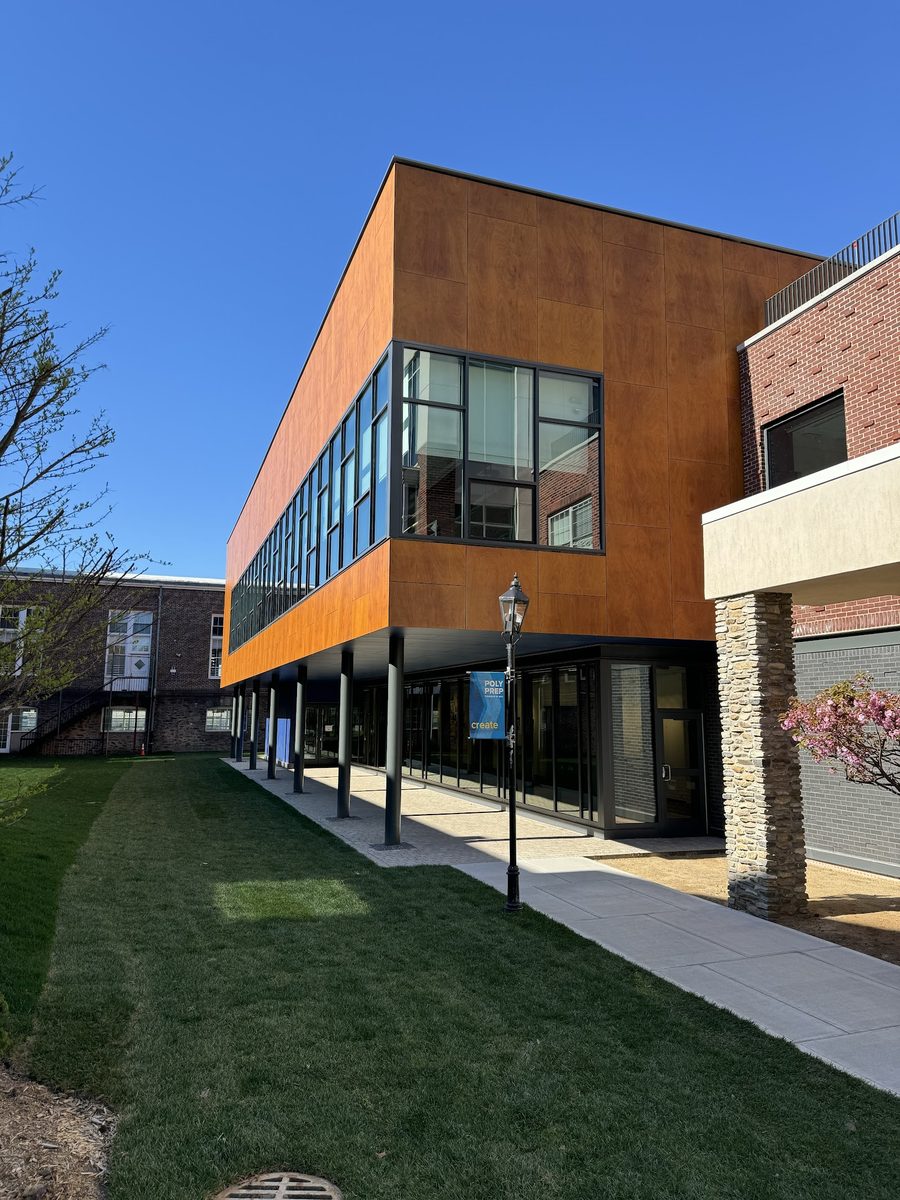
Founded in 1854 as Brooklyn's first boys' school, this day school pairs a Prospect Park mansion with a 25-acre Dyker Heights campus.
Marymount School of New York
New York City · United States
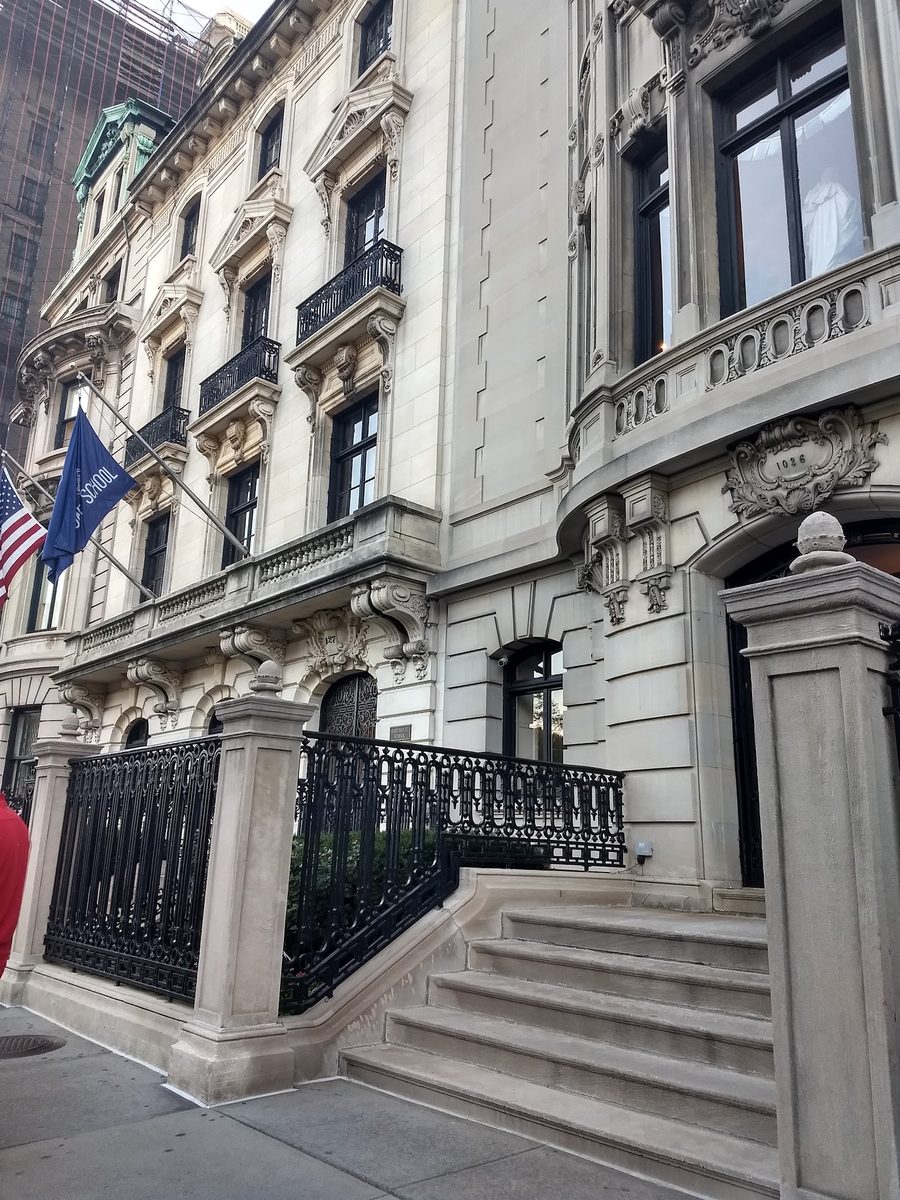
On Fifth Avenue, landmark mansions give way to Bloomberg terminals and classrooms inside the Met.
Boston University Academy
Boston · United States
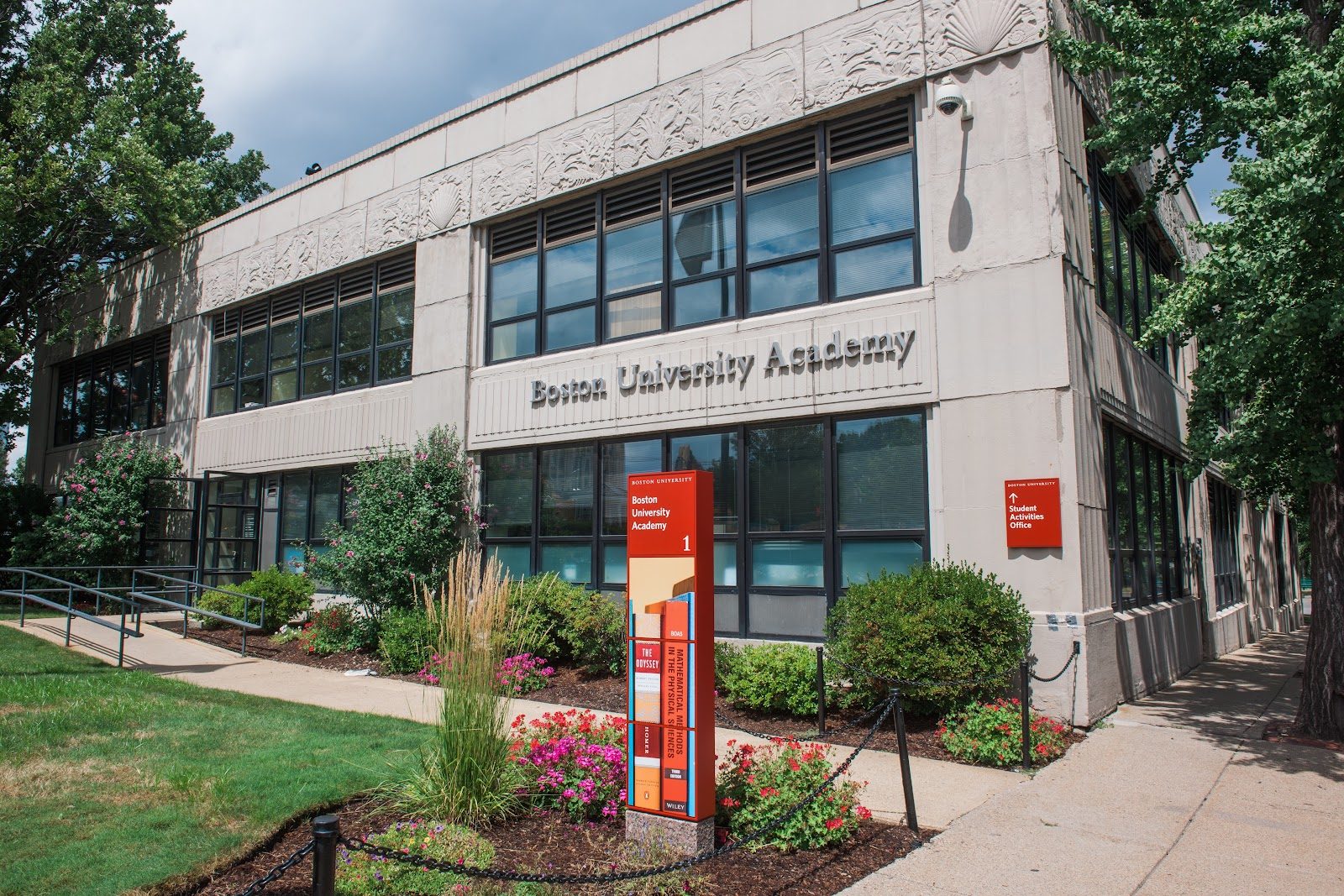
Upperclassmen trade study halls for Boston University lecture halls, banking college credit before graduation.
Same country and curriculum — closest matches within ±10 points either way