
Lima
Colegio Mayor Secundario Presidente del Perú (COAR Lima)
Founded as Peru's original high-performance campus, it pulls top provincial scorers into a free IB boarding life on the edge of the Andes.
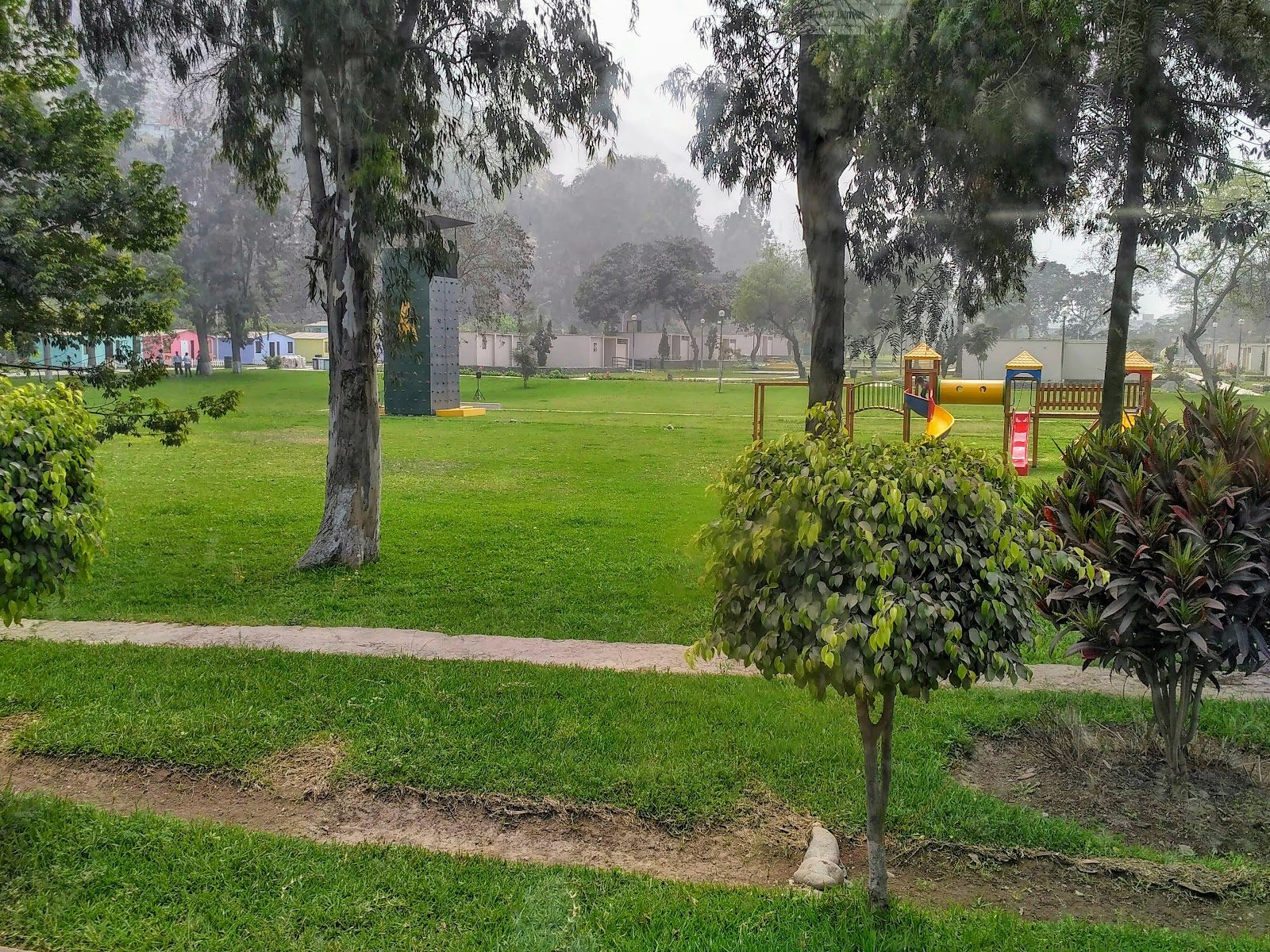
Photo © C. Yadhira SJ via Google Maps
Type
Boarding
Ages
14–17
Curriculum
Peruvian · IB
Qualifications
Peruvian national curriculum · IB Diploma
Ratio
—
The Verdict
Editor's commitment
Right for
High-achieving 14–17 year-olds who want free boarding in Chaclacayo, Peruvian plus IB study, and classes averaging 20.
Wrong for
Families wanting a day school, a wider age range than 14–17, or teaching solely in Spanish without English.
Watch out for
Founded in 2010 and IB-accredited, COAR Lima is specialised and selective; boarding at 14 in Chaclacayo is a hard reset.
Ranking breakdown
Colegio Mayor Secundario Presidente del Perú (COAR Lima) · #763 of 1591
Composite score 64.5. 8 weighted criteria.
By criterion
Academic Outcomes
Weight 20%
#511
of 1529 scored
University Placement
Weight 16%
#649
of 1529 scored
Prestige & Heritage
Weight 12%
#845
of 1571 scored
Alumni Network
Weight 12%
#1165
of 1530 scored
Facilities
Weight 12%
#960
of 1534 scored
Transparency & Communications
Weight 8%
#1000
of 1532 scored
Peer & Industry Review
Weight 10%
#1216
of 1548 scored
Admissions Selectivity & Demand
Weight 8%
#93
of 1529 scored
Peer & Industry Review
How Colegio Mayor Secundario Presidente del Perú (COAR Lima) is regarded in the sector
63
Respected · medium confidence
Within Peru, COAR Lima is treated as a distinct category rather than a rival to Lima's fee-paying elite (Markham, Newton, San Silvestre): it is a Ministry of Education flagship for high-achieving low-income students, and national outlets such as El Comercio, RPP and Semana Economica have run repeated features on its admissions bottleneck and boarding model rather than league-table comparisons. Independent Anglophone guides like WhichSchoolAdvisor or the Good Schools Guide do not cover it, since it sits outside the international/private circuit they track. Its standing instead comes from university-side signals: COAR graduates are cited by UNI, PUCP and Cayetano Heredia admissions offices as a strong, disproportionately represented cohort relative to the network's small intake, and COAR features in Peruvian Ministry of Education and World Bank/Grade policy studies on merit-based public education as a reference model for other Latin American systems. Peer regard is thus policy- and access-driven rather than prestige-driven: it is discussed as an equity success story and a pipeline school, not benchmarked against the traditional private-school hierarchy in Lima's press or rankings.
Editors' overview
Colegio Mayor Secundario Presidente del Perú, now known as COAR Lima, occupies a rare position in Latin American schooling: a state-backed, selective boarding school built for high-achieving teenagers from across Peru. Founded in 2010, it was the country’s original high-performance campus and remains unusual for pairing the Peruvian curriculum with the IB in a fully residential setting. That combination matters. This is not a comfortable local day school with an international badge attached. It is a national talent pipeline, designed to take academically strong pupils aged 14–17 out of their home regions and place them in an intensive, structured environment on a boarding campus in Chaclacayo. For families who want intellectual stretch, serious academic company and a school culture shaped by merit rather than social status, it earns a place on the shortlist quickly.
What sets COAR Lima apart is access and purpose. It is a boarding school without the usual luxury-market framing: the draw is not prestige architecture or polished parent amenities, but a rigorous public mission. The school serves students at a formative point, with an average class size of 20 and instruction in Spanish and English, giving able pupils a route into demanding study without the fee barrier that defines most IB boarding options in the region. That gives it a hard-edged sense of purpose. It also gives it a narrower social texture than many private international schools. Families looking for broad extracurricular excess, heavy hand-holding or an insulated expatriate bubble should look elsewhere. COAR Lima is for students ready to live away from home, work among other top performers and accept a culture where academic standards come first.
The right student for COAR Lima is bright, self-disciplined and resilient. They need to cope with boarding, competition and a curriculum that asks for stamina as well as ability. Pupils who thrive here will value earned opportunity, strong routines and ambitious peers. They will not need constant reassurance. They will want a school that treats education as a public good and personal responsibility, not as a lifestyle purchase. For the right teenager, that can be quietly transformative. For the wrong one, it will feel austere, demanding and unforgiving. That clarity is part of the school’s strength.
Academic Performance
COAR Lima’s academic case rests on selectivity and mission more than on published outcomes. The school draws high-attaining pupils into an intensive programme, so a strong examination profile is the baseline expectation, not a distinctive claim. The problem for parents is transparency: we have not seen aggregate IB scores, diploma pass rates, subject averages, university destinations by cohort, or trend data across multiple graduating classes. That leaves a clear gap in public accountability. In a school built around academic talent, results need to be visible, comparable and current. At present, they are not.
Relative to peers, that places COAR Lima in an unusual position. It has the ingredients of a high-pressure academic environment and the admissions filter of a top selective school, yet it does not publish the hard data that would confirm how far that promise converts into external examination strength. Fee-charging IB schools in the region increasingly release average diploma scores and pass rates; COAR Lima does not meet that standard of disclosure. That does not weaken the school’s underlying academic seriousness, but it does make external judgment more opaque than it should be. Parents should read it as a results-driven institution with limited public proof, rather than a school trading on glossy claims or inflated league-table rhetoric.
Facilities
COAR Lima’s facilities matter because the school asks teenagers to live and work on site, not just pass through for lessons. The essentials are therefore residential first: student housing, dining and supervised communal space carry more weight here than parent-facing gloss. The school’s public presentation points to a campus built for concentrated study and managed daily routine rather than display. In that context, classrooms sized for an average of 20 pupils are an asset, giving teaching a scale that supports discussion and close oversight. Families should read the physical offer as functional, purpose-built and firmly academic, not luxurious. This is not the Andes version of a polished Anglo-boarding estate with theatre foyers and heritage lawns.
Against peer schools, that puts COAR Lima in an unusual middle ground. It offers the infrastructure of a full residential school without the expensive embellishments that private IB boarders use to signal status. That can be a strength. Serious students need quiet study space, dependable boarding systems and access to sport and recreation that breaks the academic grind; they do not need marble atria. The limitation is visibility: the school does not publish the kind of detailed facilities breakdown that strong international competitors now provide, so parents get less hard detail than they should. There is no clear public inventory of specialist labs, arts provision, performance spaces or standout athletic assets. That leaves the campus reading as serviceable rather than distinctive and *better aligned with mission than spectacle*.
COAR Lima is for students ready to live away from home, work among other top performers and accept a culture where academic standards come first
Prestige
COAR Lima carries real prestige in Peru, but it is a specialised prestige, not the social polish of an old private school or the global cachet of a famous Anglo-American brand. Its status rests on selection, scarcity and public purpose. Entry is tied to high academic performance, the school recruits from across the country rather than from one affluent district, and places are free. That changes the meaning of exclusivity. Families are not buying access; pupils earn it. In a region where elite schooling often tracks income, COAR Lima offers a harder-edged distinction: admission signals academic rank and resilience, not family spending power. For ambitious students from outside Lima, that carries serious national weight.
The limits are clear. Prestige here is strongest inside Peru’s education landscape and among people who understand what the COAR system does. It does not carry the instant international recognition of a long-established Swiss boarding school or a marquee British export. Public outcomes are also too opaque to lift it into the top tier of globally legible academic prestige. That matters. Selective intake alone does not settle the case. Still, within its lane, COAR Lima stands as a rare state-backed elite pathway for teenagers and a credible badge of merit. The average class size of 20 reinforces that seriousness: the school is built for focused teaching, not scale.
The school draws high-attaining pupils into an intensive programme, so a strong examination profile is the baseline expectation, not a distinctive claim
Communications
COAR Lima’s parent communication has a structural handicap before anyone writes a message: families are at a distance, children live on campus, and the school carries a public-service culture rather than a concierge one. That makes clarity, frequency and responsiveness non-negotiable. The public-facing side is functional rather than polished. The website does the basics, but it does not give parents the depth of operational detail that strong residential schools now treat as standard: clear pastoral contacts, transparent academic reporting rhythms, detailed handbooks, and a clean archive of policy updates. There is information, but not a high-trust communications system built for anxious families handing over a teenager for long stretches. In a school with an average class size of 20, parents can reasonably expect tighter lines of accountability than the public presentation currently demonstrates.
That does not mean communication is weak in day-to-day practice; it means the school does not publish enough to prove that it is *systematic, disciplined and parent-minded*. Residential schools need more than announcements and admissions guidance. They need visible routines for reporting progress, handling welfare concerns, escalating problems and keeping families informed when students are off home turf. COAR Lima’s public channels leave too much of that architecture unstated. The result is a credible but opaque picture: serious institutional purpose, modest external polish, and limited evidence of the kind of organised parent communication that turns trust into confidence. For local families already familiar with the system, that may suffice. For parents judging from the outside, it is less reassuring than it should be.
Uniqueness
COAR Lima is unusual because it takes a model that private schools treat as a premium product and turns it into a public instrument of national selection. The school gathers high-performing teenagers from across Peru, removes the fee barrier and places them in a residential academic culture built around earned admission rather than family means. That changes the peer group. Students live among others who have won their place through performance, and that creates a merit-first atmosphere that many affluent schools talk about but do not deliver. The age range, 14–17, also matters: the school intervenes at the point when able pupils can still be redirected, stretched and hardened for serious post-school study. For the right student, that is a rare engine of mobility.
What this brings is intensity, perspective and discipline. Students do not just gain access to stronger teaching; they gain distance from the assumptions of their local environment and daily contact with ambitious peers from other regions and backgrounds. That broadens horizons in a concrete way. It also forces adaptation. A teenager who thrives here learns to manage separation from home, communal life and sustained academic pressure without the cushioning that defines softer schools. The result is forging rather than finishing school: less polish, more resilience; less lifestyle, more purpose. That makes COAR Lima distinctive in the Latin American market and not for the faint-hearted.
That leaves the campus reading as serviceable rather than distinctive and better aligned with mission than spectacle
Student Profile
The students who fit COAR Lima best are not just bright; they are self-propelled, thick-skinned and comfortable being measured against other high achievers every day. This is a strong match for teenagers who want hard academic company, accept rules without drama and can live productively inside a structured routine. The age window matters: at 14–17, pupils are old enough to benefit from independence but still young enough to struggle if they need constant emotional buffering. The strongest fit is a student with stamina, intellectual seriousness and the social maturity to handle communal living without turning every friction into a crisis. Ambition helps, but so does restraint. Flashy confidence counts for less here than consistency.
The weaker fit is just as clear. A child who needs heavy adult coaxing, dislikes comparison, or wants school life built around spectacle and choice will find the culture austere, high-pressure and not for the faint-hearted. This is also not the right environment for families seeking status theatre or a soft landing. Students need to cope with distance from home, close supervision and peers who have also earned their place. For the right teenager, that mix produces serious growth: discipline, perspective and a tougher academic edge. For the wrong one, it feels unforgiving very quickly.
Public outcomes are also too opaque to lift it into the top tier of globally legible academic prestige
Co-curricular strengths
Arts & sport, on a separate axis
Overall 7.98/10
Scored 0-10 from the school's own published evidence. This axis is editorial-only — it does not feed the main WTS ranking.
Sports
7/10
Drama
8.8/10
Dance
8.8/10
Music
6.5/10
Visual Arts
8.8/10
Strengths
- +Delivers the full IB Diploma Programme alongside the Peruvian national curriculum, at no cost to families.
- +Fully state-funded, covering tuition, boarding, meals and materials for all admitted students.
- +Part of the COAR network created in 2015 by Peru's Ministry of Education to support top-performing public school students nationwide.
- +Admission is based purely on academic merit through national standardized testing, not family wealth or connections.
- +Residential structure allows intensive focus on academics, arts and sports beyond a typical day-school schedule.
Considerations
- −Admission is effectively restricted to graduates of Peru's public school system, which excludes most expatriate and private-school applicants.
- −The program covers only the final three years of secondary school (grades 9-11), not a full K-12 pathway.
- −Entry is extremely competitive, with a limited number of places allocated against a large national applicant pool each year.
- −As a boarding school enrolling early teenagers, extended separation from family can be a difficult adjustment for some students.
Availability
Primary entry gate & tests
Peruvian Ministry Selection
Gallery
Photo © Richard via Google Maps
Photo © Marco Antonio Milla De La Cruz via Google Maps
Photo © William Moises Rafael Atapoma via Google Maps
Photo © Encuentra tu camino via Google Maps
Photo © MAGDIEL CAMPOS via Google Maps
Photo © Carlos Cupe via Google Maps
Photo © Kimberly Yiza Santiago Luicho via Google Maps
Parent reviews
Have you sent your child here?
Voice reviews carry the strongest trust badge — we transcribe them for you to tidy up before they go live. Prefer to type? A written review is fine too.
Add your voice
In 60 seconds, tell other parents: what's the best thing about Colegio Mayor Secundario Presidente del Perú (COAR Lima), and what surprised you when your child joined?
We ask for a Google sign-in so every review has a real face behind it — no anonymous drive-by attacks on schools, and no faked positive reviews. Your email is never shown publicly.
Send this profile to a friend
International parents rely on word-of-mouth. Share this review with someone weighing the same decision.
Schools with places
Similar schools to Colegio Mayor Secundario Presidente del Perú (COAR Lima) with places available now.
Availability first, then country, area, curriculum, price, co-curricular
Consider also
Also worth looking at alongside Colegio Mayor Secundario Presidente del Perú (COAR Lima).
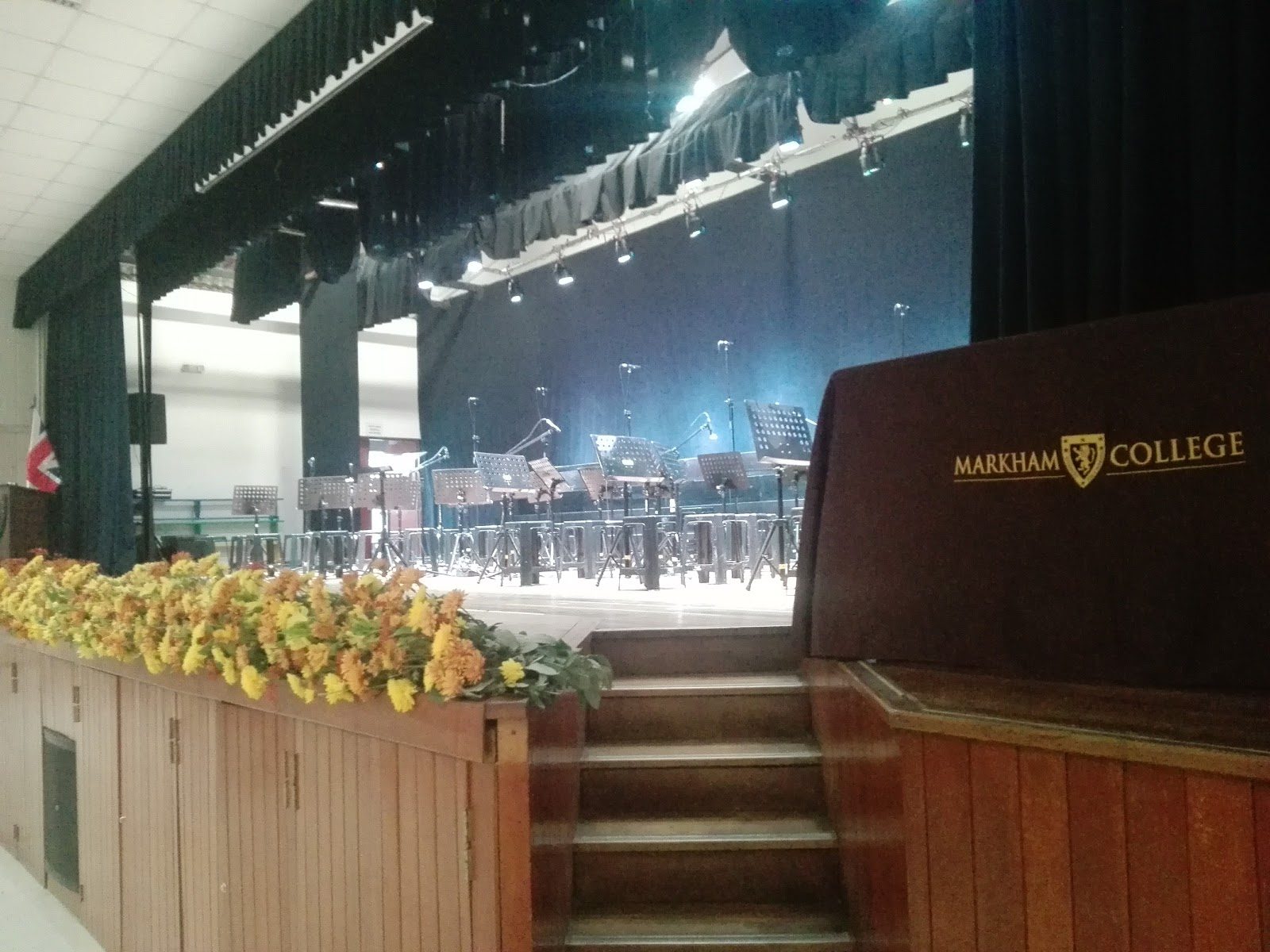
Markham College
Lima · Peru
Founded in 1946 by British expatriates, this Lima day school pairs house traditions with a bilingual IB-British curriculum.
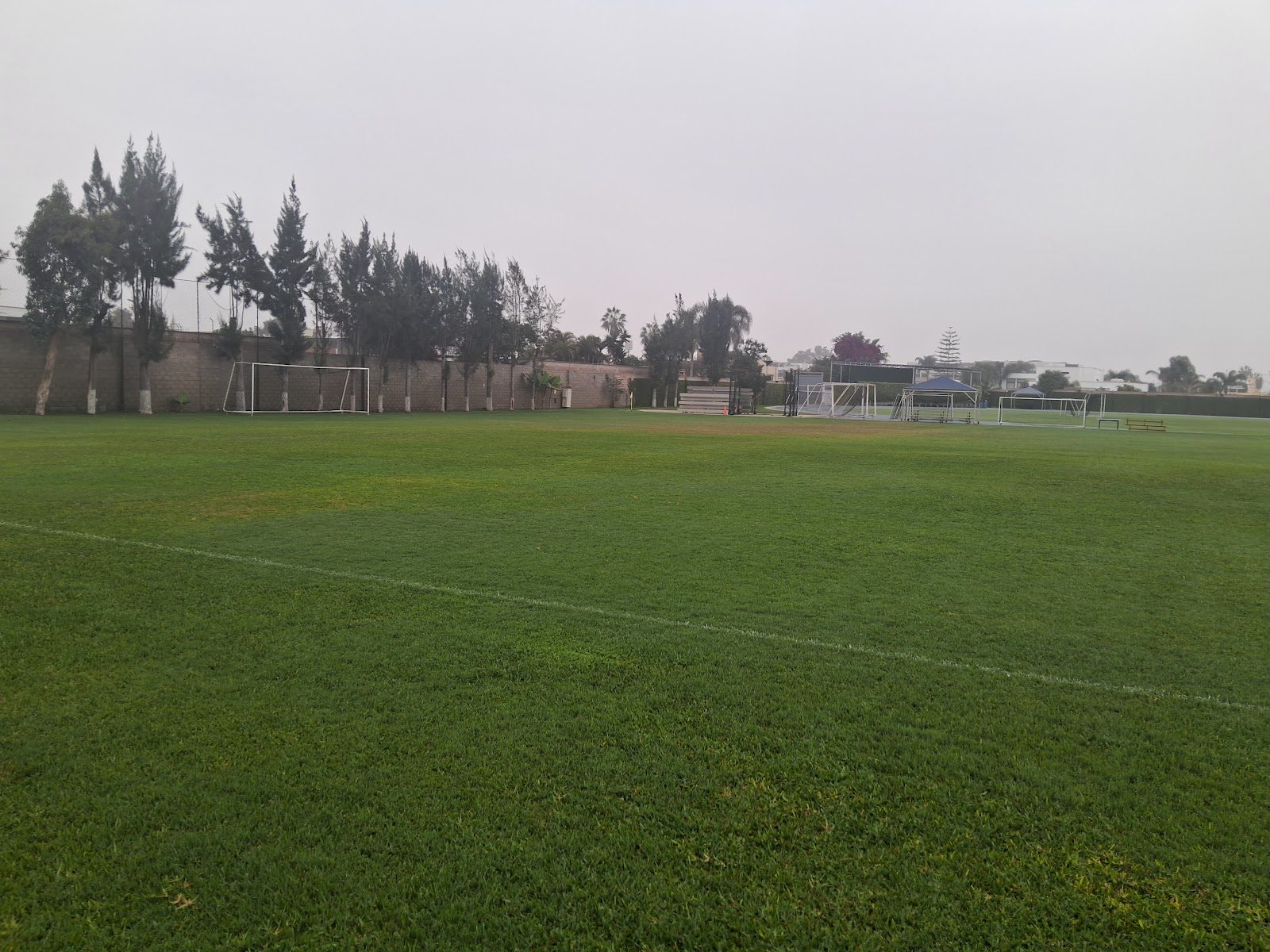
Colegio Roosevelt — The American School of Lima
Lima · Peru
Named for a wartime American president, this La Molina campus layers an FDR diploma with IB and Peru's own official credential.
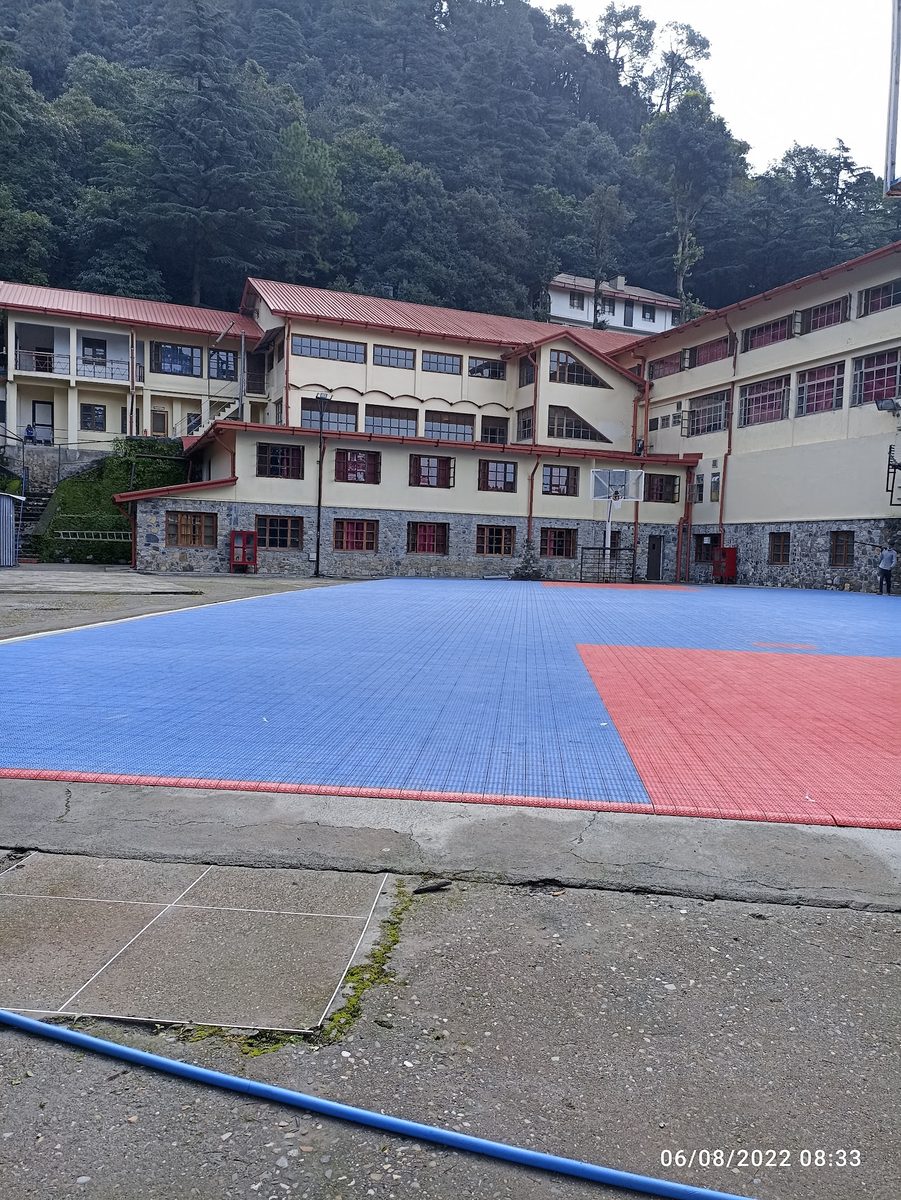
Woodstock School
Mussoorie · India
IB, American Diploma and Cambridge boarding amid the Himalayan foothills since 1854
Bishops Diocesan College
Cape Town · South Africa
Founded in 1849 below Table Mountain, home to the oldest rugby field in the southern hemisphere and a storied house system.
Same country and curriculum — closest matches within ±10 points either way