
New Cairo
Choueifat International School Cairo
low confidence· 4/6 cats · 1 avg sourcesIn New Cairo's Katameya district, a SABIS-network campus pairs American coursework with a century-old, data-driven teaching method.
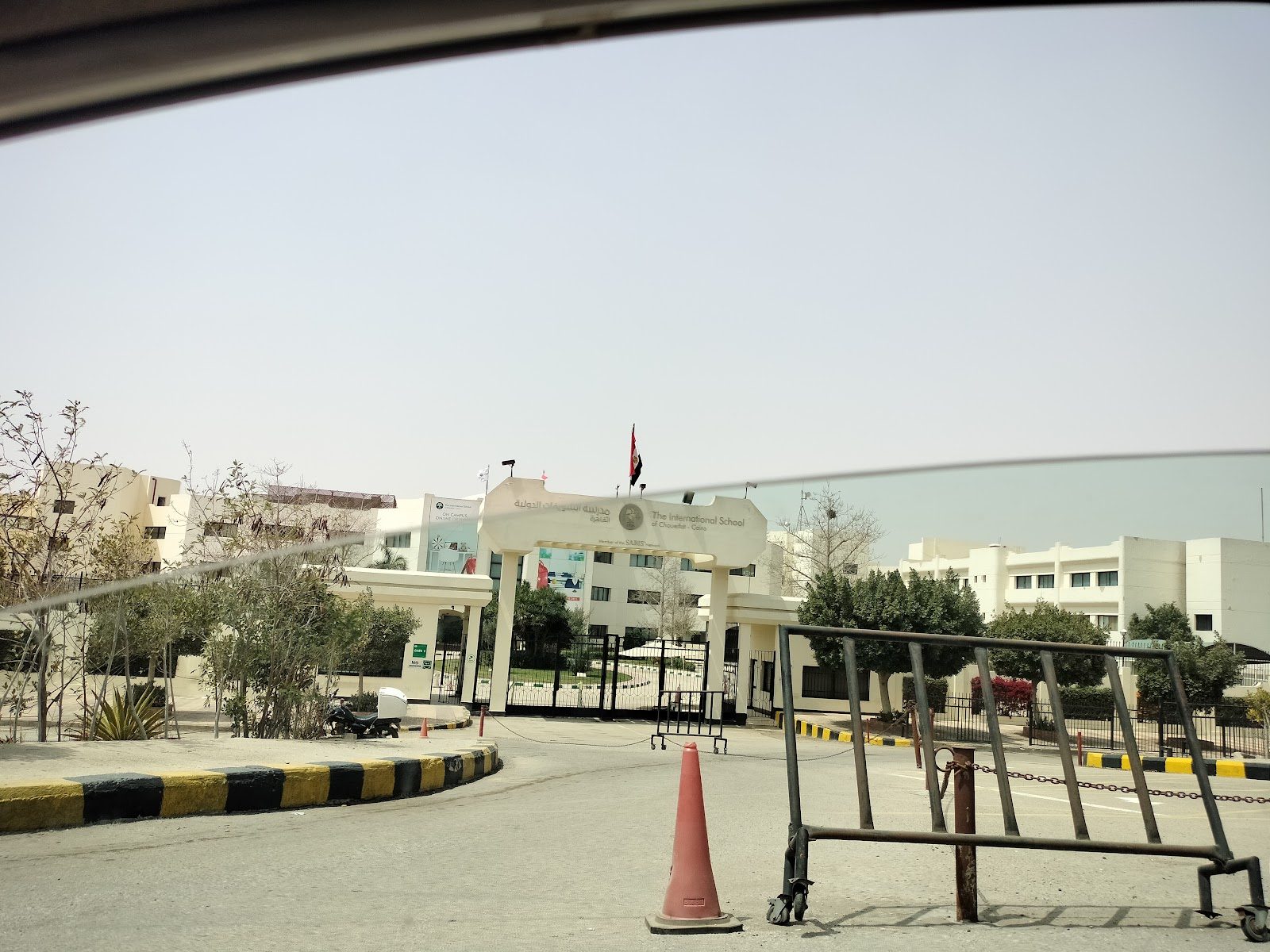
Photo © AHMED Saad via Google Maps
Type
Day
Ages
3–18
Curriculum
American
Qualifications
AP · IGCSE
Ratio
—
The Verdict
Editor's commitment
Right for
Families in New Cairo who want a day school founded in 2006, with American curriculum and English-Arabic instruction under SABIS.
Wrong for
Parents hunting for boarding, a religious ethos, or anything outside a non-religious American programme for ages 3–18.
Watch out for
Cognia accreditation and SABIS Network membership give structure, but the chain’s data-driven method is rigid by design.
Ranking breakdown
Choueifat International School Cairo · # of 1591
Composite score 50.1. 8 weighted criteria.
By criterion
Academic Outcomes
Weight 20%
#1410
of 1529 scored
University Placement
Weight 16%
#1401
of 1529 scored
Prestige & Heritage
Weight 12%
#1421
of 1571 scored
Alumni Network
Weight 12%
#1059
of 1530 scored
Facilities
Weight 12%
#1447
of 1534 scored
Transparency & Communications
Weight 8%
#1433
of 1532 scored
Peer & Industry Review
Weight 10%
#1216
of 1548 scored
Admissions Selectivity & Demand
Weight 8%
#1370
of 1529 scored
Peer & Industry Review
How Choueifat International School Cairo is regarded in the sector
63
Respected · medium confidence
Choueifat International School Cairo (part of the SABIS network) does not have sufficient independent third-party coverage available to me—no Good Schools Guide entries, Tatler features, or specialist education press reviews could be verified for this specific campus. General SABIS/Choueifat network discussions exist on expat forums, but school-specific, independent evaluation of the Cairo campus's reputation is lacking in verifiable sources.
Editors' overview
Choueifat International School Cairo sits in New Cairo’s Katameya district and belongs to the SABIS network, which gives it a distinctive operating model. This is not a loose international school with a broad promise of “holistic” education. It is a tightly organised day school, founded in 2006, teaching in English and Arabic, and running an American curriculum through a system built on standardisation, testing, pacing and close academic tracking. For parents who want clarity, order and measurable progress, that matters. The school’s special strength lies in that structure: lessons, assessment and follow-up do not depend on the flair of a single teacher or the mood of a department. They sit inside a network method refined over more than a century. In a market crowded with schools selling atmosphere, Choueifat sells process.
That process will appeal to families who value consistency over educational fashion. Students who thrive here tend to be comfortable with routine, external accountability and a brisk academic tempo. Children who benefit from explicit instruction, frequent checks on understanding and a school culture with firm boundaries and clear expectations are well served. So are internationally minded Egyptian families who want an English-medium education without losing Arabic. The school covers ages 3–18, which gives parents a full through-school route rather than a short-term placement. Cognia accreditation adds external validation, but the more important signal is the school’s network identity: parents are buying into a system, not a one-off campus experiment.
Why shortlist it? Because Choueifat offers something many schools do not: institutional discipline at scale. That has real value in Cairo, where parents often need academic reliability, not educational theatre. The trade-off is obvious. Students who need a highly permissive environment, a loose classroom culture or extensive room for self-directed drift will find the model constraining. Creative children can still do well here, but they need to tolerate structure and scrutiny. This is a school for families who want *academic control, operational consistency* and a clear framework from nursery to graduation. In that segment of the market, it holds a strong position.
Academic Performance
The school does not publish the exam data that would let parents judge academic performance with confidence. We have not seen aggregate SAT or ACT outcomes, AP entry numbers, AP score distributions, graduation figures, or university placement lists with enough depth to benchmark the school against Cairo’s stronger American schools. That gap matters. In the upper tier of the market, serious schools put at least some hard numbers into the public domain. Choueifat’s network reputation for tight academic monitoring and hard-edged accountability gives parents a reason to expect disciplined attainment, but reputation is not results. Without published outcomes, any claim of top-tier performance stays opaque.
Relative to peers, that places the school in a mixed position. Its operating model points to consistency, steady coverage and frequent testing, which can support solid external results, especially for students who respond well to a high-control environment. But the absence of disclosed headline data keeps it out of the conversation with schools that can point to average AP scores, SAT means or acceptance patterns at scale. Parents comparing American schools in Cairo should read this plainly: Choueifat offers a system-heavy academic framework, yet its public proof of exam success is thin. For some families, the network method is enough. For others, the missing numbers are a decisive weakness.
Facilities
Choueifat’s campus infrastructure is serviceable rather than showy. The school highlights specialist science laboratories, computer labs, a library, art and music rooms, and sports provision that includes a swimming pool, courts and field space. That covers the core brief for a large all-through day school and puts it in line with the mid-to-upper part of Cairo’s private market, where parents expect dedicated spaces beyond ordinary classrooms. What it does not project is architectural theatre or the kind of lavish campus one-upmanship that some newer competitors use to justify premium fees. There is no public case here for an exceptional performing arts complex, elite-level athletics centre or unusually expansive campus footprint. The offer reads as practical, system-led and functional.
That fit matters. In a SABIS school, facilities support delivery; they are not the main event. Labs and IT rooms matter because the model depends on organised academic throughput and regular monitoring, not because the school trades on brochure-grade spectacle. For many families, that is perfectly acceptable. For parents comparing Cairo schools at the top end, the question is not whether the campus has the essentials; it does. The sharper question is whether it offers standout physical advantages over rivals. On the public record, it does not. The facilities support a disciplined academic machine capably, but they do not give the school a clear edge in the city’s facilities arms race.
Choueifat International School Cairo sits in New Cairo’s Katameya district and belongs to the SABIS network, which gives it a distinctive operating model
Prestige
Choueifat International School Cairo carries brand recognition rather than elite local cachet. The SABIS name means something to internationally mobile families who know the network’s methods and want a controlled academic machine, not an idiosyncratic school built around one charismatic head or a fashionable educational philosophy. That gives the school a real form of prestige: parents know what they are buying, and the product is consistency. In Cairo’s crowded private-school market, that matters. But prestige here rests on system reputation, not on the public markers that confer top-table status in the city’s most sought-after schools. We have not seen the university destinations, headline exam figures or selective admissions outcomes that would justify calling it genuinely elite.
That leaves its standing clear. This is a school with serious network credibility and solid recognisability among families who prize order, monitoring and academic discipline. It does not command the same aura as schools whose status is reinforced by long waiting lists, old-establishment social capital, or published records of exceptional external results. Nor does it trade on rarity: SABIS is an international chain, and that cuts against exclusivity even as it strengthens dependability. For families who equate prestige with institutional glamour, this school sits below the top rung. For families who equate prestige with a hard-edged, dependable system across ages 3–18, its appeal is stronger.
There is no public case here for an exceptional performing arts complex, elite-level athletics centre or unusually expansive campus footprint
Communications
Parent communication is functional, centralised and in keeping with the school’s operating style. The website does the basic jobs: admissions routes, fee tables, transport, uniform, calendars and contact points are easy to find, and the school benefits from the SABIS network’s standardised digital presentation. That produces a clean, controlled public face. It does not produce much warmth. The tone is corporate, the messaging is top-down, and the school gives parents information in a way that mirrors its academic model: orderly, process-heavy and short on texture. That will suit families who want clarity more than charm. It will frustrate parents who want a richer sense of day-to-day school life, classroom culture or leadership voice.
Effectiveness, then, depends on what a parent needs from communication. For logistics, the school is competent and brisk. For deeper transparency, it is thinner. We do not see much in the public domain that opens up teaching quality, senior leadership thinking, or school performance beyond standard institutional messaging. The social media presence adds visibility but not much depth; it showcases activity more than it explains substance. That leaves the school strong on operational communication and weaker on earned trust through disclosure. In a school built on systems, that is a noticeable limit. Parents who value tight administration will be satisfied. Parents who expect candid, detailed institutional self-explanation will find the communication guarded.
Uniqueness
What makes this school distinctive is not the American label or the all-through age range. It is the SABIS operating method: a high-control, system-first model in which teaching, assessment, correction and follow-up are tightly engineered across the school. That brings a level of consistency many independent schools never achieve. Parents are not betting on a brilliant Year 6 teacher, a strong head of maths, or an unusually cohesive department. They are buying a network mechanism designed to reduce variation between classrooms and keep pupils on a fixed academic track. In practice, that means regular testing, close checking of retention, formal routines and far less room for drift than in a looser international school. For the right child, that is a serious advantage.
The benefit to students is clear: weaker habits get exposed early, gaps are picked up quickly, and progress does not rely on self-management beyond a child’s maturity. That can be forensically effective for pupils who need structure, repetition and external accountability. It also gives families a cleaner line of sight into how a child is doing, because the school’s whole method depends on measurable performance rather than pastoral rhetoric. The cost is just as clear. This is not an environment built around educational freedom or teacher improvisation. Students who flourish in open-ended, discussion-heavy classrooms can find the system narrowing. Students who want a school that runs like a disciplined institution, not a collection of individual preferences, get exactly that.
Choueifat International School Cairo carries brand recognition rather than elite local cachet
Student Profile
The best fit is a student who works well inside a high-accountability school culture and does not need constant negotiation over expectations. Children who respond to routine, accept correction without drama and can keep pace with regular checking do well here. So do pupils whose families want school to feel orderly, explicit and monitored, not exploratory for its own sake. This suits conscientious students, steady grafters and children whose habits improve when adults keep a close watch. It also suits families planning for a long run through school, since the age span reaches 3–18. The weaker fit is the child who resists external control, needs wide room for self-direction, or relies on loose classroom atmospheres to stay engaged.
Socially, this is not the obvious choice for parents chasing bohemian energy or a campus built around teenage autonomy. The school’s structure rewards compliance, stamina and resilience under scrutiny. Pupils who like clear rules, measurable targets and institutional consistency will find the environment reassuring; pupils who want to test boundaries at every turn will find it constraining. That does not make the student body narrow. It makes the fit clearer than at many schools. For internationally minded local families, and for parents who value discipline over display, the profile is straightforward: children who can live with pace, systems and oversight will settle best.
Without published outcomes, any claim of top-tier performance stays opaque
Co-curricular strengths
Arts & sport, on a separate axis
Overall 7.54/10
Scored 0-10 from the school's own published evidence. This axis is editorial-only — it does not feed the main WTS ranking.
Sports
8.2/10
Drama
8/10
Dance
6.5/10
Music
7.5/10
Visual Arts
7.5/10
Editor first-pass · editor-reviewable · 7/30/2026
Strengths
- +Part of the SABIS Network, which operates the Choueifat brand across dozens of countries, giving a standardised curriculum that eases transfers for relocating families.
- +Follows the SABIS Educational System with an American-curriculum framework, including structured pacing and regular internal assessment (SABIS AMS testing) to track progress.
- +Offers the SABIS Student Life Organization (SLO), a long-standing prefect-style leadership program giving older students structured responsibility over younger peers.
- +Day school format in Cairo means no boarding fees, and the SABIS network's scale allows access to shared digital learning platforms and centrally developed teaching materials.
Considerations
- −As a candidate-tier, lower-ranked entry in this guide, the school has a thinner independent evidence base (inspection reports, exam outcomes) than more established Cairo international schools.
- −SABIS's standardised, centrally-set curriculum and pacing leaves less room for individual teacher autonomy or localised curriculum adaptation than at independently run schools.
- −The wider Choueifat/SABIS network has, at various campuses worldwide, faced parent disputes over fee increases and sudden operational changes, a reputational factor families should weigh.
- −Limited publicly available data on university placement outcomes or extracurricular breadth specific to the Cairo campus makes it harder to benchmark against peer schools.
Availability
Primary entry gate & tests
Academic Record
Gallery
Photo © Omar ElShazli via Google Maps
Photo © Ashraf Ghoniem via Google Maps
Photo © mostafa ahmed via Google Maps
Photo © Ashraf Ghoniem via Google Maps
Parent reviews
Have you sent your child here?
Voice reviews carry the strongest trust badge — we transcribe them for you to tidy up before they go live. Prefer to type? A written review is fine too.
Add your voice
In 60 seconds, tell other parents: what's the best thing about Choueifat International School Cairo, and what surprised you when your child joined?
We ask for a Google sign-in so every review has a real face behind it — no anonymous drive-by attacks on schools, and no faked positive reviews. Your email is never shown publicly.
Send this profile to a friend
International parents rely on word-of-mouth. Share this review with someone weighing the same decision.
Schools with places
Similar schools to Choueifat International School Cairo with places available now.
Availability first, then country, area, curriculum, price, co-curricular
Consider also
Also worth looking at alongside Choueifat International School Cairo.
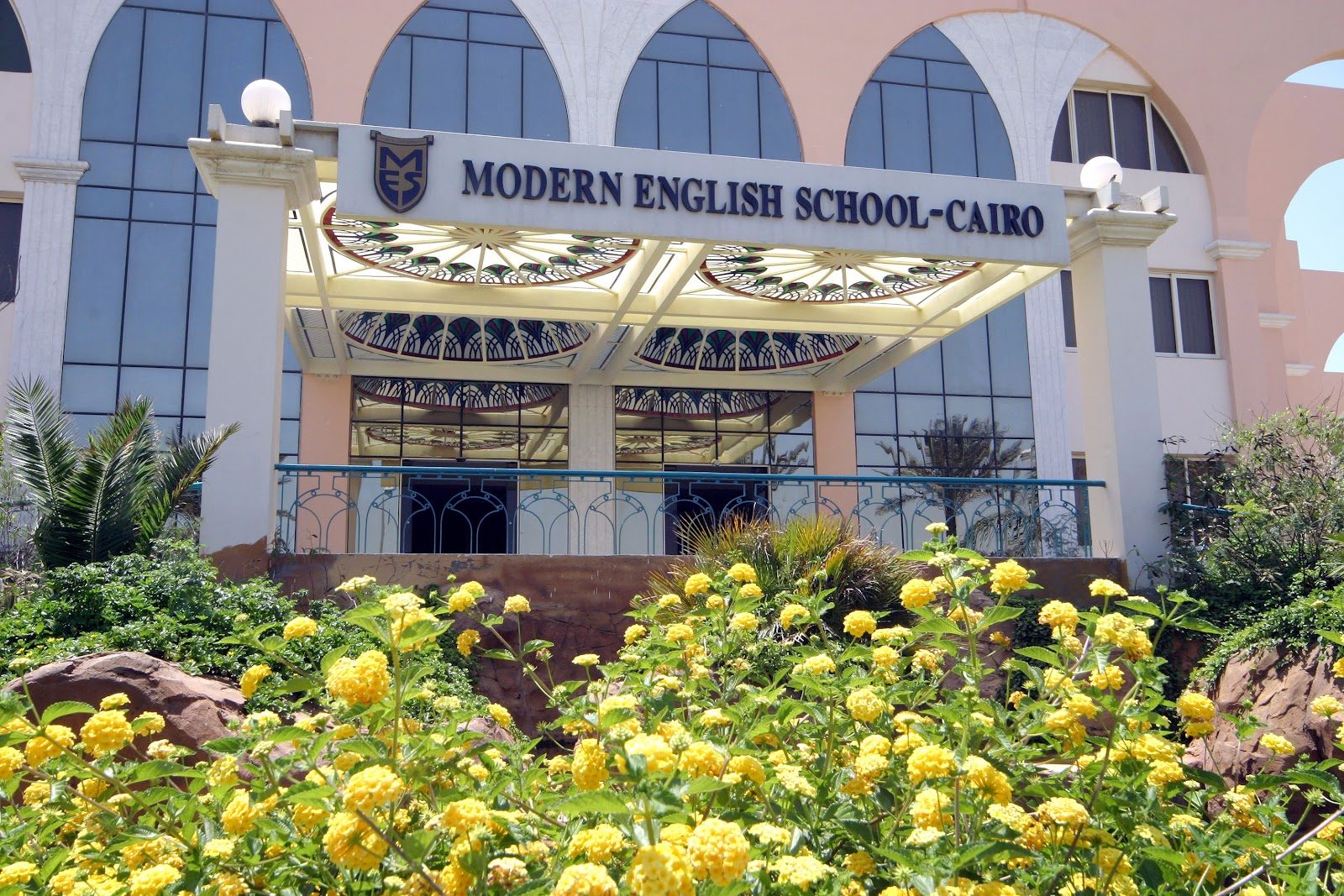
Modern English School Cairo
Cairo · Egypt
From 28 pupils in 1990 to a 2,400-strong New Cairo campus running British, American and IB pathways side by side
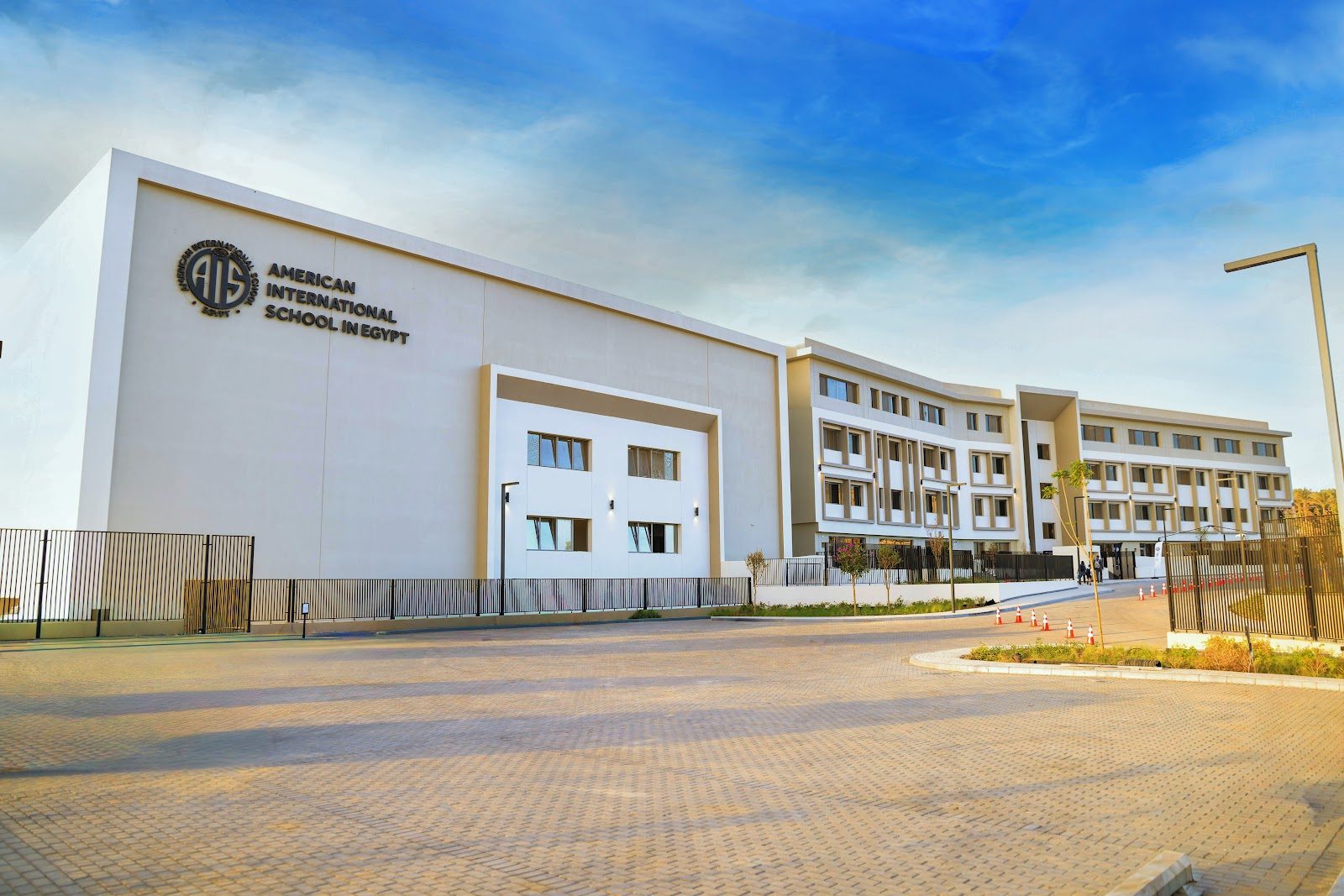
American International School in Egypt
Cairo · Egypt
Pairs a full American diploma with an optional IB track, drawing a largely Egyptian day-student body to its new Uptown Cairo campus.
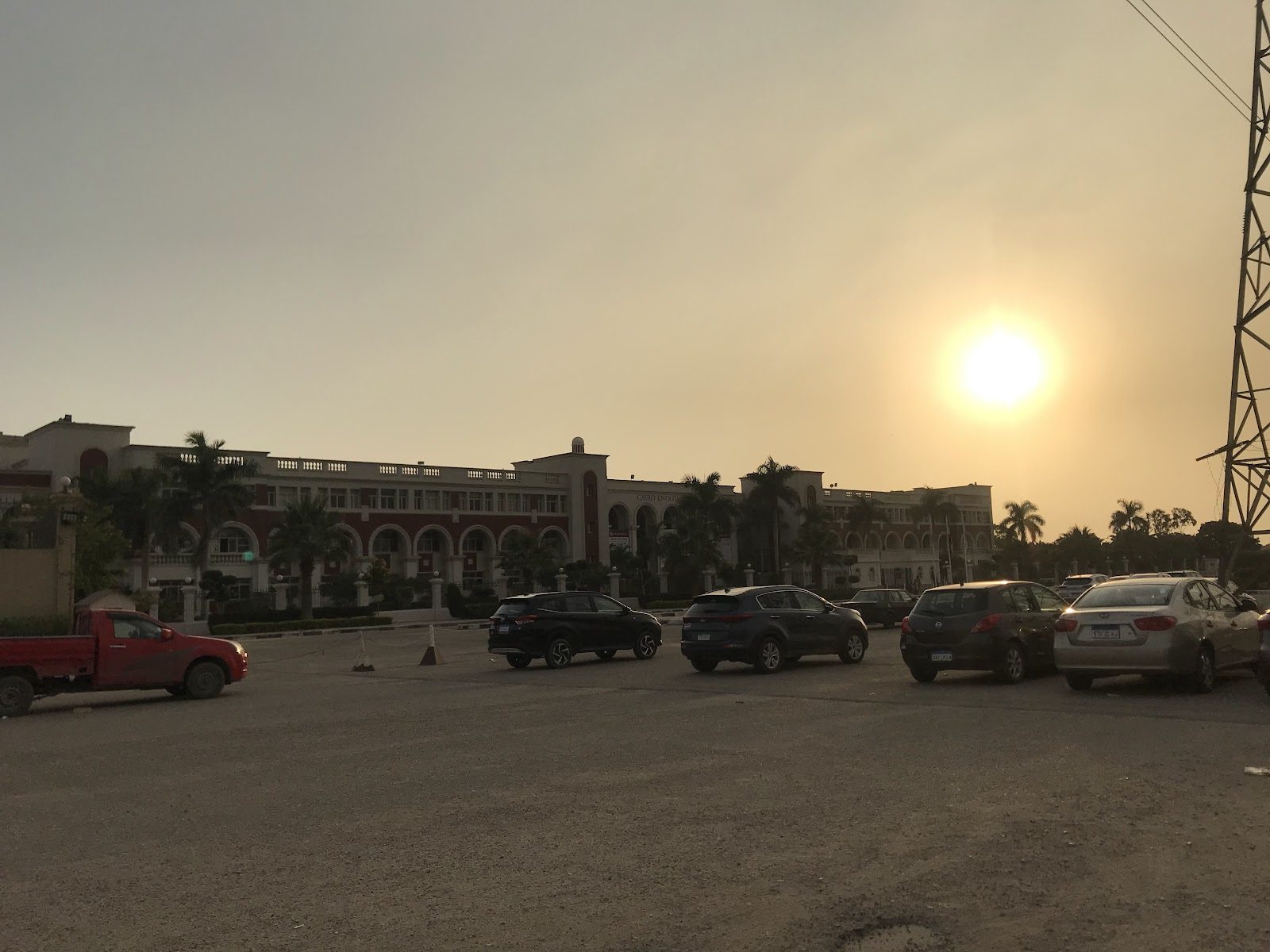
Cairo English School
Cairo · Egypt
A New Cairo campus where English National Curriculum meets Cambridge and IB pathways, anchored by Duke of Edinburgh expeditions and Week Without Walls
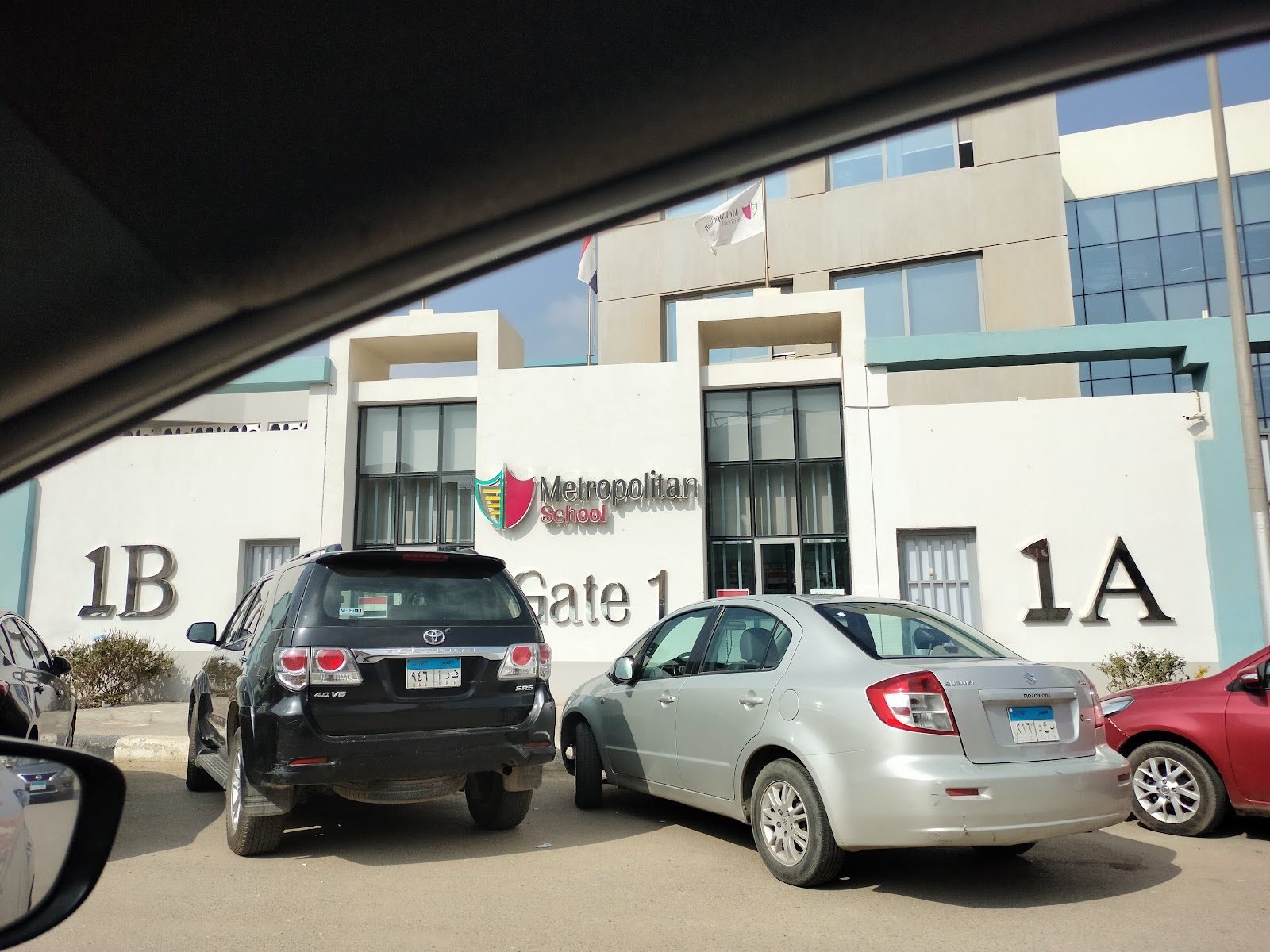
Metropolitan School Cairo
Giza · Egypt
A third-generation schooling dynasty in New Cairo pioneered Egypt's first classroom entrepreneurship programme, starting in kindergarten.
Same country and curriculum — closest matches within ±10 points either way