
Kildare
Founded in 1814 as Ireland's first Jesuit school, its Line system and 500-acre Kildare estate still define boarding life.
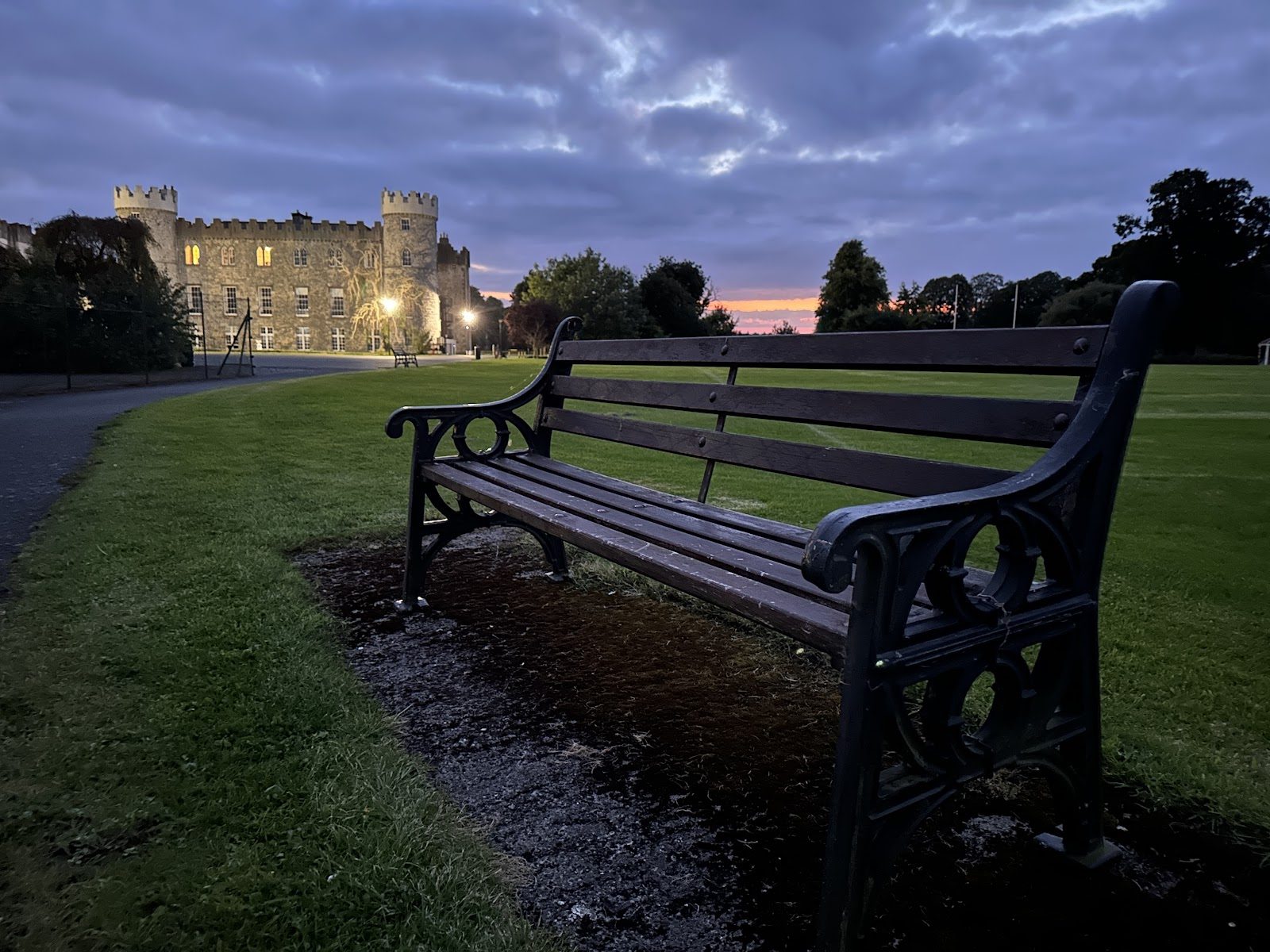
Photo © Max via Google Maps
Type
Boarding
Ages
12–18
Curriculum
Irish Leaving Certificate
Ratio
—
The Verdict
Editor's commitment
Right for
Boys aged 12–18 who want full boarding in a Catholic Jesuit school on a 550-acre Kildare estate, 30km from Dublin.
Wrong for
Families wanting girls, day places, or anything outside the Irish Leaving Certificate; Clongowes is boys-only, boarding-only, and Catholic.
Watch out for
Boarding life and the 550-acre setting dominate the experience; the average annual boarding fee is €26,550 and there is no day-school fallback.
Ranking breakdown
Clongowes Wood College · #126 of 1591
Composite score 77.4. 8 weighted criteria.
By criterion
Academic Outcomes
Weight 20%
#293
of 1529 scored
University Placement
Weight 16%
#398
of 1529 scored
Prestige & Heritage
Weight 12%
#14
of 1529 scored
Alumni Network
Weight 12%
#29
of 1529 scored
Facilities
Weight 12%
#14
of 1529 scored
Transparency & Communications
Weight 8%
#123
of 1529 scored
Peer & Industry Review
Weight 10%
#52
of 1529 scored
Admissions Selectivity & Demand
Weight 8%
#1232
of 1529 scored
Peer & Industry Review
How Clongowes Wood College is regarded in the sector
90
Top-tier · high confidence
Clongowes Wood College is Ireland's most prominent Jesuit boarding school and is consistently referenced as the benchmark elite Irish boarding school in Irish media coverage of private education, with alumni including numerous senior judges, politicians, and business leaders regularly noted in Irish Times and Irish Independent profiles. It is frequently cited in 'top Irish boarding schools' and 'most expensive schools in Ireland' press coverage, and its literary alumnus James Joyce (who fictionalised it in 'A Portrait of the Artist as a Young Man') gives it unusual cultural prominence beyond typical school rankings. Department of Education inspection reports have been broadly positive, and it is a longstanding member of the Joint Managerial Body for voluntary secondary schools, reinforcing its established peer standing within Ireland's independent school sector.
Evidence sources
Editors' overview
The defining fact at Clongowes is not the Leaving Certificate, though that is the academic route, nor even its Jesuit identity, though that shapes the school’s moral framework. It is the boarding culture: a boys’ full-boarding school for ages 12 to 18, set on a 550-acre Kildare estate about 30km from Dublin, with daily life organised around a residential community rather than a day-school timetable with dormitories attached. That still gives Clongowes a distinct position in the Irish market. Many schools claim character formation; Clongowes has the structure to enforce it. The school’s long history, dating to 1814, matters here because customs, expectations and institutional confidence have had time to harden into habit. Parents who want a school with real institutional weight, a highly structured boarding environment and a Catholic education in the Jesuit tradition will find that combination in a concentrated form here.
What puts it on a shortlist is the coherence of the offer. Clongowes does not try to be all things to all families. It is English-medium, Catholic, explicitly Jesuit, boarding-only, and for boys only. For the right child, that clarity is a strength. The school’s own language around competence, conscience and compassion is standard Jesuit vocabulary, but at Clongowes it sits inside a setting that still has scale and seriousness: countryside campus, sports grounds, dedicated boarding life, and an age range that covers the full secondary years. The average annual boarding fee of €26,550 places it in a serious but not stratospheric bracket for a traditional boarding school of this type. That matters. Clongowes occupies a market position closer to established national elite than to glossy international luxury product.
The school will suit boys who want immersion: students who are ready for communal living, sport, routine, and the social intensity of a full-boarding house system. It will also suit families who value religion as a live part of school life rather than a ceremonial add-on. It will not suit every child. Day-school families wanting flexibility, girls, and students who need a loose, lightly supervised adolescence should look elsewhere. Clongowes is for boys who will thrive in a tight-knit, tradition-heavy environment where independence is built through rules, shared life and distance from home, not through endless choice. For that student, it remains a formidable and unusually clear proposition.
Academic Performance
Clongowes gives no public aggregate Leaving Certificate data: no school-wide points profile, no subject breakdowns, no share of top scores, and no time-series that would let parents place outcomes against Irish academic peers. That is a real weakness in a school of this stature. The school does publish leavers’ destinations, which tells readers something about progression, but destinations are not a substitute for hard attainment data. For a boarding school with a serious academic claim, the absence of published examination metrics leaves too much to inference and reputation. Parents comparing selective Irish schools, especially those with clearer disclosure, will find Clongowes opaque where it matters.
That does not mean weak results; it means unverified results. The academic proposition rests instead on institutional signals: a long-established Jesuit culture, a fully residential routine with study built into the week, and a cohort of about 440 boys that is large enough to sustain subject breadth without becoming anonymous. In peer terms, Clongowes sits in the bracket of established Irish independent schools whose social and pastoral pull is obvious, but whose academic standing needs firmer public proof than heritage and destination lists. Families already sold on its discipline-heavy boarding culture may accept that trade-off. Hard-nosed academic shoppers should press for Leaving Certificate outcomes before treating Clongowes as a top-results school rather than a high-status, high-tradition one.
Facilities
Facilities are a serious strength here because the estate does real work for the school. The campus spreads across 550 acres of countryside, farmland and sports grounds, which gives Clongowes a scale few Irish peers can match. At schools that advertise boarding, outdoor space can mean a patchwork of pitches around compact academic buildings. Here, the grounds are part of the operating model: sport, movement, routine and communal life all have room to breathe. The school also highlights the Bellarmine Centre, sports facilities, on-site medical care and a dedicated approach to nutrition and wellbeing. That package reads as properly residential rather than day-school infrastructure repurposed for boarders. For parents, the practical point is clear: boys live in an environment built to contain the whole week, not just lessons and after-school fixtures.
The trade-off is that Clongowes publishes less hard detail on specialist teaching spaces than top competitors now give as standard. We have the broad claim of exemplary facilities, but no public room-by-room account of science labs, performing arts provision, design workshops or library scale. That matters because strong boarding and sporting provision does not by itself answer academic or creative questions. Against peer boarding schools, Clongowes stands out for land, sporting environment and the institutional heft of a self-contained campus. It is less convincing on public disclosure of its indoor academic estate. Families prioritising rugby pitches, open ground and a structured, enclosed world will rate it highly. Families comparing laboratories, studios and maker spaces need more specificity.
That is genuinely distinctive now, and for many families it will be either a major attraction or an immediate deal-breaker
Prestige
Clongowes carries real national prestige in Ireland. That status does not rest on glossy branding or a conveyor belt of published score tables. It rests on scarcity, memory and social recognition. There are few institutions in the country with this combination of Jesuit lineage, boys’ boarding identity and cultural footprint. The school occupies a place in Irish public life that reaches beyond education: it is woven into the country’s professional, political and sporting networks, and it has the kind of name that older generations recognise instantly. The campus scale reinforces that aura. A residential school spread across 550 acres, with about 440 boys living inside one institutional culture, projects old-establishment confidence rather than mass-market ambition.
That prestige is substantial, but it is not uncomplicated. Clongowes has *status without enough public academic proof*. For some families, the name itself opens doors socially and signals a certain formation: disciplined, Catholic, tradition-conscious, male, and steeped in collective life. For others, prestige without transparent results reads as inheritance more than evidence. That is the right way to rate it: *high-prestige, old-network, culturally resonant*, but not the kind of school that earns admiration through relentless public disclosure or modern performance metrics. Its standing is strongest among families who value institutional weight, social capital and formative boarding culture as much as examination data.
For that student, it remains a formidable and unusually clear proposition
Communications
Clongowes communicates with parents through a school structure that still expects families to stay engaged with the rhythm of boarding life, not merely receive notices. The website gives parents clear signposts: admissions contact points, policies, fees, useful documents, calendar listings, recent correspondence, governance pages, foundation updates, news posts, and dedicated parents’ association channels. It also builds communication into the lived week. Parents are actively invited to matches on half days, welcomed to Sunday Mass, and folded into leave arrangements and longer breaks. That matters. At a full-boarding school, communication fails when parents feel exiled from daily life. Clongowes avoids that trap by making family presence part of the institutional routine. The message is structured, old-school and deliberate: the school runs the week, but parents are not shut out of it.
The weakness is not warmth but precision. Clongowes publishes plenty of routes into the school and plenty of community-facing content, yet less of the hard operational detail that demanding parents now expect from top schools. News volume is healthy, but promotional updates and event coverage are easier to find than concrete academic reporting, house-level insight, or a sharper public account of how pastoral issues are handled in practice. The result is reassuring on culture and less rigorous on evidence. For families who prize belonging, ritual and contact with the school community, that will work well. For parents who want forensic clarity and data-rich reporting, the communication is competent rather than best-in-class.
Uniqueness
What sets Clongowes apart is not a single selling point but the way several old-fashioned elements still operate as a living system: a Jesuit boys’ school, entirely residential, with a campus large enough to create its own world and a timetable that keeps boys together far beyond lessons. The school still uses structures that many modern schools have diluted or dropped. Midweek and weekend sport fixtures shape the rhythm of term. Sunday Mass remains part of communal life. Parents are invited into that rhythm rather than kept at arm’s length. The school also enforces a strikingly firm stance on phones: boys are in a mobile phone-free learning environment during the day, with access limited to 1.5 hours in the evening. That is genuinely distinctive now, and for many families it will be either a major attraction or an immediate deal-breaker.
What this brings to students is intensity. Clongowes offers a high-pressure, high-belonging adolescence in which friendship, sport, faith, routine and supervision are tightly woven together. The benefit is obvious: boys do not drift anonymously through school life, and the community has the depth that only shared residential time creates. The cost is obvious too. This is not a place for a boy who wants privacy, casual rules or a light-touch relationship with authority. For the right student, the result is unusually formative: resilience, social confidence, habits of duty, and a strong sense that school is not a service but a common life.
The trade-off is that Clongowes publishes less hard detail on specialist teaching spaces than top competitors now give as standard
Student Profile
The boy who fits Clongowes is one who can live closely with other boys, take correction without drama, and find energy in a timetable that leaves little room for loafing. This is not a refuge for the solitary, the casually oppositional or the chronically disorganised. It suits adolescents who like belonging to a group, who can handle house loyalties and shared routines, and who do not need constant negotiation over rules. Sport matters here, not only for the athletically gifted but for boys willing to turn up, compete and be part of the communal week. Faith matters too. Families do not need a son destined for the seminary, but they do need a boy who can live comfortably inside a Catholic school where Mass, Jesuit values and moral language are part of the fabric, not decorative extras. The mobile-phone limits — 1.5 hours of evening access — will suit parents who want firm boundaries and boys who can tolerate them.
The social profile is narrower than at a mixed day school. Clongowes works for boys who gain confidence from structure, banter, team identity and adult expectations that are clear and non-negotiable. It will appeal to families who want a son stretched by distance from home without being left to drift. The school also has an international intake and a student body of about 440, which gives it reach without turning it into an anonymous machine. Boys who need constant privacy, a highly personalised path, or a looser, more permissive adolescence will chafe. Boys who want immersion, camaraderie and discipline will fit.
That still gives Clongowes a distinct position in the Irish market
Co-curricular strengths
Arts & sport, on a separate axis
Overall 7.84/10
Scored 0-10 from the school's own published evidence. This axis is editorial-only — it does not feed the main WTS ranking.
Sports
9.2/10
Drama
8.5/10
Dance
5.5/10
Music
8.5/10
Visual Arts
7.5/10
Editor first-pass · editor-reviewable · 7/30/2026

WTS 300 badge
Clongowes Wood College is one of the World's Top 300 Schools. Claim your listing to add it to your site →
Strengths
- +Founded in 1814 by Fr Peter Kenney SJ as the first Jesuit school established after the Society's restoration, giving the college over two centuries of continuous operation.
- +Notable alumni span literature, business, politics and sport, including James Joyce, Ryanair's Michael O'Leary, former Taoiseach John Bruton, Tanaiste Simon Coveney and rugby international Rob Kearney.
- +One of only three schools in Ireland belonging to the Headmasters' and Headmistresses' Conference (HMC), a UK/Ireland network of leading independent schools.
- +Full seven-day boarding on a 550-acre estate roughly 30km from Dublin, with a broad co-curricular offering across sport, music, drama and debating.
- +Around 10% of pupils receive a bursary, funded from income on leased estate land and a past-pupils' endowment fund.
Considerations
- −Fees are among the highest in Ireland: seven-day boarding cost 25,000 euro for 2025/26, second only to St Columba's College nationally.
- −Boys-only school with no co-educational option for families wanting a mixed environment.
- −No day-pupil option exists; all boys board full-time seven days a week, a significant commitment for younger entrants away from home for extended periods.
- −The school carries a documented historical legacy of abuse in Irish boys' boarding schools, which the Jesuit Provincialate publicly apologised for as recently as May 2025.
Availability
Primary entry gate & tests
Transcripts + Interview (Boys Only)
Gallery
Photo © Max via Google Maps
Photo © madmccoy via Google Maps
Photo © Fabio Luccioletti via Google Maps
Photo © Fabio Luccioletti via Google Maps
Photo © Louise Dunne via Google Maps
Parent reviews
Have you sent your child here?
Voice reviews carry the strongest trust badge — we transcribe them for you to tidy up before they go live. Prefer to type? A written review is fine too.
Add your voice
In 60 seconds, tell other parents: what's the best thing about Clongowes Wood College, and what surprised you when your child joined?
We ask for a Google sign-in so every review has a real face behind it — no anonymous drive-by attacks on schools, and no faked positive reviews. Your email is never shown publicly.
Send this profile to a friend
International parents rely on word-of-mouth. Share this review with someone weighing the same decision.
Schools with places
Similar schools to Clongowes Wood College with places available now.
King's Hospital
Dublin · Ireland
- 2026-27
- WAITPOOLLate avail. / Enquire
- 2027-28
- PLACES OPENForm 1 2027 application live
St. Andrew's College Dublin
Dublin · Ireland
- 2026-27
- WAITPOOLVacancy-dependent
- 2027-28
- PLACES OPEN
St. Kilian's Deutsche Schule Dublin
Dublin · Ireland
- 2026-27
- WAITPOOLVacancy-dependent
- 2027-28
- OPENS SOONExpected Oct '26
Nord Anglia International School Dublin
Dublin · Ireland
- 2026-27
- WAITPOOLSpace-dependent
- 2027-28
- FUTURE CYCLEDates TBC
Availability first, then country, area, curriculum, price, co-curricular
Consider also
Also worth looking at alongside Clongowes Wood College.
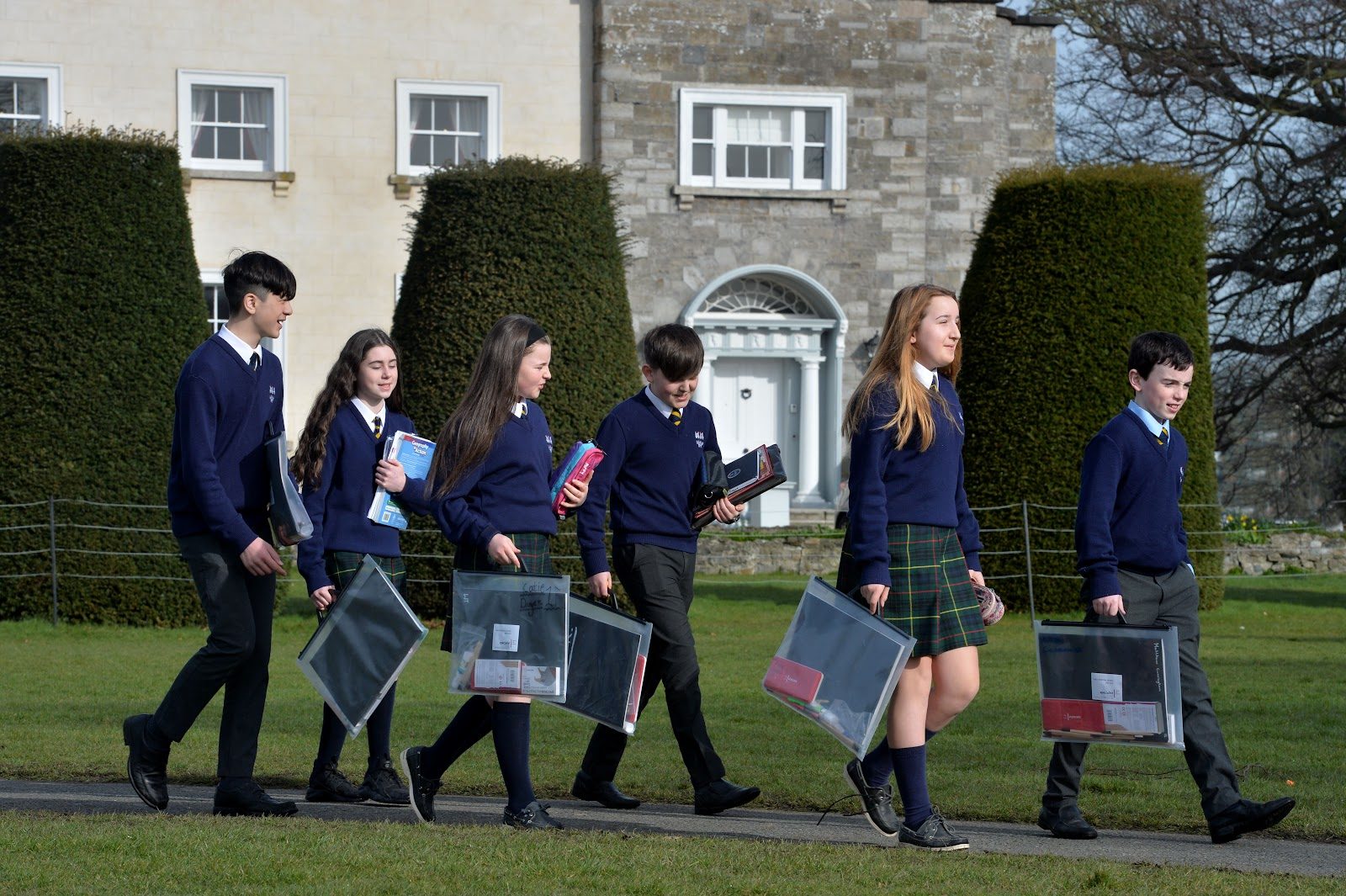
King's Hospital
Dublin · Ireland
Chartered by Charles II in 1669, this Liffey-side campus still channels its Blue Coat School past into modern boarding life.
St. Andrew's College Dublin
Dublin · Ireland
First in Ireland to gain IB Diploma authorisation, this interdenominational Booterstown day school still hosts its own Model UN each Easter.
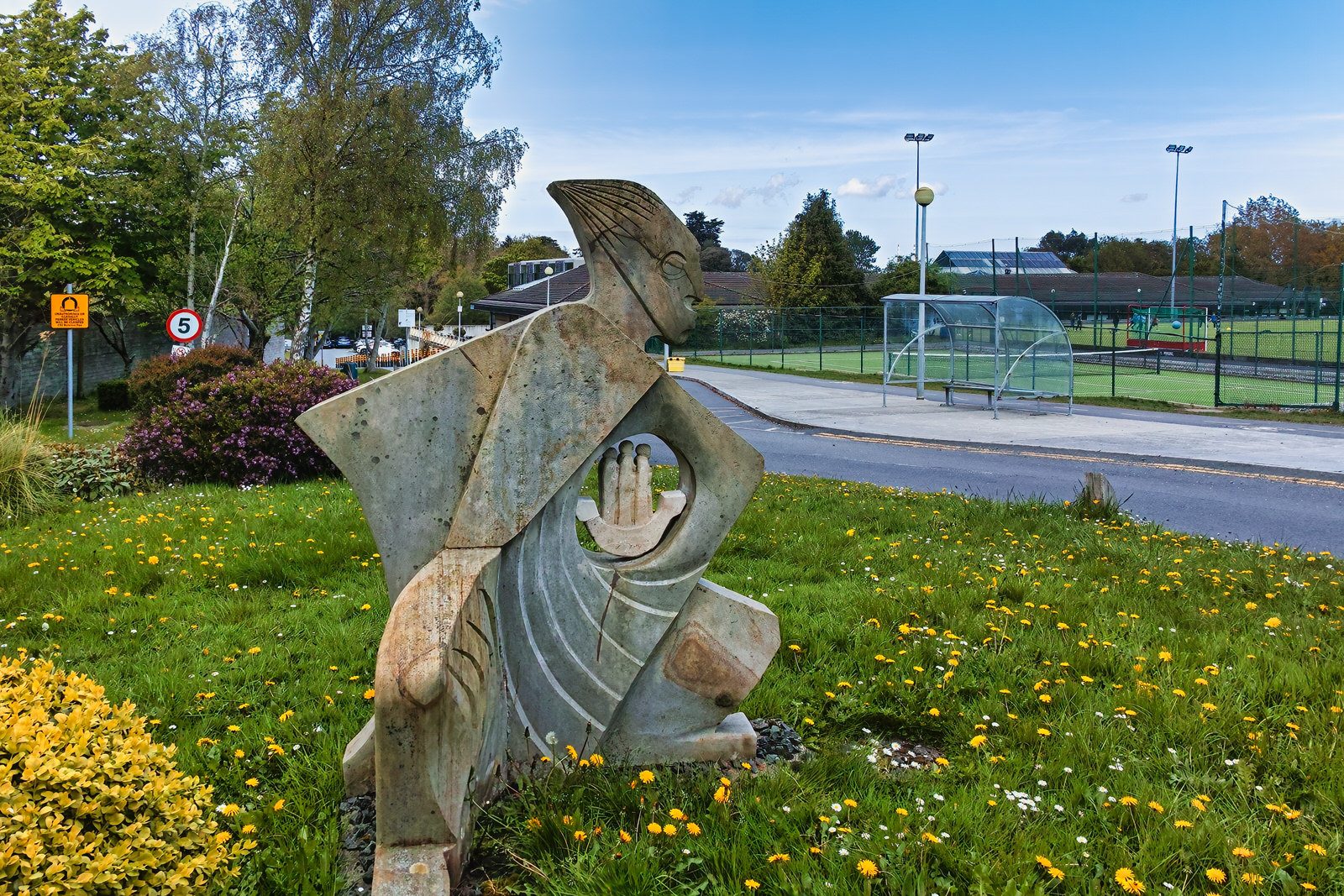
St. Kilian's Deutsche Schule Dublin
Dublin · Ireland
A 1950s refugee-aid charity's legacy now runs a dual-track Abitur and Leaving Cert campus shared with a French lycee in Clonskeagh.
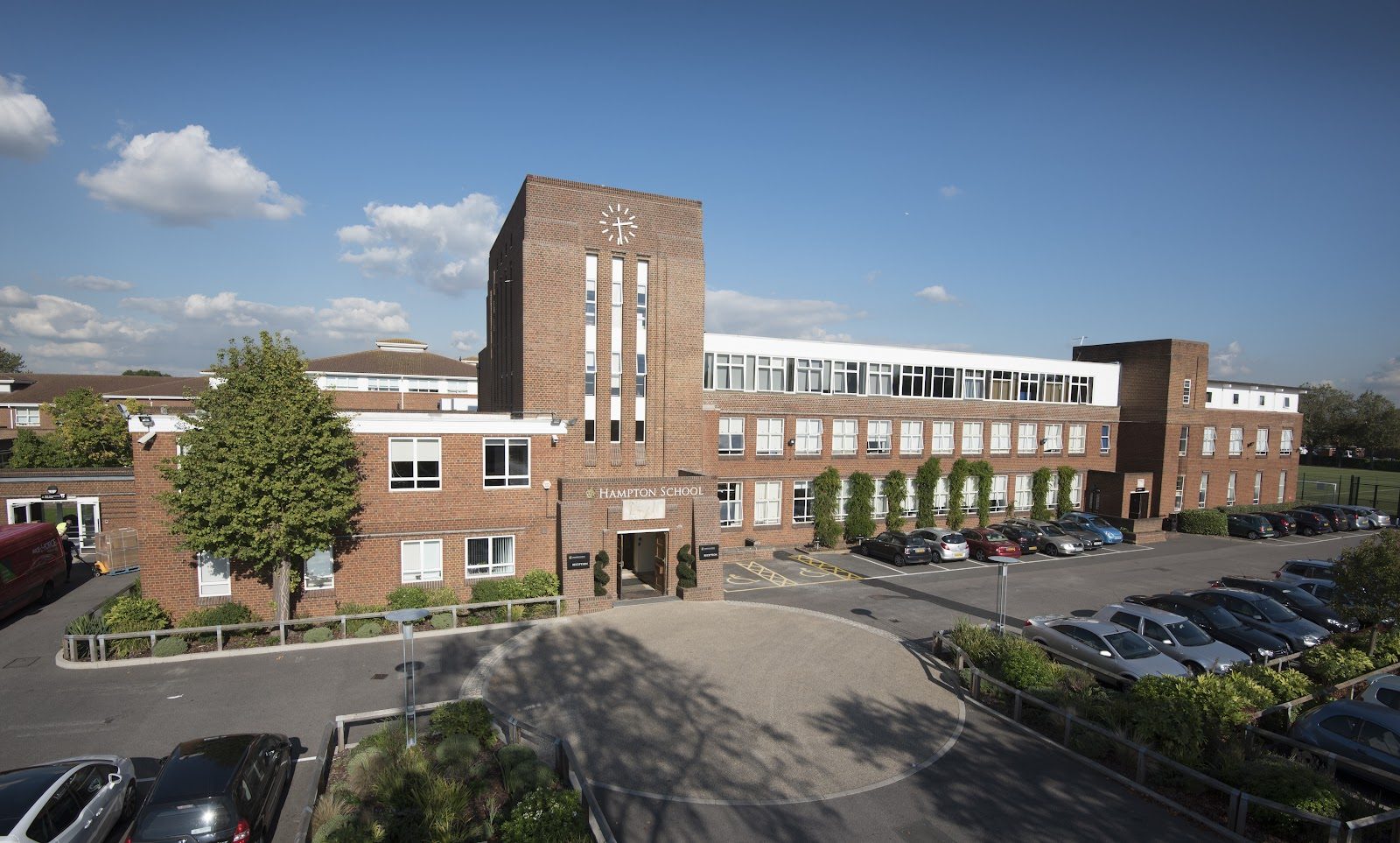
Hampton School
Hampton · United Kingdom
A 1557 grammar-school foundation on the Thames, where Molesey boathouse silverware rivals A-level success rates.
Same country and curriculum — closest matches within ±10 points either way