
Saskatchewan
Athol Murray College of Notre Dame
On the Saskatchewan prairie, hockey, faith and academics share equal billing beneath the campus's landmark Tower of God
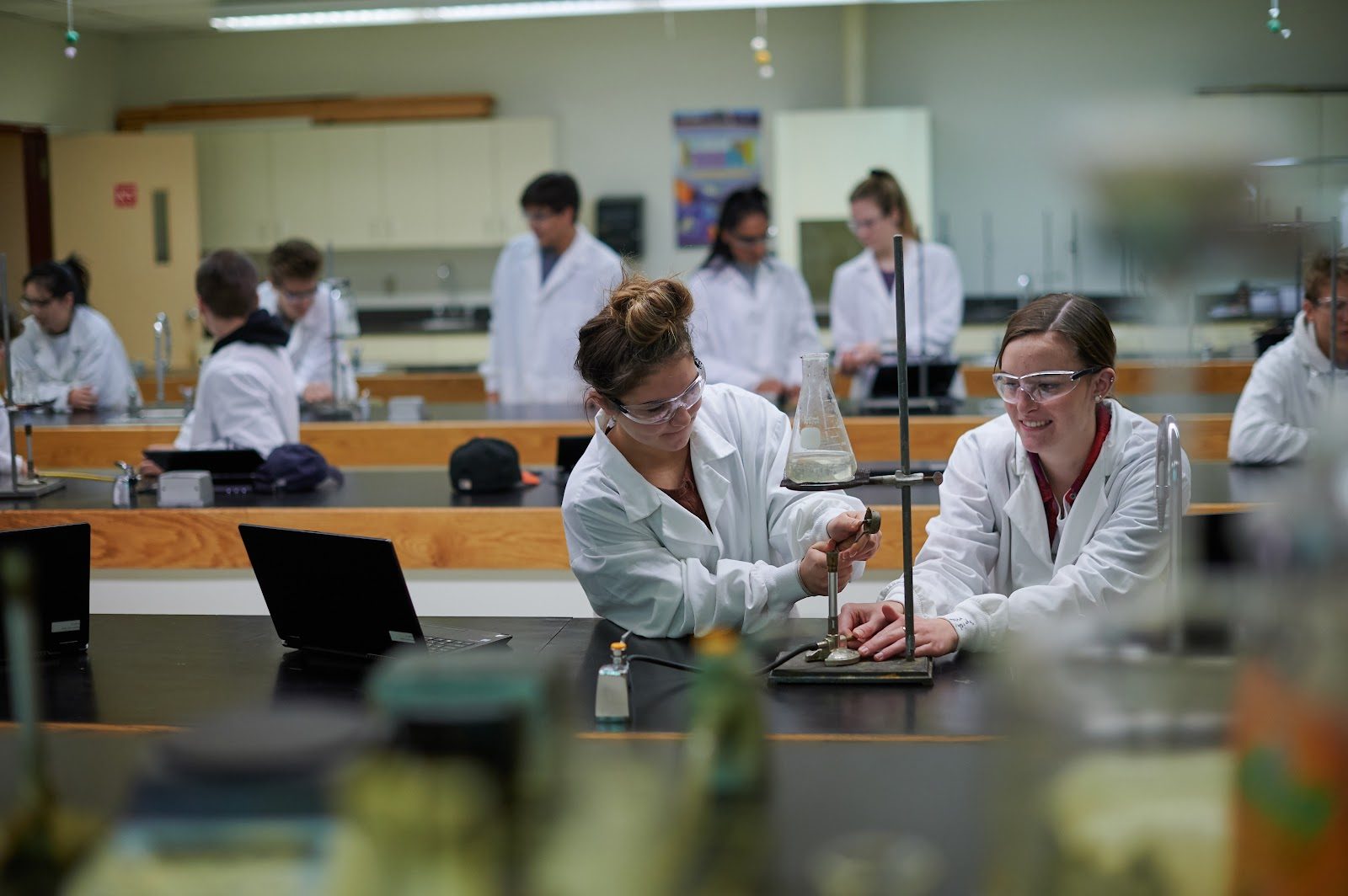
Photo © Athol Murray College of Notre Dame via Google Maps
Type
Boarding + Day
Ages
13–18
Curriculum
Saskatchewan High School Diploma
Ratio
—
The Verdict
Editor's commitment
Right for
Teenagers aged 13–18 who want boarding in Wilcox, Saskatchewan, with Catholic formation, the Saskatchewan High School Diploma and athletics at the centre.
Wrong for
Families wanting a secular school, an IB or AP pathway, or a campus where academics outrank hockey and faith for ages 13–18.
Watch out for
This is a Catholic boarding and day school in Wilcox, SK: the philosophy gives spiritual life and athletics equal weight with study.
Ranking breakdown
Athol Murray College of Notre Dame · #1372 of 1591
Composite score 52.8. 8 weighted criteria.
By criterion
Academic Outcomes
Weight 20%
#1492
of 1529 scored
University Placement
Weight 16%
#1462
of 1529 scored
Prestige & Heritage
Weight 12%
#1200
of 1571 scored
Alumni Network
Weight 12%
#510
of 1530 scored
Facilities
Weight 12%
#1102
of 1534 scored
Transparency & Communications
Weight 8%
#1433
of 1532 scored
Peer & Industry Review
Weight 10%
#234
of 1548 scored
Admissions Selectivity & Demand
Weight 8%
#1506
of 1529 scored
Peer & Industry Review
How Athol Murray College of Notre Dame is regarded in the sector
76
Strong · medium confidence
Athol Murray's standing among peer institutions is shaped almost entirely by its athletics pedigree rather than conventional academic league-table placement. Within Canadian private and boarding school circles it is recognized chiefly as the country's premier hockey-development boarding school, its Saskatchewan Junior Hockey League 'Hounds' program having produced multiple NHL draftees and alumni, a fact regularly noted in Canadian sports media (TSN, Sportsnet features) rather than education press. It does not appear prominently in UK-style comparative guides such as the Good Schools Guide or WhichSchoolAdvisor, which rarely cover Canadian prairie boarding schools, and it is not part of mainstream Canadian university 'feeder school' commentary the way major CAIS-affiliated day/boarding schools are. University admissions recognition is anecdotal and sport-linked, tied to athletic scholarships and junior-hockey-to-university pathways more than selective academic placement. Its reputation among elite peer schools is therefore niche: respected as a specialist athletic-academic hybrid with historical Catholic mission roots, but largely outside the standard national academic prestige conversation.
Award

Elite Sport 80
World's Top School · The Global Ranking
Athol Murray College of Notre Dame is featured on our Global Top 80 ranking at #37. This seal is available for the school's marketing team to use on their website, prospectus and social channels.
- Wendel Clark — NHL player, ice hockey
- Rod Brind'Amour — NHL player, ice hockey
- Curtis Joseph — NHL player, ice hockey
Editors' overview
Athol Murray College of Notre Dame occupies a niche few Canadian schools can match: a prairie boarding school where Catholic formation, communal life and competitive sport sit at the centre rather than the margins. This is not a generic university-prep campus with a chapel attached. The school’s own governing philosophy gives “the primacy of the spiritual” first place and adds “a special emphasis on athletics” in the same breath as academic study and community life. That clarity matters. Parents looking for a school with a diluted religious identity or a casual attitude to sport should look elsewhere. Parents who want moral seriousness, structured boarding life and a school that treats character, faith and physical discipline as one project should pay attention.
What marks Notre Dame out is the combination of place and culture. Wilcox is small, remote and deliberate. The setting strips away urban distraction and pushes students into a tight campus community built on cooperation, competition and routine. The school is co-educational, boarding and day, for ages 13–18, and teaches in English towards the Saskatchewan High School Diploma. It is Catholic in character, but the school states plainly that it is open to students of other faiths and keeps an ecumenical outlook. For the right child, that creates a strong sense of belonging and clear expectations. For the wrong child, it will feel constraining. This is a school for families who value rules, ritual and collective identity, not endless personal choice.
Its market position rests heavily on athletics, with hockey the headline draw and basketball and volleyball also visible parts of school life. That athletic emphasis is not a side offering; it sits inside the institution’s founding philosophy. Students who thrive here will relish competitive energy, accept accountability and cope well with a timetable that asks for commitment beyond lessons. Students who want a purely academic environment, a broad metropolitan sixth-form culture or a secular social atmosphere will find stronger fits elsewhere. The school also trades on heritage: founded in 1920, then later renamed in honour of Father Athol Murray, it carries the weight of a long-established boarding tradition rather than a newly assembled brand.
Why shortlist it? Because in a crowded market of schools that promise everything, Notre Dame makes a narrower, more convincing offer. It knows what it is. Families who want faith with backbone, serious sport, and an adolescence shaped by boarding discipline on the Saskatchewan prairie will find a distinctive proposition here. The ideal student is resilient, team-minded, willing to live within a shared code and eager to grow through community, competition and spiritual life. For that child, Notre Dame offers an intense, identity-forming education.
An Elite Sport 80 school
Athol Murray College of Notre Dame in Wilcox, Saskatchewan — universally known as "Notre Dame" and its ice-hockey teams as the "Hounds" — is at rank thirty-seven on the Elite Sport 80 because it is the historic engine of the Canadian ice-hockey development system and remains one of the most productive NHL-pipeline boarding schools in the world. Dozens of NHL alumni have come through the school in its century-long history, and the current Hounds programme is a consistent WHL, USHL and NCAA D1 feeder.
The specialism is ice hockey, delivered from a small Prairie campus with a dedicated in-house arena, professional coaching, integrated strength-and-conditioning and a full NCAA-compliant academic programme. Football, curling and volleyball run at nationally competitive Canadian standard, and the school's football team competes at the elite Canadian schoolboy level.
Notable alumni include a rolling roster of NHL professionals across generations — Wendel Clark, Rod Brind'Amour, Curtis Joseph, Vincent Lecavalier's contemporaries in the pre-QMJHL era, and current NHL and OHL/WHL prospects. Notre Dame's football alumni also include CFL and NCAA D1 professionals, and its curling programme has produced Canadian national champions.
International openness is high. Notre Dame is a co-ed boarding school with an established overseas cohort — particularly from the United States, Sweden, Finland, Czechia, Slovakia, Switzerland and Germany. Canadian study permits are handled by the school; ESL is available. Admissions is a standard application plus a sport-specific reference or trial where relevant. Tuition and boarding sit around C$50,000-60,000, positioning it substantially below equivalent US boarding academies while producing comparable NHL and NCAA D1 output. For a family with a genuinely elite hockey prospect looking for a full boarding school combined with a WHL or NCAA D1 pipeline at reasonable cost, Notre Dame is one of the highest-value options in the world. Boarding accommodation and the Canadian study-permit process should be started 9-12 months in advance for overseas families targeting an entry into the school.
Academic Performance
Notre Dame does not publish the data that would allow a serious academic comparison with peer boarding schools. We have not seen aggregate provincial exam outcomes, diploma averages, university placement rates, scholarship totals tied to graduating cohorts, or subject-by-subject attainment. That gap matters. In a market where many schools use hard results to prove academic strength, Notre Dame asks parents to trust a broader proposition built around faith, community and sport. For some families, that is enough. For anyone trying to judge academic return with precision, it is not. The school lists academic courses and gives academics a clear place in school life, but the public case for academic performance remains thin, opaque and *secondary to the larger institutional identity*.
Relative to peers, that places Notre Dame in a weaker position on published evidence, not because weak results are proven, but because transparent results are absent. Schools with strong examination performance and the confidence to show it publish headline outcomes. Notre Dame does not. The school’s own philosophy also gives athletics unusual weight, which helps explain the balance of emphasis. Parents should read this plainly: if you want a school chosen first for measurable academic firepower, look elsewhere. If you want a school where academics sit inside a *more demanding, more collective, more values-driven model* of adolescence, Notre Dame remains a distinctive option — but one with limited public proof on external examination performance.
Facilities
The facilities that matter here are the ones tied to the school’s stated priorities, and the hierarchy is clear. Hockey has dedicated infrastructure: the Seaman-Hill Hockey Skills Centre and the Maier Performance Center sit alongside the broader athletics programme, with basketball and volleyball also given visible space in school life. That places Notre Dame above many small boarding schools whose sports offer rests on a gym, a rink booking and good intentions. For families targeting serious athletic development, especially in hockey, this is a hard-edged advantage. The campus also has dedicated boarding, dining, health and spiritual provision built into daily life, which fits the school’s high-control, community-first model better than the looser residential arrangements found at some day-led schools.
What is missing from the public picture is just as important. We have not seen the kind of detailed academic-facilities case that stronger university-prep competitors now make as standard: no clear public emphasis on specialist science spaces, design labs, performing arts venues or standout library provision. That does not mean those facilities are weak; it means they are not the centre of the school’s offer. Against peer schools, Notre Dame looks sport-forward, boarding-centred and spiritually structured, with less public weight placed on academic or arts infrastructure as prestige assets. Parents choosing this school are buying into a campus built first for discipline, training and communal routine, not an all-things-to-all-children estate.
The same qualities that make it distinctive make it specialist
Prestige
Notre Dame’s prestige is real, but narrow. This is not a universal status school in the mould of a top urban academic college with published results, selective university destinations and a broad international cachet. Its standing rests on something more specific: a strong internal mythology, a long-established boarding culture, and a national profile in school sport that gives it recognisability well beyond its rural setting. Among families who value Catholic formation, discipline and competitive athletics, the name carries weight. Among families shopping first for academic distinction, it carries less. Prestige here comes from identity, not from data.
That distinction matters. The school has the advantage of rarity: a co-educational boarding high school for ages 13–18 with an overt spiritual mission and a conspicuous commitment to athletics at the heart of its philosophy. Few schools state their priorities so bluntly. That gives Notre Dame a clear tribal appeal and, for the right student, a badge value tied to toughness, community and commitment. It also limits its reach. The same qualities that make it distinctive make it specialist. Parents should rate its prestige as high within its own lane and moderate outside it: admired for heritage, sport and formation, not for transparent academic supremacy or polished global-brand glamour.
Notre Dame’s distinctiveness starts with how plainly it orders adolescent life
Communications
Parent communication is functional, centralised and more old-school than polished. The website gives clear navigation for the things parents need to find fast: admissions, fees, financial assistance, boarding life, dining, health services, spiritual development, respectful student conduct, calendars, contact details and logins. That breadth matters. It tells parents where the school expects regular engagement: not only around applications and payments, but around conduct, campus life and faith. The presence of an online inquiry form, campus tours, a dedicated admissions team, a magazine, archives and an events calendar points to a school that keeps its community informed through multiple channels rather than through one glossy front door. The tone, though, is institution-first, tradition-bound and administrative. Families wanting slick digital storytelling or a highly refined parent portal experience may find it plain.
Effectiveness is strongest for parents who value clarity of expectation over charm. The school communicates its priorities without confusion: spiritual life, athletics, boarding routine and community standards sit in full view. That directness is a strength. There is little risk of misunderstanding what kind of environment a child is entering. Where communication is weaker is in academic accountability. The site gives parents routes into academic information, but not the published outcomes that would let them judge performance with confidence. That leaves the communications offer clear on culture, thin on proof and better at expressing identity than demonstrating results. For a school with such a strong internal code, that balance is coherent. It is not enough for every family.
Uniqueness
Notre Dame’s distinctiveness starts with how plainly it orders adolescent life. Its governing philosophy puts “the primacy of the spiritual” first, then ties study, religious life, culture, society and athletics into one institutional project rather than separate departments competing for attention. That is unusually coherent. Many schools bolt faith onto a mainstream college-prep model or treat sport as an extracurricular badge; Notre Dame builds all three into the core. The result for students is a campus culture with clear moral architecture, shared ritual and a sharper sense of duty than most contemporary boarding schools will tolerate. Add the prairie-village setting and the effect intensifies: less anonymity, less drift, more pressure to participate, contribute and hold your place in the group. For resilient teenagers, that produces deep belonging and habits of stamina. For more independent or sceptical personalities, it can feel unforgiving.
The second point of difference is the school’s refusal to dilute its athletic identity, with hockey given a visibility and seriousness that few co-educational schools match. That matters beyond the rink. Students absorb a culture of repetition, competition, physical discipline and team accountability that shapes the day as much as classroom instruction does. The school’s Catholic character remains central, but its ecumenical stance broadens the intake and gives non-Catholic families a route into a high-structure, conviction-led education without requiring cultural sameness. What students get, at its best, is not a polished all-purpose schooling experience but a formative regime: demanding, communal and strong on identity.
This is not a generic university-prep campus with a chapel attached
Student Profile
The best fit is a teenager who wants structure and does not need constant negotiation. Notre Dame suits students who can live inside a shared code, accept adult authority and take part fully in campus life rather than skirting its edges. The school’s own philosophy makes the priorities plain: spiritual formation, community life and athletics sit at the centre. That points to a student who is coachable, team-minded and comfortable with public standards of conduct. Competitive athletes, especially those drawn to hockey, have an obvious route in, but the deeper requirement is temperamental. A child who gains confidence from routine, ritual and belonging will do well. A child who wants loose supervision, broad social anonymity or a pick-and-mix school experience will not.
It also suits families who want adolescence shaped by faith, not merely accommodated by it. The school is open to students of other faiths, but no one should enrol expecting a secular culture with a chapel on the side. This is a conviction-led environment with a strong communal identity and a demanding, high-accountability tone. Students who thrive here will value effort, accept competition and tolerate the pressure that comes with close-knit boarding life for ages 13–18. The wrong student is easy to picture: cynical, resistant to authority, casually disengaged or unwilling to pull their weight. Notre Dame has a clear tribal centre. That is its strength, and its limit.
Parents looking for a school with a diluted religious identity or a casual attitude to sport should look elsewhere
Co-curricular strengths
Arts & sport, on a separate axis
Overall 6.96/10
Scored 0-10 from the school's own published evidence. This axis is editorial-only — it does not feed the main WTS ranking.
Strengths
- +One of Canada's oldest boarding schools, founded in 1927 by Father Athol Murray, with nearly a century of continuous operation.
- +Widely known hockey and athletics programs (the Notre Dame Hounds) have produced NHL players including Wendel Clark, Curtis Joseph and Rod Brind'Amour.
- +Full boarding structure combines academics with daily athletic training, appealing to families prioritising sport alongside schooling.
- +Offers the Saskatchewan High School Diploma, a Canadian provincial credential recognised for university entry across Canada.
- +Small rural campus in Wilcox, Saskatchewan provides a controlled, low-distraction environment away from major urban centres.
Considerations
- −Remote prairie location, roughly an hour from Regina, means significant travel time and cost for international and out-of-province families.
- −Curriculum is limited to the Saskatchewan Diploma; no IB, A-Level or AP options are offered for families wanting internationally portable qualifications.
- −Strong institutional identity around hockey and athletics may not suit students or families seeking a primarily academic-focused environment.
- −Harsh Saskatchewan winters and isolated small-town setting are a lifestyle adjustment for expat families used to urban amenities.
Gallery
Photo © Athol Murray College of Notre Dame via Google Maps
Photo © Athol Murray College of Notre Dame via Google Maps
Photo © Athol Murray College of Notre Dame via Google Maps
Photo © Athol Murray College of Notre Dame via Google Maps
Photo © Athol Murray College of Notre Dame via Google Maps
Photo © Athol Murray College of Notre Dame via Google Maps
Photo © Athol Murray College of Notre Dame via Google Maps
Parent reviews
Have you sent your child here?
Voice reviews carry the strongest trust badge — we transcribe them for you to tidy up before they go live. Prefer to type? A written review is fine too.
Add your voice
In 60 seconds, tell other parents: what's the best thing about Athol Murray College of Notre Dame, and what surprised you when your child joined?
We ask for a Google sign-in so every review has a real face behind it — no anonymous drive-by attacks on schools, and no faked positive reviews. Your email is never shown publicly.
Send this profile to a friend
International parents rely on word-of-mouth. Share this review with someone weighing the same decision.
Schools with places
Similar schools to Athol Murray College of Notre Dame with places available now.
St Michaels University School
Victoria · Canada
- 2026-27
- CLOSEDRegular cycle closed
- 2027-28
- PLACES OPEN2027/28 open; priority 1 Dec '26
Ashbury College
Ottawa · Canada
- 2026-27
- CLOSEDRegular cycle closed
- 2027-28
- PLACES OPENDay Dec / Boarding rolling
Shawnigan Lake School
Shawnigan Lake · Canada
- 2026-27
- CLOSEDRegular cycle closed
- 2027-28
- PLACES OPENActive now
Havergal College
Toronto · Canada
- 2026-27
- CLOSEDRegular cycle closed
- 2027-28
- OPENS SOONOpens 1 Sept '26 (Day) / Boarding active
Availability first, then country, area, curriculum, price, co-curricular
Consider also
Also worth looking at alongside Athol Murray College of Notre Dame.
National Sport School
Calgary, AB · Canada
Classrooms embedded inside WinSport's Olympic Park let student-athletes train by day and study around competition travel by design
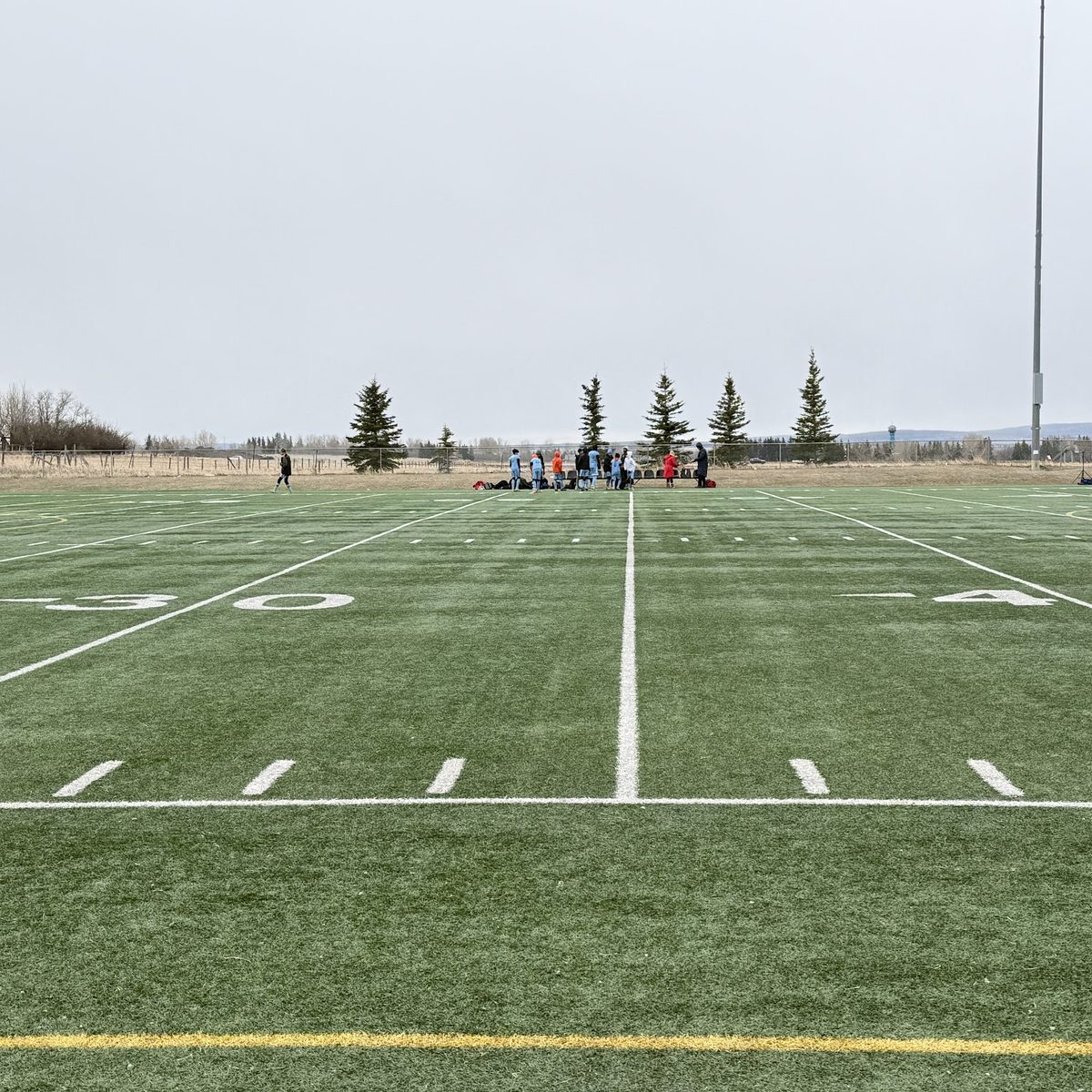
Edge School
Calgary, AB · Canada
West of Calgary, sport blocks are built into the timetable, pairing hockey, dance, golf and soccer academies with core academics.
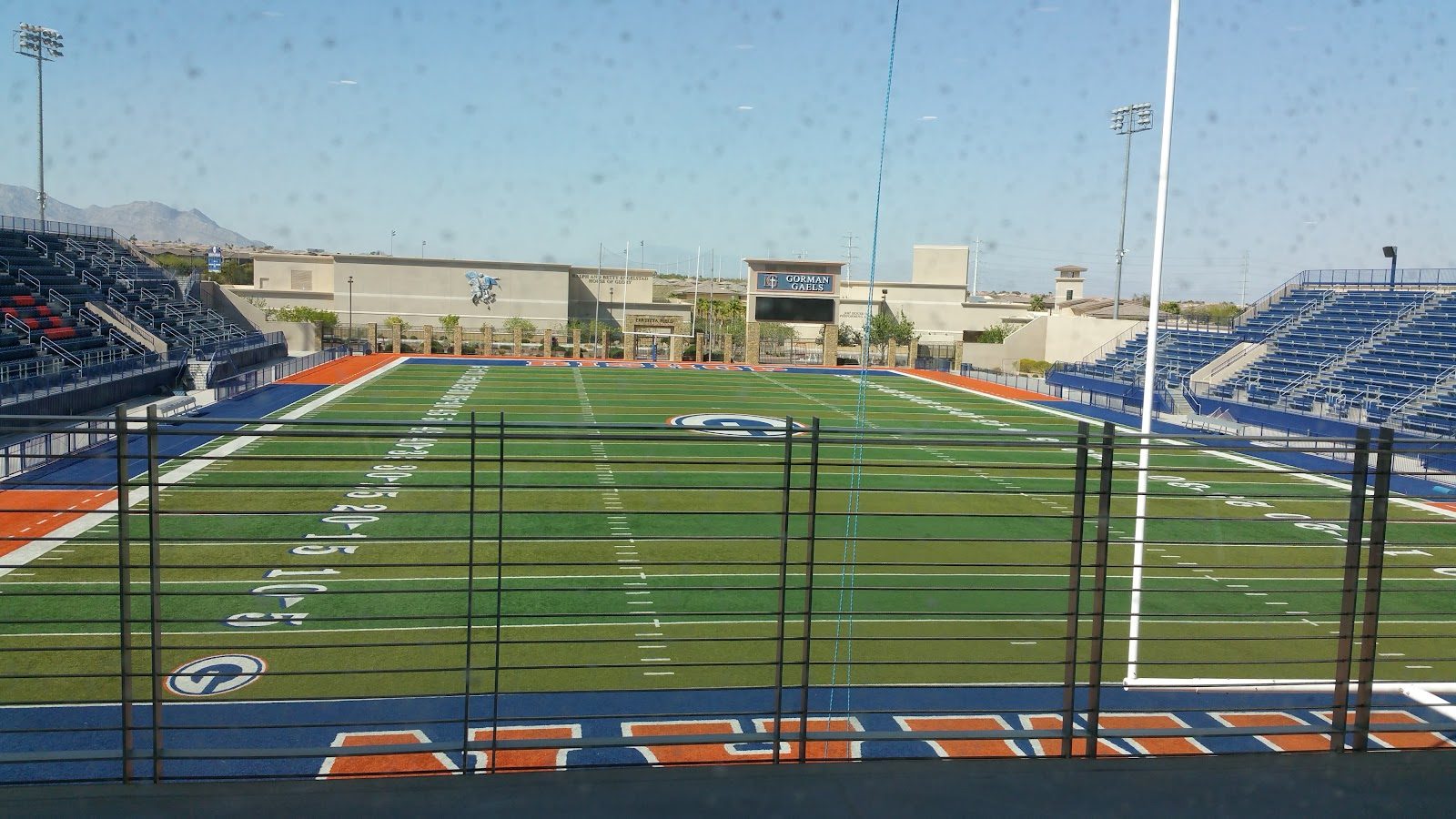
Bishop Gorman High School
Las Vegas, NV · United States
In Summerlin's desert suburbs, a Catholic college-prep whose football dynasty has claimed four national titles and 15 state crowns.
Ellesmere College
Ellesmere, Shropshire · United Kingdom
Shropshire countryside campus built around six specialist sport academies, from cricket to a new PSG football partnership
Same specialism, country and curriculum — closest matches within ±10 points either way