
Europe
ACS Hillingdon International School
West London ACS campus for American and IB students
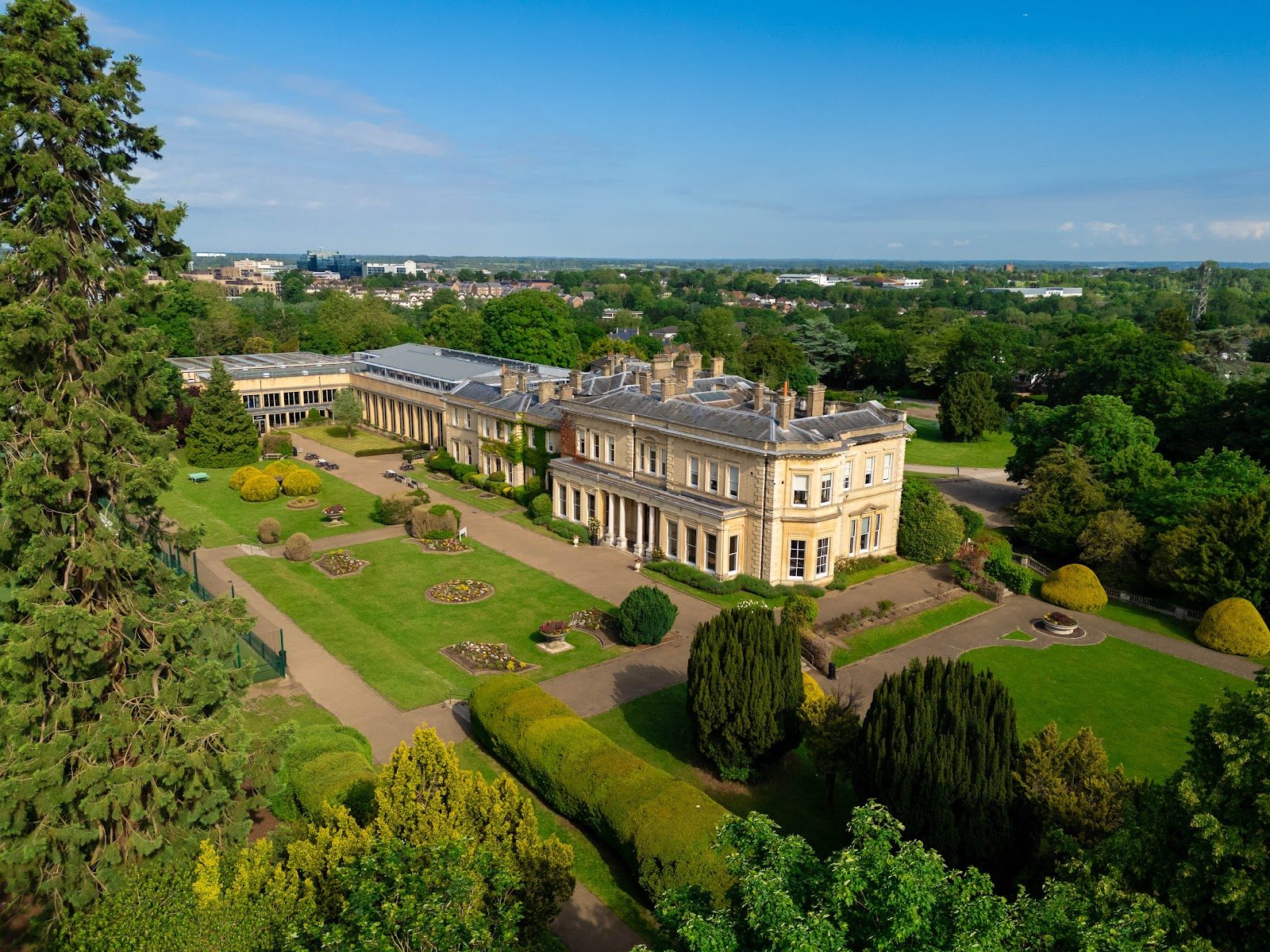
Photo © ACS International School Hillingdon via Google Maps
Type
Day
Ages
4–18
Curriculum
American · IB
Ratio
—
The Verdict
Editor's commitment
Right for
Families in Hillingdon who want ages 4–18 continuity with American and IB pathways, taught in English on an ACS campus.
Wrong for
Parents seeking boarding, a religious ethos or a British-only route will get none of that at this day school.
Watch out for
The average annual fee is £33,000; for a non-religious day school founded in 1978, that price demands scrutiny of outcomes.
Ranking breakdown
ACS Hillingdon International School · #777 of 1591
Composite score 64.2. 8 weighted criteria.
By criterion
Academic Outcomes
Weight 20%
#745
of 1529 scored
University Placement
Weight 16%
#911
of 1529 scored
Prestige & Heritage
Weight 12%
#1242
of 1571 scored
Alumni Network
Weight 12%
#1029
of 1530 scored
Facilities
Weight 12%
#120
of 1534 scored
Transparency & Communications
Weight 8%
#9
of 1532 scored
Peer & Industry Review
Weight 10%
#1352
of 1548 scored
Admissions Selectivity & Demand
Weight 8%
#1467
of 1529 scored
Peer & Industry Review
How ACS Hillingdon International School is regarded in the sector
Insufficient peer signal
We couldn't find enough independent third-party evidence to score this school's peer & industry standing with confidence. It doesn't mean the school isn't well regarded — only that public reputation sources we trust don't yet cover it. This axis is left blank for now and the composite score is median-imputed from the other six categories.
Editors' overview
ACS Hillingdon sits in a narrow but important part of the west London market: a day school for ages 4 to 18 that runs an American curriculum alongside the IB, rather than forcing internationally mobile families into the standard English route. That matters. In London, plenty of schools claim internationalism; far fewer build their academic structure around students who may arrive from, or leave for, US or IB systems. For families moving between countries, that makes Hillingdon a practical school, not just a cosmopolitan one. It is part of the ACS group, which operates three schools near the edge of Greater London, and Hillingdon has been established since 1978. The fee level — an average annual day fee of £32,725 across the full age range — places it firmly in the expensive bracket, but not at the very top of London’s independent day-school market.
What is special here is the academic fit. A child who needs continuity with an American educational style, taught in English, has few credible options in and around London; ACS Hillingdon is one of them. The added presence of the IB broadens that appeal beyond expatriate Americans and gives the school a second, globally legible exit route at sixth-form age. That dual structure is its strongest argument for a shortlist place. Parents who know they do not want a conventional British prep-to-A-level track will find this school usefully specific. Parents who do want a traditional English independent-school experience, with all the cultural assumptions that brings, should look elsewhere.
The student who suits ACS Hillingdon is internationally mobile, adaptable and comfortable in a school community that is defined more by curriculum fit than by local tradition. This is a non-religious day school in Hillingdon, so it works best for families who want daily access from west London without boarding and without a faith frame. It will also suit students who value breadth and transferability over the old-school cachet of a historic British name. For the right child, that makes ACS Hillingdon strategically strong: clear age range, clear mission, clear market. For the wrong child — one seeking a deeply rooted English house-and-games culture — the fit is weak, and no amount of international branding changes that.
Academic Performance
ACS Hillingdon has a clear academic selling point and a clear reporting weakness. The selling point is the combination of American and IB pathways, which gives internationally mobile students a credible route through school without a forced switch into the English exam system. The weakness is public transparency. We have not seen aggregate IB Diploma results, average point scores, subject-level distributions, SAT or AP outcomes, or destination data broken down in enough detail to place the school securely against London’s strongest academic competitors. That matters. In this market, schools asking premium fees need to publish hard outcomes, and ACS Hillingdon does not do enough of that in the public domain. For parents who prize clean comparability and hard academic proof, that is a real gap.
Relative to peers, then, ACS Hillingdon sits in a credible but opaque bracket: a serious option for families who need its academic structure, but not a school that invites direct results-led comparison with the capital’s more forensically transparent independents. That does not mean weak outcomes; it means unproven outcomes in public. For the right family, curriculum continuity carries more weight than league-table theatre. For a parent choosing on examination strength alone, the absence of published headline data is a material drawback. In a London field where top schools advertise 40-plus IB averages, high single-figure Oxbridge totals, or near-perfect pass profiles, ACS Hillingdon gives far less to interrogate.
Facilities
Facility judgement here turns on restraint: ACS Hillingdon needs to cover the full school day for a wide age range without the acreage, theatre and sporting sprawl of the biggest outer-London independents. That makes fit-for-purpose provision more important than grandeur. Parents should expect the core day-school package — teaching rooms, science space, art and music provision, libraries, dining, and sports areas — rather than a showpiece campus built to impress at first glance. Against direct peers in London’s international segment, that is a respectable position, but not a distinctive one. Schools competing at the top end of this market win attention with major performing arts centres, extensive indoor sports stock, or unusually deep specialist provision. ACS Hillingdon does not occupy that facilities arms race lane in public.
That is not a fatal weakness. For many international families, the practical test is whether the campus supports a full, stable education from the early years to sixth form without daily friction. On that measure, the school has the advantage of belonging to an established group with a long foothold on London’s edge, which tends to bring institutional competence even when the physical estate lacks spectacle. The problem is transparency. The school does not publish enough detail to let parents benchmark laboratories, studios, performance spaces or sports infrastructure with precision. In a fee bracket of £32,725 a year on average, that matters. Premium schools do not get a pass on facility opacity.
Against direct peers in London’s international segment, that is a respectable position, but not a distinctive one
Prestige
ACS Hillingdon carries functional prestige rather than London top-tier cachet. That distinction matters. In the independent-school pecking order, prestige comes from one of three things: old British social capital, brutally clear academic outcomes, or a singular market role that few rivals can match. This school has the third of those, not the first two. Its value sits in being part of an established three-school ACS group near Greater London and in serving families who need educational continuity across borders. That gives it a recognisable international standing in expatriate and mobile professional circles. It does not give it the aura of a citadel school whose name alone opens doors in Britain. The fee level — £32,725 on average each year — puts it in premium territory, so parents are entitled to ask what kind of prestige they are buying.
The answer is: useful prestige, not glamour. For the right family, that is enough. A child moving between systems gets a school with a clear institutional identity and a name that travels better internationally than many local independents. In west London, that has real weight. But prestige built on fit has limits. The school does not publish the kind of headline outcomes that sustain elite academic mystique, and it lacks the inherited social mythology that surrounds Britain’s grander names. So the rating here sits in the solid middle: respected, established, and credible in its lane, but not a status school in the full metropolitan sense.
ACS Hillingdon carries functional prestige rather than London top-tier cachet
Communications
Parent communication at ACS Hillingdon carries the strengths and weaknesses of a school built for internationally mobile families. The strengths are obvious: a school serving children across a wide age span, inside a 3-school organisation, has to keep practical information moving cleanly or daily life unravels. That structure tends to produce disciplined routine communication on calendars, transitions, events and parent logistics. There is also a built-in audience for clear messaging: families arriving from different systems do not tolerate woolliness for long. On that front, the school’s proposition has a practical clarity that works in its favour. Parents choosing this kind of school want straightforward answers about how the school operates, where a child fits, and how movement through the years works. ACS Hillingdon has every incentive to be good at that.
Where the picture hardens is strategic transparency. Communication is not just about sending notices on time; it is about giving parents enough hard information to judge value and outcomes. Here the school is less convincing. We have not seen the level of public academic disclosure that top-fee schools should provide, and that shortfall affects trust. If a school charges an average of £32,725 a year, parents deserve more than warm narrative and operational competence. They deserve hard-edged clarity on results, destinations and performance. So the verdict is mixed: parent communication on day-to-day school life is probably orderly and serviceable; communication on the questions that matter most at this price is not strong enough.
Uniqueness
What sets ACS Hillingdon apart is not grandeur or social mythology, but system fit. In the London market, most independent schools still pull families towards a British academic and cultural script. This school does something narrower and more useful: it serves children whose education needs to travel. For students arriving mid-journey from overseas, or leaving again before university, that reduces academic disruption and the administrative drag of switching systems. The gain for students is practical, not romantic. They study in a setting built for movement between countries, with classmates and families who treat relocation as normal rather than exceptional. That creates a *more transient, more internationally literate* community than the average local day school, and for the right child that brings ease, resilience and a wider frame of reference.
Its other point of difference sits in the ACS group structure. Being part of a 3-school organisation near Greater London gives Hillingdon a networked identity rather than the isolation of a one-site international school. That matters to families who value institutional continuity and a name with recognition beyond one postcode. The benefit to students is stability of ethos and a community shaped around internationally mobile households, not around inherited local tradition. The trade-off is clear too: children seeking deep-rooted English school ritual or a strongly local social world will find thinner soil here. ACS Hillingdon is distinctive because it knows exactly whom it serves.
We have not seen the level of public academic disclosure that top-fee schools should provide, and that shortfall affects trust
Student Profile
The students who fit best here are children for whom mobility is a fact of family life, not an interruption. That includes expatriate families, returnees, embassy and corporate moves, and British-based households that want a school community less tied to local custom and more open to arrivals midstream. Such students tend to cope well with change, make friends without much ceremony, and value a peer group that does not treat difference as exotic. They do not need the tribal comfort of a deeply local catchment or the ceremonial weight of a classic English independent school. They need adaptability, social confidence and a tolerance for a community with more churn than a settled neighbourhood school.
It also suits students who are broad in outlook rather than status-conscious. Children who thrive here are the ones happy to share classrooms with internationally mobile peers, less interested in inherited school mythology, and more interested in getting on with the business of school. Families paying an average of £32,725 a year will expect ambition, but this is not the natural home for pupils chasing old-money polish or a fortress-like British school identity. It is stronger for pragmatic, globally minded students who want an education that can travel with them and a social environment that is cosmopolitan without fuss. Those seeking rootedness, ritual and a strong local tribe will feel the limits quickly.
They study in a setting built for movement between countries, with classmates and families who treat relocation as normal rather than exceptional
Co-curricular strengths
Arts & sport, on a separate axis
Overall 8.42/10
Scored 0-10 from the school's own published evidence. This axis is editorial-only — it does not feed the main WTS ranking.
Sports
8.4/10
60 teams, domestic and international-school competition, extensive facilities and international varsity pathways.
Drama
8.9/10
A genuine pathway dimension: LAMDA work plus the IBCP Expressive Arts/theatre-film route and practical work in staging, sound, VFX and animation; a graduate has progressed to NYU Tisch.
Dance
7.6/10
Present within a broad expressive-arts offer rather than as a specialist pathway.
Music
8.3/10
IB Music, composition studios, successful music examinations and ensembles, and a technically upgraded auditorium.
Visual Arts
8.9/10
IB Visual Arts and Film, AP Art History and AP 2D/3D Art, digital art and textiles with dedicated studios; inspectors report regional and national visual-art prizes and national exhibition finalists.
Editor-verified · 8/27/2026
Gallery
Photo © ACS International School Hillingdon via Google Maps
Photo © ACS International School Hillingdon via Google Maps
Photo © ACS International School Hillingdon via Google Maps
Photo © ACS International School Hillingdon via Google Maps
Photo © ACS International School Hillingdon via Google Maps
Photo © ACS International School Hillingdon via Google Maps
Photo © ACS International School Hillingdon via Google Maps
Photo © ACS International School Hillingdon via Google Maps
Photo © ACS International School Hillingdon via Google Maps
Parent reviews
Have you sent your child here?
Voice reviews carry the strongest trust badge — we transcribe them for you to tidy up before they go live. Prefer to type? A written review is fine too.
Add your voice
In 60 seconds, tell other parents: what's the best thing about ACS Hillingdon International School, and what surprised you when your child joined?
We ask for a Google sign-in so every review has a real face behind it — no anonymous drive-by attacks on schools, and no faked positive reviews. Your email is never shown publicly.
Send this profile to a friend
International parents rely on word-of-mouth. Share this review with someone weighing the same decision.
Schools with places
Similar schools to ACS Hillingdon International School with places available now.
UWC Atlantic
Llantwit Major · United Kingdom
- 2026-27
- CLOSEDStandard route closed
- 2027-28
- PLACES OPEN11+ / 13+ / 16+ active
Southbank International School
London · United Kingdom
- 2026-27
- CLOSEDStandard route closed
- 2027-28
- PLACES OPEN11+ / 13+ / 16+ active
Fettes College
Edinburgh · United Kingdom
- 2026-27
- CLOSEDStandard route closed
- 2027-28
- PLACES OPEN
ACS International School Cobham
Cobham · United Kingdom
- 2026-27
- WAITPOOLSpace-dependent
- 2027-28
- PLACES OPENRolling
Availability first, then country, area, curriculum, price, co-curricular
Consider also
Also worth looking at alongside ACS Hillingdon International School.
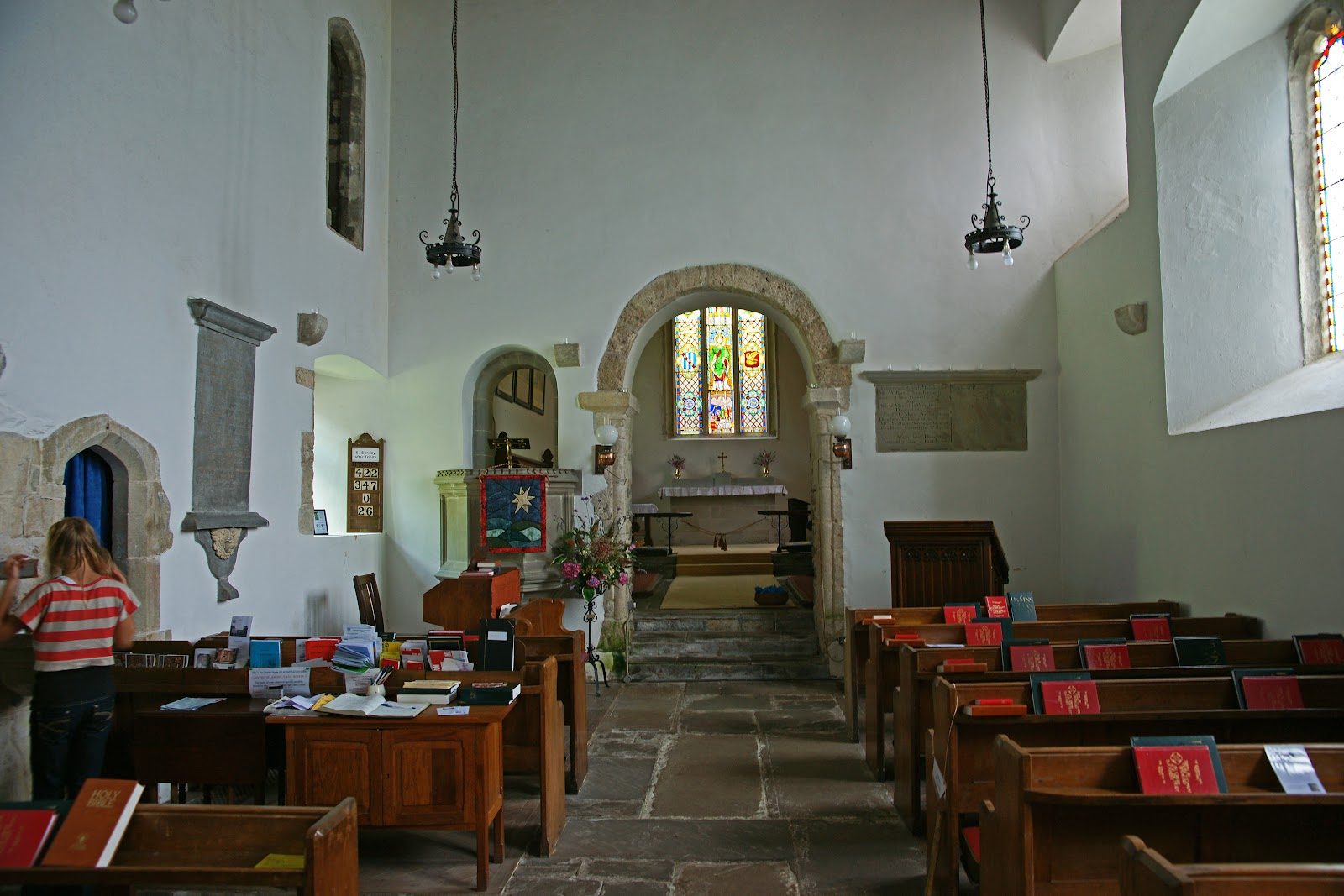
UWC Atlantic
Llantwit Major · United Kingdom
In a seafront medieval castle in Wales, the founding United World College still teaches the IB curriculum it helped invent.
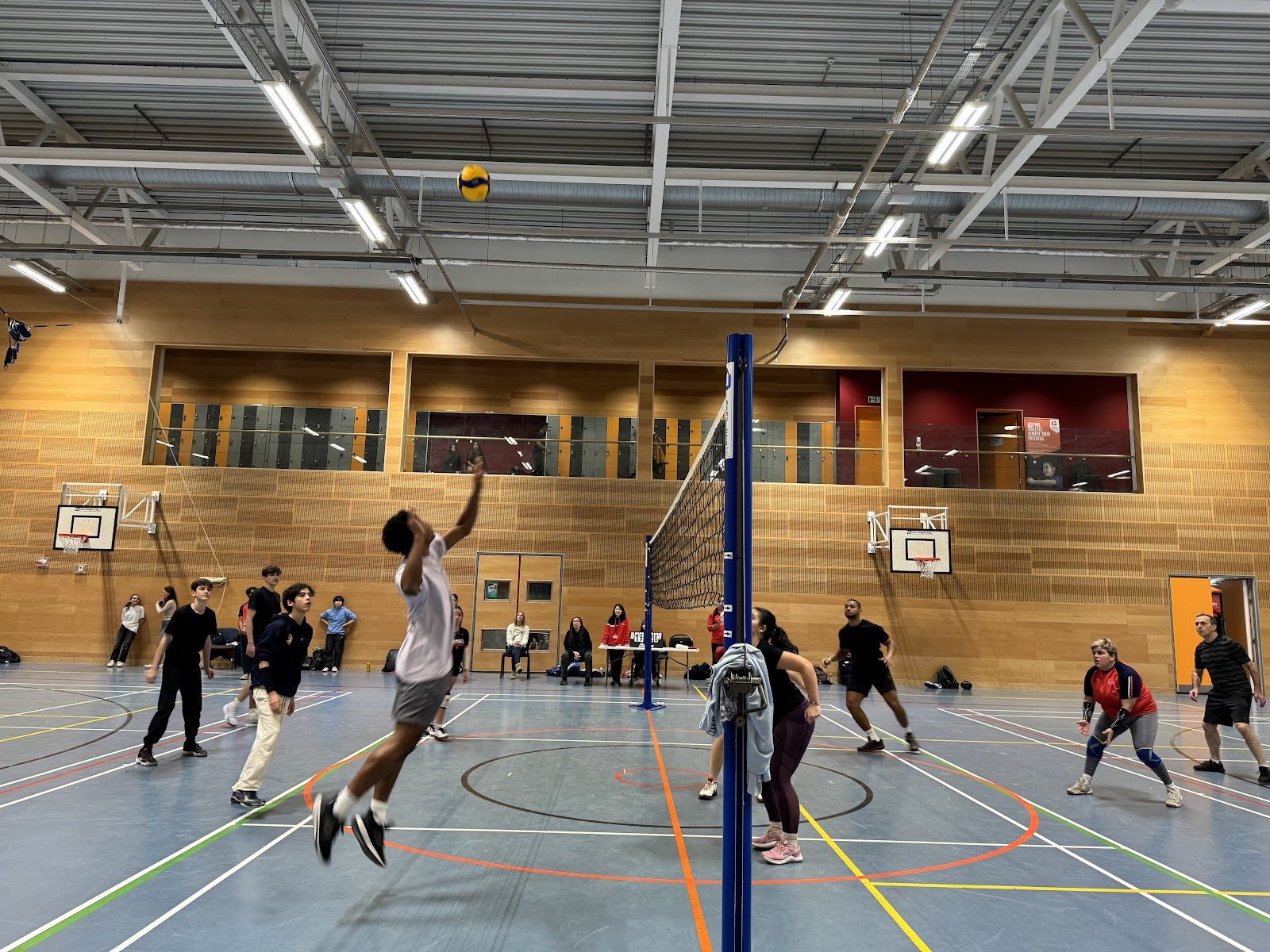
International School of London
London · United Kingdom
A Chiswick IB pioneer since 1972, where mother-tongue teaching in 24 languages predates UNESCO's own push for linguistic diversity
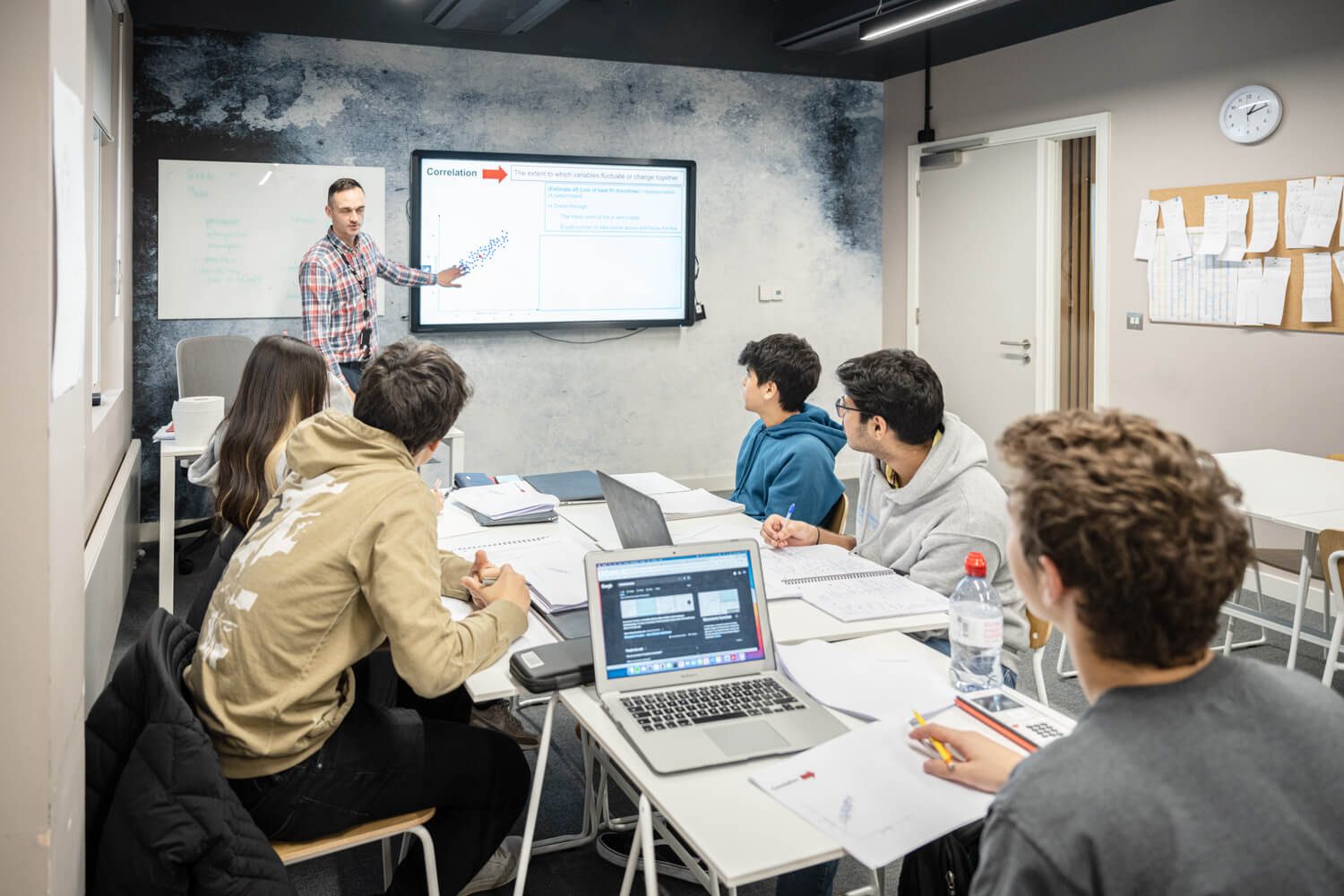
Southbank International School
London · United Kingdom
A 'school without walls' spanning three London postcodes, first in the UK cleared to teach all three IB programmes.
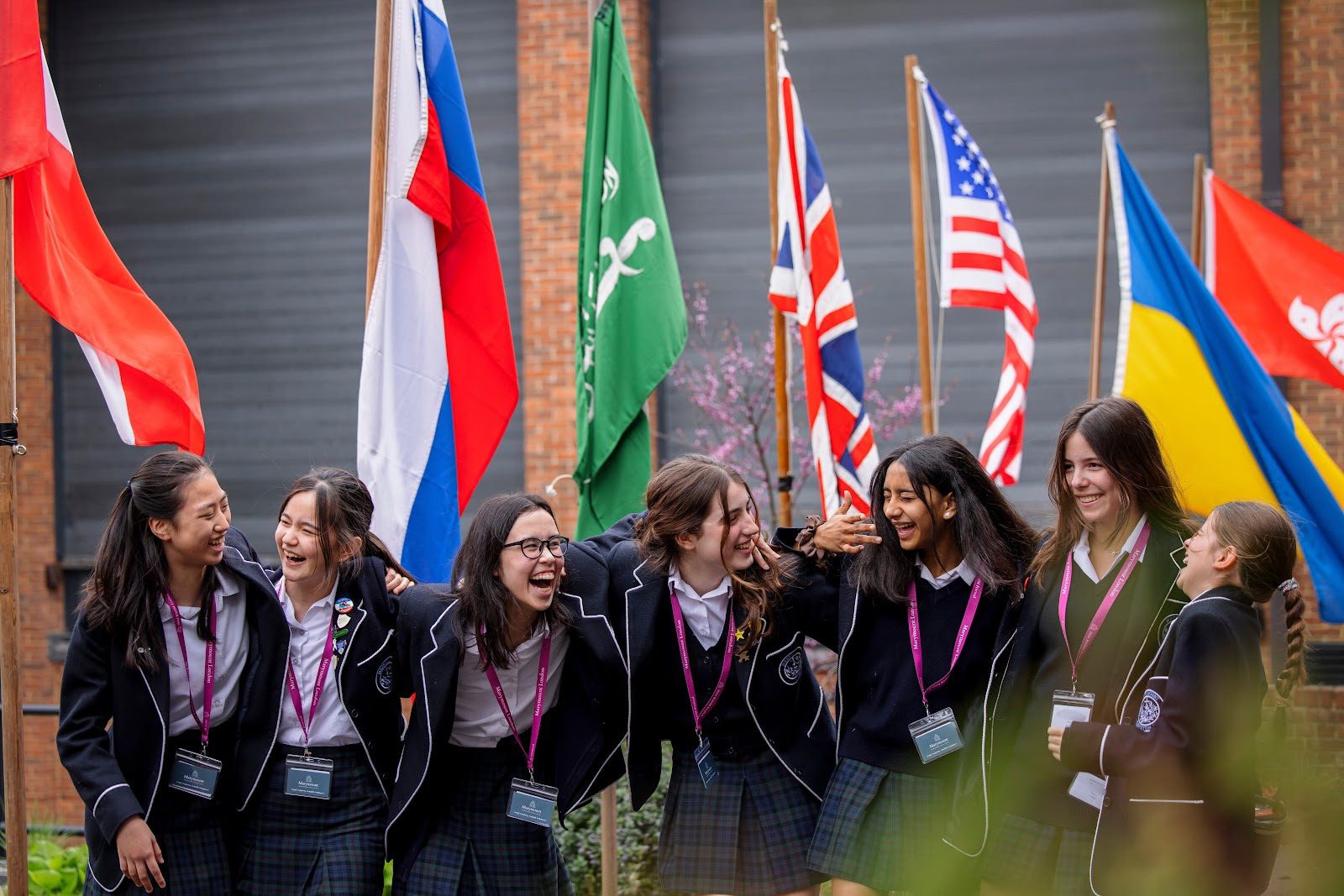
Marymount International School London
Kingston upon Thames · United Kingdom
A Catholic girls' day-and-boarding school in Kingston upon Thames that became Britain's first to adopt the IB from Middle Years through Diploma.
Same country and curriculum — closest matches within ±10 points either way