
Florida
American Heritage Schools
low confidence· 1/6 cats · 2 avg sourcesIn Plantation, six pre-professional tracks put judges, doctors, and engineers in front of teenagers years before college does.
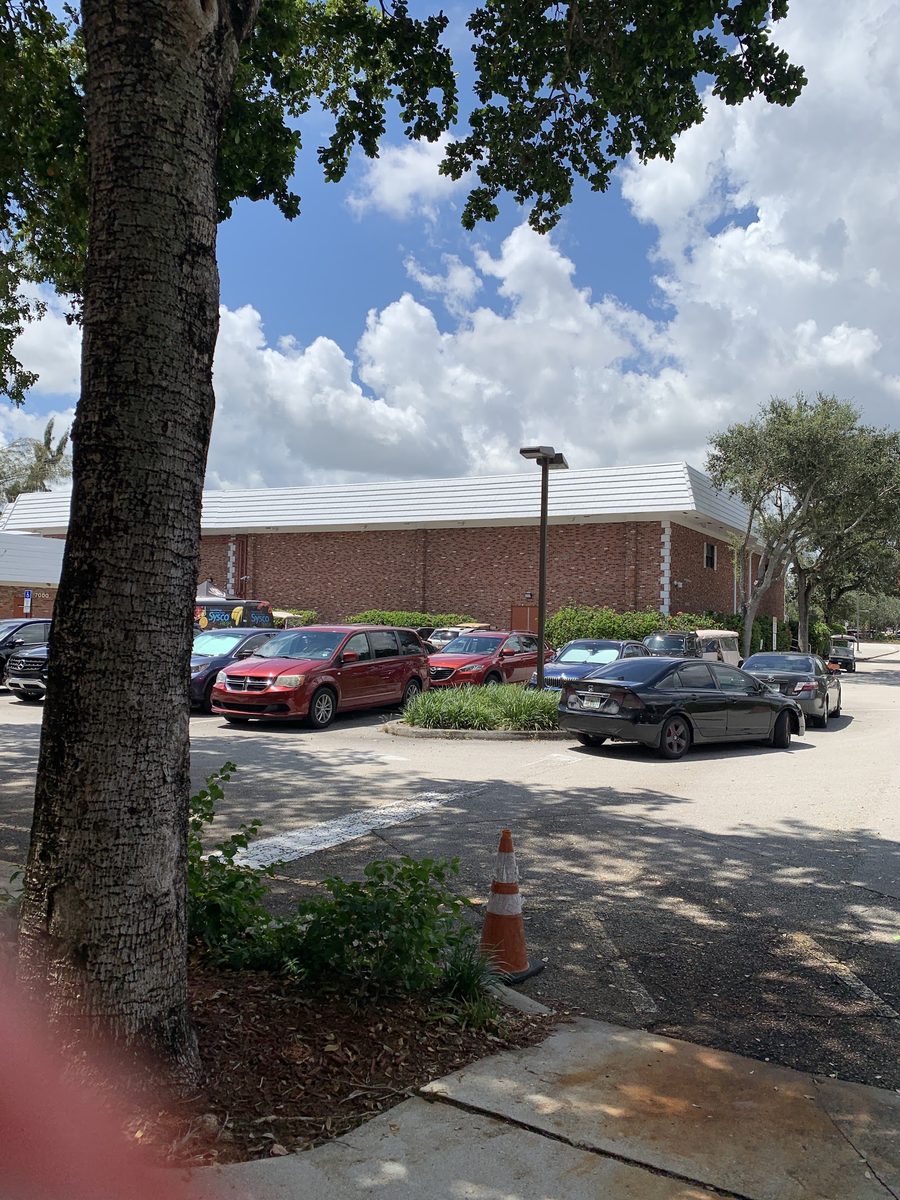
Photo © Las Aventuras de Noe!!! via Google Maps
Type
Day
Ages
3–18
Curriculum
American
Qualifications
AP · US High School Diploma
Ratio
5:1
The Verdict
Editor's commitment
Right for
Ambitious day-school families in Plantation who want a 1965-founded American school with a 5:1 ratio and named Ivy-bound classmates.
Wrong for
Families wanting boarding, religious formation, or a curriculum outside the American track; this non-religious 3–18 school stays firmly day-only.
Watch out for
The website shouts '#1' and marquee university names, but NAIS accreditation and a 5:1 ratio tell you more than slogans do.
Ranking breakdown
American Heritage Schools · #558 of 1591
Composite score 69.5. 8 weighted criteria.
By criterion
Academic Outcomes
Weight 20%
#511
of 1529 scored
University Placement
Weight 16%
#584
of 1529 scored
Prestige & Heritage
Weight 12%
#750
of 1529 scored
Alumni Network
Weight 12%
#654
of 1529 scored
Facilities
Weight 12%
#419
of 1529 scored
Transparency & Communications
Weight 8%
#457
of 1529 scored
Peer & Industry Review
Weight 10%
#523
of 1529 scored
Admissions Selectivity & Demand
Weight 8%
#547
of 1529 scored
Peer & Industry Review
How American Heritage Schools is regarded in the sector
70
Respected · medium confidence
Among Florida's private-school establishment, American Heritage is discussed as the ambitious challenger to older, nonprofit institutions such as Pine Crest School and Ransom Everglades, whose administrators have occasionally noted its unusual for-profit ownership as a point of differentiation. National recognition comes chiefly through STEM competition: sustained VEX and FIRST Robotics results give it genuine standing at national and world-championship level, a signal STEM-focused and independent education outlets track closely. It appears periodically in US ranking compilations such as Niche.com and regional 'best high schools' lists rather than in the UK-oriented guides, Good Schools Guide or WhichSchoolAdvisor, that cover British and international schools. Its university-facing reputation rests on a consistent record of matriculation to selective American universities, though admissions commentary tends to characterise it less as a boutique 'feeder' brand than as a large, high-output day school whose graduates arrive well-drilled in AP coursework and competition credentials.
- Jonathan Isaac — NBA player, Orlando Magic
- Kelly Oubre Jr. — NBA player
- Cheick Diallo — NBA player
Editors' overview
American Heritage Schools in Plantation is a large, ambitious American day school with a clear operating thesis: start early, build academic pressure steadily, and give teenagers access to adult professions before university. The hook is concrete, not rhetorical. The school runs six pre-professional programmes and pairs that with a deep advanced course load: 190 AP and honours courses, more than 100 student-run clubs and activities, and 130+ fine arts courses. For families who want a conventional US college-prep route with far more scale than most independent schools can offer, that combination is hard to ignore. The published 5:1 student-to-faculty ratio sharpens the offer further. This is not a small, pastoral boutique school. It is a high-output academic machine with unusual breadth.
What sets the Plantation campus apart is the way it packages aspiration. Plenty of private schools promise academic stretch; fewer can point to a 94% pass rate across all AP exams, 26 Presidential Scholars in the Class of 2026, and 488 nationally recognised scholars in the same class. The college admissions list is stacked with elite US names, from Harvard, Princeton and MIT to Stanford, Columbia and Chicago. That will appeal to families who want visible traction at the top end of US admissions. The trade-off is equally clear: this is a school for students who thrive on pace, competition and external benchmarks. Children who need a gentler tempo or a more understated culture may find the environment intense, status-conscious and relentlessly geared towards measurable outcomes.
It belongs on a shortlist because it offers rare scale with real programme density. A student can pursue medicine, law, engineering or another pre-professional path while still having substantial access to arts, clubs and advanced academics. That matters for focused teenagers who already have one eye on selective universities and want serious early exposure to career pathways. It also suits families who value structure, visible achievement and a school culture built around momentum. The strongest fit is the student who is bright, organised, competitive and happy to use a big institution’s resources. For that child, American Heritage is a launchpad. For families seeking intimacy, understatement or a less performance-driven adolescence, it is not.
Academic Performance
Academic performance is a central selling point here, and the school publishes enough headline data to justify that emphasis. The cleanest indicator is the AP profile: a 94% pass rate across all AP exams, paired with a course catalogue deep enough to give high-attaining students serious room to accelerate. The Class of 2026 also produced 488 nationally recognised scholars and 26 Presidential Scholars. Those are not decorative accolades. They place American Heritage in the top tier of US private schools that build their reputation on externally validated academic attainment. In that peer group, the school sits with the results-driven, high-pressure operators that convert scale into measurable outcomes rather than using breadth as a marketing flourish.
What is less clear is distribution. The school advertises aggregate success and elite university destinations, but it does not publish the granular breakdown a rigorous parent would want: mean AP scores by subject, the proportion of pupils taking the most demanding loads, SAT or ACT ranges across the cohort, or year-on-year outcome tables. That limits fine comparison with the best transparent independents. Even so, the available evidence points in one direction: this is an exam-hardened, top-end academic environment with strong external results by any normal standard. Against direct competitors in Florida private education, it looks formidable. Against the most data-open national independents, it still has more to disclose.
Facilities
Facilities here are built for scale and throughput, not for boutique charm. The school operates on 40-acre campuses and advertises 130+ fine arts courses alongside 100+ student-run clubs and activities; that breadth points to serious specialist space behind the scenes, from performance and studio provision to the classrooms and support areas needed to run a very large extracurricular programme. The six pre-professional pathways matter even more. A school does not sustain medicine, law or engineering-style tracks without dedicated teaching environments, timetable capacity and staff who can host work that goes beyond standard secondary-school delivery. Against many Florida independents, that is a clear structural advantage: more rooms in active use, more specialist provision, more chances for a pupil to find a niche. Families after a polished pastoral campus aesthetic are not shopping in the right category.
The weakness is transparency. The school promotes outcomes and programme volume far more aggressively than it documents the physical plant itself. We have not seen the kind of detailed public breakdown that top schools increasingly provide: named labs, arts venues, athletic inventory, maker spaces, libraries, or a campus plan that lets parents judge quality rather than infer it. That does not make the facilities weak; it makes them under-described. On peer comparison, American Heritage reads as resource-heavy, career-oriented and operationally expansive, with stronger programme-linked infrastructure than many rivals. It gives less public detail than the best-documented independents, and exact benchmarking therefore stops short of the forensically precise standard discerning parents deserve.
That will appeal to families who want visible traction at the top end of US admissions
Prestige
American Heritage carries real prestige in the US private-school market, but it is a specific kind of prestige. This is not old-guard East Coast cachet built on lineage, discretion and inherited social capital. It is prestige built on output: selective university placements, a conspicuous stream of national academic distinctions, and a public culture that prizes visible achievement. The school’s own presentation makes that plain. It foregrounds elite destinations, headline scholars and a 94% AP pass rate because that is where its status sits. For ambitious families, that reads as hard-edged credibility. For others, it can feel brazenly performative. Either way, the school has moved beyond local respectability into the territory of a nationally noticed college-prep brand.
The strongest reason to rate it highly is consistency of signal. Schools with inflated reputations lean on vague excellence language; American Heritage leans on outcomes, scale and specialist opportunity. The sheer breadth of advanced courses, the six pre-professional tracks, and the volume of high-profile college admissions create a prestige ecosystem that students absorb daily. That matters. Teenagers read institutional pecking orders quickly, and this school tells them, without euphemism, that top academic and admissions results are the currency. The limitation is also clear: prestige here is tied to performance, not mystique. Families wanting quiet social polish or old-money understatement will not find it. Families wanting a high-status academic engine will.
They place American Heritage in the top tier of US private schools that build their reputation on externally validated academic attainment
Communications
American Heritage communicates like a school with a full admissions funnel and a strong appetite for public visibility. The website is busy, sales-minded and relentlessly current: open-enrolment prompts, headline rankings, fresh class-year achievements and a long roll call of university destinations all sit front and centre. For prospective parents, that works. The school answers the first questions fast: where the campuses are, what age range it serves, what kind of outcomes it wants to be judged on, and what scale of opportunity it claims. The navigation also surfaces practical entry points such as admissions, open house registration and campus exploration without forcing a scavenger hunt. In that sense, communication is efficient, high-control and results-first.
For current parents, the picture is less complete. The public-facing communication tells families a great deal about prestige and performance, and far less about the texture of day-to-day school life. We see achievement metrics such as 94% AP pass rates and broad programme counts such as 100+ clubs; we do not see much plain-language explanation of routine parent communication, reporting rhythms, pastoral channels, leadership access or how the school handles the ordinary frictions of a large institution. That gap matters. A school of this scale needs communication that is not just promotional but operationally lucid. American Heritage proves it can broadcast success. It does not yet publish enough to prove that parent communication is equally transparent, disciplined and two-way.
Uniqueness
What distinguishes American Heritage in Plantation is not one flagship programme but the way the school industrialises ambition. Many schools offer enrichment; few build an entire secondary experience around sustained contact with adult professions. Here, the six pre-professional tracks pull students into medicine, law, engineering and other career worlds long before university, and they do so inside a school large enough to support genuine subject choice rather than a token sampler. Add 190 advanced courses, 100+ student-run activities and 130+ arts offerings, and the result is a rare kind of educational density: students do not need to choose between academic acceleration, résumé-building and serious extracurricular range. They can do all three, often at once. That is the school’s core distinction, and it gives focused teenagers a head start in testing interests against real disciplines, real expectations and adults who work in them.
The benefit is concrete. Students gain early professional vocabulary, sharper self-knowledge and a clearer sense of what selective universities will demand. A teenager drawn to science, performance, debate or public service can pursue that interest at a level that many independent schools simply cannot staff or timetable. The trade-off is just as clear. This is a high-pressure ecosystem that rewards drive, organisation and appetite for competition. For the right student, it is rocket fuel. For one who needs slower pacing, privacy or room to drift without consequence, it is an awkward fit.
Teenagers read institutional pecking orders quickly, and this school tells them, without euphemism, that top academic and admissions results are the currency
Student Profile
The students who fit best here are ambitious, organised and unembarrassed by competition. This school suits children who like external benchmarks, enjoy being busy and want adults to take their goals seriously early. The strongest fit is the teenager who already has a sense of direction — medicine, law, engineering, performance, research, public service — and wants a school large enough to feed that interest with real options rather than polite encouragement. With 6 pre-professional pathways, 190 advanced courses and a published 5:1 staffing ratio, the message is plain: this is for pupils who want range, pace and access. The social tone follows from that. Expect a cohort with plenty of high achievers, strong university ambitions and a working assumption that effort will be visible. It is driven, status-aware and not for the faint-hearted.
The weaker fit is just as clear. A child who needs anonymity, a loose structure or room to coast will struggle. So will students who dislike comparison, resist pressure or want a quieter adolescence built around intimacy rather than throughput. American Heritage can give a focused pupil serious momentum; it does not protect students from an atmosphere shaped by measurable success. Families who value high-octane aspiration and a peer group that treats achievement as normal will find their tribe. Families after a gentler, more understated culture will not.
What distinguishes American Heritage in Plantation is not one flagship programme but the way the school industrialises ambition
Co-curricular strengths
Arts & sport, on a separate axis
Overall 8.92/10
Scored 0-10 from the school's own published evidence. This axis is editorial-only — it does not feed the main WTS ranking.
Sports
8.6/10
Drama
9.2/10
Dance
8.7/10
Music
9/10
Visual Arts
9.1/10
Strengths
- +Maintains a 5:1 student-teacher ratio across a large day-school enrollment of nearly 2,800 students at the Broward campus alone, with a further campus in Delray Beach.
- +Average standardized test scores include an SAT score of 1410 and an ACT score of 32, alongside a 100% graduation rate, and 100% of graduates matriculate to a four-year college.
- +Cited as #1 in the Nation in math competition (upper school and lower school) and #1 in Florida for the most National Merit Semifinalists and Presidential Scholars Candidates.
- +Offers 28 AP courses and 138 honors classes, giving strong depth for students pursuing selective university admission.
- +Operates exclusively on tuition and fees, proudly maintaining a policy of not soliciting or accepting any donations or charitable contributions, ensuring all expenses are covered without external fundraising.
Considerations
- −Tuition for the upper grades sits in the low-to-mid $40,000s to as high as $46,500 depending on source and year, putting it among the costlier day schools in the region.
- −The two campuses are located only in Plantation, Florida and Delray Beach, Florida, so there is no boarding option and families outside South Florida must relocate.
- −Interested students must be at or above grade level with good conduct and A/B equivalent grades, making entry more about prior transcript strength than a competitive testing gateway.
- −Financial assistance is offered through tuition reduction grants, but these are subject to fund availability at the time of application and are not guaranteed, since the school forgoes outside donations.
Availability
Primary entry gate & tests
ISEE/SSAT + Interview / Record (2 campuses)
Gallery
Photo © Las Aventuras de Noe!!! via Google Maps
Photo © Las Aventuras de Noe!!! via Google Maps
Photo © Las Aventuras de Noe!!! via Google Maps
Photo © American Heritage School via Google Maps
Photo © American Heritage Schools, Broward Campus via Google Maps
Parent reviews
Have you sent your child here?
Voice reviews carry the strongest trust badge — we transcribe them for you to tidy up before they go live. Prefer to type? A written review is fine too.
Add your voice
In 60 seconds, tell other parents: what's the best thing about American Heritage Schools, and what surprised you when your child joined?
We ask for a Google sign-in so every review has a real face behind it — no anonymous drive-by attacks on schools, and no faked positive reviews. Your email is never shown publicly.
Send this profile to a friend
International parents rely on word-of-mouth. Share this review with someone weighing the same decision.
Schools with places
Similar schools to American Heritage Schools with places available now.
BASIS Tucson North
Tucson · United States
- 2026-27
- PLACES OPENFall 2026 apps / open enrollment active
- 2027-28
- FUTURE CYCLEDates TBC
Friends Seminary
New York City · United States
- 2026-27
- WAITPOOLLate/held pending openings
- 2027-28
- OPENS SOONExpected Sept '26
Saint Ann's School
Brooklyn · United States
- 2026-27
- WAITPOOLLate / attrition-dependent
- 2027-28
- OPENS SOONOpens 8 Sept '26
Ethical Culture Fieldston School
New York City · United States
- 2026-27
- WAITPOOLLimited late availability
- 2027-28
- OPENS SOONOpens post-Labor Day '26
Availability first, then country, area, curriculum, price, co-curricular
Consider also
Also worth looking at alongside American Heritage Schools.
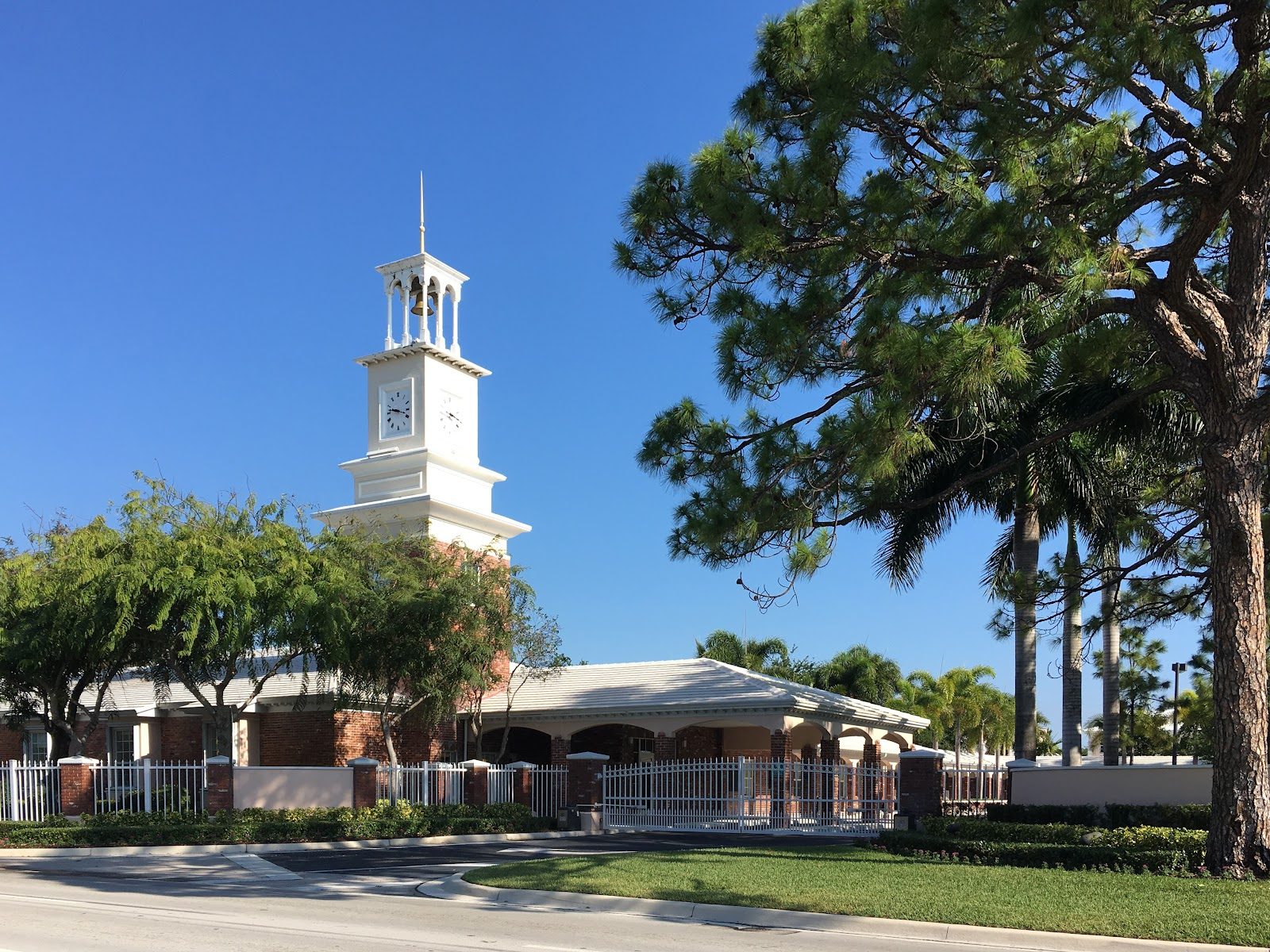
Pine Crest School
Fort Lauderdale · United States
Born as a 1930s tutoring practice for winter visitors, this Fort Lauderdale day school now tops the nation's Challenge Index rankings.
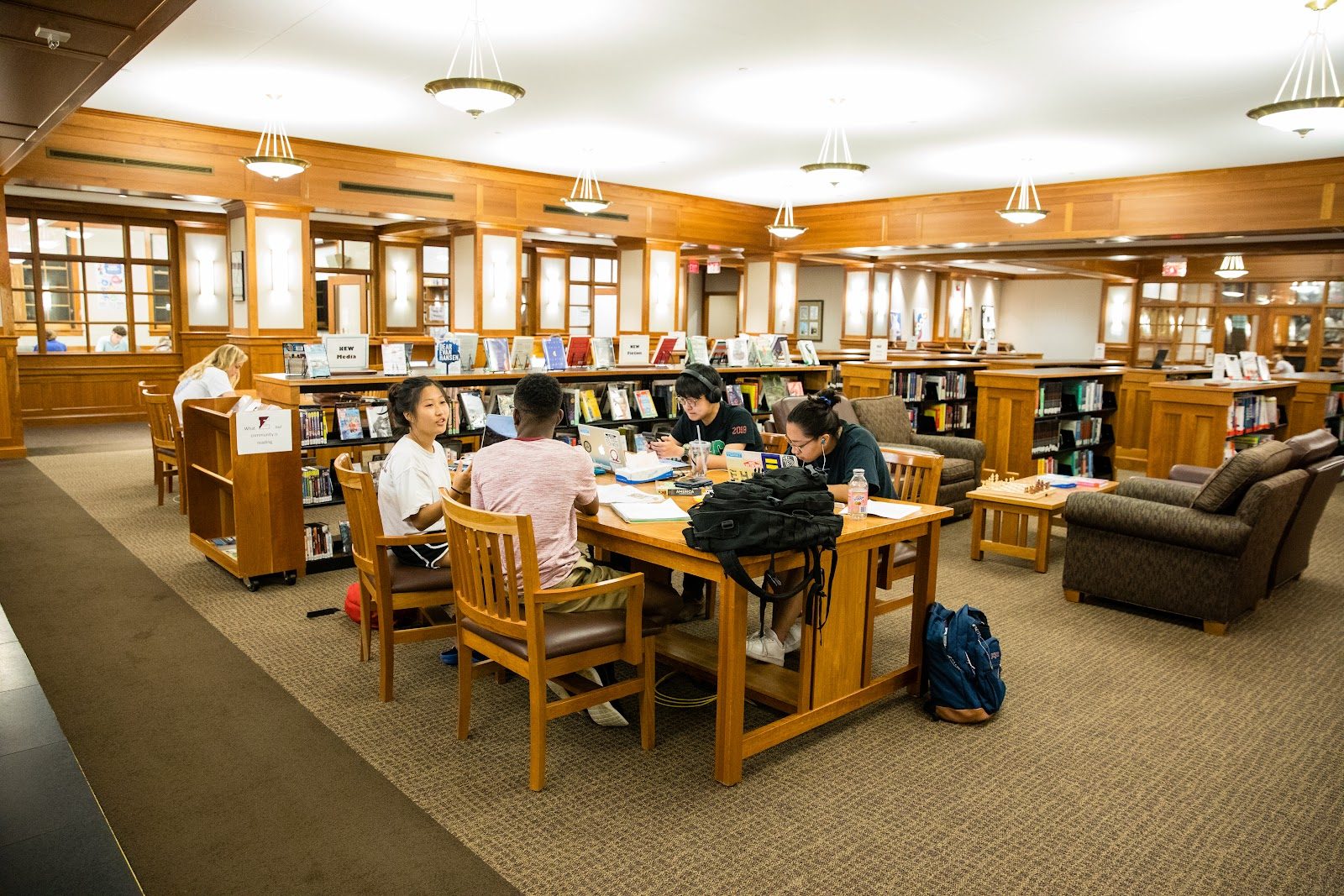
Episcopal High School
Alexandria · United States
A 130-acre hilltop campus 10 minutes from the Capitol, running America's only fully residential school of its caliber in a major metro area.
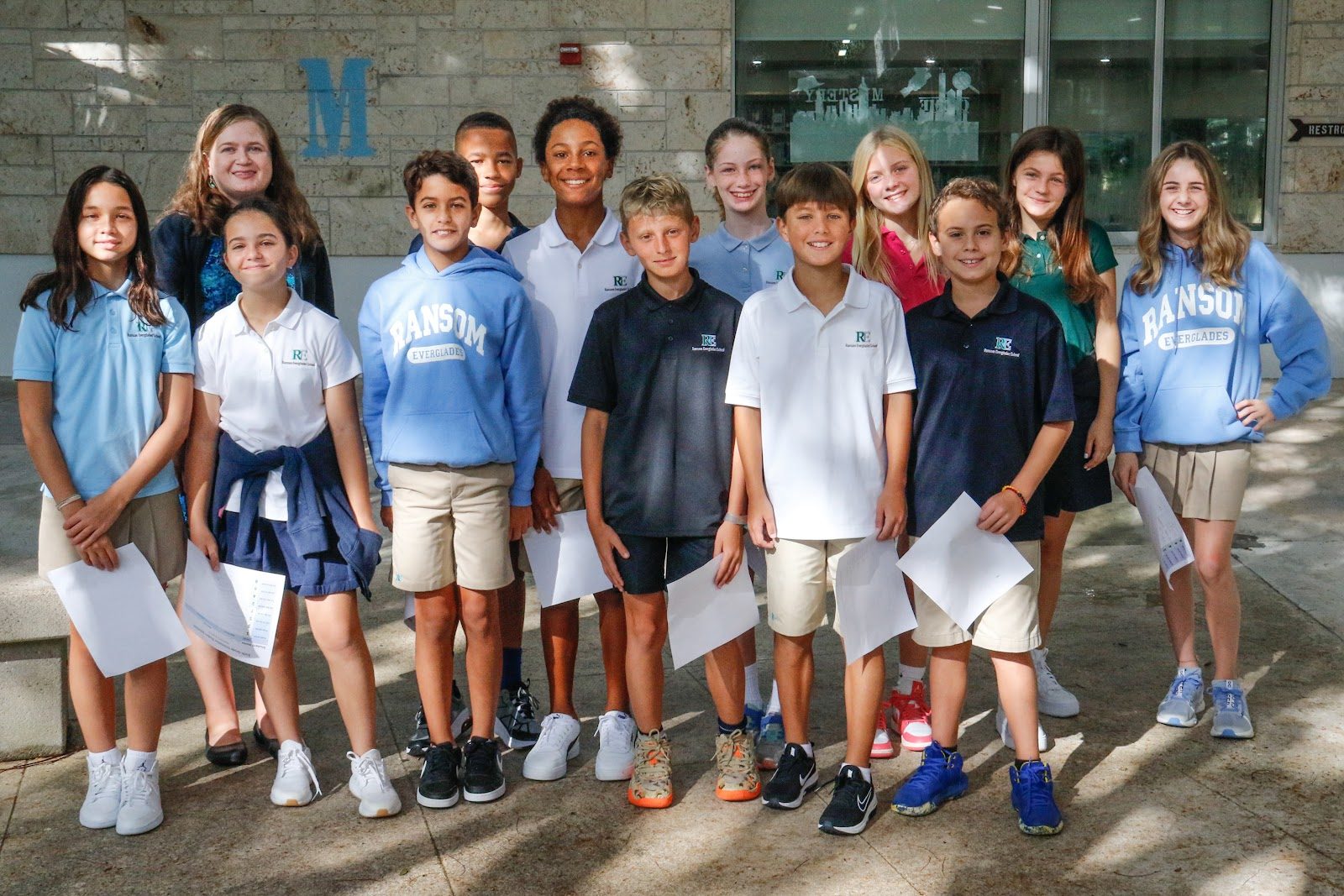
Ransom Everglades School
Miami · United States
On Biscayne Bay since 1903, where sailing and marine science turn the water itself into a classroom
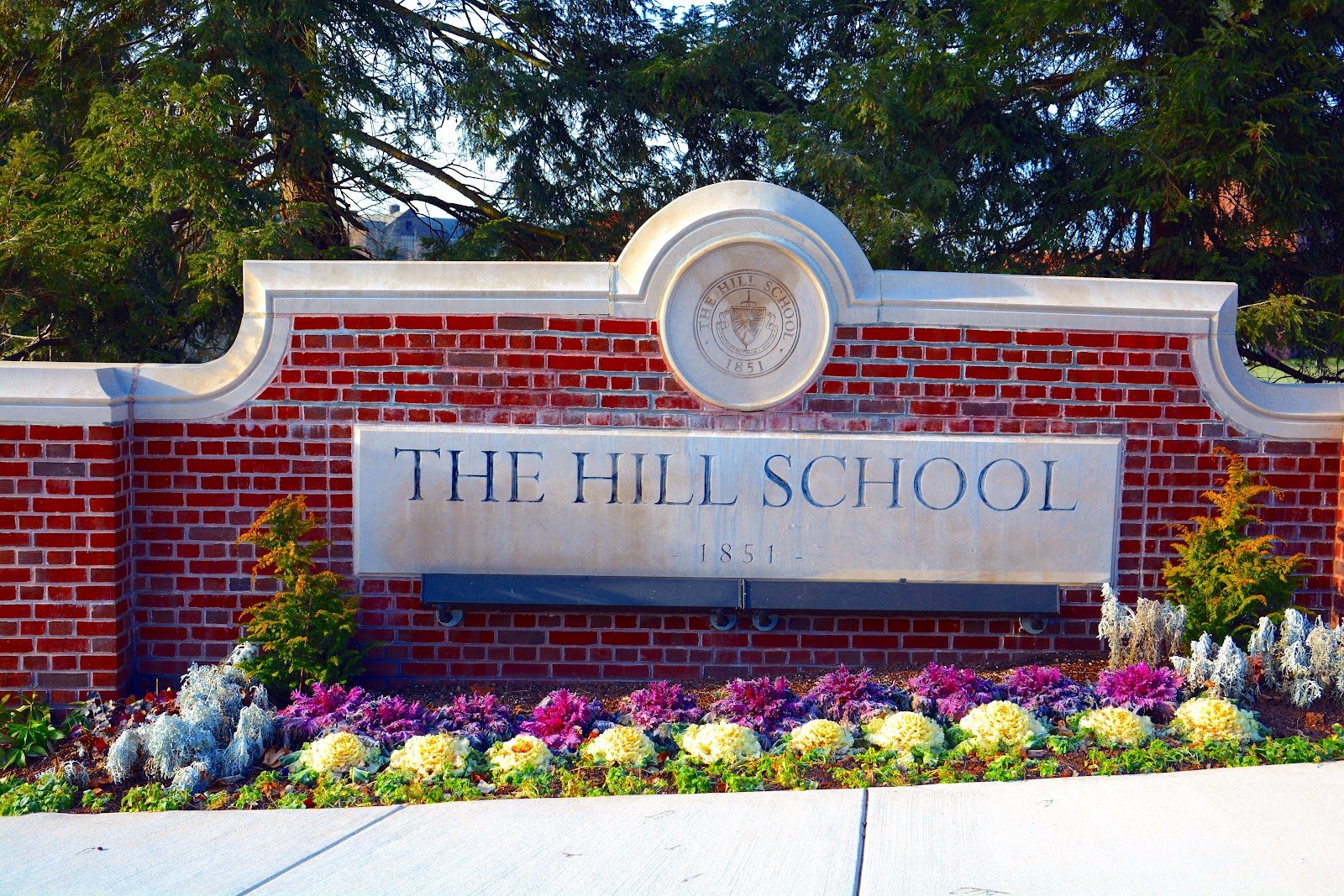
The Hill School
Pottstown · United States
Born in 1851 as the nation's first family boarding school, still pairing faculty and students under one roof on a Pottstown hilltop.
Same country and curriculum — closest matches within ±10 points either way