
Greater London
ArtsEd Day School & Sixth Form
Three-quarters academic timetable, one quarter stagecraft: GCSEs and A-Levels run alongside a BTEC Extended Diploma in performing arts on a Chiswick campus built for the stage.
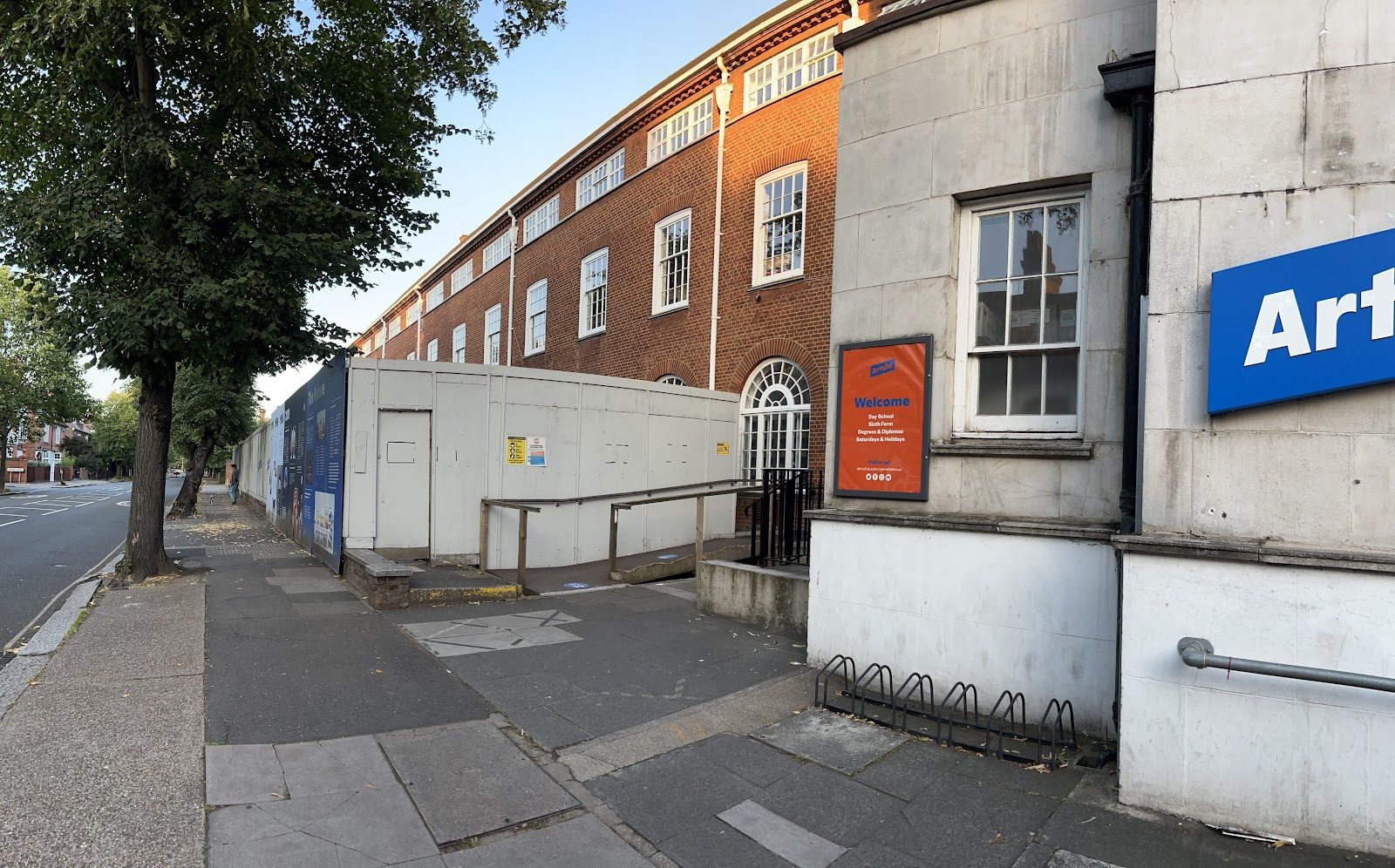
Photo © Dom Green via Google Maps
Type
Day
Ages
11–19
Curriculum
GCSE · A-Level · BTEC
Ratio
—
The Verdict
Editor's commitment
Right for
Performers aged 11–19 who want GCSEs and A-Levels alongside a BTEC, on a Chiswick day-school campus built around stagecraft.
Wrong for
Families wanting a conventional academic school: ArtsEd is secular, English-medium and geared to performing arts, not breadth for breadth's sake.
Watch out for
The average annual day fee is £24,498, and ISI accreditation tells you compliance, not how deep the academic bench runs.
Ranking breakdown
ArtsEd Day School & Sixth Form · #1153 of 1591
Composite score 59.7. 8 weighted criteria.
By criterion
Academic Outcomes
Weight 20%
#1459
of 1529 scored
University Placement
Weight 16%
#1371
of 1529 scored
Prestige & Heritage
Weight 12%
#854
of 1571 scored
Alumni Network
Weight 12%
#432
of 1530 scored
Facilities
Weight 12%
#1110
of 1533 scored
Transparency & Communications
Weight 8%
#1019
of 1532 scored
Peer & Industry Review
Weight 10%
#38
of 1548 scored
Admissions Selectivity & Demand
Weight 8%
#686
of 1529 scored
Peer & Industry Review
How ArtsEd Day School & Sixth Form is regarded in the sector
82
Strong · medium confidence
ArtsEd sits in a small peer set of London vocational-academic schools (alongside Sylvia Young and Italia Conti) but is generally regarded as the more academically rigorous of the group, since it runs a full GCSE/A-level curriculum alongside vocational dance, drama and musical theatre training. Good Schools Guide and Tatler Schools Guide both profile it favourably, noting strong pastoral care and the unusual demands of balancing stage schedules with academic study, while flagging that it is not a conventional academic powerhouse compared with West London's selective day schools (St Paul's, Latymer Upper). Its sixth form leavers are recognised by conservatoires and drama schools (RADA, Guildhall, Central School of Speech and Drama) as well as by universities, giving it credibility in the specialist performing-arts pipeline rather than the Russell Group league-table conversation. Independent education press coverage tends to focus on its industry links and alumni casting successes rather than academic rankings, positioning it as a respected niche specialist rather than a broad academic elite competing with Tier-1 London day schools.
Award

Elite Drama 50
World's Top School · The Global Ranking
ArtsEd Day School & Sixth Form is featured on our Global Top 50 ranking at #1. This seal is available for the school's marketing team to use on their website, prospectus and social channels.
- Julian Ovenden — Actor/Singer, Theatre & TV
- Anna Popplewell — Actress, Film
- Freddie Fox — Actor, Theatre & Film
Editors' overview
ArtsEd Day School & Sixth Form occupies a narrow, valuable niche in London: a serious independent day school for pupils aged 11–19 who want orthodox academic qualifications without giving up high-level performing arts training. The proposition is unusually clear. The timetable runs on a three-quarters / one-quarter split, with GCSEs and A-Levels alongside a BTEC Extended Diploma in performing arts, and the campus in Chiswick is built around that dual track. For families who want a conventional school with an extracurricular drama programme, this is not the right fit. For families raising a young performer who still needs a full academic spine, it is one of the sharper options in the market. At £24,000 a year, it sits in the expensive bracket, but the specialism is the point: pupils are paying for a school designed around stagecraft, rehearsal and performance, not a standard independent-school package with a theatre attached.
What sets ArtsEd apart is focus. Many schools talk about creativity; ArtsEd organises the week around it. That matters because aspiring actors, musical theatre performers and stage-minded teenagers need repetition, technical discipline and public performance woven into daily life, not squeezed into evenings. The school’s draw lies in that creative intensity, stage-centred training and professional seriousness. It also benefits from being part of a wider ArtsEd institution that spans day school, sixth form and higher education pathways in the performing arts. That gives pupils a direct line of sight into where this training leads, and it gives the place a working conservatoire atmosphere that a conventional school cannot replicate.
The trade-off is equally plain. This is a specialist school, not a broad church. A child who wants equal time for elite sport, a sprawling menu of niche academic subjects, or a diffuse all-rounder experience will find the model restrictive. ArtsEd suits students with clear artistic drive, stamina for rehearsal, comfort with scrutiny and a willingness to tie identity to performance without neglecting exam work. It will also suit families who value a secular, English-medium day school and accept that adolescence here carries a strong vocational tilt. The strongest fit is the pupil who wants the discipline of GCSE and A-Level study, but who feels most alive in the studio, rehearsal room and on stage — the student for whom school is not only education, but a daily route into performance.
A Global Elite 50 Drama & Acting school
ArtsEd Day School & Sixth Form sits at #1 on our Global Elite 50 Drama & Acting Schools 2026, with a 95 Elite Score and A- evidence-confidence grade, because on the 100-point Elite Acting Progression Model it demonstrates the weighted elite conservatoire progression, faculty pedigree, screen-and-stage training breadth and industry integration that separate a true tier institution from a strong regional feeder. With a drama co-curricular score of 9.8, the specialism is unambiguously world-class.
Its operating model is best described as Integrated Specialist: a structure that shapes both the daily balance of academic and specialist study, and the professional trajectory of graduating actors as they move into major drama-school BA degrees or direct casting.
The Global Elite 50 Drama & Acting Schools methodology is deliberately aggressive: 30 of the 100 available points are directly tied to weighted elite conservatoire and professional programme conversion — RADA, Guildhall, LAMDA, Juilliard, NYU Tisch, Yale, WAAPA, NIDA and their peers — with a further 15 points on faculty and industry pedigree and 20 points on training intensity and industry integration. Beautiful campuses, historic alumni and impressive facilities cannot compensate for weak contemporary professional conversion, and are not scored independently.
The faculty are working practitioners — West End principals, RSC and National Theatre actors and screen regulars — and the co-location with the ArtsEd senior conservatoire gives pupils unusually close sight of professional progression routes. Alumni across generations include Julie Andrews, an early ArtsEd predecessor.
The evidence-confidence grade is deliberately separate from the ranking position: a lower grade reflects less public disclosure, not weaker performance. Where the school moves substantially better cohort data into the public domain in future audit cycles, the position — but not the underlying professional-conversion reality — may be revised.
International openness is a defining feature. Overseas actors apply on a rolling audition plus video pre-screen basis, and UK Student visas are handled by the school. Families requiring residential care should confirm current arrangements directly, as we could not independently verify the school's boarding or homestay provision.
Academic Performance
ArtsEd’s academic proposition is harder to judge than its artistic one, because the school does not publish a clear run of headline public exam data in one place. That opacity matters. In a specialist school, parents need to know whether the academic side holds firm under the pressure of rehearsals, performances and vocational training. Without published aggregate GCSE and sixth-form results, ArtsEd sits in a less transparent bracket than academically driven London independents that release top-grade percentages and destination patterns as a matter of course. That does not count against the school’s core purpose, but it does limit direct comparison with peers and makes hard-edged academic benchmarking difficult.
Where ArtsEd fits, then, is less among the capital’s exam-factory independents and more among serious specialist schools where measurable success includes progression into performance training as well as grades. That can work well for the right student and badly for the wrong one. Families choosing ArtsEd are not buying a results-obsessed conveyor belt; they are choosing a school where academic study shares space with professional-stage preparation. The key due-diligence point is straightforward: ask for recent GCSE, A-Level and BTEC outcomes, subject spread, resit policy and post-school destinations before enrolment. Any specialist school charging £24,000 a year needs to answer those questions plainly and in full.
Facilities
The core asset here is not acreage or spectacle; it is specialist space used hard and used daily. ArtsEd publishes dance and studio space for hire, which tells you something practical about the campus: this is a place with dedicated rehearsal rooms and movement studios that function as serious working environments rather than decorative add-ons. For a stage-focused school, those rooms matter more than a grand library atrium or manicured playing fields. The advantage over mainstream independents is clear. At many London day schools, performing arts facilities sit on the edge of school life and compete with everything else for timetable priority. Here, studio and performance space sit closer to the centre of the operation, which gives pupils a real training base and a conservatoire-adjacent feel during the school day.
That specialism brings a trade-off. Families looking for the full private-school spread — large sports grounds, extensive outdoor provision, or a long list of non-arts specialist facilities — need to ask blunt questions, because ArtsEd’s public profile leans heavily towards performance space, student welfare and industry-facing activity rather than broad campus infrastructure. Against direct peers in specialist theatre training, that focus is a strength. Against all-round London independents with deeper science provision, bigger athletic estates and more varied sixth-form common spaces, it is a narrower offer. The school earns its keep through purpose-built artistic utility, not through the country-club version of independent schooling.
For families who want a conventional school with an extracurricular drama programme, this is not the right fit
Prestige
ArtsEd carries real specialist prestige, not broad independent-school prestige. That distinction matters. In the performing arts world, the name has weight because the institution is built around training, auditions, performance opportunities and a visible pathway into higher-level arts study. The school also benefits from belonging to a wider ArtsEd structure rather than operating as an isolated drama-heavy school. For ambitious young performers, that gives the place a serious vocational edge and a working-industry atmosphere that many conventional schools cannot match. Among families hunting status through Oxbridge counts, ancient foundations or polished social cachet, ArtsEd sits in a different category. Its reputation rests on professional credibility in the arts, not on old-school establishment clout.
That is why the school’s prestige reads as strong but narrow. The annual fee of £24,000 places it in a market where parents can buy far more traditional forms of private-school status; families choosing ArtsEd are paying instead for specialism and access to an artistic peer group with shared intent. The principal’s credentials add some academic seriousness, and the institution’s reach from day school to higher education strengthens the brand. But prestige here depends on the child’s direction of travel. For a pupil intent on stage training, ArtsEd has genuine cachet. For a family seeking a classic London independent-school badge, it does not.
For families raising a young performer who still needs a full academic spine, it is one of the sharper options in the market
Communications
ArtsEd communicates in a direct, serviceable way, with the website doing most of the heavy lifting. The navigation is extensive and parent-facing pages are easy to find: admissions, open events, visits, prospectuses, fees and funding, term dates and calendar, policies, FAQs and student welfare all sit in plain view. That matters. Families considering a specialist school need practical clarity, not mood music, and ArtsEd gives a workable map of how the place runs. The institution also keeps distinct pages for the day school and sixth form, which helps parents avoid the common muddle that afflicts all-through specialist brands. There is also a newsletter sign-up, which points to regular outbound communication rather than one-off admissions selling.
The limits are clear too. The tone on senior pages leans promotional and institution-first, with a lot of rhetoric about creativity, talent and futures, and less hard operational detail than exacting parents will want. Communication is strongest on logistics and ethos; it is weaker on hard proof. Public exam outcomes are not easy to find, and destination data needs more prominence and precision. For a school charging £24,000 a year and asking families to commit to a high-pressure specialist track, that gap matters. Parents do not need grand language; they need timely calendars, clean policy access, visible welfare channels and transparent outcomes. ArtsEd covers the first three competently. On the last, it needs to be more candid and more complete.
Uniqueness
ArtsEd’s uniqueness lies in structural commitment. Many schools add productions, peripatetic lessons and a drama scholarship, then carry on as standard academic institutions. ArtsEd builds the school around performance training and asks pupils to live inside that rhythm every day. That creates a rare degree of alignment between timetable, peer group and ambition. A stage-focused teenager does not need to apologise for taking performance seriously here; seriousness is the norm. The link to the wider ArtsEd institution also sharpens the atmosphere. Younger pupils study in a place that already contains higher-level acting and musical theatre training, which gives school life a clear vocational horizon and a professional pulse that mainstream independents cannot fake.
For students, the gain is not only better access to studios or more time in rehearsal. It is identity, discipline and tolerance for scrutiny. Children with genuine artistic drive benefit from working among peers who share the same priorities, and that peer concentration matters more than glossy branding. The school’s fee of £24,000 buys entry into a specialist ecosystem, not a generic private-school experience. The flip side is sharp: pupils who want experimentation across many interests, or who prefer to keep performance as one strand among several, will find the culture narrow by design. For the right student, that narrowness is exactly the advantage.
Many schools talk about creativity; ArtsEd organises the week around it
Student Profile
The right ArtsEd student has a strong internal motor. This is a school for teenagers who do not need cajoling to rehearse, practise, repeat and perform under scrutiny. They will enjoy being surrounded by peers who care about stagecraft as much as they do, and they will cope well with a culture where visibility is constant: classes, rehearsals, auditions, showcases and feedback all place the individual in view. That suits pupils who are resilient, physically organised and comfortable tying a large part of their identity to performance. It does not suit the child who wants to drift, hide in the middle, or keep creative work as a casual hobby. The age range, 11–19, also matters: this is a long runway for a young person who already knows where their energy goes.
Socially, the best fit is a student who wants a focused peer group rather than a sprawling school society. They need enough academic discipline to keep schoolwork moving while living with a timetable and culture shaped by the arts. They also need emotional steadiness. Specialist training can be intense, comparison with talented peers can be bracing, and praise is never the whole story in any serious performance environment. Families who want a child protected from pressure should look elsewhere. Families with a teenager who is hungry for the stage, open to correction and energised by a high-expectation creative culture will find ArtsEd a strong match.
The school’s draw lies in that creative intensity, stage-centred training and professional seriousness
Co-curricular strengths
Arts & sport, on a separate axis
Overall 8.42/10
Scored 0-10 from the school's own published evidence. This axis is editorial-only — it does not feed the main WTS ranking.
Sports
4.5/10
Drama
9.8/10
Dance
9.7/10
Music
9.6/10
Visual Arts
8.5/10
Strengths
- +Founded in 1919, ArtsEd is one of the UK's longest-established specialist performing arts day schools, combining academic study with vocational arts training.
- +Offers GCSE, A-Level and BTEC pathways, letting pupils pursue full academic qualifications alongside intensive daily work in acting, dance or musical theatre.
- +Drama, dance and music provision is world-class, with drama placed first on our Global Elite 50 Drama & Acting Schools list.
- +Located in Chiswick, west London, giving pupils easy access to the West End, broadcast studios and the professional performing arts industry.
- +Operates as part of a wider ArtsEd institution that also runs vocational drama and musical theatre courses, giving Sixth Formers visibility of progression routes into the industry.
Considerations
- −Published day fees of GBP 24,000 sit above the average UK day school, reflecting the cost of specialist arts staffing and facilities.
- −Admission is audition-based in dance, drama or musical theatre, which can disadvantage academically capable applicants without a performing arts background.
- −Provision runs only from Year 7 to Sixth Form (ages 11-18), with no primary or early years department.
- −Sporting provision is developing rather than a strength, given the urban site's focus on studio and theatre space.
Gallery
Photo © EFlatMajor7 via Google Maps
Photo © Ganna Al-hmdan via Google Maps
Photo © Ganna Al-hmdan via Google Maps
Photo © Ganna Al-hmdan via Google Maps
Photo © Dom Green via Google Maps
Photo © Dom Green via Google Maps
Photo © Arts Educational Schools London via Google Maps
Parent reviews
Have you sent your child here?
Voice reviews carry the strongest trust badge — we transcribe them for you to tidy up before they go live. Prefer to type? A written review is fine too.
Add your voice
In 60 seconds, tell other parents: what's the best thing about ArtsEd Day School & Sixth Form, and what surprised you when your child joined?
We ask for a Google sign-in so every review has a real face behind it — no anonymous drive-by attacks on schools, and no faked positive reviews. Your email is never shown publicly.
Send this profile to a friend
International parents rely on word-of-mouth. Share this review with someone weighing the same decision.
Schools with places
Similar schools to ArtsEd Day School & Sixth Form with places available now.
Tiffin School
Kingston upon Thames · United Kingdom
- 2026-27
- CLOSEDStandard route
- 2027-28
- PLACES OPENCloses 1 Sept '26, 12pm
University College School
London · United Kingdom
- 2026-27
- CLOSEDStandard route
- 2027-28
- PLACES OPEN11+ (9 Nov); 16+ (28 Sept)
City of London School
London · United Kingdom
- 2026-27
- CLOSEDStandard route
- 2027-28
- PLACES OPEN11+/16+ Active
Latymer Upper School
London · United Kingdom
- 2026-27
- CLOSEDStandard route
- 2027-28
- PLACES OPENCloses Nov
Availability first, then country, area, curriculum, price, co-curricular
Consider also
Also worth looking at alongside ArtsEd Day School & Sixth Form.
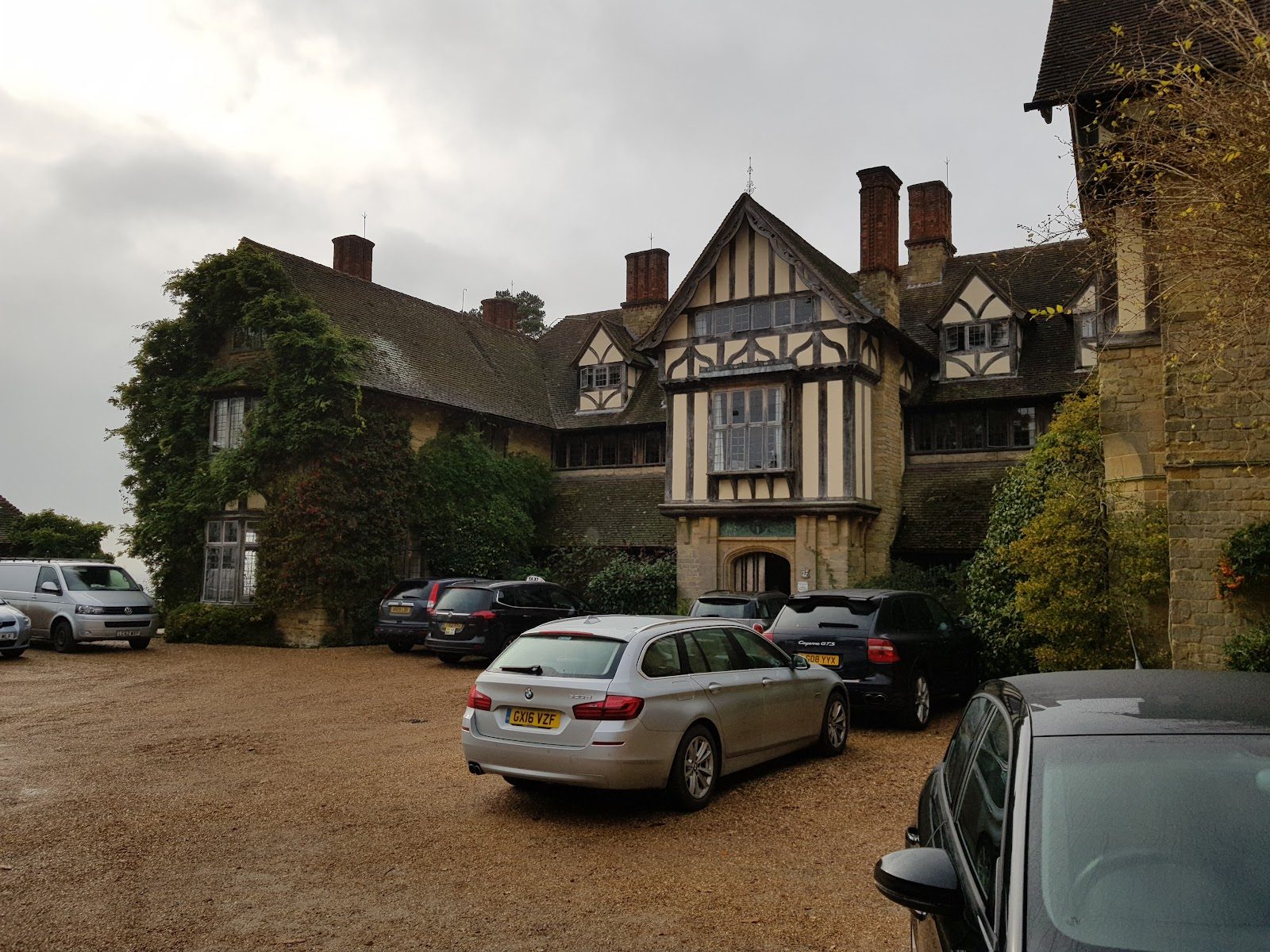
Hurtwood House
Holmbury St Mary, Surrey · United Kingdom
In the Surrey Hills, a sixth-form-only campus mounts 40 productions a year and still teaches filmmaking on 16mm.

The BRIT School
Croydon, London · United Kingdom
Free tuition-free training in music, dance and theatre, funded by the BRIT Awards and built around a 50/50 split of studio craft and academic study.
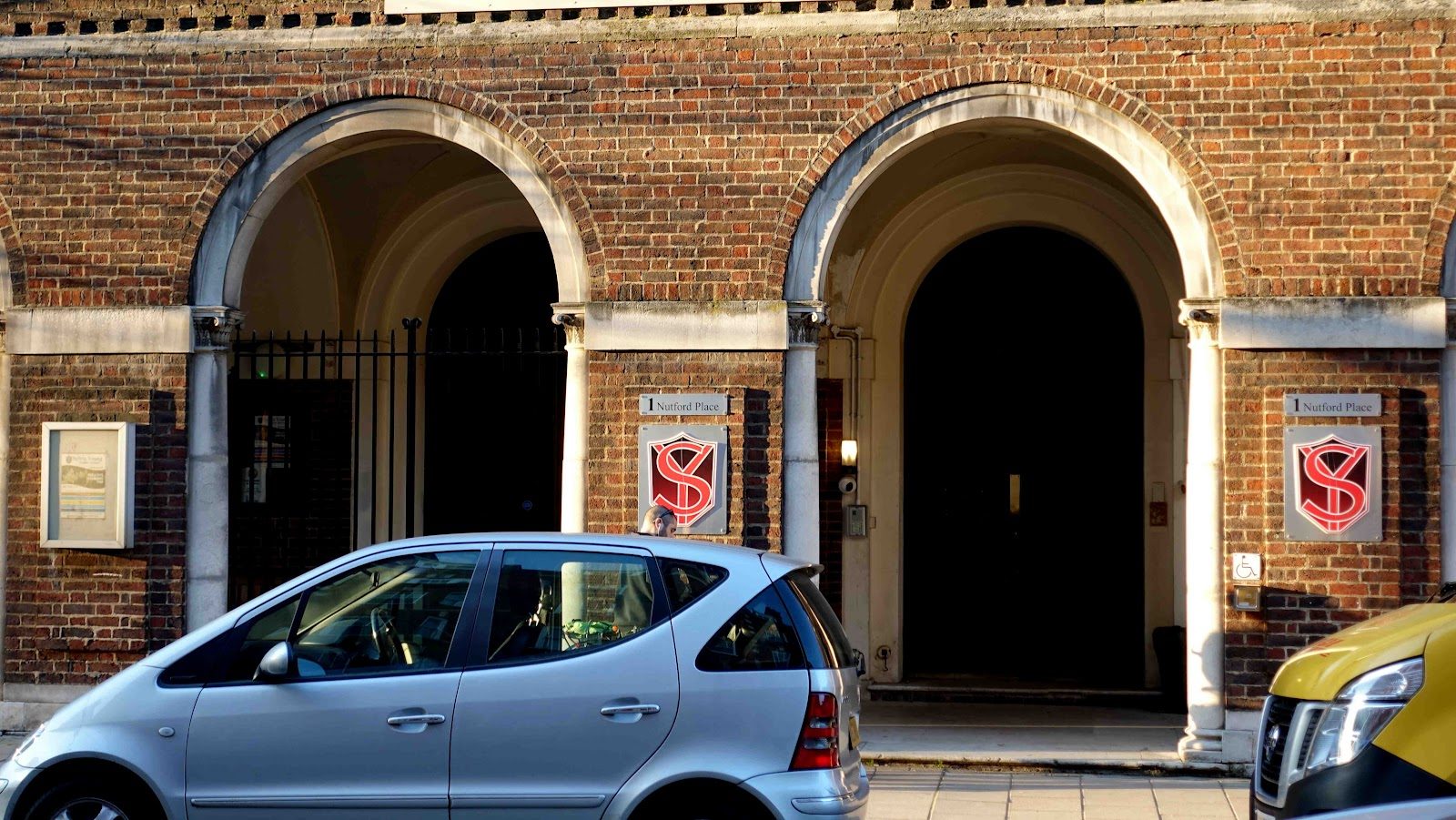
Sylvia Young Theatre School
Marylebone, London · United Kingdom
A split week of GCSEs and stagecraft, taught inside a converted Victorian church off Marble Arch
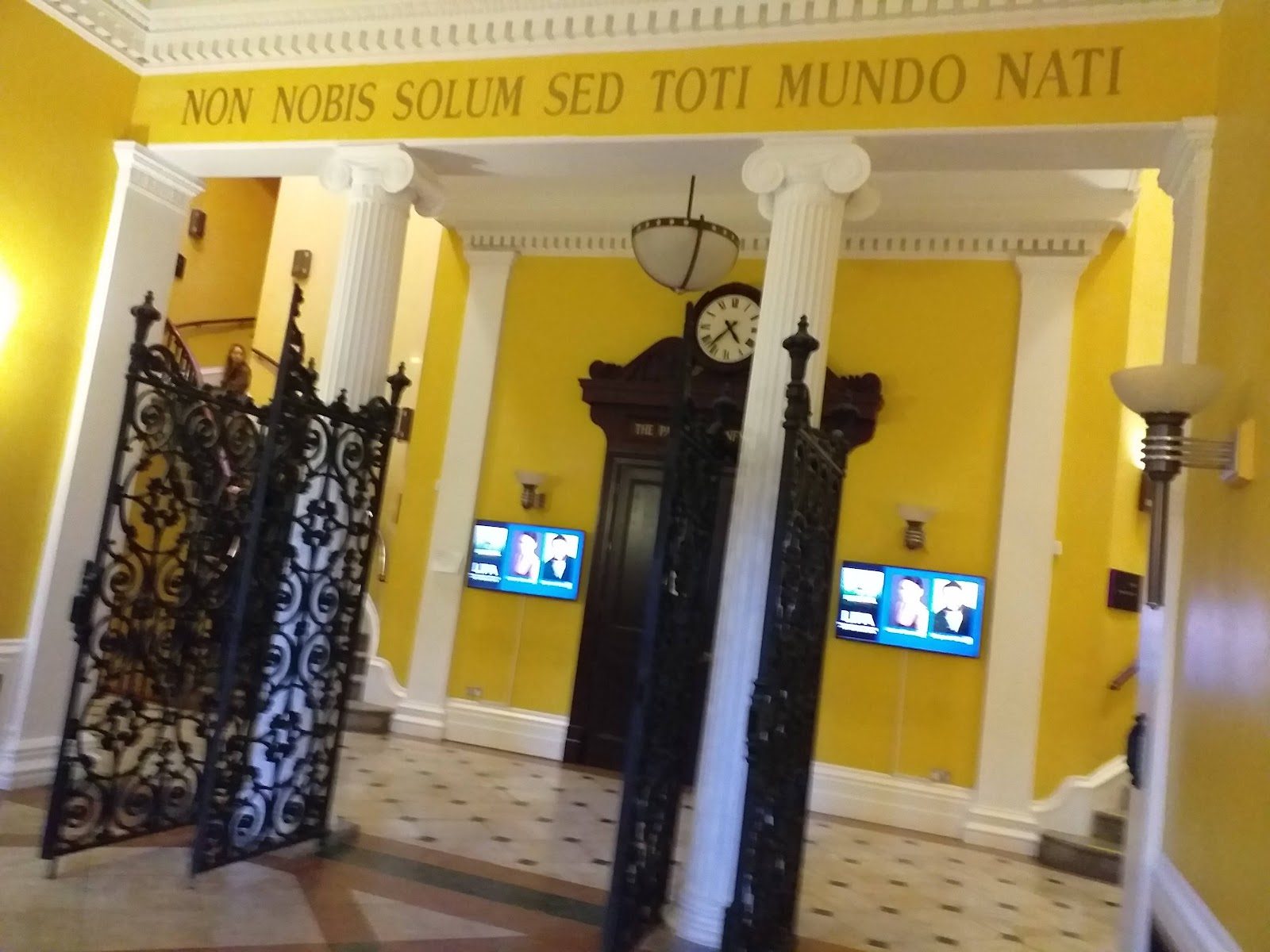
LIPA Sixth Form College (Acting)
Liverpool · United Kingdom
On Liverpool's Hope Street, purpose-built studios and a 100-seat theatre train BTEC actors for the professional stage.
Same specialism, country and curriculum — closest matches within ±10 points either way