
New York
In Brooklyn Heights, narrative reports replace letter grades while nationally recognized arts programs anchor the curriculum.
Type
Day
Ages
3–18
Curriculum
American
Qualifications
US High School Diploma
Ratio
1:6
The Verdict
Editor's commitment
Right for
Brooklyn families who want ages 3–18 in one day school, a 1:6 ratio, and written reports instead of letter grades.
Wrong for
Parents who need conventional American grading, standard academic signalling, or any religious frame; Saint Ann's is secular and NAIS-accredited, nothing more.
Watch out for
Founded in 1965 and famous for arts, this Brooklyn day school asks families to trust judgement over metrics; the school does not publish grades.
Ranking breakdown
Saint Ann's School · #209 of 1591
Composite score 74.2. 8 weighted criteria.
By criterion
Academic Outcomes
Weight 20%
#183
of 1529 scored
University Placement
Weight 16%
#263
of 1529 scored
Prestige & Heritage
Weight 12%
#296
of 1571 scored
Alumni Network
Weight 12%
#234
of 1530 scored
Facilities
Weight 12%
#933
of 1533 scored
Transparency & Communications
Weight 8%
#204
of 1532 scored
Peer & Industry Review
Weight 10%
#335
of 1548 scored
Admissions Selectivity & Demand
Weight 8%
#198
of 1529 scored
Score history
Saint Ann's School · 2026
Movement across 2024–2026. Peer average overlaid.
Overall — 2024–2026
74.2/ 100
▲ +16.1 vs 2025
year on year
Peer & Industry Review
How Saint Ann's School is regarded in the sector
88
Strong · high confidence
Saint Ann's School is widely regarded as one of the most academically distinctive and artistically-oriented private schools in the U.S., frequently cited in national press (New York Times, New York Magazine) for its no-grades policy and strong track record of Ivy League and top-tier college placement. Its alumni network includes prominent figures in film, music, and literature (e.g., Jemima Kirke, Lena Dunham, members of Vampire Weekend), reinforcing its reputation as a magnet for creative and intellectual talent among Brooklyn's elite private schools. It consistently appears in rankings and discussions of top NYC independent schools alongside Brearley, Dalton, and Trinity, though it maintains a slightly more bohemian, less traditionally competitive image than some peer institutions.
Evidence sources
Editors' overview
Saint Ann’s School occupies a rare position in the New York market: a fiercely academic, non-religious day school that rejects the standard machinery of grades, class rank and prize-giving. Founded in 1965 and teaching an American curriculum in English, it has built its reputation on narrative reports, close teacher attention and a conviction that intellectual risk matters more than tidy transcript optics. The 1:6 student–teacher ratio is not decorative; it underpins a classroom culture where teachers know pupils closely and write about their work in detail. For families tired of formula, that is a serious distinction. For families who want constant numerical benchmarking, it is not.
What sets Saint Ann’s apart is the scale of its commitment to the arts. Plenty of strong schools claim to value creativity; Saint Ann’s has made it structural. Its arts programmes are not an adjunct to the academic core but one of the school’s main engines, and that gives the place a restless, high-output energy. The result is a school for children who want to make, write, perform, debate and think with intensity. It is also a school with a clear tolerance for eccentricity, appetite and independent judgment. That mix gives Saint Ann’s a rare kind of freedom: ambitious without drill, cultivated without polish for its own sake.
This is not a universal fit. Saint Ann’s suits students who are intellectually alive, verbally agile and comfortable in an environment that rewards curiosity over compliance. Children who flourish there tend to like ideas for their own sake, welcome close scrutiny from teachers, and gain momentum from an atmosphere that treats artistic work as central rather than decorative. Families who want a school to impose heavy external structure, or who need conventional grades as a weekly reassurance mechanism, will find the model disconcerting. Families who value deep teaching, original thinking and serious arts provision will find it hard to ignore.
In market terms, Saint Ann’s sits at the top end of progressive American schooling in New York: academically credible, culturally ambitious and unapologetically individual. Its NAIS accreditation gives the expected baseline, but the school’s real currency lies in ethos and execution rather than badges. It belongs on a shortlist because few schools deliver this combination of intellectual seriousness, artistic centrality and intimate teaching at ages 3–18. For the right child, it is not merely distinctive; it is transformative.
Academic Performance
Saint Ann’s is hard to benchmark against peer schools because it has chosen a model that strips out much of the public scorekeeping. The school does not trade on aggregate AP or IB outcomes, and we have not seen published school-wide examination data of the kind many New York independents use to signal academic strength. That opacity cuts both ways. It denies parents the easy comfort of league-table shorthand, but it also reflects a school that judges performance through sustained teacher evaluation rather than external metrics. For families who want clean comparative data, that is a real weakness. For families confident in the school’s internal standards, it is part of a deliberately anti-formula academic culture.
Relative to peers, Saint Ann’s sits in a small group of academically serious American independents whose university outcomes and reputation carry more weight than published test statistics. Its pupils still sit external examinations where needed for college admission, but the school’s standing rests on the quality of student work, the intensity of teaching, and the credibility of its graduates with selective universities rather than on headline score releases. That places it outside the usual numbers race and inside a more rarified market of schools that expect families to accept trust in place of dashboards. The trade-off is clear: high intellectual confidence, less public proof.
Facilities
The school’s physical estate serves one priority above all: making room for work. Parents do not choose Saint Ann’s for acres of playing fields, grand gates or hotel-style amenities; they choose it for classrooms, studios, rehearsal spaces and performance venues that support a serious working culture. That matters in a market where many premium schools spend heavily on visible spectacle. Saint Ann’s facilities read differently. They are urban, purposeful and bound tightly to the life of the school rather than to branding. For a place with a 1:6 staffing ratio and a curriculum shaped by writing, discussion and the arts, that alignment counts for more than architectural theatre. If you want a campus that advertises luxury, this is the wrong school. If you want rooms used hard by teachers, musicians, actors, writers and artists, the proposition is far more convincing.
Against New York peers, the strongest facilities case sits in the arts. Schools across the city offer theatres, music rooms and art spaces; Saint Ann’s has long treated them as core infrastructure rather than enrichment add-ons, and that gives its provision real weight. The result is not a country-estate model of schooling but a dense, high-functioning urban one, with specialist spaces that feed the school’s academic and creative identity directly. The trade-off is clear. Outdoor and athletic provision will not rival schools with expansive suburban campuses. The gain is concentration: facilities that support constant making and performing, not decorative abundance. For the right child, that is the more valuable bargain.
For the right child, it is not merely distinctive; it is transformative
Prestige
Saint Ann’s carries real prestige, but not the polished, badge-heavy variety that many independents sell. Its status rests on scarcity of model and consistency of execution: a school confident enough to reject conventional grading, confident enough to centre serious arts work, and strong enough academically that families still queue for it. In New York’s private-school hierarchy, that matters. This is not prestige built on inherited ritual or manicured tradition; it is prestige built on intellectual confidence, cultural seriousness and the belief that children can handle demanding work without constant numerical sorting. The 1:6 ratio sharpens that standing further. It signals resources, yes, but more importantly a school organised around close scrutiny of student work rather than mass processing.
We rate its prestige highly because it has a distinctive identity that peers cannot copy easily. Plenty of schools advertise creativity and individual attention; few make both structural, and fewer still sustain a reputation for sending graduates into top universities without leaning on public scoreboards. That combination gives Saint Ann’s a rarefied position: admired by families who know the market well, respected by universities, and recognised beyond its own parent body for the seriousness of its arts and writing culture. The caveat is straightforward. This is insider prestige, not broad social-signalling prestige. Families who want visible rank, public results and traditional honours systems will find less to display. Families who value intellectual texture over status theatre will read the school’s reputation correctly.
We rate its prestige highly because it has a distinctive identity that peers cannot copy easily
Communications
Saint Ann’s needs strong parent communication because its academic model denies families the shorthand of grades, ranks and routine scorecards. That raises the bar. Parents need clear, frequent explanation of what a child is doing, how well it is being done, where habits are slipping and what the next step is. The school’s reliance on written teacher evaluation gives it the raw mechanism for that, and the low staffing ratio supports more individual contact than most large independents can manage. When this works, communication is rich, diagnostic and far more useful than a number on a portal. When it fails, there is nowhere to hide: a school that rejects conventional metrics must replace them with prose that is exact, timely and intelligible.
Our view is that Saint Ann’s communication model is effective for families who want substance and can read nuance. It is less effective for parents who want fast, standardised reassurance. Narrative reporting demands attention from both sides; it is labour-intensive, interpretive and harder to compress into simple status updates. That does not make it weak. It makes it demanding. The key question is not whether parents receive enough data, but whether they receive enough judgement. At Saint Ann’s, the answer is yes, provided teachers write with candour and parents engage with care. Families who want weekly dashboards will find the system frustrating. Families who want a school to tell them what their child is actually thinking, making and struggling with will find it substantive.
Uniqueness
Saint Ann’s is unusual because it has built an entire school around the proposition that children do better work when they are not being constantly ranked. Narrative reports are not a garnish here; they change the relationship between teacher, student and family. Instead of chasing points, pupils live with detailed criticism, close reading of their work and the expectation that ideas must be developed, defended and revised. That creates a culture with more intellectual exposure than many high-status schools tolerate. It also creates more room for eccentric strengths. A child can be formidable in history, uneven in maths, absorbed in chamber music and fearless on stage without being pressed into a neat profile for the sake of transcript symmetry. The low staffing ratio — 1:6 — makes that model operational rather than rhetorical.
Its second clear distinction is that the arts are treated as a serious mode of thought, not as decoration around an academic core. That changes what students learn about effort. Rehearsal, critique, drafting, public performance and sustained practice become normal across the school, and those habits feed directly back into writing, discussion and scholarship. The result is an education with a rare tolerance for intensity: students are allowed to be absorbed, odd, ambitious and deeply committed to a craft. For the right child, that is liberating. For a child who needs frequent external validation, heavy structure or a conventional ladder of rewards, it is an exacting fit.
The 1:6 student–teacher ratio is not decorative; it underpins a classroom culture where teachers know pupils closely and write about their work in detail
Student Profile
The students who thrive here are not the ones who need constant external calibration. They are children with strong internal drive, intellectual stamina and enough confidence to tolerate exposure: their ideas will be questioned, their writing will be marked up in detail, and their artistic work will be rehearsed, revised and shown. This suits pupils who like living in process rather than collecting rewards. They tend to be verbally agile, comfortable with teachers, and willing to risk being wrong in public. The low staffing ratio — 1:6 — reinforces that dynamic. There is little room to disappear, coast or hide behind charm. Students who flourish in that setting usually welcome close adult attention and can turn criticism into better work rather than into panic.
Socially, the fit is also specific. Saint Ann’s works for children with distinct interests, a tolerance for eccentricity and an appetite for peers who care hard about what they do. That can mean the aspiring actor, the obsessive reader, the serious young musician, the student who argues for pleasure, or the child whose academic life and creative life are inseparable. It is not a soft environment for pupils who need heavy external structure, routine ranking or frequent reassurance that they are “doing well” by conventional measures. Nor is it ideal for children who want school to feel polished, competitive in a narrow way, or socially anonymous. The best fit is a student who wants to think, make, perform and be known — and who can handle a school that asks for all 4 at once.
For families tired of formula, that is a serious distinction
Co-curricular strengths
Arts & sport, on a separate axis
Overall 8.9/10
Scored 0-10 from the school's own published evidence. This axis is editorial-only — it does not feed the main WTS ranking.
Sports
6.5/10
'Athletics' as an extracurricular.
Drama
9.5/10
'Theater productions' and also describes performance and theatre spaces as important specialist arts facilities, indicating more than a bare mention.
Dance
9.5/10
Music
9.5/10
Orchestra, Jazz ensemble and Chorus, and specialist spaces for serious music and performance, which supports a notable strength.
Visual Arts
9.5/10
Visual arts, Photography and Ceramics, and specialist spaces for visual arts and studio art.
Editor first-pass · editor-reviewable · 7/27/2026
WTS 300 badge
2025/26 editionSaint Ann's School is one of the World's Top 300 Schools for 2025/26. Claim your listing to add it to your site →
Strengths
- +Saint Ann's eschews letter grades through middle school in favor of narrative reports and ongoing dialogue between teachers and students. So that every child will flourish, we eschew grades, rankings, and prizes in favor of ongoing dialogue and teacher reports.
- +The school has a strong historical record of college placement: in a 2004 survey conducted by The Wall Street Journal, Saint Ann's was rated the number one high school in the country for having the highest percentage of graduating seniors enroll in Ivy League and other highly selective colleges.
- +Arts are woven into the core curriculum rather than treated as an elective add-on. We cultivate a joy for learning through a deep and rigorous curriculum, in which the arts are an essential presence.
- +Class sizes are small, with a student-teacher ratio reported at roughly six to one across the PK-12 student body. It has 1,097 students in grades PK, K-12 with a student-teacher ratio of 6 to 1.
- +The school has produced a number of well-known creative alumni, including actress Jennifer Connelly and art dealer Vito Schnabel. Jennifer Lynn Connelly (born December 12, 1970) is an American actress...Vito Schnabel is an art dealer and the owner of Vito Schnabel Gallery, founded in Switzerland in 2015.
Considerations
- −Fees are high even by New York independent-school standards: Tuition for 2026-2027 Preschool $58,550, Kindergarten $62,000, Lower School grades 1-3 $62,000, Grades 4-8 $64,500, Grades 9-12 $66,400, plus mandatory lunch, activity, and high school fees on top.
- −Admission is capped structurally: new students are admitted to the Preschool through Grade 10 as vacancies permit, and, on occasion, exceptions may be made for Grade 11, so lateral entry in the final two years of high school is rare.
- −The narrative-report model is unusual among peer schools and can complicate benchmarking: Saint Ann's is the only major NYC private school that does not assign letter grades through middle school...the school transitions to letter grades in the upper school but retains a more narrative-rich evaluation tradition than peer institutions, which may unsettle families used to conventional grading.
- −Athletics appear to take a back seat to arts and academics; one student review noted its athletics program is not great, although I love soccer and have loved my time there, and the school fields no football program.
Availability
Primary entry gate & tests
Internal Assessment (ISAAGNY)
Parent reviews
Have you sent your child here?
Voice reviews carry the strongest trust badge — we transcribe them for you to tidy up before they go live. Prefer to type? A written review is fine too.
Add your voice
In 60 seconds, tell other parents: what's the best thing about Saint Ann's School, and what surprised you when your child joined?
We ask for a Google sign-in so every review has a real face behind it — no anonymous drive-by attacks on schools, and no faked positive reviews. Your email is never shown publicly.
Send this profile to a friend
International parents rely on word-of-mouth. Share this review with someone weighing the same decision.
Schools with places
Similar schools to Saint Ann's School with places available now.
Packer Collegiate Institute
Brooklyn · United States
- 2026-27
- CLOSEDRegular cycle
- 2027-28
- OPENS SOONOpens post-Labor Day '26
Convent of the Sacred Heart (NYC)
New York City · United States
- 2026-27
- CLOSEDConfirmed full
- 2027-28
- OPENS SOONOpens post-Labor Day '26
Nightingale-Bamford School
New York City · United States
- 2026-27
- CLOSEDRegular cycle
- 2027-28
- PLACES OPENCloses 1 Dec '26
Riverdale Country School
New York City · United States
- 2026-27
- WAITPOOLLate application possible
- 2027-28
- OPENS SOONOpens 8 Sept '26 (Noon ET)
Availability first, then country, area, curriculum, price, co-curricular
Consider also
Also worth looking at alongside Saint Ann's School.
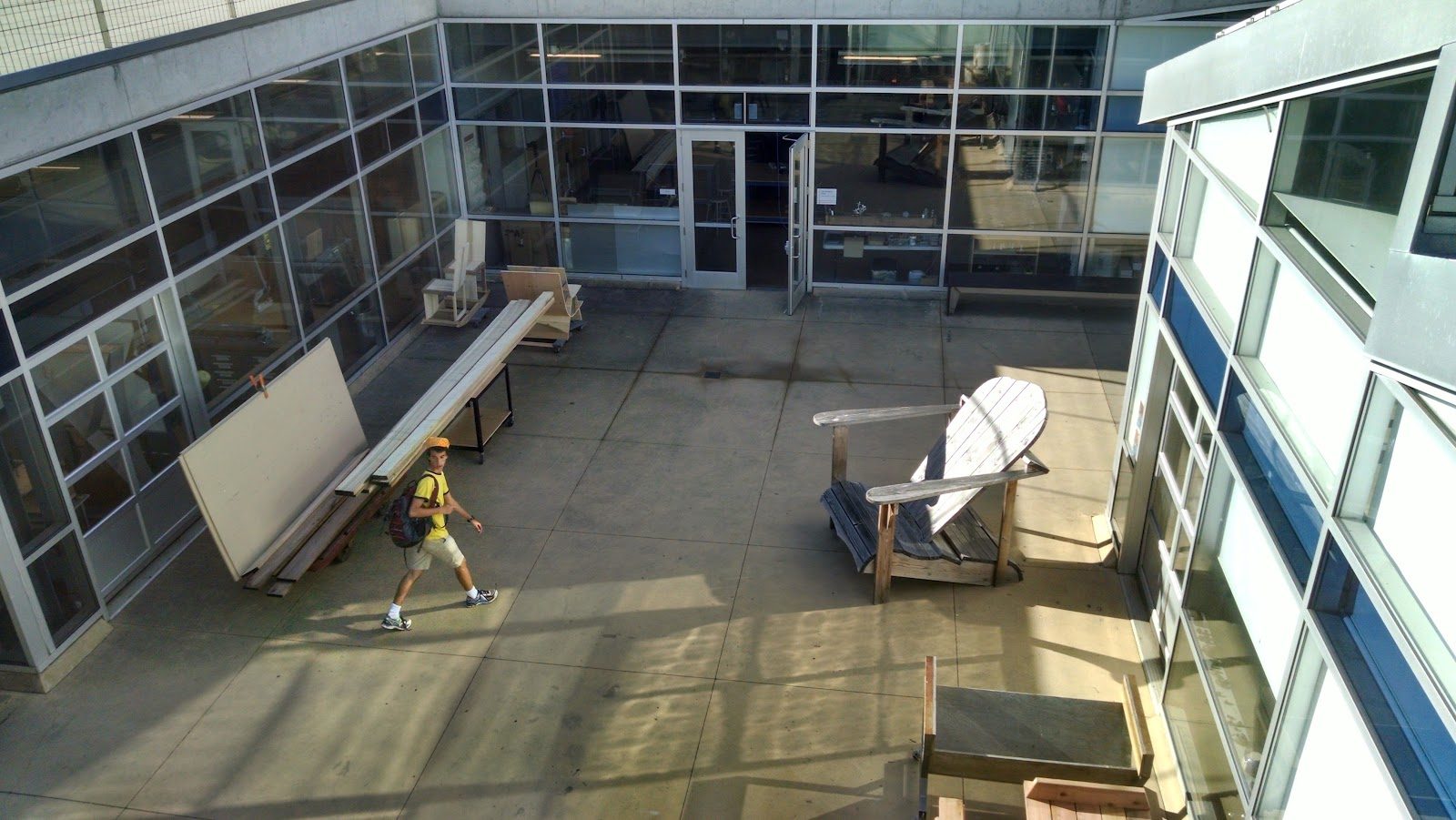
Lick-Wilmerding High School
San Francisco · United States
Founded as an 1895 mechanical-arts school, it still requires wood, metal, jewelry, or electronics credits alongside AP coursework.
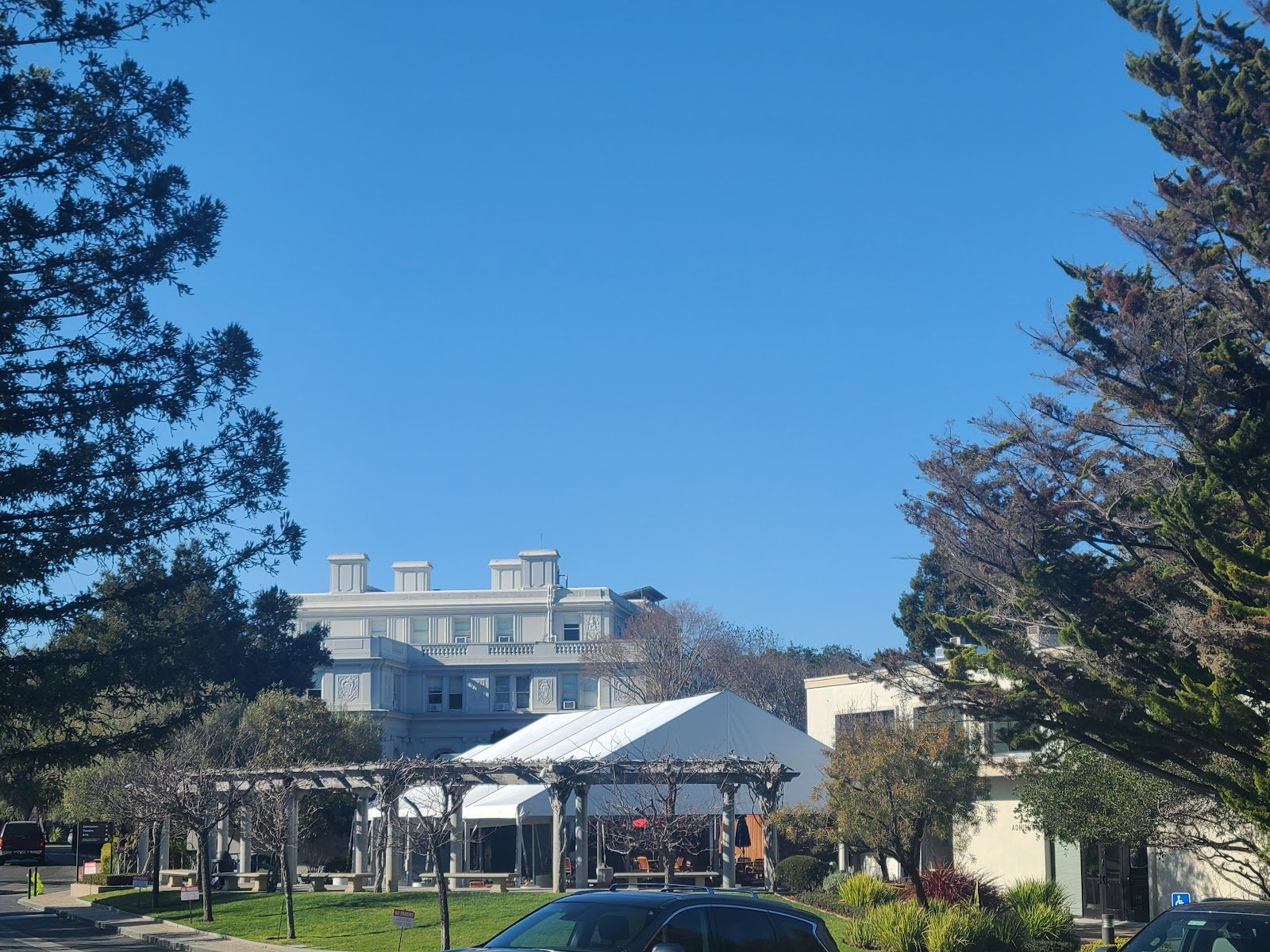
Crystal Springs Uplands School
Hillsborough · United States
On a Peninsula estate once built by railroad money, this day school ditched AP courses for honors-level, student-driven research.
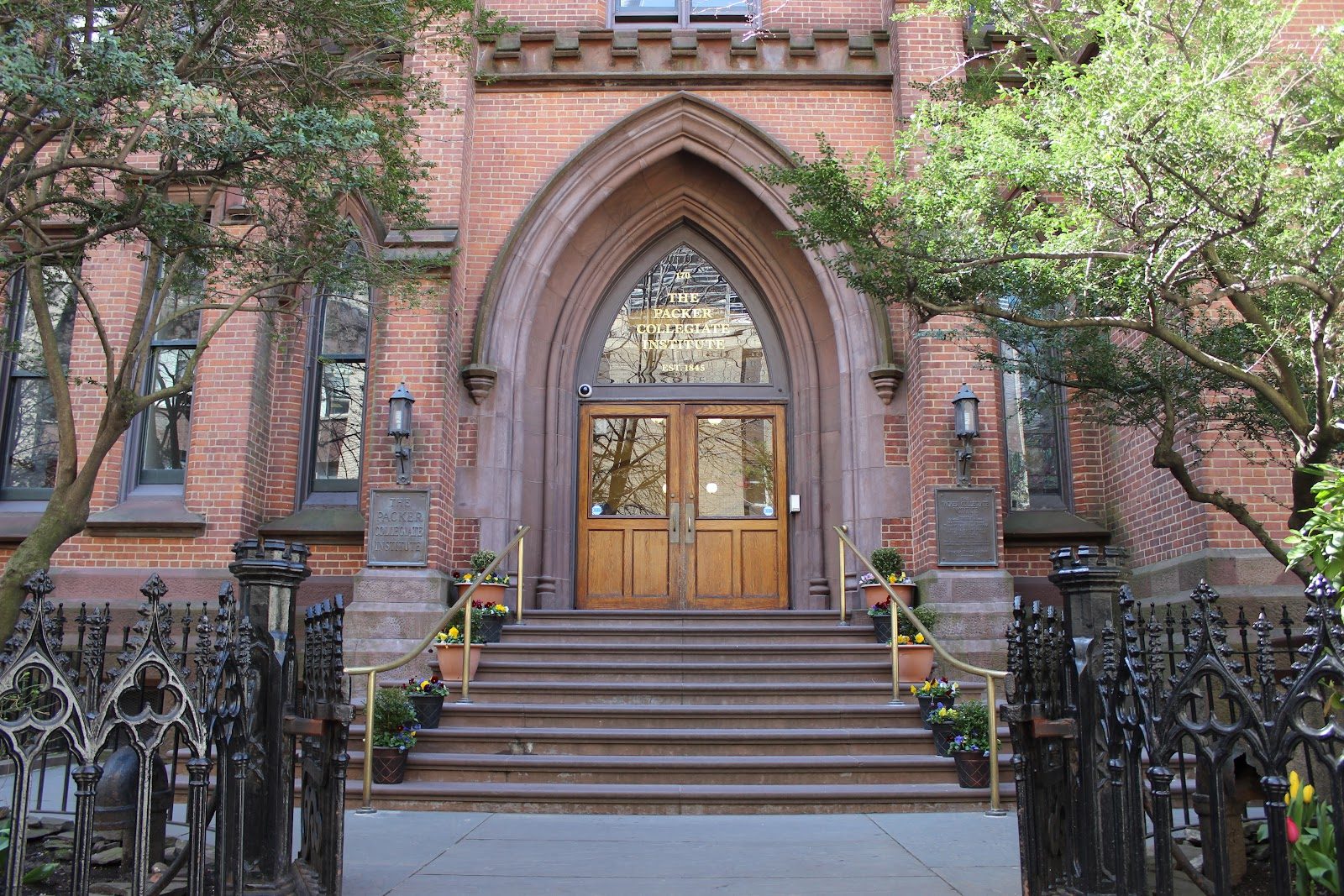
Packer Collegiate Institute
Brooklyn · United States
Brooklyn Heights' oldest independent school, its 1854 Gothic Revival chapel still glowing with Tiffany glass a single subway stop from Manhattan.

San Francisco University High School
San Francisco · United States
Inside a 1917 Julia Morgan building in Pacific Heights, a signature Civilization seminar drives independent-study scholarship.
Same country and curriculum — closest matches within ±10 points either way