
Hong Kong
Sha Tin College
low confidence· 2/6 cats · 2.75 avg sourcesESF’s New Territories secondary school with Explorer Week
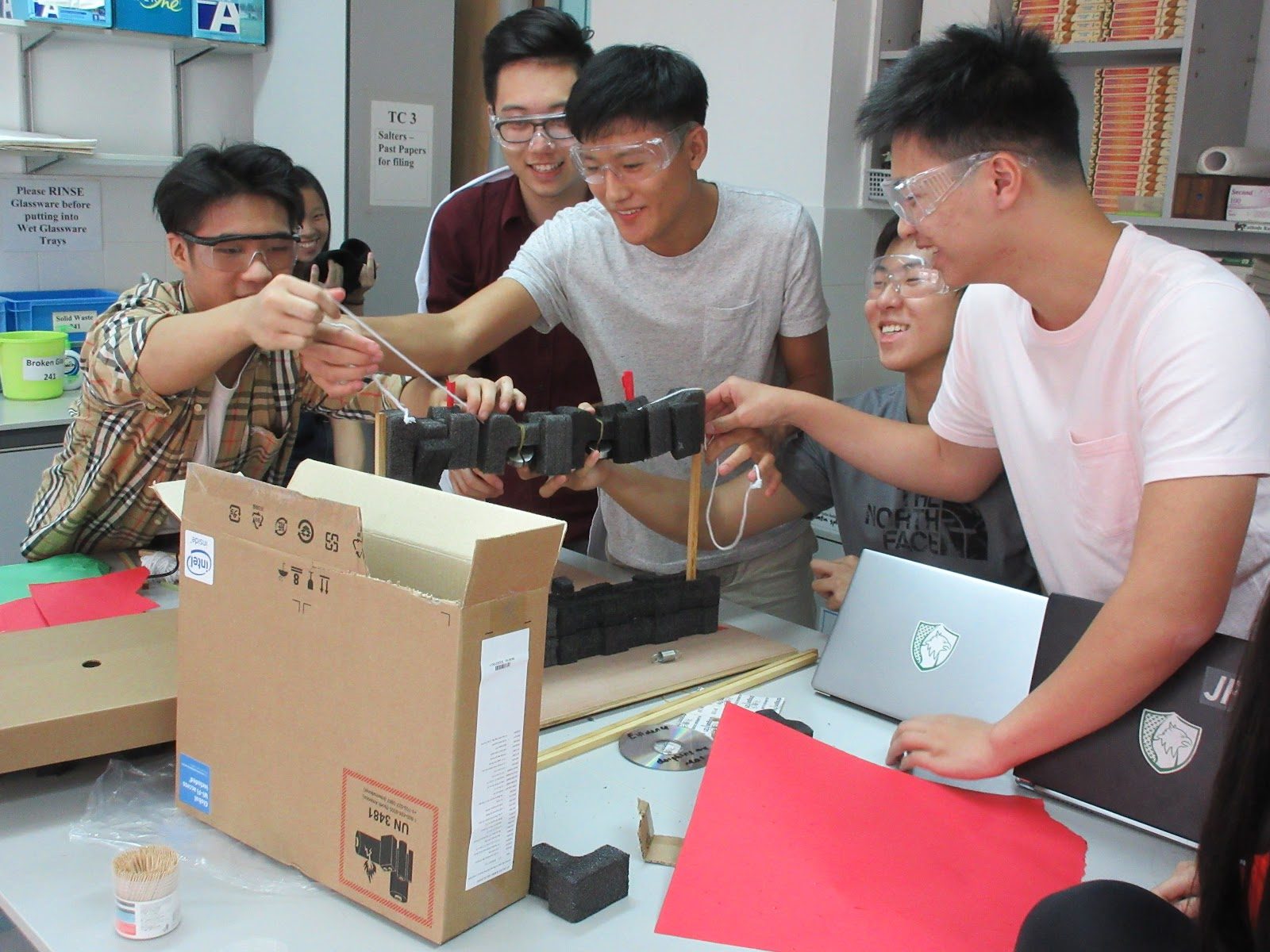
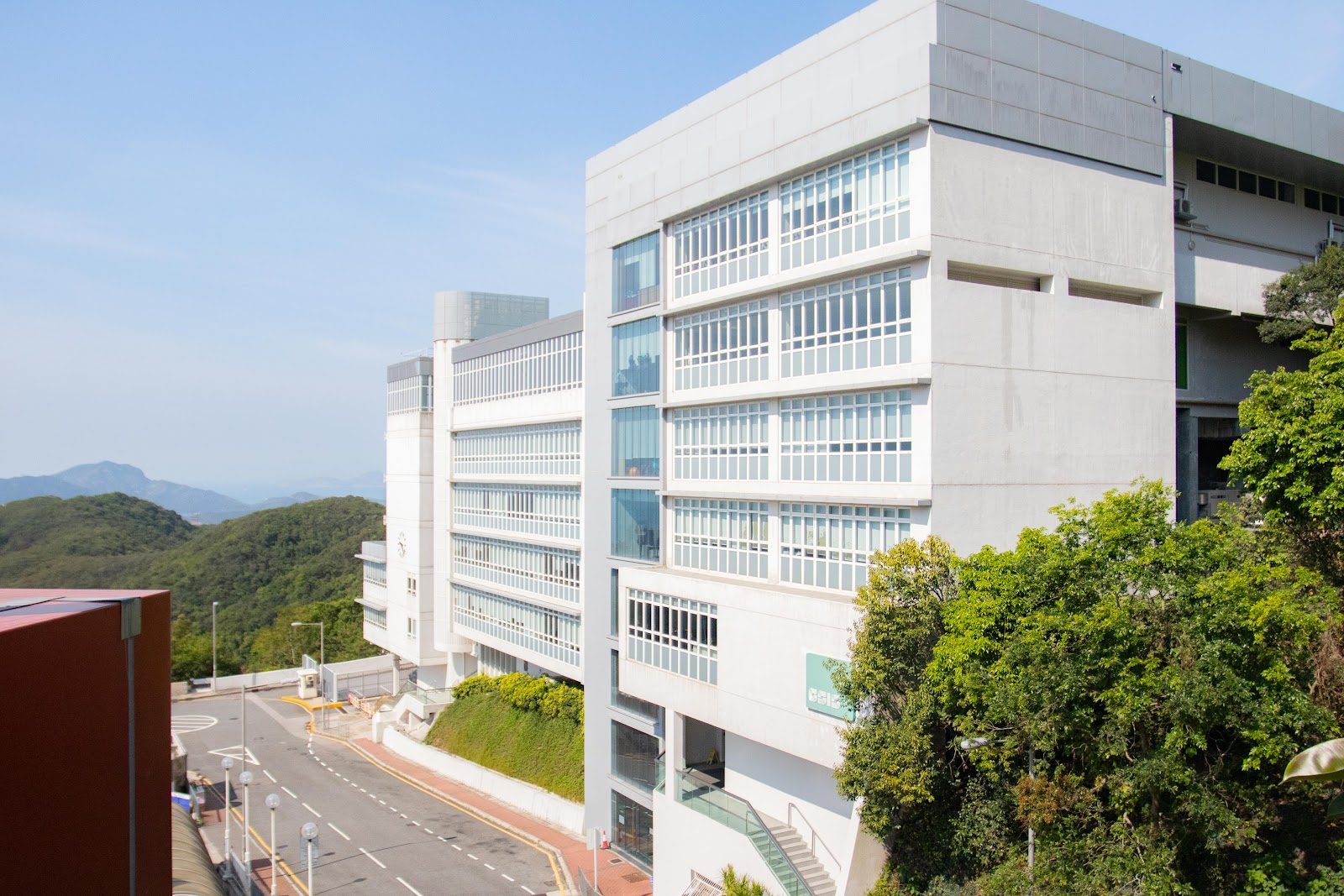
Photo © ESF Sha Tin College via Google Maps
Type
Day
Ages
11–18
Curriculum
IB
Qualifications
IB Diploma · IB MYP
Ratio
—
The Verdict
Editor's commitment
Right for
Families in the New Territories wanting ESF's only secondary campus there, with English teaching, CIS accreditation and a full IB route.
Wrong for
Anyone wanting boarding, religion, or education before age 11; Sha Tin College is a day school, secular, and covers 11–18 only.
Watch out for
Founded in 1982 and tied to ESF, it still publishes little here beyond basics; judge the IB delivery and Explorer Week in person.
Ranking breakdown
Sha Tin College · #719 of 1591
Composite score 67.7. 8 weighted criteria.
By criterion
Academic Outcomes
Weight 20%
#585
of 1529 scored
University Placement
Weight 16%
#649
of 1529 scored
Prestige & Heritage
Weight 12%
#750
of 1529 scored
Alumni Network
Weight 12%
#654
of 1529 scored
Facilities
Weight 12%
#818
of 1529 scored
Transparency & Communications
Weight 8%
#725
of 1529 scored
Peer & Industry Review
Weight 10%
#637
of 1529 scored
Admissions Selectivity & Demand
Weight 8%
#647
of 1529 scored
Peer & Industry Review
How Sha Tin College is regarded in the sector
68
Respected · medium confidence
Within Hong Kong's crowded international-school sector, Sha Tin College is regarded as a reliable mid-to-upper tier ESF option rather than a headline name alongside Harrow Hong Kong, Diocesan Boys' School or the top private international schools. Local education commentary and directories such as WhichSchoolAdvisor and Good Schools Guide International, which regularly cover ESF schools, tend to frame it as consistent and well-run, praised for IB outcomes and pastoral structure but noted for non-selective, points-based ESF admissions rather than competitive entry. University-facing reputation is solid: ESF's IB results feed a steady stream of graduates into UK Russell Group universities, Hong Kong's own HKU and HKUST, and a smaller number into North American institutions, though it lacks the concentrated Oxbridge or Ivy League pipeline associated with Hong Kong's most selective schools. It rarely features in international peer-conference circuits or global rankings commentary in the way flagship private schools do, reflecting its identity as a strong community school within the ESF system rather than a globally branded academy.
Editors' overview
Sha Tin College occupies a distinct slot in Hong Kong’s school market: an English Schools Foundation secondary school in the New Territories, founded in 1982, with a clear IB identity and a long-established local catchment. That matters. For families who want an academically serious, English-medium, co-educational day school outside Hong Kong Island, the field narrows fast. Sha Tin College earns shortlist status because it combines the scale and infrastructure of ESF with a secondary-only model for ages 11–18. There is no through-school softness here; pupils enter a campus built for adolescence, independence and the pace of public examinations. The result is a sharper academic culture, a more grown-up atmosphere and a school life that starts from the assumption that students can handle responsibility.
What marks it out is not novelty but execution. The school’s strongest point is the way it ties the IB to an outward-facing secondary experience rather than a sealed exam machine. Explorer Week is the clearest expression of that: it breaks the standard timetable and pushes learning into expeditions, service and applied work beyond the classroom. That gives the school a point of difference in a city where many competitors talk about holistic education while running relentlessly exam-led routines. Sha Tin College offers real-world immersion, urban pragmatism and a credible sense of stretch. Parents who want polished brand theatre will find stronger performers elsewhere; parents who care more about substance, student agency and a proven ESF framework will find this school more persuasive.
The best fit is the student who wants a busy, high-functioning senior school rather than a cosseted environment. This is for children who are ready by age 11 to navigate a larger peer group, commit to the demands of the IB and take part in a school culture that expects contribution. Self-starters will thrive. So will students who like the idea of independence with guardrails, serious academics without trench warfare and learning that extends beyond classrooms. Families looking for a tiny school, a highly pastoral boutique setting or a religious ethos should look elsewhere. Families looking for a confident, established, non-faith IB day school with ESF backing should keep Sha Tin College near the top of the list.
Academic Performance
Sha Tin College has long sat in the top tier of Hong Kong schools for IB outcomes, and that standing rests on hard numbers rather than brand noise. Recent cohorts have posted an average diploma score of 37.1 points, with a pass rate of 98.8% and 29% of candidates scoring 40 points or more. That places the school comfortably above the global IB average and in serious company locally, without pushing into the tiny band of ultra-selective schools that produce stratospheric results year after year. The key point for parents is consistency: these are strong, repeatable results from a large enough cohort to carry weight, not a one-off spike.
Relative to peers, Sha Tin College performs like a school with a genuinely competitive academic culture but not an exam-factory temperament. It delivers scores that keep university options wide open, including for demanding courses and selective destinations, while still leaving room for the wider programme that the school prizes. That balance matters. Some Hong Kong schools beat it at the very top end; many do not match its combination of average score, high pass rate and volume of high scorers. For families comparing ESF options, this is one of the group’s clear academic heavyweights. For families comparing the wider market, it is a serious contender rather than a prestige mirage.
Facilities
Sha Tin College’s facilities suit a hard-working senior school rather than a showpiece campus. The important point is fit. At this age range, specialist teaching space matters more than cute primary provision, and STC benefits from being built for secondary pupils from the outset. Parents should expect the core set a strong IB school needs: science laboratories, design and technology space, arts provision, sports facilities and dedicated areas that can absorb a full adolescent timetable without the squeeze common in tighter urban campuses. Explorer Week also tells you something practical about the estate: the school has the organisational capacity, storage, staffing base and programme infrastructure to support activity beyond standard classroom rotation. That is a useful marker of substance, not a brochure extra.
Against Hong Kong peers, the campus sits in the solid upper tier rather than the architectural trophy class. The territory has schools with flashier builds, larger plots and more theatrical specialist centres. STC’s advantage lies elsewhere: facilities that support serious secondary work, a campus culture built around movement and independence, and enough breadth to avoid the cramped, vertical-school feel that undermines many city sites. Within ESF, it reads as purpose-built and adult-facing. What the school does not publish, at least publicly, is the level of detail that would let parents benchmark room counts, theatre capacity, pool access or elite-sport provision with precision. That opacity matters. The school clears the functional bar comfortably; it does not prove a facilities lead on paper.
Families looking for a confident, established, non-faith IB day school with ESF backing should keep Sha Tin College near the top of the list
Prestige
Sha Tin College carries real weight in Hong Kong, though not in the old-money, badge-polish manner of the territory’s most socially loaded schools. Its prestige rests on three harder assets: entry through the ESF ecosystem, a secondary campus with a clear academic purpose, and IB results that hold up at scale. That combination gives the school serious market credibility. Among families who know the sector, it has the reputation of an academically trusted choice: not a fashionable newcomer, not a vanity brand, but a school that sends students on with outcomes universities respect. The share of top-end diploma scores and the near-universal pass rate matter here; those figures move the school beyond ordinary competence and into genuine contender territory.
That said, prestige at Sha Tin College is more professional than theatrical. It does not trade on an aura of exclusivity, and it does not dominate the public imagination in the way a handful of Hong Kong names do. For some parents, that counts against it. For others, it is the point. The school’s standing comes from earned esteem rather than mystique: strong academic delivery, a settled reputation within ESF, and a student experience with enough independence and breadth to avoid the grind-school label. In blunt terms, this is high prestige within the international day-school market, but not the city’s most socially coveted address. That distinction matters, and Sha Tin College benefits from it.
Sha Tin College has long sat in the top tier of Hong Kong schools for IB outcomes, and that standing rests on hard numbers rather than brand noise
Communications
Sha Tin College communicates with parents in the way a mature secondary school should: directly, routinely and without too much sentimental varnish. The website does the core job well. Key areas such as curriculum structure, student life, admissions and calendar information are easy to locate, and the school’s public identity is coherent rather than cluttered. That matters more than glossy branding. Parents of teenagers need clarity on deadlines, expectations and opportunities, not a stream of staged happiness. The school also benefits from belonging to a wider ESF system, which tends to impose a baseline of administrative order. Nothing in its public-facing communication reads chaotic, evasive or improvised. Equally, it does not read as warmly hand-held. This is a school that communicates like a serious institution for older students.
The more revealing point is tone. STC talks to families as if their children are growing into independence, and that is the right register for this age group. Explorer Week, in particular, signals a school willing to explain activity in terms of purpose rather than spectacle. That gives its communications a grown-up, no-nonsense quality. The weakness is detail at the sharper end. Public information does not answer every practical question a scrutinising parent might ask about pastoral systems, workload management or the mechanics behind major programmes. That gap does not amount to opacity, but it does leave room for friction during the admissions process. Overall, communication is competent, institutional and effective, with stronger substance than charm.
Uniqueness
Sha Tin College’s clearest point of difference is structural: it is an ESF school devoted only to the secondary years, with none of the all-through choreography that can make older pupils feel like the top end of a much younger institution. That changes the texture of daily life. The campus rhythm, co-curricular offer and student expectations are built around adolescents, not diluted by the needs of small children. For students, that brings a more adult atmosphere, faster independence and a culture that treats responsibility as normal, not aspirational. Within the Hong Kong market, that matters. Many schools talk about preparing students for life beyond school; STC hardwires that preparation into the way the place runs.
The second distinguishing feature is Explorer Week, which gives the school a real operational signature. Plenty of schools run trips. STC interrupts the ordinary academic routine and uses that time for expeditions, service and applied learning at scale. That is not decorative. It trains students to work in unfamiliar settings, manage themselves away from the classroom and connect school learning to the world beyond assessment rubrics. Combined with the school’s strong IB outcomes — including 29% of candidates at the high-scoring end and a pass rate of 98.8% — it produces a blend that is harder to find than schools admit: serious academics without a claustrophobic exam culture, and breadth without drift. For the right student, that mix is genuinely formative.
Relative to peers, Sha Tin College performs like a school with a genuinely competitive academic culture but not an exam-factory temperament
Student Profile
The student who fits best here is self-propelled, socially confident and ready for a secondary environment that treats adolescence as a stage for responsibility rather than protection. This is not a school for children who need heavy adult prompting to organise themselves, manage deadlines or push into activities beyond the classroom. It suits pupils who like being busy, can cope with a bigger peer culture and do not need every step over-explained. There is also a clear academic expectation. With 29% of diploma candidates reaching the top score band and a 98.8% pass rate, the prevailing student culture is high-functioning and ambitious without reading as joyless.
The best match is a teenager who wants breadth as well as grades: someone willing to throw themselves into trips, service, leadership and the school’s more outward-facing programmes, not just collect marks. Students who thrive here tend to have good internal drive, a tolerance for challenge and enough maturity to handle a campus culture with fewer cosseting instincts than a small pastoral school. That does not mean the place lacks support; it means the support sits inside a system that expects students to meet it halfway. Families looking for constant hand-holding, a very sheltered atmosphere or a softer pace should look elsewhere. Pupils who want independence with structure and academic stretch with room to move will fit well.
Sha Tin College earns shortlist status because it combines the scale and infrastructure of ESF with a secondary-only model for ages 11–18
Co-curricular strengths
Arts & sport, on a separate axis
Overall 8.3/10
Scored 0-10 from the school's own published evidence. This axis is editorial-only — it does not feed the main WTS ranking.
Sports
8.8/10
Drama
8.4/10
Dance
7.5/10
Music
8.5/10
Visual Arts
8.3/10
Strengths
- +ESF member school in Hong Kong
- +Co-educational secondary school, ages 11–18
- +English-medium teaching throughout
- +CIS accreditation adds external scrutiny
Considerations
- −Day school only; no boarding option
- −Secondary only; no primary years
- −unspecified in source materials
Availability
Primary entry gate & tests
ESF Central Allocation Test
Gallery
Photo © Matthew Yip via Google Maps
Photo © Matthew Yip via Google Maps
Photo © Matthew Yip via Google Maps
Photo © Matthew Yip via Google Maps
Photo © Matthew Yip via Google Maps
Parent reviews
Have you sent your child here?
Voice reviews carry the strongest trust badge — we transcribe them for you to tidy up before they go live. Prefer to type? A written review is fine too.
Add your voice
In 60 seconds, tell other parents: what's the best thing about Sha Tin College, and what surprised you when your child joined?
We ask for a Google sign-in so every review has a real face behind it — no anonymous drive-by attacks on schools, and no faked positive reviews. Your email is never shown publicly.
Send this profile to a friend
International parents rely on word-of-mouth. Share this review with someone weighing the same decision.
Schools with places
Similar schools to Sha Tin College with places available now.
Harrow International School Hong Kong
Hong Kong · Hong Kong
- 2026-27
- WAITPOOLSpace-dependent
- 2027-28
- OPENS SOONOpens 1 Sept '26
Kellett School
Hong Kong · Hong Kong
- 2026-27
- WAITPOOLSpace-dependent
- 2027-28
- PLACES OPENRolling
German Swiss International School
Hong Kong · Hong Kong
- 2026-27
- PLACES OPENRolling
- 2027-28
- PLACES OPENRolling
Hong Kong International School
Hong Kong · Hong Kong
- 2026-27
- WAITPOOLVacancy-dependent
- 2027-28
- PLACES OPENPriority 1 Oct/1 Nov
Availability first, then country, area, curriculum, price, co-curricular
Consider also
Also worth looking at alongside Sha Tin College.
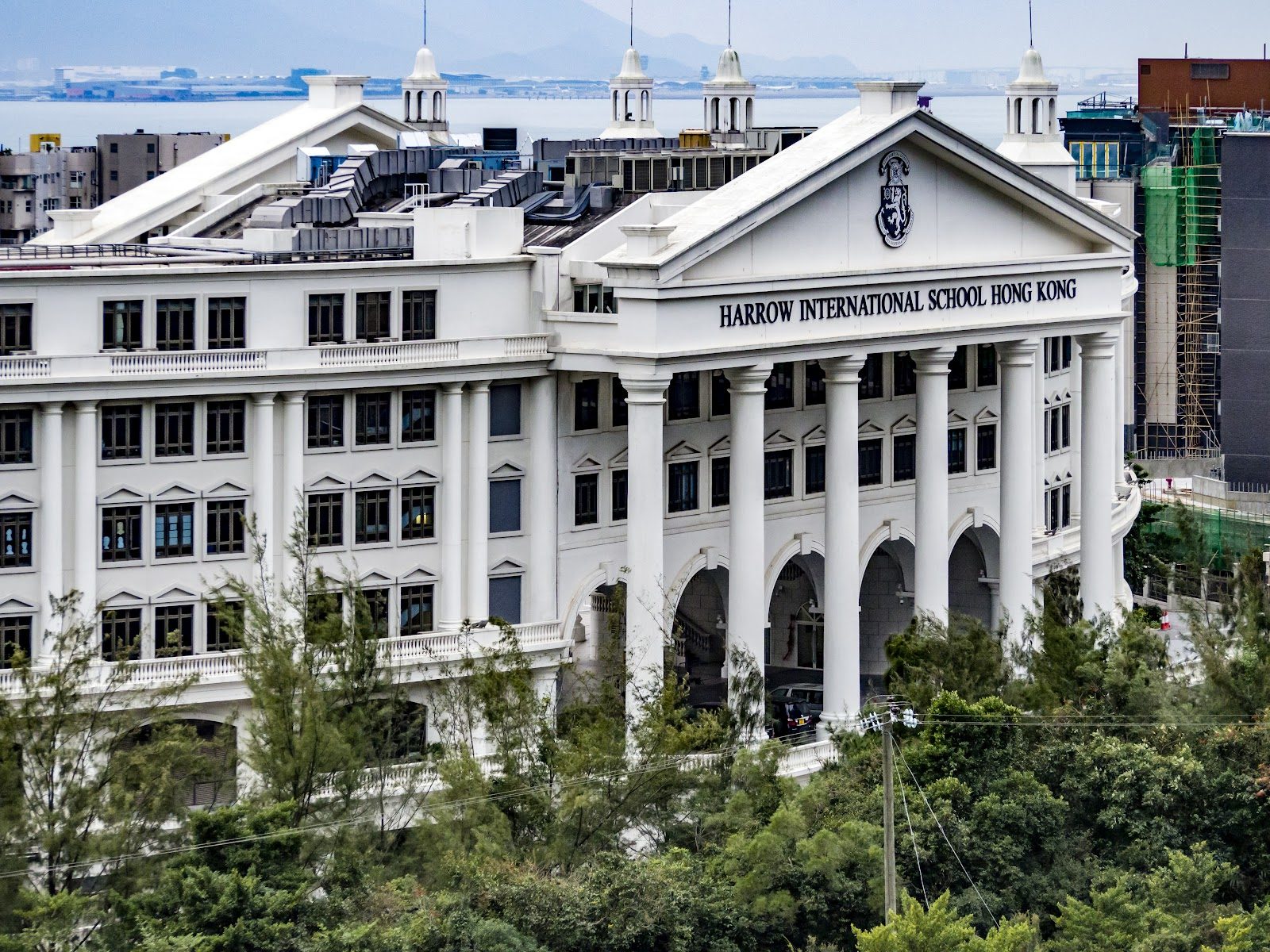
Harrow International School Hong Kong
Hong Kong · Hong Kong
A crescent-shaped Tuen Mun campus, modelled on Bath's Royal Crescent, houses Hong Kong's only formal weekly boarding and house system.
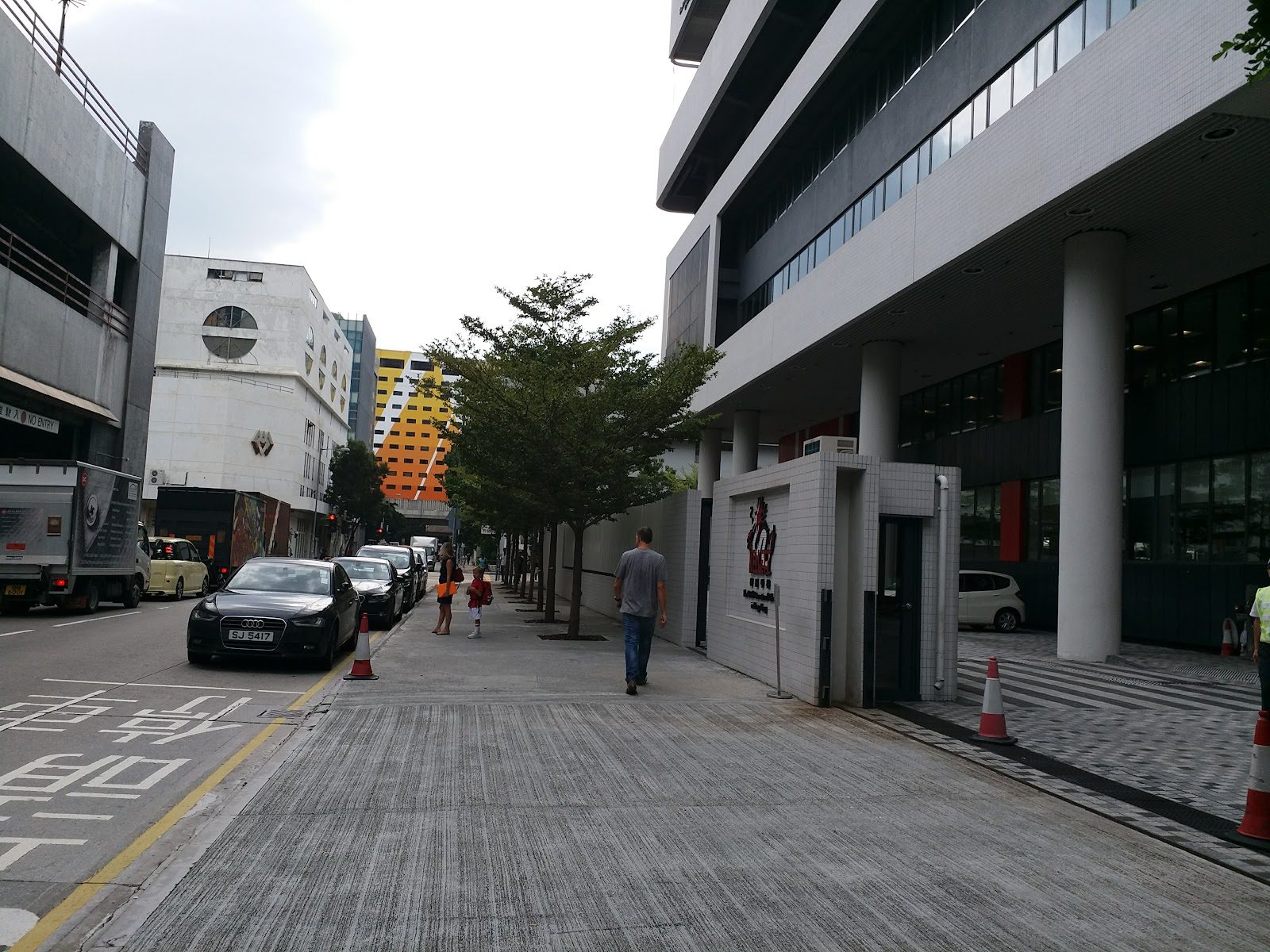
Kellett School
Hong Kong · Hong Kong
Long-established, parent-founded British international day school in Hong Kong, taking pupils through GCSEs and A-Levels from age 4 to 18.
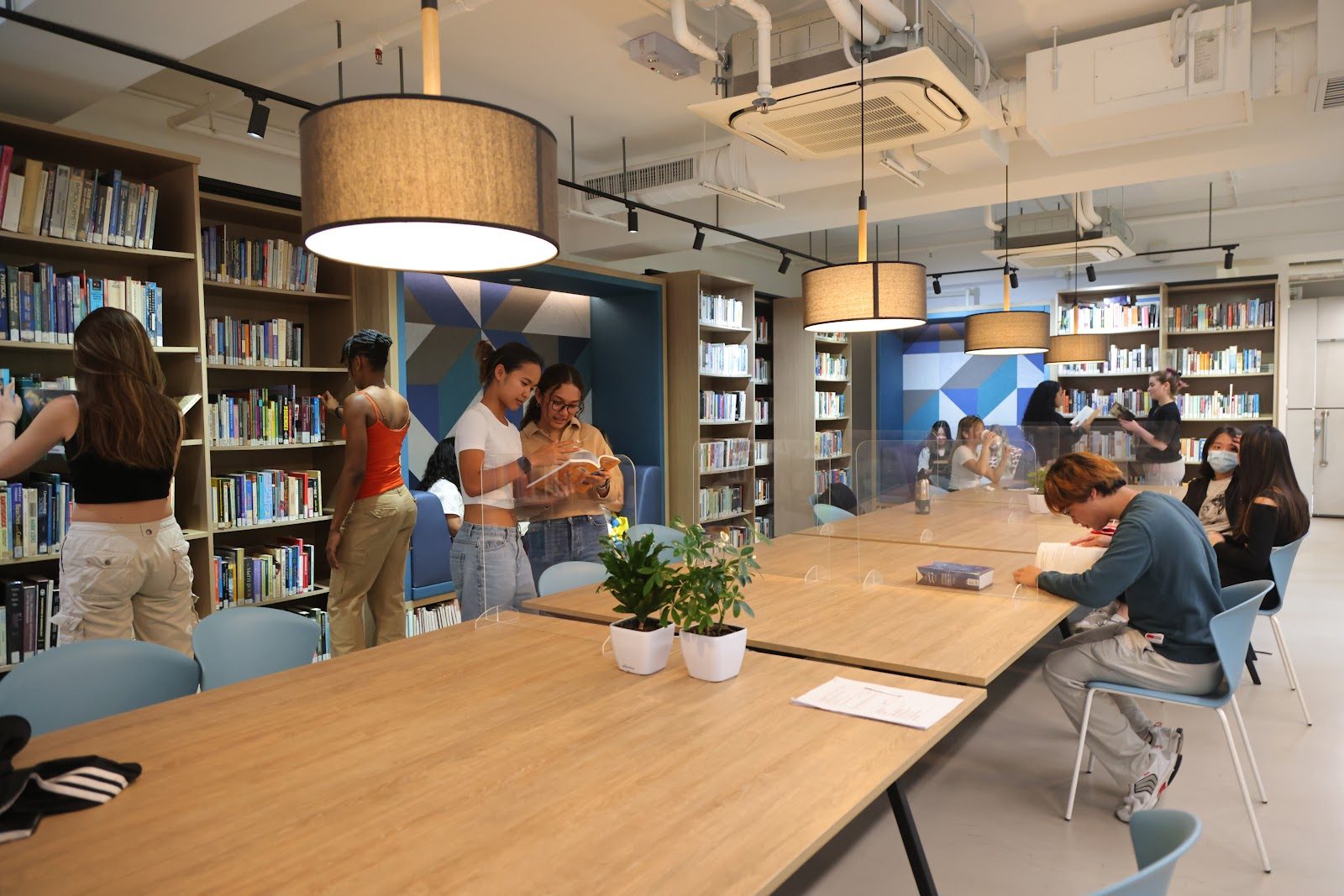
Li Po Chun United World College of Hong Kong
Hong Kong · Hong Kong
Perched above Tolo Harbour, this United World College gathers scholars from 90 nations for a service-driven IB Diploma.
German Swiss International School
Hong Kong · Hong Kong
Perched on the Peak since 1969, twin German Abitur and IB streams share one campus and one house system.
Same country and curriculum — closest matches within ±10 points either way