
Ontario
St. Michael's College School
low confidence· 2/6 cats · 3.2 avg sourcesToronto’s Basilian Catholic boys’ school with a storied hockey tradition
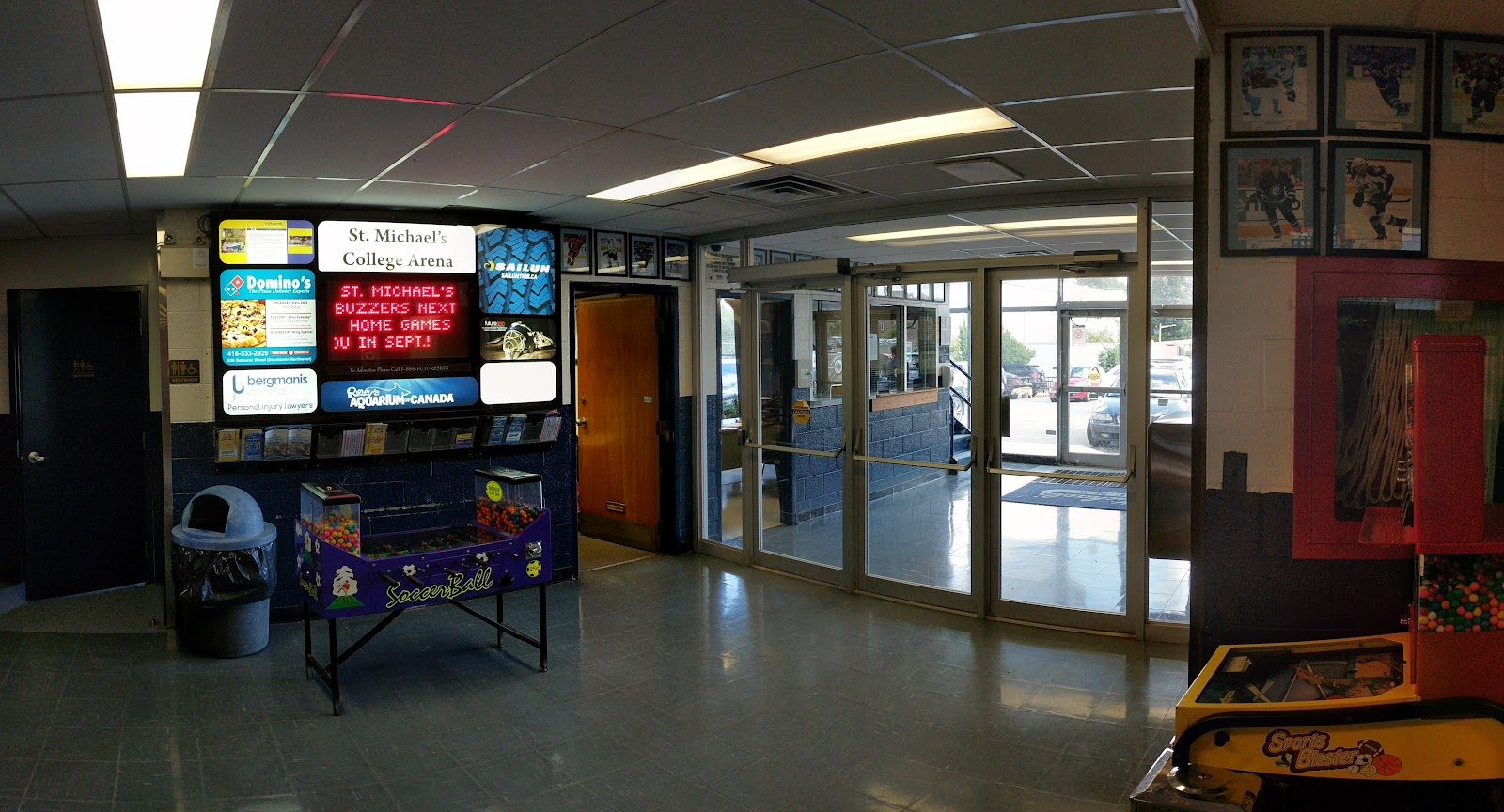
Photo © Jeff Sacco via Google Maps
Type
Day
Ages
12–18
Curriculum
Ontario
Qualifications
OSSD · AP
Ratio
—
The Verdict
Editor's commitment
Right for
Boys 12–18 who want a Catholic day school in Toronto with a 1852 Basilian foundation and a clear Ontario route to university.
Wrong for
Families wanting co-education, boarding, or a broader curricular menu than Ontario at Toronto’s only independent Catholic boys’ school.
Watch out for
The school publishes 100% university acceptance and CAIS accreditation; it does not publish the harder academic detail serious parents should ask for.
Ranking breakdown
St. Michael's College School · #605 of 1591
Composite score 60.0. 8 weighted criteria.
By criterion
Academic Outcomes
Weight 20%
#792
of 1529 scored
University Placement
Weight 16%
#736
of 1529 scored
Prestige & Heritage
Weight 12%
#608
of 1571 scored
Alumni Network
Weight 12%
#1449
of 1530 scored
Facilities
Weight 12%
#732
of 1533 scored
Transparency & Communications
Weight 8%
#688
of 1532 scored
Peer & Industry Review
Weight 10%
#793
of 1548 scored
Admissions Selectivity & Demand
Weight 8%
#726
of 1529 scored
Peer & Industry Review
How St. Michael's College School is regarded in the sector
67
Respected · medium confidence
Among Toronto's private-school establishment - Upper Canada College, Crescent School, Royal St. George's - St. Michael's is respected for academic seriousness and unmatched hockey pedigree, but its standing took a genuine hit after 2018, when the hazing and assault scandal drew sustained coverage from the Globe and Mail, Toronto Star and CBC and prompted public commentary on governance and reporting failures from within the Catholic-school sector. University admissions offices in Ontario continue to regard St. Mike's graduates as well-prepared, reflecting steady placement at University of Toronto, Queen's and Western, though it lacks the Ivy-feeder reputation of some Toronto peers. Independent Canadian education commentary, including Fraser Institute school report cards, situates it as a solid academic performer rather than a national outlier, and trade and mainstream press now discuss it as much for its post-scandal reforms and governance rebuild as for its historic athletic prestige.
Award
Elite Sport 80
World's Top School · The Global Ranking
St. Michael's College School is featured on our Global Top 80 ranking at #57. This seal is available for the school's marketing team to use on their website, prospectus and social channels.
- Tim Horton — NHL player and founder of Tim Hortons, business/sports
- Frank Mahovlich — NHL Hall of Fame player, later Canadian Senator
- Dave Keon — NHL Hall of Fame player
Editors' overview
St. Michael’s College School occupies a narrow and defensible niche in Toronto: it is the city’s only independent Catholic school for boys, and one of the oldest, founded in 1852 under the Basilian Fathers. That combination of religious identity, single-sex focus and long institutional memory gives it a clearer profile than many mid-sized independents. This is an Ontario-curriculum day school for boys aged 12 to 18, with CAIS accreditation and a roll of about 750. Parents who want structure with purpose, a serious Catholic frame and a school culture that treats sport as central rather than ornamental will find a rare fit here.
The school’s strongest public claim rests on outcomes and direction. It publishes 100% university acceptance, 87% of graduates receiving an offer from their first-choice university, and more than $1.2 million a year in university scholarships and financial aid. Those figures matter, but the bigger point is the blend: St. Michael’s pushes academic progression and leadership formation through a distinctly male, explicitly faith-based environment. The athletics tradition is not a side note. Hockey, football and basketball sit close to the school’s identity, and that carries real weight for boys who thrive in competitive, high-energy settings and want school spirit to extend beyond assemblies and house events.
What sets St. Michael’s apart is not novelty but coherence. The Basilian link, the Catholic ethos, the all-boys model and the established athletics machine all pull in the same direction. That gives the school a strong sense of belonging and clear cultural signals. It will suit boys who respond to accountability, camaraderie and visible expectations; boys who want teachers, coaches, advisers and alumni networks pulling in tandem; and boys who are happy in a traditional framework with university firmly in view. It will not suit families looking for a progressive, co-educational or lightly structured experience. This school knows what it is, and that clarity is one of its chief strengths.
An Elite Sport 80 school
St. Michael's College School in Toronto is at rank fifty-seven on the Elite Sport 80 because it is one of the historic engines of Canadian ice-hockey development, with over thirty NHL alumni across generations and an ongoing pipeline into the Ontario Hockey League and Canadian universities. The Blue Raiders' varsity hockey programme is a fixture at the top of the Greater Toronto Hockey League and has produced NHL professionals in almost every recent decade.
The specialisms are ice hockey (delivered with professional-level coaching, integrated sports-science support and links to the OHL and NCAA D1), Canadian football, basketball and rugby. Baseball and rowing run at strong secondary standard. Facilities include the on-campus Arena of Champions, an established fixture in Toronto ice-hockey folklore.
Notable alumni across codes include Frank Mahovlich, Dave Keon, Tony and Phil Esposito, Dave Andreychuk, Bob Manno's era, Eric Lindros's contemporaries, and — from more recent generations — a rolling roster of NHL and OHL professionals. In football, several CFL and NCAA D1 professionals have come through. In basketball, the school has produced multiple U SPORTS and NCAA D1 recruits.
International openness is genuine. St. Michael's is a Catholic boys' day and boarding school with an established overseas cohort — particularly from the United States, Europe and, more recently, Asia. Canadian study permits are handled by the school; ESL support is available. Admissions is a standard Catholic-school process plus sport-specific reference and, for hockey, an on-campus tryout. Tuition and boarding sit around C$45,000-52,000, positioning St. Michael's substantially below equivalent US boarding academies while producing comparable NHL and NCAA D1 output. For a family with a genuinely elite hockey prospect looking for a full boarding school combined with an OHL and NCAA D1 pipeline at reasonable cost, St. Michael's is one of the highest-value options in North America. Boarding accommodation and the Canadian study-permit process should be started 9-12 months in advance for overseas families targeting an entry into the school, and the hockey tryout window opens early in the year for the following season.
Academic Performance
St. Michael’s does publish a concise set of destination metrics, and they are strong: 100% university acceptance and 87% of graduates receiving an offer from their first-choice university. That places the school in solid company among Toronto independents that market themselves on university preparation. The caveat is clear. These are admissions outcomes, not external examination results. The school does not publish aggregate provincial assessment data, subject-by-subject performance, grade distributions, AP results, or any other broad academic dataset that allows a clean comparison with the city’s most results-driven peers. Parents can take comfort from the destination figures; they cannot audit academic performance in detail.
That matters because schools with a hard-edged academic claim usually show more of their workings. St. Michael’s instead asks families to read performance through university destinations, scholarship totals and programme-specific admissions patterns, including stronger flows into business, commerce, engineering and computer science. That points to a school with serious academic traction, especially for boys aiming at conventional university routes, but not to one offering the kind of forensic transparency seen at the most data-disclosing competitors. The verdict is straightforward: academically credible, university-focused, and clearly successful by destination measures; less convincing for parents who want published examination evidence before they buy into the story.
Facilities
Facilities here revolve around sport first, then the practicalities of a compact senior day school. The clearest clue sits in the calendar and campus references: an arena, an athletics calendar with a life of its own, and organised outdoor education for younger year groups. That fits the school’s public identity. Families choosing St. Michael’s for hockey, football or basketball are not buying into a token games programme; they are entering a school where athletics infrastructure and scheduling carry real institutional weight. Against Toronto peers, that places it closer to the serious sport-school end of the independent market than to the arts-led or seminar-style academic campuses. The trade-off is visibility. The school does not publish the kind of expansive facilities inventory that top-fee rivals use to flaunt theatres, design labs, maker spaces, aquatics centres or sprawling landscaped grounds.
What parents can infer is a campus built for discipline, movement and routine rather than spectacle. References to the arena, main entrance, alumni room and off-site camps point to a working school with dedicated communal spaces and established operational rhythms, not a glossy estate built to impress on first sight. For a boys’ day school of around 750 pupils, that can work well: enough scale for proper teams, events and shared culture, without the sprawl that dilutes supervision. Against wealthier Toronto independents, the facilities profile is more functional than luxurious and more athletic than expansive. That will suit families who prize use and culture over architectural theatre.
Michael’s distinctive is not one feature in isolation but a rare overlap: independent governance, a Catholic boys’ setting, and direct Basilian stewardship
Prestige
St. Michael’s carries real prestige within a specific lane. It is not the broad, society-school prestige of Toronto’s oldest co-educational grandees; it is the insider prestige of a Catholic boys’ school with a deep athletic mythology, a disciplined Basilian identity and a long alumni memory. That matters in two overlapping circles: families who want a serious faith framework, and families who put high value on school sport as a vehicle for status, connection and character formation. In those circles, the name lands. The school’s claim to be the country’s only independent Catholic school for boys sharpens that distinction, and its scale as the largest of its kind in Canada gives it institutional heft rather than the feel of a niche outpost.
The prestige is strongest in arenas where tradition, masculinity and team culture still carry force. Hockey in particular lifts the profile well beyond the classroom; this is a school with genuine sporting cachet, not a brochure-level attachment to athletics. The alumni network also strengthens the brand, because it ties school identity to adult professional and community life rather than to adolescent nostalgia alone. Still, this is bounded prestige. Families chasing the city’s most rarefied academic status markers will find less public proof than at schools that publish richer performance data or trade on global university placement theatre. St. Michael’s earns its standing through coherence, history and recognisable cultural capital, not through polish for polish’s sake.
That combination of religious identity, single-sex focus and long institutional memory gives it a clearer profile than many mid-sized independents
Communications
Parent communication is active, event-led and community-facing rather than data-rich. The public front end does the basics well: clear prompts to inquire, apply and book a virtual tour; a live news stream; an events calendar that is heavily populated; and visible touchpoints for parents, alumni and students. The cadence matters. This is not a dormant school site with a termly update and little else. Parents can track the rhythm of school life through camps, orientation, holidays, social events and athletics fixtures, which gives a concrete sense of how the place runs day to day. That creates institutional visibility and reinforces a close-knit, high-participation culture. For families who value community signals and want to know what is happening on the ground, the communication is effective.
Where the picture is thinner is academic and operational depth. The school publishes enough to project confidence, including headline outcomes such as 100% university acceptance and more than $1.2 million in scholarships and aid, but less to let parents interrogate performance in detail. There is strong storytelling around alumni, service and sport; there is less hard information on teaching, assessment and school-wide academic evidence. That imbalance tells you how the school thinks about itself. It communicates identity and momentum better than forensic accountability. For many parents, that will be perfectly acceptable in a school where culture and belonging sit high on the list. For more hard-nosed families, the communication leaves gaps.
Uniqueness
What makes St. Michael’s distinctive is not one feature in isolation but a rare overlap: independent governance, a Catholic boys’ setting, and direct Basilian stewardship. In Toronto, that is a tight niche with no obvious substitute. The result for students is a school culture with clear authority lines and a settled moral frame, not an identity assembled from fashionable initiatives. For boys who respond well to structure, ritual and shared expectations, that coherence matters. So does the all-boys environment. It changes classroom dynamics, pastoral conversations and the social pecking order in ways co-educational schools do not. The school leans into that with leadership language, service, advising and a visible alumni culture rather than pretending boys will simply absorb character by osmosis.
Its other point of difference is the force with which sport sits near the centre of school life. Plenty of schools advertise athletics; far fewer build a public identity around it and back it with a serious competitive tradition. That brings gains and risks. At its best, students get hard-earned confidence, loyalty to team and school, and a culture where effort carries status. The university-facing outcomes on the front page — 100% acceptance, 87% first-choice offers, and more than $1.2 million in scholarships and aid — reinforce the message that athletic intensity does not displace academic ambition. The trade-off is obvious: boys who dislike organised sport, resist tradition or want a socially looser atmosphere will find the culture narrow rather than liberating.
This is an Ontario-curriculum day school for boys aged 12 to 18, with CAIS accreditation and a roll of about 750
Student Profile
The boys who fit best here are those who do well with clear rules, visible expectations and a school culture where belonging is earned through participation rather than self-invention. This is not a loose social environment and it does not cater to boys who want to drift anonymously through secondary school. The all-boys setting, Catholic frame and Basilian oversight create a more directed atmosphere than at many Toronto independents. Students who value routine, respect authority and are comfortable with shared rituals will settle more easily. So will boys who like the idea of teachers, coaches, advisers and alumni pulling in the same direction. With an enrolment of about 750, the school is large enough to sustain teams, traditions and peer groups, but still contained enough for reputation to matter.
Athletic boys, or boys prepared to live in a sport-shaped culture, have the clearest natural fit. Hockey, football and basketball carry status here, and that influences social life as much as co-curricular choice. You do not need to be an elite athlete to belong, but you do need to be comfortable in a school where competitive sport has real social currency. The academic student profile is less narrow than the sporting one: university ambition is normal, business and engineering routes have visible traction, and boys with practical drive rather than performative intellectualism will feel at home. The weaker fit is easy to identify: boys who dislike organised sport, chafe at traditional authority, or want a more fluid, self-authored adolescence will find the culture constricting.
The school’s strongest public claim rests on outcomes and direction
Co-curricular strengths
Arts & sport, on a separate axis
Overall 8.16/10
Scored 0-10 from the school's own published evidence. This axis is editorial-only — it does not feed the main WTS ranking.
Strengths
- +Founded 1852; long-established Toronto Catholic boys' school.
- +Canada's only independent Catholic school for boys.
- +100% university acceptance reported by the school.
- +CAIS-accredited English-language Canadian day school.
Considerations
- −Boys-only model will not suit every family.
- −Catholic ethos under Basilian Fathers is quite specific.
- −Day school only; no boarding option for internationals.
Availability
Primary entry gate & tests
SSAT / Internal + Interview
Gallery
Photo © Jeff Sacco via Google Maps
Photo © robert fishman via Google Maps
Photo © Jeff Sacco via Google Maps
Photo © Jeff Sacco via Google Maps
Photo © Glenn Dickler via Google Maps
Parent reviews
Have you sent your child here?
Voice reviews carry the strongest trust badge — we transcribe them for you to tidy up before they go live. Prefer to type? A written review is fine too.
Add your voice
In 60 seconds, tell other parents: what's the best thing about St. Michael's College School, and what surprised you when your child joined?
We ask for a Google sign-in so every review has a real face behind it — no anonymous drive-by attacks on schools, and no faked positive reviews. Your email is never shown publicly.
Send this profile to a friend
International parents rely on word-of-mouth. Share this review with someone weighing the same decision.
Schools with places
Similar schools to St. Michael's College School with places available now.
Ashbury College
Ottawa · Canada
- 2026-27
- CLOSEDRegular cycle closed
- 2027-28
- PLACES OPENDay Dec / Boarding rolling
Havergal College
Toronto · Canada
- 2026-27
- CLOSEDRegular cycle closed
- 2027-28
- OPENS SOONOpens 1 Sept '26 (Day) / Boarding active
Branksome Hall
Toronto · Canada
- 2026-27
- CLOSEDRegular cycle closed
- 2027-28
- PLACES OPENDay 1 Dec / boarding rolling
The York School
Toronto · Canada
- 2026-27
- CLOSEDRegular cycle closed
- 2027-28
- PLACES OPENActive now
Availability first, then country, area, curriculum, price, co-curricular
Consider also
Also worth looking at alongside St. Michael's College School.
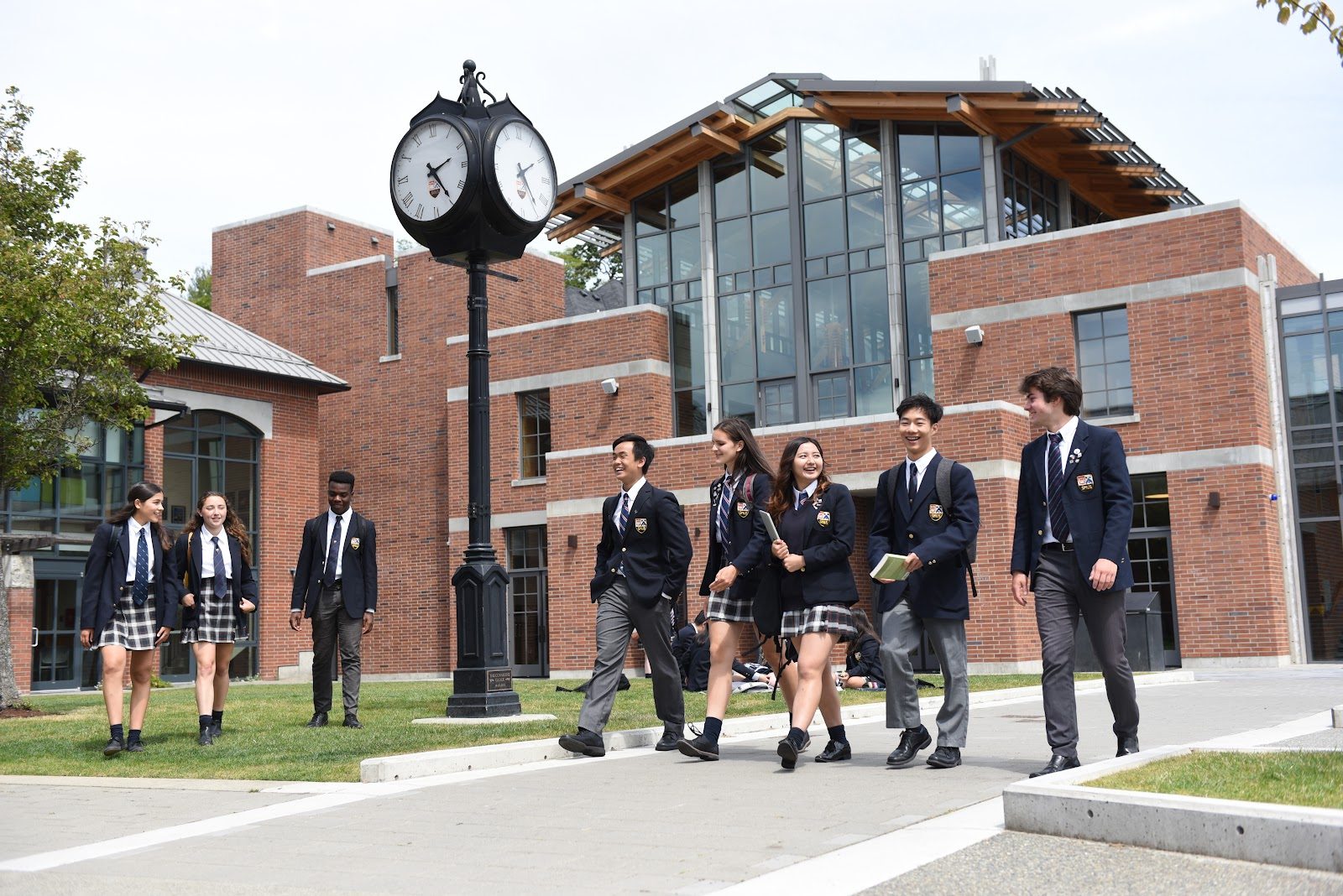
St Michaels University School
Victoria · Canada
On Vancouver Island, a AP pioneer school pairs Canadian, IB and American pathways with its own rowing centre on the Gorge Waterway.
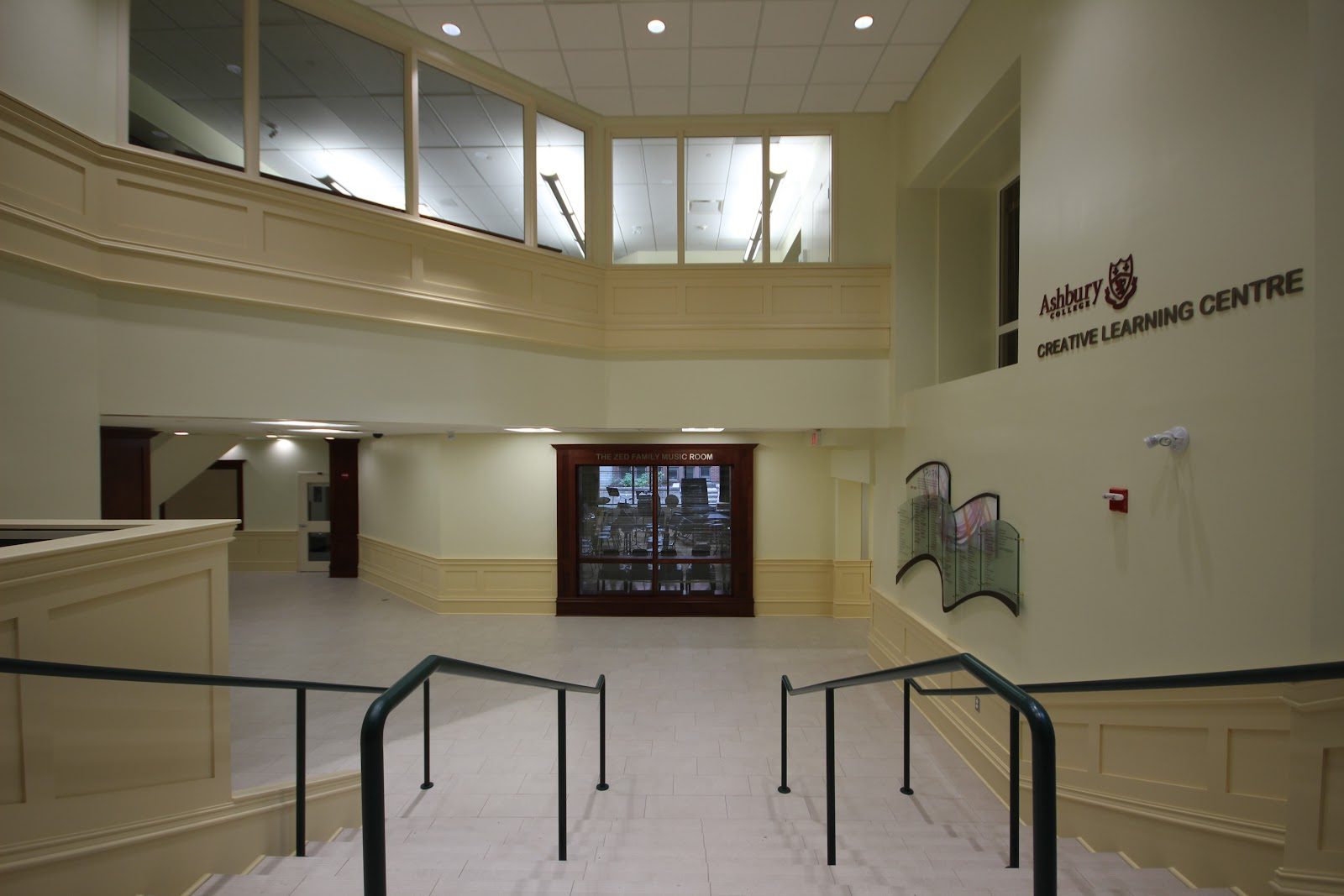
Ashbury College
Ottawa · Canada
Tucked among Rockcliffe Park's embassy residences, this century-old IB pioneer turns diplomatic proximity into a genuine global classroom.
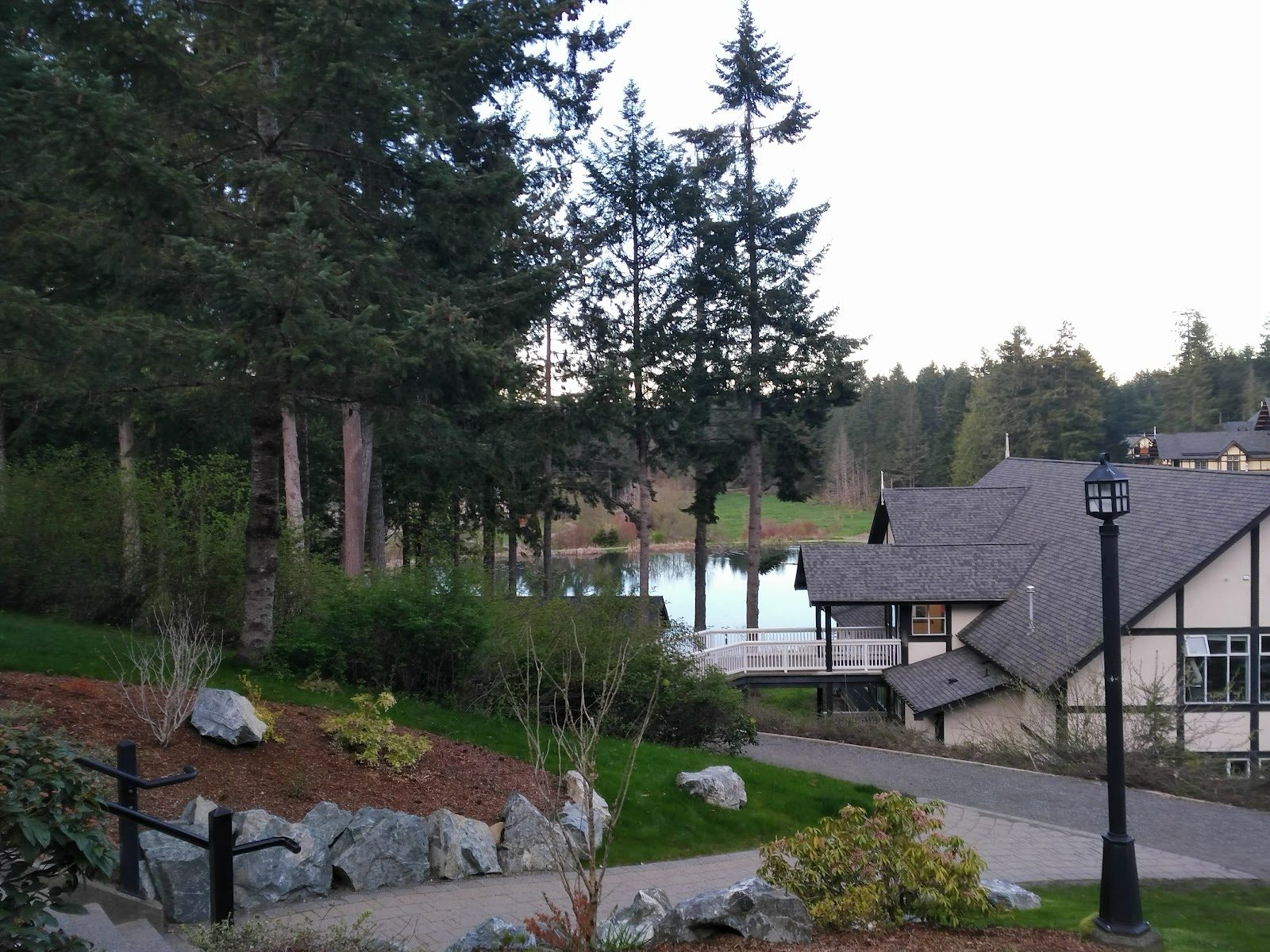
Shawnigan Lake School
Shawnigan Lake · Canada
On a 270-acre Vancouver Island campus, ten boarding houses hold Canada's largest full-time boarding community, a tradition since 1916.
Havergal College
Toronto · Canada
A 22-acre Anglican foundation since 1894, where ten storied houses anchor a rigorous, wellbeing-driven liberal arts curriculum for girls in midtown Toronto.
Same country and curriculum — closest matches within ±10 points either way