
California
No AP boxes to check here - just 75-minute blocks built for inquiry, plus a research collaborative that sends students into real labs across Marin County
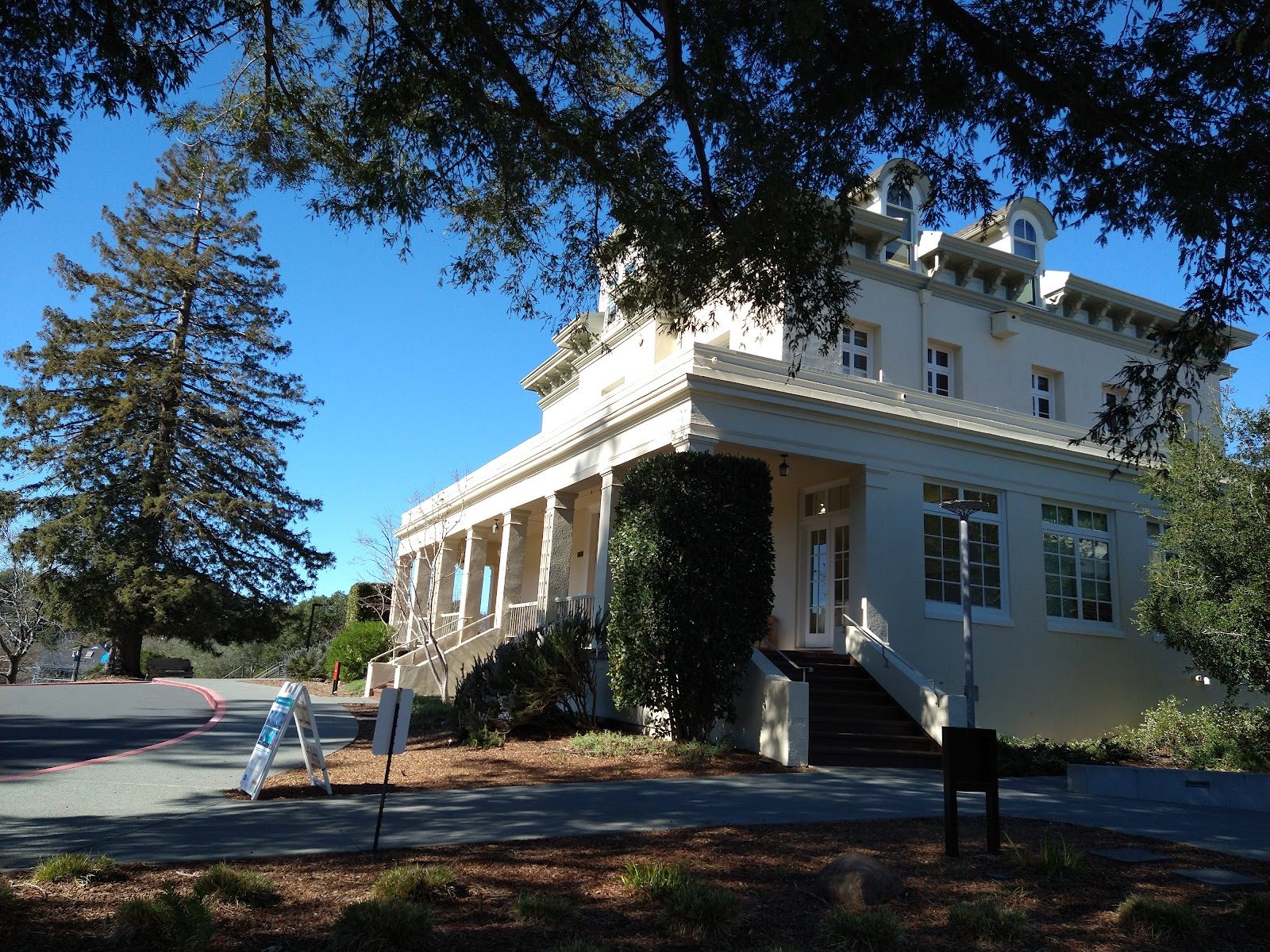
Photo © ben ciceron via Google Maps
Type
Day
Ages
14–18
Curriculum
American (US High School Diploma) · AP (Advanced Placement)
Ratio
8:1
The Verdict
Editor's commitment
Right for
Sixth-formers aged 14–18 who want 75-minute blocks, an 8:1 student-teacher ratio and inquiry without AP box-ticking.
Wrong for
Families paying US$67,500 a year for a conventional AP-driven march or a big anonymous high school with lecture-sized classes.
Watch out for
Marin Academy is a small day school founded in 1971; with average classes of 14, there is nowhere to hide.
Ranking breakdown
Marin Academy · #299 of 1591
Composite score 72.2. 8 weighted criteria.
By criterion
Academic Outcomes
Weight 20%
#334
of 1529 scored
University Placement
Weight 16%
#354
of 1529 scored
Prestige & Heritage
Weight 12%
#446
of 1571 scored
Alumni Network
Weight 12%
#293
of 1530 scored
Facilities
Weight 12%
#489
of 1533 scored
Transparency & Communications
Weight 8%
#456
of 1532 scored
Peer & Industry Review
Weight 10%
#533
of 1548 scored
Admissions Selectivity & Demand
Weight 8%
#282
of 1529 scored
Peer & Industry Review
How Marin Academy is regarded in the sector
68
Respected · medium confidence
Marin Academy is consistently listed among the top independent day schools in the Bay Area alongside College Preparatory School and The Urban School of San Francisco, with strong college matriculation outcomes noted in Niche rankings and regional 'best private high schools' coverage. It has solid regional visibility and a respected alumni/college placement record, but lacks the national/international press presence (e.g., no consistent Tatler/Good Schools Guide coverage) that would place it in the top tier of US schools.
Evidence sources
Editors' overview
Marin Academy has no interest in turning sixth form into an AP accumulation exercise. The distinctive feature here is the structure: long 75-minute blocks, a college-preparatory programme that puts critical thinking at the centre, and an explicit commitment to experiential learning inside and beyond the classroom. That matters because it changes the rhythm of teaching. Short-period, test-prep schooling rewards compliance and speed; Marin Academy rewards depth, discussion and sustained inquiry. The school is small enough to make that credible, with a 1:8 student-teacher ratio and an average class size of 14. Parents looking for tight pastoral oversight and teachers who know their students well will find that scale attractive.
This is a day school for ages 14 to 18 in San Rafael, founded in 1971, and it sits firmly in the expensive end of the US private-school market: the average annual day fee across the full ladder is $67,500. The value proposition rests on intellectual culture, not facilities theatre or a glossy athletics brand. The mission language is heavy on questioning, creating and democratic responsibility, and the school’s non-religious stance and stated commitment to a diverse, equitable and just community give it a clear social philosophy. That will appeal to families who want a deliberately progressive high school, not a traditional, rules-first prep factory.
It should be on a shortlist for bright, articulate teenagers who enjoy argument, reflection and independent work, and who gain energy from teachers pressing them to think rather than feed them mark schemes. It suits students who want a serious academic environment without the social stiffness or competitive posturing that define parts of the Bay Area market. It does not suit teenagers who want a large-school experience, a broad boarding culture, or a narrow exam-driven track. Marin Academy’s strength lies in a thoughtful, high-trust model of secondary education: small classes, close adult attention, and a curriculum that treats adolescence as a time for genuine intellectual formation, not just credential collection.
Academic Performance
Marin Academy does not publish aggregate AP results, mean scores, score distributions, SAT or ACT averages, or university matriculation data in the public domain. That creates a real problem for parents trying to benchmark academic performance against Bay Area independents that release at least some hard outcome data. The school asks families to trust the strength of its teaching model and intellectual culture rather than a clean results table. That is a deliberate trade-off, and not every family will accept it. In a market crowded with schools that advertise measurable attainment, this level of opacity is a weakness, not a quirk.
That said, the available signals point in a clear direction. Selective intake matters, and the school’s own public profile places it in the serious academic tier of the regional market rather than the merely pleasant college-prep bracket. Small classes and an 8:1 staffing ratio give teachers room to demand precision, sustained writing and active participation; those conditions tend to support strong external results even when the school declines to publish them. The absence of data stops short of proof, though. Relative to peers, Marin Academy fits best as a high-expectation, academically ambitious independent school with credible but insufficiently disclosed outcomes. Parents who need published score evidence to justify a fee of $67,500 a year will find stronger transparency elsewhere.
Facilities
Marin Academy’s facilities matter less as spectacle than as tools for the school’s teaching model. The key asset is access to spaces that support discussion, writing, laboratory work and project-based study rather than mass instruction. For a school with an average class size of 14, that matters: seminar rooms and science spaces do not need to absorb large cohorts, but they do need to work hard for close teacher oversight and sustained student participation. Parents looking for a vast campus, major athletic complex or arena-scale arts provision should calibrate expectations. This is not the Bay Area version of a resource-heavy suburban super-school. It reads as a purpose-built academic setting rather than a facilities arms race.
Against peers, that places Marin Academy in an interesting middle ground. It has the physical scale to support a serious college-prep programme and experiential work, but not the kind of campus infrastructure that independent schools use to advertise brute abundance. For some families, that is a strength: less money and institutional energy spent on showpiece amenities, more directed towards teaching and student access to adults. The more distinctive advantage sits beyond the campus edge. A school that defines growth through work inside and beyond the classroom gains leverage from the wider county’s cultural and scientific institutions, and that can be more educationally valuable than another polished sports hall. Still, families comparing it with peer schools that flaunt major performance venues or extensive athletics plant will find Marin Academy more restrained than grand.
Marin Academy does not publish the hard outcome data that top-tier schools use to convert reputation into authority
Prestige
Marin Academy carries real local cachet in the Bay Area independent-school market, but its prestige has a clear shape. This is not old-money East Coast prestige, cathedral-close tradition or a giant alumni machine. It is the prestige of a selective, intellectually serious day school that attracts families who care about seminar-style teaching, independent thought and a socially progressive culture. The public acceptance figure of one in four applicants reinforces that standing: demand is strong, places are scarce, and admission confers a measure of status. The fee level adds another signal. At an average of $67,500 a year, the school sits in a market where parents expect both social selectivity and academic substance.
Why not rate it higher? Because prestige rests on more than selectivity and price. Marin Academy does not publish the hard outcome data that top-tier schools use to convert reputation into authority. There is no public table of AP strength, standardised test performance or university destinations to underpin the brand. That weakens its claim to top-drawer academic prestige, even if informed local families hold it in high regard. Its reputation is strongest among parents who prize a thinking-school identity over visible trophies. In plain terms: Marin Academy is prestigious within its niche and geography, but it does not dominate the national conversation in the way the most famous American independents do.
Students who want tight external structure, heavy score-reporting or a more conventional prestige script will find Marin Academy distinctive but demanding
Communications
Marin Academy’s parent communication follows the logic of the school itself: high-trust, adult, idea-led. The public-facing message is clear and consistent. The school states its values in plain language, explains the intellectual and civic case for its model, and does not hide behind generic “whole child” filler. That coherence matters. Parents can see the school’s priorities without decoding jargon: critical thinking, reflection, open dialogue, compassion, and responsibility in a democratic society. For families who want a school to tell them exactly what it stands for, this is refreshingly direct. For families who want constant public proof points, it is thinner. The same institution that communicates ethos well does not disclose aggregate exam data or university outcomes, and that weakens confidence at the point where expensive schools need hard evidence as well as philosophy.
At working level, the school’s small scale and low staffing ratio — 8:1 — support communication that is personal rather than bureaucratic. Teachers and parents do not need a large administrative machine to know what is going on with a pupil. That is a real advantage, and it fits a school built around discussion and close adult attention. The risk sits elsewhere: warmth is not the same as transparency. Parents who value nuanced conversations, context and a sense that adults know their child will rate Marin Academy highly. Parents who want dashboards, comparative outcome tables and a more forensic flow of institutional data will find the communication strong on culture and weaker on measurable performance.
Uniqueness
What sets Marin Academy apart is not a branded programme or a stack of headline metrics. It is the school’s refusal to organise adolescence around box-ticking. The mission language is unusually clear: students are asked to think, question and create, with real weight placed on reflection, open dialogue, diverse perspectives and responsibility in a democratic society. Many schools borrow that vocabulary; Marin Academy builds the timetable around it. Long 75-minute blocks change the academic day in practical ways: more time for sustained discussion, sharper writing feedback, deeper lab work, and fewer incentives for superficial coverage. That gives students a genuinely inquiry-led education rather than a carousel of short classes and constant assessment churn.
The second point of difference is cultural. This is a deliberately progressive school with a high-trust view of teenagers: intellectually ambitious, socially conscious, and explicit about compassion alongside challenge. That combination brings clear benefits for the right student. Pupils get more room to test ideas, make mistakes, revise their thinking and speak with confidence in front of adults and peers. They also learn in a setting where democratic responsibility is treated as part of education, not an optional add-on. The trade-off is just as clear. Students who want tight external structure, heavy score-reporting or a more conventional prestige script will find Marin Academy distinctive but demanding. For self-directed adolescents, that distinctiveness is the point.
Marin Academy has no interest in turning sixth form into an AP accumulation exercise
Student Profile
The best fit is a teenager who likes being taken seriously. Marin Academy works for students who enjoy discussion, can sit with ambiguity, and do not need constant external prodding to stay engaged. The timetable structure, the small classes and the low staffing ratio — 1:8 — all favour pupils who will speak up, revise their thinking, and tolerate close scrutiny from adults and peers. This is a strong match for articulate, self-aware adolescents with an independent streak; it is a weaker match for students who want to stay anonymous, drift at the back, or treat school as a sequence of tasks to complete with minimum fuss. The social tone matters too. The mission’s emphasis on dialogue, compassion and democratic responsibility points to a community that expects students to listen well, argue cleanly and participate in good faith. For the right child, that is serious intellectual freedom. For the wrong one, it is exposed and demanding.
A second good fit is the student who wants substance over status theatre. Marin Academy suits bright teenagers who value ideas more than scoreboard culture, and who want teachers to know them well rather than manage them at scale. Families paying an average of $67,500 a year are buying into a high-trust environment with clear social values, not a conventional prestige script. Students who thrive on rigid hierarchy, heavy-handed discipline or relentless public reward systems will find the culture thin on spectacle and rich in expectation. In plain terms: this is for thoughtful, verbally confident, inwardly motivated teenagers — not for the faint-hearted, and not for children who need a school to do all the driving.
Short-period, test-prep schooling rewards compliance and speed; Marin Academy rewards depth, discussion and sustained inquiry
Co-curricular strengths
Arts & sport, on a separate axis
Overall 8.8/10
Scored 0-10 from the school's own published evidence. This axis is editorial-only — it does not feed the main WTS ranking.
Sports
9.3/10
Drama
8.8/10
Dance
8.6/10
Music
8.6/10
Visual Arts
8.7/10
Editor first-pass · editor-reviewable · 8/2/2026
Notable alumni · Wikidata
9notable alumni
1 historic (born pre-1930) · 5 modern (born post-1970)wikidata:2026-08-02 How we source this

WTS 300 badge
Marin Academy is one of the World's Top 300 Schools. Claim your listing to add it to your site →
Strengths
- +Small classes and an approximately 8:1 student-teacher ratio give students close contact with faculty across a 100-plus course catalogue.
- +Substantial financial aid program: the school states it offers over 5 million dollars annually in tuition assistance to admitted families.
- +Wide geographic reach for a day school - nearly 40% of students live outside Marin County and are served by dedicated bus routes from San Francisco, the East Bay and Novato.
- +Broad co-curricular offering including 35 interscholastic athletic teams, an outdoor education program, and a science research collaborative (MARC) alongside a required experiential-education week.
- +Long-described as one of the more competitive private high schools in the Bay Area, with historical acceptance rates around one in four applicants.
Considerations
- −Full tuition is high: listed at 67,500 dollars for the 2026-2027 school year, with additional annual charges of 600 to 1,200 dollars for books and incidentals.
- −The school deliberately does not offer Advanced Placement courses, so families expecting an AP-heavy transcript for university applications will not find one here.
- −Selective, single-point-of-entry admissions model (mainly grade 9) means transfer places in later years are limited and vary year to year, sometimes to as few as one student.
- −A modest total enrollment of around 450 students narrows the elective and social breadth available compared with larger day schools in the region.
Availability
Primary entry gate & tests
ISEE/SSAT + Interview
Gallery
Photo © ben ciceron via Google Maps
Photo © ben ciceron via Google Maps
Photo © ben ciceron via Google Maps
Photo © ben ciceron via Google Maps
Photo © ben ciceron via Google Maps
Parent reviews
Have you sent your child here?
Voice reviews carry the strongest trust badge — we transcribe them for you to tidy up before they go live. Prefer to type? A written review is fine too.
Add your voice
In 60 seconds, tell other parents: what's the best thing about Marin Academy, and what surprised you when your child joined?
We ask for a Google sign-in so every review has a real face behind it — no anonymous drive-by attacks on schools, and no faked positive reviews. Your email is never shown publicly.
Send this profile to a friend
International parents rely on word-of-mouth. Share this review with someone weighing the same decision.
Schools with places
Similar schools to Marin Academy with places available now.
The Webb Schools
Claremont · United States
- 2026-27
- CLOSEDRegular cycle closed
- 2027-28
- PLACES OPENPortal live
The Branson School
Ross · United States
- 2026-27
- CLOSEDRegular cycle
- 2027-28
- OPENS SOONOpens Sept '26
Crystal Springs Uplands School
Hillsborough · United States
- 2026-27
- CLOSEDRegular cycle
- 2027-28
- OPENS SOONOpens Sept '26
Lick-Wilmerding High School
San Francisco · United States
- 2026-27
- CLOSEDRegular cycle
- 2027-28
- OPENS SOONOpens early Sept '26
Availability first, then country, area, curriculum, price, co-curricular
Consider also
Also worth looking at alongside Marin Academy.
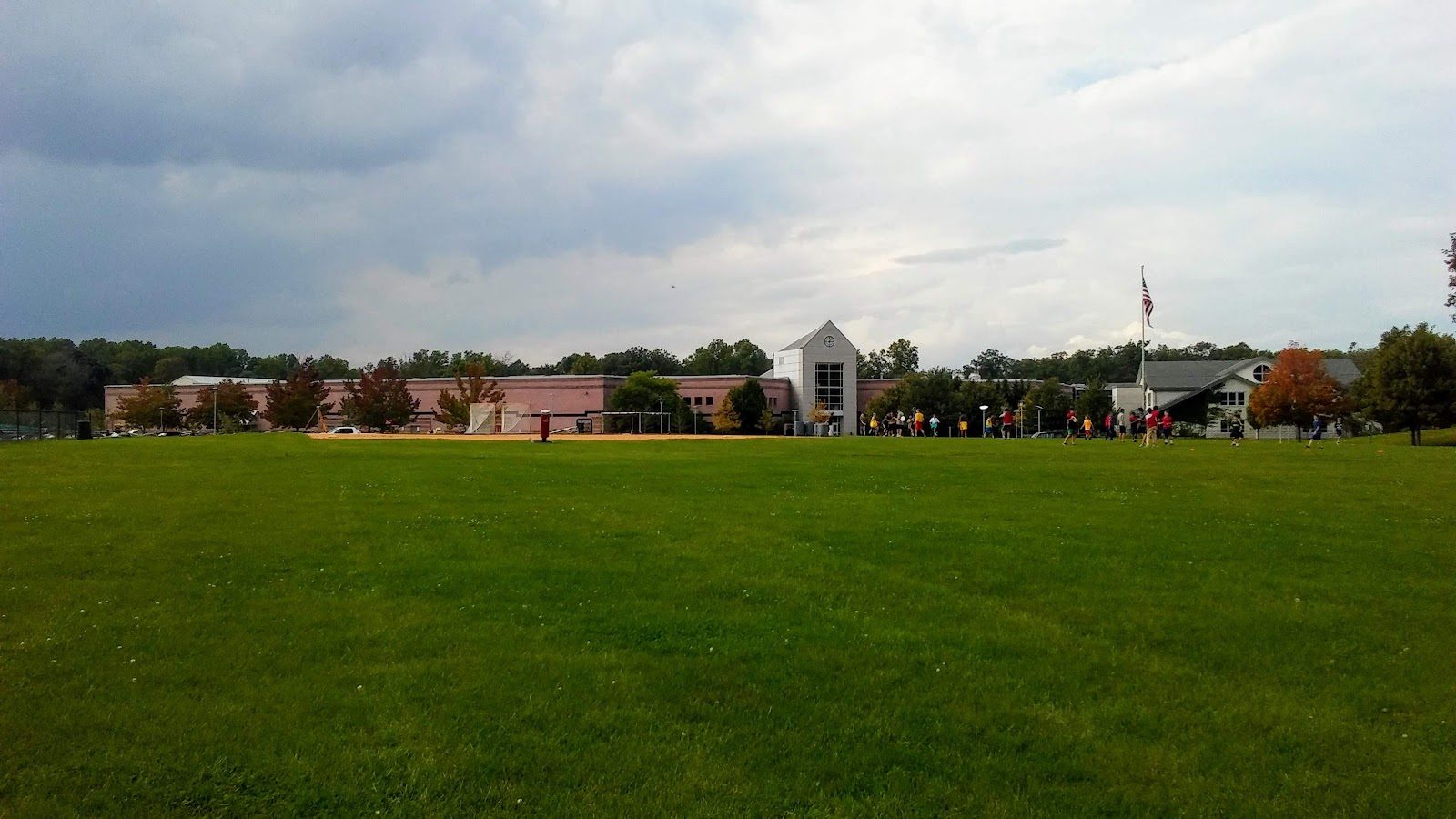
The Pingry School
Basking Ridge · United States
A 1861-founded New Jersey day school whose soccer pitches were deemed fit to host Morocco's 2026 World Cup training camp.
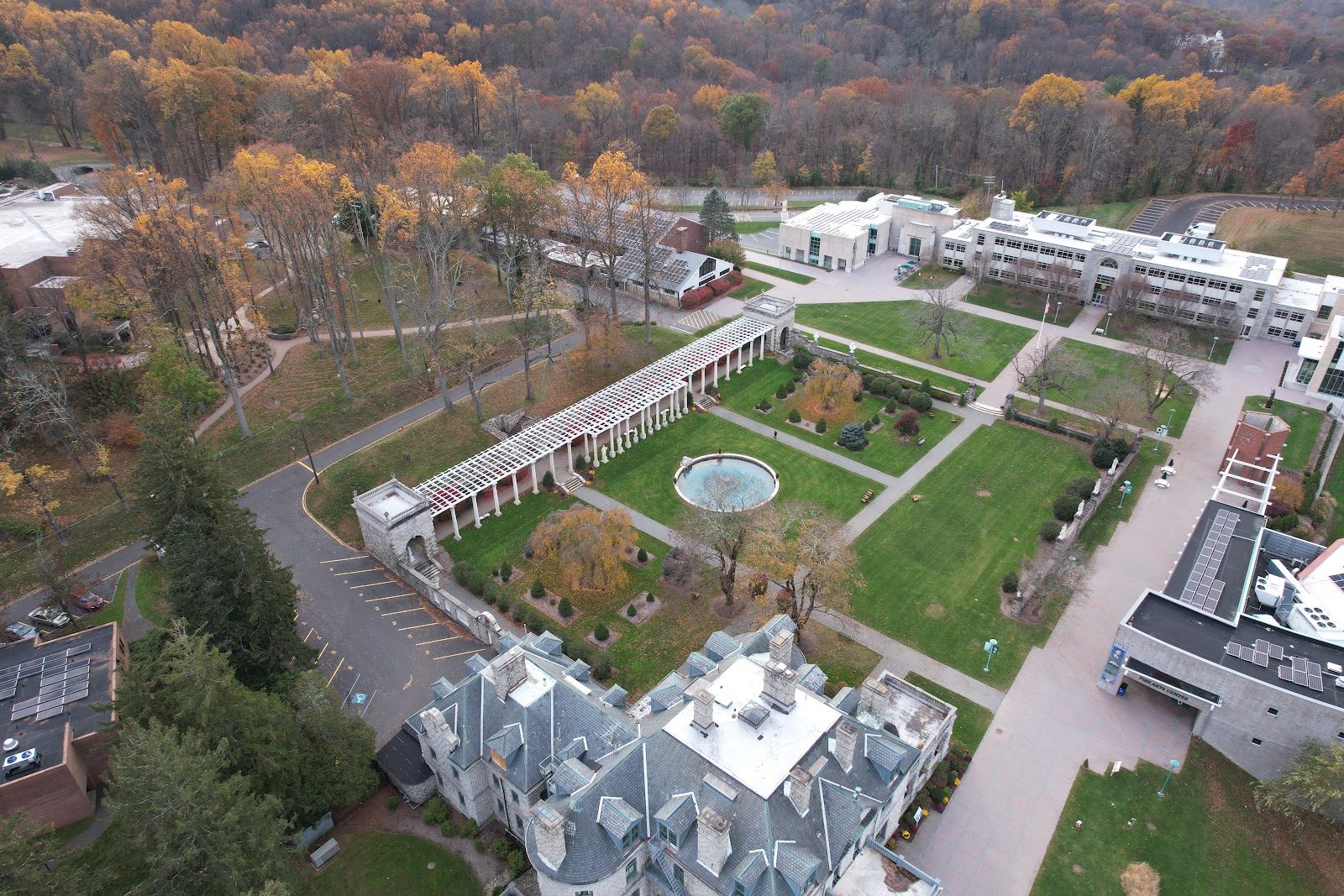
Delbarton School
Morristown · United States
On a 187-acre abbey campus outside Morristown, Benedictine monks still guide a rigorous, near-1,500-year-old liberal arts tradition.

Newark Academy
Livingston · United States
Founded in 1774, this Livingston day school remains New Jersey's only private IB Diploma provider
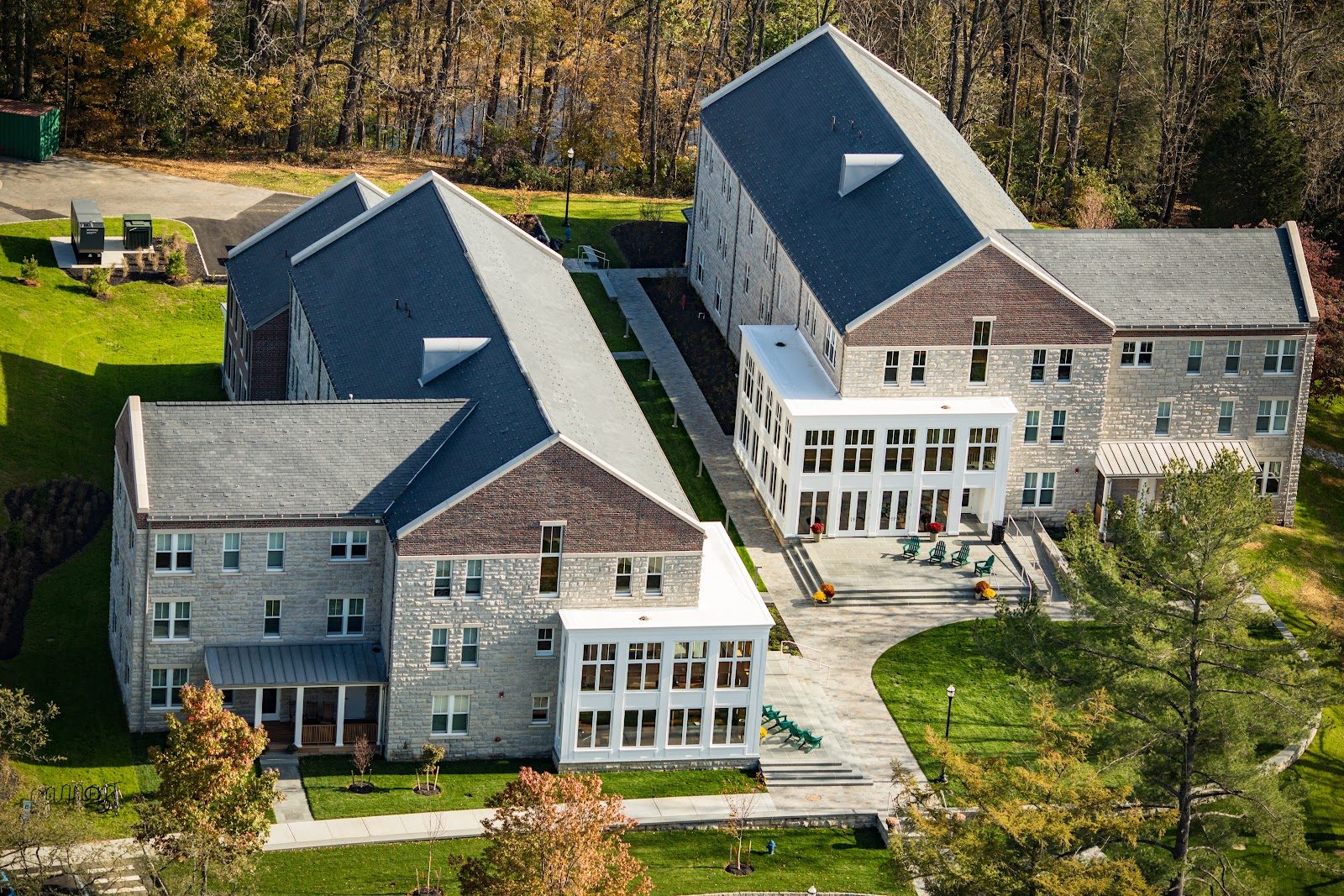
Blair Academy
Blairstown · United States
A hilltop New Jersey campus, founded 1848, where the weekly Society of Skeptics turns global debate into a signature course of study
Same country and curriculum — closest matches within ±10 points either way