
Bogotá
Lycée Français Louis Pasteur
Rooted in La Cabrera since 1934, it pairs the French Bac with Colombia's Saber 11, honored with the Croix de Boyaca.
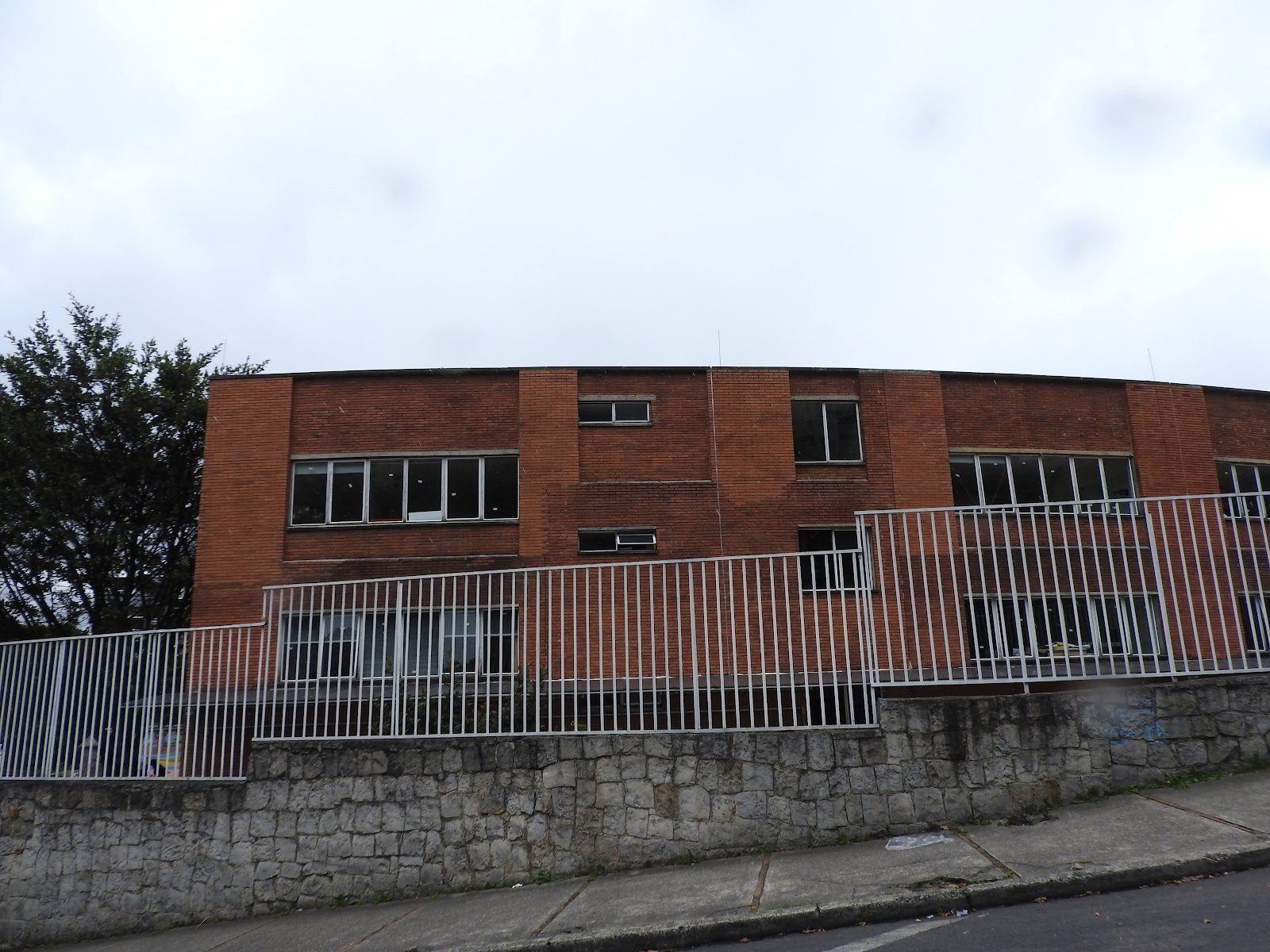
Photo © Luis Miguel Tamayo Gaviria via Google Maps
Type
Day
Ages
3–18
Curriculum
French
Qualifications
French Baccalaureate
Ratio
—
The Verdict
Editor's commitment
Right for
Families in Bogotá who want a secular AEFE day school, ages 3–18, teaching in French and Spanish with the French curriculum.
Wrong for
Anyone expecting boarding, an English-medium education, or a non-French pathway; this is a day school in Bogotá with French and Spanish instruction.
Watch out for
Founded in 1953 and rooted in La Cabrera, it culminates in the French Bac and Colombia's Saber 11; that dual track sets the terms.
Ranking breakdown
Lycée Français Louis Pasteur · #1278 of 1591
Composite score 56.2. 8 weighted criteria.
By criterion
Academic Outcomes
Weight 20%
#902
of 1529 scored
University Placement
Weight 16%
#1089
of 1529 scored
Prestige & Heritage
Weight 12%
#1219
of 1571 scored
Alumni Network
Weight 12%
#1191
of 1530 scored
Facilities
Weight 12%
#1247
of 1533 scored
Transparency & Communications
Weight 8%
#1326
of 1532 scored
Peer & Industry Review
Weight 10%
#1445
of 1548 scored
Admissions Selectivity & Demand
Weight 8%
#1156
of 1529 scored
Peer & Industry Review
How Lycée Français Louis Pasteur is regarded in the sector
55
Credible · medium confidence
Louis Pasteur's standing rests less on independent league tables, which barely cover Bogota's French-medium sector, and more on its formal status within the AEFE network, the French state agency that homologates and audits schools like this one for baccalaureate delivery. That homologation is itself a peer signal: renewal requires inspection against the same standards applied to AEFE flagship lycees in Madrid, Mexico City and Santiago, so regional French-system heads treat it as a credible, compliant member rather than a fringe outpost. Among Bogota's establishment schools, it sits alongside Anglo Colombiano, Nueva Granada and Gimnasio Moderno in parental consideration sets, though English-medium press (Semana, El Tiempo education supplements) covers the Anglo-American IB/AP cohort far more than the French Baccalaureat track, leaving Louis Pasteur under-indexed in Colombian mainstream rankings. University-facing reputation is anchored in Baccalaureat mention rates that feed directly into French grande ecole and Erasmus-zone admissions, plus a smaller but recognized pipeline into Colombian universities (Los Andes, Javeriana) that accept the French diploma without equivalency friction. Independent international-school review platforms (WhichSchoolAdvisor, Good Schools Guide) do not currently profile it, marking a visibility gap rather than a quality signal.
Editors' overview
Lycée Français Louis Pasteur occupies a specific niche in Bogotá: a long-established French day school that runs the French curriculum from age 3 to 18, teaches in French and Spanish, and anchors that offer in local reality with Colombia’s Saber 11. For families who want a serious bilingual education without the loose academic architecture common in many “international” schools, that combination matters. The school’s age profile, its 1953 foundation and its AEFE accreditation place it in the established French-state network rather than the newer premium-private tier built around branding and facilities. Its distinction is not novelty. It is institutional depth, a clear academic route and a national-local duality that gives the school more substance than schools selling internationalism as a style.
What puts it on a shortlist is the coherence of the proposition. This is a secular French school in Bogotá, not a hybrid school borrowing French elements for prestige. Parents looking for continuity into the French Bac, or a household that values French intellectual culture as much as university access, will understand the appeal at once. The mention of La Cabrera and the Croix de Boyacá adds civic and historical weight, but the real point is practical: the school serves families who want structure, external reference points and a curriculum with a defined spine. That gives it a clear sense of purpose. It also narrows the audience. Families seeking a highly flexible, student-led model or a school built around Anglo-American extracurricular theatre will find a more formal academic culture here.
The right student for Lycée Français Louis Pasteur is academically steady, linguistically adaptable and comfortable in an environment where expectations are set by the curriculum rather than negotiated around the child. Children who thrive on routine, precision and intellectual discipline will do well. So will bicultural or internationally minded families who want a pupil to move confidently between French and Spanish. Students who need constant pastoral cushioning, expansive choice in course design or a campus identity built on spectacle will not find this the best fit. In market terms, Lycée Français Louis Pasteur stands as a quietly exacting choice: less performative than many rivals, more rooted than most, and compelling for parents who value academic seriousness over display.
Academic Performance
Public exam performance is the missing piece. The school’s proposition points toward a rigorous endpoint, but it does not publish the aggregate data that would let parents test that claim properly. We have not seen Bac pass rates, mention-level distributions, subject score profiles, Saber 11 averages, university destination lists, or multi-year trend data. That absence matters. In a market where serious schools increasingly disclose at least headline outcomes, this level of opacity leaves families relying on reputation and network affiliation rather than hard evidence. For a school with an established identity and a clear academic spine, that is a conspicuous gap.
Relative to peers, that places Lycée Français Louis Pasteur in the group of schools whose academic standing rests more on institutional credibility than on published performance metrics. AEFE membership gives the school an external frame and a standardised academic route, but it does not replace transparent results reporting. The addition of Saber 11 indicates local accountability as well as the French endpoint, which is a useful dual measure in principle; the problem is that the school does not disclose the figures. Parents comparing it with other academically ambitious schools in the city will want more than institutional history and network status. They need outcomes. Until those are public, the academic case remains serious but unproven, and the school sits below the data-transparent top tier on this measure.
Facilities
The school does not publish enough detail on its campus to support a strong facilities case, and that limits how far any parent can credit it against Bogotá’s better-resourced international competitors. What we can say with confidence is structural rather than spectacular: this is a long-established urban day school, not a destination campus built around acreage, arenas or lifestyle extras. For many families, that is acceptable. A school like this lives or dies by classrooms, laboratories, libraries, circulation, security and the daily efficiency of its teaching spaces. The problem is that the public picture remains thin, opaque and short on proof. We have not seen a clear facilities inventory, no published campus map, and no serious visual or technical account of specialist provision.
Against peer schools, that places Lycée Français Louis Pasteur in the group where facilities do not drive the buying decision. Parents considering schools with major sports complexes, extensive performing-arts infrastructure or high-visibility maker spaces will find stronger public evidence elsewhere. Parents choosing this school for its academic culture and institutional continuity will tolerate a less theatrical estate, but they still need basic disclosure: science provision, library depth, indoor and outdoor sports access, arts rooms, early-years spaces and technology infrastructure. Until the school publishes that, the facilities profile sits in the serviceable but unverified bracket rather than the top-tier one. That is not fatal. It is a clear competitive weakness in a market where campuses are used to signal substance as well as status.
Against peer schools, that places Lycée Français Louis Pasteur in the group where facilities do not drive the buying decision
Prestige
The prestige here is old-network prestige, not glamour prestige. Lycée Français Louis Pasteur draws status from its place inside the French educational sphere and from the social meaning of that association in Colombia: discipline, cultural capital, a defined academic route and a parent body that values institutional continuity over novelty. The Croix de Boyacá adds a layer of public recognition that very few schools can claim, and it matters because it ties the school’s standing to national civic life rather than private-school marketing. That gives the school a serious social weight in its own milieu. Among families who know the French system, the name carries instant legibility. Among families shopping for conspicuous luxury, it carries less force.
That distinction matters in how prestige functions day to day. This is not the prestige of a sprawling premium campus, aggressive branding or publicised destination lists; the school does not publish enough outcomes data for that. Its standing rests instead on heritage, network affiliation and the cultural authority of a French lycée education delivered with local relevance through Saber 11. For the right families, that is substantial prestige: sober, established and tied to intellectual formation. For families who equate prestige with visible wealth signals or headline university placements, it is a narrower proposition. We rate it as high-status within its niche, but not dominant across the whole international-school market.
On communications, Lycée Français Louis Pasteur reads as a school that prioritises schooling over presentation
Communications
Parent communication is harder to judge than it should be, because the school does not give the public much to work with. We have not seen a clear parent-portal explanation, a transparent news architecture, a published calendar ecosystem, or a detailed account of how routine information moves between school and home. That matters in a school with a formal academic structure and a broad age range: families need dependable notice on assessments, timetable changes, trips, safeguarding, and day-to-day operational rules. At present, the external picture feels thin, old-style and too reliant on institutional confidence. A long-established school can get away with that inside a loyal parent community; it does not help prospective families judge responsiveness.
What can be inferred is that communication is functional rather than polished. Schools with strong communications habits publish leadership updates, parent handbooks, policy libraries, event calendars, transport guidance and clear contact routes by division. We have not seen that level of public-facing organisation here. That does not prove weak internal communication, but it does leave a trust gap. Parents who are comfortable with a more traditional, less consumer-minded relationship with school life will tolerate it. Parents who expect crisp digital systems, fast clarification and a high-transparency culture will want sharper evidence before committing. On communications, Lycée Français Louis Pasteur reads as a school that prioritises schooling over presentation. That is defensible. It is not the same as being communicatively strong.
Uniqueness
What marks Lycée Français Louis Pasteur out is not novelty but institutional duality. It sits inside the French state-school orbit while also obliging pupils to meet Colombian national requirements. That combination gives students two forms of literacy at once: they are trained to think within a tightly structured European academic tradition and to operate fluently inside the country where they actually live. For internationally mobile French or binational families, that is a practical advantage rather than a branding line. For local families, it offers access to a schooling culture with a different intellectual cadence from the mainstream private-school market. The school’s public honour adds another layer. The Croix de Boyacá is not decorative. It places the school in a relationship with national public life that few private institutions can claim.
The benefit to students is depth of formation more than breadth of options. They get a strong sense of academic sequence, clear external standards and a bilingual daily environment that carries real civic weight. That can produce pupils who are culturally agile, disciplined and comfortable moving between systems without treating identity as a school-project slogan. The trade-off is plain. This is not a school whose uniqueness rests on experimental pedagogy, lavish campus theatre or endless elective choice. Its distinctiveness is older, sterner and more durable: a serious French education anchored in Colombian reality, for children who gain from structure rather than reinvention.
What marks Lycée Français Louis Pasteur out is not novelty but institutional duality
Student Profile
The pupils who fit best here are those who do not need schooling to entertain them. This is a strong match for children who can work within a fixed academic framework, absorb correction without drama, and treat bilingual study as normal daily business rather than an added strain. The social mix will suit families who value *order, continuity and intellectual seriousness* over school-as-lifestyle. Binational households, French-speaking families abroad, and Colombian families who want a stricter academic culture than the mainstream private market offers will all find a natural constituency here. So will students who take quiet pride in doing hard things well. Children who need constant affirmation, heavy pastoral hand-holding or a broad menu of personalised pathways will feel tightly managed.
In character terms, the school suits steady, adaptable pupils more than flashy ones. The ideal student is organised, respectful of rules and comfortable being measured against external standards, including more than 1 exam system. That creates a peer culture with a clear centre of gravity: less performative, more disciplined, and less interested in self-expression as an institutional priority. Families who want a campus buzzing with spectacle, sport-led identity or endless elective choice are shopping in the wrong category. Families who want a child formed by serious routines, clear expectations and a demanding bicultural environment are in the right one.
Until those are public, the academic case remains serious but unproven, and the school sits below the data-transparent top tier on this measure
Co-curricular strengths
Arts & sport, on a separate axis
Overall 7.12/10
Scored 0-10 from the school's own published evidence. This axis is editorial-only — it does not feed the main WTS ranking.
Sports
7/10
Drama
7.4/10
Dance
7.4/10
Music
6.8/10
Visual Arts
7/10
Strengths
- +The school officially opened on 15 February 1934, making it one of the longest-established French international schools in Latin America, with 1934 - 2024 - 90 ans d'excellence marked in 2024.
- +In lycee, students study Seconde, Premiere and Terminale, with a placement test at the start of Seconde to assess proficiency in French and mathematics, and a personalized pathway in Premiere and Terminale with three then two specialty subjects, leading to the Baccalaureat General. There is also a Baccalaureat Francais International - Anglophone (BFI) section, giving families a bilingual exit-qualification option alongside the standard French Bac.
- +The Lycee Francais Louis Pasteur serves as a training center within the IRF for the Latin America Northern Hemisphere zone... The school benefits from six French trainer teachers sent on assignment from France, giving it a formal regional role within the AEFE network.
- +Located in Bogota's prestigious La Cabrera neighborhood, the school offers historic yet constantly evolving facilities, in a settled, central residential area rather than a peripheral campus.
- +An Inclusion team develops personalized support plans for students with educational needs, covering students with disabilities, dyslexia, dyspraxia, dysorthography, dysgraphia, dyscalculia, language-development disorders, ADHD, autism spectrum disorders, newly arrived non-Spanish speakers, high-potential students, and students with illnesses or allergies.
Considerations
- −Fees are not published in a straightforward comparable format; the schools own admissions page notes that tuition fees for the 2026-2027 school year will be available around April/May 2026, once they have been validated by the relevant authorities, requiring prospective families to chase current figures directly.
- −With 1,980 pupils on roll, this is a large day school, which may mean bigger class cohorts and less individualized pastoral attention than at smaller international schools in the city.
- −The Agency for French Education Abroad (AEFE) offers financial support to French families living abroad to help cover tuition fees... The student must hold French nationality and be registered with the local French consulate, so non-French families cannot rely on this main scholarship channel.
- −Lateral entries (beyond the third year of preschool) are subject to conditions and require an evaluation by the school's leadership, which can complicate mid-cycle relocation for expat families arriving after the early years.
Availability
Primary entry gate & tests
Academic Dossier
Gallery
Photo © Luis Miguel Tamayo Gaviria via Google Maps
Photo © Luis Miguel Tamayo Gaviria via Google Maps
Photo © Luis Miguel Tamayo Gaviria via Google Maps
Photo © Marco Muñoz via Google Maps
Photo © Pablo Hernández via Google Maps
Photo © Pablo Hernández via Google Maps
Photo © Tatiana Global via Google Maps
Parent reviews
Have you sent your child here?
Voice reviews carry the strongest trust badge — we transcribe them for you to tidy up before they go live. Prefer to type? A written review is fine too.
Add your voice
In 60 seconds, tell other parents: what's the best thing about Lycée Français Louis Pasteur, and what surprised you when your child joined?
We ask for a Google sign-in so every review has a real face behind it — no anonymous drive-by attacks on schools, and no faked positive reviews. Your email is never shown publicly.
Send this profile to a friend
International parents rely on word-of-mouth. Share this review with someone weighing the same decision.
Schools with places
Similar schools to Lycée Français Louis Pasteur with places available now.
Colegio Nueva Granada
Bogotá · Colombia
- 2026-27
- WAITPOOLVacancy-dependent
- 2027-28
- WAITPOOLVacancy-dependent
The English School
Bogotá · Colombia
- 2026-27
- CLOSEDStandard route closed
- 2027-28
- WAITPOOL2027/28 enquiries underway
Availability first, then country, area, curriculum, price, co-curricular
Consider also
Also worth looking at alongside Lycée Français Louis Pasteur.

Colegio Colombo Británico Cali
Cali · Colombia
Founded in 1956 on English pedagogy, Cali's only CIS-accredited school runs the full IB continuum with a Round Square ethos of service and exchange.
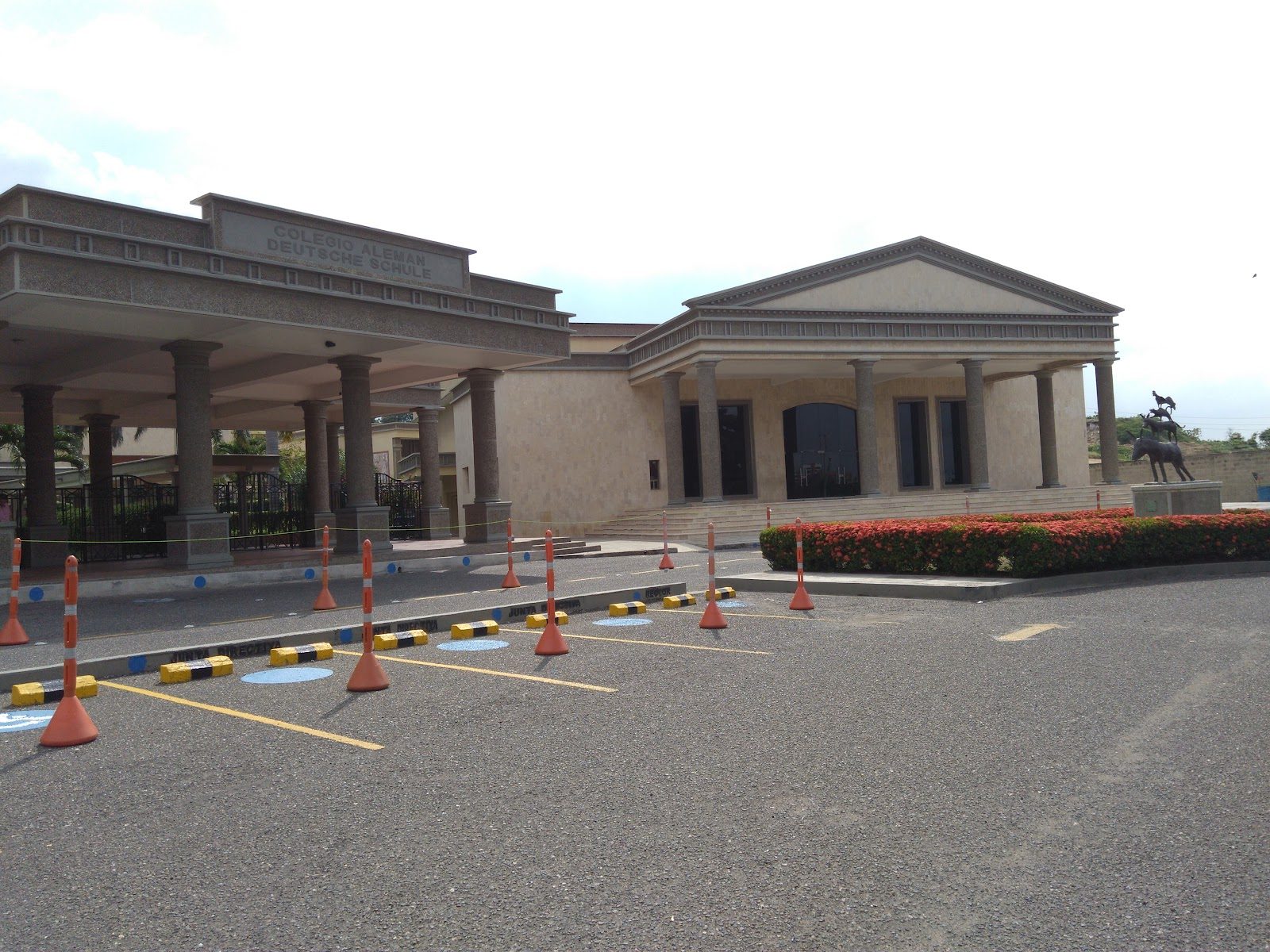
Colegio Alemán de Barranquilla
Barranquilla · Colombia
On Colombia's Caribbean coast, a century-old German school pairs Abitur rigor with the IB diploma in three languages.
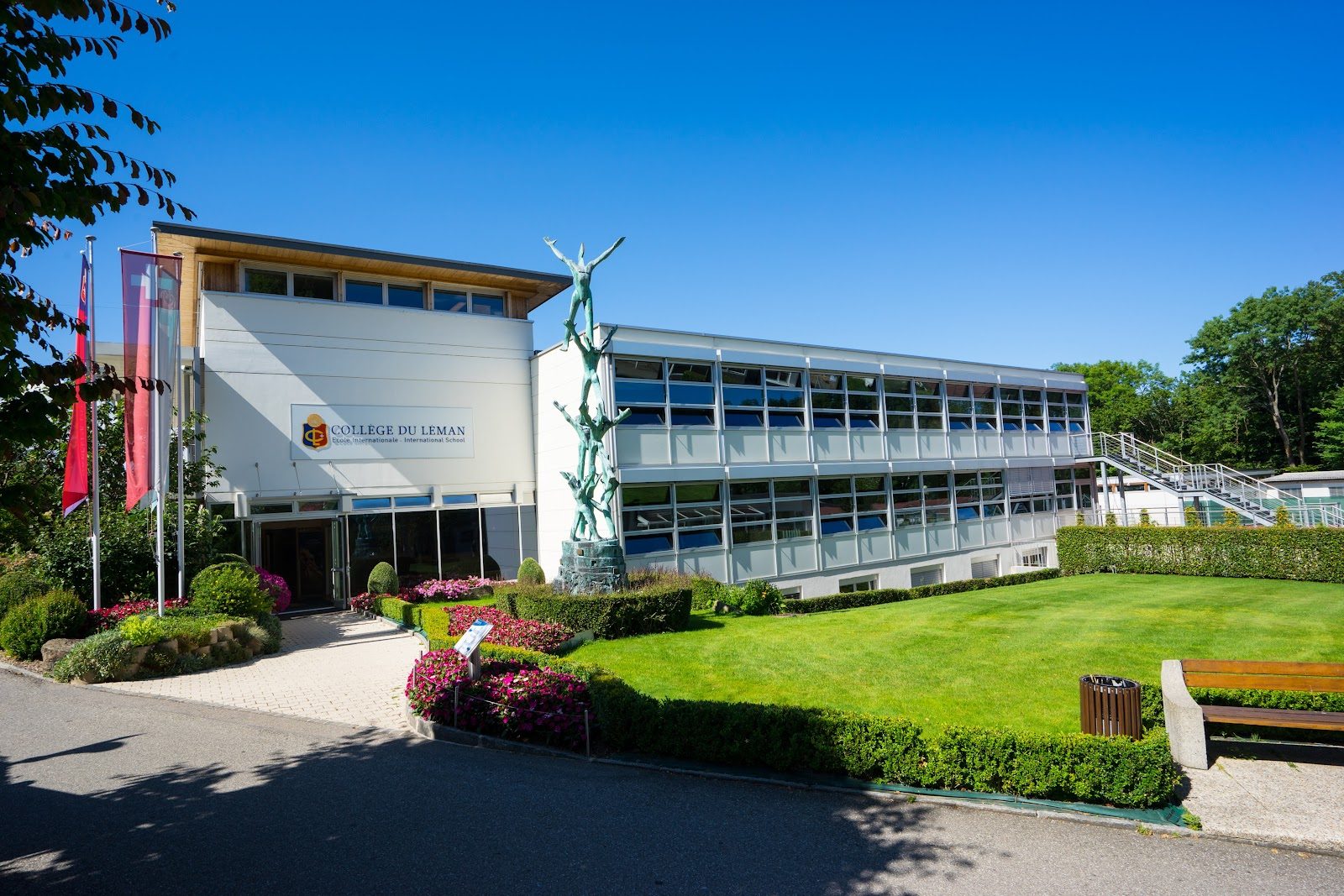
Collège du Léman
Versoix · Switzerland
On the shores of Lake Geneva, Switzerland's largest K-12 campus threads five diploma pathways into one international community.
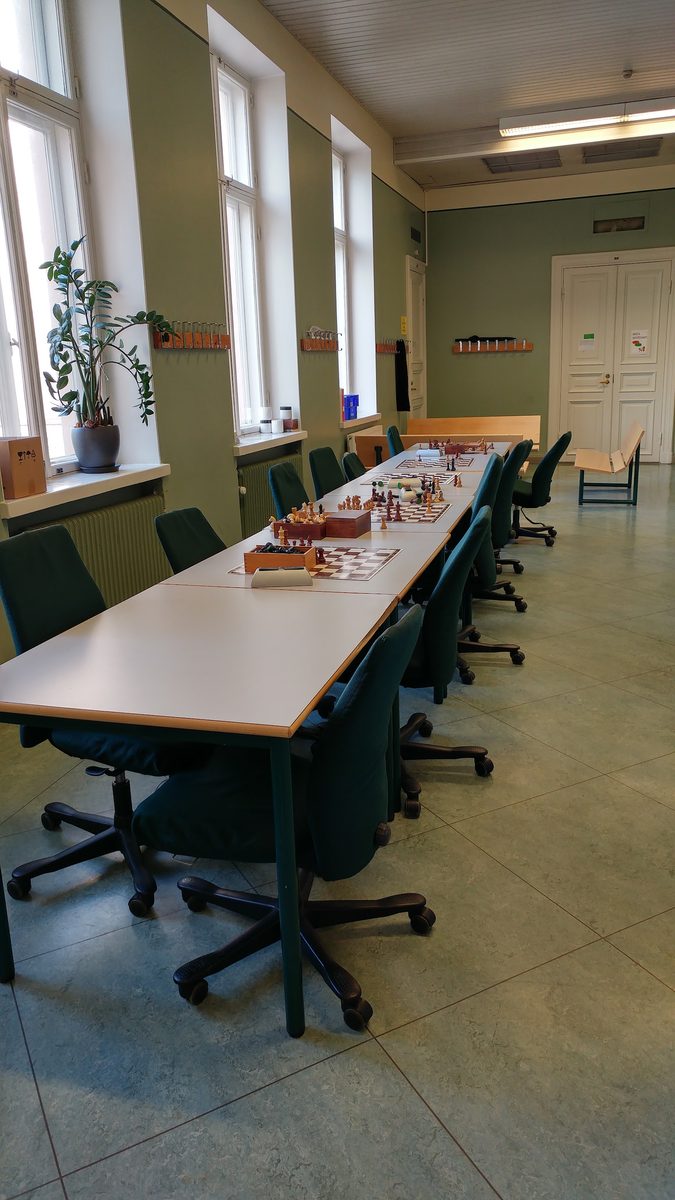
Ressun lukio
Helsinki · Finland
Since 1891 a pioneer beyond Latin, this central Helsinki lukio runs parallel Finnish and IB tracks for a competitive 120-seat intake.
Same country and curriculum — closest matches within ±10 points either way