
Capital Region of Denmark
Rygaards International School
medium confidence· 4/6 cats · 3.14 avg sourcesDenmark's oldest international school, pairing Catholic roots with the British National Curriculum amid Hellerup's parkland campus.
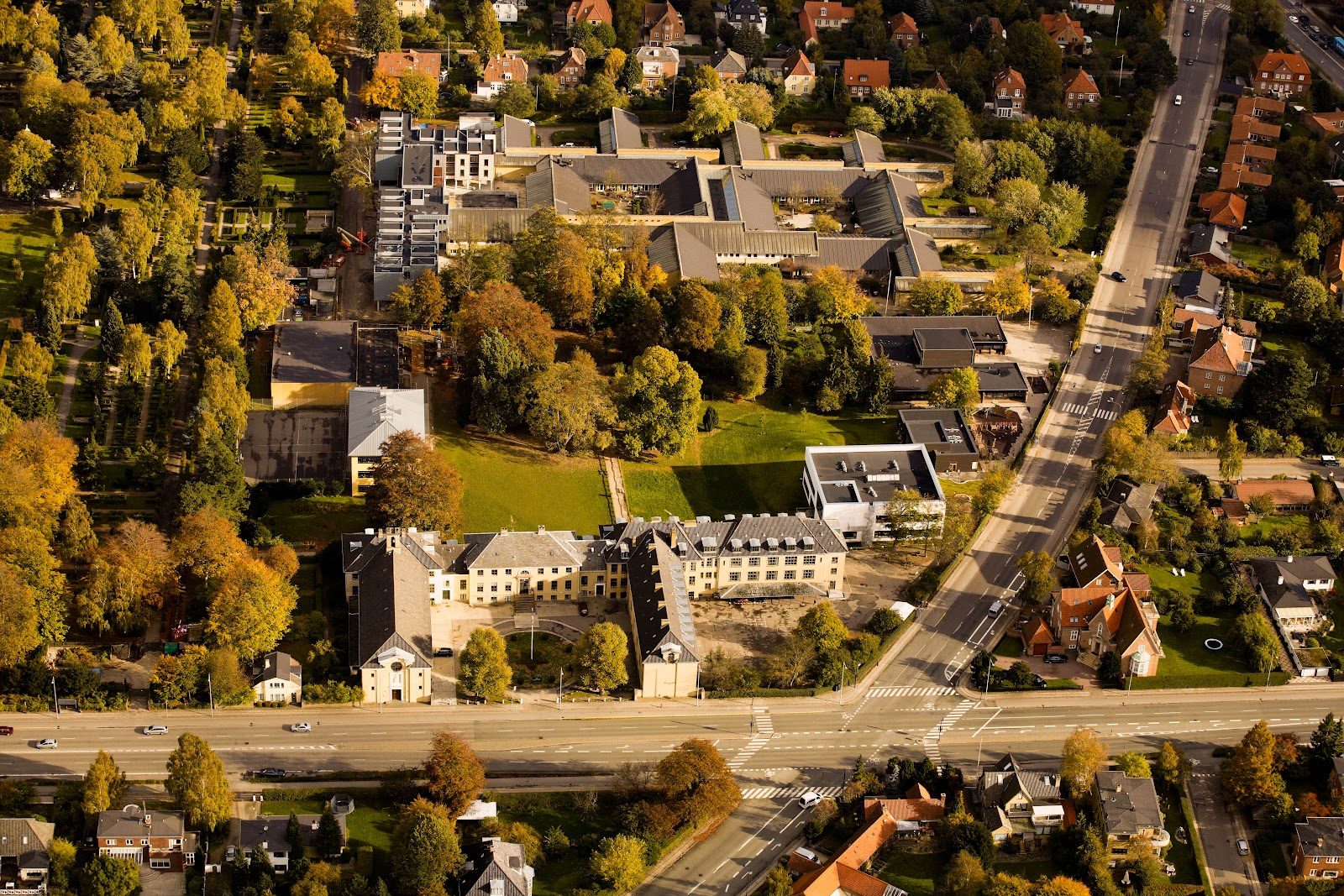
Photo © charles dalton via Google Maps
Type
Day
Ages
3–16
Curriculum
British
Qualifications
IGCSE
Ratio
—
The Verdict
Editor's commitment
Right for
Families in Copenhagen who want ages 3–16 in English, a Catholic school founded in 1909, with COBIS and ECIS membership.
Wrong for
Parents who want boarding, post-16 study, or a single-school model: Rygaards is day-only, stops at 16, and splits Danish and international sections.
Watch out for
Rygaards sits inside the Danish school system and is state-subsidised; the British curriculum is adapted for international needs, not a pure England replica.
Ranking breakdown
Rygaards International School · #1070 of 1591
Composite score 61.6. 8 weighted criteria.
By criterion
Academic Outcomes
Weight 20%
#1050
of 1529 scored
University Placement
Weight 16%
#1057
of 1529 scored
Prestige & Heritage
Weight 12%
#1018
of 1529 scored
Alumni Network
Weight 12%
#854
of 1529 scored
Facilities
Weight 12%
#1099
of 1529 scored
Transparency & Communications
Weight 8%
#1072
of 1529 scored
Peer & Industry Review
Weight 10%
#883
of 1529 scored
Admissions Selectivity & Demand
Weight 8%
#837
of 1529 scored
Score history
Rygaards International School · 2026
Movement across 2024–2026. Peer average overlaid.
Overall — 2024–2026
61.6/ 100
▲ +28.7 vs 2025
year on year
Peer & Industry Review
How Rygaards International School is regarded in the sector
55
Credible · low confidence
Rygaards is well known within Copenhagen's expat community as one of the city's established international/Catholic schools (founded 1909) and is frequently mentioned on expat forums (e.g., Copenhagen expat Facebook groups, InterNations, and Expat in Denmark discussions) as a solid choice for IB and British-curriculum families. However, it lacks substantial coverage in specialist education press such as Good Schools Guide International or Tatler school guides, and there is minimal independent alumni-network press coverage or peer-institution benchmarking beyond general 'international schools in Copenhagen' listicles.
Editors' overview
Rygaards International School occupies a distinct niche in Copenhagen: a 1909-founded Catholic day school that combines deep local roots with an English-medium international section built on the British curriculum. That combination is rare in Denmark. This is not a transient newcomer built around expatriate demand; it is the country’s oldest international school, embedded in the Danish system and run as a private, state-subsidised school. The structure matters. Rygaards contains both a Danish private school and an international school, which gives it more institutional depth than many standalone international outfits. Parents who want continuity without gimmicks, a serious academic frame and a school with local ballast will pay attention.
What puts Rygaards on a shortlist is not novelty but fit. The international school serves pupils aged 3–16 and follows the British National Curriculum adapted for an international intake, taught in English, on a day-school model that suits families living in Copenhagen rather than seeking a boarding proposition. The Catholic foundation gives the school a clear moral and cultural inheritance, but the more important point for many international families is tone: ordered, grown-up, unflashy. In a market where some schools sell lifestyle first and education second, Rygaards offers substance over theatre. Its COBIS and ECIS memberships place it inside established international-school networks, and its long history gives it a credibility that newer schools have not earned.
The school will suit children who do well in a structured environment and families who value stability in a mobile life. It fits internationally minded parents who want the familiarity of the British curriculum while living in Denmark, and it also suits families who do not want their child educated in a social bubble detached from the host country. The split-school model keeps one foot in Danish educational life and one in the international sector. That is a genuine advantage for pupils who need a school that understands expatriate movement without becoming rootless. Children who need a highly expansive 16–18 pathway on the same campus will hit a limit here, since Rygaards stops at age 16; parents need to treat secondary transfer as part of the plan.
In market terms, Rygaards is for families who value heritage with purpose, discipline without harshness and *international education with a local spine*. It is less suited to parents chasing glitzy facilities, a broad sixth-form offer, or a school brand built around spectacle. Rygaards’ appeal lies elsewhere: longevity, clarity, and a model that has held its shape for well over 100 years. For the right child, that restraint is the attraction.
Academic Performance
Rygaards does not publish the external exam data parents need to judge academic strength with confidence. We have not seen aggregate IGCSE results, top-grade distributions, pass rates, value-added measures, or destination data for leavers after the end of the school’s own age range. That matters. In the British international sector, schools that deliver strong outcomes and want credit for them put at least headline figures into the public domain. Rygaards leaves that record opaque. The absence of published results does not indict the teaching, but it does block any serious claim that the school sits among Copenhagen’s clear academic frontrunners.
Relative to peers, Rygaards fits the category of an established international school with a credible academic framework and a thin public results record. The school’s structure and longevity carry weight, but they are not substitutes for disclosed attainment data. Parents comparing it with more data-rich British international schools will find less to work with here. That makes Rygaards a school to interrogate directly: ask for recent exam cohorts, subject-by-subject outcomes, grade distribution across the top bands, and onward placements after 16. Until the school publishes those figures, its academic performance sits in the trust us bracket rather than the evidence-led top tier.
Facilities
Rygaards’ key facility advantage is not spectacle; it is setting and institutional shape. The campus sits in Hellerup parkland, which gives the school more breathing room than many urban international schools squeezed into repurposed office blocks or tight city plots. That matters most for younger children, who benefit from proper outdoor space rather than token playground provision. The more distinctive structural asset is the split-campus model inside one institution: a Danish private school alongside the international section. That does not guarantee better buildings, but it does give Rygaards access to a more grounded physical base than many transient expat schools assembled to meet demand quickly. Parents looking for flash new architecture or resort-style sports provision will need to reset expectations.
Against Copenhagen peers, Rygaards reads as solid rather than lavish. We have not seen a publicly detailed facilities inventory covering specialist science rooms, performing arts spaces, sports halls, design workshops or theatre provision, and that gap matters because competing schools with stronger capital investment tend to itemise those assets clearly. The absence of that detail leaves Rygaards harder to benchmark at the top end of the market. What is clear is that the school benefits from a day-school campus with outdoor grounds and the physical permanence of a long-established institution rather than a temporary-feeling setup. For many families that will be enough. For parents who rank facilities high on the shortlist, Rygaards needs a visit, not a leap of faith.
Until the school publishes those figures, its academic performance sits in the trust us bracket rather than the evidence-led top tier
Prestige
Rygaards carries real local standing and measured international prestige, not elite global cachet. The reasons are plain. It has unusual institutional depth for an international school in Denmark: a long-established base, Catholic governance, state subsidy, and a dual structure that links an international section to a Danish private school rather than leaving it as a freestanding expatriate enclave. That gives the school more ballast than branding. Its memberships of COBIS and ECIS add credibility, and its place within Danish and Catholic school networks broadens that standing further. For families who value seriousness, continuity and a school that sits inside the host country’s educational fabric, Rygaards has earned authority.
The ceiling on prestige is also clear. This is not a name that carries automatic weight across the top tier of international education in the way a handful of heavily resourced, exam-publicising brands do. Rygaards stops at 16, which narrows its status in a market where through-schools gain prestige from full secondary completion and university destinations. The school also does not publish the attainment data that turns reputation into proof. That keeps Rygaards in the category of a respected, credible school rather than a market-dominating one. The prestige here is quiet and durable: strongest in Copenhagen, persuasive among families who know the sector, and less potent for parents chasing a globally glamorous badge.
The more distinctive structural asset is the split-campus model inside one institution: a Danish private school alongside the international section
Communications
Rygaards communicates with parents in the manner of an established school that expects families to value order over salesmanship. The public-facing message is clear on the school’s structure, Catholic basis and place within the Danish system. That gives parents a usable sense of what the school is and whom it serves. The tone reads formal, controlled and institutionally confident, not chatty and not brand-heavy. For some families, that restraint will register as refreshingly grown-up. For others, it will feel thin on proof. The school tells you the broad shape of the offer; it does not publish enough hard evidence to answer the next layer of parental questions.
That gap limits effectiveness. Good school communication does not stop at identity; it also covers outcomes, progression, day-to-day expectations and the practical mechanics of school life with precision. Rygaards falls short on the most consequential point: academic disclosure. Parents get the frame, but not the figures that test it. The same issue applies to facilities and, from the public record we have seen, to the detail that helps a family judge how communication works once a child is enrolled. There is no sense of hyper-transparent, data-rich parent information culture here. The impression is of a school that communicates competently at the front end and relies on institutional trust after that. With 2 distinct school sections under one roof, that trust needs stronger, more granular communication than Rygaards currently puts into public view.
Uniqueness
Rygaards’ clearest point of difference is its dual identity. This is not just an international school serving mobile families; it sits inside a wider institution that also educates children rooted in Denmark. That structure gives pupils something many international schools lack: daily proximity to the host country’s educational culture without forcing international families into a fully local system. The result is a school with local ballast, institutional memory and a less insulated social world than the expat bubble that defines much of the sector. For children, that can mean a steadier sense of place, a broader peer mix and a school life that feels tied to real civic context rather than to corporate international-school theatre.
The other distinctive feature is the combination of Catholic foundation and international remit. In practice, that tends to bring a more ordered, values-led and adult tone than families find in schools built around lifestyle branding. Rygaards also stops at 16, which is a limit, but it creates a different internal culture: less sixth-form performance, less university-marketing gloss, more attention on the core school years. Add the fact that Wikidata already records 2 notable alumni, and the picture is of a school whose identity rests on continuity and seriousness rather than scale or show. For the right pupil, that brings groundedness, clarity and a stronger sense that school is for education, not display.
The absence of that detail leaves Rygaards harder to benchmark at the top end of the market
Student Profile
Rygaards suits children who do well with structure, routine and adult authority. The social fit is not hard to read. This is a school for families who want education to feel ordered, serious and low-drama, not performative or trend-chasing. Pupils who need constant novelty, a highly loose atmosphere or a big-ticket senior-school culture will find the ceiling early. The split between a Danish school and an international section also makes this a better fit for families who value contact with the host country rather than a sealed expatriate bubble. Children who settle best in schools with a grounded social mix and a clear moral frame will benefit most. The Catholic foundation matters less as a badge than as a clue to tone: expectations, manners and community carry weight here.
The international side serves children through to 16, so the strongest fit is for families with a realistic plan for what follows rather than parents who want one campus to carry a child all the way to university entry. This works well for internationally mobile households on a defined posting and for locally based families who want an English-medium education without a rootless, hotel-school feel. Pupils who are academically capable but not dependent on heavy public validation will fit better than children who need a school with loud results culture and constant visible celebration. With 2 school sections under one institution, Rygaards suits families comfortable navigating a school that is institution-first rather than parent-pleasing.
Rygaards stops at 16, which narrows its status in a market where through-schools gain prestige from full secondary completion and university destinations
Co-curricular strengths
Arts & sport, on a separate axis
Overall 7.76/10
Scored 0-10 from the school's own published evidence. This axis is editorial-only — it does not feed the main WTS ranking.
Sports
8.3/10
Football, basketball, volleyball and swimming, showing a clear multi-sport extracurricular offering, but gives no facilities, staff, fixtures or competitive results.
Drama
8.3/10
Drama Club is explicitly named in the extracurricular list, but there is no further detail on productions, facilities or specialist staff.
Dance
5.5/10
Music
8.4/10
Choir is explicitly listed as an extracurricular activity.
Visual Arts
8.3/10
Art Club is explicitly named in the extracurricular list.
Editor first-pass · editor-reviewable · 7/28/2026
Strengths
- +Founded in 1909; long-established Copenhagen school.
- +British curriculum adapted for international needs.
- +English-language teaching suits expatriate families.
- +CIS-accredited; external quality assurance present.
Considerations
- −Catholic identity may not suit every family.
- −Day school only; no boarding option.
- −International section serves temporary, not permanent, residents.
Availability
Primary entry gate & tests
Academic Record
Gallery
Photo © Bjørn Nedergaard via Google Maps
Photo © Bjørn Nedergaard via Google Maps
Photo © SpoupSoup via Google Maps
Photo © Erik Schønnemann via Google Maps
Photo © Erik Schønnemann via Google Maps
Parent reviews
Have you sent your child here?
Voice reviews carry the strongest trust badge — we transcribe them for you to tidy up before they go live. Prefer to type? A written review is fine too.
Add your voice
In 60 seconds, tell other parents: what's the best thing about Rygaards International School, and what surprised you when your child joined?
We ask for a Google sign-in so every review has a real face behind it — no anonymous drive-by attacks on schools, and no faked positive reviews. Your email is never shown publicly.
Send this profile to a friend
International parents rely on word-of-mouth. Share this review with someone weighing the same decision.
Schools with places
Similar schools to Rygaards International School with places available now.
Availability first, then country, area, curriculum, price, co-curricular
Consider also
Also worth looking at alongside Rygaards International School.

Collège Champittet
Pully · Switzerland
A Dominican-founded lakeside campus above Lake Geneva, where boarders choose between IB, French Bac and Swiss Maturite tracks.
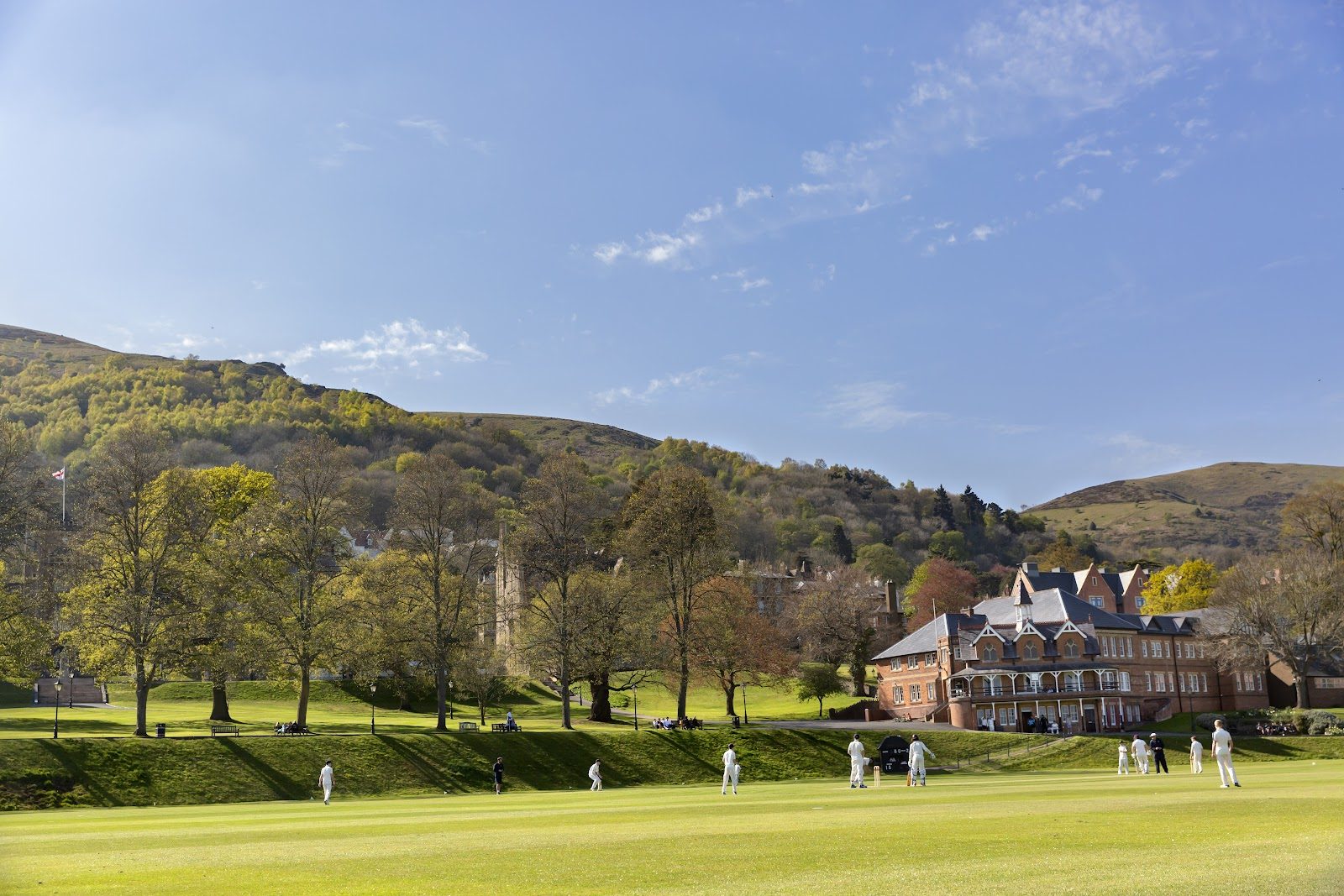
Malvern College
Malvern · United Kingdom
Beneath the Malvern Hills, a campus that once housed wartime radar research has produced four Nobel Prize winners.
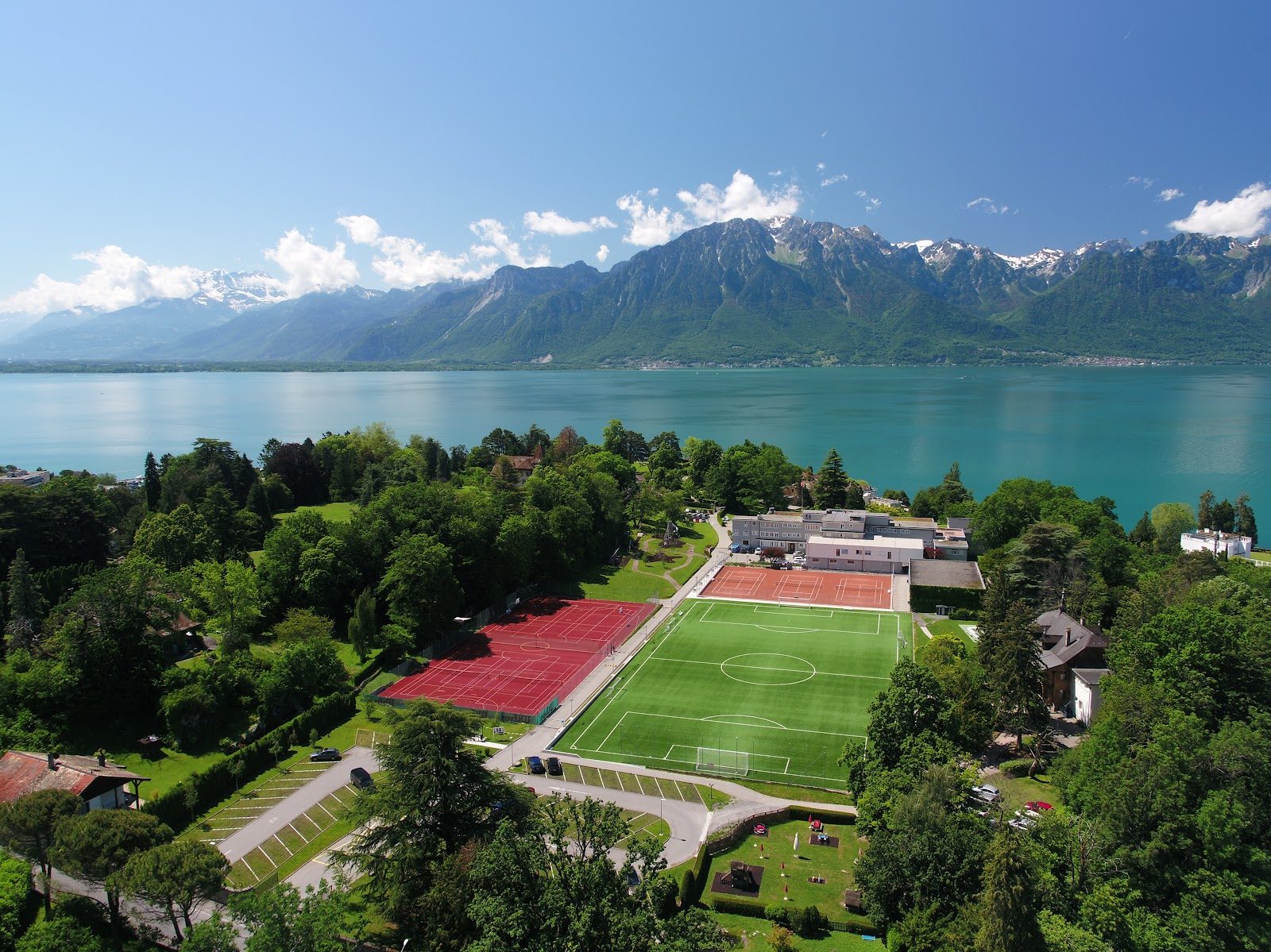
St George's International School (Montreux)
Montreux · Switzerland
Founded in 1927 by two Oxford graduates on the shores of Lake Geneva, pairing British rigor with IB ambition.
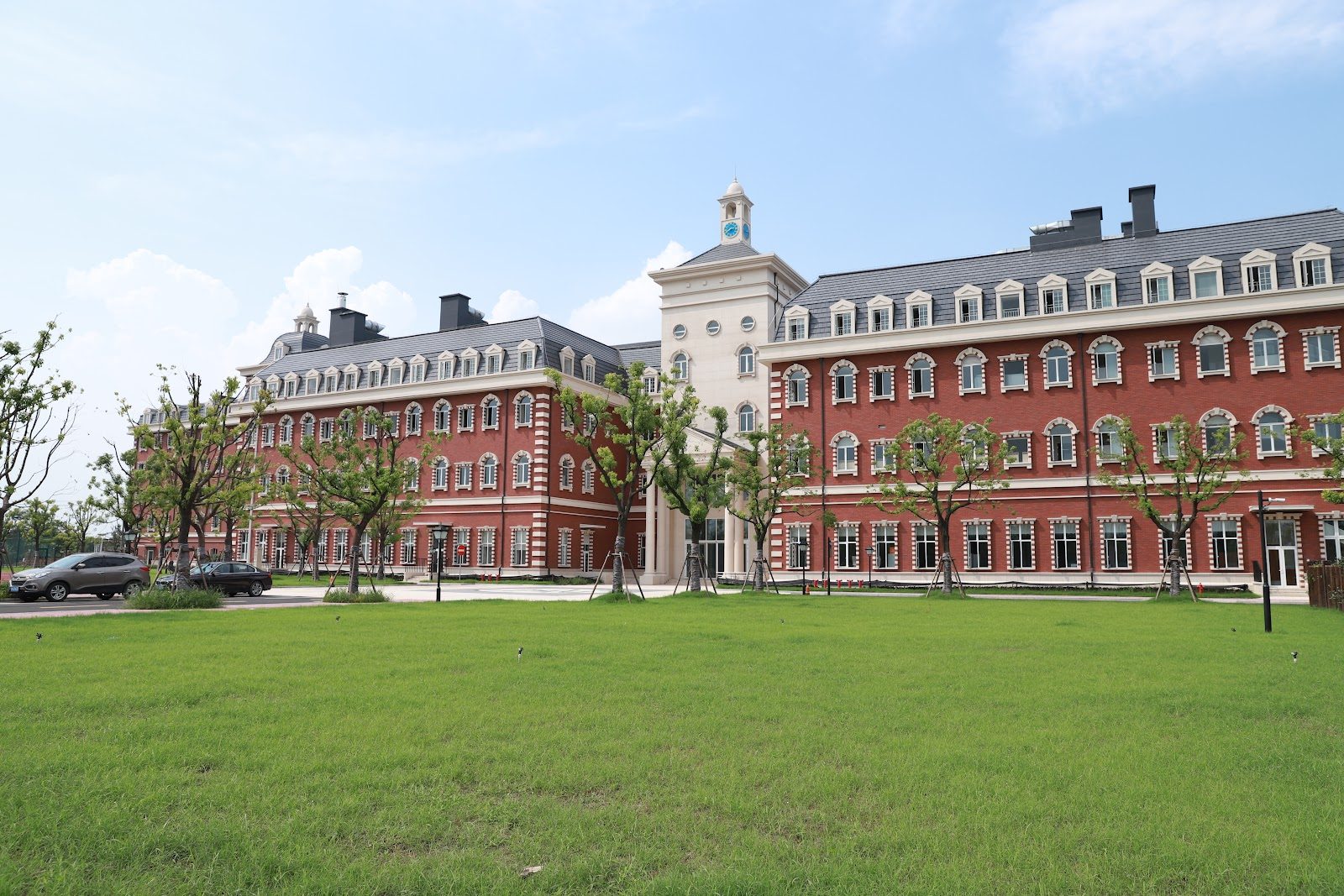
Wellington College International Hangzhou
Hangzhou · China
Houses named for the Duke of Wellington's generals anchor a British curriculum amid Hangzhou's tech-driven skyline.
Same country and curriculum — closest matches within ±10 points either way