
Metro Manila
Miriam College
medium confidence· 4/6 cats · 2 avg sourcesA century-old Catholic school for girls in Loyola Heights, pairing liberal arts with pioneering gender and peace studies programmes.
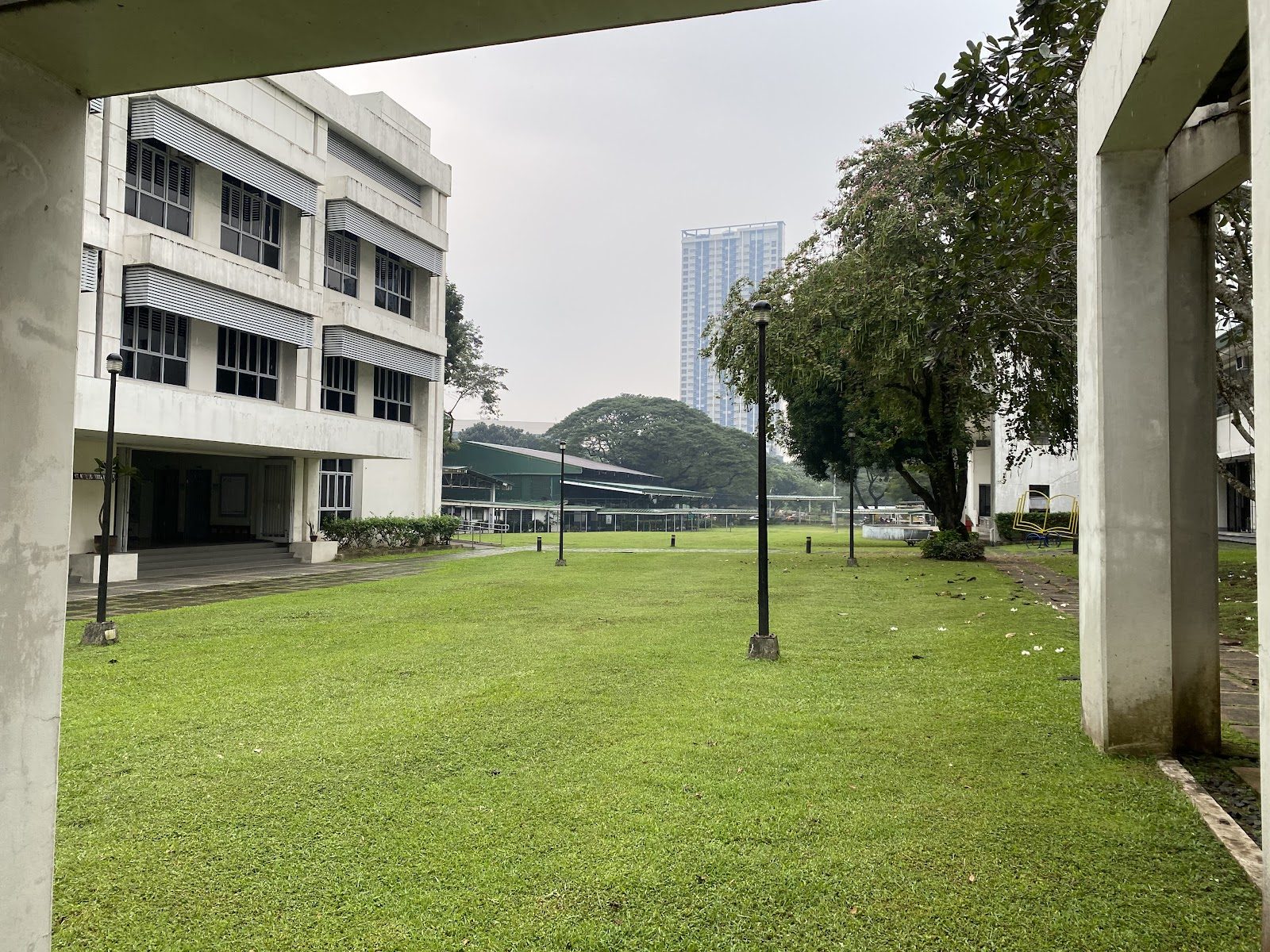
Photo © Thomas Philip de Leon via Google Maps
Type
Day
Ages
3–18
Curriculum
Philippine K-12 Basic Education Curriculum
Ratio
—
The Verdict
Editor's commitment
Right for
Girls aged 3–18 who want a Catholic day school in Quezon City with PAASCU accreditation and English-Filipino instruction.
Wrong for
Families wanting co-education, boarding, or a non-Catholic ethos; Miriam College is a girls’ day school founded in 1926.
Watch out for
The school declares the Philippine K–12 curriculum, not IB or A Levels; academic benchmarking beyond PAASCU is not published.
Ranking breakdown
Miriam College · #1041 of 1591
Composite score 61.6. 8 weighted criteria.
By criterion
Academic Outcomes
Weight 20%
#1050
of 1529 scored
University Placement
Weight 16%
#1057
of 1529 scored
Prestige & Heritage
Weight 12%
#967
of 1571 scored
Alumni Network
Weight 12%
#619
of 1530 scored
Facilities
Weight 12%
#1110
of 1533 scored
Transparency & Communications
Weight 8%
#1098
of 1532 scored
Peer & Industry Review
Weight 10%
#893
of 1548 scored
Admissions Selectivity & Demand
Weight 8%
#837
of 1529 scored
Peer & Industry Review
How Miriam College is regarded in the sector
62
Respected · low confidence
Miriam College is a long-established, well-known Catholic girls' institution in Quezon City with a notable alumni network (including prominent Filipino women in media, politics, and business) frequently mentioned in Philippine news coverage of notable alumni. However, independent specialist education press coverage (Tatler Asia, Good Schools Guide, expat forums) is sparse compared to international or more globally-oriented Philippine schools, suggesting strong domestic reputation but limited international specialist-press visibility.
Editors' overview
Miriam College occupies a distinct niche in Metro Manila: a Catholic girls’ day school with a long institutional memory, founded in 1926, and a sharper-than-average intellectual identity. The headline point is not prestige theatre or imported curriculum packaging. It is a Filipino K–12 school in Loyola Heights that has built its reputation around girls’ education, liberal arts instincts and a serious commitment to gender equality and peace education. For parents who want a school with a moral frame but not a narrow one, that combination carries weight. The Maryknoll heritage matters; so does the fact that the school’s public emphasis reaches beyond piety into social questions, citizenship and women’s leadership. That gives Miriam a clear moral centre and a more thoughtful brief than many Catholic schools that stop at discipline and devotional culture.
What puts it on a shortlist is that it offers something coherent. Girls from ages 3–18 move through a school that knows exactly what it is for: academic formation in English and Filipino, anchored in the Philippine K–12 Basic Education Curriculum, inside an all-girls environment at the Loyola Heights campus. Families who value that setting will read this as a strength, not a compromise. Single-sex schooling still divides opinion, but Miriam makes the case for it through mission rather than slogan. A girl who thrives in spaces where female participation is assumed rather than negotiated will find a confident female environment here. A family that wants a school to cultivate conviction, voice and civic intelligence—not only grades—will find Miriam easier to justify than schools that market breadth and disclose little substance.
The school will not suit every child. Parents chasing an overtly global curriculum, heavy exam branding or glossy university-placement theatre will find a different proposition here. Miriam’s appeal is more rooted, more local and more values-driven. That is a strength for students who are academically capable, socially aware and comfortable in a campus culture shaped by Catholic identity without reducing girls to obedience. The best fit is the student who wants scholarship with purpose: a girl who enjoys literature, humanities, debate, community engagement and leadership, and who benefits from a setting that treats women’s education as serious work rather than a branding line. For that child, Miriam offers a strong sense of mission, a century-deep tradition and a school culture with more intellectual and ethical substance than the market norm.
Academic Performance
Miriam College does not publish the data parents need for a hard judgement on academic performance. We have not seen aggregate national assessment results, board-topping school statistics, university entrance distributions, or year-on-year benchmarking against other leading girls’ schools in Metro Manila. That limits confidence. A school asking families to commit over a full K–12 journey should disclose more than mission and admissions messaging. On public evidence, Miriam is *less transparent than the strongest operators* in this part of the market, especially schools that release cohort outcomes, distinctions and destination patterns in a form parents can test.
That does not place it in a weak academic bracket; it places it in an opaque one. The school’s long-established basic education provision, active higher education arm and continued expansion across 3 campuses point to institutional depth and a stable academic base, not a marginal player. Its profile fits a school whose academic credibility rests on continuity, teacher culture and internal reputation rather than headline-score theatre. For families comparing it with exam-led rivals, that means a practical question: do you trust a school that sells educational philosophy first and published outcomes second? Some parents will. Others will want harder proof. In peer terms, Miriam sits outside the results-driven elite until it opens the books.
Facilities
At Loyola Heights, Miriam’s facility picture is broader than that of a stand-alone girls’ school because the site sits inside a larger institution with basic education, higher education and technical-vocational provision sharing the same overall system. That matters. Students grow up in a campus environment with more than classroom blocks and a covered court; they are attached to an institution that houses undergraduate, graduate and skills programmes as well. For older pupils, that can lend the place a more adult academic atmosphere than schools built only for children. The school also foregrounds galleries, cultural events and student organisations in its public life, which fits the liberal-arts cast of the institution and points to usable performance and activity spaces rather than a bare academic shell. The main weakness is precision: the school does not publish a clean, parent-facing inventory of specialist facilities for the basic education unit, so families cannot easily verify the depth of labs, sports provision or arts infrastructure.
Against peer schools in Metro Manila, that leaves Miriam in a credible but not fully evidenced middle-to-upper bracket. It has the advantage of scale across 3 campuses and a visible institutional life beyond lessons, but it does not market signature capital projects, elite sports complexes or showpiece STEM centres with the force that top competitors do. Parents looking for flashy hardware will find stronger public proof elsewhere. Parents looking for a campus with intellectual range, cultural texture and enough infrastructure to support serious schooling will find Miriam persuasive, if not exhibitionist.
Miriam College does not publish the data parents need for a hard judgement on academic performance
Prestige
Miriam College carries real domestic standing, but not the kind of prestige that travels on brand recognition alone. In the Philippines, its name has weight because it sits in a narrow category: an established Catholic institution for girls and young women with a full educational ladder and a mission that reaches beyond standard school pieties. That gives it cultural capital with families who value women’s education, civic formation and a recognisable moral frame. The institution also benefits from scale and continuity: basic education, higher education and skills programmes operating across 3 campuses create the impression of permanence and reach. Prestige here rests less on exclusivity than on institutional seriousness.
The ceiling is clear. Miriam does not publish the kind of outcome data that turns respect into unquestioned academic clout, and it does not trade in the aggressive international-school signalling that drives status in expatriate circles. Its prestige is strongest in educated Filipino families who know the local landscape and understand the Maryknoll inheritance; it is weaker among parents who rank schools by global curriculum labels, overseas university theatre or public scoreboards. That places Miriam in a *high-respect, second-order prestige bracket*: admired, credible and historically significant, but not the first school named in every high-status conversation. For the right family, that is no weakness. It means substance outruns show, and mission carries more weight than gloss.
Miriam College carries real domestic standing, but not the kind of prestige that travels on brand recognition alone
Communications
Miriam College communicates like a large, active institution rather than a tightly edited school office. The website covers the essentials: campus location, contact points, application routes, programme divisions, news, events and a visible admissions push. Parents can reach the school by email, phone and social channels, and the site is updated frequently enough to show live institutional activity rather than a dormant brochure. The news feed carries dated items across basic education and higher education, and the multi-campus navigation is clear. That said, the communication style is institution-first, not parent-first. It tells families what is happening, but it does not always sort what matters most to a prospective or current parent with enough discipline. Basic facts are there; clean synthesis is thinner.
The weakness is not silence but signal overload. The homepage pushes enrolment, partnerships, sustainability branding, tertiary activity and campus expansion all at once. For a parent of a school-age child, that creates friction. A school serving pupils from early years to pre-university, inside a system spread across 3 campuses, needs ruthless clarity about where the basic education unit sits and how daily school life works. Miriam gives a strong sense of bustle and institutional reach, but less of the crisp operational communication that top schools deliver through parent handbooks, academic calendars, assessment explanations and leadership messaging gathered in one obvious place. Effective enough, then, but not best-in-class.
Uniqueness
Miriam’s distinctiveness lies in the way it treats girls’ education as an intellectual and social project, not a protective enclosure. Many Catholic schools for girls still frame their value in terms of discipline, modesty and safe space. Miriam adds a different brief: women’s leadership, gender awareness and peace formation sit close to the centre of the institution’s identity. That gives the school a sharper moral and civic agenda than rivals that stop at religious formation. The effect on students is concrete. Girls grow up in a setting where female authority is normal, public voice is expected and social questions are part of school life rather than extracurricular decoration. For the right student, that is formative in a deeper way than a standard high-performing school with a generic service programme.
It is also unusual in combining that mission with a larger educational ecosystem. Miriam is not only a basic education school; it sits within an institution that spans basic, higher and technical-vocational education, with a footprint across 3 campuses. At Loyola Heights, that gives older students access to a campus culture with more range and seriousness than many self-contained girls’ schools. The school’s public emphasis on international partnerships and sustainable development goals adds another layer: not cosmopolitan posturing, but an attempt to connect school life to wider institutional and civic frameworks. The result is a mission-heavy, intellectually framed education that will suit girls who want purpose as well as attainment, and will leave colder those who want pure exam machinery or status display.
Miriam College communicates like a large, active institution rather than a tightly edited school office
Student Profile
The best fit at Miriam is the girl who wants an education with a point of view. She does not need to be pious or dutiful in the narrow convent-school stereotype; she does need to be comfortable in a culture where values, citizenship and women’s formation are taken seriously. This suits students who like discussion, reading, performance, service, student leadership and the humanities as much as test preparation. A girl who grows in spaces where female authority is normal and public voice is expected will do well here. So will the student who wants a school community with moral seriousness, social conscience and more substance than swagger. The all-girls setting from ages 3–18 gives that profile continuity.
The poorer fit is just as clear. Miriam is not for families chasing a hyper-competitive, numbers-first school culture or the social cachet of imported branding. Girls who want a hard-edged academic pecking order, a glossy international scene or a school identity built around status display will find stronger matches elsewhere. Nor does it suit students who resent explicit Catholic framing or who prefer a looser, more anonymous environment. The school works best for girls who are bright, verbally confident or ready to become so, and open to a campus culture that asks them to think about responsibility as well as achievement. For the right child, that is deeply formative. For the wrong one, it will feel *earnest, demanding and inescapably values-led*.
That gives Miriam a clear moral centre and a more thoughtful brief than many Catholic schools that stop at discipline and devotional culture
Co-curricular strengths
Arts & sport, on a separate axis
Overall 7.96/10
Scored 0-10 from the school's own published evidence. This axis is editorial-only — it does not feed the main WTS ranking.
Sports
7/10
Drama
8/10
Dance
8/10
Music
8.5/10
Visual Arts
8.3/10
Editor first-pass · editor-reviewable · 7/30/2026
Strengths
- +Long-established institution founded in 1926, with over nine decades of continuous operation in Quezon City.
- +All-girls Grade School and High School program, which some families specifically seek for single-sex education through adolescence.
- +Located in the Katipunan/Loyola Heights education corridor, near Ateneo de Manila University, in an established academic neighbourhood.
- +Runs a dedicated Women and Gender Institute (WAGI), reflecting a distinct institutional focus on gender studies and advocacy.
- +Offers a full continuum from preschool through college on one campus, allowing continuity for families staying long-term in Manila.
Considerations
- −Single-sex basic education (Nursery through Grade 12) will not suit families seeking co-educational schooling for boys or girls together.
- −Follows the Philippine K-12 curriculum only, without an IB or Cambridge international track, which may concern families planning cross-border transfers.
- −As a well-known Metro Manila school, entry to popular grade levels can be competitive, and published tuition/fee schedules are not independently verifiable here.
- −Single-campus day school in a congested part of Quezon City, so commute times can be significant for families living outside the immediate area.
Availability
Primary entry gate & tests
Academic Record
Gallery
Photo © Thomas Philip de Leon via Google Maps
Photo © Thomas Philip de Leon via Google Maps
Photo © Thomas Philip de Leon via Google Maps
Photo © Thomas Philip de Leon via Google Maps
Photo © Natalia W via Google Maps
Parent reviews
Have you sent your child here?
Voice reviews carry the strongest trust badge — we transcribe them for you to tidy up before they go live. Prefer to type? A written review is fine too.
Add your voice
In 60 seconds, tell other parents: what's the best thing about Miriam College, and what surprised you when your child joined?
We ask for a Google sign-in so every review has a real face behind it — no anonymous drive-by attacks on schools, and no faked positive reviews. Your email is never shown publicly.
Send this profile to a friend
International parents rely on word-of-mouth. Share this review with someone weighing the same decision.
Schools with places
Similar schools to Miriam College with places available now.
Availability first, then country, area, curriculum, price, co-curricular
Consider also
Also worth looking at alongside Miriam College.
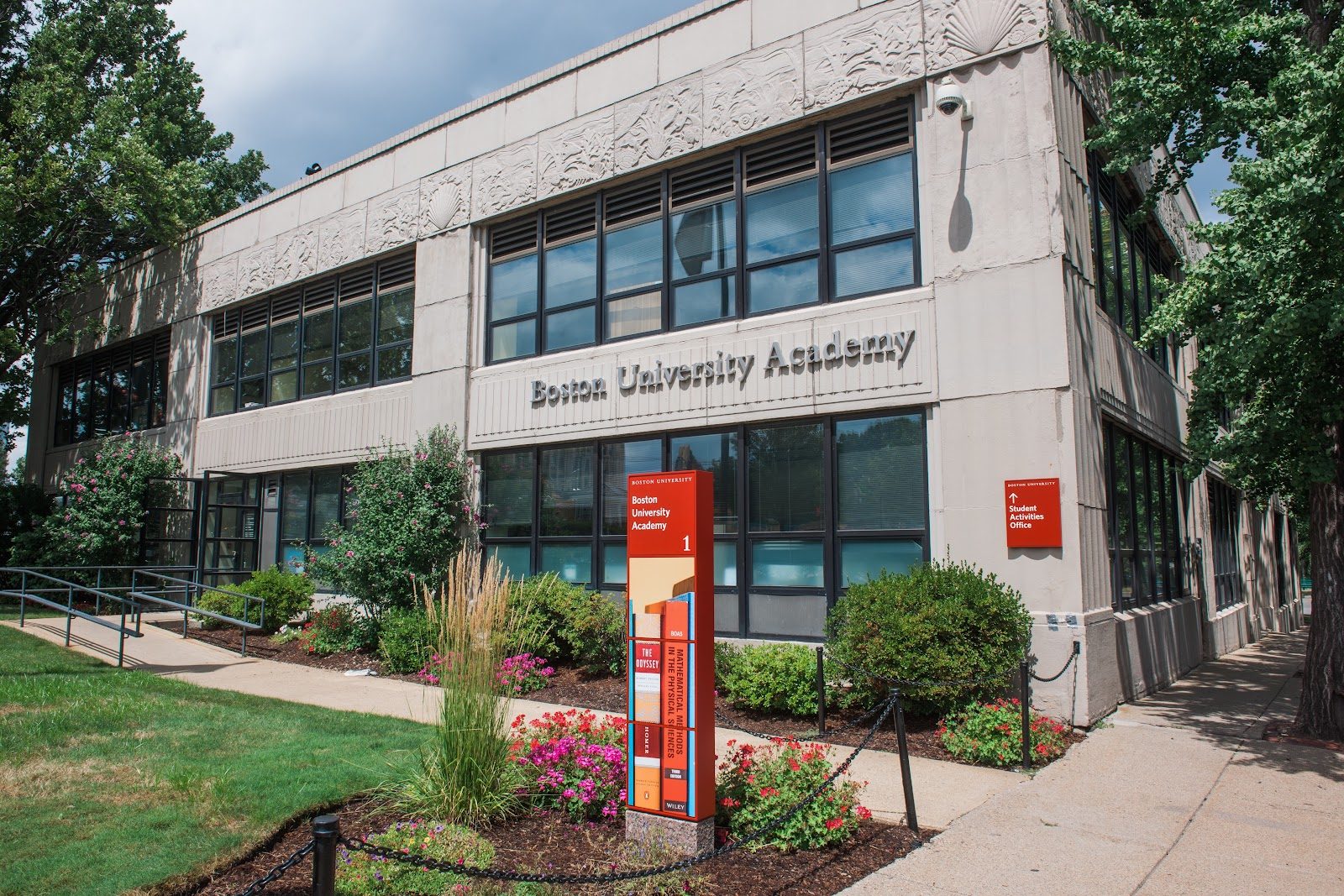
Boston University Academy
Boston · United States
Upperclassmen trade study halls for Boston University lecture halls, banking college credit before graduation.

Collège Champittet
Pully · Switzerland
A Dominican-founded lakeside campus above Lake Geneva, where boarders choose between IB, French Bac and Swiss Maturite tracks.
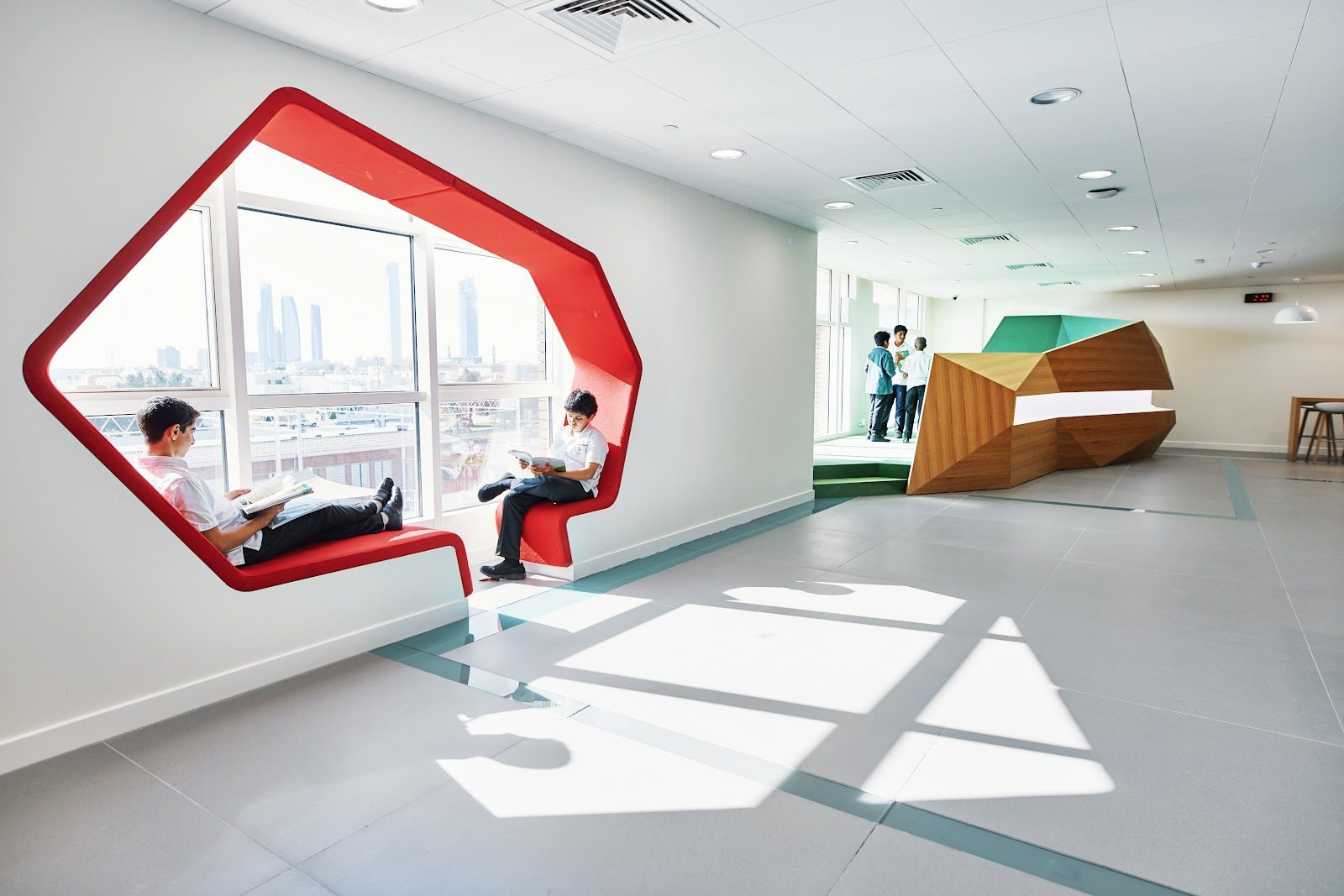
The Sheikh Zayed Private Academy for Boys
Abu Dhabi · United Arab Emirates
Massachusetts Common Core meets a UAE Armed Forces leadership programme, forging Emirati identity into an American diploma.
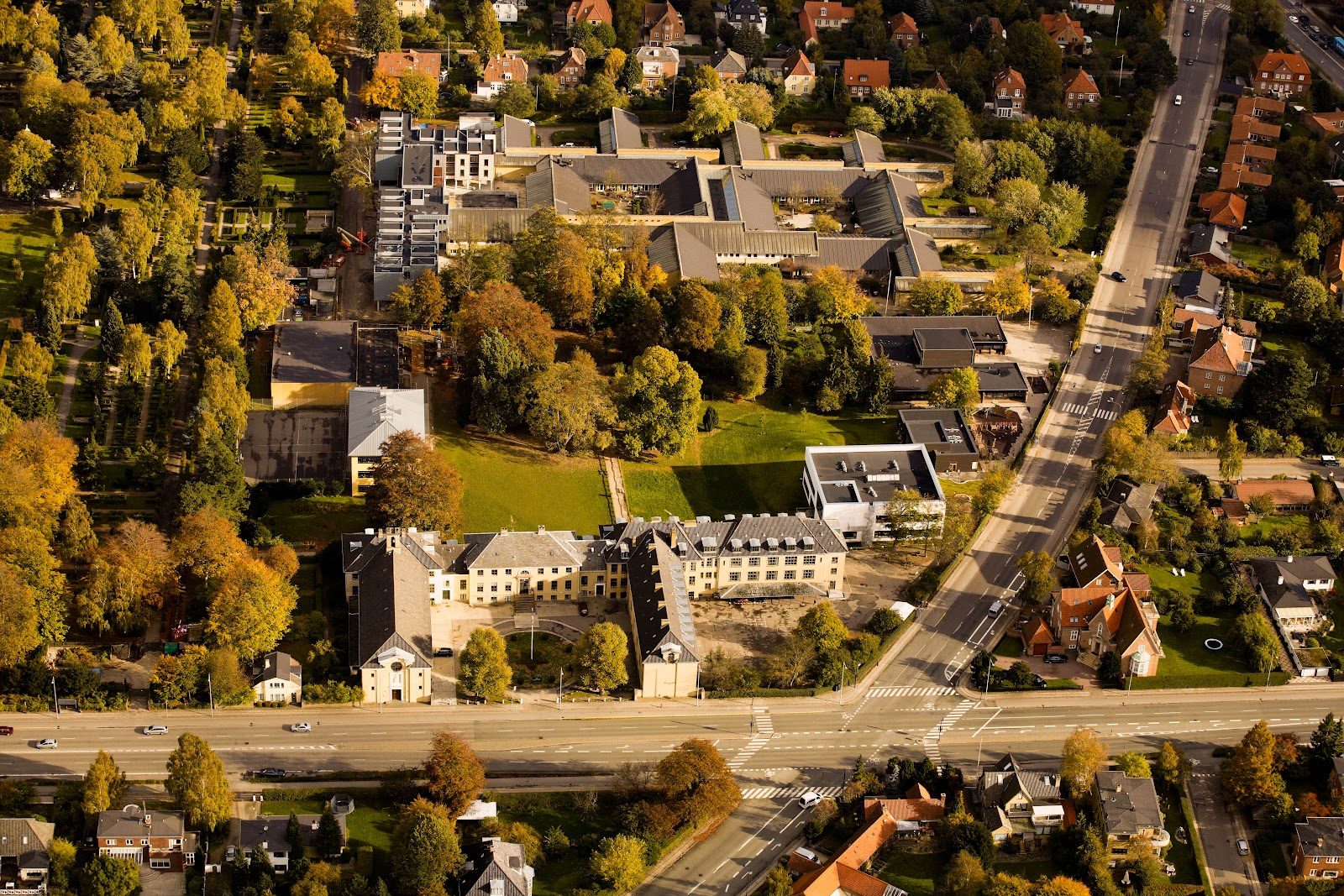
Rygaards International School
Copenhagen · Denmark
Denmark's oldest international school, pairing Catholic roots with the British National Curriculum amid Hellerup's parkland campus.
Same country and curriculum — closest matches within ±10 points either way