
Western Cape
Paarl Boys' High School
Founded in 1868 at the foot of Paarl Mountain, this bilingual 'Brotherhood of the Blue Blazer' blends academic merit-list form with a rugby derby that fills stadiums.
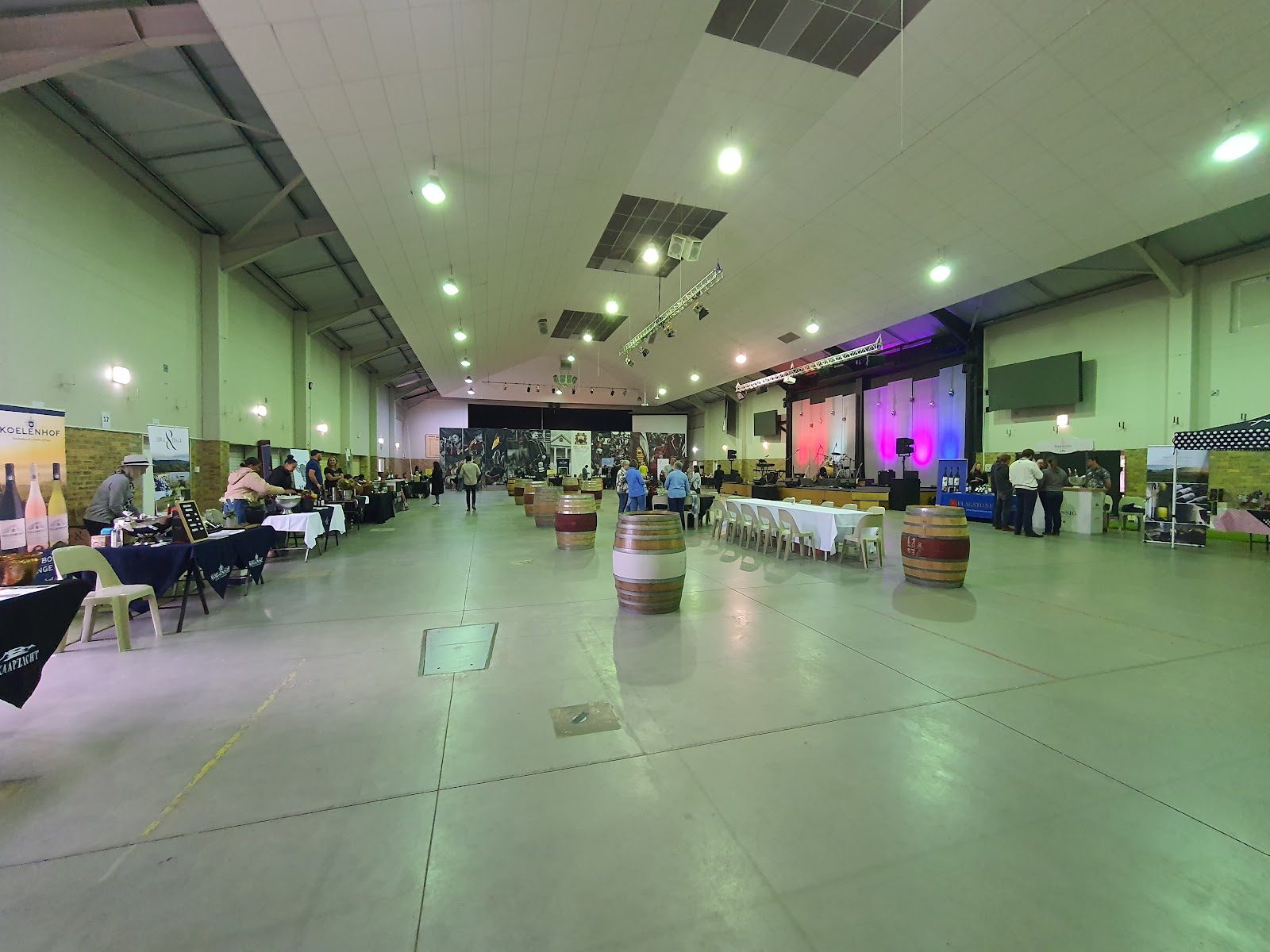
Photo © Pauline Hibbert Photography via Google Maps
Type
Day
Ages
13–18
Curriculum
NSC · IEB
Qualifications
NSC · IEB
Ratio
—
The Verdict
Editor's commitment
Right for
Boys aged 13–18 who want a day school founded in 1868, with English-Afrikaans teaching and a public dual-medium setting.
Wrong for
Families wanting co-education, boarding or a published international pathway beyond the NSC; this is a non-religious boys' day school.
Watch out for
The school declares NSC and IEB, but the verified accreditation lists NSC only; parents need that clarified before applying.
Ranking breakdown
Paarl Boys' High School · #1039 of 1591
Composite score 61.6. 8 weighted criteria.
By criterion
Academic Outcomes
Weight 20%
#1085
of 1529 scored
University Placement
Weight 16%
#1089
of 1529 scored
Prestige & Heritage
Weight 12%
#608
of 1571 scored
Alumni Network
Weight 12%
#646
of 1530 scored
Facilities
Weight 12%
#968
of 1533 scored
Transparency & Communications
Weight 8%
#1019
of 1532 scored
Peer & Industry Review
Weight 10%
#1353
of 1548 scored
Admissions Selectivity & Demand
Weight 8%
#1077
of 1529 scored
Peer & Industry Review
How Paarl Boys' High School is regarded in the sector
61
Respected · medium confidence
Paarl Boys' High is most consistently benchmarked within South Africa's informal 'Big Five' government schools bracket alongside Grey College, Paul Roos Gymnasium, Affies and Grey High, a grouping that recurs in national sports and schools media whenever rugby and athletics pedigree is discussed, reflecting how rival headmasters and sports administrators treat it as a peer rather than aspirant institution. Its graduates feed strongly into Stellenbosch University and, to a lesser extent, UCT, consistent with its Western Cape catchment and bilingual Afrikaans-English instruction, though there is no verifiable university admissions-office commentary singling the school out academically. As a fee-charging public (Section 21) school rather than a private institution, it falls outside the coverage universe of UK-oriented outlets like WhichSchoolAdvisor or the Good Schools Guide, and South African press treatment is concentrated in sports journalism and school-rugby festival previews rather than academic league tables. This gives it strong, well-documented standing on the sporting/schools circuit but a comparatively thin independent-education-press footprint on academics specifically.
Award

Elite Sport 80
World's Top School · The Global Ranking
Paarl Boys' High School is featured on our Global Top 80 ranking at #39. This seal is available for the school's marketing team to use on their website, prospectus and social channels.
Editors' overview
Paarl Boys’ High School occupies a distinct place in South African schooling: a boys’ day school founded in 1868, dual-medium in English and Afrikaans, and old enough to carry real institutional weight rather than borrowed tradition. That matters. Parents looking for a school with history, ritual and a settled sense of itself will find it here. The attraction is not novelty; it is continuity. The school’s public identity centres on confidence, challenge and a codified value set, and the wider reputation rests on something tougher to manufacture: deep-rooted loyalty, earned prestige and a culture that has been reinforced over generations.
What puts Paarl Boys’ High on a shortlist is the combination of academic seriousness and masculine school culture without boarding. For families who want the structure and esprit de corps of a classic boys’ school but need a day format, that is a strong proposition. The bilingual model also widens its reach. A dual-medium school in the Western Cape can serve families who want their sons fully at ease in both English and Afrikaans, and that carries social as well as academic value. The age range, 13–18, marks it as a straight secondary proposition with no diluted all-through identity. It is non-religious, public, and offers the NSC and IEB in the school context supplied; parents should ask directly how those pathways are organised in practice, because the school does not publish a clear public explanation here.
The special quality lies in atmosphere. This is for boys who respond to strong tradition, high collective expectations and a competitive tribal spirit. The famous blue-blazer identity and the scale of school rivalry around Paarl give the place emotional charge; for the right child, that is exhilarating. For the wrong one, it is oppressive. A boy who wants anonymity, a loose institutional culture or a softly managed adolescence will find a better fit elsewhere. A boy who enjoys belonging, performs well within clear structures, and wants a school with ceremony, status and edge will understand the appeal quickly.
The caveat is straightforward. Paarl Boys’ High trades on legacy, and legacy schools need to show how that heritage translates into present-day academic clarity and pastoral detail. We have not seen public aggregate exam data, nor a detailed public account of outcomes by pathway. Parents therefore need to press on specifics: subject choice, class sizes, university guidance, and how dual-medium teaching works year by year. Even with that opacity, the market position is clear. This is not a flexible, experimental school. It is a high-conviction traditional boys’ school with 2 languages of instruction and more than 150 years of institutional memory. For the boy who wants that world, it will feel like home.
An Elite Sport 80 school
Paarl Boys' High School — historically "Boishaai" — sits at rank thirty-nine on the Elite Sport 80 because it is one of South Africa's core rugby-heartland institutions with a sustained Craven Week and Springbok pipeline over more than a century. The Boishaai-Paarl Gimnasium derby is one of the most attended schoolboy rugby fixtures anywhere in the world, and the school's 1st XV is a national schoolboy rugby finals fixture.
The specialisms are rugby union (delivered with close-to-professional infrastructure — full-time coaching, in-house strength-and-conditioning and a fixture list that resembles a mini professional season), cricket (a Boland and Proteas pipeline), athletics and hockey. Water polo is a strong emerging tertiary programme.
Notable alumni across codes include Handré Pollard (Springbok World Cup winner), Frans Malherbe, Duane Vermeulen (schooled between Paarl institutions), Marcell Coetzee, and generations of Springbok and Currie Cup professionals. In cricket, the school has fed a steady stream of Proteas and Cape Cobras players.
International openness is genuine but modest. The school admits pupils from neighbouring African countries and, in smaller numbers, from Europe, Australasia and the Americas, and runs a full boarding house on-site. Fees are very modest by international standards, sitting around ZAR 90,000-115,000 including boarding — genuinely one of the best-value elite-sport schools on this list. Language of instruction is Afrikaans with English support; overseas pupils are expected to build functional Afrikaans in their first year. Overseas admissions go through the normal application process plus a rugby or cricket trial. For a family from a rugby-playing nation targeting a Springbok pathway who can accept Afrikaans as the language of instruction, Paarl Boys' is one of the two or three most efficient schools in the world. Overseas boarding families typically begin conversations 12-18 months before the intended entry point, particularly for the Grade 8 (Standard 6) intake where competition for house places is at its highest.
Academic Performance
Paarl Boys’ High has a strong public reputation for academic seriousness, but the school does not publish the figures that would let parents test that reputation properly. We have not seen aggregate NSC or IEB results, no subject-by-subject breakdowns, no distinctions data, and no multi-year trend line against provincial or national benchmarks. That is a real gap. In a market where leading schools use external results to substantiate claims, this level of opacity leaves parents reliant on brand, anecdote and institutional prestige. For a school with such a formidable legacy and a hard-edged academic identity, that is not enough.
Relative to peers, the school sits in the category of established South African boys’ schools whose name carries weight before any spreadsheet is opened. That helps with perception; it does not replace evidence. Without published outcomes, it is impossible to place Paarl Boys’ High securely alongside the top fee-charging independents or the strongest public academic schools on pure examination performance. The sensible reading is more restrained: this is a school with a serious scholarly expectation and a deeply competitive culture, but not one that offers the public exam transparency now expected at the sharp end of the market. Parents need direct answers on pass rates, bachelor-degree entry rates, top-end subject results and university destinations before treating academic standing as a settled fact.
Facilities
The school’s public profile gives almost nothing on facilities, and that absence matters. We have not seen a campus map, subject-specific teaching spaces, theatre, music suites, design labs, libraries, indoor courts, aquatics provision or specialist science infrastructure set out in any usable detail. For parents, that creates a blind spot. At a school with this level of reputation and institutional confidence, the facilities case should be easy to inspect. It is not. The only safe inference is cultural rather than architectural: this is a school whose identity rests less on glossy capital projects and more on tradition-heavy institutional life, collective belonging and the kinds of spaces that serve assembly, classroom teaching and high-participation sport.
Against peer schools in the South African boys’ market, that leaves Paarl Boys’ High on the back foot in public disclosure. The strongest rivals now show their grounds, specialist rooms and performance spaces clearly because facilities shape daily experience, not just prospectus photography. If Paarl Boys’ High matches that standard, it does not prove it publicly. If it falls short, parents will only discover that on a tour. The key questions are straightforward: the condition of science rooms, the scale of the library, the seriousness of arts provision, and whether sporting infrastructure extends beyond the codes that dominate school identity. For a school with high-status traditions and a hard-driving culture, that lack of published detail is surprisingly opaque and not good enough.
Parents looking for a school with history, ritual and a settled sense of itself will find it here
Prestige
Paarl Boys’ High carries real prestige within South African schooling because its status rests on durable social recognition, not a recent branding exercise. Among traditional boys’ schools, the name lands immediately. The pull comes from a mix of age, public-school stature, entrenched ritual and a sporting culture with national visibility. That combination gives the school cachet beyond the classroom: families know it, old boys back it, and the wider community reads the blazer as a marker of belonging to a high-status institutional tribe. For adolescents, that matters. A school whose identity is strong enough to generate loyalty across generations holds a form of prestige that newer schools cannot manufacture.
That said, prestige here is heritage prestige, not data-led prestige. The school benefits from more than 150 years of accumulated standing, but it does not publish the academic outcome detail that would confirm elite performance in hard numbers. That distinction matters. The reputation is still substantial because the school occupies a long-settled place in the hierarchy of respected Western Cape boys’ schools, and because its culture projects confidence, discipline and consequence. Parents should rate it highly for name recognition, old-boy loyalty and institutional weight. They should rate it more cautiously on academic prestige until the school discloses fuller results. In plain terms: socially powerful, culturally entrenched, and not fully transparent.
What puts Paarl Boys’ High on a shortlist is the combination of academic seriousness and masculine school culture without boarding
Communications
Parent communication is functional but thin. The school’s public-facing voice gives a mission statement, core values and little else of substance. That is enough to signal ethos; it is not enough to answer the practical questions parents ask through a school year. We have not seen a clear public archive of newsletters, academic calendars, curriculum guides, assessment explanations, senior leadership updates or policy pages laid out in a way that lets families track how the school runs. The website does not do the heavy lifting that strong school communication now requires. For a school with such a self-assured identity and a high-demand culture, that shortfall matters because families need more than creed and symbolism; they need usable information.
The weakness is not tone but depth. A school can be traditional, even deliberately old-school, and still communicate with precision. Here, the public channel reads spare and underpowered. Parents weighing the school need direct access to the basics: who to contact, how concerns are escalated, how reporting works, what happens across the academic year, and how school-home communication is handled in daily practice. None of that is set out with enough clarity. The result is a communications profile that relies too heavily on reputation and internal community knowledge. Existing families may navigate that without trouble. New families face unnecessary guesswork, and that is a real administrative weakness in a school serving boys across 2 teaching languages.
Uniqueness
What marks Paarl Boys’ High out is the intensity of the tribe. Many schools talk about belonging; this one has built an identity sturdy enough to outlast fashion, staff turnover and policy drift. The “Brotherhood of the Blue Blazer” language matters because it points to the school’s real product: not convenience, not experimentation, but institutional allegiance. Boys do not attend as isolated consumers of lessons. They are absorbed into a code with expectations around conduct, loyalty, competition and public representation. In a secondary school serving ages 13–18, that creates a high-pressure, high-belonging environment that can sharpen confidence and resilience fast.
The second point of difference is the pairing of that old-school boys’ culture with a public, non-religious setting and a dual-medium academic life. That mix is unusual. It gives students access to a socially weighty school identity without the cloistered feel that can attach to more insulated institutions. For the right boy, the benefit is substantial: he gets ritual, standards and communal pride, but remains anchored in the realities of family and town life each day. The cost is clear too. This is a school for boys who want to be claimed by something larger than themselves. For independent-minded adolescents who dislike hierarchy, tribal rivalry or collective expectation, the culture will feel unyielding and not for the faint-hearted.
For families who want the structure and esprit de corps of a classic boys’ school but need a day format, that is a strong proposition
Student Profile
The right student for Paarl Boys’ High is a boy who wants to belong to a group with teeth. This school suits adolescents who draw energy from ritual, hierarchy, visible standards and the pressure of collective expectation. He does not need coddling. He needs structure, competition and a peer culture that prizes commitment over self-invention. In practical terms, that means boys who are comfortable being known, judged and measured in public school life, not boys who want to drift anonymously through the week. The age span, 13–18, matters here: these are formative years, and the school’s culture will shape a boy quickly. For the right student, that produces confidence under pressure, hard-earned loyalty and a strong sense of personal discipline.
The fit is weaker for boys who resist authority, dislike institutional tribalism or need a gentle, highly individualised pastoral style. This is not a refuge for the hesitant. It is a place for boys who can absorb correction, live with noise and rivalry, and take pride in representing something bigger than themselves. The dual-medium setting also suits families who value ease across 2 linguistic worlds and the social fluency that comes with that. What emerges is a student body profile with a clear centre of gravity: competitive, tradition-bound, socially robust and not for the faint-hearted.
The age range, 13–18, marks it as a straight secondary proposition with no diluted all-through identity
Co-curricular strengths
Arts & sport, on a separate axis
Overall 7.58/10
Scored 0-10 from the school's own published evidence. This axis is editorial-only — it does not feed the main WTS ranking.
Strengths
- +Founded in 1868, Paarl Boys' High (Boishaai) is one of the oldest schools in South Africa, giving it deep institutional history.
- +The school has produced twenty-one Springboks, of whom Thomas du Toit is the most recent member, reflecting a long sporting pedigree.
- +Four hostels - Bellevue, Imhoff, Monte Bello and Werda - house over 400 learners from all parts of South Africa and abroad, so boarding is a genuine option alongside day schooling.
- +The school is classified under the Fee Paying school category because it is a Public school, keeping costs below most independent schools.
- +Boishaai functions as a flagship public school within District 9, with close ties to its sister school, Paarl Girls' High, allowing shared social and cultural activities.
Considerations
- −The school serves boys only, from Grade 8 to 12, ruling out co-education for families who prefer a mixed environment.
- −Instruction is delivered as a public English- and Afrikaans-medium school, so English-speaking expat families should confirm current class-language allocations before enrolling.
- −The school maintains a traditional boarding and day identity shaped by discipline, school pride and a fierce interschool competitive culture, which may not suit a boy with little interest in rugby or organised sport.
- −As a public (government) school rather than a fully independent institution, curriculum delivery and fee structures are tied to Western Cape Education Department policy, limiting the flexibility some international families expect.
Availability
Primary entry gate & tests
Internal Assessment (Boys)
Gallery
Photo © Michael Edward Manning via Google Maps
Photo © Michael Edward Manning via Google Maps
Photo © Michael Edward Manning via Google Maps
Photo © Michael Edward Manning via Google Maps
Photo © Michael Edward Manning via Google Maps
Photo © Ferdi vd H via Google Maps
Photo © Kihan Joubert via Google Maps
Parent reviews
Have you sent your child here?
Voice reviews carry the strongest trust badge — we transcribe them for you to tidy up before they go live. Prefer to type? A written review is fine too.
Add your voice
In 60 seconds, tell other parents: what's the best thing about Paarl Boys' High School, and what surprised you when your child joined?
We ask for a Google sign-in so every review has a real face behind it — no anonymous drive-by attacks on schools, and no faked positive reviews. Your email is never shown publicly.
Send this profile to a friend
International parents rely on word-of-mouth. Share this review with someone weighing the same decision.
Schools with places
Similar schools to Paarl Boys' High School with places available now.
Availability first, then country, area, curriculum, price, co-curricular
Consider also
Also worth looking at alongside Paarl Boys' High School.
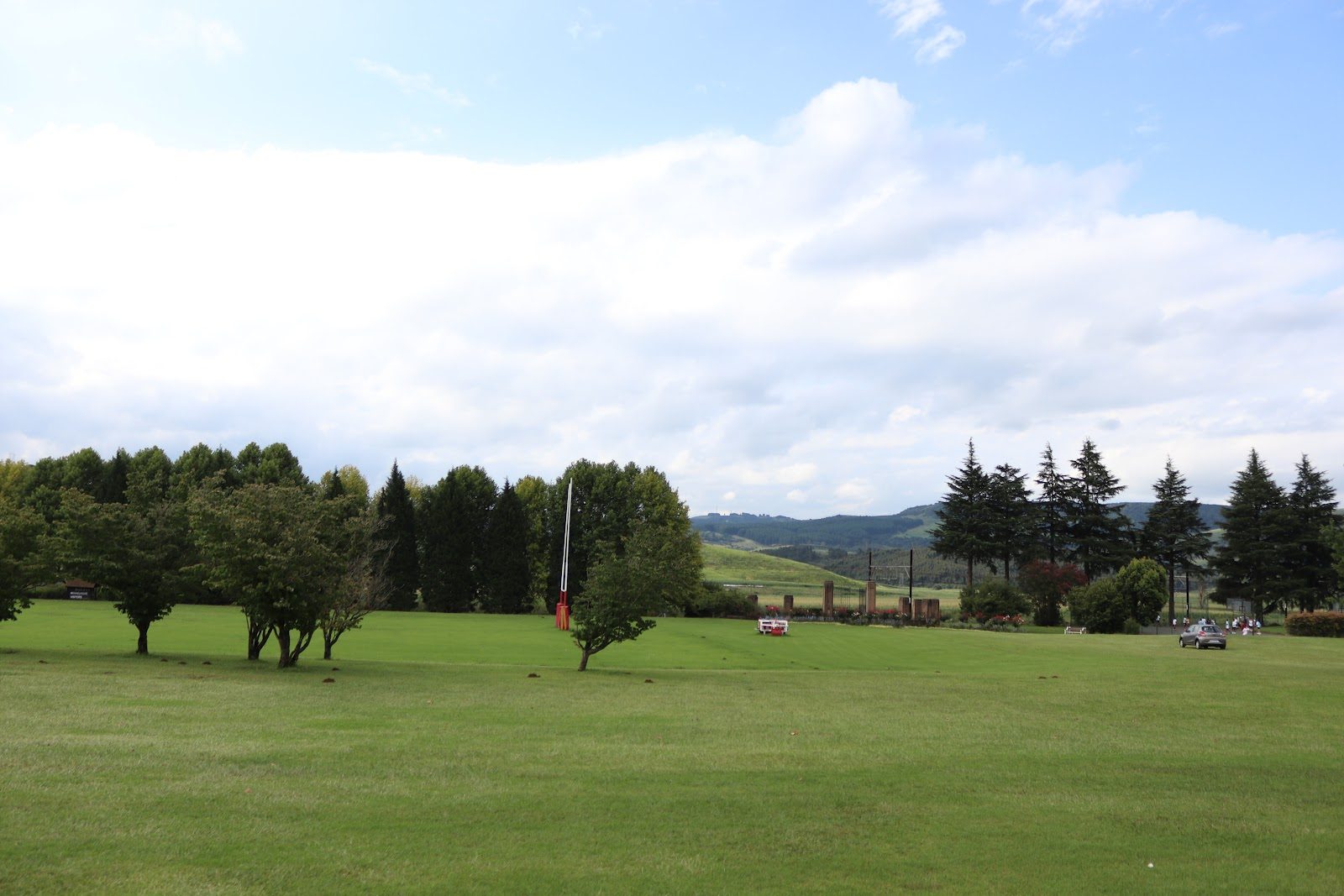
Michaelhouse
Balgowan · South Africa
In South Africa's Midlands, one of the world's few remaining all-boys, all-boarding schools borders a rare mistbelt grassland reserve.
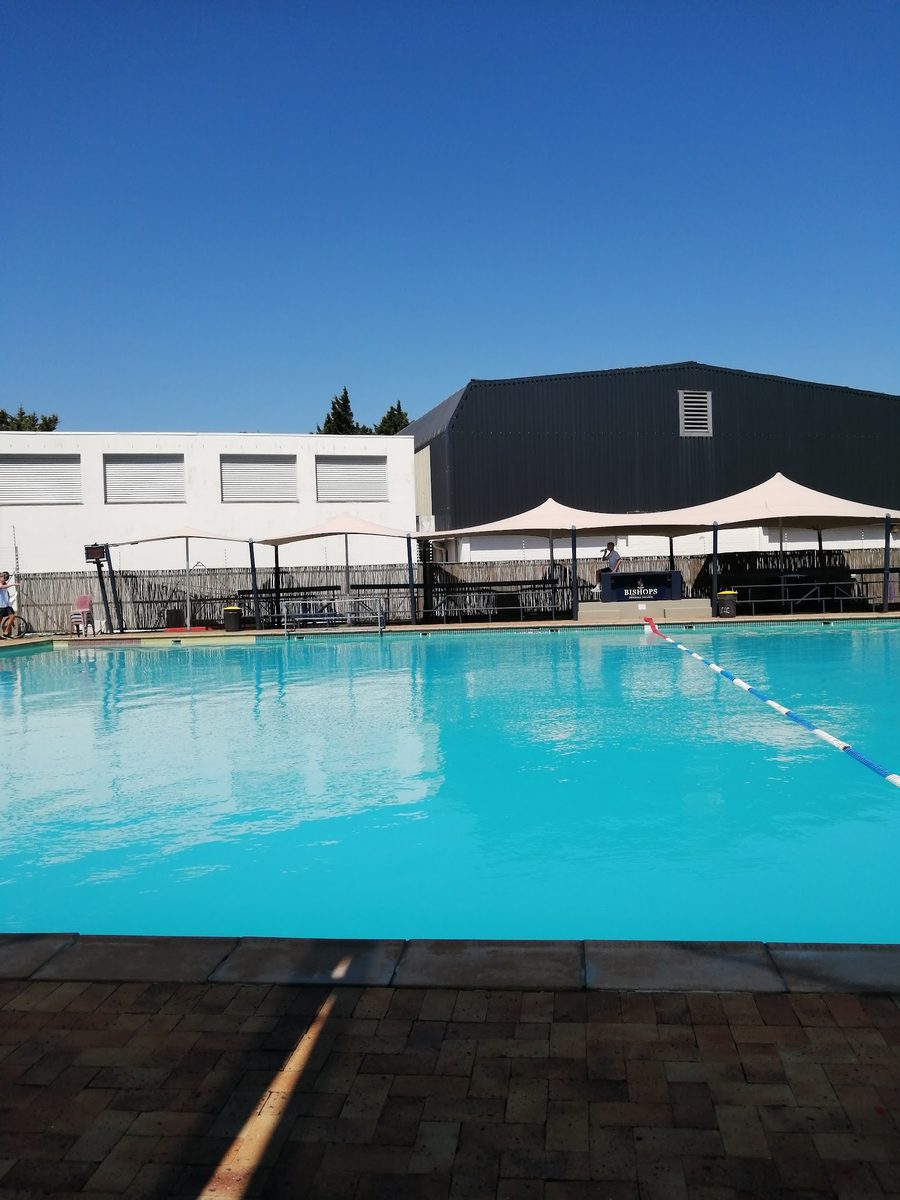
Bishops Diocesan College
Cape Town · South Africa
Founded in 1849 below Table Mountain, home to the oldest rugby field in the southern hemisphere and a storied house system.
Roedean School South Africa
Johannesburg · South Africa
Founded in 1903 by two Cambridge-educated pioneers, this all-girls boarding school still occupies its original Herbert Baker campus in Parktown.
St John's College
Johannesburg · South Africa
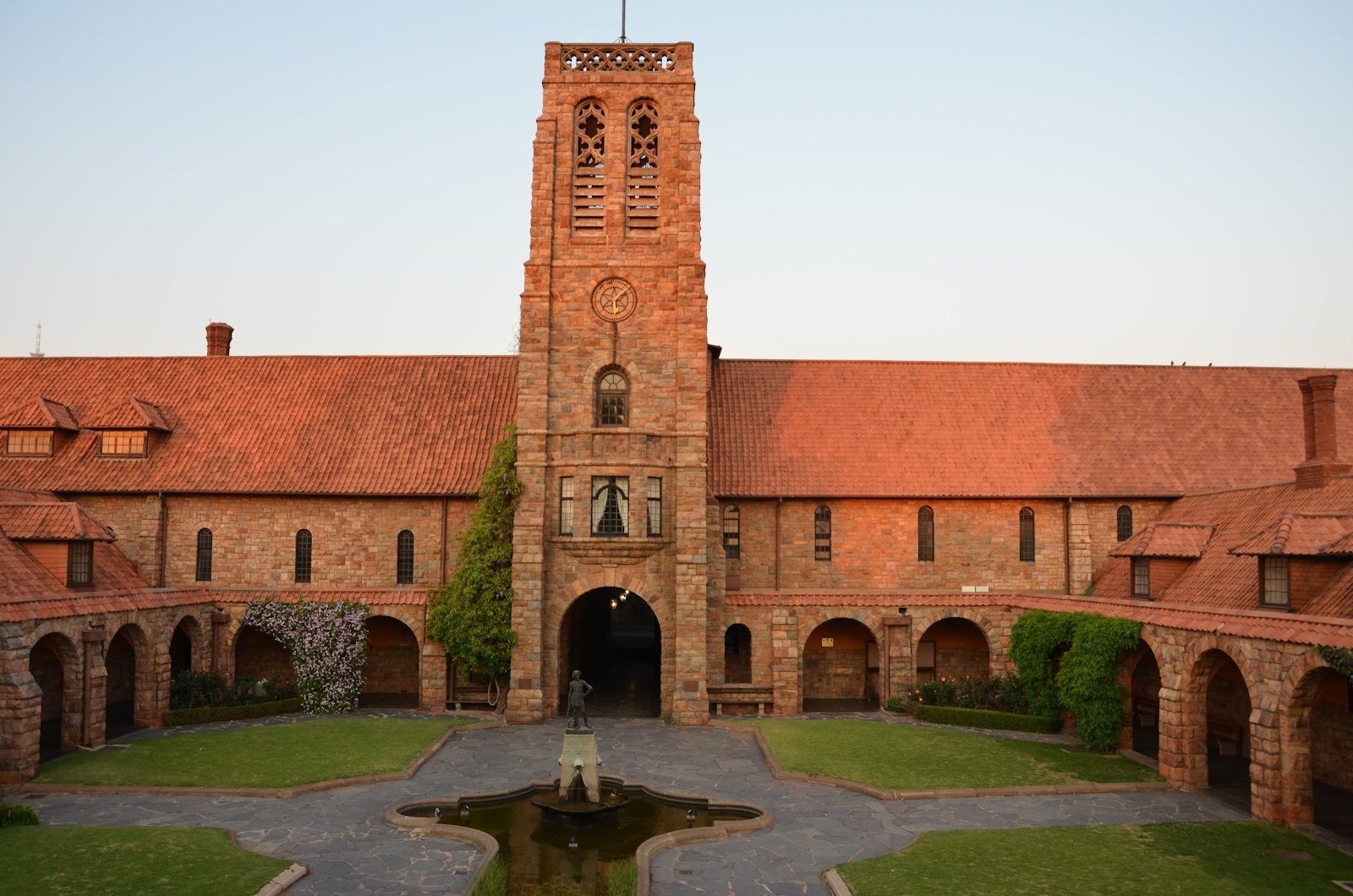
Founded twelve years after the Witwatersrand gold rush, this Anglican boarding college blends Herbert Baker quadrangles with a four-house pastoral tradition
Same country and curriculum — closest matches within ±10 points either way