
Capital Region of Denmark
Copenhagen International School
medium confidence· 4/6 cats · 3.2 avg sourcesOn Copenhagen's harbour edge, an IB campus wrapped in 12,000 sea-green solar tiles powers half its own classrooms
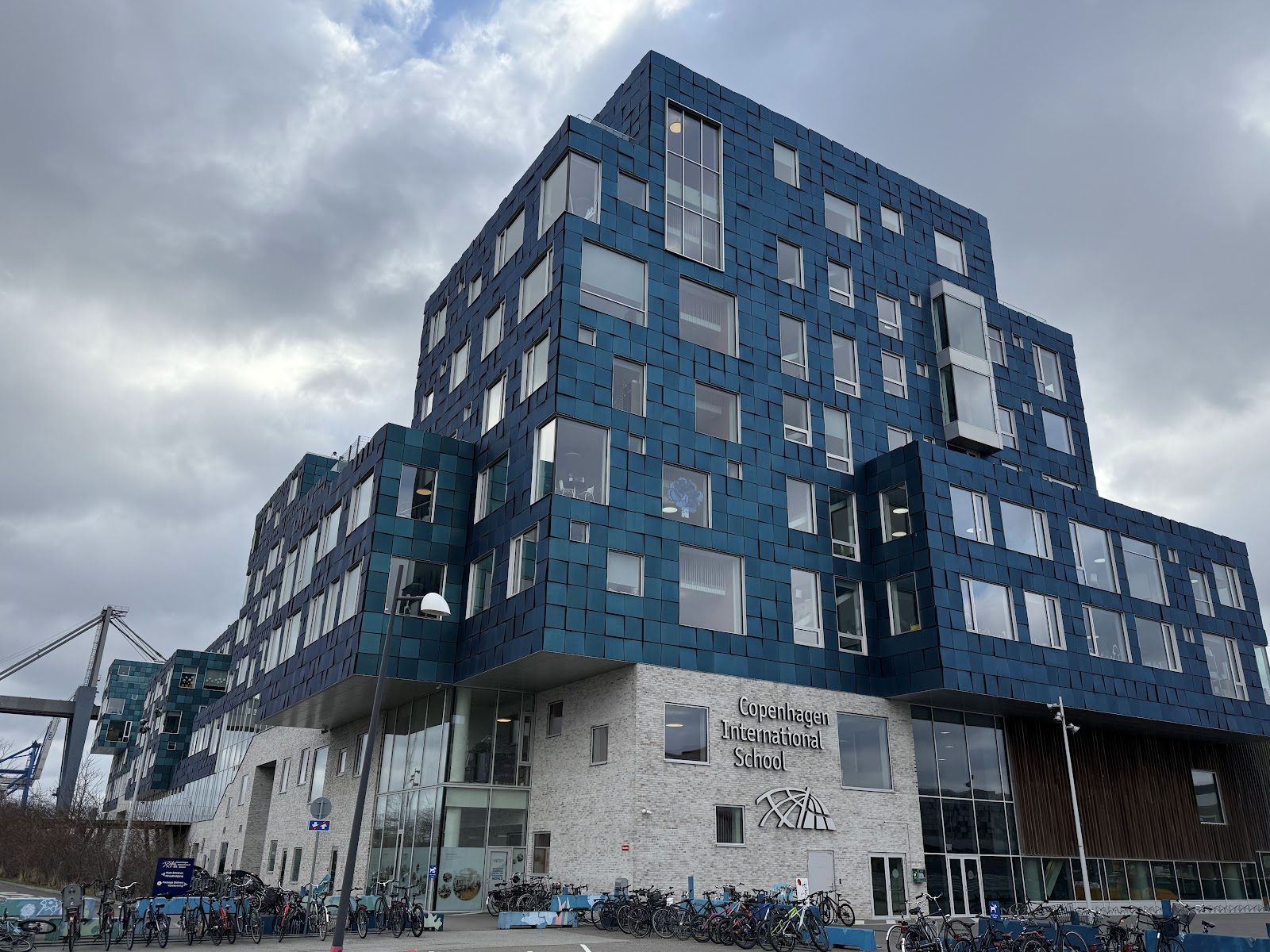
Photo © Gregers Wacher Hansen via Google Maps
Type
Day
Ages
3–18
Curriculum
IB
Qualifications
IB Diploma · IB MYP · IB PYP
Ratio
—
The Verdict
Editor's commitment
Right for
Families wanting a day school in Copenhagen with English teaching, the full IB, and accreditations from IB World School, CIS and NEASC.
Wrong for
Anyone wanting boarding, religious framing, or a broad university pipeline beyond three named destinations: Aberystwyth, Anglia Ruskin and Bath Spa.
Watch out for
Founded in 1963 with around 930 students from 80 nationalities, CIS is international by design; personal attention can thin out fast.
Ranking breakdown
Copenhagen International School · #360 of 1591
Composite score 71.2. 8 weighted criteria.
By criterion
Academic Outcomes
Weight 20%
#450
of 1529 scored
University Placement
Weight 16%
#459
of 1529 scored
Prestige & Heritage
Weight 12%
#446
of 1571 scored
Alumni Network
Weight 12%
#293
of 1530 scored
Facilities
Weight 12%
#406
of 1533 scored
Transparency & Communications
Weight 8%
#554
of 1532 scored
Peer & Industry Review
Weight 10%
#604
of 1548 scored
Admissions Selectivity & Demand
Weight 8%
#334
of 1529 scored
Score history
Copenhagen International School · 2026
Movement across 2024–2026. Peer average overlaid.
Overall — 2024–2026
71.2/ 100
▲ +24.5 vs 2025
year on year
Peer & Industry Review
How Copenhagen International School is regarded in the sector
65
Respected · medium confidence
Copenhagen International School is consistently cited in expat-parent resources (e.g., Expat Arrivals, International School Database, Copenhagen expat forums) as one of the leading IB international schools in Denmark, and its architecturally notable solar-paneled campus received coverage in Dezeen and ArchDaily, boosting its public visibility. However, it does not appear in Tatler, Good Schools Guide, or Sunday Times rankings, and peer/alumni network coverage in specialist education press is limited compared to top-tier globally benchmarked schools.
Evidence sources
Editors' overview
Copenhagen International School occupies a rare position in the Nordic market: a full-through English-medium IB day school in the capital, with the scale to feel international rather than expatriate-club small. Founded in 1963, it serves ages 3–18 and enrols around 930 students from more than 80 nationalities. That mix matters. It gives the school a genuinely international peer group, not a token spread of passports around a dominant local culture. The harbour-edge campus, wrapped in 12,000 sea-green solar tiles, is not cosmetic eco-branding; it is the school’s defining visual signature and a practical statement of intent, generating around 50% of the building’s electricity. Parents who want a school that reflects contemporary Copenhagen — outward-looking, design-literate, environmentally serious — will find that here.
The school’s strongest selling point is clarity. It offers the IB across the age range, teaches in English, and operates as a day school with no religious affiliation. That makes it an efficient choice for internationally mobile families who want continuity from early years to graduation without a mid-course curriculum change. The scale is useful too: large enough to support breadth, small enough to avoid the anonymous sprawl of a mega-campus. The architecture adds real value. A well-designed building does not guarantee a strong school, but it does shape daily life, and CIS has a distinctive sense of place that many international schools lack. This is not a generic suburban campus dropped on a ring road; it is a serious urban school with a clear modern identity.
There are limits. Families seeking a traditional local Danish education, a deeply rooted national culture, or boarding will need to look elsewhere. Recent university destinations in the published data skew modest rather than elite, and the school does not trade on a public league-table narrative. That makes CIS a better fit for parents who judge a school by educational continuity, international composition and environment rather than by a parade of headline university names. It belongs on a shortlist for students who thrive in diverse classrooms, want the IB from start to finish, and value a confident, cosmopolitan setting over old-school prestige. For the right child — internationally minded, adaptable, comfortable in a large mixed community — CIS offers something unusually coherent in Copenhagen.
Academic Performance
Copenhagen International School does not publish the kind of examination data that lets parents place it with confidence against the strongest IB schools in northern Europe. We have not seen average Diploma scores, pass rates across multiple years, subject-level breakdowns, or the share of students reaching the high 30s and 40-plus points that define the sharp end of IB performance. That opacity matters. In a market where serious academic operators release at least headline outcomes, silence reads as a choice. It leaves families without the clearest test of whether the school delivers consistently strong results or trades more on continuity, diversity and environment than on hard academic edge.
The limited destination data in the public domain does not support an image of a results-driven powerhouse. The named university list is thin, with only 1 student each recorded for Aberystwyth, Anglia Ruskin and Bath Spa. That tells us little about the full graduating cohort, but it does not signal a school broadcasting elite placements either. Relative to peers, CIS sits in the opaque middle: established, international, and academically serious enough to offer the full IB route, but without the published outcomes that mark out top-tier performers. Parents who prioritise measurable sixth-form results should press for Diploma averages, distribution by point band, and multi-year university destinations before treating CIS as a leading academic bet.
Facilities
The campus is the facility story. This is not a school with a serviceable block and a playing field; it operates from a purpose-built waterfront building by C.F. Møller Architects that gives daily life a clear physical identity. The solar skin is the headline feature, but the real advantage lies in what that investment usually accompanies at this level: contemporary classrooms, strong circulation space, and a building planned for a full through-school rather than patched together over time. Against peer schools in the Nordic capitals, that puts CIS ahead of older urban campuses that trade on address but work within cramped, retrofitted accommodation. It also gives the school a more coherent environment than many international schools housed in converted office or municipal stock.
That said, the public picture is incomplete. We have not seen a detailed breakdown of specialist provision: no published theatre specification, no serious account of science lab capacity, no clear statement on design technology, music practice rooms, black-box performance space, swimming provision, or the scale of indoor sports facilities. For a school of this type, those omissions matter because competitors at the sharper end publish them plainly. So the verdict is mixed: architecturally, CIS has a standout campus with one of the most instantly recognisable school buildings in the region; on the nuts and bolts of arts, sport and specialist teaching space, the school leaves parents doing more guesswork than it should.
It gives the school a genuinely international peer group, not a token spread of passports around a dominant local culture
Prestige
Copenhagen International School carries solid prestige in its own lane, but not the kind that confers automatic status across the wider international-school market. Its standing rests on three things: a long-established presence in Denmark’s capital, a student body drawn from more than 80 nationalities, and a campus that has become one of the most recognisable pieces of school architecture in northern Europe. That combination gives it real local cachet among internationally mobile families in Copenhagen. It feels serious, visible and metropolitan, not marginal. For parents relocating into the city, that matters: the school is known, legible, and plainly built to serve a global community rather than a narrow embassy circle.
The ceiling on prestige is academic signalling. Top-tier international prestige schools publish outcomes that let families measure selective university traction and examination strength with precision. CIS does not. That weakens its claim to elite academic clout. The recent destinations data in the public domain is also thin and unglamorous, with only 1 student listed for each of the named universities already cited elsewhere. Prestige here therefore comes more from context and composition than from intellectual mystique or old-brand aura. This is a *credible, established international school with strong city standing* and a distinctive public identity, not a rarefied flagship that dominates regional conversations on academic excellence.
For the right child — internationally minded, adaptable, comfortable in a large mixed community — CIS offers something unusually coherent in Copenhagen
Communications
Copenhagen International School has the basic communications advantage that many international schools in transient cities lack: a parent body that is used to movement, deadlines and administrative churn. A school serving children from more than 80 nationalities cannot get away with vague notices and casual assumptions about shared systems. Parents need clear instructions on calendars, transitions, events and everyday logistics, and CIS has every structural reason to communicate in a disciplined, internationally legible way. The quarter-based school year adds another pressure point. Term dates, breaks and reporting rhythms need spelling out cleanly, especially for families arriving from school systems built on different schedules. On that front, the school’s public-facing profile is coherent and easy to grasp.
The weakness is depth. We have not seen the kind of detailed public communication that lets parents judge responsiveness, transparency around leadership decisions, or the quality of academic reporting. There is no rich public trail of published exam analysis, and that matters because results are one of the clearest tests of whether a school communicates with adult candour or hides behind atmosphere and brand. The same applies to facilities detail: the big picture is visible, the operational picture less so. So the verdict is measured but firm. CIS communicates the broad identity of the school very clearly; it communicates the hard edges of performance and provision with *less rigour than strong parents should accept*.
Uniqueness
What sets Copenhagen International School apart is not one feature but the way several line up cleanly: a full-through international school in the capital, a student body spanning 80-plus nationalities, and a purpose-built harbourfront campus that is recognisable on sight. Many international schools claim diversity; CIS has it at a scale that changes the daily texture of the place. Children are not educated inside a narrow expatriate bubble with a few international flags pinned on. They grow up amid constant cross-border movement, different family trajectories and a wide social mix. That gives the school a *genuinely international centre of gravity and a more adult view of the world* than schools where one national culture quietly dominates.
The other point of difference is architectural seriousness. The building is not just attractive; it gives the school a rare civic presence. Students attend a school that looks and feels intentional, contemporary and tied to the city around it rather than hidden on a generic suburban plot. The solar cladding, spread across 12,000 tiles, adds more than visual theatre: it turns sustainability into something visible and concrete in everyday life. That matters. Children absorb institutional values from buildings as much as from assemblies. At CIS, the message is urban, international and future-facing. For students, that brings a stronger sense of belonging to a school with a clear identity rather than a loose collection of classrooms.
Top-tier international prestige schools publish outcomes that let families measure selective university traction and examination strength with precision
Student Profile
This school suits children who are comfortable living among movement: new arrivals, departing families, mixed passports, and classmates whose home lives do not follow one national script. With students from more than 80 nationalities, the social environment is unusually cosmopolitan in a literal sense, not as a brochure line. The best fit is a pupil who enjoys difference rather than merely tolerates it — a child who can make friends across cultures, adapt quickly, and navigate a community where few assumptions hold for everyone. Diplomatic, curious, socially agile students will find room here. So will internationally mobile families who want their children surrounded by peers with similar trajectories. Children who need a tight, familiar local culture or a strongly rooted national identity will get less of that here.
In temperament, CIS fits students who like a modern, urban school and do not need old-world ritual to feel anchored. It will appeal to families who value breadth of peer group, day-to-day internationalism and a grown-up social atmosphere more than tribal school spirit or inherited prestige. The school is also a sound match for children who thrive in a sizeable community without disappearing inside it: there is enough scale to avoid insularity, but not the factory feel of the largest global schools. Students who need heavy hand-holding, or who struggle with constant social flux, may find the environment demanding in quiet ways. The strongest fit is the adaptable, outward-facing child with a good social radar and a measure of independence.
That gives the school a genuinely international centre of gravity and a more adult view of the world than schools where one national culture quietly dominates
Co-curricular strengths
Arts & sport, on a separate axis
Overall 9/10
Scored 0-10 from the school's own published evidence. This axis is editorial-only — it does not feed the main WTS ranking.
Sports
9/10
Absolute international powerhouse; combines traditional competitive field tracking with an environmentally sustainable architectural campus layout.
Drama
9/10
High-quality international theater tracker staging complex productions inside modern theater auditoriums.
Dance
9/10
Highly popular synchronization and ensemble choreography featured prominently during global cultural showcase galas.
Music
9/10
Active symphonic bands and string ensembles supported by high-quality performance suites inside the music wing.
Visual Arts
9/10
Technical fine arts focus housed within custom studio environments, prioritizing portfolio development, photography, and sculpture.
Editor-verified · 8/6/2026
Outcomes & destinations
Where students go next
91 graduates
Top destinations
185 placements
- Aberystwyth University· 1
- Anglia Ruskin University· 1
- Bath Spa University· 1
- Bournemouth University· 1
- Brunel University London· 1
- Cardiff Metropolitan University· 1
- Cardiff University· 1
- Coventry University· 1
- Durham University· 1
- Goldsmiths, University of London· 1
- Heriot-Watt University· 1
- Imperial College London· 1
- Keele University· 1
- King’s College London, University of London· 1
- Kingston University· 1
- London Metropolitan University· 1
- London South Bank University· 1
- Middlesex University· 1
- Oxford-Brookes University· 1
- Queen Mary University of London· 1
- Ravensbourne University London· 1
- Sheffield Hallam University· 1
- St Mary's University, Twickenham· 1
- Swansea University· 1
- The University of Edinburgh· 1
- University College London· 1
- University Academy 92· 1
- University of Aberdeen· 1
- University of Bath· 1
- University of Birmingham· 1
- University of Brighton· 1
- University of Bristol· 1
- University of Cambridge· 1
- University of Chichester· 1
- University of Dundee· 1
- University of East Anglia· 1
- University of East London· 1
- University of Essex· 1
- University of Glasgow· 1
- University of Greenwich· 1
- University of Huddersfield· 1
- University of Kent· 1
- University of Leeds· 1
- University of Leicester· 1
- University of Lincoln· 1
- University of Liverpool· 1
- University of Manchester· 1
- University of Nottingham· 1
- University of Oxford· 1
- University of Roehampton· 1
- University of Reading· 1
- University of Southampton· 1
- University of St Andrews· 1
- University of Surrey· 1
- University of Sussex· 1
- University of the Arts London· 1
- University of the Highlands & Islands· 1
- University of Warwick· 1
- University of West London· 1
- University of Westminster, London· 1
- University of York· 1
- Acadia University· 1
- American University· 1
- Bishop's University· 1
- Boston College· 1
- Boston University· 1
- Brigham Young University· 1
- Buffalo State College· 1
- Carnegie Mellon University· 1
- Case Western Reserve University· 1
- Cleveland Institute of Art· 1
- College of William and Mary· 1
- Colorado State University· 1
- Columbia College Chicago· 1
- Concordia College· 1
- Concordia University· 1
- Cornell College· 1
- Dean College· 1
- Elon University· 1
- Emory University· 1
- Fordham University· 1
- Fraser International College· 1
- George Mason University· 1
- Georgetown University· 1
- Goucher College· 1
- Grinnell College· 1
- Hofstra University· 1
- Humber College· 1
- Kalamazoo College· 1
- Knox College· 1
- Lynn University· 1
- Marist College· 1
- Massachusetts College of Pharmacy and Health Sciences· 1
- McGill University· 1
- McMaster University· 1
- Michigan State University· 1
- Montana State University· 1
- New York University· 1
- North Carolina State University· 1
- Northeastern University· 1
- Occidental College· 1
- Ohio Wesleyan University· 1
- Ontario College of Art and Design· 1
- Pace University· 1
- Palm Beach Atlantic University· 1
- Parson’s School of Design-The New School· 1
- Pennsylvania State University· 1
- Purdue University· 1
- Queen's College, City of New York· 1
- Reed College· 1
- Ryder University· 1
- Savannah College of Art and Design· 1
- Seattle University· 1
- Skidmore College· 1
- St Francis Xavier University· 1
- Stony Brooke University· 1
- Suny Binghamton· 1
- The College of Wooster· 1
- Toronto Metropolitan University· 1
- Tufts University· 1
- Université de Montréal· 1
- University of Alabama· 1
- University of Arizona· 1
- University of British Columbia· 1
- University of California Berkeley· 1
- University of California Irvine· 1
- University of California Los Angeles· 1
- University of California San Diego· 1
- University of Chicago· 1
- University of Colorado Boulder· 1
- University of Florida· 1
- University of Laverne· 1
- University of Michigan Ann Arbor· 1
- University of Minnesota Twin Cities· 1
- University of Missouri· 1
- University of Oregon· 1
- University of Toronto· 1
- York College of Pennsylvania· 1
- Aarhus University· 1
- American University Cairo· 1
- Bocconi University· 1
- Charles University· 1
- Copenhagen Business School· 1
- Copenhagen University· 1
- Denmark’s Technical University· 1
- Ecole Polytechnique· 1
- EDHEC Business School· 1
- Erasmus University Rotterdam· 1
- ESADE· 1
- IE University· 1
- Institute of the Arts Barcelona· 1
- IT University of Copenhagen· 1
- Jacobs University Germany· 1
- John Cabot University· 1
- Jönköping Business University· 1
- KU Leuven· 1
- La Sorbonne Paris I· 1
- Leiden University· 1
- Leiden University College· 1
- Luiss Guido Carli University· 1
- Maastricht University· 1
- Medical University of Warsaw· 1
- Radboud University· 1
- Roskilde University· 1
- Saarland University· 1
- Sciences Po· 1
- Southern Denmark University· 1
- Stenden Hogeschool· 1
- The American University of Rome· 1
- Tilburg University· 1
- Trinity College Dublin· 1
- TU Delft· 1
- UCAM Catholic University of Murcia· 1
- University College of Utrecht· 1
- University Groningen· 1
- University of Amsterdam· 1
- University of Copenhagen· 1
- University of Guelph· 1
- University of Nicosia· 1
- University of Zurich· 1
- Utrecht University· 1
- Vrije Universiteit Amsterdam· 1
- Deakin University· 1
- University of Auckland· 1
- University of Queensland· 1
Reported by the school. Confirm with admissions.
Strengths
- +Copenhagen International School was founded in 1963 and is one of the founding schools of the International Baccalaureate, holding an early IBO school number.
- +The purpose-built Nordhavn campus spans about 25,000 square metres across four towers, with a theatre, two rooftop greenhouses, three gyms and dedicated design, ceramics and visual-arts spaces.
- +CIS delivers the full IB continuum (PYP, MYP and DP) and is also NEASC-accredited, allowing students to graduate with a US high school diploma alongside the IB Diploma.
- +The school enrols roughly 900 students representing more than 80 nationalities, giving genuinely broad expat diversity rather than a dominant single-nationality cohort.
- +Recent IB Diploma results have run above the worldwide average, with a 90% pass rate and an average score of 33 for the Class of 2024 against a global mean pass rate and score that were lower.
Considerations
- −Annual tuition of roughly DKK 126,000-177,000 is compounded by a substantial one-off registration fee (DKK 25,000-40,000 depending on year) and a non-refundable application fee.
- −Families who do not supply a Danish CPR number and matching address by 5 September face an extra charge of up to DKK 45,000 per year because the school then loses its state subsidy for that pupil, a quirk that penalises newly arrived expats.
- −The campus sits in Nordhavn, a redeveloped harbourfront district north of the city centre, which can mean a longer commute for families based in other parts of greater Copenhagen.
- −Despite its founding-IB pedigree, the school's current editorial ranking places it in the challenger tier rather than among the most highly rated international schools globally.
Availability
Primary entry gate & tests
Academic Record
Gallery
Photo © Abdalla Khalil (BIBOLICIOUS) via Google Maps
Photo © Abdalla Khalil (BIBOLICIOUS) via Google Maps
Photo © Mark Ruvald via Google Maps
Photo © James E via Google Maps
Photo © Philipp Schoppmeier via Google Maps
Parent reviews
Have you sent your child here?
Voice reviews carry the strongest trust badge — we transcribe them for you to tidy up before they go live. Prefer to type? A written review is fine too.
Add your voice
In 60 seconds, tell other parents: what's the best thing about Copenhagen International School, and what surprised you when your child joined?
We ask for a Google sign-in so every review has a real face behind it — no anonymous drive-by attacks on schools, and no faked positive reviews. Your email is never shown publicly.
Send this profile to a friend
International parents rely on word-of-mouth. Share this review with someone weighing the same decision.
Schools with places
Similar schools to Copenhagen International School with places available now.
St Peter's International School
Palmela · Portugal
- 2026-27
- WAITPOOLSpace-dependent
- 2027-28
- PLACES OPENRolling
Munich International School
Starnberg · Germany
- 2026-27
- WAITPOOLSpace-dependent
- 2027-28
- PLACES OPENRolling
North London Collegiate School Dubai
Dubai · United Arab Emirates
- 2026-27
- WAITPOOLSpace-dependent
- 2027-28
- OPENS SOONOpens Sept '26
Frankfurt International School
Frankfurt · Germany
- 2026-27
- WAITPOOLSpace-dependent
- 2027-28
- PLACES OPENRolling
Availability first, then country, area, curriculum, price, co-curricular
Consider also
Also worth looking at alongside Copenhagen International School.
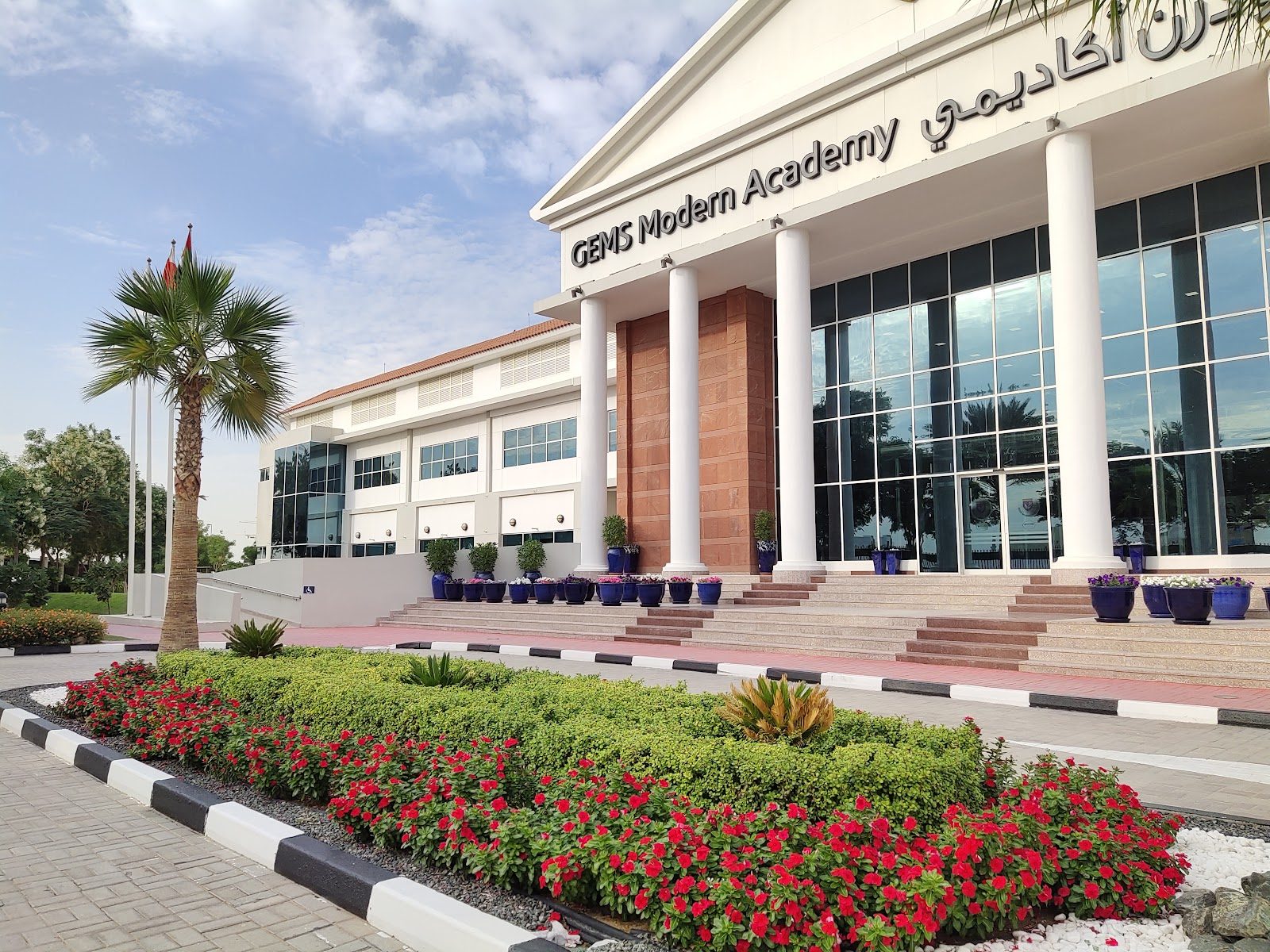
GEMS Modern Academy
Dubai · United Arab Emirates
Where the CISCE curriculum and the IB Diploma share one campus, and the only Indian-curriculum school in Dubai rated Outstanding by KHDA.
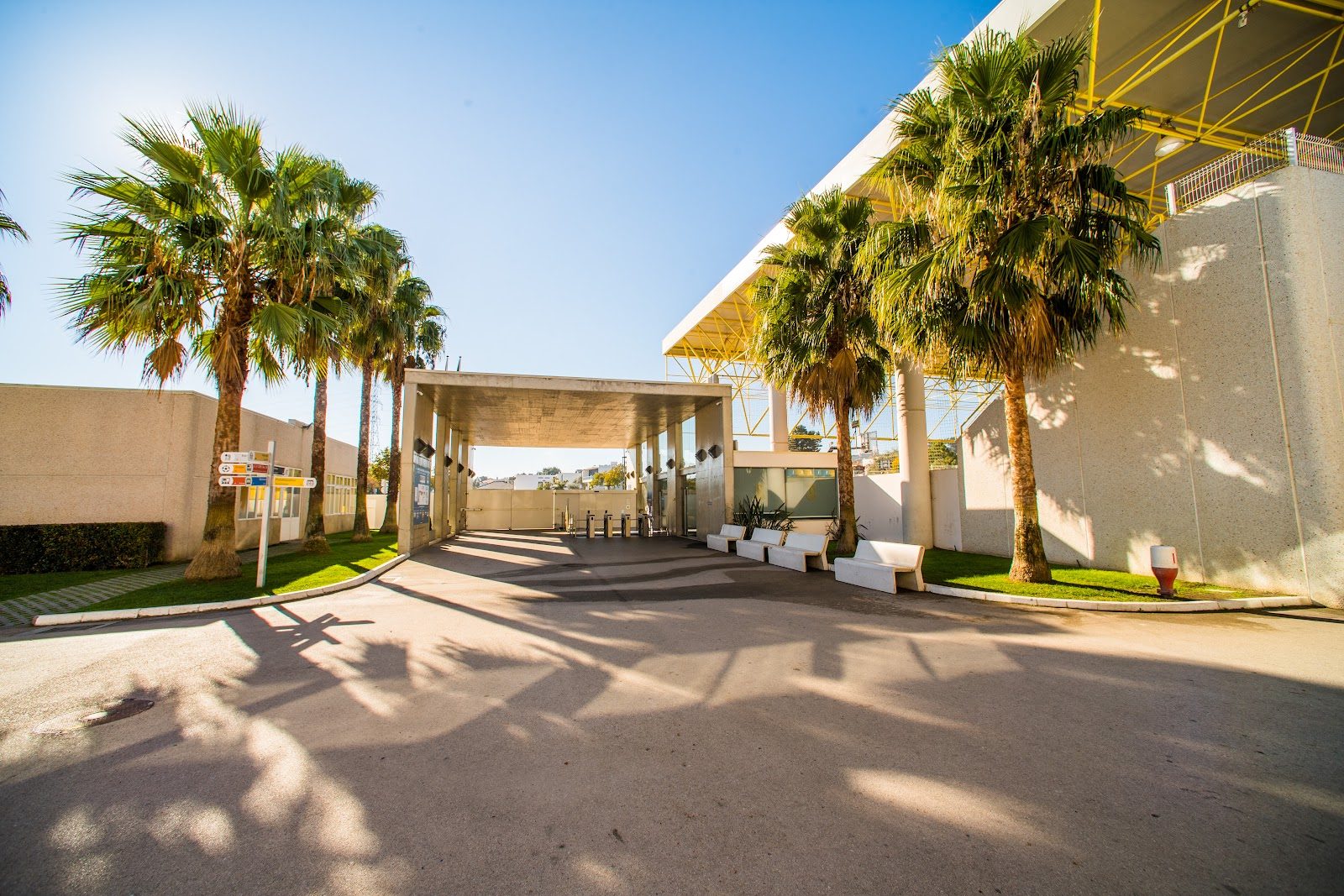
St Peter's International School
Palmela · Portugal
Between Lisbon and Comporta, twin pathways pair Portugal's national curriculum with British IGCSEs and the IB Diploma
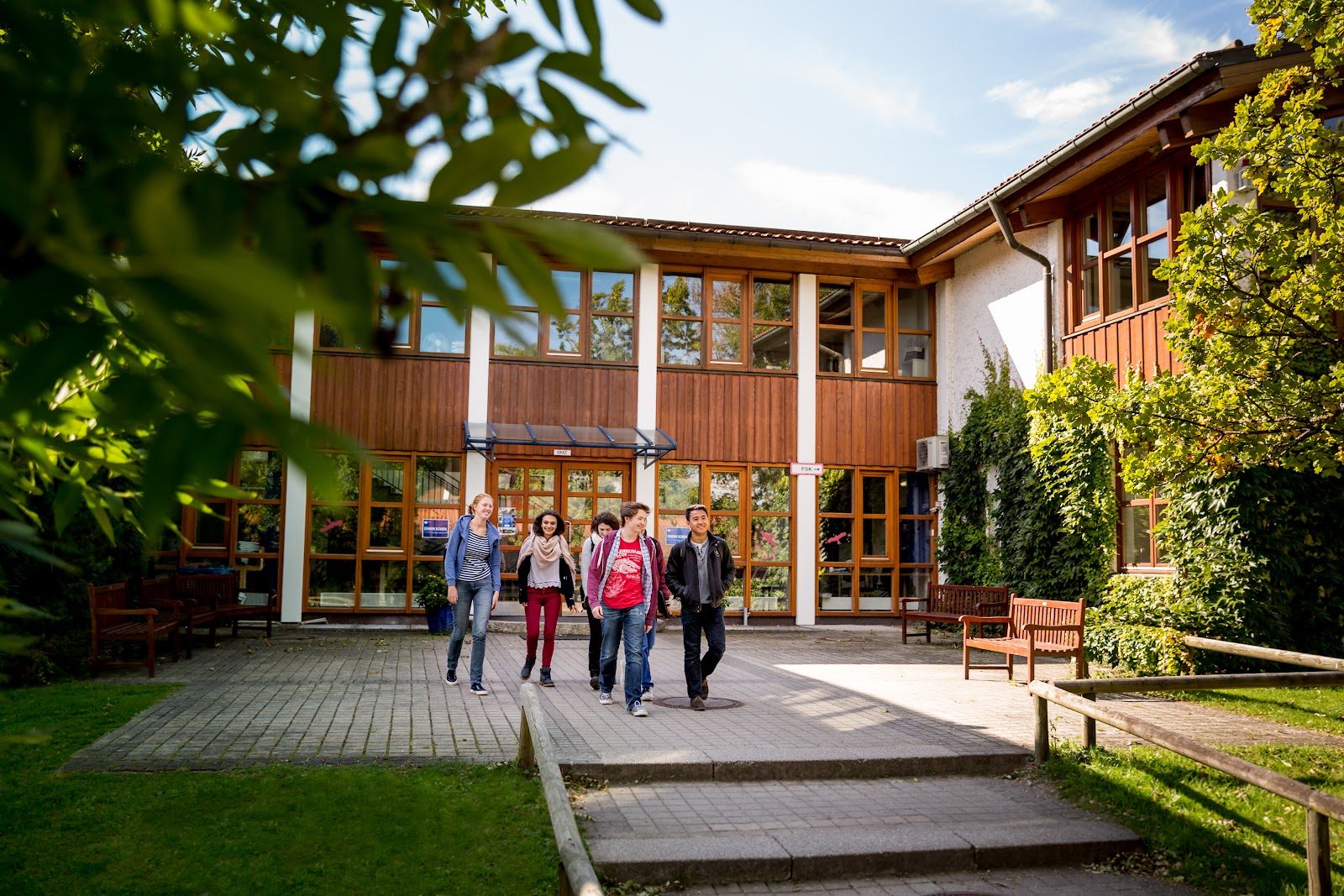
Munich International School
Starnberg · Germany
Housed in a former 1875 castle on Lake Starnberg, this Bavarian campus channels nearly every senior into the full IB Diploma.
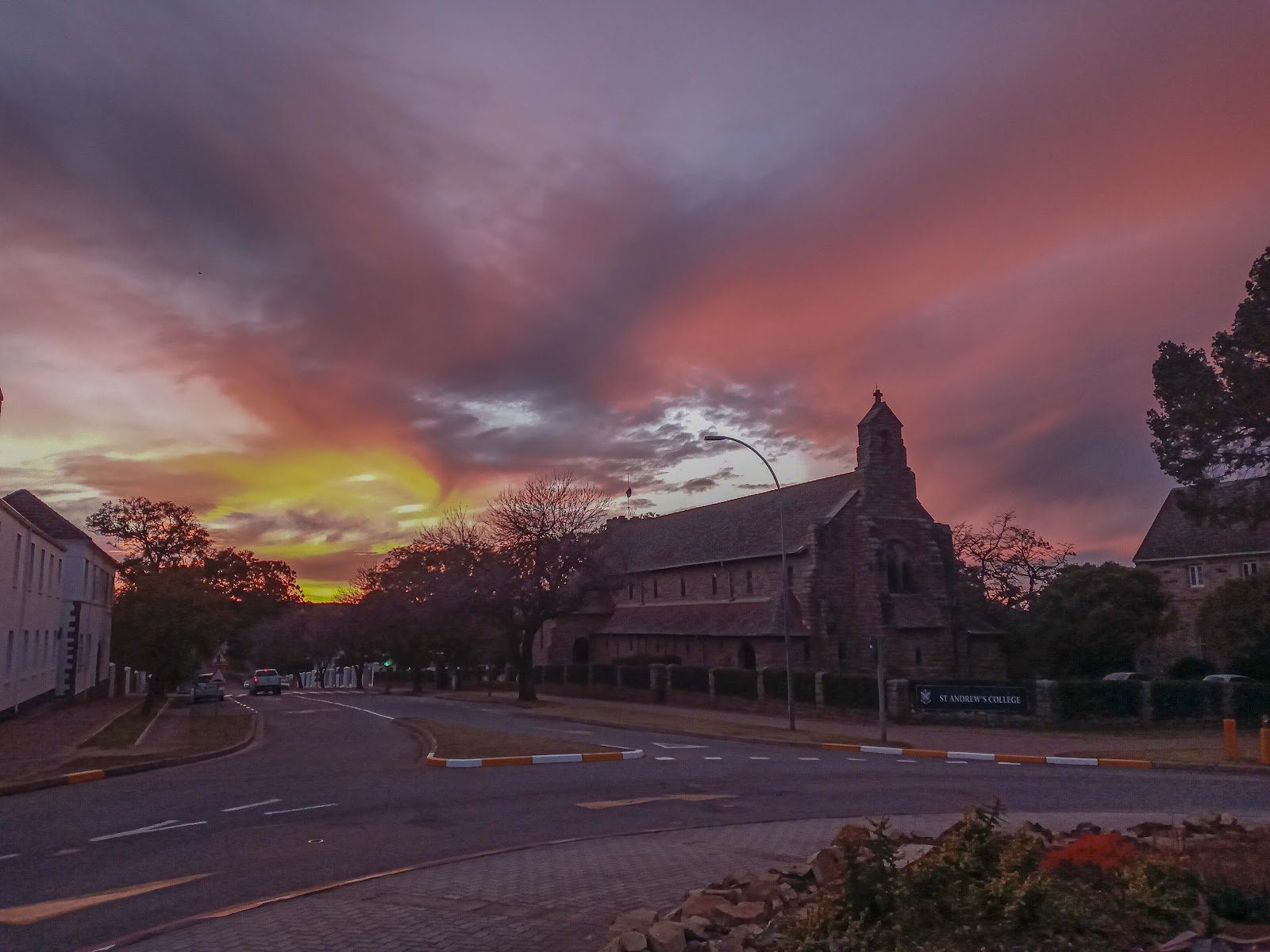
St Andrew's College
Makhanda · South Africa
On the Eastern Cape frontier since 1855, house tradition and shared classes with a sister school shape a distinct boarding life.
Same country and curriculum — closest matches within ±10 points either way