Kanagawa Prefecture
Yokohama International School
high confidence· 6/6 cats · 3.09 avg sourcesFounded in 1924 as the world's second 'international' school, now an IB campus by Kengo Kuma overlooking Yokohama Bay.
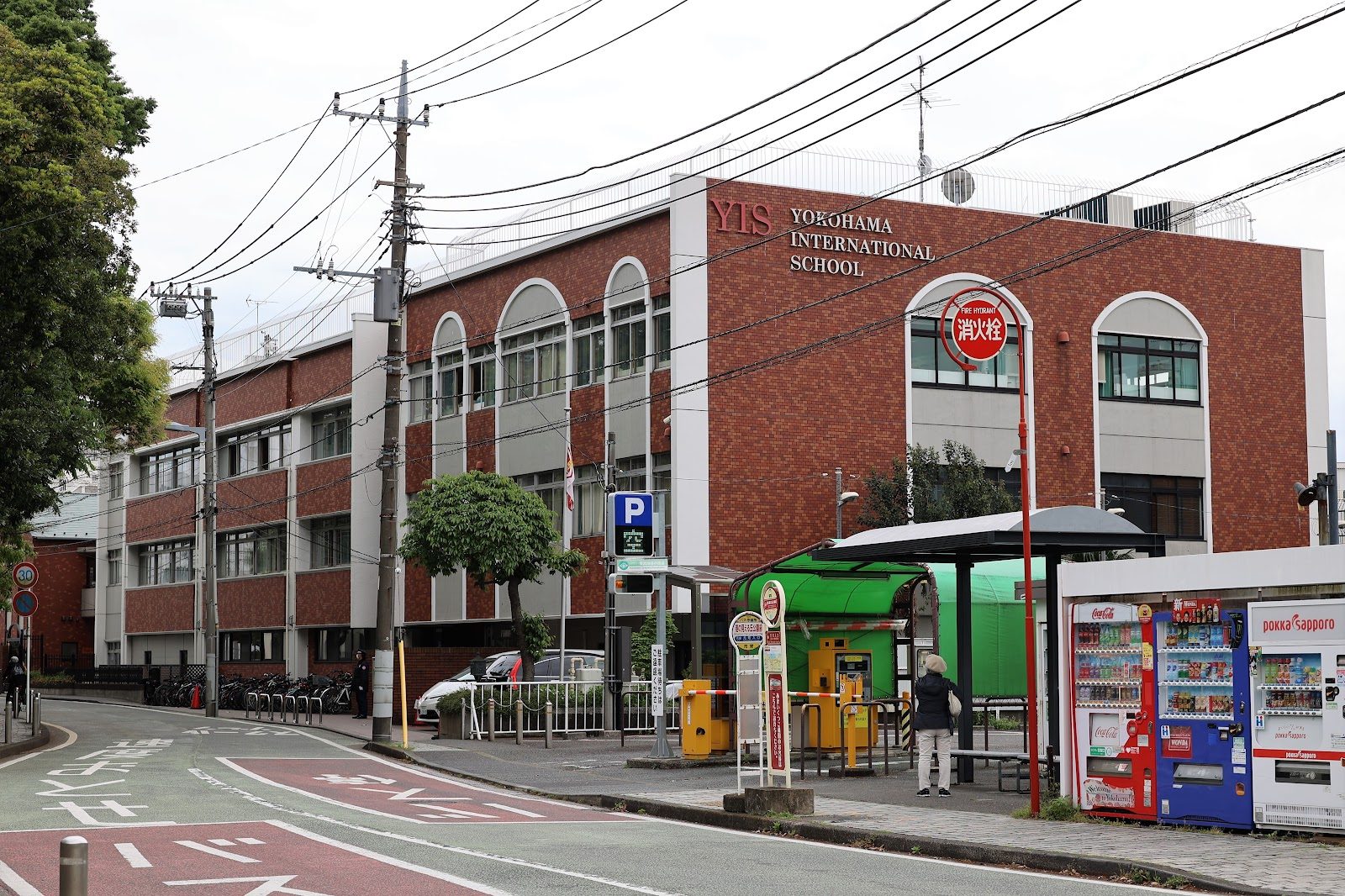
Photo © M Inu via Google Maps
Type
Day
Ages
3–18
Curriculum
IB
Ratio
—
The Verdict
Editor's commitment
Right for
Families who want a 1924-founded, English-medium IB school with CIS and WASC backing, plus a genuinely international roll of 50+ nationalities.
Wrong for
Parents chasing a cheaper option than the JPY 2,945,000 average annual day fee, or a conventional exam factory over student-centred IB learning.
Watch out for
Recent destinations skew modestly published: Doshisha University three, University of Melbourne one, Hosei one; no broader university outcomes are disclosed.
Ranking breakdown
Yokohama International School · #497 of 1591
Composite score 70.4. 8 weighted criteria.
By criterion
Academic Outcomes
Weight 20%
#511
of 1529 scored
University Placement
Weight 16%
#584
of 1529 scored
Prestige & Heritage
Weight 12%
#552
of 1529 scored
Alumni Network
Weight 12%
#454
of 1529 scored
Facilities
Weight 12%
#207
of 1529 scored
Transparency & Communications
Weight 8%
#204
of 1529 scored
Peer & Industry Review
Weight 10%
#426
of 1529 scored
Admissions Selectivity & Demand
Weight 8%
#1156
of 1529 scored
Score history
Yokohama International School · 2026
Movement across 2024–2026. Peer average overlaid.
Overall — 2024–2026
70.4/ 100
▲ +24.3 vs 2025
year on year
Peer & Industry Review
How Yokohama International School is regarded in the sector
65
Respected · medium confidence
Yokohama International School (YIS), founded in 1924, is one of the oldest and most established international schools in Japan, and is regularly cited in expat-parent forums and 'best international schools in Japan' roundups alongside ASIJ and Nagoya International. It holds accreditation from Council of International Schools (CIS) and WASC, which are used as third-party quality benchmarks in specialist education directories, and is frequently referenced in Japan-based expat community discussions (e.g. Tokyo/Yokohama expat forums, GaijinPot family/education guides) as a solid, long-standing choice. However, it lacks the broader international press profile, Tatler-style coverage, or globally recognized alumni network that would place it in the 75+ tier.
Evidence sources
Editors' overview
Kengo Kuma’s bay-facing campus gives Yokohama International School a physical identity that many long-established international schools lack, but the stronger distinction sits elsewhere: this is a school founded in 1924, with a century of institutional memory, that now runs as a full English-medium IB school for ages 3 to 18. In Japan, that combination matters. YIS is old enough to have roots, international enough to avoid parochialism, and clear enough about its educational model to attract families who want an inquiry-led education rather than a national curriculum in translation. The school states class sizes of 16 to 22 and a community of more than 50 nationalities, backed by CIS, WASC and IB World School accreditation. That points to a school with real international breadth, not just an expatriate label.
The attraction for parents is not brute academic signalling; YIS’s published profile leans harder into authentic learning, service, expeditions and leadership than into trophy-hunting. That will suit some families and deter others. If you want a school that defines success narrowly through university placement tables and public exam statistics, YIS is less satisfying: it does not publish the kind of headline-grabbing outcomes data that more aggressively academic schools use as sales ammunition. The recent destinations listed here — Doshisha University, Hosei University and the University of Melbourne — are respectable, but not a statement of elite-placement dominance. What YIS does offer is a mature international culture, safeguarding embedded into school life, and a student-centred structure that gives space to voice, initiative and independence. At an average annual day fee of JPY 2,945,000, it sits in the premium bracket for the Yokohama market, and parents should expect substance rather than flash.
The student who will thrive here is curious, articulate and comfortable in a diverse community rather than obsessed with rank-order competition. This is a strong fit for internationally mobile families, globally minded local families, and children who benefit from discussion-based learning, personal pathways and a campus culture that values belonging as much as attainment. It is also a good shortlist school for students who want the IB all the way through in English, without the scale and impersonality that can come with a giant city-campus operation. Less suitable: children who need a highly traditional, exam-drilled environment or families who want granular published outcomes before they commit. YIS’s case rests on *character, continuity and cosmopolitanism* — and for the right child, that is a serious proposition.
Academic Performance
YIS does not publish the external-results detail that serious comparison requires. We have not seen aggregate Diploma averages, subject distributions, pass rates, top-score counts, or multi-year outcomes trends. That leaves parents without the clean benchmarking data that stronger self-promoters in the sector put front and centre. In academic-performance terms, that is a real blind spot. The school talks at length about personal pathways, expeditions, service and student voice; it says much less about hard attainment. That does not indict the teaching, but it does place YIS outside the group of results-led international schools that use public exam data as a core part of their case.
Relative to peers, YIS therefore sits in a hard-to-rank middle ground: established, credible and clearly serious, but not transparent enough on outcomes to claim a top academic tier. The recent university destinations listed here are respectable rather than status-saturated, with 3 students heading to Doshisha and 1 each to Melbourne and Hosei. That pattern points to a school serving a mixed ambitions profile, not a narrow pipeline into the most selective Anglo-American universities. For some families, that breadth is a strength. For others, especially those paying an average of JPY 2,945,000 a year and expecting forensic evidence of exam performance, the lack of published results is a material weakness.
Facilities
The campus is the headline facility here, and with reason. Opened in 2022, it gives YIS a level of physical coherence that many older international schools never achieve after years of piecemeal expansion. The school occupies 14,685 square metres, with flexible classrooms, communal hubs and specialist spaces designed around collaboration rather than corridor-and-cell discipline. That matters in daily use: schools that talk about inquiry and student agency need rooms that support movement, discussion and project work, not just rows of desks. The setting overlooking the bay adds presence, but the stronger point is functional. This is a serious modern campus, not a nostalgic site trading on history. Against peers in the greater Tokyo-Yokohama market, YIS sits in the upper tier for physical environment, especially for families who care about design, light and how space shapes behaviour.
Beyond the architecture, the most important provision sits in breadth of use. The school ties facilities directly to expeditions, service work, leadership retreats and an early years programme shaped by Reggio Emilia principles, so the campus works as a base for hands-on learning rather than a sealed academic box. That gives YIS more texture than city schools whose facilities are efficient but generic. The trade-off is also clear: we do not see the kind of sports-centre arms race or performing-arts spectacle that some premium competitors use to impress on tours. YIS’s offer is thought-through, student-centred and physically strong, but not built around flashy excess.
We have not seen aggregate Diploma averages, subject distributions, pass rates, top-score counts, or multi-year outcomes trends
Prestige
YIS carries real standing in Japan’s international-school market, but it is not a trophy brand in the way that a handful of globally recognised names trade on inherited cachet. Its prestige rests on three sturdier things: longevity, a serious international identity, and a community with genuine breadth rather than a token overseas mix. More than 50 nationalities on roll and faculty drawn from 26 countries give the school social and cultural credibility that many “international” schools never achieve. The Kengo Kuma campus adds architectural distinction and signals confidence, but buildings do not create reputation on their own. What gives YIS weight is that it has had time to build trust across generations of expatriate and internationally minded local families. That is earned prestige, not borrowed glamour.
The limitation is clear. YIS does not publish the sort of hard outcomes data that turns esteem into academic clout. Nor do the destination figures here mark it out as a school that dominates the top end of global university admissions. Prestige, then, sits more in the school’s culture and network than in raw selectivity or results theatre. Small classes of 16 to 22 strengthen that case: parents buying into YIS are paying for voice, adult attention and a more personal education, not an industrial exam machine. At an average annual fee of JPY 2,945,000, that proposition is expensive but intelligible. The school’s status is secure, civilised and internationally credible — just not rarefied.
Nor do the destination figures here mark it out as a school that dominates the top end of global university admissions
Communications
YIS communicates with parents in a way that is clear, value-led and more polished than many long-established schools manage. The public-facing message is coherent: student experience, safeguarding, belonging, experiential learning and individual pathways sit at the centre, and the school repeats those priorities with discipline rather than clutter. That matters. Parents can tell, quickly, what the school cares about and what kind of child it is built for. The website is well structured, easy to navigate and specific on day-to-day points that families actually use, including class sizes, faculty breadth and practical descriptions of each phase. The school also keeps a visible social-media presence across multiple channels, which strengthens routine community contact. With students from more than 50 nationalities and faculty from 26 countries, that level of clarity is not optional; it is basic operational competence.
The weakness is not tone or organisation but disclosure. YIS communicates culture better than performance. It explains ethos, pastoral intent and learning experience in considerable detail, yet leaves parents without the hard outcomes data that informed decision-making requires. That imbalance makes the communications persuasive but incomplete. Families who prioritise community fit, safeguarding and educational philosophy will find the school’s messaging confident and easy to trust. Families who want published attainment data, trend lines and sharper academic accountability will find a real information gap. In short: strong on identity, disciplined on message, weaker on evidence.
Uniqueness
What sets YIS apart is not one headline feature but an unusual combination: deep institutional memory paired with a campus and teaching model built for contemporary international families. Many old schools become conservative; many newer schools lack roots. YIS has both history and renewal. Its early years provision draws explicitly on Reggio Emilia thinking, which gives the school a distinctive start for younger children: more attention to curiosity, expression and environment than to premature formalism. Higher up the school, the emphasis on expeditions, service projects and leadership retreats gives the student experience a clear outward tilt. This is not an education sealed inside classrooms. The public case the school makes is about learning through action, responsibility and reflection.
That brings tangible benefits for the right child. Small classes of 16 to 22 create room for participation, and a community spanning more than 50 nationalities gives daily life a genuinely international texture rather than an expatriate veneer. Staff drawn from 26 countries add to that range. Students therefore grow up in a setting where difference is routine, not staged for international-day optics. The payoff is strongest for children who thrive on discussion, initiative and cross-cultural ease. YIS builds self-possession, social fluency and a habit of engaging with the world beyond school. Families seeking a hard-edged, exam-publicity culture will find more distinctive options elsewhere; families who want an international school with substance over theatre will find a rarer proposition here.
The school states class sizes of 16 to 22 and a community of more than 50 nationalities, backed by CIS, WASC and IB World School accreditation
Student Profile
This is a good school for children who like to take part, speak up and build relationships across difference. The mix of more than 50 nationalities gives daily life a genuinely international social rhythm, not a local school with an overseas add-on, and the school’s emphasis on inquiry, service and expeditions suits students who learn by doing rather than by sitting quietly and absorbing instruction. Children who enjoy discussion, reflection and collaborative work will find room here. So will families who want their child known well by adults, not processed through a huge system. The class-size range of 16 to 22 supports that more personal, voice-rich environment.
The less suitable fit is equally clear. YIS is not built for students who want a hard-driving, rank-obsessed atmosphere or who need constant external pressure to stay motivated. It asks for self-direction, openness and a degree of social confidence. Children who prefer fixed routines, traditional teacher-led instruction and a narrow definition of success may find the culture too diffuse or too idealistic. The strongest fit is the internationally minded child — expatriate or local — who is comfortable among peers from many backgrounds, willing to engage in the life of the community, and interested in becoming a thoughtful participant rather than just a high-scoring candidate.
That points to a school with real international breadth, not just an expatriate label
Co-curricular strengths
Arts & sport, on a separate axis
Overall 8.78/10
Scored 0-10 from the school's own published evidence. This axis is editorial-only — it does not feed the main WTS ranking.
Sports
8.8/10
Football, basketball and volleyball teams, showing a clear multi-sport extracurricular offering.
Drama
8.8/10
Drama productions, which is stronger than a bare club listing because it evidences active staged participation, but no theatre, department or recurring named productions are given.
Dance
8.5/10
Music
9/10
Both choir ensemble and jazz band, indicating multiple named music activities with visible participation.
Visual Arts
8.8/10
Editor first-pass · editor-reviewable · 7/28/2026
Outcomes & destinations
Where students go next
Class of 2023
Top destinations
217 placements
- University of Melbourne· 1
- Doshisha University· 3
- Hosei University· 1
- International Christian University· 6
- Keio University· 1
- Meiji Gakuin University· 1
- Osaka University· 1
- Ritsumeikan University· 2
- Sophia University· 8
- Temple University Japan· 2
- University of Tokyo· 1
- Waseda University· 10
- Otago Polytechnic University· 1
- Yonsei University· 1
- ESCP Europe Business School, Paris· 2
- ESSEC Business School, Cergy-Pontoise· 1
- The American University of Paris· 1
- University of Toulouse Jean Jaurès· 1
- TU Munich· 1
- University of Debrecen· 1
- Trinity College Dublin, the University of Dublin· 1
- Bocconi University· 1
- Cattolica International· 4
- Luiss Guido Carli· 1
- Amsterdam University College· 2
- Amsterdam University of Applied Science· 1
- Delft University of Technology· 2
- Erasmus University Rotterdam· 2
- Leiden University· 1
- Maastricht University· 3
- Tilburg University· 2
- University of Amsterdam· 5
- University of Groningen· 1
- VU University of Amsterdam· 1
- IE University· 3
- Brunel University· 1
- Durham University· 2
- Hull York Medical School· 1
- Imperial College London· 2
- King's College London· 4
- London School of Economics· 1
- Queen Mary University of London· 3
- University College London· 4
- University of Bath· 1
- University of Bristol· 2
- University of Cambridge· 2
- University of Edinburgh· 1
- University of Leeds· 1
- University of Manchester· 1
- University of Reading· 2
- University of St. Andrews· 1
- University of the Arts, London· 1
- University of Warwick· 2
- Brock University· 1
- Emily Carr University of Art and Design· 2
- McMaster University· 1
- Simon Fraser University· 4
- University of British Columbia· 10
- University of Toronto· 13
- University of Waterloo· 1
- University of Western Ontario· 2
- York University· 2
- Boston University· 1
- Cal Poly, Humboldt· 1
- California State University, Long Beach· 1
- Colby College· 1
- Cornell University· 1
- Drexel University· 1
- Embry-Riddle Aeronautical University· 1
- Emerson College· 1
- The New School· 1
- Pennsylvania State University· 1
- University of Arizona· 1
- University of California, Berkeley· 2
- University of California, Davis· 1
- University of California, Irvine· 3
- University of California, Los Angeles· 1
- University of Chicago· 2
- University of Florida· 1
- University of Hawaii at Manoa· 4
- University of Massachusetts Boston· 2
- University of Michigan Ann Arbor· 1
- University of North Carolina at Chapel Hill· 1
- University of Notre Dame· 1
- University of Oregon· 1
- University of Pennsylvania· 2
- University of Pittsburgh· 1
- University of Southern California· 1
- University of Texas, Austin· 1
- University of Utah· 1
- University of Washington· 5
- University of Wisconsin, Madison· 1
- Whittier College· 1
- Fashion Institute of Technology· 2
- George Mason University· 2
- George Washington University· 1
- Houghton College· 1
- Kalamazoo College· 1
- Loyola Marymount University· 1
- Lynn University· 1
- Michigan State University· 1
- Middlebury College· 1
- New York University· 1
- Northeastern University· 4
- Northwestern University· 1
- Occidental College· 1
- Parsons The New School· 1
- Pratt Institute· 2
- Purdue University· 2
- Rhode Island School of Design· 1
- Savannah College of Art and Design· 1
- School of the Art Institute of Chicago· 1
- Seattle Pacific University· 1
- Seattle University· 1
- Springfield College· 1
Reported by the school. Confirm with admissions.
Strengths
- +Founded in 1924, YIS is one of the world's oldest schools to carry the name 'international school' and has run a full IB continuum (PYP, MYP, DP) since introducing the Diploma Programme in 1986.
- +2025 IB Diploma results show a 95 percent pass rate (65 of 68 candidates), an average score of 32 and a top score of 44, ahead of typical global averages.
- +The school holds dual accreditation from ECIS and NEASC (since 1991) and was the first school in Japan authorised to offer the IB Primary Years Programme, in 2001.
- +A genuinely international student body of 40-plus nationalities, with a long-standing draw for Scandinavian and other European diplomatic families alongside a growing East Asian expat cohort.
- +Tuition is comprehensive by local standards, bundling school-issued devices, IBDP/ISA/PSAT exam fees and most expeditions, so fewer surprise add-on costs than some competitor schools.
Considerations
- −Costs extend well beyond headline tuition: a one-time registration fee of JPY 1,350,000 and an annual campus development fee of roughly JPY 385,000 sit on top of tuition of JPY 2.88m-3.67m.
- −When demand exceeds space, applicants are placed in a wait pool, with priority given to siblings, staff children and returning alumni, which can disadvantage first-time applicant families.
- −English proficiency sufficient to access the curriculum is required from Middle School onward, and EAL/ESL support places are limited, narrowing the path for later-arriving non-English speakers.
- −Enrollment (around 800 students, class sizes near 19) is modest compared with the largest Tokyo-area IB schools, which can mean a narrower spread of elective and DP subject options.
Availability
Primary entry gate & tests
Academic Record
Gallery
Photo © Yokohama International School via Google Maps
Photo © Andres Villegas via Google Maps
Photo © Nathan Gildart via Google Maps
Photo © R F via Google Maps
Photo © Nathan Gildart via Google Maps
Photo © dc info via Google Maps
Photo © Kaz I via Google Maps
Photo © Yokohama International School via Google Maps
Photo © Yokohama International School via Google Maps
Parent reviews
Have you sent your child here?
Voice reviews carry the strongest trust badge — we transcribe them for you to tidy up before they go live. Prefer to type? A written review is fine too.
Add your voice
In 60 seconds, tell other parents: what's the best thing about Yokohama International School, and what surprised you when your child joined?
We ask for a Google sign-in so every review has a real face behind it — no anonymous drive-by attacks on schools, and no faked positive reviews. Your email is never shown publicly.
Send this profile to a friend
International parents rely on word-of-mouth. Share this review with someone weighing the same decision.
Schools with places
Similar schools to Yokohama International School with places available now.
Availability first, then country, area, curriculum, price, co-curricular
Consider also
Also worth looking at alongside Yokohama International School.
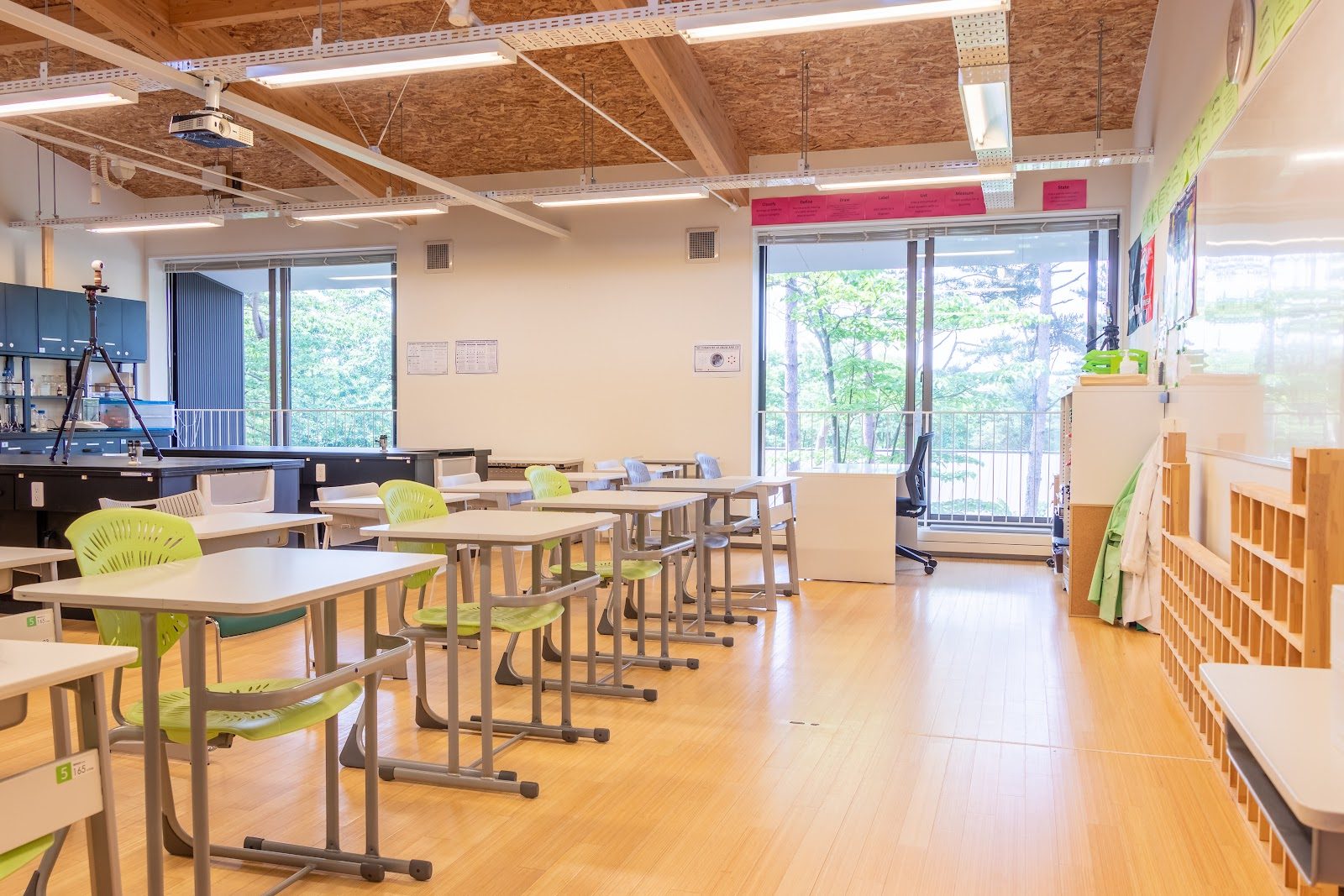
UWC ISAK Japan
Karuizawa · Japan
Japan's only UWC campus, tucked on Mount Asama, where seven in ten students study on need-based scholarship.
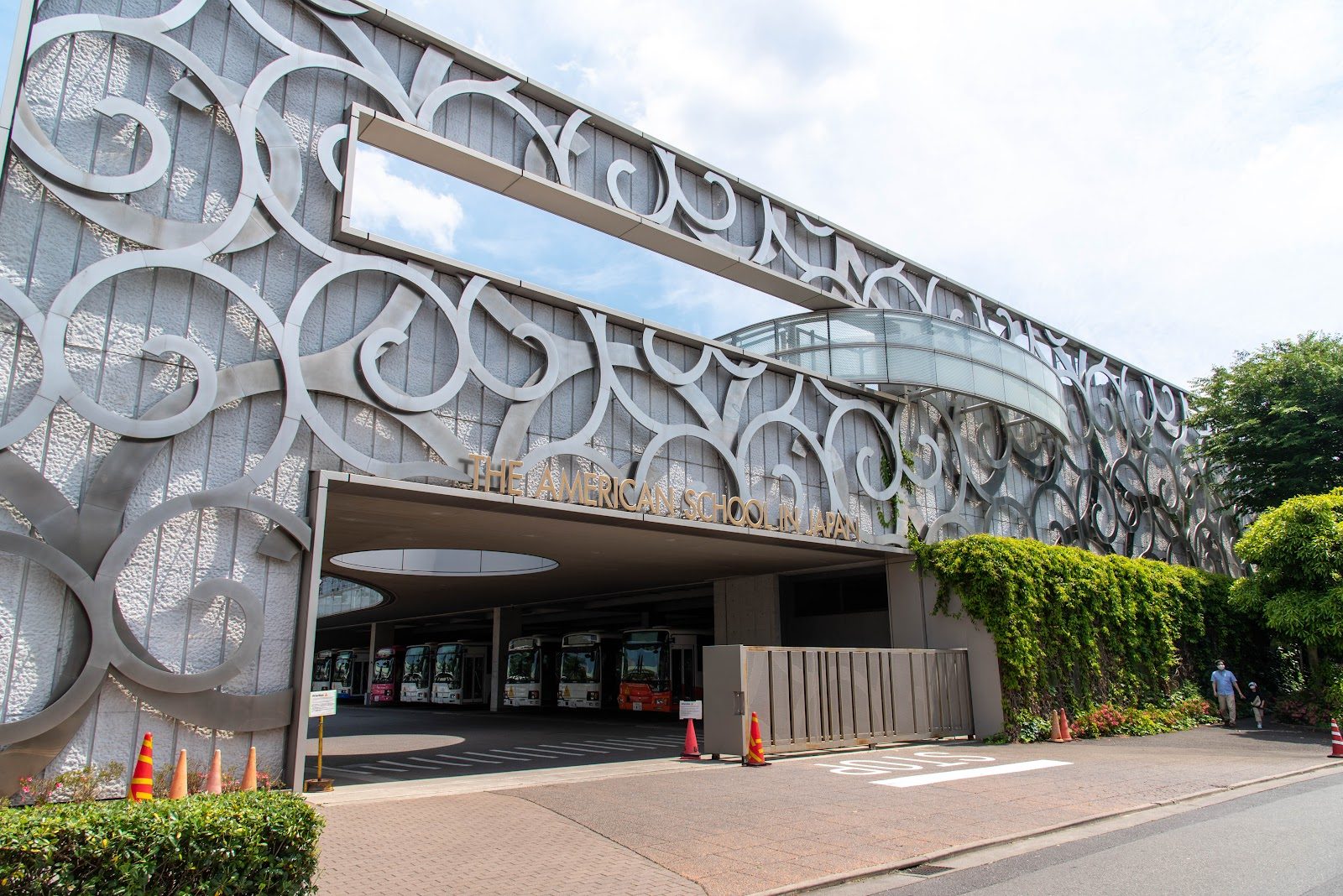
The American School in Japan
Tokyo · Japan
Rooted in Chofu since 1902, its early campus plans once drew sketches from Frank Lloyd Wright himself.
Collège Alpin International Beau Soleil
Villars-sur-Ollon · Switzerland
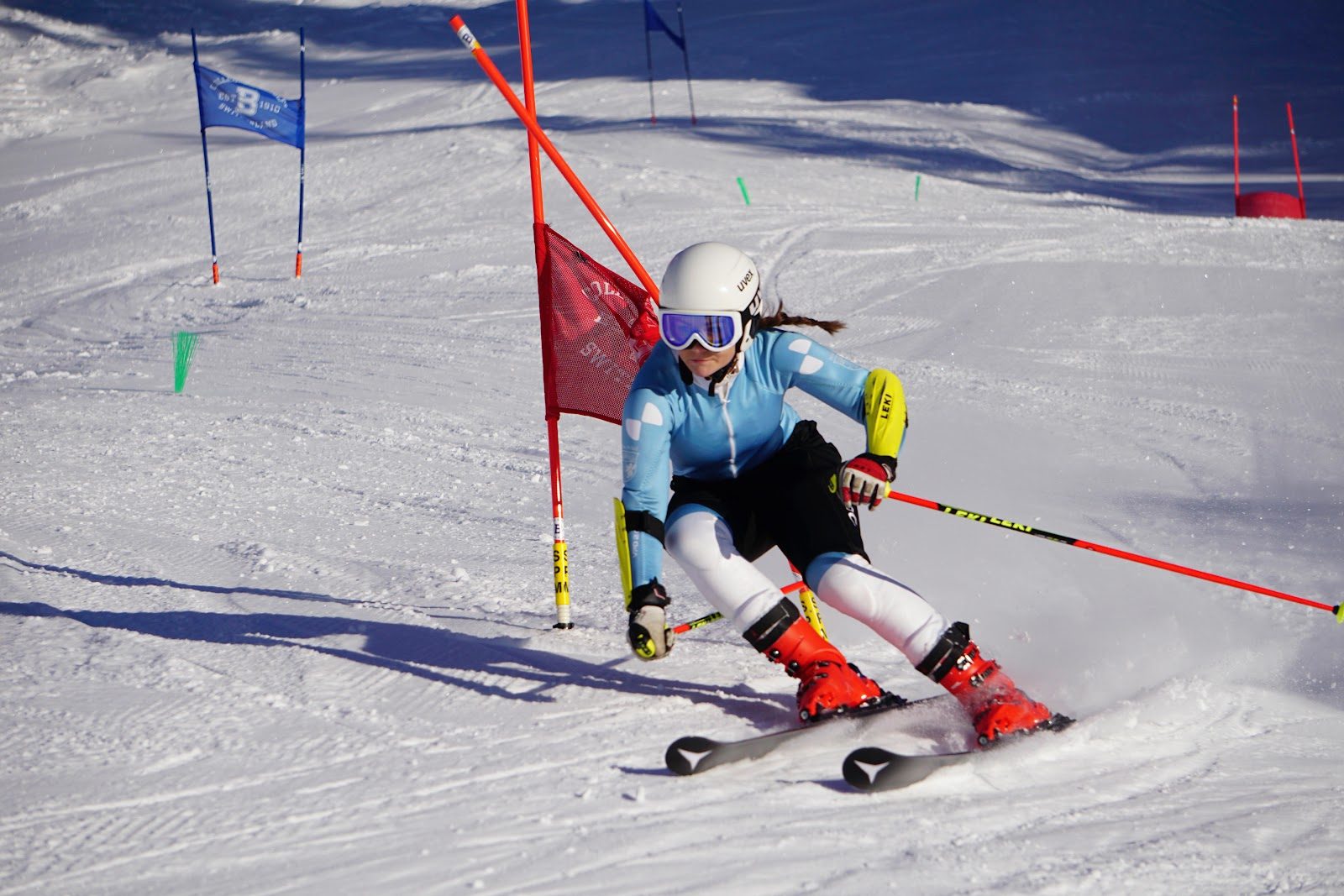
Since 1910, alpine boarding at 4,429 feet, where house culture is built for ridge hikes and a record Kilimanjaro summit push.
Crofton House School
Vancouver · Canada
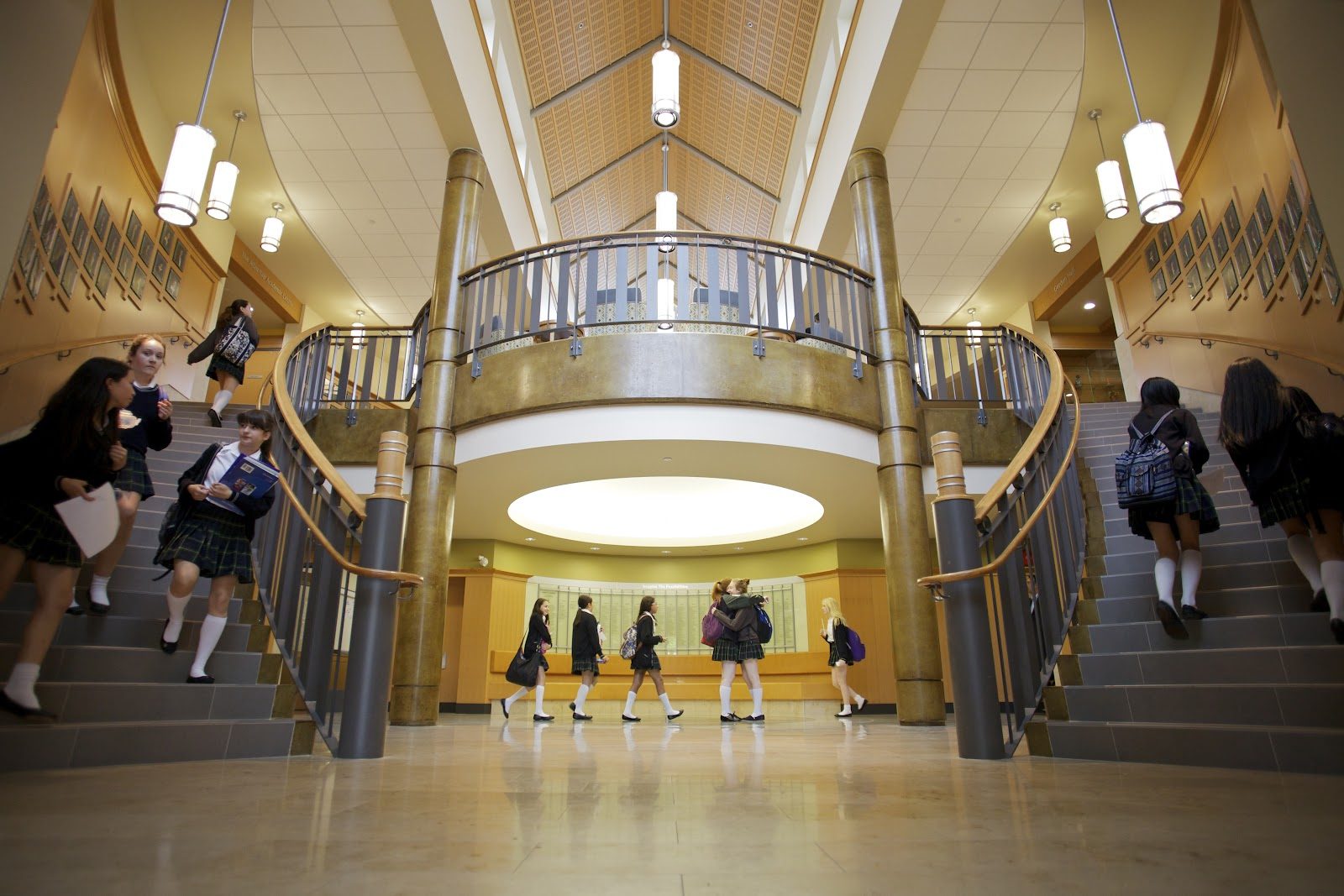
West of Toronto's oldest independent school, a Kerrisdale campus builds IB scholars through its four-quadrant Ivy Compass program.
Same country and curriculum — closest matches within ±10 points either way