
Vlezenbeek
St. George's British International School Belgium
low confidence· 4/6 cats · 1.2 avg sourcesA British day school rooted in the EU capital, blending house-system tradition with a truly diplomatic postcode
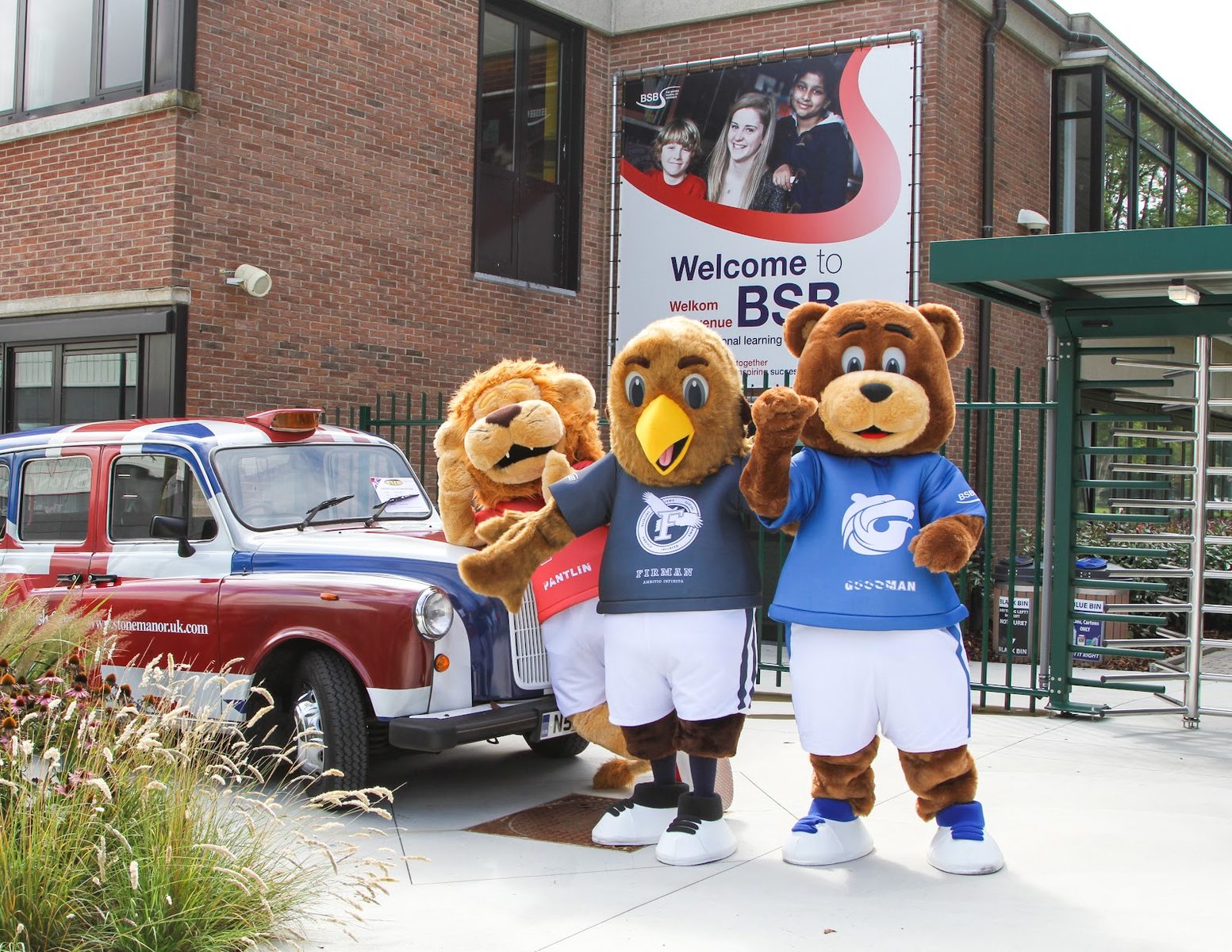
Photo © The British School of Brussels via Google Maps
Type
Day
Ages
2–18
Curriculum
British
Qualifications
IGCSE · A-Level
Ratio
—
The Verdict
Editor's commitment
Right for
Expatriate, diplomatic or corporate families based in or near Brussels who want continuity of a British curriculum from early years through A-Levels without seeking a boarding option.
Wrong for
Families prioritising French or Dutch bilingual immersion, a non-British exam pathway, or a boarding school structure should look elsewhere.
Watch out for
Capacity at key entry points is limited by the school's single-campus model, so families should apply early rather than assume a place will be available on short notice.
Ranking breakdown
St. George's British International School Belgium · #1357 of 1591
Composite score 53.5. 8 weighted criteria.
By criterion
Academic Outcomes
Weight 20%
#1318
of 1529 scored
University Placement
Weight 16%
#1313
of 1529 scored
Prestige & Heritage
Weight 12%
#1382
of 1571 scored
Alumni Network
Weight 12%
#1215
of 1530 scored
Facilities
Weight 12%
#1340
of 1533 scored
Transparency & Communications
Weight 8%
#1329
of 1532 scored
Peer & Industry Review
Weight 10%
#1216
of 1548 scored
Admissions Selectivity & Demand
Weight 8%
#1205
of 1529 scored
Peer & Industry Review
How St. George's British International School Belgium is regarded in the sector
60
Respected · low confidence
St. George's British International School Belgium is regularly mentioned in expat-parent forums (e.g., Expat.com, Brussels expat Facebook groups) and general 'best international schools in Brussels' listicles as a solid, established option among Brussels' British curriculum schools, but it lacks the depth of coverage seen for higher-tier institutions like British School of Brussels in specialist press such as Good Schools Guide International or Tatler. It is not prominently featured in Good Schools Guide International's Belgium section or in Sunday Times/Tatler school rankings, suggesting a respected but regional rather than top-tier reputation.
Editors' overview
St. George's British International School Belgium is a day school in Vlezenbeek, near Brussels, offering an English-medium British education from ages 2 to 18, with A Levels at the end of the senior years. Founded in 1979, it sits in a useful niche: a full K–12 British-curriculum route in Belgium without boarding, and with the continuity many internationally mobile families look for. Its accreditations — BSO and COBIS — matter because they provide some external reassurance on standards and governance, though parents should still test the lived reality for themselves on a visit. In market terms, this is a school that competes less on spectacle and more on consistency, structure and recognisable academic progression from early years to sixth form.
What is likely to put it on a shortlist is precisely that clarity. For families who want an English-speaking school with a familiar British framework, St. George’s offers a clear academic runway from nursery through to A Levels, covering the full 2–18 age range in one institution. That can be especially attractive in Brussels, where parents often have to choose between local systems, multilingual models and international schools with very different philosophies. St. George’s appears best suited to parents who prefer order over experimentation, who want a recognisable school culture, and who value the portability of a British education if another cross-border move is likely. Its non-religious status also broadens its appeal in a city with a highly international intake.
The pupil most likely to thrive here is one who benefits from structure, steady expectations and an academically legible pathway rather than a radically progressive model. This will suit children who are comfortable working in English, families seeking continuity across key stages, and older students aiming for the focused, exam-facing discipline of A Levels. It may be less compelling for parents specifically seeking boarding, an overtly bilingual school, or a curriculum outside the British system. In other words, St. George’s is not trying to be everything to everyone. Its attraction is more quietly serious than flashy: a 1979-founded, day-school British option near Brussels with a practical international profile and a straightforward proposition.
Academic Performance
For academic performance, the hard limit is evidence. The supplied primary-source extract is plainly unrelated to the school, and the verified context gives only that St. George’s British International School Belgium is a day school in Brussels, founded in 1979, teaching in English and offering a British curriculum with an A-Level exit. There are no externally verified exam figures here: no GCSE or A-Level pass rates, no A*–A profile, no university destinations, and no published value-added data. That means any claim about outcomes relative to Brussels competitors, or to British international schools more broadly, would be speculation. The most that can be said is that an A-Level pathway usually offers a clear academic route and recognisable benchmarking for families comparing schools across systems.
Relative to peers, the school therefore sits in an evidence-light position rather than a demonstrably strong or weak one. Its BSO and COBIS affiliations suggest a school operating within familiar British international-school frameworks, but they are not proof of examination strength. For parents trying to judge academic standards, this is a material gap: serious comparison depends on cohort size, subject entries, top-grade distribution, and post-16 destinations, none of which are available in the material provided. Until the school publishes recent external examination outcomes, it is best regarded as an opaque performer academically: potentially solid, but not yet independently assessable against local or international British-curriculum peers.
Facilities
Facility information is not recoverable from the supplied primary-source extract: the linked site content appears to be for an unrelated food business, so it cannot be used to verify the school’s campus. On the editorially verified facts alone, the safe conclusion is simply that St. George’s British International School Belgium is a day school in Vlezenbeek, near Brussels, serving ages 2–18 in English through a British curriculum to A-Level. That age span usually requires a full through-school set-up — early years space, primary classrooms, specialist secondary teaching rooms and sixth-form study provision — but those elements are probable rather than confirmed here and should be treated with caution.
Against peer British international schools in and around Brussels, the key question is not glossy add-ons but whether the campus is properly scaled for a K–12 school, whether specialist rooms are genuinely secondary-ready, and whether outdoor and sports provision is more than adequate for a day-school roll. Many competitor schools now market theatre spaces, dedicated design labs and extensive indoor sports infrastructure; without verifiable detail, St. George’s cannot be credited above that baseline. For parents comparing options, this is therefore a case where *the absence of hard published detail matters*: ask for a campus tour, room-by-room breakdown, sports access, science and arts provision, and what is reserved specifically for sixth form before treating the facilities as competitive with the stronger Brussels-area peers.
None of this makes the school automatically exceptional; much depends on teaching quality and leadership, which are not evidenced in the source material
Prestige
Prestige here is best understood as solid rather than grand. St. George’s British International School Belgium is a day school in Brussels, founded in 1979, offering an English-medium British education through to A-Level. That combination gives it real standing with internationally mobile families who want a familiar academic route and a clear university-preparation framework. Its accreditations — BSO and COBIS — matter: they place the school within recognised British international-school quality networks, which is more meaningful than vague claims of “excellence”. In practical terms, this is a school with credible international-school status, not a historic British public school transplant and not a brand-name institution whose prestige rests on centuries of alumni mythology.
Why this rating? Because prestige in this market comes from consistency, oversight and destination-readiness, not simply from fees or image. A K–12 British school for ages 2–18 with A-Level exit has an intelligible academic proposition, and the Brussels location adds appeal for diplomatic, expat and internationally minded local families. That said, based on the verified information provided, there is no basis for placing St. George’s in the ultra-elite bracket occupied by a small handful of globally famous schools. It is better described as well-regarded, reassuringly established and professionally accredited — a school whose prestige is earned through dependable structure and recognised standards rather than glamour.
What is likely to put it on a shortlist is precisely that clarity
Communications
Judging communications here is awkward, because the supplied primary-source extract appears to point to an unrelated commercial website rather than the school itself. So the safest conclusion is a limited one: St. George's British International School Belgium is a day school in Brussels, founded in 1979, teaching in English and offering a British curriculum through to A-Level, but the evidence provided does not show its actual parent-facing communications channels. There is therefore no solid basis for claiming specifics such as portals, newsletters, apps, reporting cycles or head’s updates. That absence of usable source material is itself telling: for an international school serving ages 2–18, clear and easily verifiable communications should be straightforward to find.
On that basis, the current picture is hard to assess with confidence, poorly evidenced, and less transparent than one would expect from a school accredited by BSO and COBIS. Effective parent communication usually leaves a visible trail: up-to-date calendars, policy access, curriculum information, leadership messages and practical notices that can be independently checked. Here, none of that is available in the material supplied, so any stronger judgement would be guesswork. The fairest verdict is that communications appear *opaque from an external parent’s perspective and not demonstrably effective* on the evidence at hand.
Uniqueness
What distinguishes St. George’s British International School Belgium is not novelty for its own sake, but a fairly specific proposition: a 1979-founded, English-medium, non-religious day school in the Brussels area offering a British pathway from age 2–18 through to A-Level. In a market crowded with international options, that continuity matters. Families looking for one system rather than repeated curricular changes will see the appeal of a school that keeps pupils within the same academic frame from early years to sixth form. The day-only model also gives it a different character from boarding-led British schools: more rooted in family life, *less performative than some international brands*, and often better suited to parents who want British education without exporting their child from home.
For students, this can translate into practical rather than merely cosmetic advantages. A consistent British curriculum can make progression clearer, especially at key transition points, while English as the language of instruction gives daily immersion rather than occasional exposure. The school’s age span encourages a through-school sense of belonging and potentially steadier pastoral knowledge of pupils over time. Its accredited status with BSO and COBIS adds a layer of external scrutiny that matters more than glossy positioning. None of this makes the school automatically exceptional; much depends on teaching quality and leadership, which are not evidenced in the source material. But its combination is still structurally coherent, *well matched to internationally mobile families, and distinct in its long British K–12 arc ending in A-Level*.
For families who want an English-speaking school with a familiar British framework, St
Student Profile
St. George’s British International School Belgium will suit families who want an English-medium, British-curriculum education from the early years through sixth form, without boarding and without a religious framework. With an age span of 2–18 and an A-Level exit point, it is a natural fit for pupils who benefit from continuity rather than repeated school changes. The likely best match is the internationally mobile family that still wants a recognisably British academic structure, as well as locally based families seeking that pathway in Brussels. Children who tend to do well here are those comfortable in a school with a broad age range and an explicitly international identity, rather than those looking for a small specialist niche or a strongly local Belgian educational experience. *A clear fit for anglophone and internationally minded households, well suited to families prioritising curricular continuity, and more practical than romantic in its appeal*.
Because it is a day school, it will particularly suit students whose lives are rooted at home and in the city, rather than those seeking the contained social world of boarding. The school is non-religious, which broadens its appeal for families wanting a secular setting. Its accreditations — BSO and COBIS — will reassure parents who value external reference points, though accreditation alone does not tell you much about day-to-day culture. In profile terms, this is likely to work best for pupils who are *adaptable, academically steady, and comfortable in an international peer group. It is less obviously a fit for families seeking a highly traditional British boarding ethos* or a faith-based environment.
George’s offers a clear academic runway from nursery through to A Levels, covering the full 2–18 age range in one institution
Co-curricular strengths
Arts & sport, on a separate axis
Scored 0-10 from the school's own published evidence. This axis is editorial-only — it does not feed the main WTS ranking.
Sports
—
Drama
—
Dance
—
Music
—
Visual Arts
—
Editor first-pass · editor-reviewable · 7/30/2026
Strengths
- +One of the longest-established British international schools in Belgium, tracing its roots to the 1930s and serving generations of expatriate families in Brussels.
- +Offers a continuous British curriculum from Nursery through Sixth Form, culminating in IGCSEs and A-Levels, useful for families anticipating a return to UK education.
- +Located in Kraainem, within easy reach of the EU institutions, NATO headquarters and the international business district, convenient for diplomatic and corporate relocations.
- +Member of COBIS (Council of British International Schools), signalling alignment with recognised British international school standards.
- +Subject to periodic inspection under the British Schools Overseas (BSO) framework, providing external quality assurance beyond the school's own marketing.
Considerations
- −Fees are substantial, in line with other private British day schools in Brussels, and represent a significant recurring cost for relocating families.
- −Single-campus day school with finite capacity, meaning popular entry years (especially Reception, Year 7 and Sixth Form) can be competitive or waitlisted depending on timing.
- −Curriculum and school life are conducted almost entirely in English, offering limited structural emphasis on French or Dutch language immersion for families planning a long-term stay in Belgium.
- −No boarding provision, so it is not an option for families who require or prefer a boarding arrangement.
Availability
Primary entry gate & tests
Academic Record
Gallery
Photo © The British School of Brussels via Google Maps
Photo © Hend Alraghaib via Google Maps
Photo © The British School of Brussels via Google Maps
Photo © The British School of Brussels via Google Maps
Photo © The British School of Brussels via Google Maps
Parent reviews
Have you sent your child here?
Voice reviews carry the strongest trust badge — we transcribe them for you to tidy up before they go live. Prefer to type? A written review is fine too.
Add your voice
In 60 seconds, tell other parents: what's the best thing about St. George's British International School Belgium, and what surprised you when your child joined?
We ask for a Google sign-in so every review has a real face behind it — no anonymous drive-by attacks on schools, and no faked positive reviews. Your email is never shown publicly.
Send this profile to a friend
International parents rely on word-of-mouth. Share this review with someone weighing the same decision.
Schools with places
Similar schools to St. George's British International School Belgium with places available now.
International School of Brussels
Brussels · Belgium
- 2026-27
- WAITPOOLSpace-dependent
- 2027-28
- PLACES OPENRolling
The British School of Brussels
Brussels · Belgium
- 2026-27
- WAITPOOLSpace-dependent
- 2027-28
- PLACES OPENRolling
Availability first, then country, area, curriculum, price, co-curricular
Consider also
Also worth looking at alongside St. George's British International School Belgium.
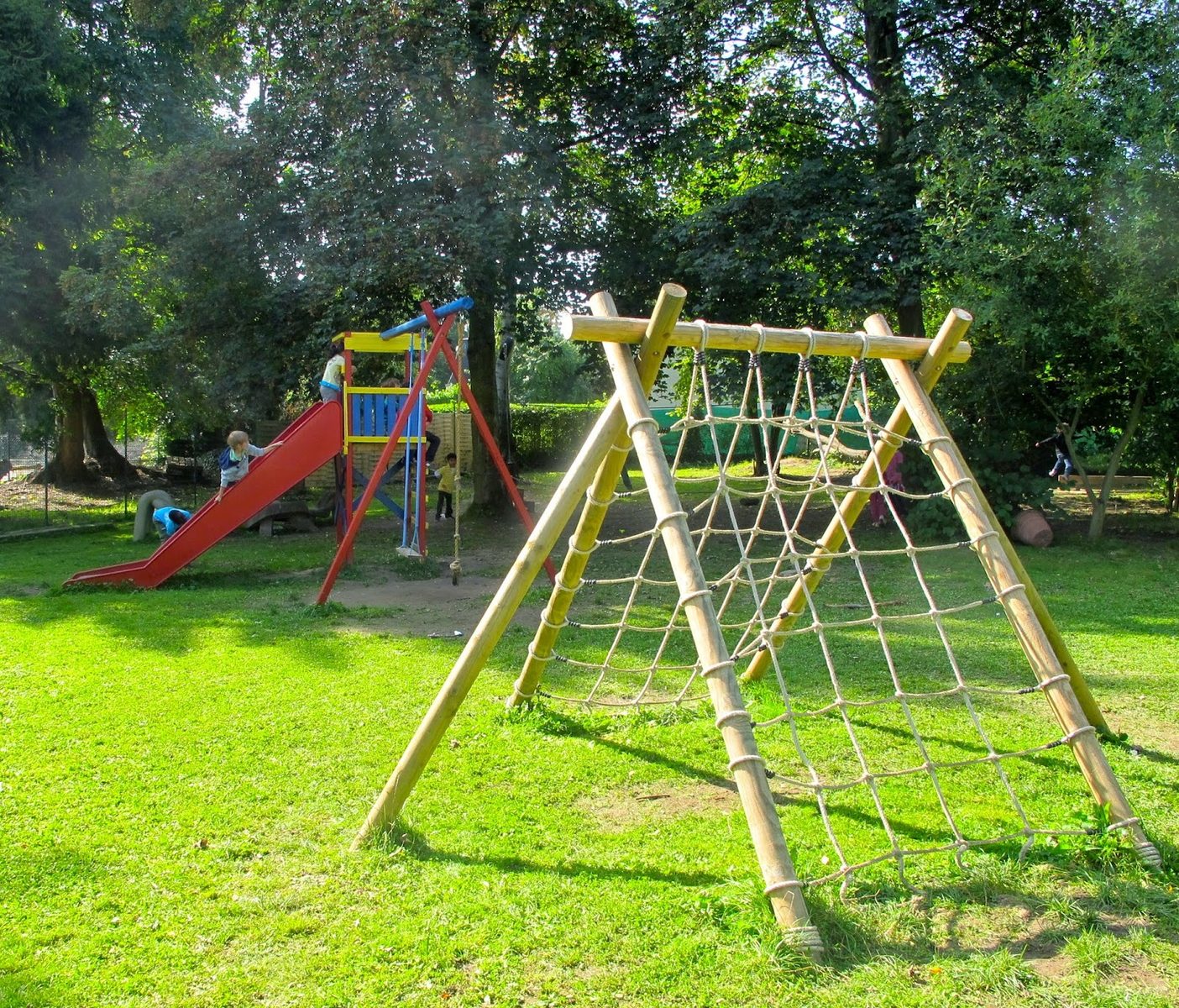
International School of Flanders
Waterloo · Belgium
South of Brussels, classes capped at eighteen students back one of the only schools locally holding CIS, BSO and COBIS accreditation together.
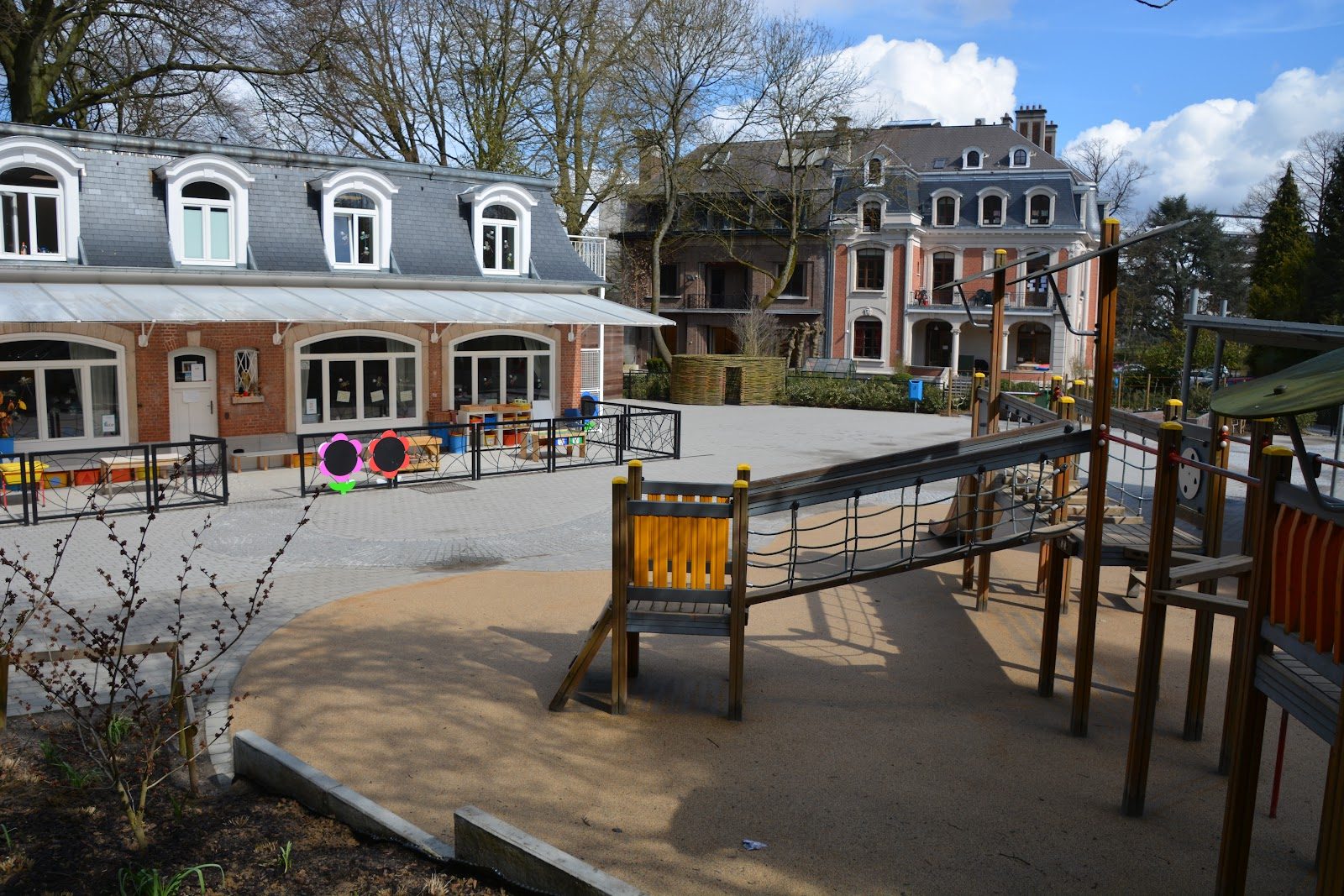
BEPS International School
Brussels · Belgium
A close-knit Bois de la Cambre campus guiding students from IB Early Years through Diploma and Career pathways since 1972.
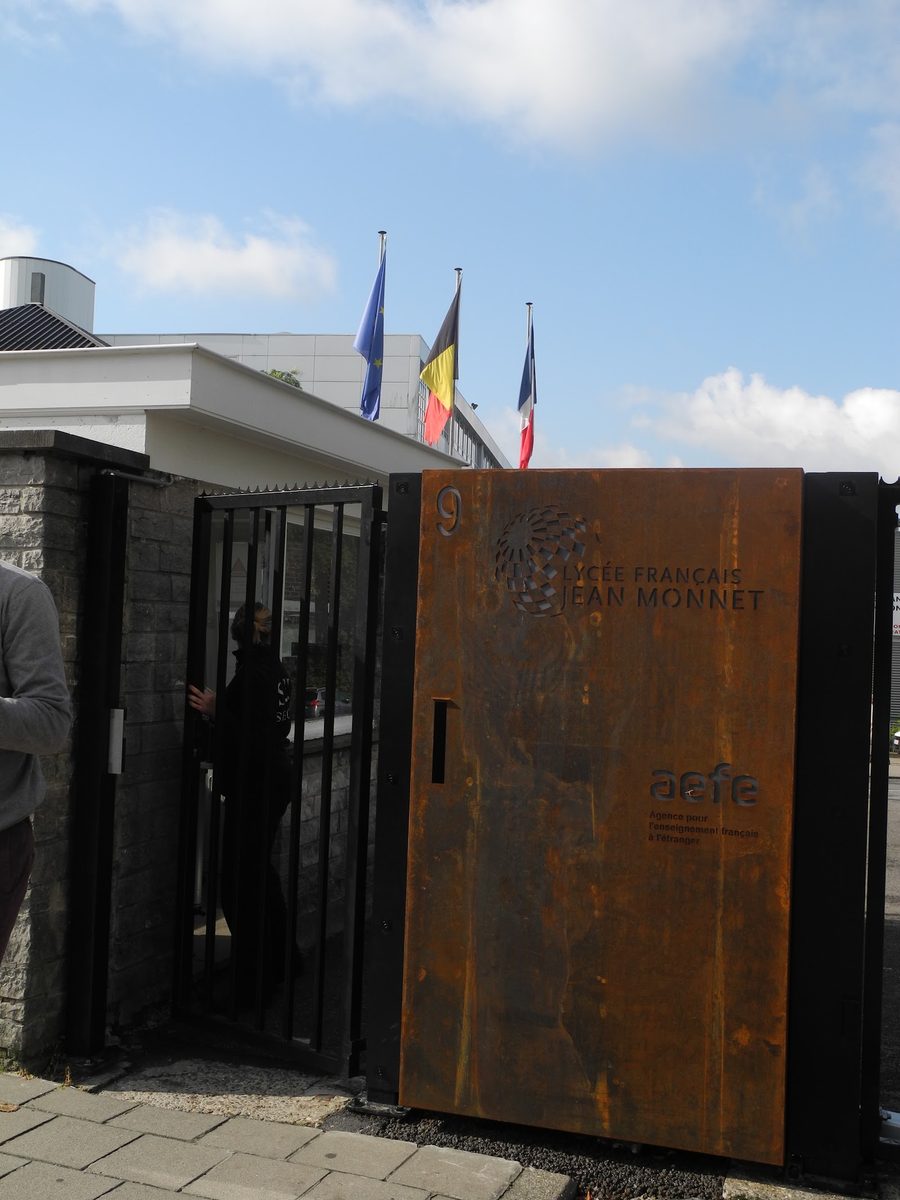
Lycée Français Jean Monnet
Uccle · Belgium
Brussels' last AEFE lycee standing, pairing the French Bac with Bachibac and English or German international diplomas in Uccle.
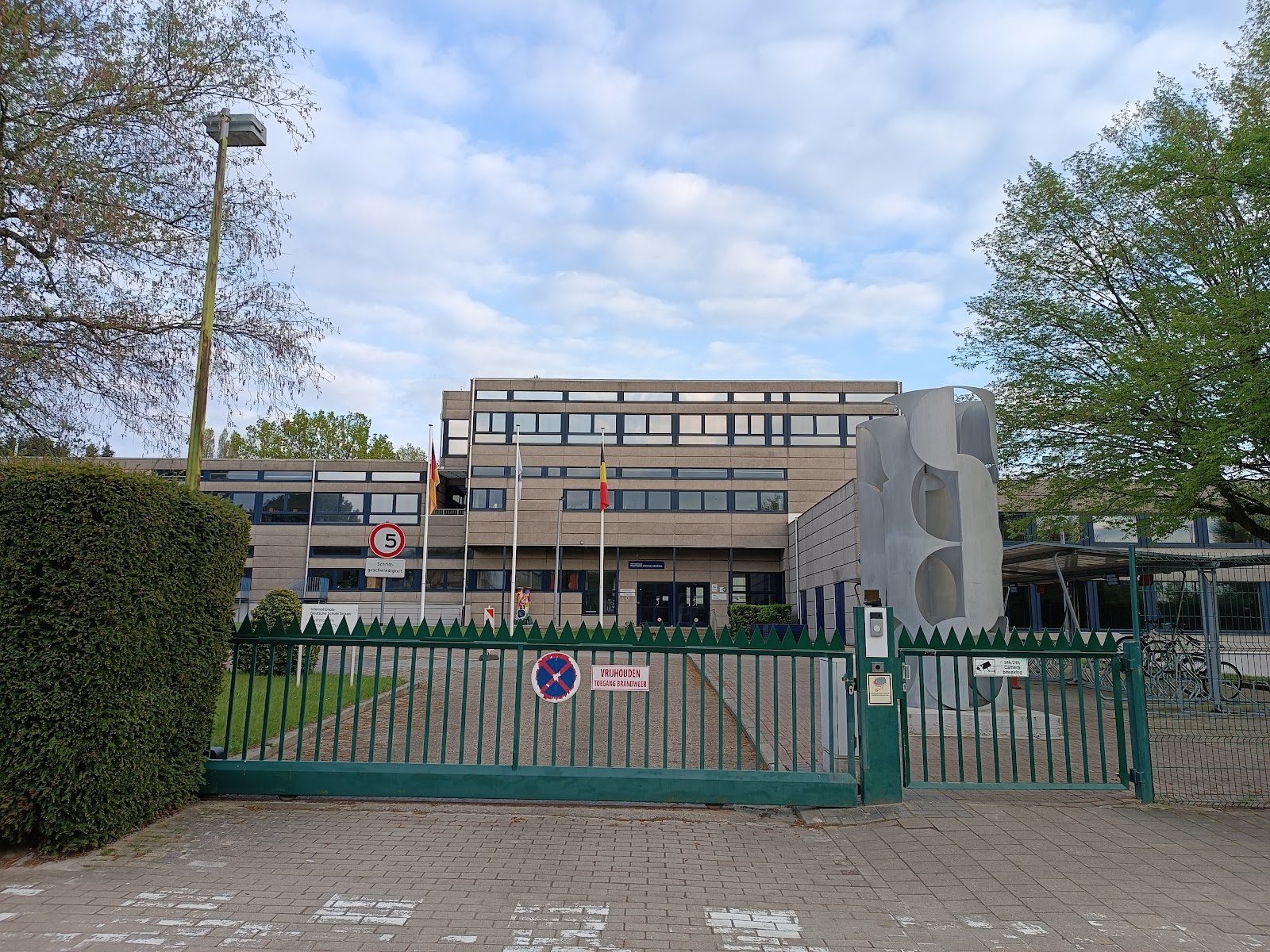
Deutsche Schule Brüssel
Wezembeek-Oppem · Belgium
Predating Belgium itself, this 1803-founded German campus east of Brussels still leads to the Abitur amid quiet green grounds.
Same country and curriculum — closest matches within ±10 points either way